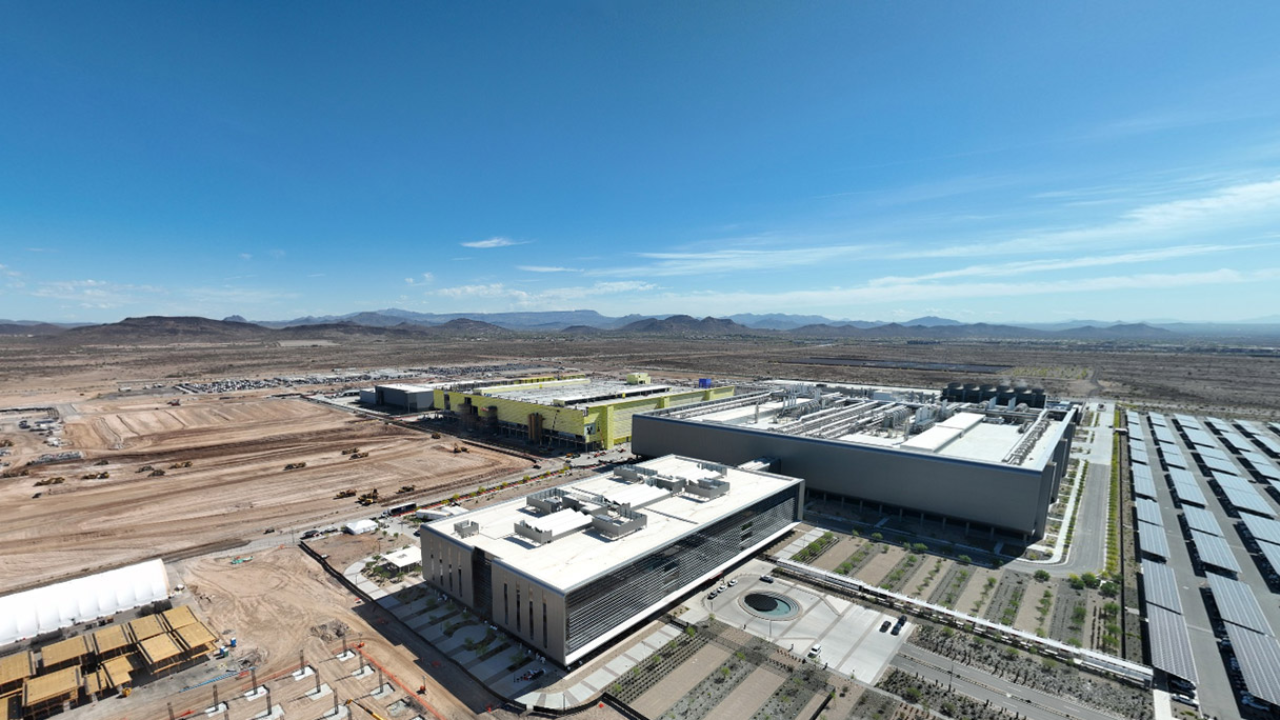
What began as a symbol of America’s semiconductor resurgence in late 2024 quickly unraveled into a cautionary tale by the following year. Wolfspeed, a leading manufacturer of silicon carbide chips, received preliminary approval for $1.75 billion in federal support—comprising a proposed $750 million CHIPS Act direct grant and $1 billion in tax credits under Section 48D—to build a massive new factory in rural North Carolina. By November 2025, the company had filed for bankruptcy, employed only a fraction of its promised workforce, and left taxpayers and local officials questioning the fate of their investment.
Construction and High Hopes
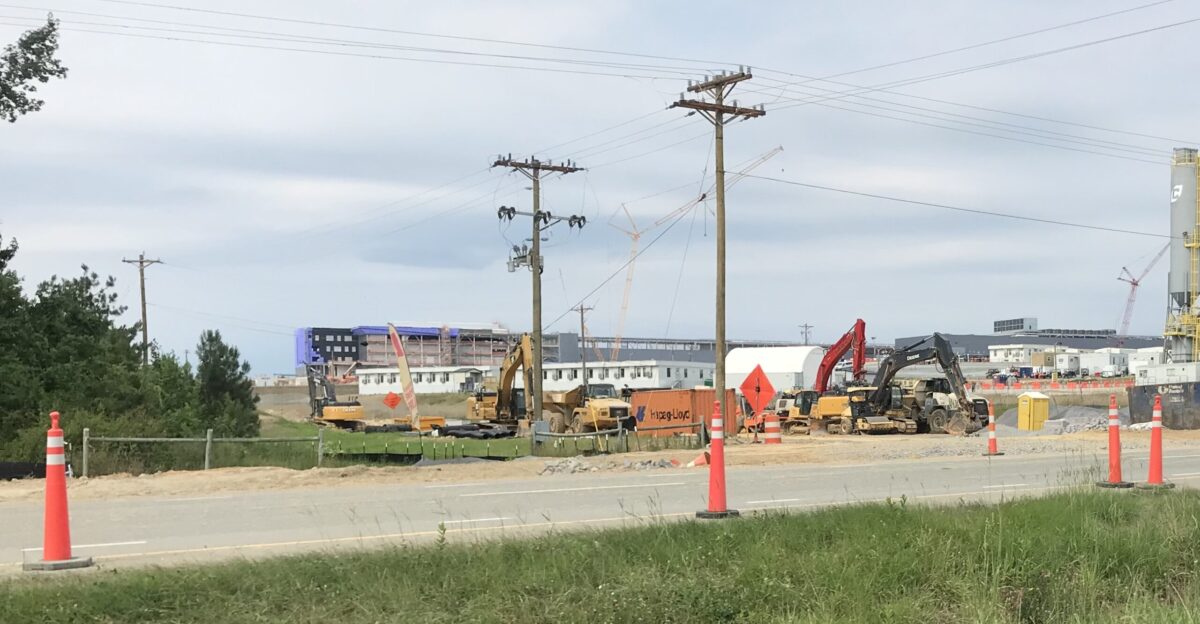
Wolfspeed broke ground on its Siler City facility in 2022, with construction progressing rapidly. By March 2024, the company celebrated the structural completion of its two-million-square-foot plant, an event attended by state and local leaders. The factory, built on 445 acres, was intended to multiply Wolfspeed’s silicon carbide production capacity more than tenfold. The project was widely hailed as evidence that federal investment could revive American manufacturing and reduce reliance on foreign chip suppliers.
The optimism was short-lived. Despite the fanfare, Wolfspeed struggled to meet its ambitious hiring targets. By the time the facility became operational, only about 200 workers had been hired—far below the 1,800 jobs the company had pledged to create by 2030.
Layoffs, Bankruptcy, and Restructuring

The reality of Wolfspeed’s situation became clear in June 2025, when the company announced layoffs affecting 73 employees at the Siler City plant, citing “business challenges” and weak customer demand. This move reduced the workforce to roughly 127, a 93% shortfall from the original commitment. The layoffs signaled deeper trouble: Wolfspeed was not on the growth trajectory it had promised.
On June 30, 2025, Wolfspeed filed for Chapter 11 bankruptcy protection, burdened by $6.5 billion in debt and facing a sharp downturn in demand for electric vehicle (EV) chips—its core market. The bankruptcy marked one of the largest restructurings in the semiconductor sector. By September, the company emerged from bankruptcy with 70% of its debt eliminated and annual interest expenses significantly reduced. However, the Siler City factory remained largely idle, and the company’s future was far from secure.
Federal Support in Jeopardy

The change in presidential administrations in January 2025 brought new uncertainty. The incoming Trump administration launched a sweeping review of all CHIPS Act awards, including Wolfspeed’s $750 million grant component. President Trump publicly criticized the CHIPS Act, calling for its repeal and the redirection of unspent funds to reduce the national debt. Commerce Secretary Howard Lutnick announced that all Biden-era semiconductor grants would be renegotiated to secure “better deals.”
Wolfspeed’s leadership scrambled to preserve its federal support, with board chair Tom Werner assuring investors that the company was in “constructive dialogue” with the administration. Yet, he also acknowledged that Wolfspeed was preparing for the possibility that the grant might never materialize. The company’s stock price reflected this uncertainty, plunging 48% in a single day in March 2025 as doubts about the grant’s future mounted.
Local Fallout and Broader Collapse

The impact of Wolfspeed’s troubles rippled through Chatham County, where local officials and developers had reoriented economic plans around the factory’s expected growth. Housing developments and job training programs were launched in anticipation of a manufacturing boom that never arrived. By October 2025, the sprawling Siler City facility—built to accommodate thousands—operated at a fraction of its capacity, its parking lot nearly empty.
Wolfspeed’s struggles extended beyond North Carolina. The company had already laid off 20% of its global workforce, shuttered its Durham facility, and suspended plans for a new factory in Germany. In fiscal year 2025 alone, Wolfspeed burned through millions in cash as demand for silicon carbide chips, especially in the EV sector, failed to meet expectations.
A Strategic Asset in Limbo
The collapse of Wolfspeed’s expansion raised national security concerns. Silicon carbide semiconductors are considered critical for military, energy, and communications infrastructure. The Siler City project was intended to reduce U.S. dependence on Asian suppliers, but with the facility underutilized and federal funding uncertain, the nation’s supply chain remained vulnerable.
Wolfspeed’s bankruptcy also shifted control of the company. Its largest creditor, Renesas Electronics, converted $2.06 billion in debt into equity, taking a large stake in the restructured firm. While this move kept the company afloat and factories running, existing shareholders were left with only a small fraction of their original investment.
Looking Ahead: Policy and Industrial Stakes
The Wolfspeed saga has prompted a broader debate about the future of federal semiconductor incentives. The company’s rapid collapse after receiving a major federal commitment has led policymakers to question the effectiveness of such programs and whether they can withstand political transitions. For Chatham County, the economic fallout is immediate and visible. For the nation, the episode underscores the risks and complexities of rebuilding critical manufacturing capacity—and the high stakes for American industrial policy in a volatile global market.