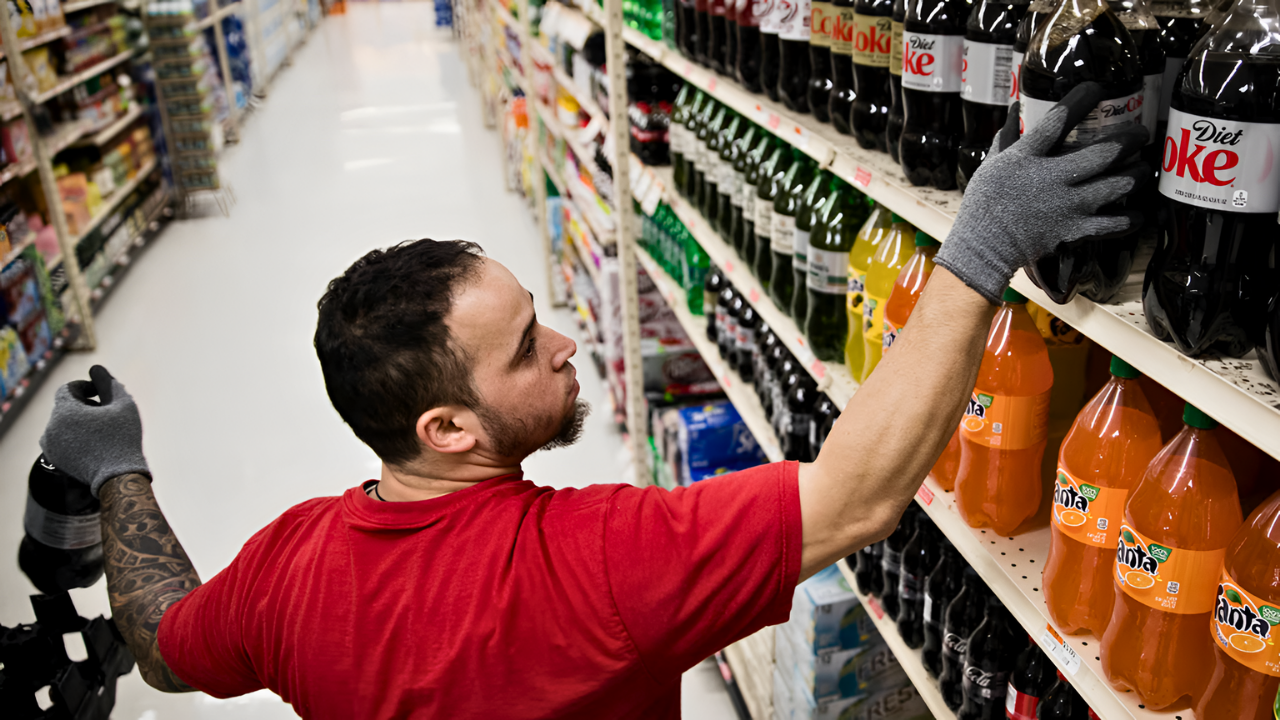
Your shopping cart glides through aisles bursting with colorful packages, each promising flavor and convenience. By checkout, however, most items trace back to a handful of corporate giants, their influence hidden behind diverse labels.
These companies command vast swaths of the U.S. grocery market through strategic acquisitions, distribution networks, and retailer relationships. Their control shapes availability, pricing, and consumer options in ways that extend far beyond individual brands.
Coca-Cola’s Vast Reach
Coca-Cola stands as a $50 billion annual beverage powerhouse, holding nearly half the U.S. non-alcoholic drink market. Beyond its iconic soda, it encompasses water, juice, coffee, sports drinks, and energy drinks. The 2020 acquisition of Fairlife extended its grip into nutrition-focused products.
This dominance stems from over a century of building supply chains since 1886. Exclusive deals secure placements in vending machines, restaurants, stadiums, and stores, steering choices before they occur. Coca-Cola does not merely sell drinks; it defines market categories and influences pricing across them.
Kraft Heinz’s Shelf Stronghold
The 2015 Kraft-Heinz merger formed a $26 billion processed food leader, with brands like Heinz ketchup, Kraft Mac & Cheese, Ore-Ida fries, Philadelphia cream cheese, Jell-O, and Planters nuts. A planned corporate split announced in September 2025 alters structure but leaves aisle presence intact.
Scale provides the edge: integrated logistics, pricing power, and retailer ties. Stores negotiate entire portfolios, not single items, reducing incentives to stock rivals. This operational weight sustains control in processed foods.
Mars’ Diverse Portfolio
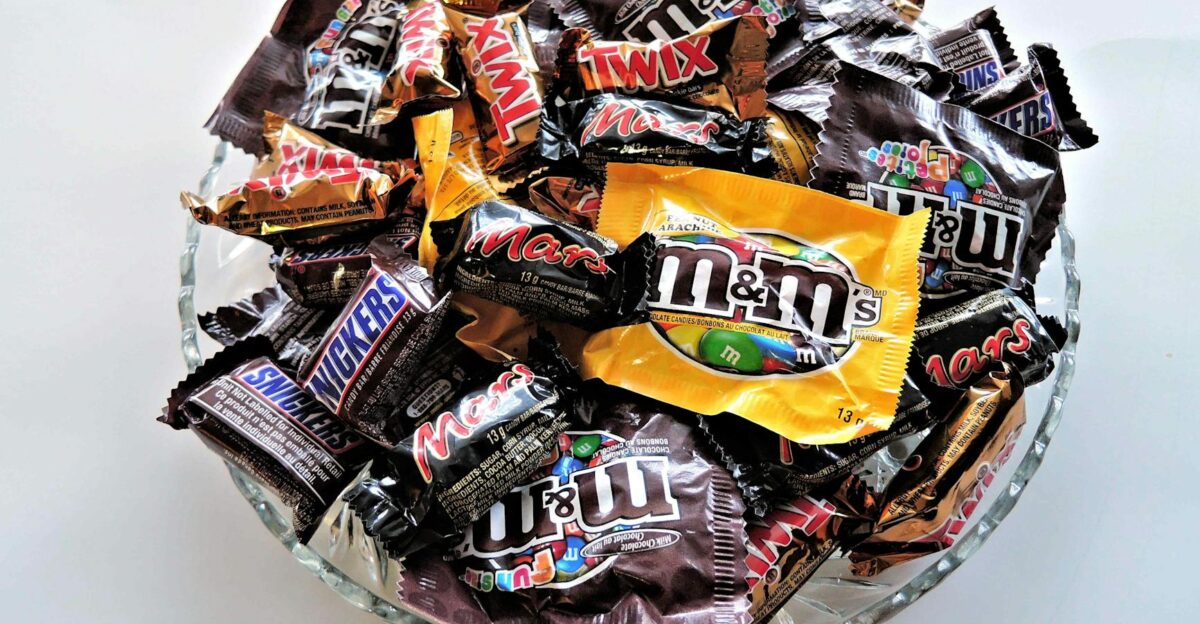
Privately held Mars generates about $45 billion yearly, spanning candy, coffee, pet food, and cereals. The 2008 Wrigley acquisition transformed the gum and candy sectors; its 2025 purchase of Kellanova added breakfast items like Frosted Flakes and Rice Krispies.
Brands such as M&M’s, Snickers, Wrigley gum, Keurig, Pedigree, and Whiskas feed into one entity. Households often spend hundreds annually across these without recognizing the common owner. Mars cultivates low visibility to minimize scrutiny.
PepsiCo’s Dual Dominance
PepsiCo’s $90 billion revenue covers beverages and snacks, including Pepsi, Gatorade, Tropicana, Aquafina, Quaker Oats, Doritos, and Lay’s. This cross-category hold enables bundled deals that smaller players cannot match.
Retailers trade concessions on drinks for snack advantages, forging a resilient ecosystem. Regulators seldom challenge this linkage, allowing PepsiCo to crowd out single-category competitors.
Nestlé’s Global Footprint
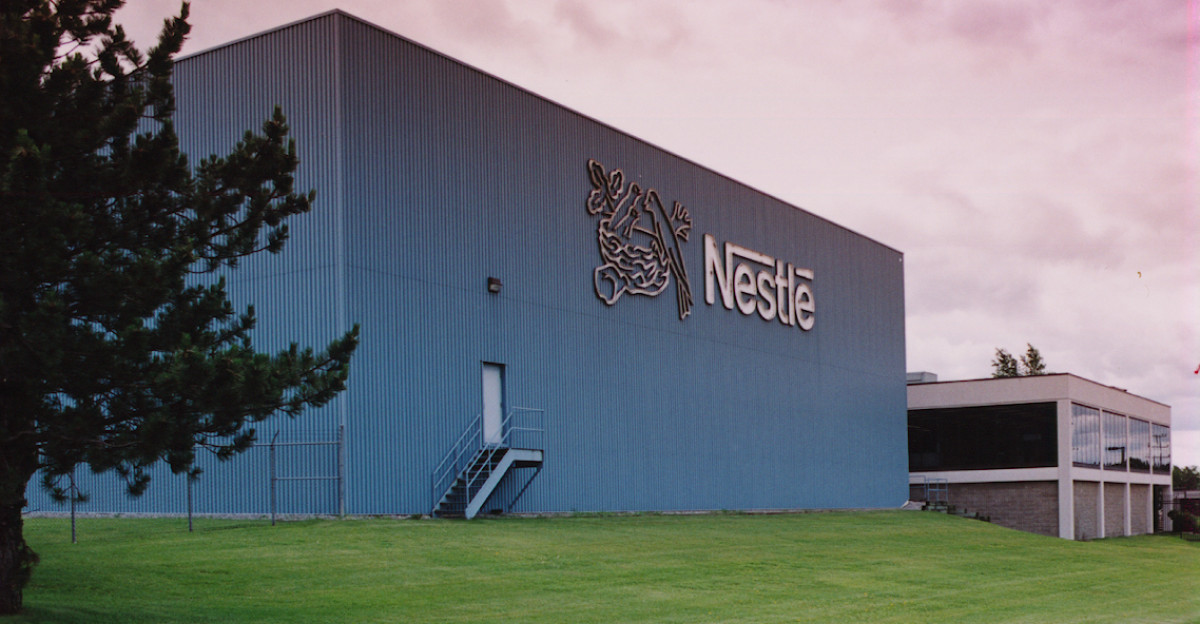
As the world’s largest food company with $95 billion in annual sales, Switzerland-based Nestlé operates in nearly every category and country. U.S. holdings include Nescafé, Perrier, DiGiorno, Lean Cuisine, Purina, Vitaminwater, and Orgain.
Brands appear local—frozen pizza feels American, water unassuming—masking multinational scale. This perception sustains influence across indulgence, convenience, health, pet care, and more, touching diverse consumer needs.
These conglomerates—along with others like Mondelēz, General Mills, Unilever, Conagra, and J.M. Smucker—fill carts with staples from jam to frozen meals, often without fanfare. Their strategies prioritize ubiquity over prominence, embedding power in everyday routines. As market concentration grows, questions persist about competition, innovation, and consumer leverage in shaping grocery landscapes ahead.
Sources:
“Food Monopoly Mega Merger: Huge Farms, High Prices.” The Guardian and Food & Water Watch, 14 Jul 2021.
“Behind the Brands: Food Justice and the ‘Big 10’ Food and Beverage Companies.” Oxfam International, Feb 2013.
“Grocery Goliaths: How Food Monopolies Impact Consumers.” Food & Water Watch, Dec 2013.
“2024 Annual Report and Form 10-K.” PepsiCo Inc., 2025.