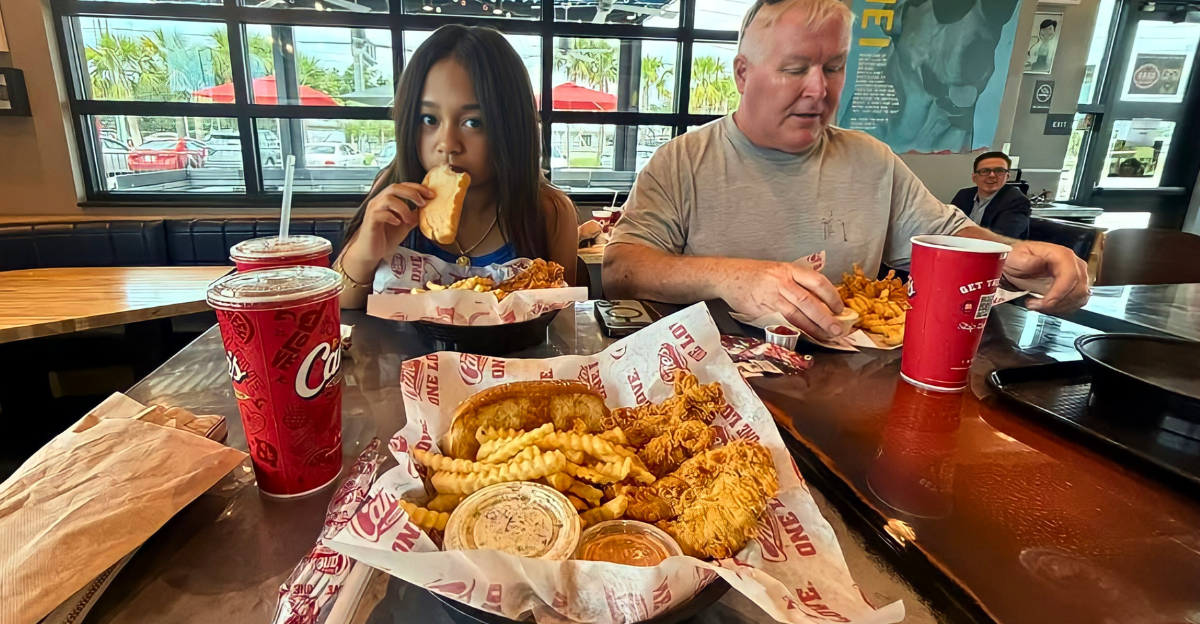
Fast food is stitched into American life, serving hurried lunches, after-school cravings, and late-night snacks for millions. But the convenience often hides the harsher truth that many of these meals pack more calories, fat, sodium, and sugar than most people realize.
“One fast-food combo can easily exceed daily sodium limits,” the American Heart Association noted in 2024. In response, nutrition experts and watchdogs identified the nation’s ten least healthy chains for 2025. Their findings?
The menus Americans love most often contain the very meals fueling Today’s obesity and heart disease crisis. Think your go-to order is safe? Think again.
Our Collective Fast-Food Obsession
How did we become a fast-food nation? The answer lies in affordability, availability, and relentless advertising. A CDC survey of 2024 reported that over 36% of U.S. adults eat fast food on any given day. Drive-thru windows, dollar menus, and combo deals make it cheap and quick, while jingles and ads create cultural nostalgia.
Psychologist Kelly Brownell told The Atlantic that fast food “is less about hunger and more about habit and identity.” Despite mounting evidence of its risks, the convenience and familiarity keep Americans coming back repeatedly, often at a hidden cost.
How the “Least Healthy” Are Chosen
Ranking unhealthy fast-food chains isn’t just about calorie counts. Researchers analyzed the menus’ sodium, saturated fat, sugar, and portion sizes. Chains scoring worst often sold meals that hit or surpassed daily nutrition limits in a single serving. “Sodium is the biggest red flag,” Harvard researchers explained in 2024, noting some sandwiches exceed 2,500 milligrams.
Oversized drinks and “make it a meal” combos pushed totals higher still. What looks like an everyday order can rival a full day’s intake. The methodology revealed the uncomfortable truth that the most popular menu items are often the least nutritious.
The List – America’s 10 Least Healthy Chains
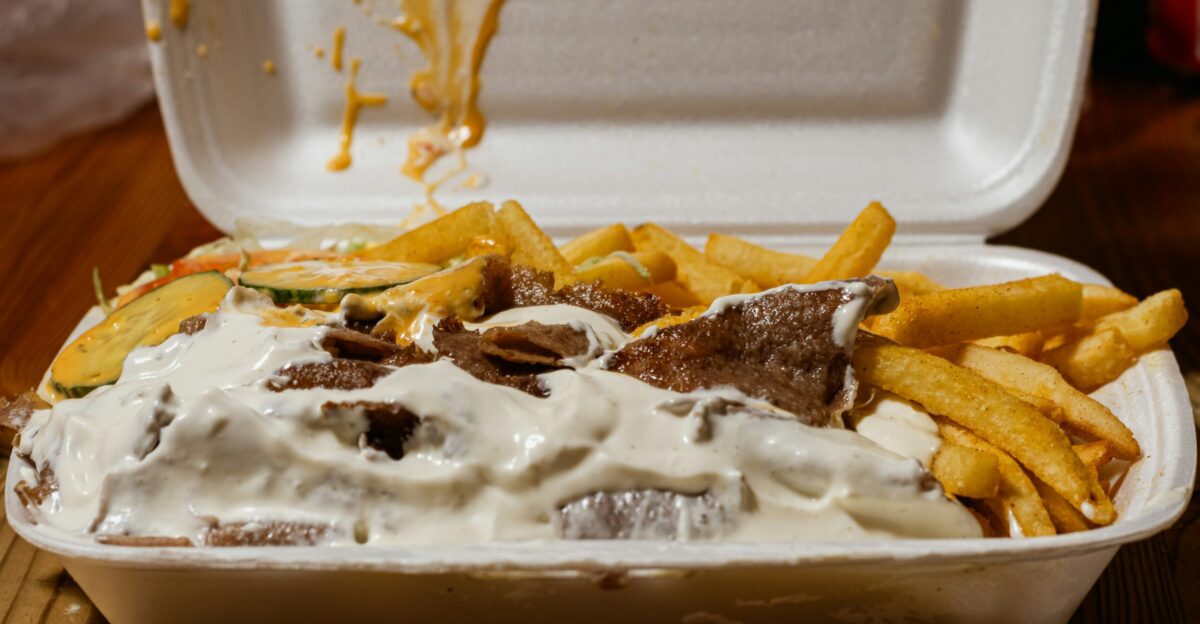
Behind the glowing neon signs and catchy taglines, ten fast-food chains stood out as the nation’s least healthy. Each earned its spot through oversized burgers, salt-heavy sides, or desserts overloaded with sugar. While every chain offers lighter items, experts say the signature dishes—the bestsellers—drive most customers’ choices.
“People rarely go to these restaurants for salads,” dietitian Lisa Young told Healthline. Instead, they order the indulgent meals these chains are famous for, unknowingly stacking up health risks. From pizza deals to bacon-loaded burgers, here’s how America’s favorites ended up on the bottom of the list.
1. Wendy’s – The Baconator Juggernaut
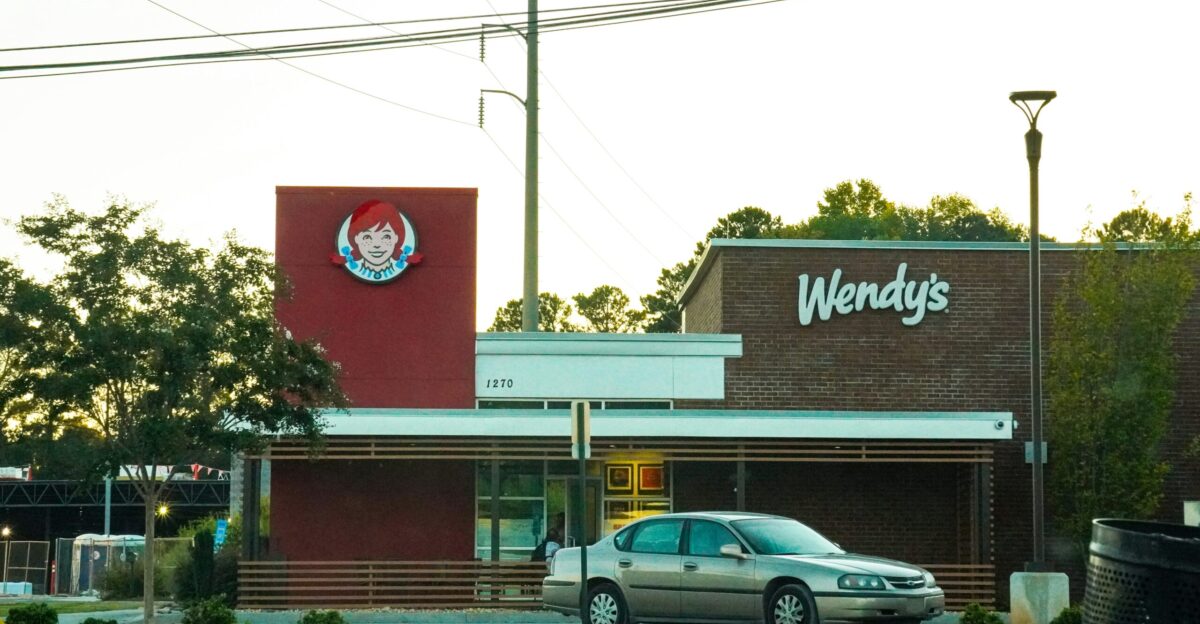
Wendy’s is number one thanks to towering burgers, salty fries, and sugary sodas. The Triple Baconator alone packs 1,350 calories, 38 grams of saturated fat, and 2,280 milligrams of sodium, exceeding daily limits in a single sandwich.
“Meals like this can derail nutrition for the whole day,” registered dietitian Bonnie Taub-Dix told Insider. Even seemingly lighter options, like baked potatoes or chicken sandwiches, add up quickly when paired with combo deals.
With late-night hours and affordable menus, Wendy’s keeps fans coming back. For many, indulgence has become routine, not the exception, fueling long-term health concerns.
2. Sonic Drive-In – Supersized Sugar and Fried Temptations
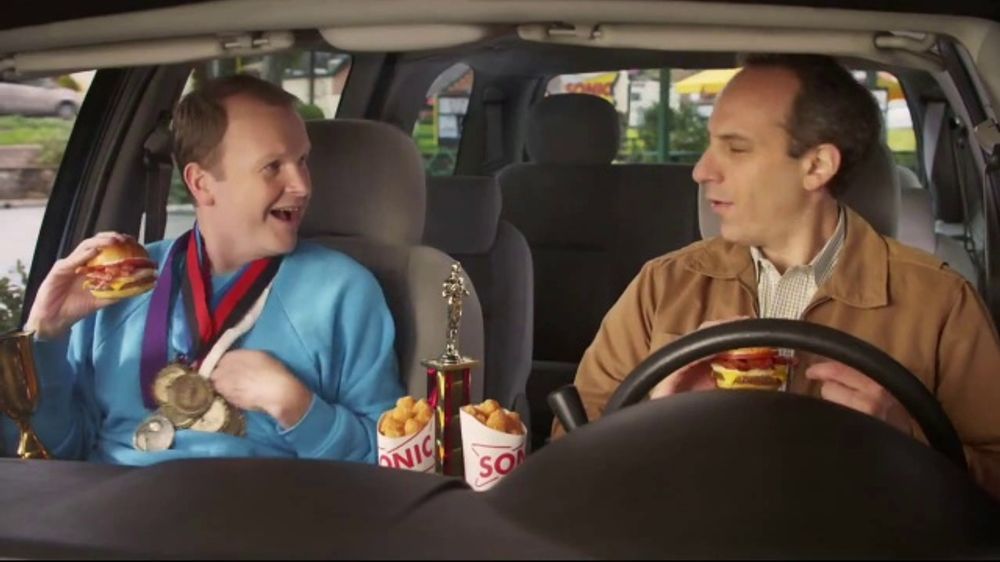
Photo by Pinterest on Pinterest
Sonic’s retro drive-in vibe hides menu choices that push nutrition past safe levels. A 44-ounce Reese’s Peanut Butter Cup Shake delivers 1,470 calories and more than 120 grams of sugar, triple the recommended daily limit. “Sugar-sweetened drinks remain the leading source of added sugar in American diets,” the USDA confirmed in 2024.
Even meals like chili cheese tots or double burgers pile on sodium and fat. With dozens of drink flavors, customizable combos, and oversized portions, Sonic thrives on excess. The chain’s fun image and variety keep customers hooked, but the nutritional math tells a different story altogether.
3. Taco Bell – Sodium and Fat Overload
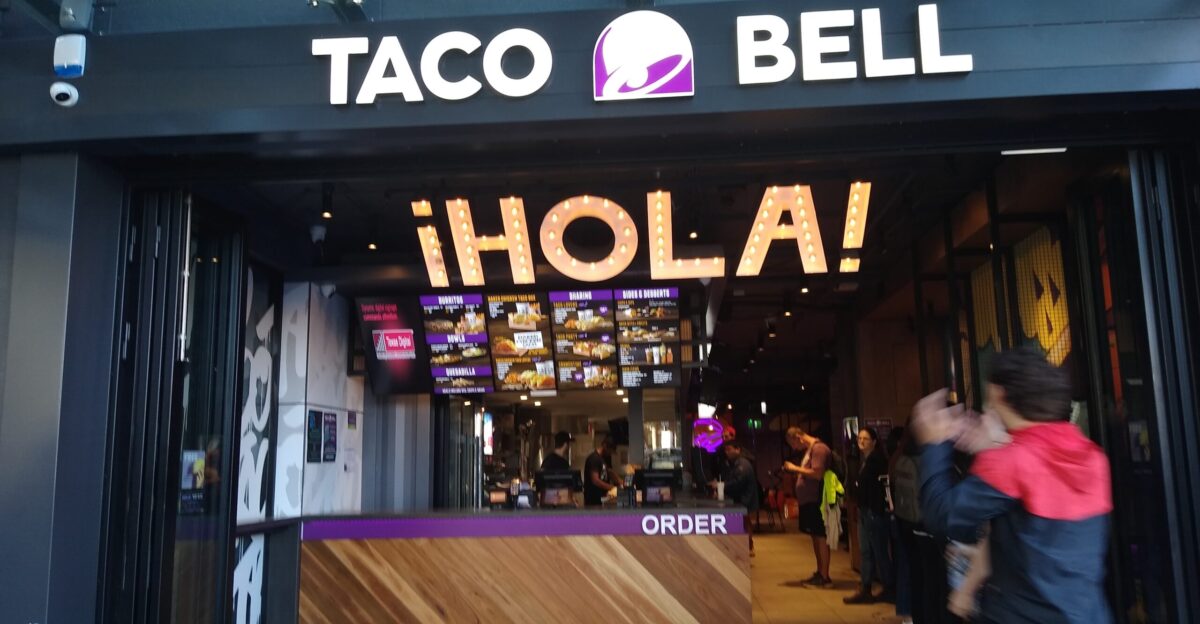
Taco Bell is famous for creativity and convenience, but its meals often overwhelm nutrition guidelines. The Double Steak Grilled Cheese Burrito contains about 930 calories and 2,260 milligrams of sodium, nearly a full day’s allowance.
Nachos, Crunchwraps, and combo boxes pile on even more. “Excess sodium is a major contributor to high blood pressure,” the American Heart Association warned in 2024. While vegetarian and “fresco” options are marketed as lighter, most still exceed safe sodium levels.
While the indulgence feels harmless for late-night taco runs or quick lunches, health experts caution that it has lasting consequences.
4. Dairy Queen – Dessert-Driven Calorie Bombs
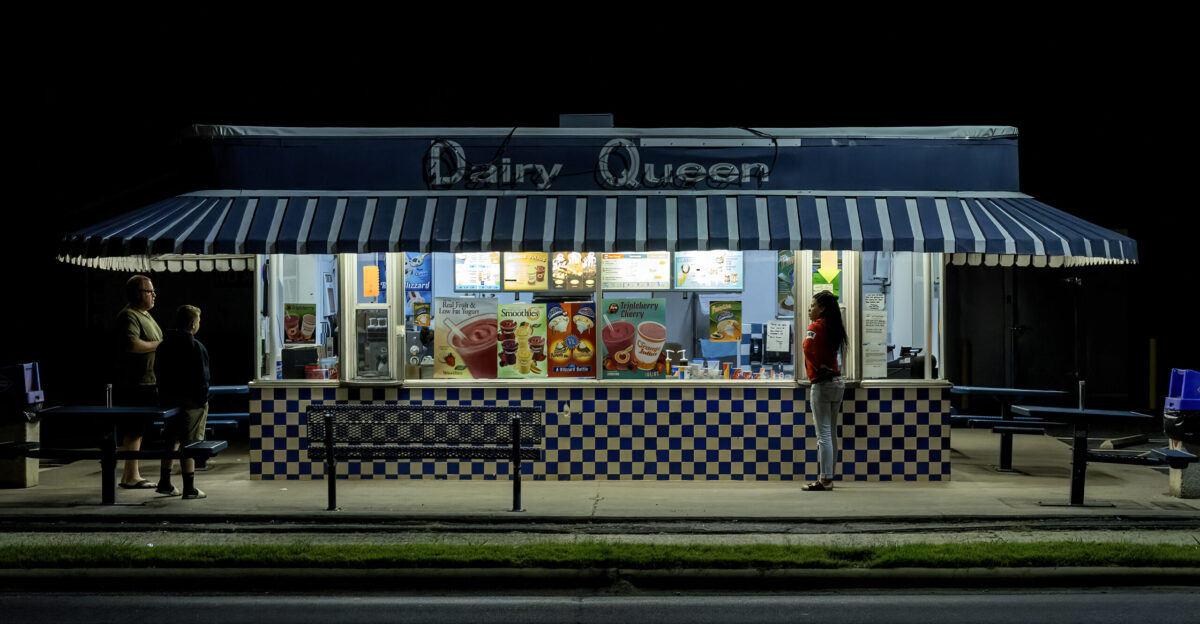
Dairy Queen is beloved for its Blizzards, cones, and shakes, but many treats are more than indulgent—they’re excessive. According to DQ’s nutrition data, a large Oreo Blizzard has over 1,300 calories and 100 grams of sugar. “Liquid calories are quickly consumed but not quickly burned,” dietitian Katherine Zeratsky explained to Mayo Clinic News.
Add a burger basket or fries, and the numbers skyrocket. Even menu items labeled “lighter” often pack hidden sodium. Dairy Queen built its reputation on desserts, but health experts say those same desserts explain why the chain ranks so poorly nutritionally.
5. KFC – The Fried Chicken Champion of Salt
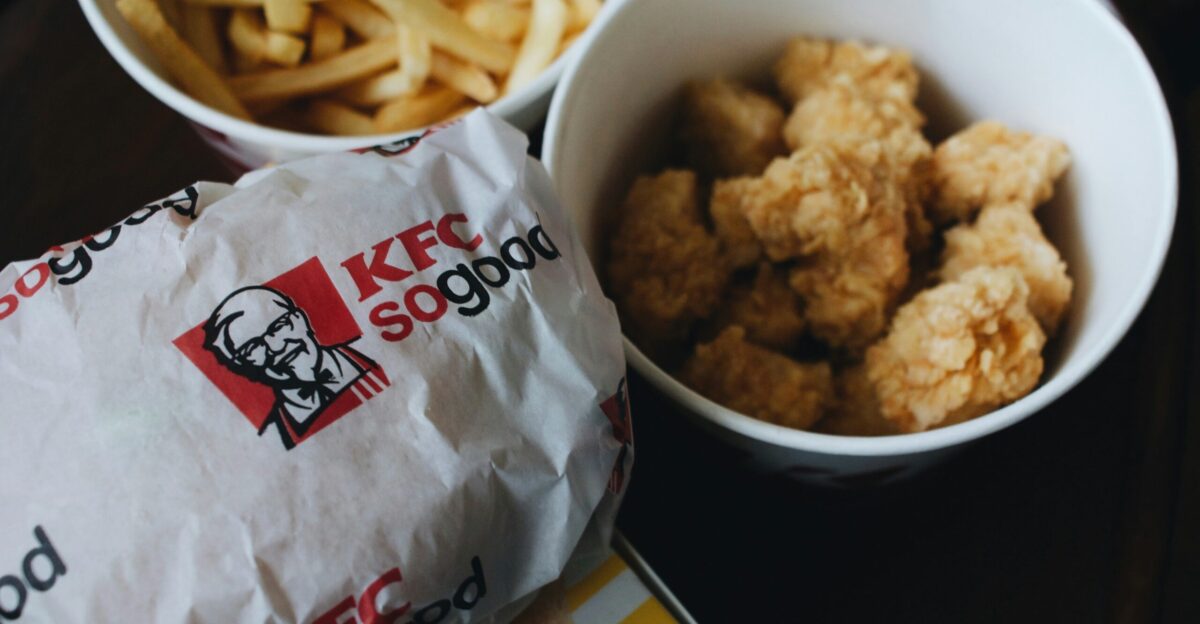
According to company data, KFC’s Extra Crispy three-piece combo has 1,080 calories and more than 2,200 milligrams of sodium. Add mashed potatoes, biscuits, or gravy, and the total quickly doubles. The CDC reported in 2024 that “Most Americans consume 50% more sodium than recommended. ”
Even grilled chicken, marketed as a lighter choice, can contain more sodium than expected. Combo deals and family buckets encourage larger orders, turning a comfort meal into a health hazard. Finger-lickin’ good may be the slogan, but experts warn KFC’s reliance on salt makes it one of the biggest nutritional offenders in America.
6. Quiznos – Salt-Stacked Submarine Sandwiches
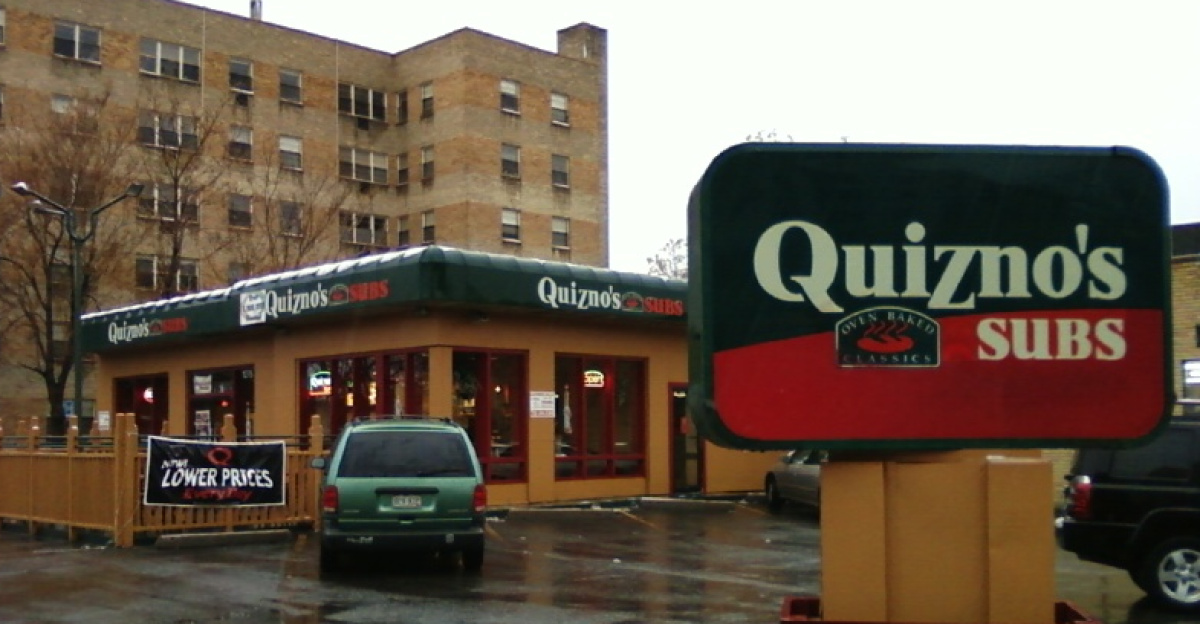
Quiznos ranks on the list with subs that hide astonishing sodium levels. The Classic Italian sandwich delivers 1,320 calories and 2,850 milligrams of sodium, which is already above the FDA’s daily recommended maximum.
“Sandwiches are one of the top contributors of hidden salt in U.S. diets,” CDC researchers said in 2024. Add chips, soup, or a drink, and the numbers worsen. Quiznos markets hot, “flavor-packed” subs, but those flavors usually come from processed meats, cheeses, and sauces.
Even more miniature sandwiches often mislead with higher-than-expected counts. For regular customers, Quiznos is an unassuming but steady nutritional threat.
7. McDonald’s – Household Name, Hidden Hazards
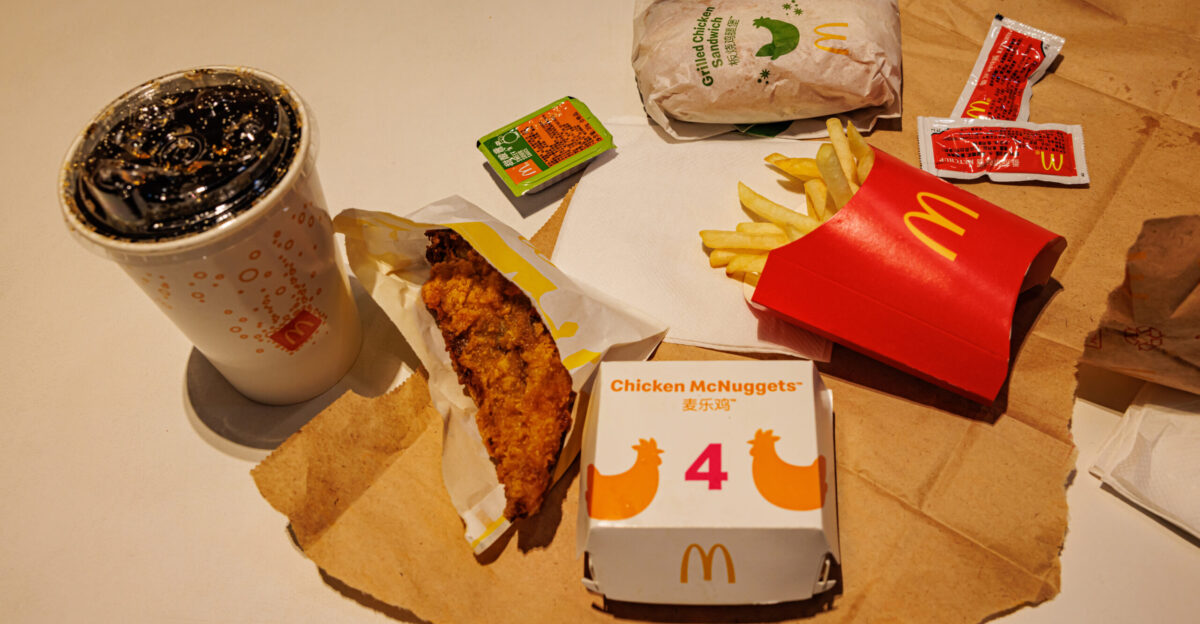
McDonald’s golden arches are among the most recognizable symbols in the world, but their popularity comes with nutritional pitfalls. According to the company’s nutrition guide, a Big Mac with fries and Coke is about 1,070 calories, 45 grams of fat, and 1,300 milligrams of sodium.
“Calorie labeling has not significantly shifted consumer choices,” a Yale study published in JAMA concluded in 2023. While salads and apple slices exist, most customers prefer burgers, fries, and breakfast sandwiches.
Limited-time promotions often encourage indulgence, not restraint, making McDonald’s a global icon with a very American health problem.
8. Smashburger – Gourmet Burger, Caloric Overload
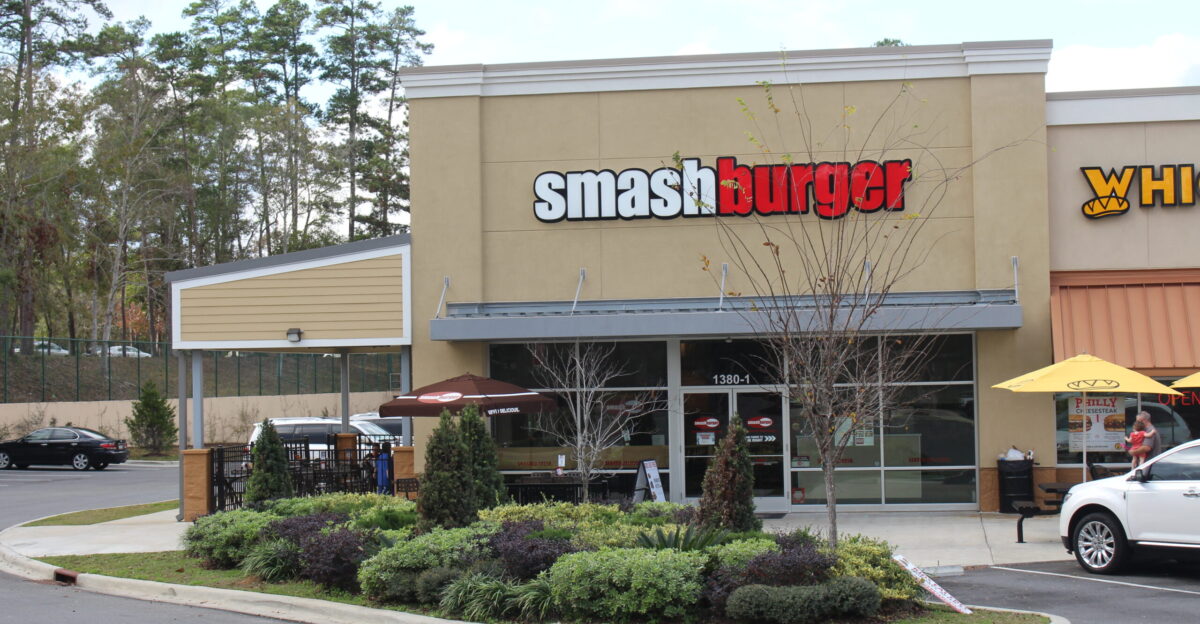
Smashburger built its reputation on “better burgers,” but better doesn’t mean healthier. The BBQ Bacon Cheddar Burger clocks in at around 800 calories, and once paired with crispy sides or a shake, the total can reach 1,400. “Premium fast food is still fast food,” nutritionist Dawn Jackson Blatner told Today.
Add-ons like fried onions, bacon, or double patties only raise the count. Smashburger’s fresh-cooked style and modern branding make it appealing, but the indulgence is clear in the numbers. For diners chasing flavor, the calorie price is steep, which places Smashburger firmly on this list of unhealthy heavyweights.
9. Little Caesars – Pizza for One, Calories for Many
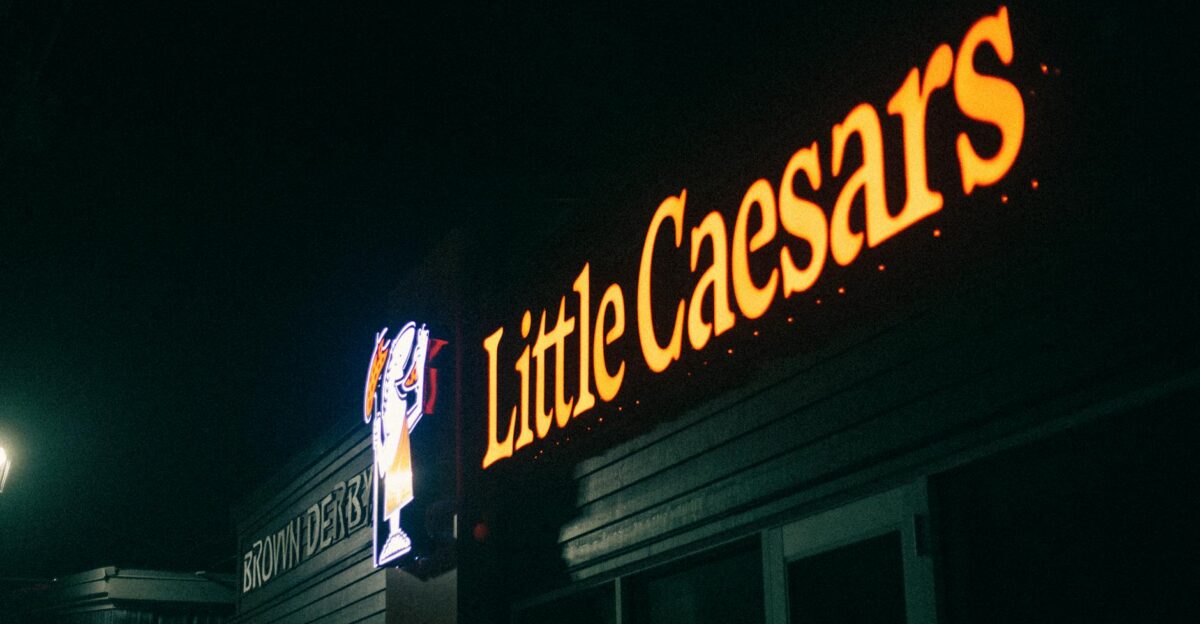
Little Caesars is known for affordability, but its $5 Hot-N-Ready pizza comes with a heavy nutritional price: more than 2,140 calories, 92 grams of fat, and nearly 4,000 milligrams of sodium. “Pizza is one of the top contributors of sodium in the American diet,” the CDC reported in 2024.
While marketed as a single meal, nutritionists say Little Caesars offers closer to a day’s worth of food in one box. Add breadsticks, wings, or dipping sauces, and the impact multiplies. Cheap, fast, and filling have made Little Caesars popular, but it is also one of the least healthy chains in America.
10. Chick-fil-A – “Health Halo” with Hidden Calories
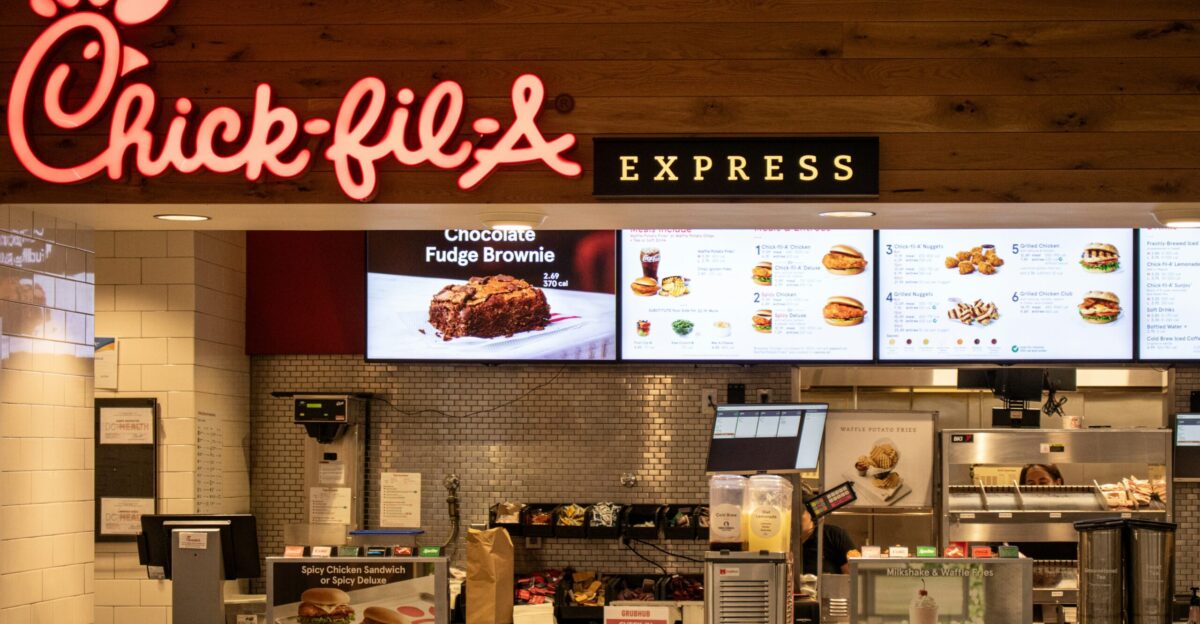
Chick-fil-A is often viewed as a healthier alternative, but appearances can be misleading. The classic chicken sandwich is 440 calories, but add fries and lemonade, and the total jumps to 1,200 calories and 1,350 milligrams of sodium; even Cobb salads, marketed as wholesome, average 850 calories with dressing.
“Health halos lead consumers to underestimate calories,” researchers at Cornell University’s Food and Brand Lab explained. Chick-fil-A has become a favorite nationwide, with customer service and branding fueling loyalty. Yet, experts caution, its menu proves just as nutritionally risky as that of other fast-food giants.
Supersized Combos – The Fast Track to Excess
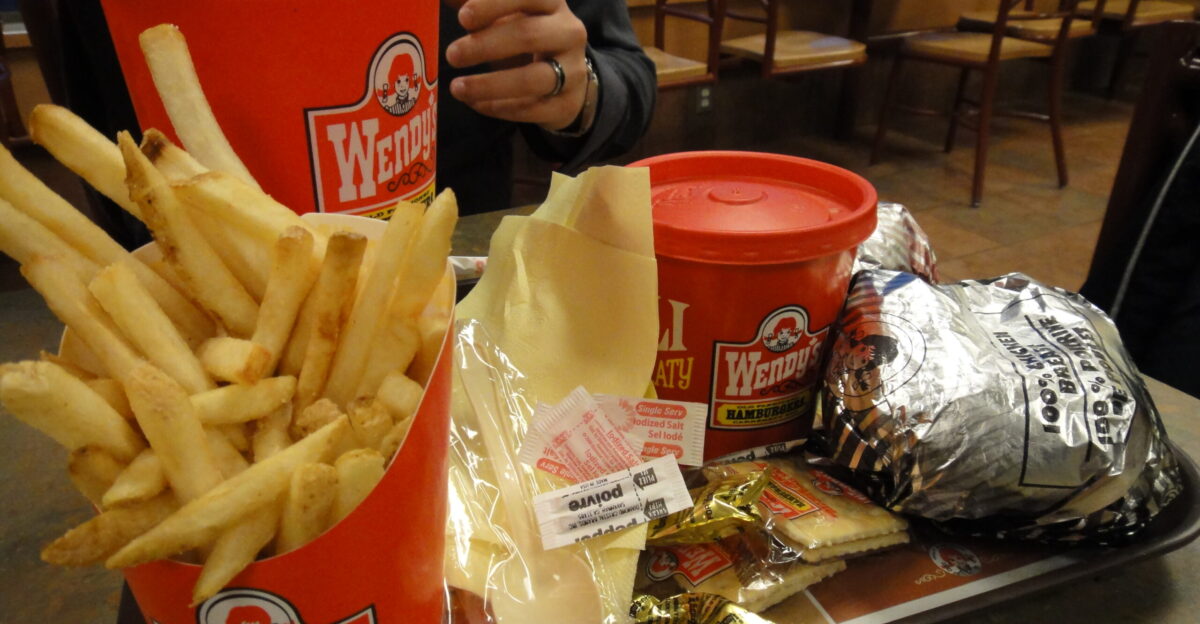
Value deals promise more food for less money, but nutritionists warn they deliver more problems than savings. Supersized combos push meals over 2,000 calories in a single tray. “Value meals encourage overeating,” researcher Brian Wansink noted in The Journal of Nutrition Education.
Larger fries, sodas, and add-ons seem like bargains but often hide a day’s worth of fat, salt, and sugar. With clever upselling like “make it a meal” or “just a dollar more”, customers rarely realize what they’re buying nutritionally.
Supersizing, while marketed as convenience, has quietly become one of the fastest tracks to long-term health risks.
Sodium – The Silent Saboteur
Salt is the unspoken star of fast food flavor and one of its greatest dangers. The FDA advises no more than 2,300 milligrams daily, but many fast-food meals exceed that in one sitting. The CDC emphasized in 2024 that “Excess sodium increases the risk of heart attack and stroke. ”
Burgers, sandwiches, and pizzas often mask sodium under sauces and cheese. Even grilled items and salads can surprise diners with hidden salt from dressings or marinades. With so much sodium tucked into everyday favorites, Americans often exceed safe limits without realizing it, creating a silent but serious health challenge.
The Sugar Trap – Drinks and Dessert Dangers
It’s not just fries and burgers that push fast food over the edge. Sugary drinks and desserts push fast food over the edge. A single Sonic or Dairy Queen shake can top 100 grams of sugar, while fountain sodas deliver high-fructose corn syrup in every sip.
“Sugary drinks remain the largest source of added sugar in U.S. diets,” the USDA reported in 2024. Even smoothies promoted as healthy are often packed with syrups. Frequent consumption spikes blood sugar, fuels cravings, and increases diabetes risk.
Desserts and drinks feel like harmless add-ons, but they’re some of the most dangerous menu items offered at chains nationwide.
Marketing vs. Health – The Image Game
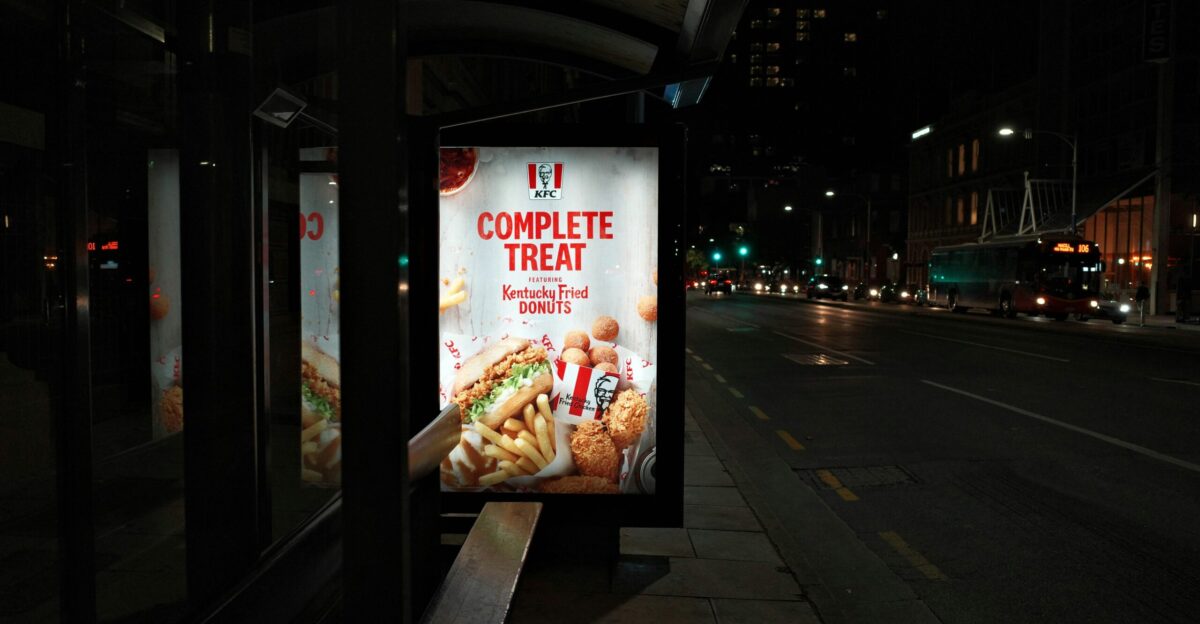
Fast food advertising thrives on slogans about freshness, family, and fun, but nutrition is rarely highlighted. “Health-focused advertising often hides more than it reveals,” the Rudd Center for Food Policy noted in a 2024 analysis. Chains market grilled chicken, salads, or crafted sandwiches, but calorie counts often climb once sauces, toppings, and sides are included.
Customers usually focus on imagery, not labels, leaving the nutritional tradeoff unnoticed. Marketing portrays indulgence as usual, even aspirational, ensuring loyalty despite health risks. The disconnect between advertising and reality helps explain why fast food’s unhealthy grip shows no sign of weakening.
Why Do We Keep Going Back?

If we know the risks, why can’t America quit fast food? Experts say it’s more than taste – it’s culture. “Fast food is tied to tradition, routine, and emotional comfort,” psychologist Traci Mann told TIME. Families bond over pizza nights, students rely on drive-thrus, and road trippers lean on burgers and fries for speed.
These rituals make fast food more than just food; they make it memory and identity. Breaking the cycle is hard, especially with constant advertising. Still, awareness is powerful. Recognizing what’s in each meal allows people to reshape their choices, one order at a time.
What’s Your Favorite? The Takeaway
Did your favorite chain make the list? For most Americans, the answer is yes. Experts say the goal isn’t quitting fast food altogether, it’s choosing smarter. “Small swaps, like skipping soda or downsizing fries, add up,” Harvard Health explained in 2024.
Moderation is key, so save indulgent meals for treats, and lean on lighter menu options when possible. Fast food will always be part of American culture, but informed choices can keep it from overtaking health.
Next time you hit the drive-thru, ask yourself: How can I enjoy this craving without letting it consume my entire day’s nutrition?