In a clash that could redefine global entertainment, Warner Bros. Discovery (WBD) is at the center of a bidding war between Netflix and a Paramount Skydance–led group backed by Gulf investors. The contest pits an about $82.7 billion asset sale to Netflix against a higher, hostile, all‑cash takeover attempt valuing WBD at about $108.4 billion, forcing shareholders, regulators, and the industry to weigh two starkly different futures for one of Hollywood’s most storied companies.
Billion-Dollar Bids Collide
Paramount Global and Skydance have launched an all‑cash tender offer valuing WBD at roughly $108.4 billion, or $30 per share, making it one of the largest media takeover attempts ever mounted. The bid arrived just after WBD agreed to a separate deal with Netflix that values the company at about $82.7 billion in enterprise value, including about $72 billion in equity, paid through a mix of cash and stock. Under the Netflix agreement, WBD would sell its studios and streaming assets, including HBO Max, while its global linear TV networks would be spun off into a separate company.
The competing structures frame a clear dilemma. The Paramount Skydance proposal offers immediate cash at a premium price and keeps the company intact, including its cable networks. The Netflix transaction is more complex, dividing the business into a direct‑to‑consumer powerhouse aligned with Netflix and a stand‑alone networks group, while giving WBD investors exposure to Netflix shares and future growth.
Streaming Pressures and a Hostile Turn
Interest in acquiring WBD accelerated after the company said in October it would explore “strategic alternatives,” drawing approaches from Netflix, Paramount Skydance, and Comcast. In second‑round bidding, Netflix and Comcast targeted specific assets, focusing on WBD’s studio and streaming operations, while Paramount Skydance insisted on buying the entire company, including its legacy cable portfolio. That divergence set up today’s head‑on confrontation.
On December 8, 2025, Paramount Skydance escalated by launching a hostile takeover bid for all of WBD, taking its $30‑per‑share cash offer directly to shareholders after multiple earlier proposals to the board were rejected. The tender runs until January 8, 2026, and WBD’s directors have 10 business days to issue a formal recommendation. The move thrusts the company’s fate into shareholders’ hands just as the industry grapples with slowing streaming growth, rising content costs, and investor pressure for sustained profitability. WBD is still burdened by debt from its 2022 merger, even as Netflix shifts from building organically to considering major acquisitions, and traditional studios seek scale to counter Amazon and Disney.
Geopolitics, Financing, and CNN’s Fate

The Paramount Skydance bid is underpinned by a complex financing package combining equity and debt. Key equity sponsors include Saudi Arabia’s Public Investment Fund, Qatar Investment Authority, and Abu Dhabi’s L’imad Holding Company. The offer is backstopped by a substantial stake in Oracle Corporation held by the Ellison Trust. Middle Eastern sovereign funds have agreed to waive governance rights and board seats to avoid review by the Committee on Foreign Investment in the United States. Tencent, once slated to contribute about $1 billion, has exited the financing entirely, citing national security concerns. On the debt side, Bank of America, Citigroup, and Apollo Capital Management have pledged significant commitments, with total debt support reported around $54 billion.
These rival visions carry direct consequences for WBD’s cable outlets, including CNN. The Netflix agreement excludes linear channels, leaving CNN in a spun‑off networks entity, initially insulated from direct control by a major technology platform. Paramount Skydance’s hostile bid, by contrast, includes the cable networks and would put CNN alongside CBS News. That combination would raise questions for regulators and industry observers about concentration in television journalism and the impact of a merged news operation on competition and editorial independence.
Regulators, Breakup Fees, and Shareholder Choices
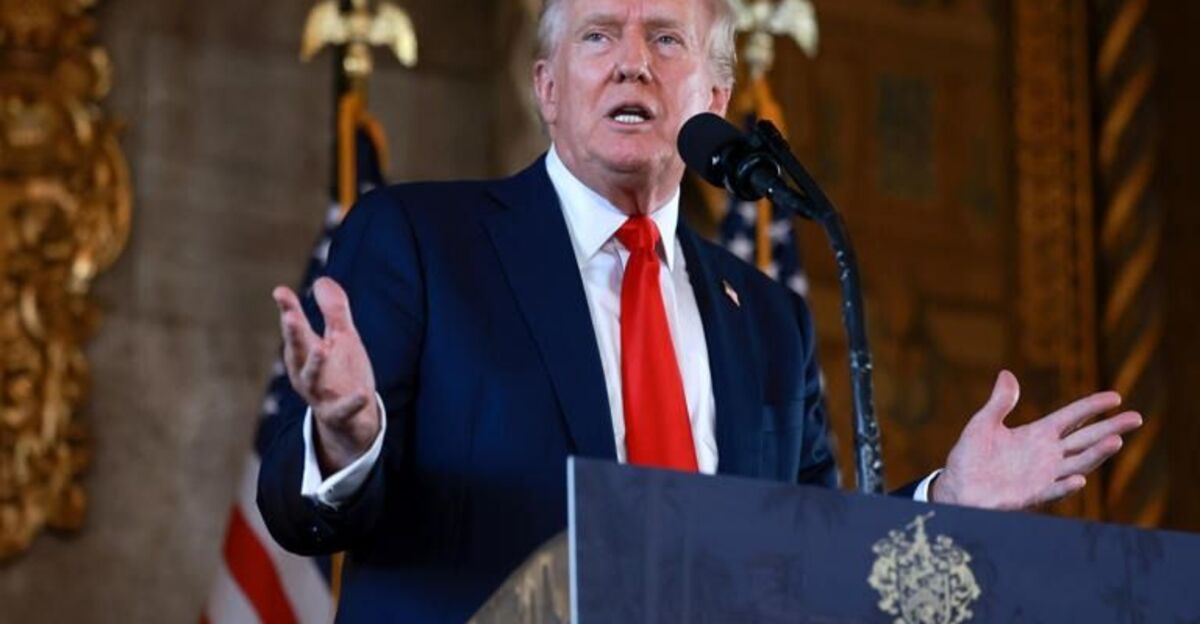
Any outcome is expected to face intense antitrust scrutiny once the new Trump administration takes office. Donald Trump has said that a Netflix–WBD combination “could be a problem” and indicated he would be involved in evaluating any final arrangement. Analysts expect a Netflix–WBD tie‑up to attract particular attention because it would further concentrate power in subscription video streaming. Paramount Skydance argues that its proposal is more “pro‑competitive,” pairing WBD’s studio and Max streaming service with Paramount+ in a way it says would strengthen competition against Netflix, Amazon, and Disney. Both structures could prompt lengthy regulatory reviews in multiple jurisdictions, with potential conditions or delays.
The Netflix contract contains unusually large termination protections. If regulators ultimately block that deal, breakup fees could reach as high as $5.8 billion, making it one of the largest such packages ever. Should WBD walk away in favor of a rival transaction such as Paramount Skydance’s, it would owe Netflix around $2.8 billion. Legal specialists note that fees of roughly 8% and 3.4% of deal value, respectively, could themselves draw attention in Delaware courts if investors argue they unduly restrict competing offers.
For shareholders, the decision is stark. Paramount Skydance is offering $30 in cash per share and asserts its proposal delivers about $18 billion more in aggregate cash than the Netflix route, which values WBD at roughly $27.75 per share on a mixed consideration basis. The Netflix structure provides partial cash, partial Netflix stock, and continuing participation through the spun‑off networks business. Early indications suggest some major investors prefer the certainty and premium of the Paramount Skydance offer, while others favor staying aligned with Netflix’s global technology platform and potential upside.
Boardroom Pressure and Hollywood’s Next Act
Paramount Skydance has publicly questioned whether the WBD board conducted a genuinely open process, accusing it of favoring Netflix during earlier bidding. After the hostile tender was announced, the board urged shareholders not to act immediately while it reviews the bid “in accordance with its fiduciary duties” and in light of the existing Netflix agreement. Its coming recommendation will be a pivotal signal to investors weighing financial, strategic, and regulatory risks.
Behind the numbers sit two contrasting strategic visions. Paramount Skydance portrays its plan as building a “scaled Hollywood champion,” keeping both major studios intact, committing more than $6 billion in cost reductions, and increasing content investment while preserving a strong theatrical slate alongside streaming. Netflix’s approach focuses on folding WBD’s extensive film and television catalog into its global service, aiming to create a larger, data‑driven streaming platform with unmatched reach. Creative communities, labor groups, and analysts are divided: some back a studio‑centric model that safeguards cinema releases, while others see benefits in a fully integrated streaming giant. Skeptics question whether regulators will approve either plan as proposed, or whether market conditions will allow Paramount Skydance to sustain its rich cash offer.
Whatever emerges from this contest will help determine whether Hollywood’s future is led by consolidated legacy studios or by global technology platforms with vast subscriber bases and data capabilities. The decision on WBD will also test how far courts and regulators are prepared to let consolidation reshape entertainment, and will influence jobs, creative output, and the balance of power in global storytelling for years to come.
Sources
Paramount press releases December 2025
Reuters business reporting December 2025
Bloomberg financial news December 2025
Wall Street Journal media coverage December 2025
Variety entertainment reporting December 2025
CNBC financial analysis December 2025