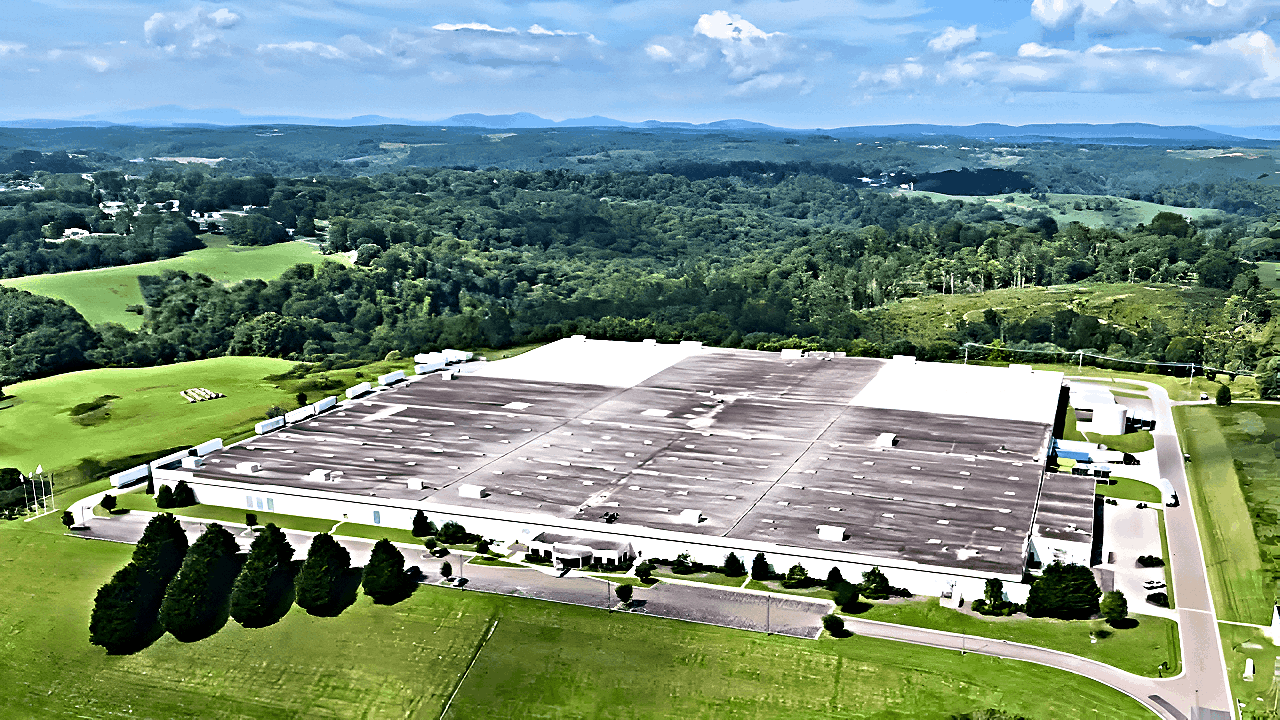
After more than a century in operation, Parkdale Mills will close its Hillsville, Virginia, plant on October 9, 2025. The company cited “rapidly rising energy costs” as the key reason behind the decision, ending 109 years of U.S. manufacturing at the site.
The move will cut 68 jobs by October 24, compounding Carroll County’s economic struggles after multiple textile closures in recent years.
A Century of Yarn Comes to a Quiet Close

Founded in 1916 and headquartered in Gastonia, North Carolina, Parkdale became the world’s largest spun yarn manufacturer. For decades, the Hillsville plant served as both an anchor employer and a source of community pride.
Its closure doesn’t just end a business chapter—it closes a story woven into the fabric of small-town Virginia life for more than four generations.
Company Says Energy Costs Left No Choice

Karen Menting, Parkdale’s vice president of human resources, said the decision was driven by “rapidly rising energy costs” that made the Hillsville operation unsustainable. The company has faced mounting utility expenses in recent years, particularly in electricity and fuel.
“We’ve reached a point where the math no longer works,” she told local reporters, emphasizing that the closure was a last resort after months of review.
Dozens of Workers Face Uncertain Futures
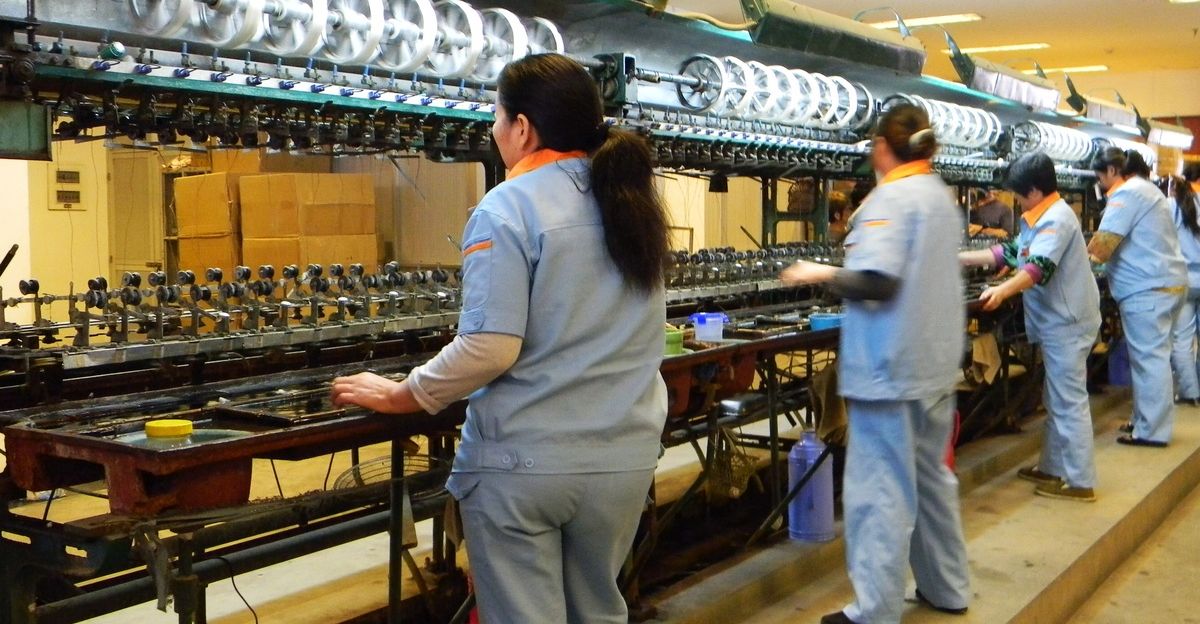
The plant’s 68 employees—many with decades of service—will soon lose their jobs. That loss hits deeply for a town like Hillsville, where steady industrial work is rare. Some workers had hoped to retire from Parkdale; others were second- or third-generation employees.
“It’s not just a paycheck we’re losing,” one worker said. “It’s a part of who we are.”
A Familiar Blow for Carroll County
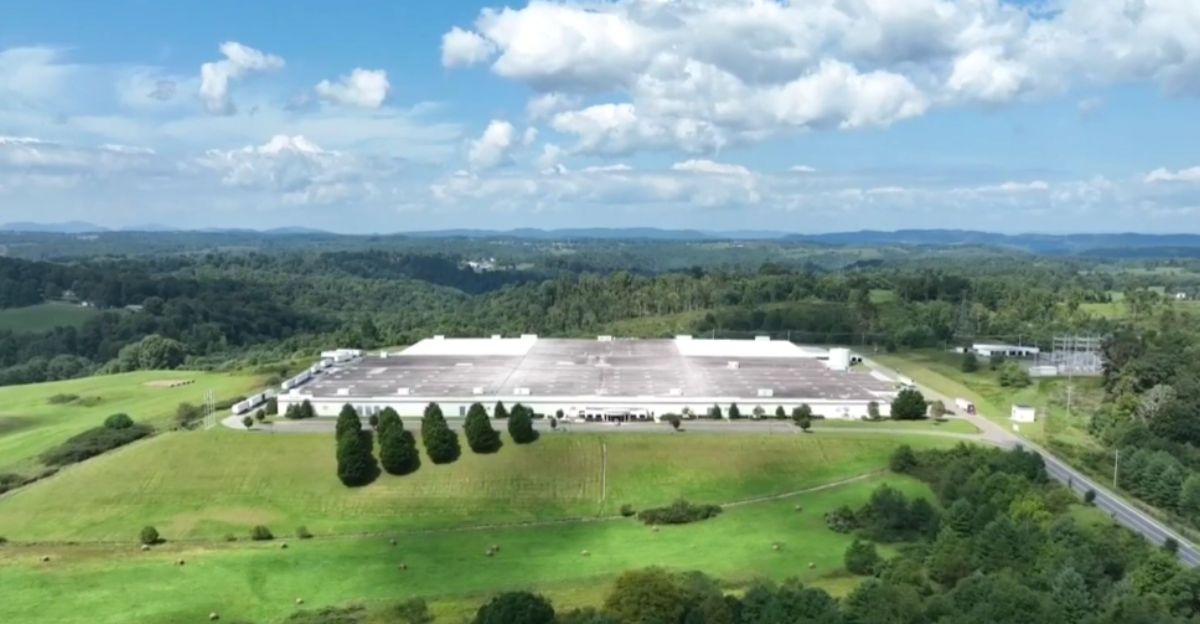
This closure follows a devastating pattern. In October 2023, Parkdale shuttered three other Carroll County facilities, cutting 326 jobs in one sweep. That wave of layoffs left lasting scars on the region’s workforce and tax base.
Local leaders said they had hoped Hillsville would survive the restructuring—but rising costs have proven too steep, even for one of the industry’s oldest names.
Economic Strain Deepens Across the County

Officials estimate Parkdale’s exit could cost Carroll County roughly $1 million in annual tax revenue, money that funds schools, public safety, and infrastructure. The county’s unemployment rate, 4.2% in July 2025, is expected to climb.
“Every job lost has a multiplier effect here,” said a local economic development officer. “We’re not just losing wages—we’re losing spending power and community stability.”
Rising Energy Prices Hit Manufacturers Hard

According to the U.S. Bureau of Labor Statistics, industrial electricity costs in Virginia and much of the Southeast have outpaced inflation since 2022. Analysts say these price spikes have hit energy-heavy industries—textiles, metals, and chemicals—especially hard.
“Manufacturers like Parkdale are being squeezed between global competition and domestic energy markets,” said industry consultant Robert Beasley in an interview with Textile World.
A Broader Decline in U.S. Manufacturing
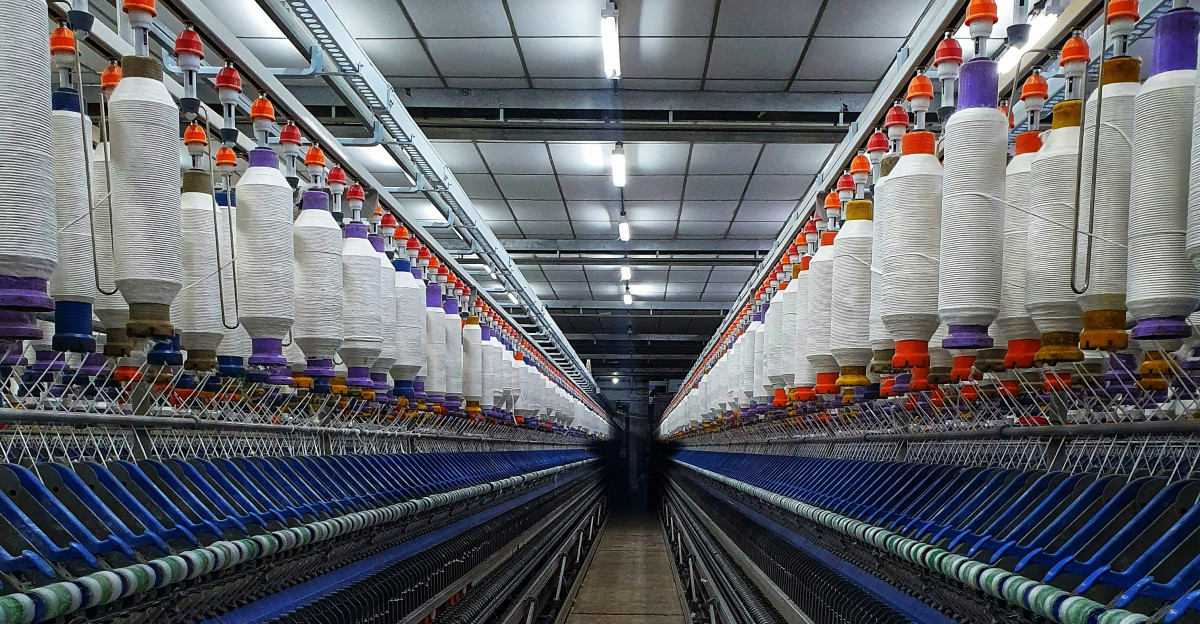
Parkdale’s decision reflects a nationwide pattern. According to federal labor data, the U.S. textile sector has shed over one million jobs since 1997, as production shifts overseas where energy and labor are cheaper.
While automation has improved efficiency, it has also reduced domestic employment. The Hillsville closure adds another data point to a decades-long story of industrial contraction in rural America.
Families Feel the Emotional Fallout

Beyond the numbers are the human costs—mortgages, college plans, and family routines suddenly in question. Hillsville residents say Parkdale’s closure feels deeply personal. “That plant built this town,” said a local shop owner whose parents both worked there.
“When those machines stop running, it’s like part of Hillsville’s heartbeat stops too.” For many, the silence of the factory floor will echo long after the last shift.
Community Leaders Mobilize to Help Workers

Local and state officials are now coordinating with workforce agencies to help displaced workers find new opportunities. Retraining programs and job placement services are being organized through Virginia Career Works. “We’ve done this before, and we’ll do it again,” said Hillsville Mayor Greg Crowder.
Leaders admit that finding equivalent wages in the region remains a steep challenge.
County Braces for Tax and Budget Shortfalls

Carroll County’s fiscal health was already stretched thin. Parkdale’s closure is expected to leave a roughly $1 million hole in annual tax revenue, officials said, affecting local school funding and maintenance projects. “
It’s hard to replace a company like Parkdale overnight,” one county supervisor said. “We’ll have to tighten our belts until we can attract something new.”
Local Officials Call for Economic Diversification

County leaders are pushing for broader investment to prevent future crises. That means diversifying beyond textiles into logistics, technology, or renewable energy. “We can’t keep relying on one or two industries,” said Virginia state delegate Wren Williams.
“We need to modernize rural infrastructure and make these towns competitive again.” Still, progress remains slow without major state or federal backing.
A Struggle Shared by Small-Town America

Hillsville’s story mirrors that of many rural towns that once thrived on factory work. When those factories vanish, their impact ripples through every part of life—from church donations to Little League sponsorships.
“It’s not just about economics,” said sociologist Erin Fitzgerald of Appalachian State University. “It’s about identity. These towns are trying to figure out who they are without the mills that built them.”
Parkdale Shifts Focus to Overseas Operations

Even as it pulls back in the U.S., Parkdale continues operating plants in Mexico and South America. Analysts say the shift aligns with long-term cost strategies as global demand for low-priced textiles grows.
“Energy and labor costs make domestic production increasingly difficult to justify,” said textile economist Javier Morales. “Parkdale isn’t abandoning manufacturing—it’s just moving it where it’s cheaper to run.”
Ripple Effects Spread Through the Supply Chain

The shutdown will likely affect more than just Parkdale employees. Local trucking firms, equipment suppliers, and service contractors that supported the plant will also feel the hit.
Economists say that when a major manufacturer exits, it can reduce regional business activity by 20% or more. That ripple effect can linger long after the plant gates close for small communities.
A Legacy That Spanned Generations
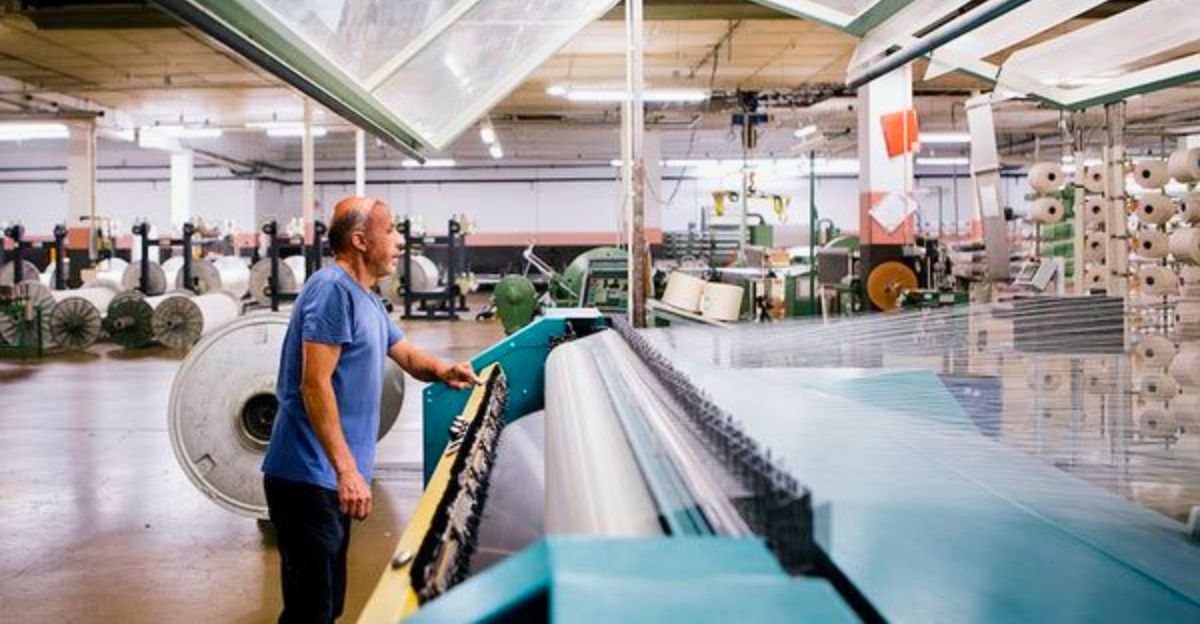
Parkdale represented hard work and steady livelihoods for over a hundred years. Grandparents, parents, and children often worked under the same roof, spinning yarn that traveled the world.
The Hillsville plant wasn’t just a workplace but a community hub. “You could tell the shift change by the traffic,” one lifelong resident said. “That sound meant everything was okay.”
Uncertain Future for the Hillsville Site
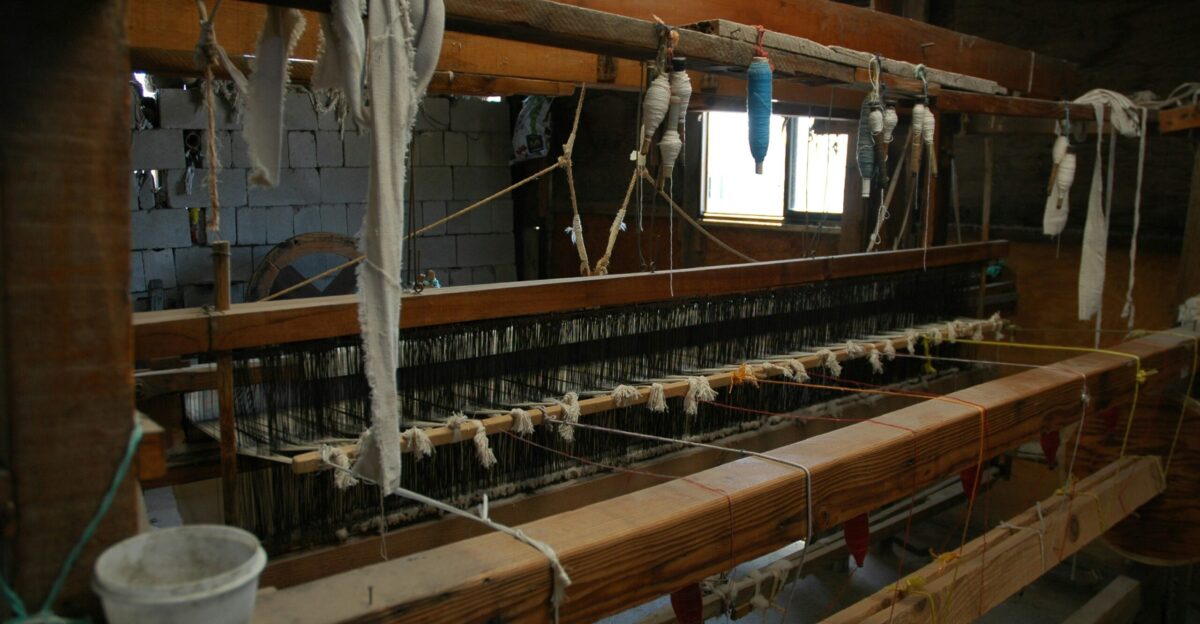
What will happen to the sprawling factory remains unclear. County leaders are exploring redevelopment options, from logistics hubs to advanced manufacturing.
However, repurposing old textile facilities is notoriously tricky due to their specialized layouts and aging infrastructure. “We’re optimistic but realistic,” said a local official. “It’ll take the right investor—and some time—to bring this site back to life.”
Calls Grow for Policy Intervention

Industry advocates are urging state and federal policymakers to consider targeted relief for manufacturers struggling with energy costs. Proposals include tax credits for efficiency upgrades and subsidies for domestic textile producers.
So far, no significant legislation has moved forward. “Without action, we’ll keep losing plants like this,” warned economist Beasley. “And with them, we lose communities.”
Workers Weigh Their Next Steps

As the final shutdown nears, many Parkdale employees are deciding whether to stay in Hillsville or start over elsewhere. Some plan to retrain, while others are nearing retirement and are unsure what will happen next.
“It’s hard to imagine life without that factory,” said one long-time worker. “I just hope something new comes along soon—for all of us.”
The End of an Era, and the Start of Another Story
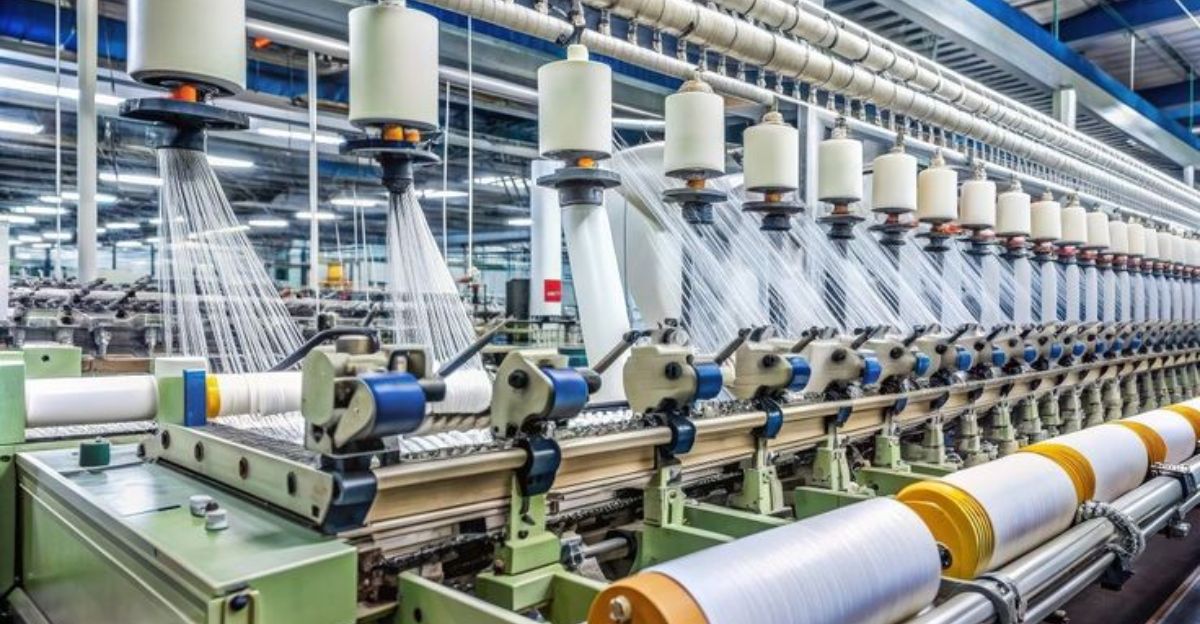
Parkdale’s closure closes more than a factory—it closes a century-old chapter in American manufacturing. Rising costs and global shifts have redrawn the industrial landscape, leaving small towns to adapt or fade.
Yet amid the loss, Hillsville’s story isn’t over. It now belongs to the people determined to rebuild, one new beginning at a time.