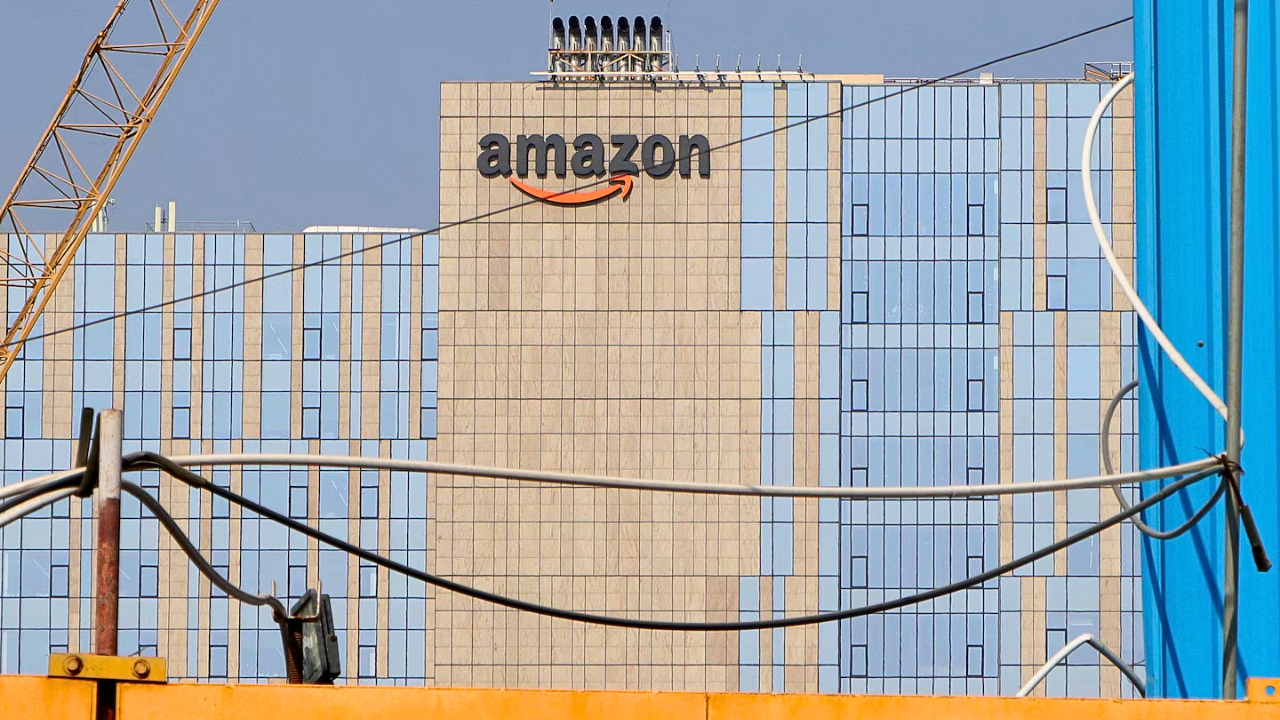
In October 2025, Amazon announced a significant reduction of approximately 14,000 corporate jobs. According to CEO Andy Jassy, this decision is not primarily driven by financial motives, but instead focuses on the company’s culture. As a part of an ongoing restructuring aimed at embracing AI advancements, Amazon’s layoffs reflect a broader trend in the technology industry.
The company asserts that these changes are essential for streamlining operations and maintaining a competitive advantage amidst rapid technological shifts. This article explores the rationale behind these layoffs and the profound implications they hold for Amazon and the broader workforce.
CEO Andy Jassy’s Perspective

Andy Jassy, Amazon’s CEO, emphasized that the layoffs are rooted in a cultural shift rather than being purely financial in nature. In statements to media outlets, he noted the need for a reevaluation of corporate culture to better align with the company’s evolving objectives in an AI-driven environment.
Jassy’s position highlights an essential aspect of corporate restructuring today: a focus on maintaining a cohesive environment that encourages innovation and adapts quickly to new technologies. This stance has sparked debate about the relationship between software evolution and human capital management in large tech companies.
The Scale of the Layoffs

The layoffs represent one of the most significant corporate job cuts at Amazon to date. As part of a comprehensive strategy, the layoffs will affect various roles, with a particular focus on white-collar jobs rather than just factory workers.
According to a report by CNBC, this shift is part of a broader push toward AI investment, as Amazon seeks to enhance operational efficiency and prioritize technological advancements. This transition highlights the need for tech companies to adapt to shifting market dynamics while mitigating the human impact of substantial workforce transformations.
The Connection to AI

Amazon’s decision ties closely to its strategic focus on artificial intelligence, which has been a growing area of investment for the company. In a statement, the company confirmed that these layoffs are part of an AI-driven reorganization aimed at aligning its workforce with future operational needs.
As reported by CNN, Amazon’s strategy will involve leveraging AI to enhance productivity and efficiency across various departments, from logistics to customer service. This shift not only highlights the ongoing technological revolution in the workplace but also raises pressing questions about job sustainability in the face of AI advancements.
Cultural Underpinnings of the Layoffs

The core of Jassy’s message rests upon the assertion that “these layoffs are about culture.” He believes that adapting to a new environment where AI plays a dominant role is crucial for Amazon’s long-term success. This focus on culture suggests a philosophical shift in how the company values its workforce, calling for a more agile and adaptive corporate atmosphere.
As companies increasingly rely on automation, the question arises of how to cultivate a work culture that can simultaneously embrace technological advancements while supporting a human workforce.
Employee Reactions

The announcement of layoff cuts has prompted varied reactions among employees. Some have expressed uncertainty and anxiety about job security, while others acknowledge the need for an agile restructuring strategy in response to rapid technological changes.
One employee noted, “It’s tough to see colleagues go, but I understand the competitive pressures we’re up against.” These sentiments reflect the problematic balance between organizational change and the human elements of trust, loyalty, and job satisfaction within Amazon’s ranks.
The Broader Impact on Workers

Amazon’s layoffs mark a significant turning point for the tech industry’s reliance on AI and automation. Analysts argue that this trend has important implications for white-collar workers who have thus far been somewhat insulated from job losses associated with technological advancements.
As Business Insider highlights, the emerging “AI job apocalypse” raises essential conversations about labor rights, retraining opportunities, and the future of work in an increasingly automated landscape. The situation forces many workers to reconsider their career trajectories in light of this ongoing transformation.
Economic Implications of Layoffs
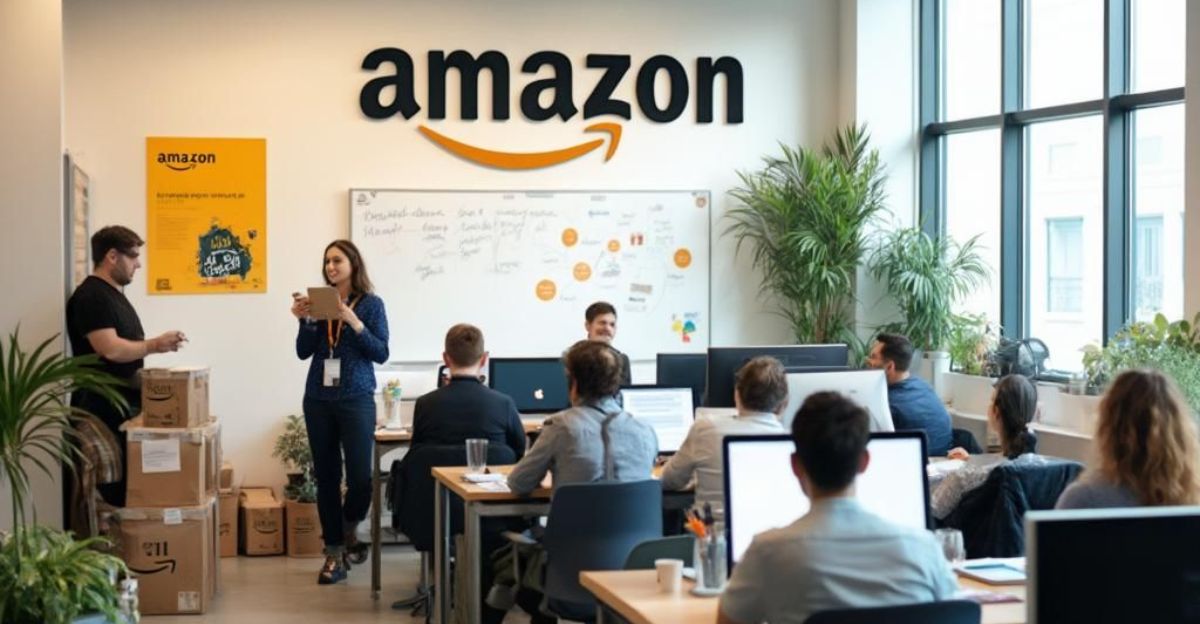
The economic ramifications of Amazon’s layoffs extend beyond the workplace. As a leading employer, Amazon has a significant impact on job markets across the tech and local economies. Furthermore, layoffs can reduce consumer spending, as affected employees may scale back their expenditures.
Reports indicate that the company is looking to streamline operations and optimize costs; however, the impact on morale and community stability cannot be overlooked simultaneously. According to Reuters, these layoffs contribute to a growing narrative of job insecurity amid broader economic shifts driven by AI and technological evolution.
Responses from Industry Experts

Industry experts are voicing their opinions on Amazon’s decisions. Many view the layoffs as indicative of the broader challenges faced by tech companies as they embrace AI.
A technology analyst explained, “This restructuring reflects a crucial moment in how companies balance the implementation of AI technologies while managing workforce implications.” Additionally, discussions on upskilling and re-employment programs are gaining traction, with calls for businesses to invest in their employees during times of transition, fostering a cooperative ecosystem in the tech landscape.
Preparing for Future Shifts

As the landscape of corporate America evolves, industry experts emphasize the importance of preparing for future shifts. Companies like Amazon must adapt to an evolving market while addressing the impacts of AI on employment.
As one economist pointed out, “It’s essential to create a path for workers to transition into new roles that AI cannot replace.” This sentiment highlights the crucial need for strategic planning and resource allocation toward training programs that equip employees with the relevant skills for this new era of work.
Amazon’s Corporate Transformation

Amazon’s restructuring efforts reflect a broader trend among major corporations aiming to evolve their business models in response to technological advancements. With a renewed focus on AI, the company is aligning its strategy with sustainable growth.
According to Fortune, this transformation aims to enhance operational efficiencies while meeting market demands. This corporate transformation is emblematic of the seismic shifts occurring within the tech industry as companies navigate challenges posed by rapid digital advancements and changing workforce dynamics.
Call for Corporate Responsibility

As companies adapt to technological changes, there is a growing demand for corporate responsibility. Stakeholders are urging Amazon and similar organizations to prioritize employee welfare even as they streamline operations.
Organizations such as labor unions are advocating for fair severance packages and support systems for laid-off employees. The emphasis on corporate responsibility reminds businesses of their broader social obligations, reinforcing that, alongside profit, employee wellbeing should remain a fundamental focus in strategic decision-making.
The Future Workforce Landscape

The future workforce landscape is projected to be vastly different as corporations embrace AI and automation as core components. A recent study highlights that industries must anticipate and adapt to a changing demand for skills, wherein cognitive and interpersonal skills gain paramount importance.
This growth highlights the need for education systems to evolve in a manner that prepares future generations for careers intertwined with advanced technologies, underscoring an urgent imperative for collaboration between tech companies and educational institutions.
The Role of AI in Restructuring

AI technology is poised to redefine operational protocols and business models across industries. Jassy underscored that leveraging AI effectively also requires a corresponding change in human resources structures within Amazon.
As Reuters notes, the company is fostering an environment where technology and human ingenuity can work hand in hand, ensuring that growth is not only revenue-driven but also human-centric. This transformative approach encourages a reevaluation of roles and responsibilities as business functions evolve within AI-integrated frameworks.
Navigating the Transition Period

Navigating the transition period will be critical for both executives and employees alike. Jassy’s leadership will be tested as he aims to guide Amazon through cultural and structural transformations. The success of this initiative hinges on effective communication and transparency with remaining employees.
Those adapting to their new roles must feel confident about the company’s future direction. As Amazon navigates this pivotal moment, engagement strategies will play a crucial role in maintaining employee morale and workforce alignment.
Preserving Employee Morale

Preserving employee morale during significant layoffs is essential for the long-term health of any organization. Experts suggest that transparent communication regarding the reasoning behind restructuring decisions can mitigate feelings of uncertainty and anxiety among staff.
Jassy’s assertions about the importance of workplace culture must translate into concrete initiatives that reinforce trust and collaboration within the workforce, ensuring that as the company pivots towards AI, employees feel supported and valued.
Community Repercussions
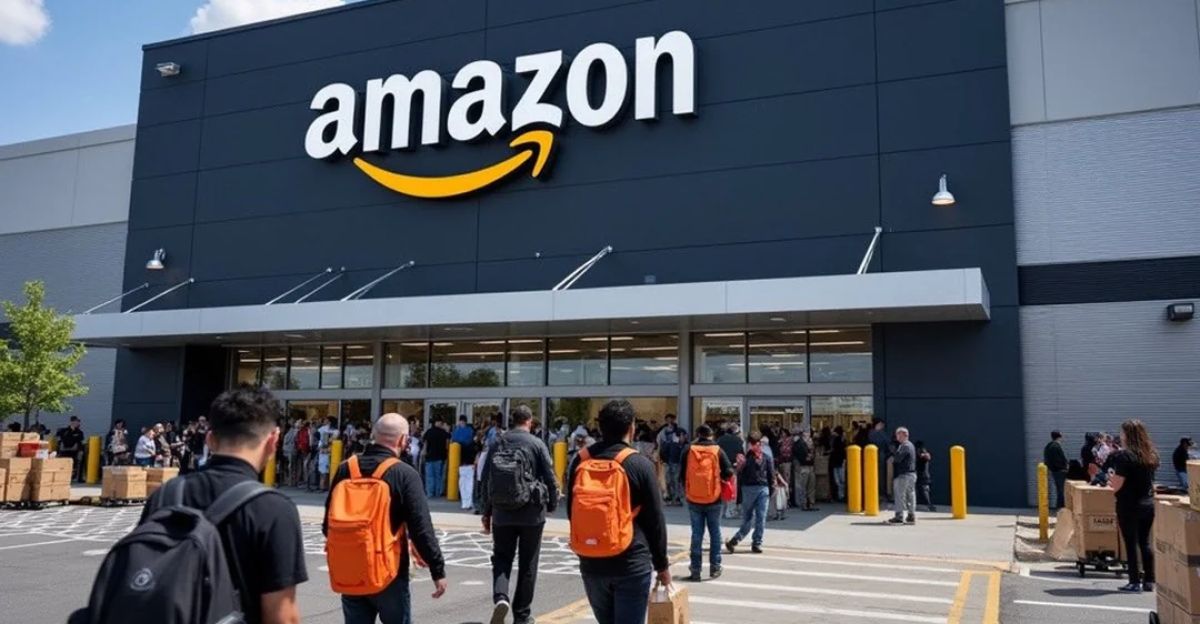
The repercussions of Amazon’s layoffs extend beyond the company itself, affecting local communities reliant on stable employment arrangements. University studies indicate that large-scale job losses can induce economic contractions, resulting in decreased spending and a decline in morale in local communities.
As cited in Al Jazeera, the impact of layoffs on suburban areas places additional responsibility on corporate entities to engage in community revitalization efforts through investments in local projects and job creation initiatives.
Preparing for the Unknown

Looking forward, the workforce must prepare for uncertainties as AI technologies continue to reshape industries. Jassy’s acknowledgment of cultural priorities must resonate at the grassroots level, leading to initiatives that build a resilient and adaptable workforce.
Employees and employers alike should embrace learning and growth opportunities, focusing on skills necessary for future success. As the transformation unfolds, both parties must prepare to navigate the unforeseen consequences that AI integration may usher in.
A Pivotal Moment

Amazon’s decision to lay off 14,000 workers, spotlighting corporate and cultural shifts, represents a pivotal moment for the workforce amid rapid technological advancements. The interplay between AI integration and employee management continues to provoke vital discussions within the industry and broader society.
As the world transitions to a new operational paradigm, the challenges and opportunities this shift brings require collective consideration and proactive measures across various sectors.
A Final Reflection
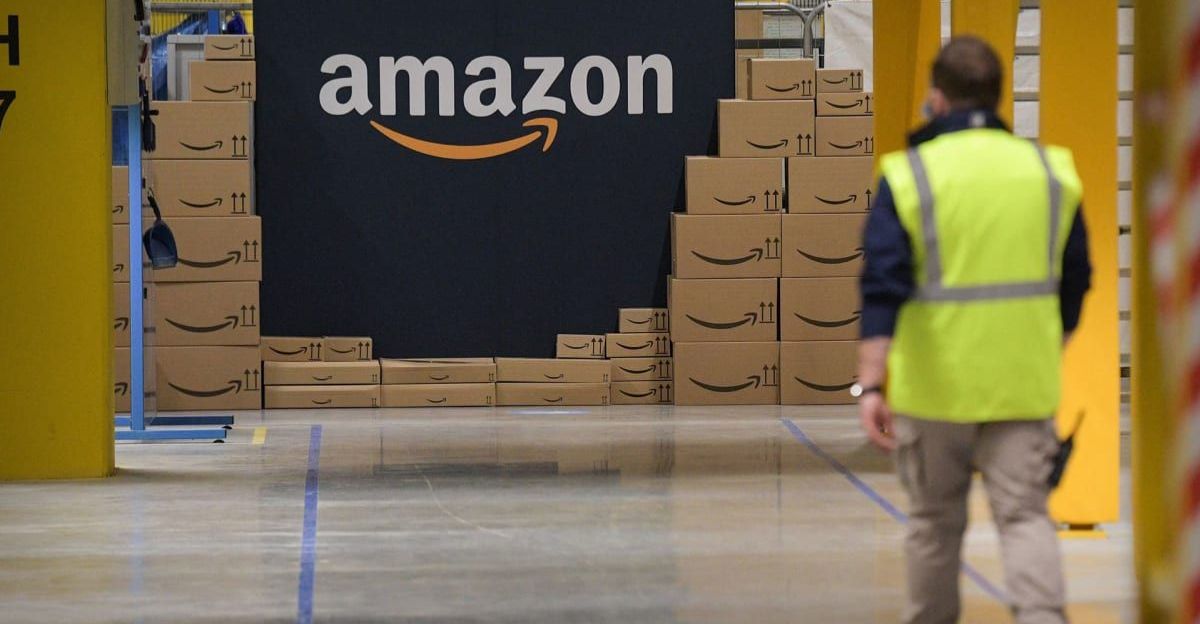
As we reflect on Amazon’s recent actions, it becomes evident that the intersection of technology and the workforce demands careful navigation. The changes brought about by AI are not merely about cost-cutting, but involve profound cultural transformations that affect how organizations approach their core missions.
Stakeholders must engage in constructive dialogue to protect worker wellbeing while fostering an environment ripe for innovation. Ultimately, striking a balance between embracing AI and honoring human contributions will define the future of work in the tech landscape.