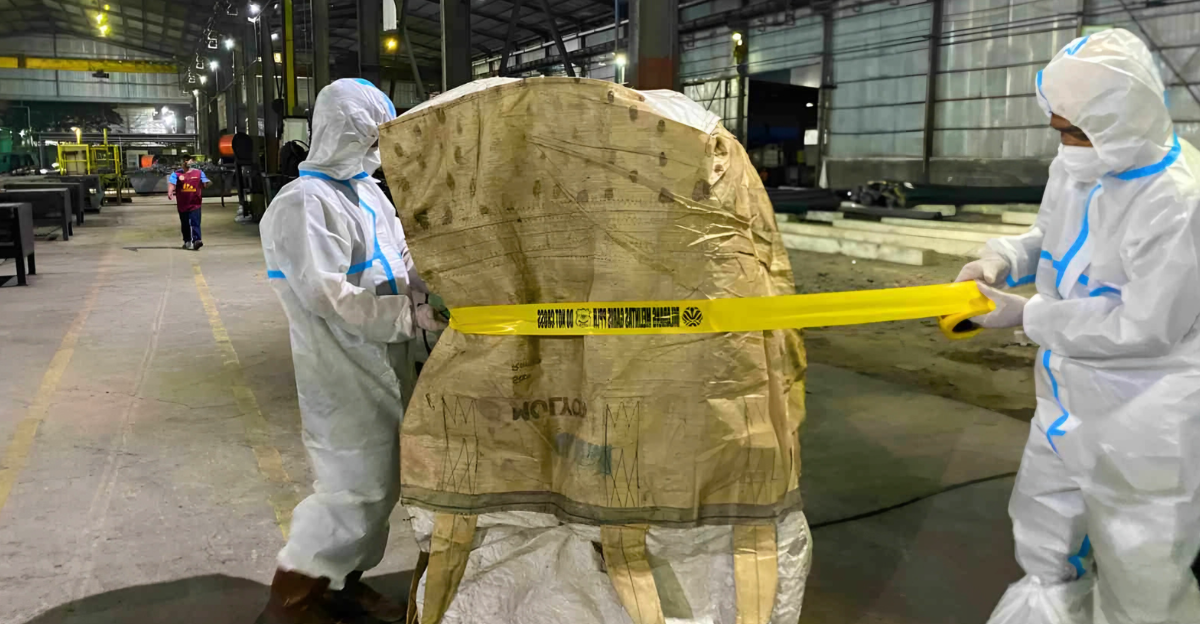
General Motors evacuated its entire Cole Engineering Center after two employees contracted Legionnaires’ disease, reports Fox 2 Detroit. The infectious outbreak triggered an immediate shutdown of the Warren, Michigan facility, affecting thousands of workers who now face an uncertain return date. Building contamination testing continues as health officials investigate the source of bacteria that can prove deadly if untreated.
Thousands of Engineers Suddenly Working from Kitchen Tables
The facility closure has displaced approximately 10,000 to 11,000 engineering staff, making this GM’s largest single-building evacuation since COVID lockdowns in 2020, company sources confirm. Critical automotive projects now operate under remote work constraints, with potential program delays looming over vehicle development teams. The displaced workforce includes specialists responsible for electric vehicle testing and pre-production operations that require hands-on collaboration.
The Birthplace of American Automotive Dreams Now Silent
Warren Technical Center opened in 1956 as President Eisenhower’s showcase of American industrial might, designed by celebrated architect Eero Saarinen, historical records show. The $100 million campus originally symbolized post-war optimism and engineering excellence across its 710 acres. Today, 38 buildings that normally buzz with over 21,000 employees sit eerily quiet, representing GM’s primary global engineering nerve center.
Billions Invested, Yet Bacteria Brings Operations to Halt
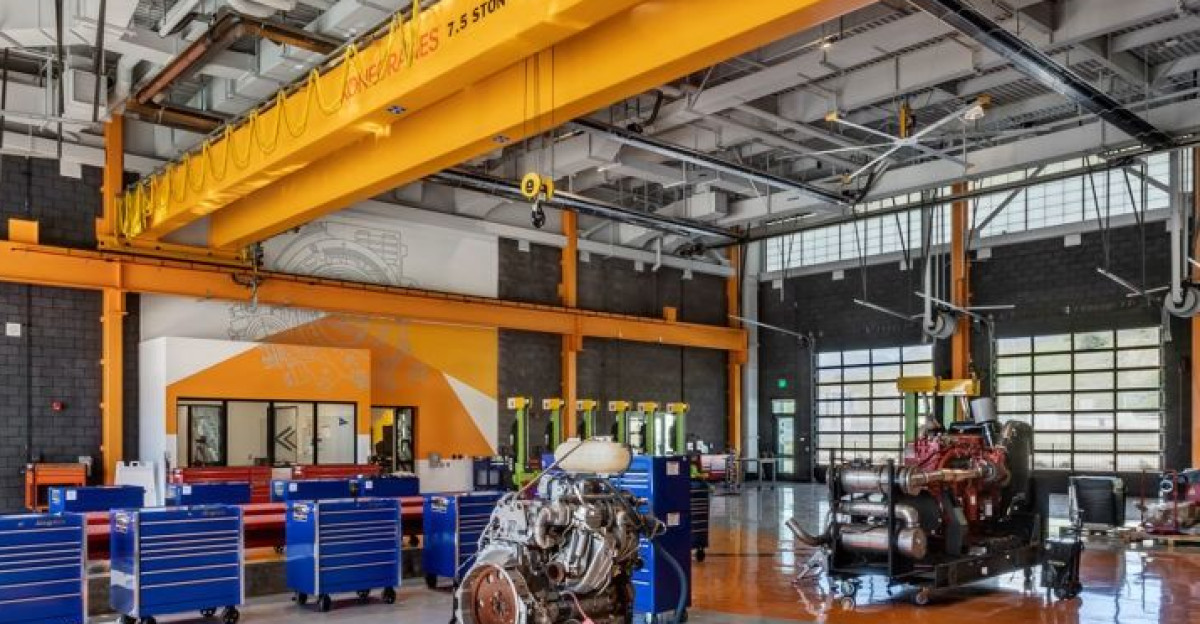
GM has poured nearly $2 billion into modernizing the aging Warren campus since 2015, according to company financial reports. The massive investment included cutting-edge design facilities and advanced data centers meant to accelerate electric vehicle development. Yet recent workforce reductions eliminated over 1,000 software engineers, suggesting the automaker struggles to balance modernization costs with operational efficiency demands.
Two Sick Employees Trigger Corporate Emergency Response
Health officials notified GM on September 10 that two Cole Engineering Center workers had tested positive for Legionnaires’ disease, sources familiar with the situation reveal. The company made the unprecedented decision within hours to shutter the entire building on September 11, with closure extending until at least September 22. Environmental testing teams immediately began searching water systems for contamination sources that could harbor the potentially fatal bacteria.
Michigan’s Auto Industry Faces Growing Health Threats
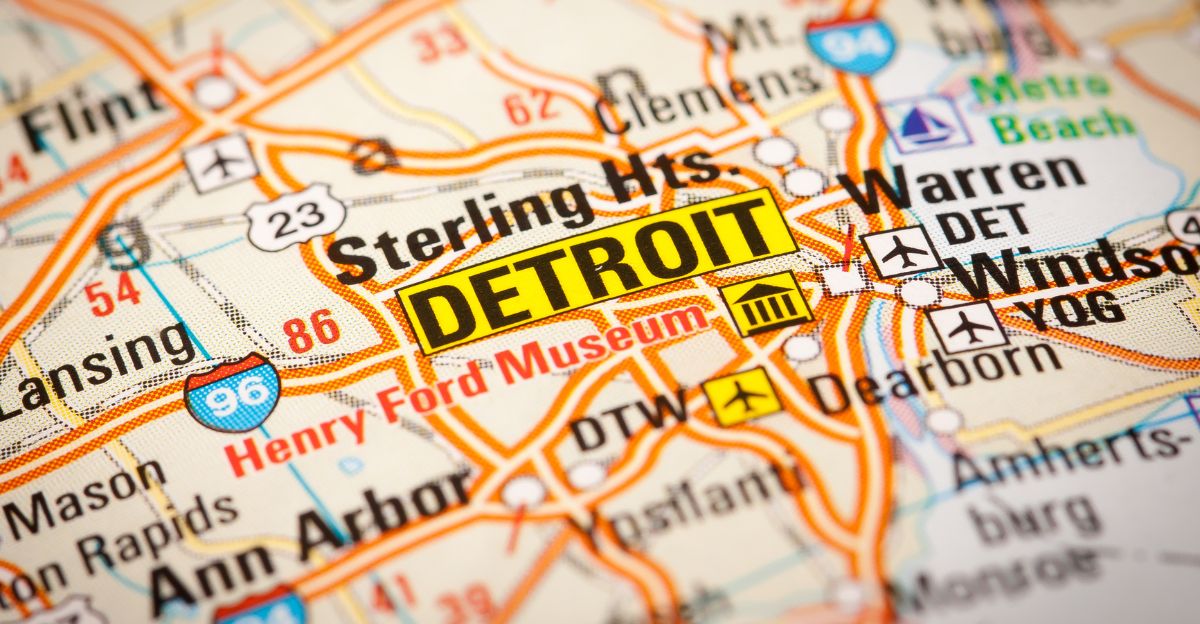
The outbreak adds to Michigan’s troubling pattern of Legionnaires’ cases throughout 2025, with workplace safety experts expressing mounting concern. Earlier this year, two people died from the same bacteria at a Dearborn senior facility, state health records indicate. This marks the second major workplace outbreak affecting Detroit-area automotive workers, raising questions about industrial facility safety protocols.
GM Spokesperson Explains the Difficult Safety Decision

Company spokesperson Tara Stewart Kuhnen emphasized that management took action “out of an abundance of caution” rather than waiting for additional cases to emerge. Workers received urgent email notifications instructing immediate transitions to remote work arrangements until health clearance is obtained. Local health officials are coordinating with federal agencies as comprehensive facility testing proceeds, sources close to the investigation report.
Manufacturing Plants Create Perfect Storm for Deadly Bacteria
Automotive facilities have battled similar Legionnaires’ outbreaks before, with a 2001 Ohio engine plant experiencing 17 worker infections, medical journals document. Manufacturing environments provide ideal breeding conditions through aerosol-producing equipment and complex water circulation systems that can harbor dangerous bacteria. Industry safety experts note that Stellantis faced comparable concerns at its Warren Truck Assembly Plant just two years ago.
Workplace Infections Rising Across Industrial America
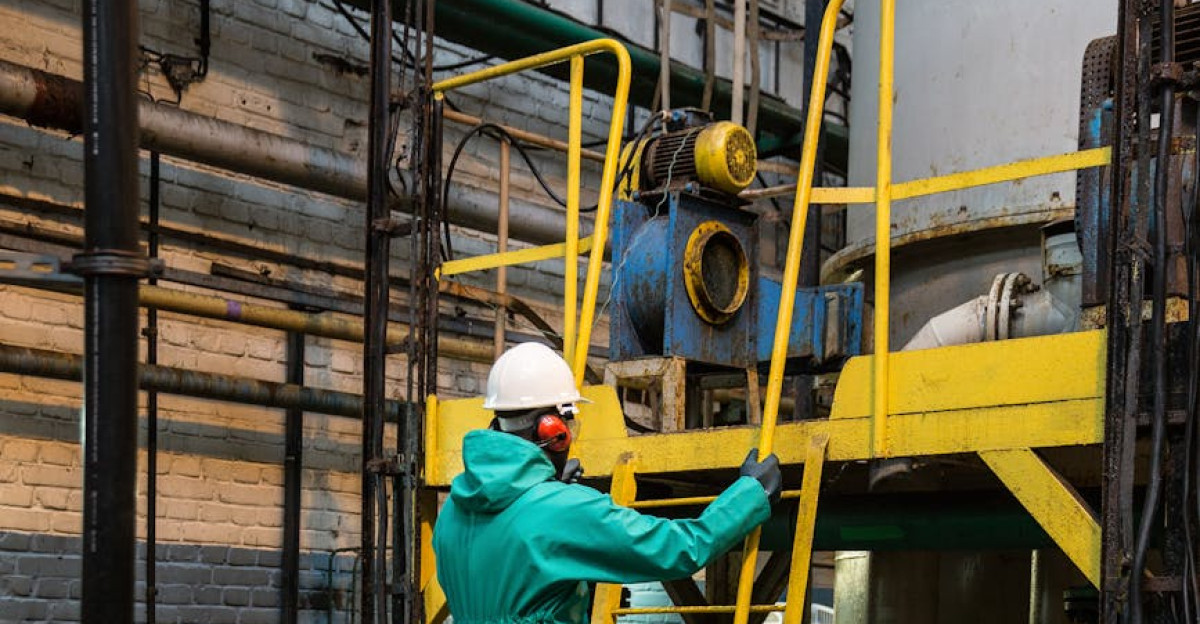
Legionnaires’ disease cases have surged dramatically in industrialized nations over recent decades, with workplace outbreaks becoming increasingly common, CDC surveillance data reveals. Transportation and construction workers face double the infection rates of other occupations due to equipment exposure and building system complexity. Industrial water systems and massive cooling towers remain the primary contamination sources threatening worker health nationwide.
Regular Testing Failed to Detect Hidden Bacterial Threat
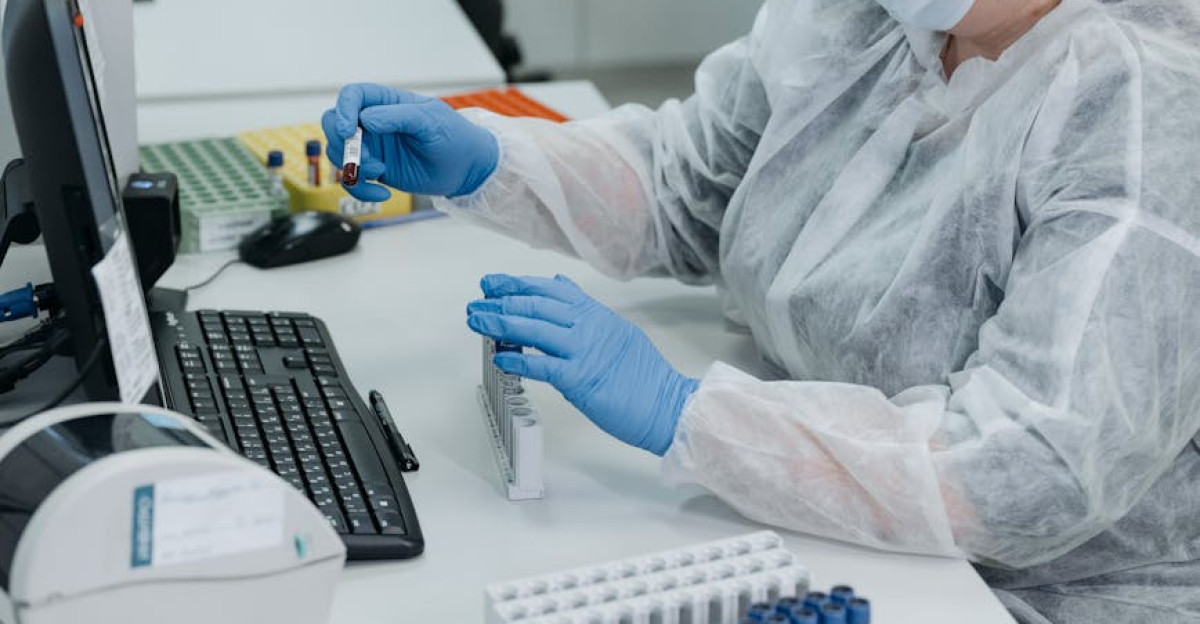
GM’s routine bacterial monitoring programs showed no previous contamination issues, raising serious questions about current detection methods in large-scale facilities. This represents the Cole Center’s first closure since 2020, demonstrating how even small case clusters can paralyze major corporate operations. Recent manufacturing outbreak investigations discovered Legionella bacteria hiding in unexpected locations like water jet cutting equipment and industrial floor scrubbers.
Engineering Teams Scramble to Save Billion-Dollar Projects
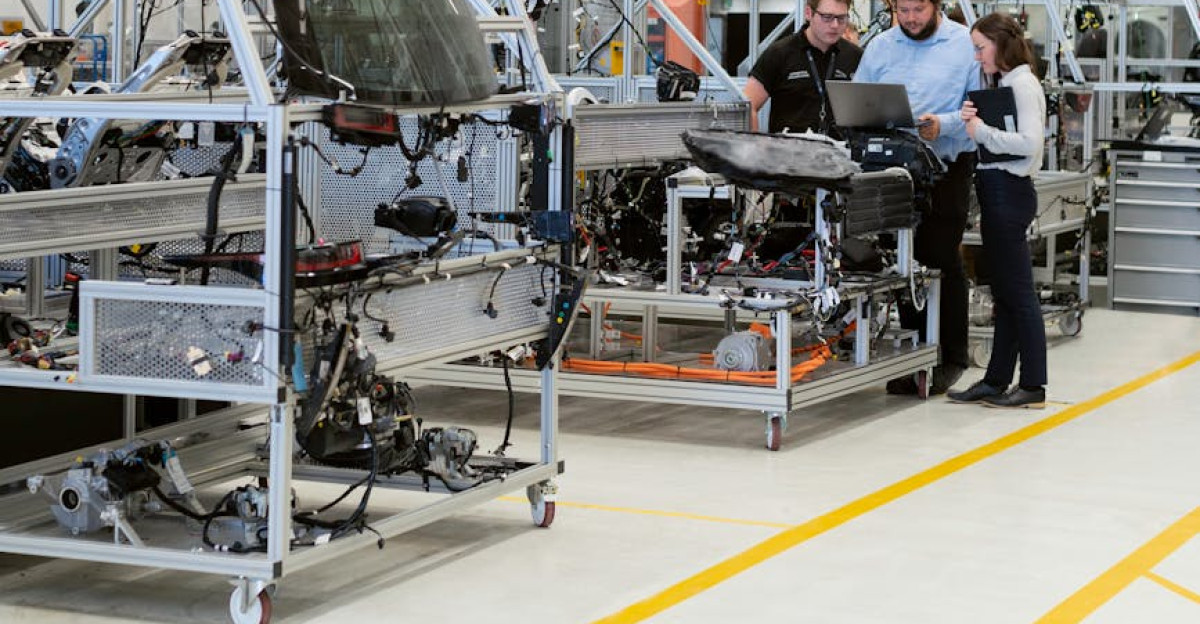
Internal tensions mount as GM executives balance worker safety against critical production timelines for upcoming electric vehicle launches, industry insiders suggest. Multi-billion dollar development programs now operate under severe constraints as engineering teams adapt to remote collaboration challenges. Department managers report growing concerns about maintaining project momentum during the extended facility closure period.
Corporate Leadership Faces First Major Health Crisis

GM executives confront their most significant workplace health emergency since CEO Mary Barra assumed leadership, testing the company’s crisis management capabilities under intense scrutiny. The automaker has implemented strengthened safety oversight following previous industrial accidents and the devastating 2020 COVID facility shutdowns. Board members closely monitor liability exposure as potential worker compensation claims emerge from the outbreak.
Company Plans Comprehensive Safety Overhaul
Water system decontamination and extensive third-party environmental testing will determine when employees can safely return beyond the current September 22 deadline, GM officials state. The company maintains backup workspace capacity across its broader Warren campus to accommodate displaced Cole facility workers. Enhanced monitoring protocols and upgraded water management systems are planned following the completion of the current investigation.
Health Experts Question Industry Prevention Standards
Public health specialists are raising doubts about whether automotive facilities adequately address Legionella prevention given their complex building infrastructure requirements. CDC researchers previously warned that “industrial plants can be a source for the propagation and transmission” of the dangerous disease. Enhanced workplace surveillance programs may become federally mandated across manufacturing sectors if current outbreaks continue escalating.
Water Safety Becomes Make-or-Break Issue for Reopening

The incident highlights critical questions about aging industrial infrastructure and modern employee health protection expectations in competitive manufacturing environments. Water system safety confirmation has emerged as the essential benchmark for reopening major production facilities. Federal regulators are closely watching GM’s response as they consider implementing enhanced workplace oversight requirements across the automotive sector.
Federal Agencies May Impose Stricter Safety Rules

Workplace safety agencies are developing more stringent Legionella prevention requirements following a nationwide surge in industrial outbreaks, regulatory sources indicate. Current OSHA guidelines focus primarily on office buildings rather than addressing the unique challenges of complex manufacturing facilities. Michigan state health officials are pushing for expanded environmental monitoring requirements across all automotive manufacturing sites.
Global Auto Industry Confronts Similar Bacterial Challenges
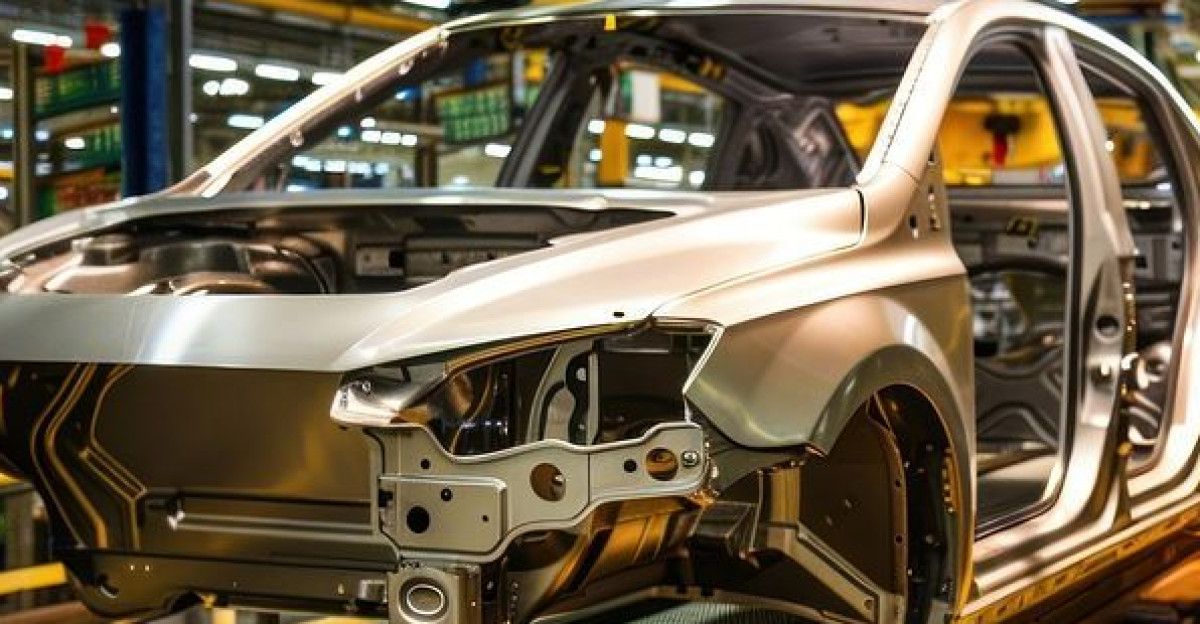
International automotive manufacturers report comparable Legionnaires’ difficulties at facilities throughout North America and Europe, industry surveys reveal. Canadian health authorities documented multiple workplace outbreaks in industrial settings during 2025 alone. The Warren incident contributes to growing worldwide recognition of occupational Legionella exposure risks that transcend national borders.
Legal Teams Prepare for Potential Worker Lawsuits

Worker compensation claims and significant liability issues are emerging as GM navigates the complex legal implications of the disease outbreak. Recent Legionnaires’ litigation in other states resulted in multi-million dollar settlements for affected workers and their families, court records show. Corporate legal departments are preparing defensive strategies while emphasizing proactive safety measures and coordinated health agency investigations.
Younger Workers Demand Greater Workplace Transparency
The outbreak reflects evolving employee expectations about workplace safety communication and corporate responsibility in post-pandemic America, workplace analysts observe. Younger engineering professionals are demanding immediate health threat disclosure and protective action from employers rather than accepting traditional corporate secrecy. GM’s rapid response approach may establish new industry standards for addressing future biological workplace hazards.
Small Outbreaks Can Paralyze Industrial Giants
The Cole Engineering Center closure demonstrates how minimal case clusters can halt major corporate operations until complete safety verification is achieved. Manufacturing companies must now balance legacy facility maintenance with sophisticated health monitoring systems as technology integration accelerates. This watershed incident may drive unprecedented industry investment in preventive workplace health technologies that protect both workers and business continuity.