On 15 January 2026, Sailormen Inc. walked into a Florida bankruptcy court owing nearly $130 million and, according to its primary lender, so little cash that reimbursing legal fees would leave nothing for payroll.
More than 130 Popeyes Louisiana Kitchen restaurants in Florida and Georgia suddenly hung in the balance—and with them over 3,200 hourly jobs. What happened next forced the fast-food industry to rethink its appetite for debt.
Who Is Sailormen, and How Big Is the Fallout?
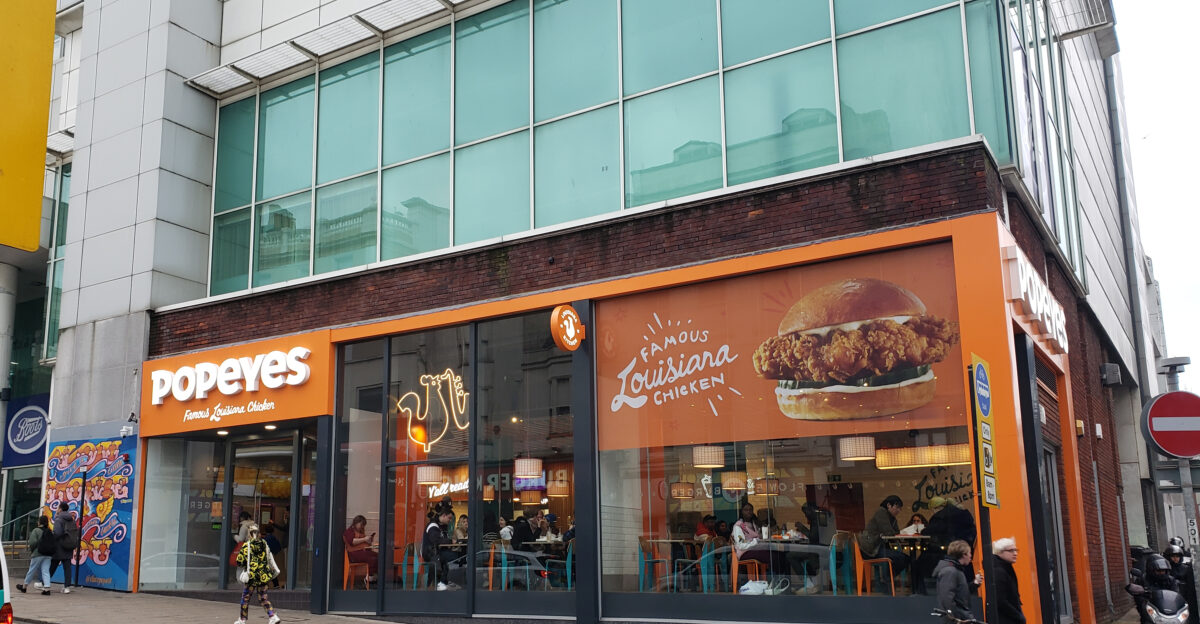
Sailormen Inc., based in Miami and founded in 1984 to operate Popeyes restaurants, runs 136 locations across Florida and Georgia, making it one of the fried chicken chain’s largest U.S. franchisees.
Court documents show the company filed for Chapter 11 in the Southern District of Florida after years of mounting financial strain. The filing puts hundreds of millions of dollars in obligations—and a key foothold in the Southeast—under court supervision.
Why a Top Popeyes Franchisee Went Bust
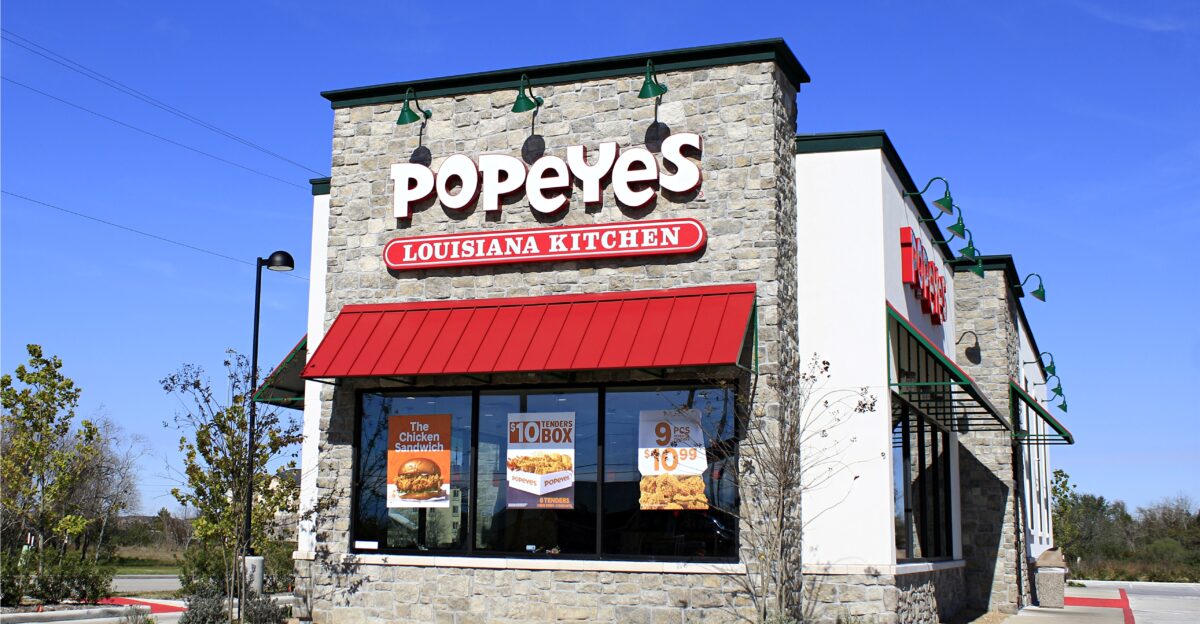
In its bankruptcy papers, Sailormen blamed the lasting impacts of Covid-19, inflation, higher borrowing costs and an “increasingly limited qualified labor force” for its collapse.
The company reported more than $223–$233 million in sales for 2025 but still booked a net operating loss of roughly $18–$19 million, highlighting how rising costs outpaced revenue. At the same time, it was carrying close to $130 million in debt to its main lender, BMO Bank.
A Failed Georgia Deal That Backfired

To relieve mounting pressure, Sailormen tried in 2023 to sell 16 Georgia restaurants as part of a restructuring plan. According to court filings, that deal fell through, leaving the company responsible for leases on locations it no longer controlled.
Sailormen stopped paying rent on those sites in April 2024 and later sued the buyer for breach of contract—but the cash drain had already deepened its crisis.
From Expansion Play to Cost Spiral
Sailormen once embodied Popeyes’ growth story, expanding from 11 Miami-area stores in 1987 into multiple states including Alabama, Illinois, Louisiana, Missouri and Mississippi.
Between 2012 and 2018, it reversed course, selling off those outlying markets to focus on building new restaurants in Florida and Georgia. That concentration made the franchisee a regional powerhouse—until rising food, labor and rent costs turned scale into a vulnerability.
When Revenue Isn’t Enough

Despite its large footprint, Sailormen’s financials show how thin quick-service margins have become. Its chief restructuring officer reported over $223 million in sales against a net operating loss above $18 million for 2025.
As of 12 January, Sailormen listed more than $232 million in assets and over $342 million in liabilities, underscoring a deep imbalance between what it owns and what it owes. Revenue alone could not outrun fixed costs and debt service.
Popeyes’ Own Sales Headwinds
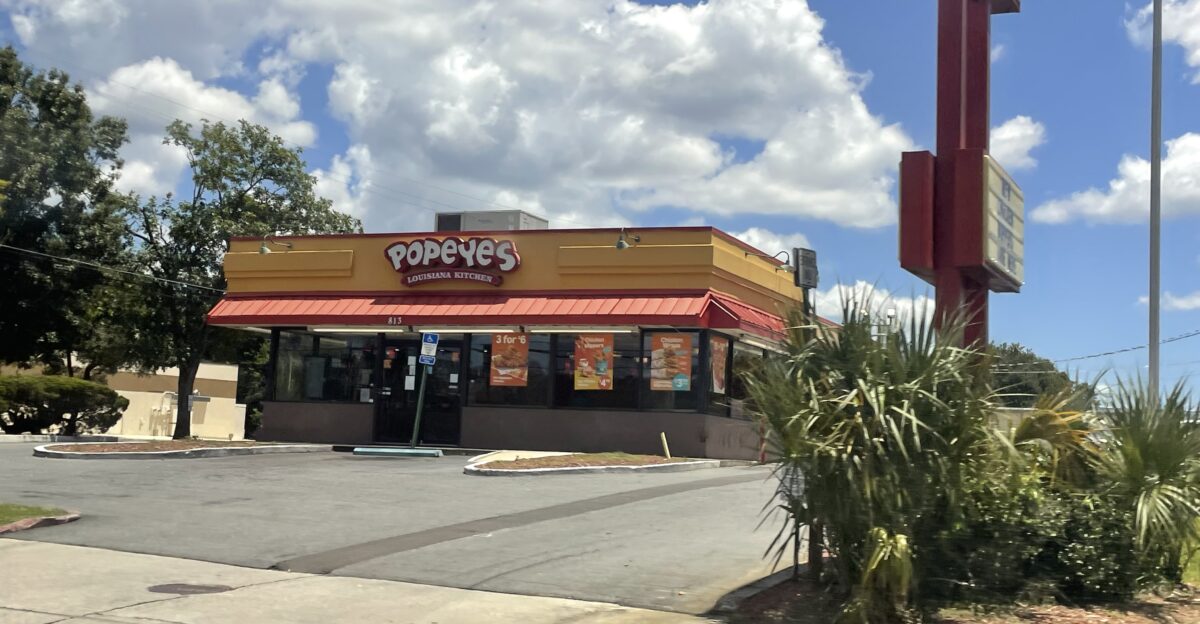
The bankruptcy lands as Popeyes itself faces cooling momentum. Restaurant Brands International disclosures show the brand posted negative same-store sales in multiple quarters, including a 2.4% decline in the third quarter of 2025, while sister chains Tim Hortons and Burger King grew.
Earlier in 2025, Popeyes comparable sales fell 4% in the first quarter and 0.9% in the second, signaling mounting competitive and cost pressure in the chicken segment.
Inflation, Rates and the Franchise Squeeze

Sailormen’s explanation mirrors broader restaurant pain: higher wages, pricier ingredients and more expensive borrowing. Industry data show restaurant food and labor costs have climbed far faster than menu prices since the pandemic, compressing margins across the sector.
At the same time, Federal Reserve rate hikes since 2022 have sharply increased interest expenses for heavily indebted operators, especially those that borrowed when money was cheap.
But the challenges don’t stop there.
BMO Bank’s Push That Forced a Decision
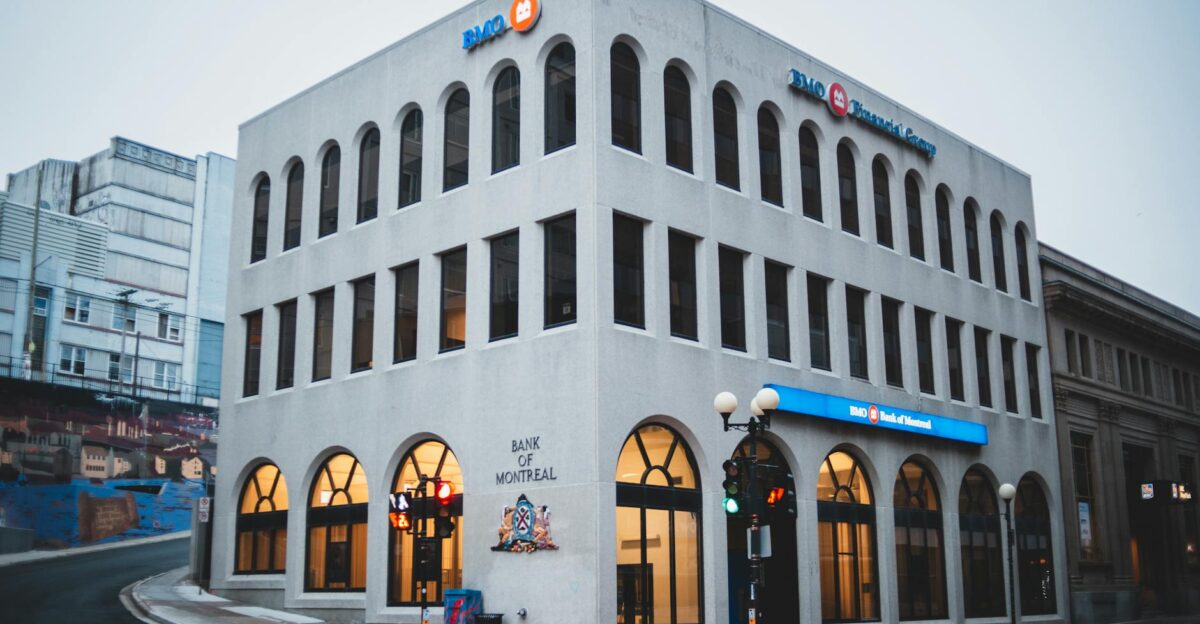
By late 2025, BMO Bank, Sailormen’s main lender, had lost patience. In December, it filed a breach-of-contract complaint seeking to appoint a receiver to seize control of the company and its assets.
That legal move became the immediate trigger for the Chapter 11 filing, as Sailormen argued its “stakeholders will fare better” under bankruptcy protection than under a court-appointed receiver. The fight now shifts to the restructuring court.
Thousands of Workers in Limbo
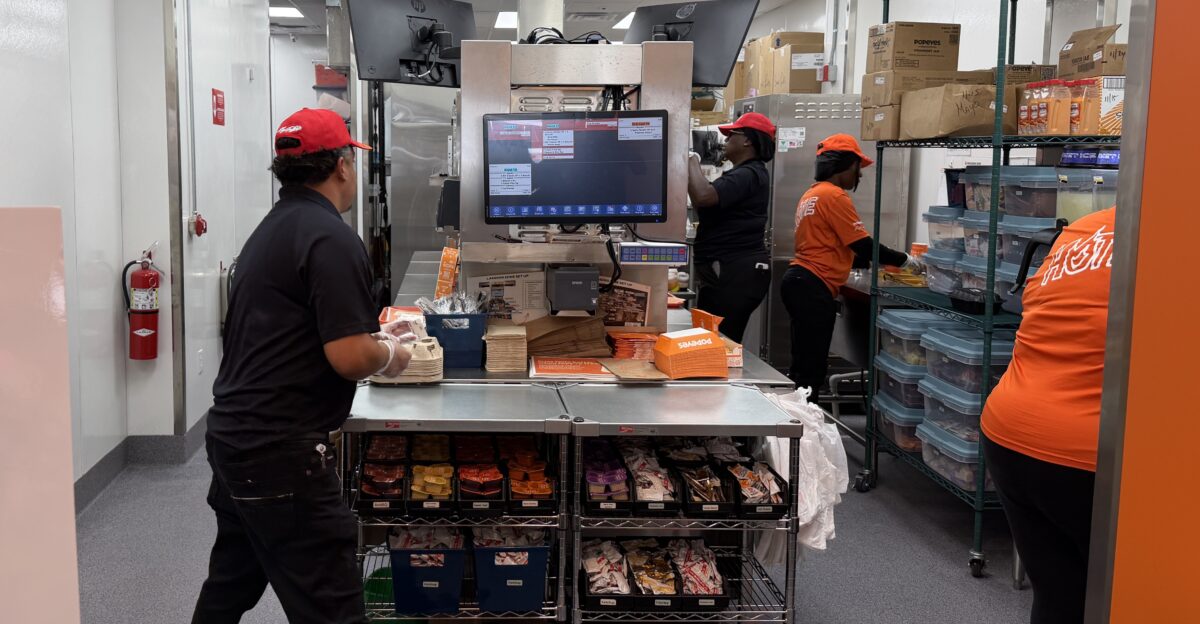
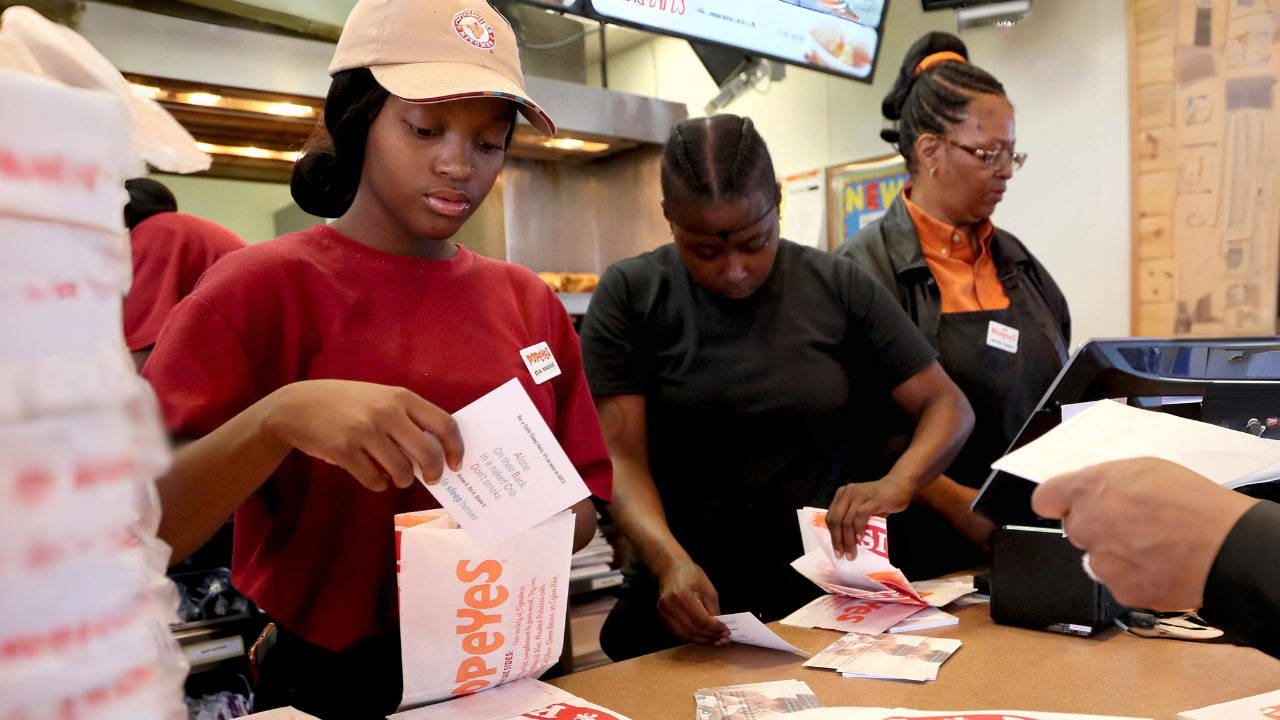
Court documents show Sailormen employed about 3,272 hourly workers as of the filing date, largely at its Florida and Georgia Popeyes restaurants.
While the company has not yet detailed specific closures, Chapter 11 gives it the power to reject unprofitable leases, potentially shuttering sites. Workers could be affected by timing and scope of any closures, and federal WARN Act rules may come into play if mass layoffs occur without sufficient notice.
Suppliers and Landlords Brace for Losses
Sailormen’s creditor list includes major food distributors and commercial landlords now facing uncertain recovery. Vendors are typically unsecured creditors in bankruptcy and often receive only a fraction of what they are owed once secured lenders are paid.
Landlords may see leases assumed, assigned to new operators or rejected, forcing them to pursue capped damage claims while scrambling to backfill highly specialized restaurant spaces.
Popeyes Leadership Tries to Calm Nerves
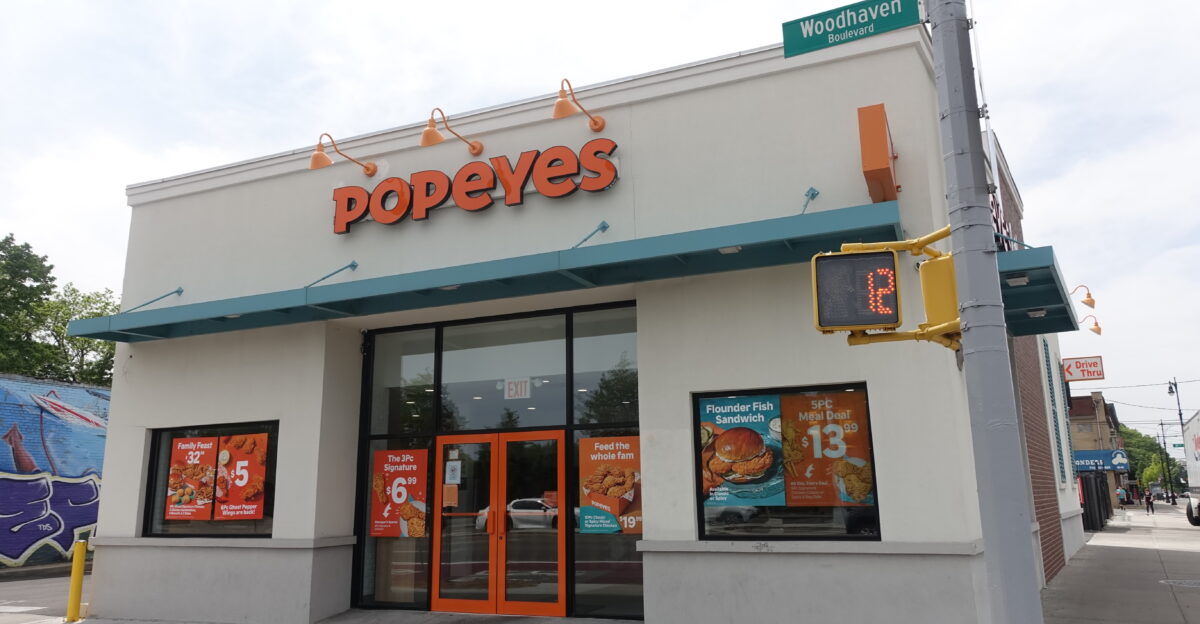
Peter Perdue, president of Popeyes in the U.S. and Canada, sought to reassure franchisees and investors that the filing is not a verdict on the brand.
In a note cited by multiple outlets, he said a “large majority” of Sailormen-operated restaurants are likely to remain open and described the franchisee’s leverage as higher than is typical in the system. His message: this is a capital-structure problem, not a collapse of customer demand.
Expert: Pandemic Debt Is Coming Due

Legal and restructuring experts say Sailormen fits an emerging pattern. Bankruptcy attorney Daniel Gielchinsky has warned that restaurants loaded with debt during Covid-era disruptions now face a reckoning as costs and rates stay elevated.
“A growing number of major restaurant chains will likely continue to file for bankruptcy protection over the coming years,” he said in 2025, cautioning that many familiar brands “may not exist in five years.”
Analysts Flag Franchise Model Risks

Analysts note that franchise-heavy systems like Popeyes can mask stresses building at the operator level until a large player fails.
A 2025 fast-food sector review highlighted leverage, thin margins and sale-leaseback real estate deals as key vulnerabilities when demand softens. One restructuring commentary put it bluntly: using near-100% financing and long-term leases “leaves no margin for operational error” in a downturn. Sailormen’s numbers now illustrate that warning.
Market Watching for Contagion

Investors are now asking whether Sailormen’s collapse is an isolated case or an early warning for other big franchisees. Restaurant dealmakers say M&A appetite around multi-unit operators has cooled as lenders scrutinize leverage and unit economics more closely.
If more large franchisees stumble, brands may have to step in, recruit replacement operators or accept reduced footprints in key markets, which could impact growth narratives.
What happens next could reshape franchise financing norms.
What Happens to the 136 Popeyes Locations?
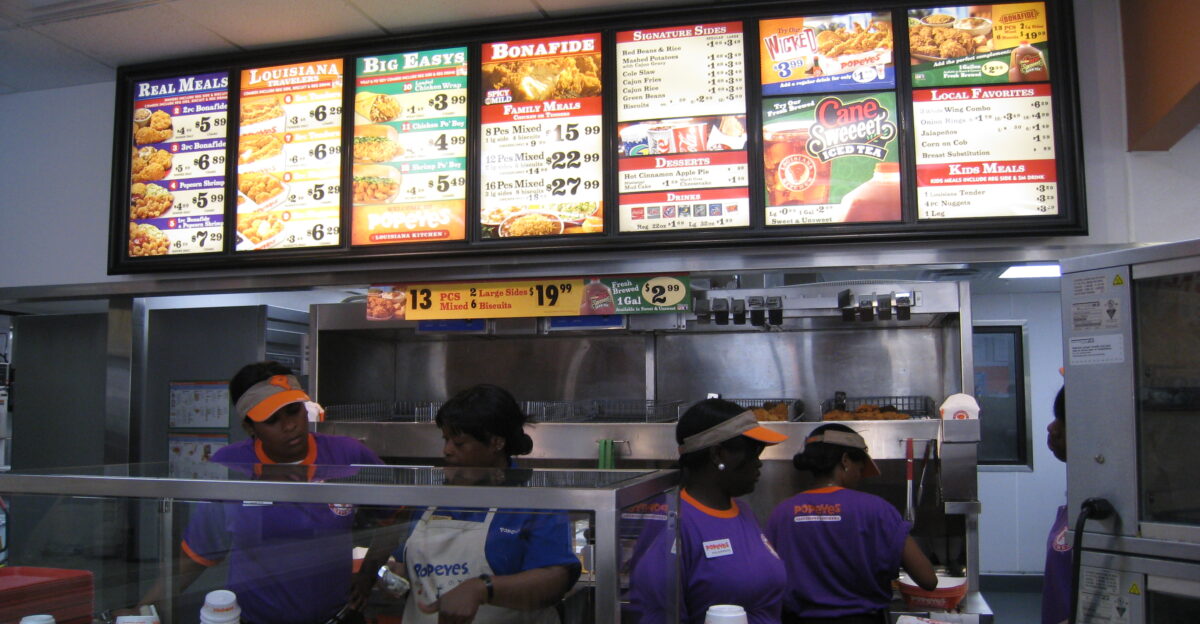
In Chapter 11, Sailormen will decide which restaurant leases to keep, assign or reject—often within a few months under statutory deadlines. Stronger-performing sites may be sold, likely to other Popeyes franchisees, while weaker units could close permanently.
Each decision will affect employees, landlords and suppliers differently, and will determine how much BMO Bank recovers on its roughly $130 million exposure.
Could Sailormen Survive as a Smaller Company?

Sailormen’s advisers say the goal is to renegotiate debt and emerge as a healthier franchisee, but the math is daunting. Turning sustained losses into profits would likely require shedding money-losing stores, cutting costs and securing significant concessions from lenders.
If creditors conclude that selling assets yields more than a full reorganization, the company could effectively disappear, with surviving units operating under new ownership.
Lessons for Franchise Operators
For other franchisees, Sailormen’s fall offers a clear cautionary tale. Heavy borrowing during boom times, reliance on aggressive real estate financing and thin cash buffers leave operators exposed when sales soften and rates climb.
Industry advisors increasingly stress conservative leverage, rigorous unit-level profitability tracking and contingency planning for cost spikes. The Popeyes case may accelerate a shift toward more disciplined capital structures in quick service.
Implications for Fast-Food Investors
For investors and lenders, the bankruptcy highlights that brand strength does not fully insulate highly indebted operators. While Popeyes remains a nationally recognized name, individual franchisees can still falter if balance sheets are overstretched or deals misfire.
Future lending may come with tighter covenants, more scrutiny of same-store sales trends and greater reluctance to finance expansion based on short-lived demand spikes.
A Warning Sign for the Restaurant Industry
Sailormen’s Chapter 11 caps a multi-year shift from pandemic-era survival financing to a harder phase of balance-sheet reckoning. With margins compressed and consumers more price-sensitive, the industry is likely to see more restructurings, consolidations and selective closures in 2026.
For now, customers in Florida and Georgia may still see their neighborhood Popeyes open—but the ownership and economics behind those orange-and-red signs are under intense pressure.
Sources:
“Popeyes franchisee with 130 locations in GA, FL files for Chapter 11 bankruptcy.” USA Today, 16 Jan 2026.
“Large Popeyes franchisee files for Chapter 11.” Restaurant Dive, 15 Jan 2026.
“More than 100 Popeyes in Georgia and Florida at risk after franchisee bankruptcy.” The Independent (U.S. edition), 19 Jan 2026.