
March 4, 2025, began like any other day across Texas. Parents dropped kids at school, coffee cups steamed on kitchen counters, and buses hummed along familiar routes. But in specific neighborhoods, unease crept in. Text messages hinted at “big changes.” Staff at several community facilities were called into sudden meetings. Details were scarce, but the urgency was apparent.
By nightfall, more than a thousand Texans would lose their jobs, and hundreds of children would be uprooted from the places they called safe — all without a warning anyone outside the inner circle could see coming.
In a Quiet Building, a Counselor Sees Trouble Before Anyone Speaks

In a single-story building in South Texas, Maria, a youth counselor for over a decade, sensed a shift. Colleagues moved with forced calm, avoiding eye contact. Some clutched manila folders, eyes rimmed red from closed-door meetings. Children, picking up on the tension, clung to staff they trusted.
“I’ll tell you what I can,” Maria told a 10-year-old in her care, though she didn’t yet know what “it” was. She only knew something was breaking — not in the building’s walls, but in the fragile networks that held vulnerable children’s lives together.
Routine Fractures at 2:00 p.m. Call Casts a Shadow

By midmorning, signs of disruption multiplied. A case manager told a friend, “Come get me for lunch as I might not have a job later,” according to local media reports. Vendors were abruptly told to pause deliveries. Several facilities stopped accepting new arrivals.
Case files were locked away. Social workers compared whispers. Leadership remained silent, except for one cryptic message: a mandatory conference call at 2:00 p.m. For 1,300 people, that hour would mark the end of one chapter and the start of a crisis with statewide consequences.
Rumors Fill the Gap as Communities Brace for Impact

In the neighborhoods where the organization operated, speculation spread faster than facts. Was funding cut? Were sites relocating? Staff vans idled in grocery store parking lots, workers speaking in low voices. Volunteers were told to “stand by.”
At schools, teachers noticed familiar outreach staff suddenly absent. “I haven’t seen anything like this,” an El Paso teacher told The Texas Tribune. Children who had relied on midweek programs found them canceled without explanation. The sudden quiet wasn’t calm — it was the silence before a blow.
At 2:00 p.m., Words Drop Like a Hammer

When the clock struck two, hundreds of staff dialed in. According to several employees present, a calm, steady voice on the line informed them that Texas operations would wind down immediately. Everyone was to clock out by day’s end. No explanations. No severance details. Only the promise of a follow-up call regarding next steps.
In break rooms and hallways, shock settled in. Some wept. Others stared blankly, processing that their jobs, routines, and the children they cared for were gone in a single sentence.
Closures Roll Out Overnight, Leaving Families Scrambling
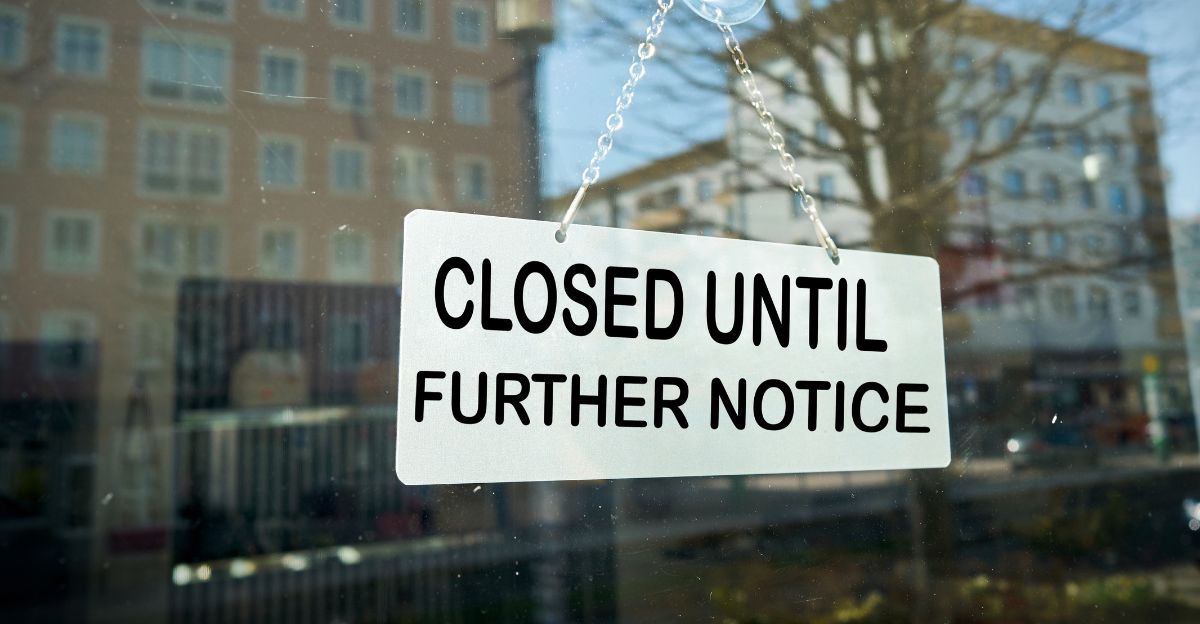
By sunset, doors were locked, and vans never returned to their pickup routes. Handwritten signs read, “Closed until further notice.” The pattern repeated from Brownsville to El Paso — services vanished without warning. Parents called friends in panic, unsure where their children had been moved.
Partner nonprofits tried to track transfers but found little information. “We’re trying to help kids, but nobody knows where they went,” one shelter director told The Associated Press, underscoring the chaos now gripping Texas’s child welfare network.
For Staff, the Loss Is Personal — and Heartbreaking

Former employees described leaving behind not just jobs, but children they’d spent months, sometimes years, supporting. Maria said she hadn’t thought about her paycheck before. She thought about the teenager she’d been counseling through a family court case, who had now abruptly moved to an unknown location.
The dislocation wasn’t just an address change — another wound in lives already scarred by instability. For many staff, grief outweighed anger, at least in those first bewildering hours.
Officials Speak in Careful Phrases, Advocates Sound Alarms
County and state officials offered little clarity. One county leader said only that federal partners were involved and that safety moving forward was the priority. Advocacy groups warned that such rapid closures often point to deeper crises.
“When services end this abruptly, it usually means something serious has been uncovered,” said Ana Morales, director of a Texas child welfare watchdog group. Behind closed doors, federal and state agencies were already deep into an investigation they had kept under wraps for weeks.
Southwest Key Programs Shuts Texas Operations

On March 6, headlines confirmed that Southwest Key Programs, the largest housing provider for unaccompanied migrant children in the U.S., was ending its Texas work. The nonprofit had operated 29 shelters nationwide, 17 in Texas, funded by hundreds of millions in federal contracts.
Overnight, 1,300 Texans were unemployed, and hundreds of children were transferred to other states or temporary accommodations. The cause: a federal investigation alleging the nonprofit had failed to protect children from systemic abuse inside its facilities.
Years of Red Flags Now Under Harsh Light

Southwest Key has faced various allegations over the years, from staff misconduct and weak oversight to questionable spending. However, it retained federal contracts and a reputation as a key player in migrant youth care. Many employees joined for the mission, staying despite modest pay and long hours.
“We tried to address problems, but they kept coming back,” a former program manager told The Texas Tribune. In hindsight, what once looked like isolated incidents were now warning signs of a much deeper problem.
Federal Suit Alleges Pervasive Abuse and Cover-Ups
The Justice Department’s lawsuit described abuse as severe and pervasive at certain Southwest Key facilities, according to DOJ spokesperson Lauren Wiles. Allegations included sexual assaults, coercion of minors into sending explicit images, and threats of violence if they reported abuse.
Some staff allegedly concealed or failed to report incidents, violating state and federal laws. Federal officials said the failures stemmed from systemic screening, training, and oversight weaknesses. Once funding froze, the nonprofit had no operational lifeline left.
Advocates Share Harrowing Stories from Survivors

Advocates reported cases involving children as young as five. Immigration attorney Isabel Martínez said her client was relocated twice in ten days following the closures. “No child should have to endure abuse and then survive chaos on top of it,” she told The Associated Press.
While not all shelters were implicated, the breadth of allegations revealed systemic vulnerabilities. For survivors, the shutdown brought both relief and renewed trauma — safety from abusers, but another round of displacement and loss.
Federal Actions Triggered a 48-Hour Collapse
Federal agencies had been investigating for months, but the crisis accelerated once the allegations became public. The U.S. Department of Health and Human Services stopped sending children to Southwest Key facilities.
Without placements or funding, operations collapsed within 48 hours. “Some workers didn’t get to say goodbye,” a former social worker told NPR. Children were sent to other states, emergency foster homes, or even hotels … wherever space could be found on short notice.
Communities Strain to Fill the Gap
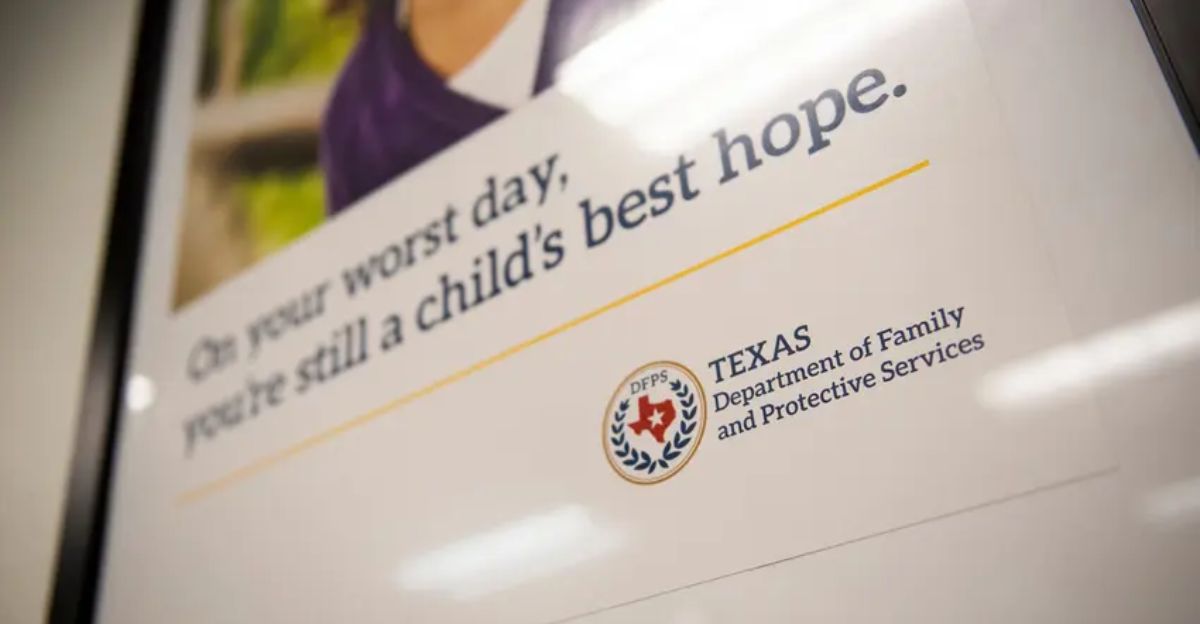
The closures immediately placed pressure on Texas’s child welfare system. Smaller nonprofits faced surging demand, stretching already thin resources. Some towns lost shelter space and educational and counseling programs tied to Southwest Key facilities.
Economically, the disappearance of more than 1,000 jobs left a hole in local economies. Former staff competed for a limited pool of similar roles, while others left the field, taking their experience with them.
Political Leaders Demand Accountability
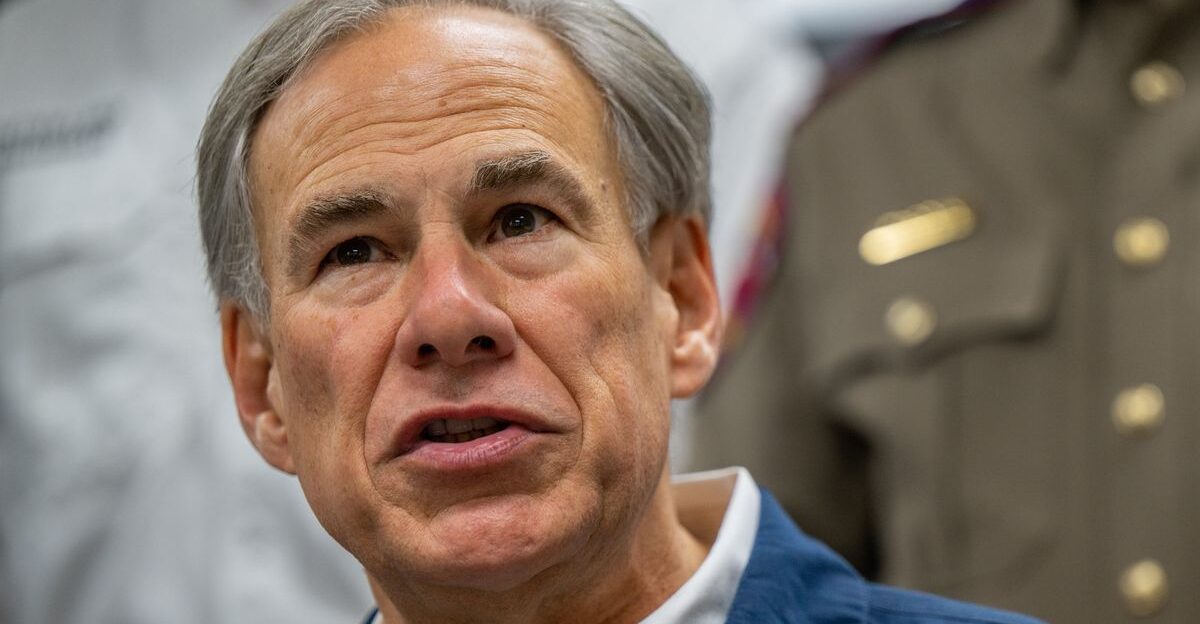
The allegations drew bipartisan outrage. Governor Greg Abbott called them appalling and vowed to assist federal investigators. Attorney General Ken Paxton’s office joined the probe through its human trafficking task force.
Southwest Key’s leadership released a brief statement denying some claims but conceding serious concerns about certain employees’ conduct. For many in Texas, the response seemed inadequate compared to the gravity of the accusations.
Laid-Off Staff Face Hard Choices

Former employees confronted a complex reality: they must find work elsewhere in an already strained job market or leave the human services field entirely. Some retrained for unrelated careers. Others continued volunteering for advocacy groups, determined to protect children despite losing their paid roles.
Many blamed leadership for failing to stop misconduct that, in their view, destroyed both careers and the safety of the children they served.
Other Nonprofits Take Note
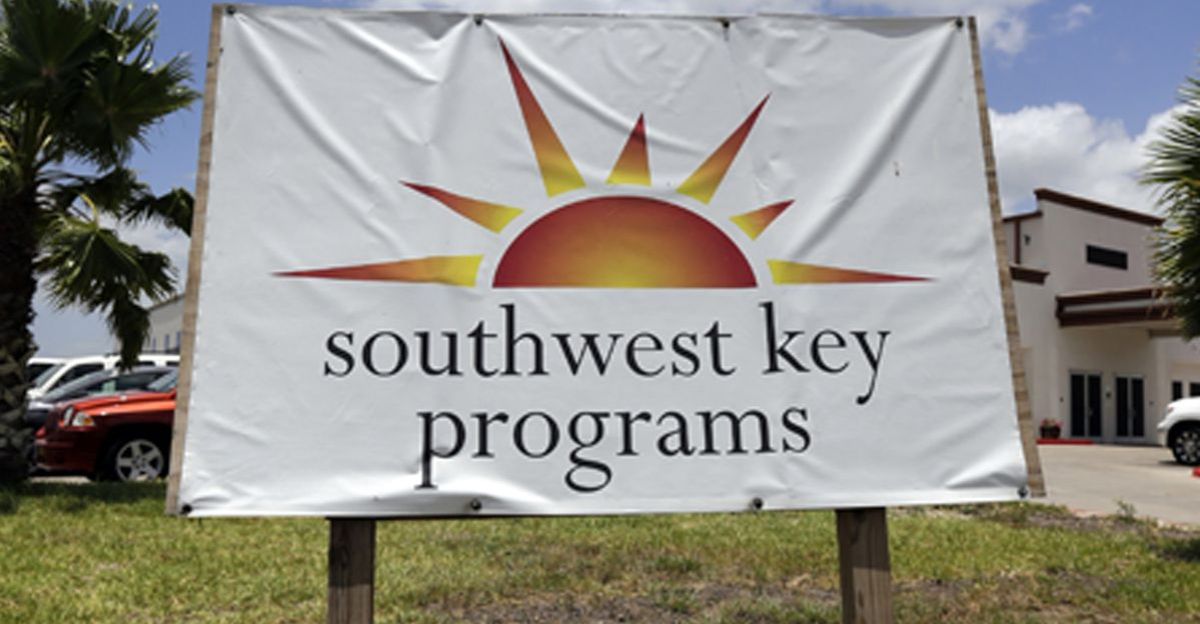
The collapse of Southwest Key in Texas sent a ripple of caution through the nonprofit world. Experts warned that overreliance on a single funding source — especially federal grants — leaves organizations vulnerable to sudden shutdowns if trust is broken.
Several child-focused nonprofits quietly reviewed their safety protocols, hoping to avoid a similar fate. “If it can happen to the biggest, it can happen to any of us,” one shelter director told The Houston Chronicle.
Lawmakers Push for Sweeping Reforms
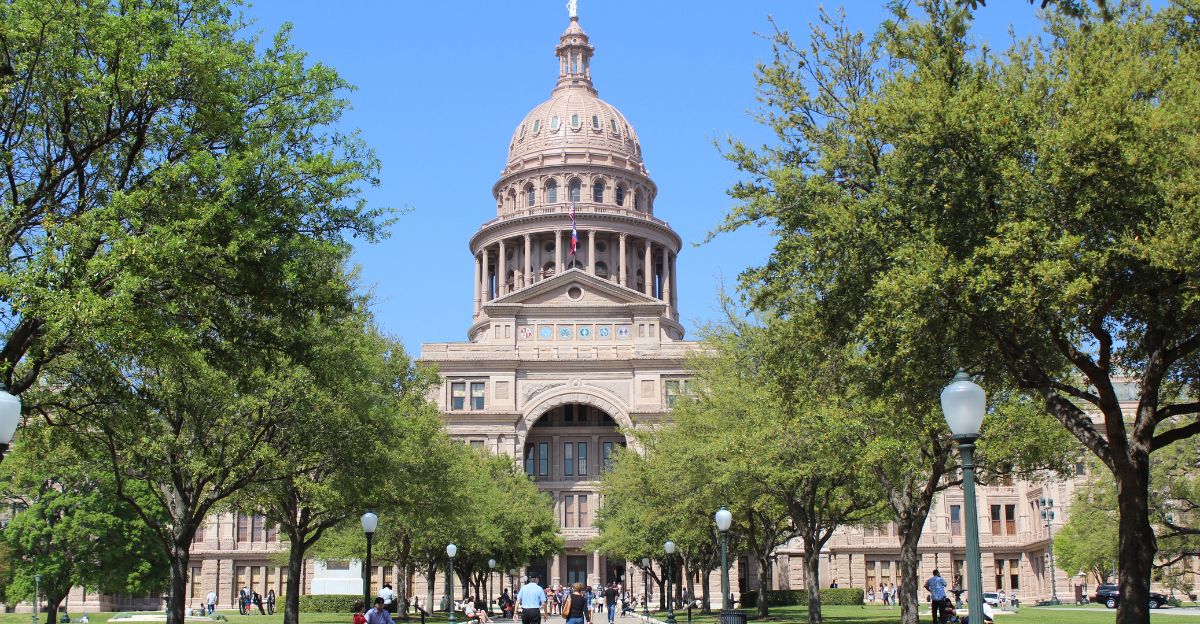
In Austin and Washington, lawmakers began drafting legislation to tighten oversight of child shelters. Proposals included independent review boards, stronger whistleblower protections, and stricter licensing rules.
“We have to do better for these kids,” State Rep. Veronica Escobar told reporters, promising to push for funding and accountability systems changes. Advocates argued reforms must also address the root issue of how vulnerable children are housed in the first place.
Recovery Is Slow for Children and Workers Alike

For the children, rebuilding trust and stability will take years. Many are still in transitional placements, attending new schools and working with new caseworkers. Counseling and legal advocacy are critical, but demand is high.
For former staff, healing often means finding new purpose while coping with the sudden loss of a role they considered more than just a job. The shared grief is as much about mission as it is about livelihood.
From Crisis, a Push for Lasting Change
The crisis that began with whispered warnings and ended with locked doors is reshaping Texas’s child welfare landscape. Any hope for improvement rests with the survivors who spoke up, the staff who refused to look away, and the communities determined to demand better.
If lasting change comes, it will be measured not in headlines but in the safety of children who may never know how close they came to being forgotten.