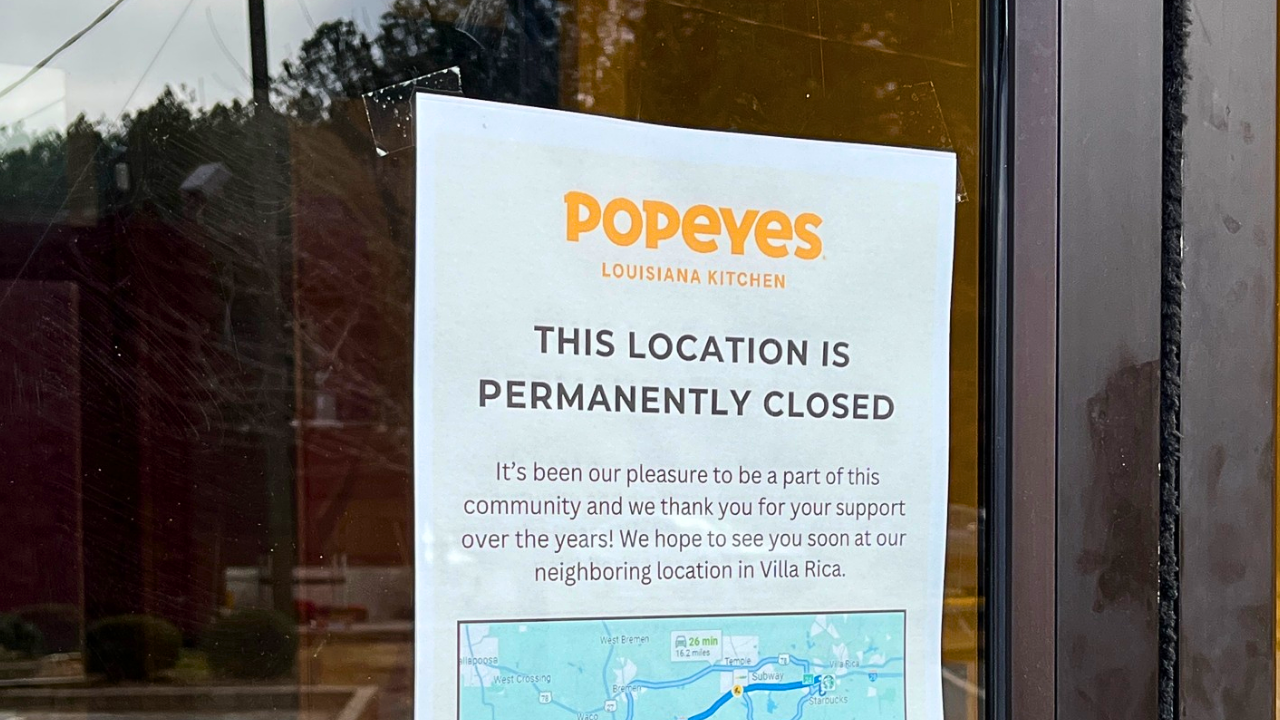
When Sailormen Inc. filed for Chapter 11 protection on January 15, 2026, the Miami-based franchisee brought 136 Popeyes Louisiana Kitchen outlets in Florida and Georgia into bankruptcy court, placing more than $342 million in liabilities and 3,272 hourly jobs under judicial supervision. The collapse of one of the fried chicken chain’s largest U.S. operators has sent ripples through the quick-service industry, forcing franchisees and lenders to confront how pandemic-era borrowing, persistent inflation, and razor-thin margins are reshaping the economics of fast-food ownership.
Founded in 1984 and expanded dramatically after a 1987 acquisition by Bob Berg and Steve Wemple, Sailormen once stretched across Alabama, Illinois, Louisiana, Missouri, and Mississippi. Between 2012 and 2018, however, the company shed those outlying markets to concentrate on building new stores in Florida and Georgia, becoming a regional powerhouse. By late 2025, that footprint had become a liability rather than an asset.
Financial Strain and a Failed Exit

Court filings reveal that Sailormen generated more than $223 million in revenue during 2025 yet still posted a net operating loss exceeding $18 million, underscoring how rapidly rising costs outpaced sales growth. As of January 12, the company listed $232 million in assets against $342 million in liabilities—a structural imbalance that left little room for error.
A 2023 attempt to stabilize finances by selling 16 Georgia restaurants fell apart when the buyer, Tar Heels Spice, failed to complete the deal. Sailormen stopped paying rent on those locations in April 2024 and filed a breach-of-contract lawsuit, but the damage was done—unpaid lease obligations and mounting vendor disputes accelerated the cash drain.
By December 2025, BMO Bank, Sailormen’s primary lender holding $112 million in unpaid principal plus $17 million in interest and fees, sued for breach of contract and moved to appoint a federal receiver to seize control of the company and its assets. That legal maneuver became the immediate catalyst for the bankruptcy filing, as Sailormen argued in court documents that creditors would recover more value under Chapter 11 reorganization than through receivership.
Root Causes: Pandemic Debt Meets Inflation

In its filing, Sailormen attributed the breakdown to overlapping pressures: the lingering operational disruptions of the Covid-19 pandemic, sustained inflation in food and labor costs, sharply higher borrowing rates, and an increasingly scarce pool of qualified workers. The company’s experience mirrors broader industry distress, as restaurant operators that borrowed heavily during pandemic closures now face repayment schedules amid elevated interest rates and compressed consumer spending.
The timing compounds the challenge for Sailormen. Popeyes itself reported negative same-store sales growth in each of the first three quarters of 2025, including declines of 4 percent in the first quarter, 0.9 percent in the second, and 2.4 percent in the third. Those headwinds limited the franchisee’s ability to grow revenue fast enough to service its debt load.
Expert Warnings and Industry Parallels

Bankruptcy attorney Daniel Gielchinsky, founder and partner at South Florida-based DGIM Law, has warned that the restaurant sector faces a prolonged reckoning. In February 2025, he told FOX Business that a growing number of major chains will likely continue filing for bankruptcy protection as they struggle to manage pandemic-era debt. “Restaurants that exist today may not exist in five years,” he cautioned, predicting reduced footprints and outright closures across familiar brands.
The Sailormen collapse follows a string of high-profile Chapter 11 filings in recent years, including Red Lobster, TGI Fridays, Rubio’s Coastal Grill, and Bravo Brio Restaurants, all citing similar combinations of inflation, interest-rate pressure, and weakened traffic.
What Happens Next
Peter Perdue, president of Popeyes in the U.S. and Canada, sought to reassure the broader franchise system in a note reviewed by multiple outlets. He said a large majority of Sailormen-operated restaurants are expected to remain open and described the franchisee’s debt leverage as higher than typical within the Popeyes system, framing the filing as a capital-structure problem rather than a failure of unit-level profitability.
Under Chapter 11 protection, Sailormen will decide which restaurant leases to assume, assign, or reject—decisions that will determine how many locations survive, how much BMO Bank recovers, and how many employees retain their jobs. The company has not yet disclosed specific closure plans, and the fate of individual restaurants will be determined through the bankruptcy process over the coming months.
For the wider fast-food sector, the bankruptcy underscores a stark shift: brand strength alone no longer shields heavily indebted operators from balance-sheet failure. Lenders, franchisees, and parent companies are now recalibrating expectations around leverage, unit economics, and the true cost of expansion financed during boom times. As consumer spending remains constrained and borrowing costs stay elevated, Sailormen’s fate may preview further consolidation and restructuring across an industry still digesting the financial aftershocks of the pandemic.
Sources:
“Popeyes franchisee with 130 locations in GA, FL files for Chapter 11 bankruptcy.” USA Today, 16 Jan 2026.
“Large Popeyes franchisee files for Chapter 11.” Restaurant Dive, 15 Jan 2026.
“More than 100 Popeyes in Georgia and Florida at risk after franchisee bankruptcy.” The Independent (U.S. edition), 19 Jan 2026.