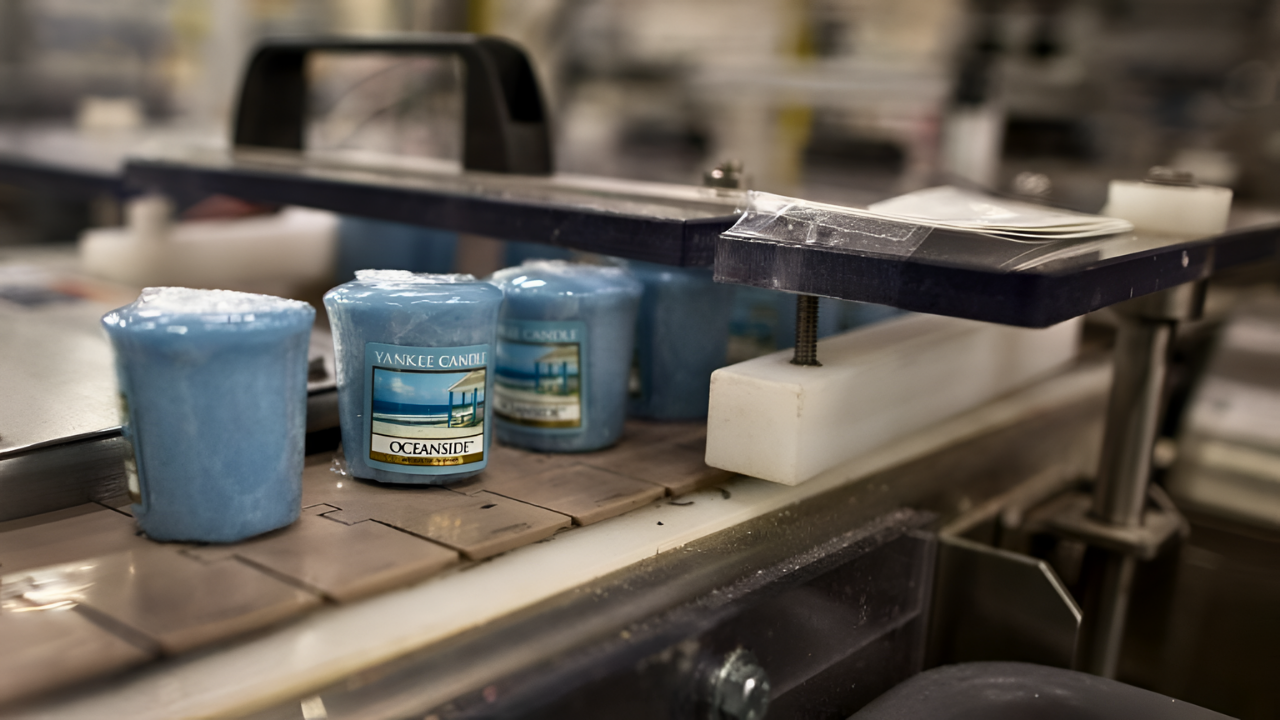
Newell Brands, the consumer goods giant behind Sharpie, Yankee Candle, Rubbermaid, and Mr. Coffee, announced sweeping workforce reductions and store closures as tariff costs surge.
The company plans to eliminate more than 900 jobs, roughly 10% of its professional workforce, while shuttering 20 Yankee Candle stores by early 2026. Management estimates tariffs will add approximately $180 million in costs during 2025, compounding a 7% annual sales decline and accelerating restructuring plans.
Tariffs Emerge as a Central Financial Headwind

Company leadership identified tariffs as one of the most significant pressures facing the business. Compared with the prior year, trade-related costs are expected to rise sharply, affecting sourcing, transportation, and pricing flexibility.
CEO Chris Peterson described tariffs as a persistent headwind that disrupts supply chains and dampens consumer demand. These pressures, combined with softer discretionary spending, are pushing Newell to reduce overhead, automate processes, and raise internal performance expectations.
Higher Prices Filter Down to Everyday Products
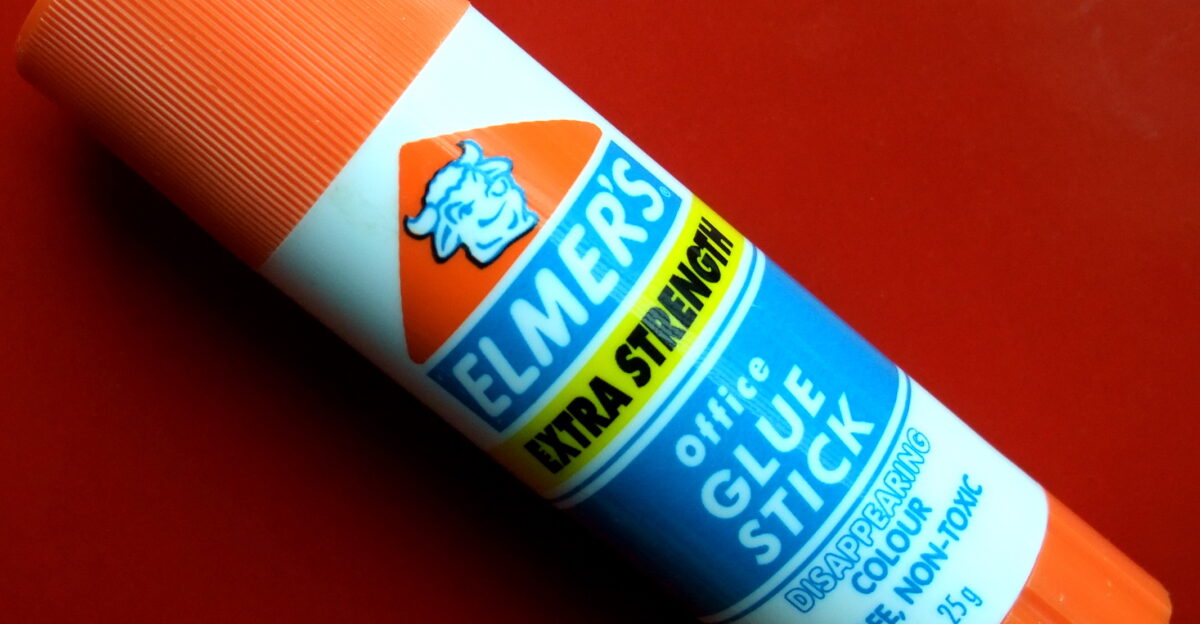
Tariff costs rarely stay confined to corporate balance sheets. Newell has signaled that higher input costs will increasingly be passed on to consumers. Products such as Sharpie markers, Elmer’s glue, and Yankee Candle home fragrances now carry higher price tags.
During the most recent quarter, the company’s sales declined 7% year over year, while its margins tightened. For shoppers, this means ordinary household and office items are becoming incrementally more expensive.
Restructuring Strategy Aims to Stabilize the Business

To offset rising costs, Newell outlined a restructuring plan expected to generate long-term savings. The company anticipates restructuring charges between $75 million and $90 million, primarily tied to severance and organizational changes.
In return, management projects annual savings of roughly $110 million to $130 million once the plan is fully implemented. Most job cuts affect corporate and clerical roles, allowing manufacturing operations and product availability to remain largely intact.
Pressure Spreads Across the Brand Portfolio
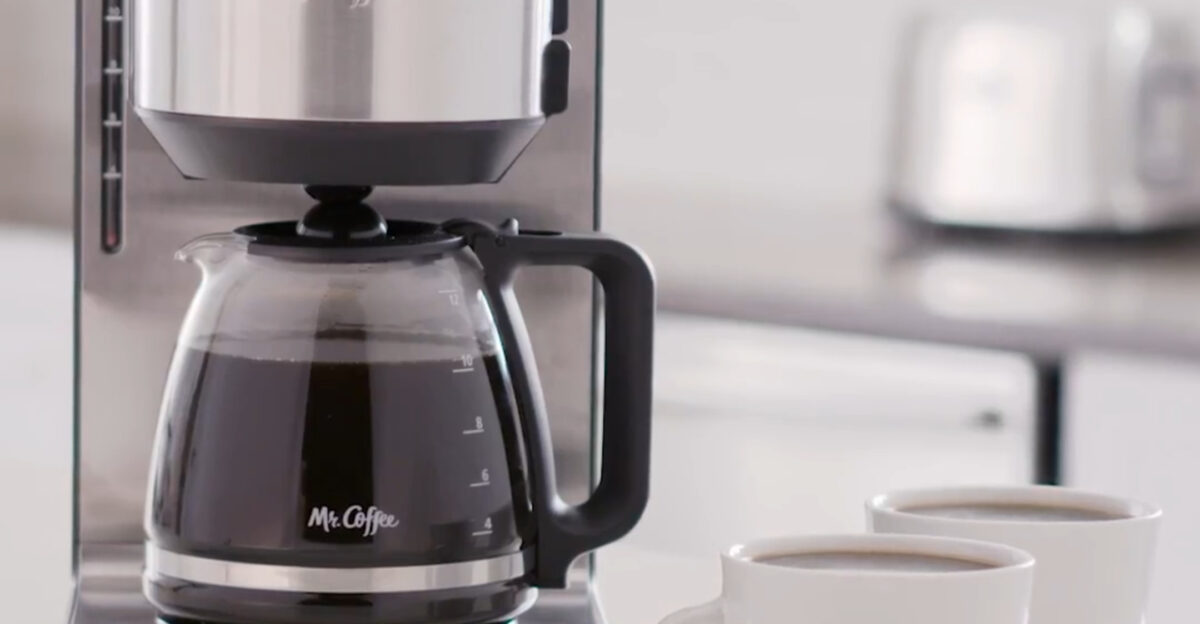
While Yankee Candle closures draw the most attention, the impact extends across Newell’s broader portfolio. Brands such as Rubbermaid, Mr. Coffee, and Coleman face similar cost pressures from tariffs and transportation expenses.
Management is reallocating resources toward higher-margin categories and faster-growing channels. Although the 20 Yankee Candle stores represent only about 1% of brand sales, the closures signal a wider pullback from lower-performing physical retail locations.
Store Closures Concentrated in North America
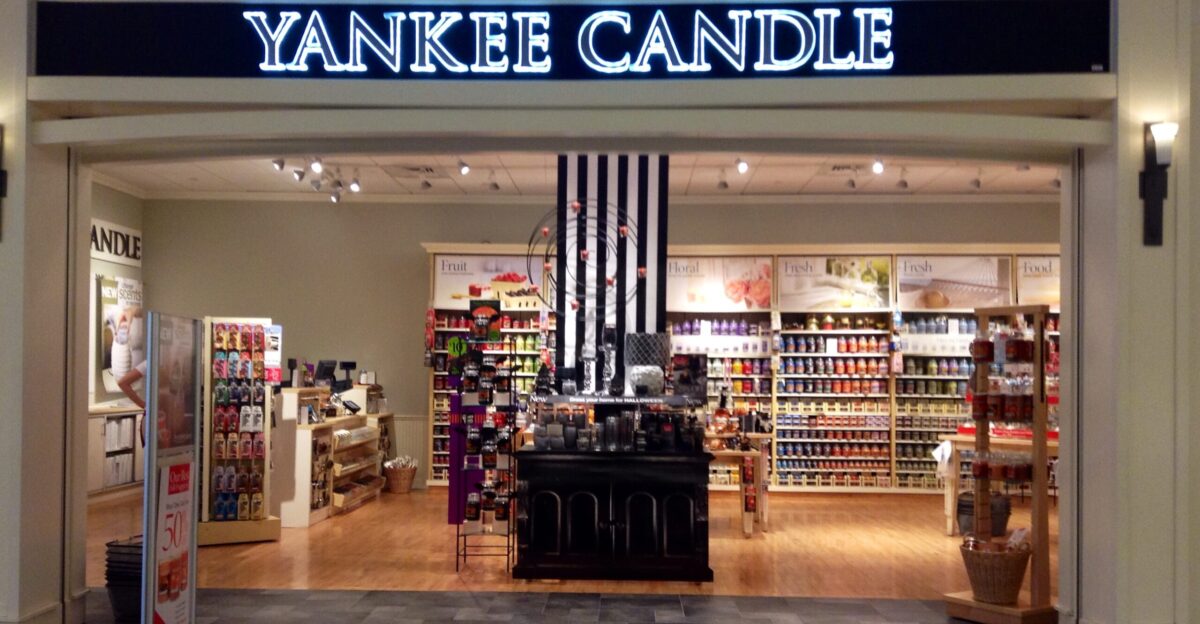
The planned store closures will occur primarily across the United States and Canada beginning in January 2026.
Newell operates hundreds of Yankee Candle locations, many of them leased rather than owned. By closing underperforming stores, the company aims to reduce fixed costs while maintaining brand presence through online sales and wholesale partners. Tariffs affecting cross-border supply chains further complicate operations, reinforcing the decision to streamline North American retail footprints.
Human Impact of the Workforce Reductions

Behind the financial figures are hundreds of workers facing sudden job losses. The layoffs will affect more than 900 employees worldwide, with a significant concentration in the United States. Many of the cuts are occurring during the holiday season, intensifying the personal and economic strain on affected families.
Company leadership acknowledged the difficulty of these decisions, emphasizing that workforce reductions are part of a longer turnaround effort that began in 2023.
Tariffs Reignite Broader Policy Debate
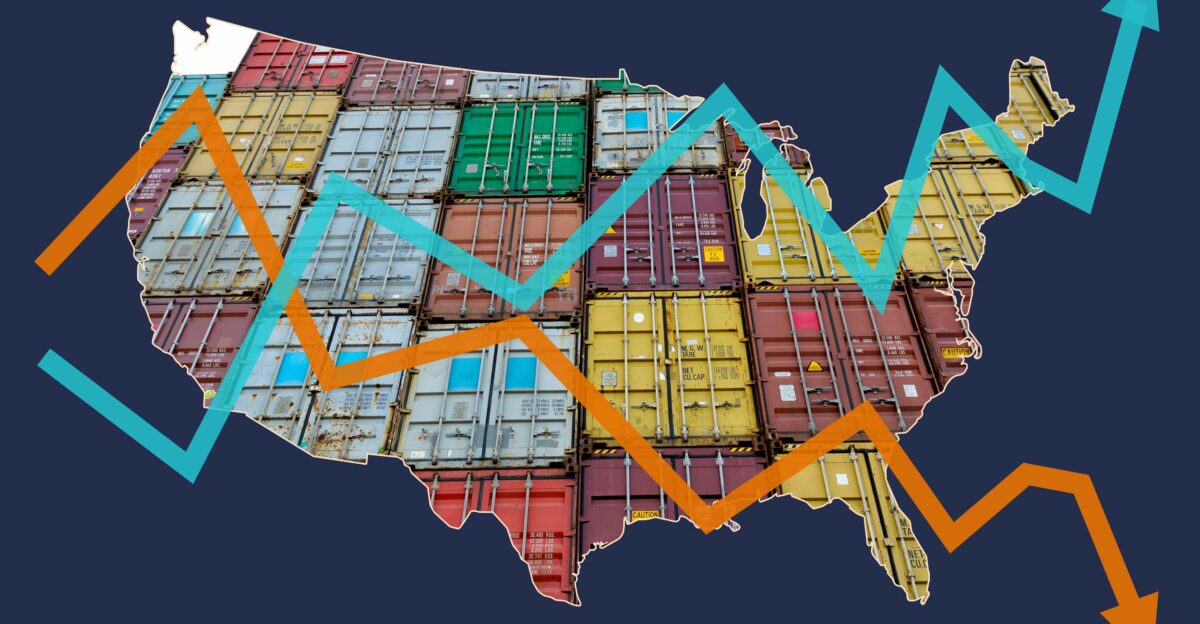
Newell’s restructuring has reignited debate over the broader economic impact of tariffs. Supporters argue tariffs protect domestic industries, while critics point to rising consumer prices and job losses.
The company’s experience mirrors challenges faced by other manufacturers confronting higher duties and trade barriers. As more firms cite tariffs as a driver of layoffs and closures, pressure is mounting on policymakers to reassess how trade measures affect workers, consumers, and long-term competitiveness.
Inflationary Pressure Meets Corporate Debt

Tariffs arrive at a time when Newell is already navigating a complex financial landscape. Despite price increases, margins have remained under pressure, while the company carries approximately $4.8 billion in debt.
This leverage limits flexibility and heightens sensitivity to cost shocks. Analysts note that while holiday spending remains resilient, persistent inflation in everyday goods strains household budgets, reducing demand for discretionary items and complicating Newell’s efforts to stabilize revenue.
Retail Strategy Shifts Toward Digital Channels

The Yankee Candle closures reflect a broader shift toward e-commerce and omnichannel retail. Consumer shopping habits have continued to move online, reducing foot traffic in malls and specialty stores. Newell is prioritizing digital platforms, third-party retailers, and wholesale partnerships to maintain reach while lowering operating costs.
By exiting weaker physical locations, the company hopes to align its retail presence with modern shopping behaviors and improve overall profitability.
Business Customers Feel the Cost Increases

Yankee Candle products are widely used by hotels, restaurants, and event venues to create ambiance. Rising wholesale prices driven by tariffs and restructuring costs are now filtering into these sectors. Hospitality operators facing higher fragrance and décor costs may scale back purchases or seek lower-priced alternatives.
Reduced supply and tighter inventories also affect bulk buyers, highlighting how tariff-related pressures extend beyond individual consumers to business customers across service industries.
Industry-Wide Pattern of Tariff-Linked Cutbacks

Newell’s actions fit into a wider pattern across manufacturing and consumer goods. Other companies in apparel, metals, and household products have announced plant closures, layoffs, or production pauses tied partly to trade costs.
As tariffs ripple through supply chains, firms reassess where to manufacture, how much inventory to carry, and which markets remain profitable. The cumulative effect is a reshaping of industrial employment and investment decisions across North America.
Global Impact Extends Beyond U.S. Borders
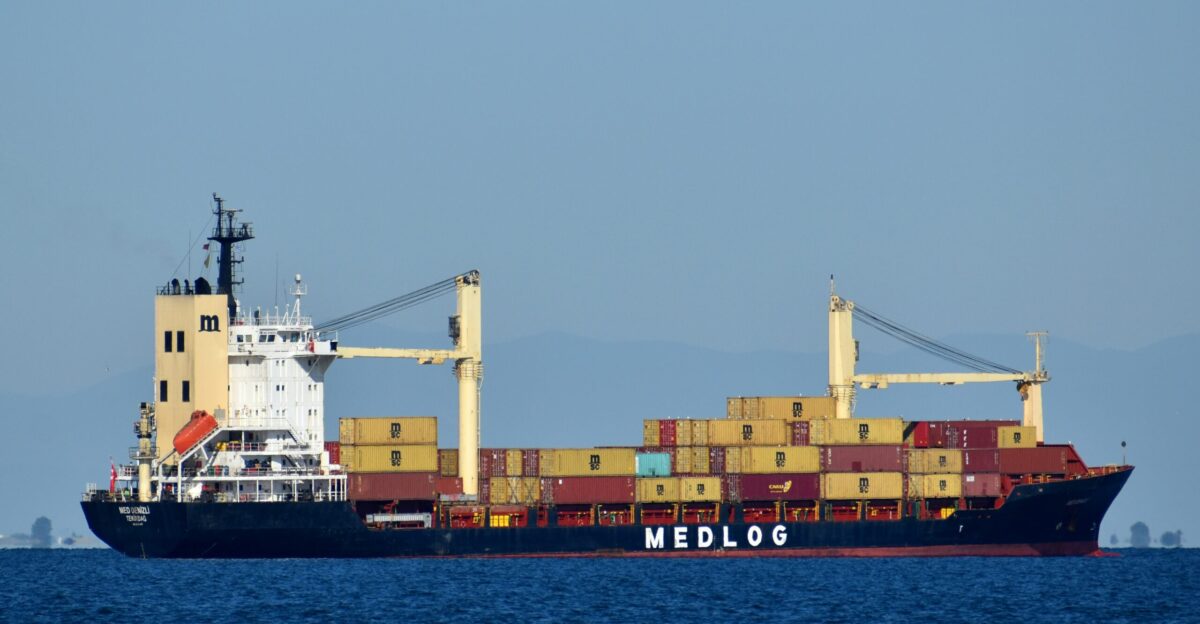
While many of the job cuts are U.S.-based, Newell confirmed that international workforce reductions will continue into 2026. Tariffs and trade tensions complicate exports, raise costs in overseas markets, and pressure global pricing strategies.
With quarterly sales totaling roughly $1.8 billion, even small disruptions can have outsized effects. For consumers abroad, branded essentials such as markers, storage containers, and home fragrances may also see higher prices.
Consumer Behavior Shifts Toward Frugality

Rising prices are changing how consumers approach nonessential purchases. Some shoppers are stocking up on Yankee Candle products ahead of anticipated price increases or store closures. Others are switching to generic or lower-cost alternatives.
These shifts reduce impulse buying, particularly in discretionary categories like home décor and fragrances. For Newell, the challenge is balancing price increases with demand sensitivity in an environment where consumers remain cautious about spending.
Heritage Brands Caught in Modern Trade Pressures
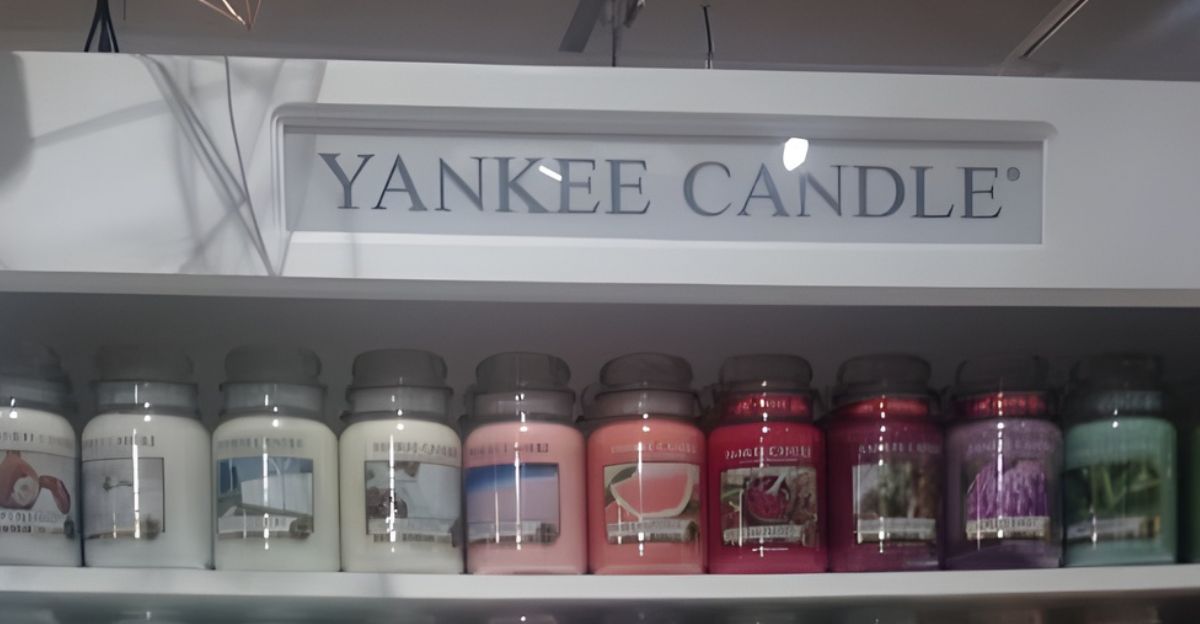
Yankee Candle, founded in 1969 in Massachusetts, has long been associated with American craftsmanship and tradition. Its store closures underscore how even iconic brands are vulnerable to global trade dynamics.
Tariffs, logistics costs, and changing consumer habits now weigh heavily on legacy retail models. The situation highlights the tension between preserving brand heritage and adapting to a rapidly evolving economic and commercial landscape.
Local Communities Absorb the Fallout

Store closures and office layoffs have tangible effects on local economies. Communities that host corporate offices or long-standing retail locations face reduced employment and lower commercial activity.
Areas tied to Yankee Candle’s history feel the impact particularly strongly. While some affected workers may find new opportunities, the immediate loss of jobs and foot traffic creates uncertainty for surrounding small businesses that relied on those stores and employees.
Investors React With Cautious Optimism

Financial markets responded positively in the short term, with Newell’s share price rising after the restructuring announcement. Investors welcomed the prospect of cost savings and a more focused business model.
However, concerns remain about the company’s debt load, ongoing tariff uncertainty, and uneven consumer demand. Analysts caution that sustained improvement depends on execution, stabilization of trade conditions, and evidence that sales can recover in 2026.
Practical Advice for Cost-Conscious Shoppers

For consumers, the changing landscape suggests paying closer attention to pricing trends. Buying staples during promotions, considering store brands, or purchasing online may help offset higher costs.
Those loyal to specific Newell products may choose to stock up ahead of anticipated price increases. Staying informed about retail changes and seasonal discounts can help households manage budgets as inflation and tariffs continue influencing everyday purchases.
Looking Ahead: Is More Restructuring Coming?

Newell’s leadership describes the current moves as part of a broader turnaround strategy extending through 2026. Investments in automation, artificial intelligence, and supply chain efficiency remain central to the plan.
However, executives acknowledge that persistent or escalating tariffs could force additional actions. Upcoming earnings reports will be closely watched for signs of stabilization, renewed growth, or further cost-cutting measures if conditions worsen.
How Trade Policy Touches Daily Life

The elimination of 900 jobs and closure of 20 stores illustrates how trade policy decisions ripple through companies, communities, and households. Tariffs that raise corporate costs ultimately influence employment, pricing, and consumer choice.
Newell’s experience shows that the effects are not abstract—they shape everyday items found in homes, offices, and stores. As debates over tariffs continue, their real-world consequences remain increasingly visible.
Sources:
- Reuters: “Sharpie maker Newell Brands to cut 900 jobs, take up $90 million charges” (Dec 1, 2025)
- CBS News: “Yankee Candle maker Newell Brands to close stores and cut 900 jobs” (Dec 1, 2025)
- Retail Dive: “Yankee Candle owner resorts to layoffs, store closures” (Nov 30/Dec 1, 2025)
- USA Today: “Newell Brands announces 900 layoffs, 20 Yankee Candle store closures” (Dec 1, 2025)
- StockInsights.ai (8-K Filing): “NWL NEWELL BRANDS INC Business Restructuring 8-K Filing” (Nov 30/Dec 1, 2025)