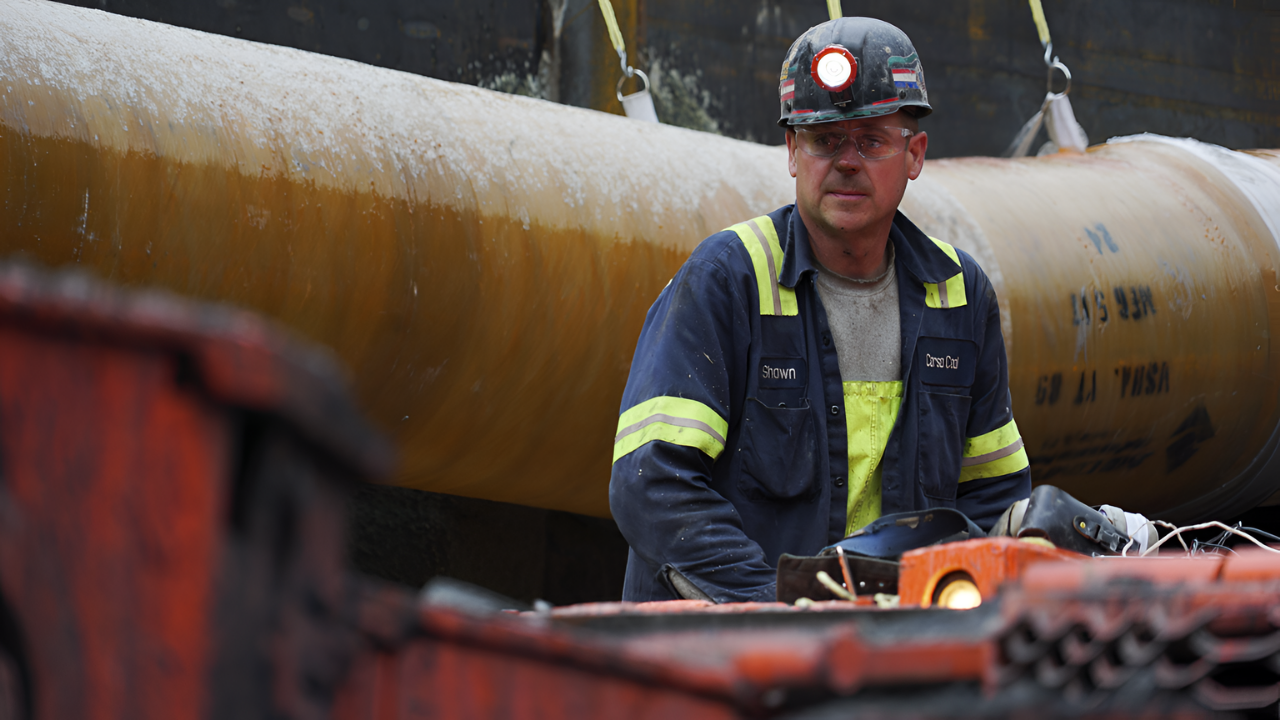
DTE Electric is pulling the plug on the Superior Midwest Energy Terminal in Superior, Wisconsin. The terminal, operating for over 50 years, handled 22 million tons of cargo annually at its 2008 peak, with coal throughput valued at approximately $140 million in recent years.
This closure will take effect by summer 2026, marking the decline of coal in the Upper Midwest and further contributing to the national energy transition.
The DTE Pivot: Moving Away from Coal
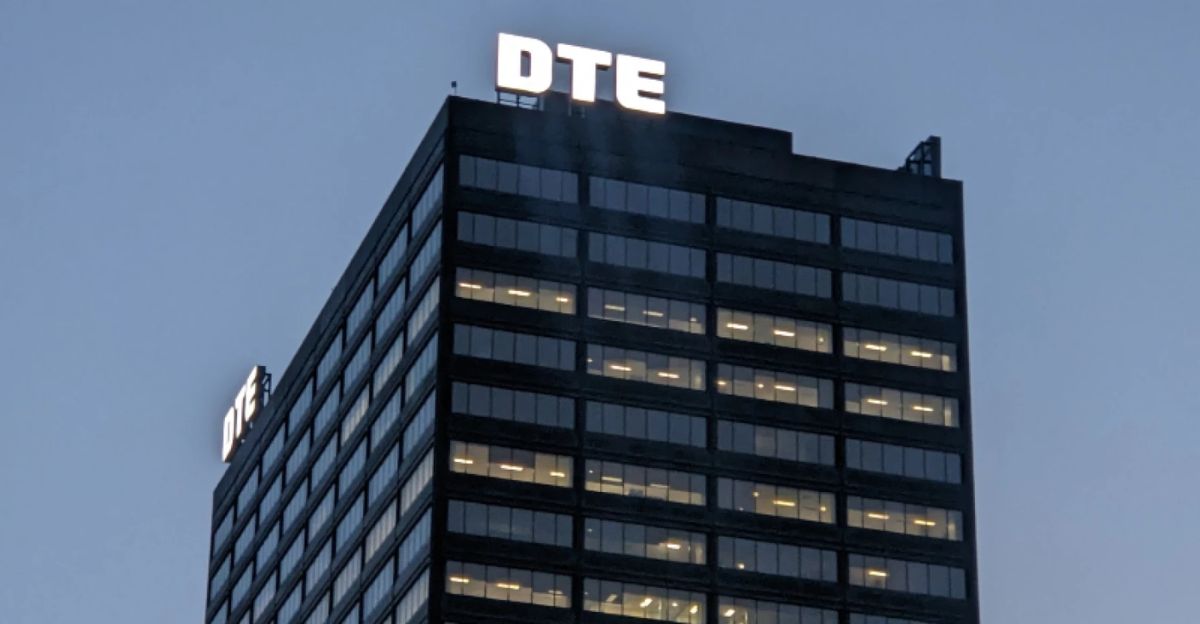
DTE Electric, parent company of MERC, is walking away from coal as part of its broader shift towards clean energy.
The decision to not renew the lease reflects declining coal demand, driven by cheaper natural gas and renewable energy alternatives. A spokesperson explains, “Continuing operations just doesn’t align with our business direction.”
56 Workers Face Job Losses in Superior
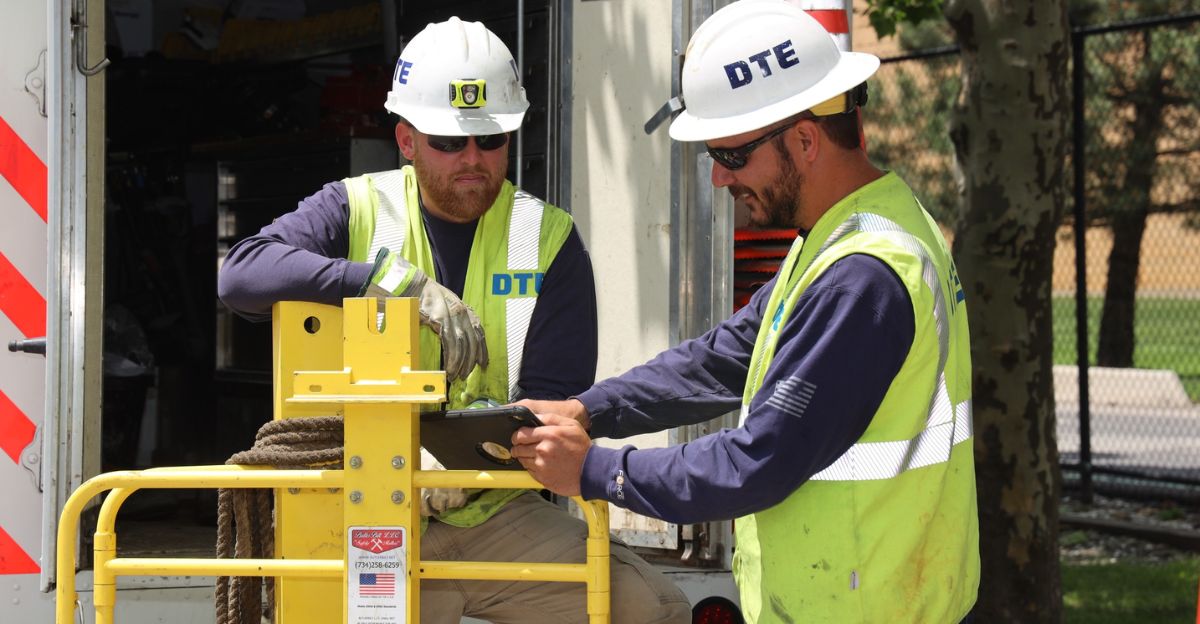
The closure will affect 56 workers at the terminal. DTE Electric is offering opportunities for workers to apply for other positions within the company, but the relocation requirement adds uncertainty.
Mayor Jim Paine of Superior emphasized the heavy toll this will take on the local community and its economy.
Accelerating the Clean Energy Transition
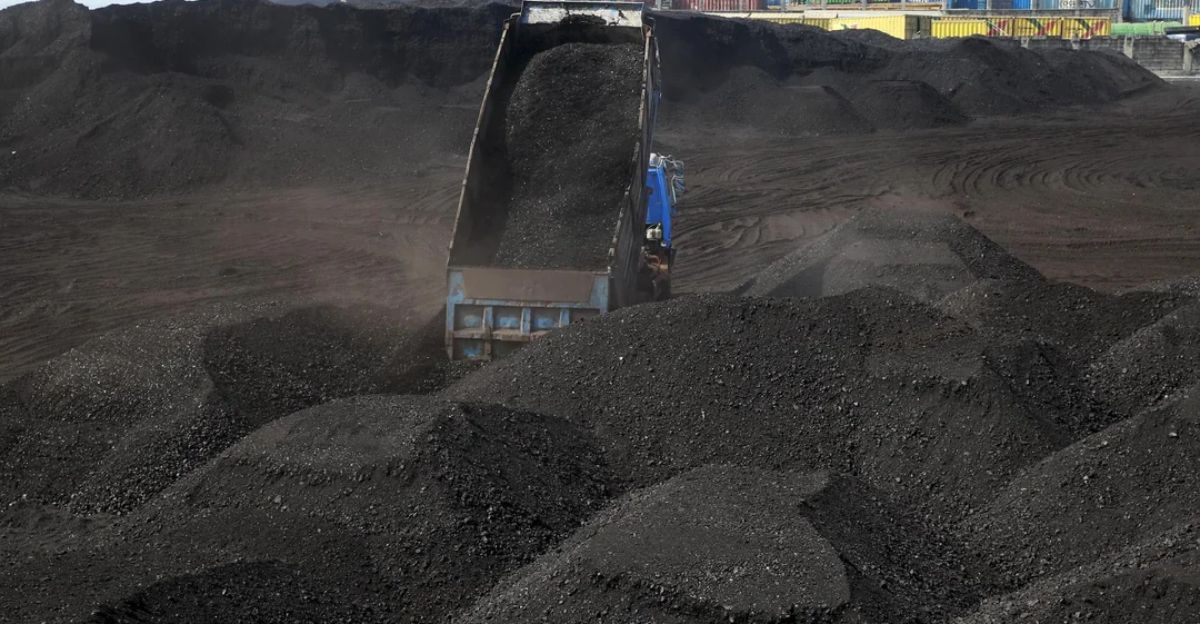
DTE’s decision mirrors a nationwide trend of utilities retreating from coal. As U.S. coal consumption declines sharply, DTE Electric’s move to renewables and natural gas reflects the broader shift in the energy sector.
This marks the end of its 50-year involvement in Great Lakes coal logistics.
Shifting Supply Chains: Gas and Renewables Lead the Way
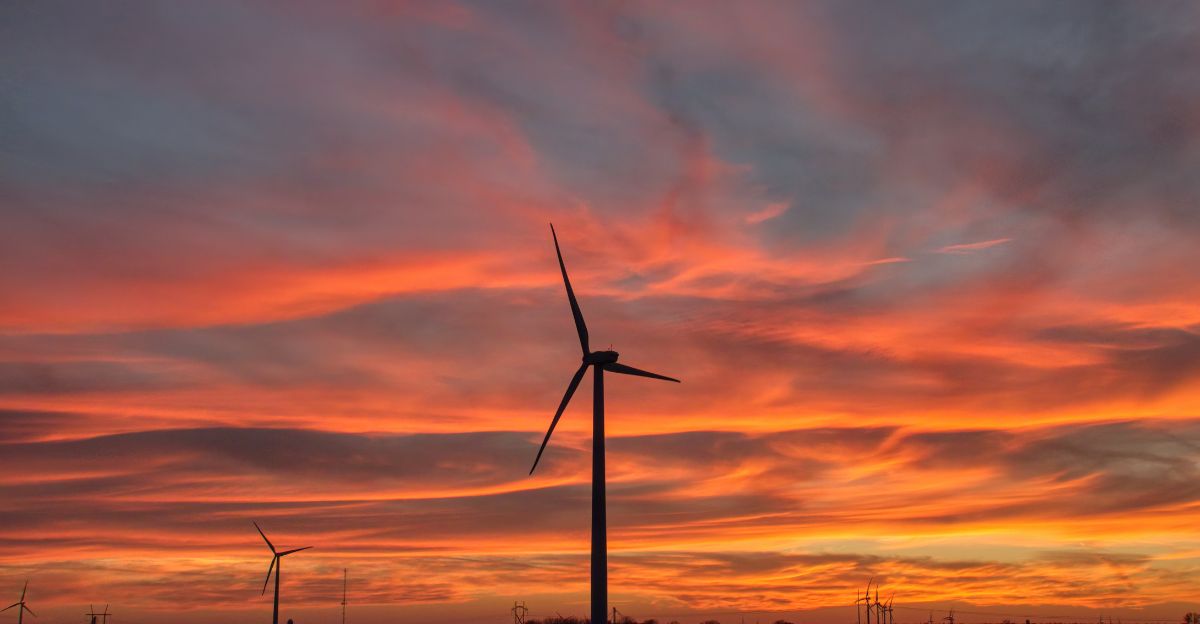
Natural gas and wind power have replaced coal as the dominant energy sources in the region. The demand for Wyoming’s low-sulfur coal, previously handled at Superior, has plummeted.
Energy experts predict this trend will continue as cleaner, cheaper energy alternatives reshape supply chains.
The Ripple Effect: Other Cargoes at Risk
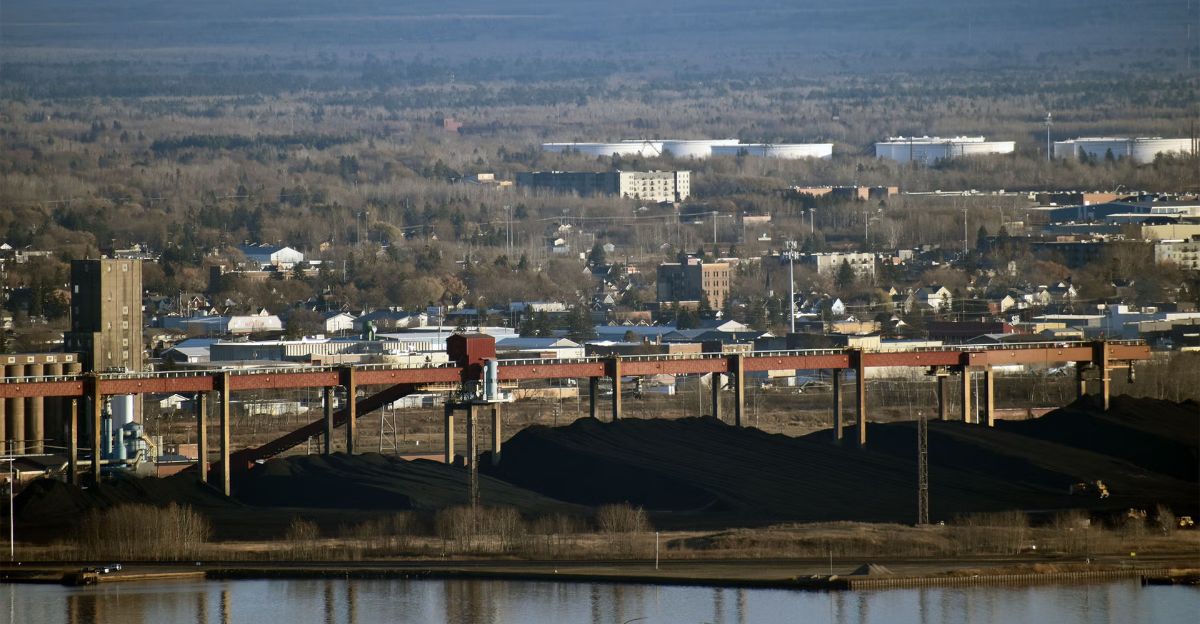
The terminal once moved 22 million tons of cargo annually at its 2008 peak. Coal now represents only 16-18% of Port of Duluth-Superior’s total tonnage.
With the closure, the port is adjusting by shifting focus to oil, gas, and wind cargo. The impact on overall Great Lakes shipping remains significant.
Generations Impacted: Workers Share Their Stories
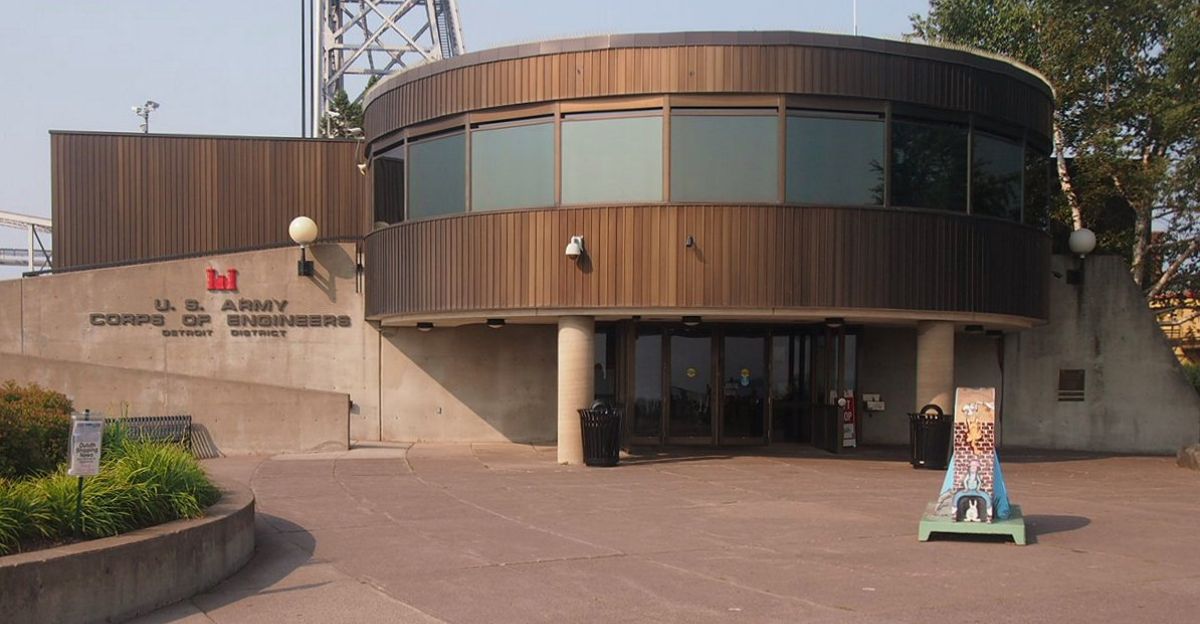
Longtime workers at the terminal, many with decades of service, are facing an uncertain future. Scott Bjorklund of the Lake Superior Maritime Visitor Center highlights the lost secondary jobs in maintenance and rail services.
Mayor Paine works with state agencies to support the affected workforce.
Local Officials Mobilize for Workforce Transition

Superior’s Mayor Jim Paine is actively seeking policy solutions to retrain workers and attract new tenants for the terminal.
Koch Industries, the terminal’s current owner, is being encouraged to explore new operational opportunities as the city transitions from coal.
Economic Impact on the Region
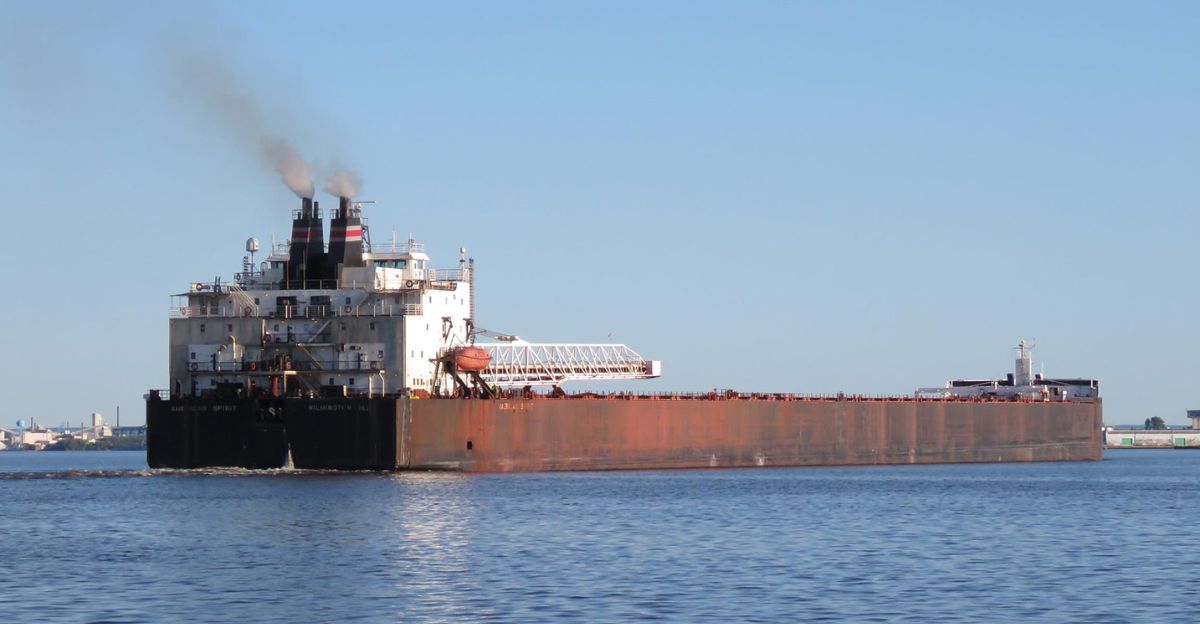
The terminal’s closure represents a significant loss in coal throughput value for the Upper Midwest. The region is grappling with the loss of tax revenue and port activity as coal’s role diminishes.
The decline in coal tonnage has impacted regional logistics networks.
Port’s Adaptation Plans: Diversifying Cargo
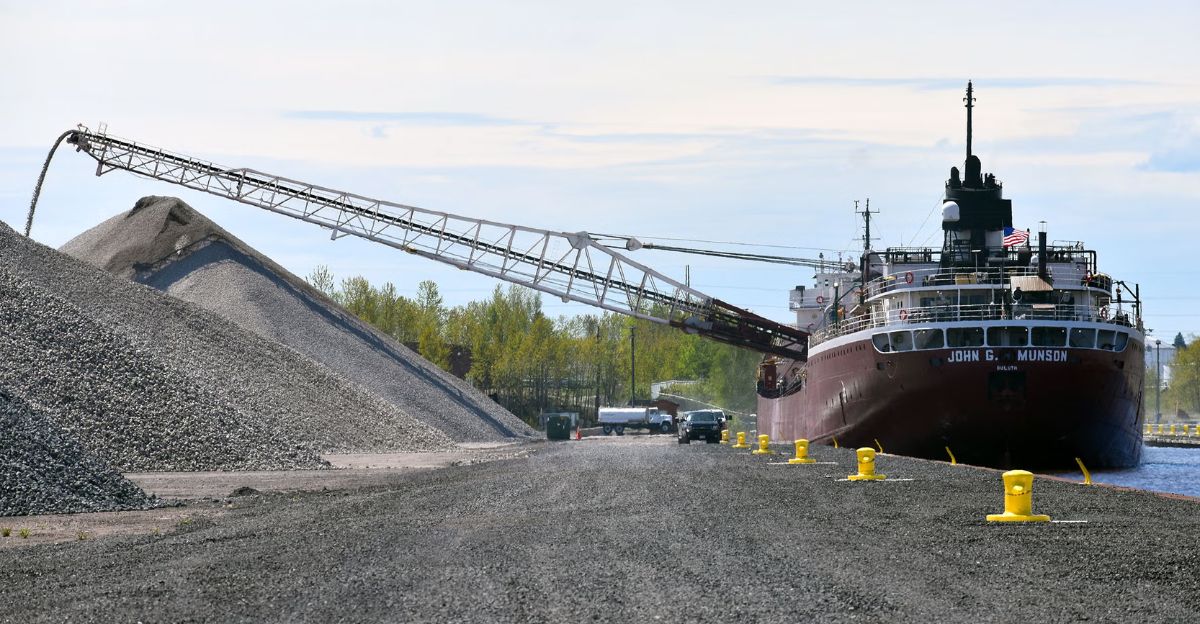
The Duluth-Superior port is adjusting its infrastructure to accommodate different types of cargo. With the coal dock closing, the facility may be repurposed for iron ore or grain.
The goal is to maintain cargo throughput by diversifying energy cargo operations.
Rail and Logistics Shift Focus from Coal
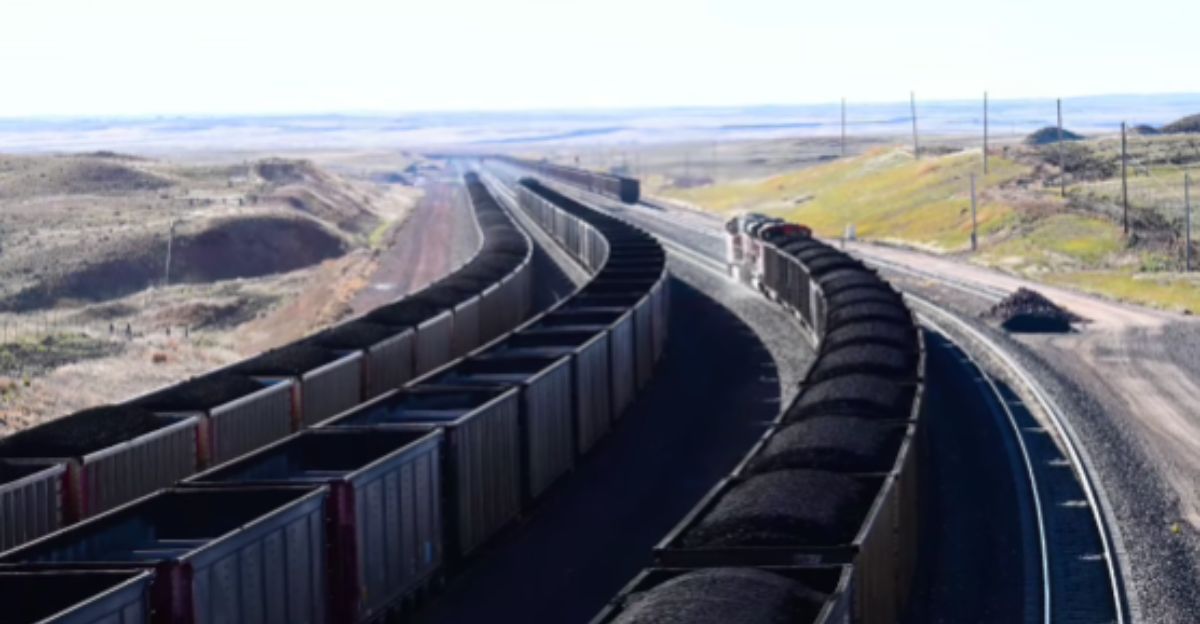
With coal demand plummeting, railroads serving Superior are seeing a sharp decline in coal shipments. This is mirrored by a broader trend across the U.S.
Reduced freight volume is impacting maintenance and support jobs in nearby dock communities, as clean energy logistics take over.
Mining and Equipment Suppliers Feel the Effects
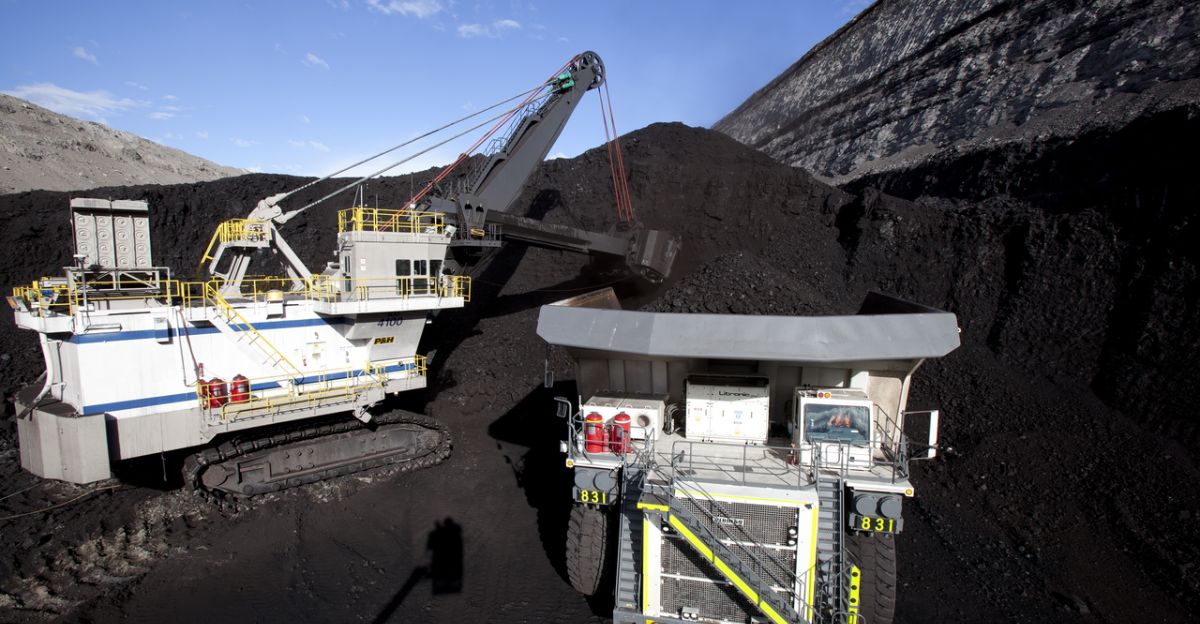
The terminal’s closure has reverberations throughout the coal supply chain.
Wyoming coal mines, once dependent on the terminal, are seeing a decline in output, as overall coal demand continues to fall and operations adjust to the changing energy landscape.
Global Coal Markets Adjust to U.S. Decline
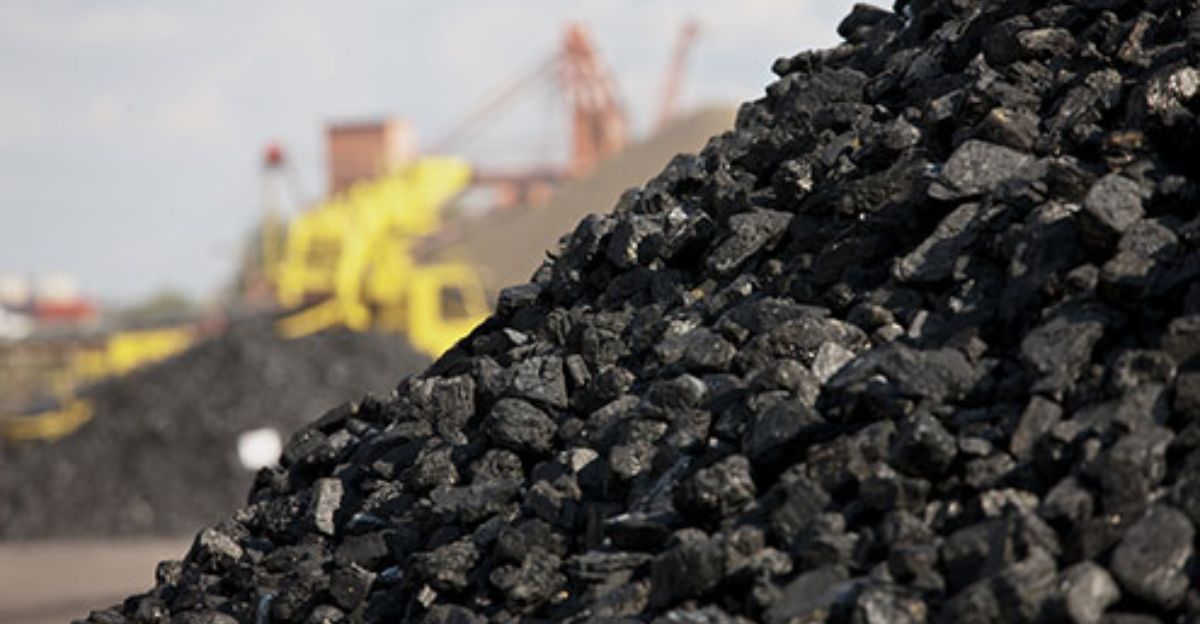
The closure of the Superior terminal is part of a broader decline in U.S. coal production and domestic demand.
This shift reflects the nationwide transition away from coal as utilities and power generators increasingly turn to natural gas and renewable energy sources.
Energy Transition Continues Across the Midwest
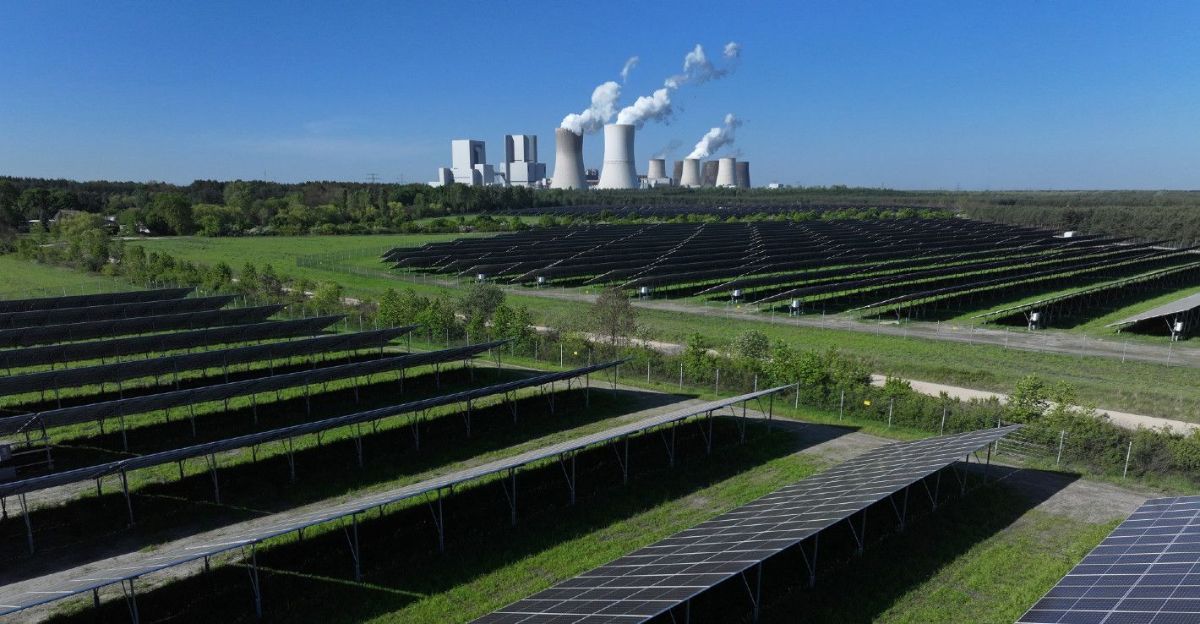
As coal is phased out in favor of cleaner alternatives, the Midwest energy grid continues its transition to natural gas and renewable sources.
The shift away from coal-fired generation has been underway for years as utilities pursue cleaner energy portfolios.
Superior’s Cultural Shift: From Industrial Legacy to Green Waterfront

Superior’s identity, built on coal and industrial shipping for over a century, is transitioning toward environmental sustainability. As emissions decrease, the community is grappling with the loss of blue-collar jobs while embracing cleaner alternatives.
The port is evolving from an industrial hub to a greener waterfront.
Renewables and Port Diversification
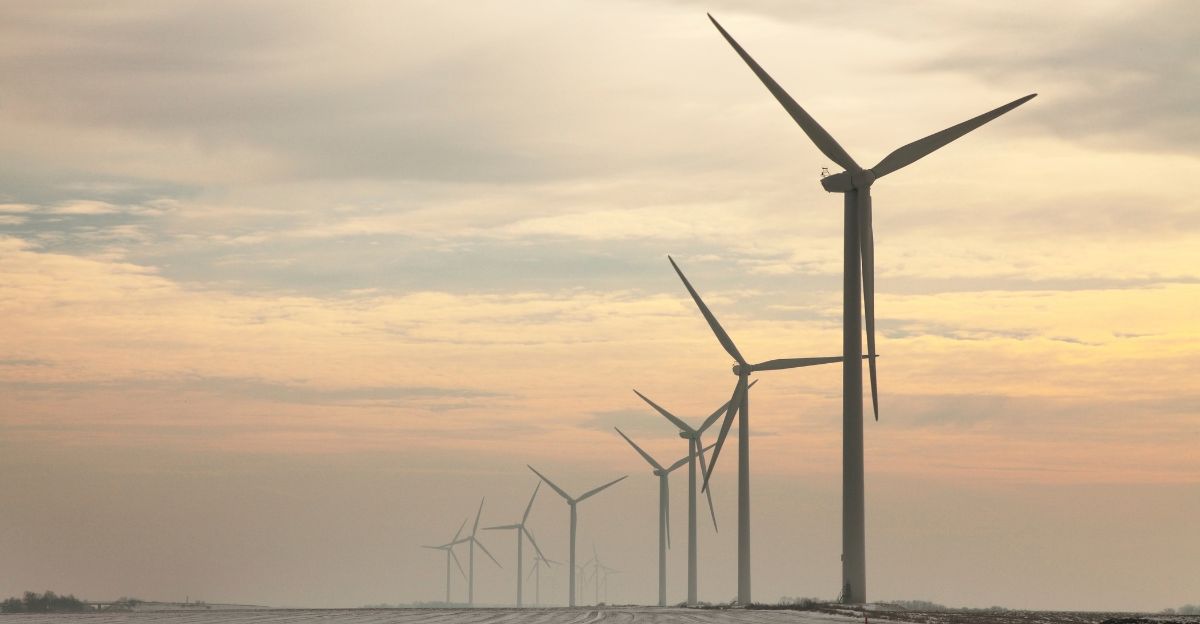
As coal declines, renewable energy sectors like wind and natural gas are emerging as winners.
Locally, changes in terminal operations are paving the way for new, diversified cargo operations, benefiting non-coal industries and creating opportunities for port redevelopment.
Market Reactions: Coal Miners Struggle, Utilities Adapt
The shift away from coal is already affecting coal-related industries. DTE Electric’s pivot to cleaner energy aligns with broader utility sector trends, while coal producers face declining demand.
Overall, Great Lakes shipping has experienced a 26% decline in cargo tonnage since 2006.
Community Focus: Supporting Workforce Transition

As the energy transition unfolds, community leaders are working to support workforce retraining programs to help workers transition to jobs in other sectors.
Local officials continue to work with state agencies to provide resources for affected employees and their families.
What’s Next: Will the Terminal Be Repurposed or Left Behind?
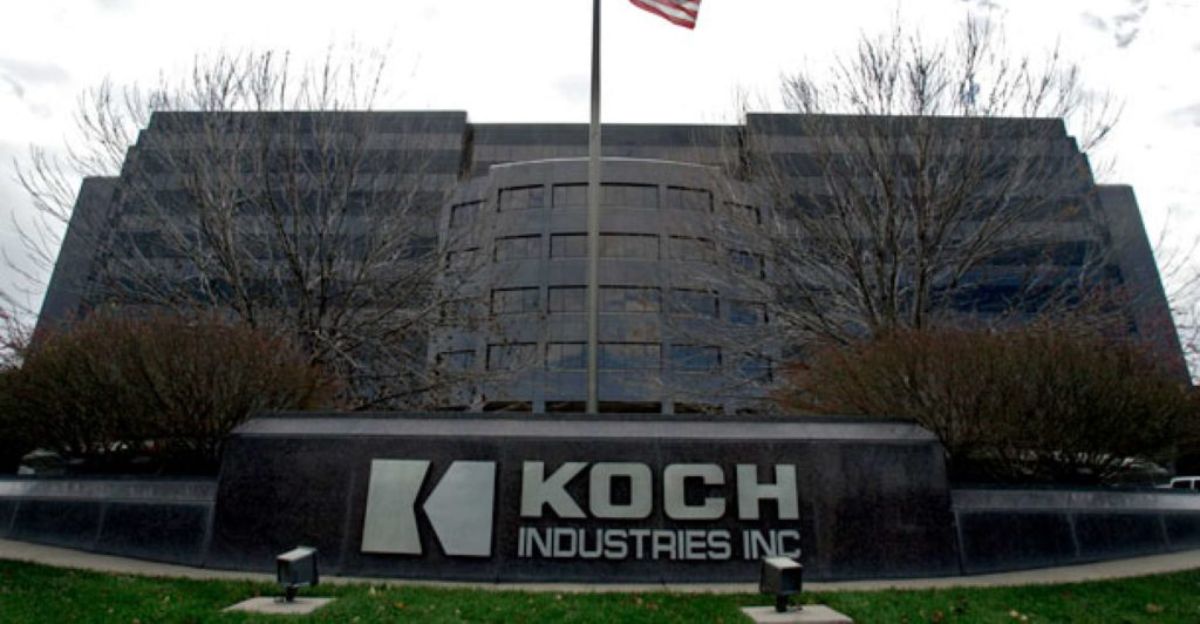
As the lease expiration approaches, local experts and policymakers are evaluating the potential for repurposing the terminal.
Koch Industries is being encouraged to lease the space for other operations. The future of the terminal remains uncertain, but experts suggest a potential pivot to renewable energy or bulk shipping.
The Broader Impact: One Closure, Many Ripples
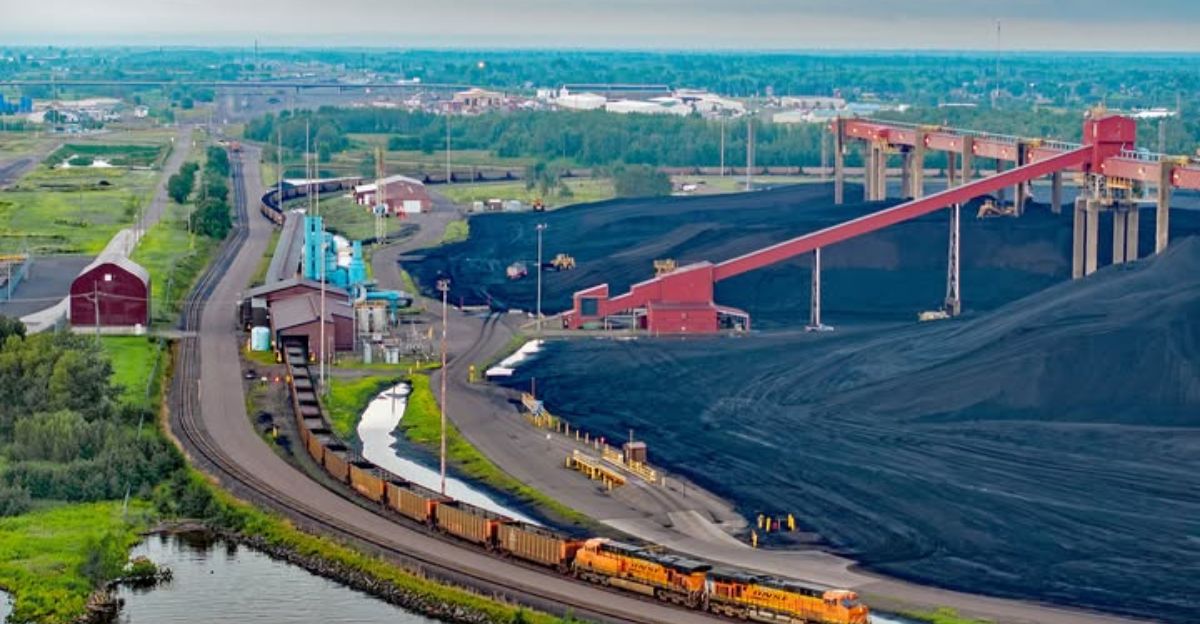
The closure of Superior’s coal terminal represents the end of an era for the local community, impacting both jobs and the regional economy.
As America moves away from coal, the transition continues to have profound economic and social consequences, reshaping the future of the energy industry.
Sources:
“Wisconsin coal terminal to close after 50 years as clean energy saps demand.” Wisconsin Public Radio, 16 Nov 2025.
“Superior coal terminal is latest victim of declining Great Lakes shipments.” Badger Institute, 7 Jan 2026.
“The Midwest Energy terminal in Superior will be closed next summer.” WDIO News, 2 Nov 2025.
“2023 Season Summary: Total tonnage tops previous season & 5-season average.” Duluth Seaway Port Authority, 28 Jan 2024.