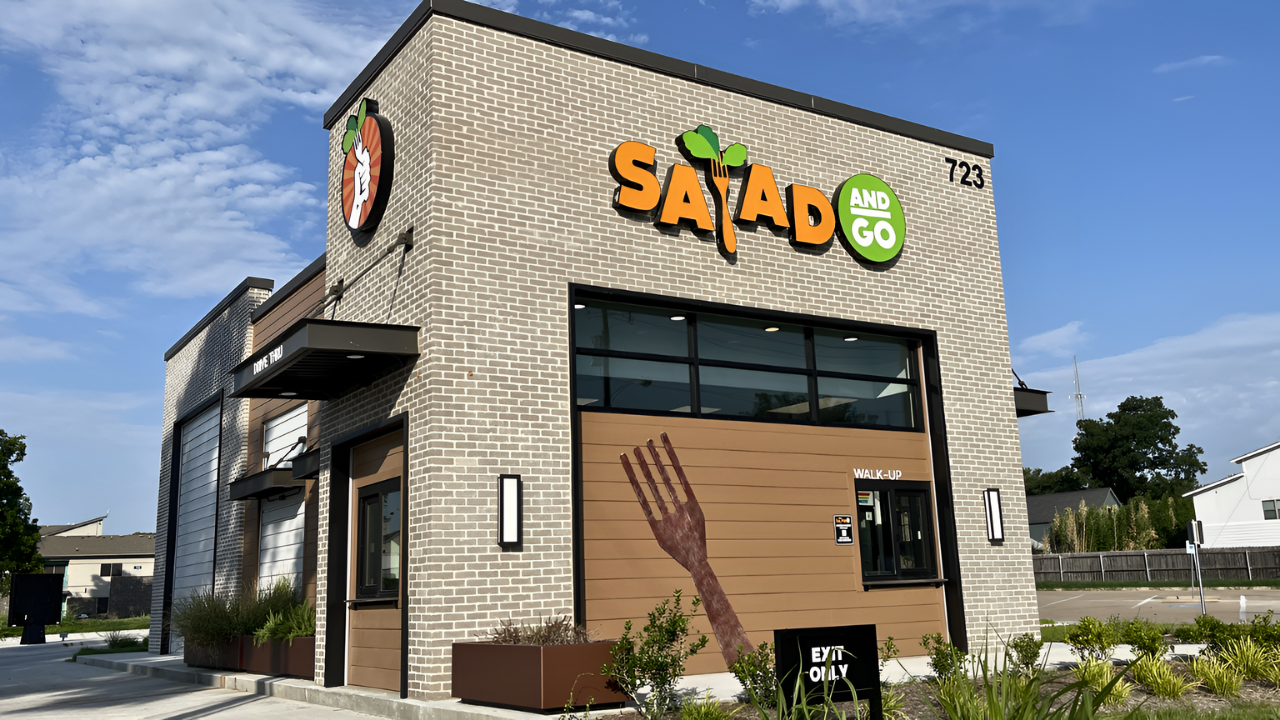
Salad and Go, the fast-growing drive-thru salad chain, saw its rapid expansion abruptly collapse, closing 73 locations in Texas and Oklahoma within months. The retreat slashed its footprint by 52 percent, leaving 600 workers without jobs and raising questions about the risks of aggressive growth.
From 146 stores down to 70, the chain’s dramatic contraction exposes operational cracks and food safety disputes. As Mike Tattersfield, the new CEO, noted, the company is now refocusing on its core markets: Arizona and Nevada. Here’s what’s happening in the wake of this upheaval.
Texas Expansion Hits Roadblocks
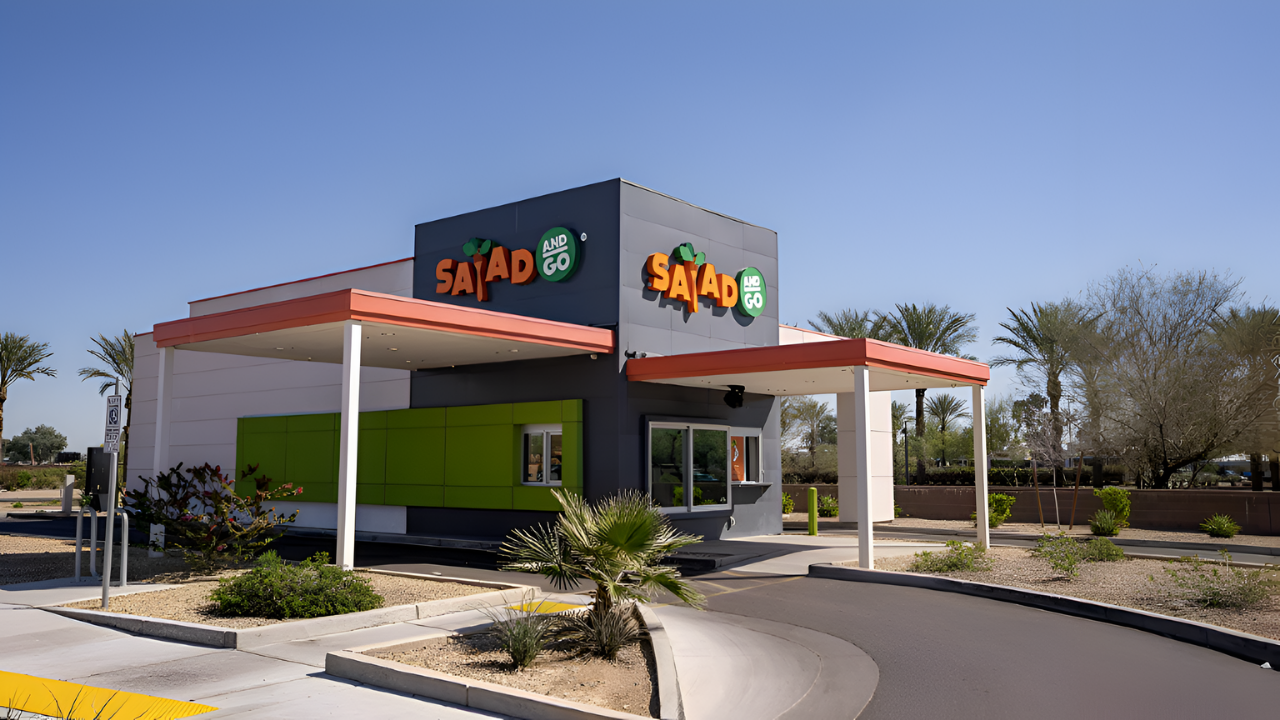
Founded in 2013 in Gilbert, Arizona, by Tony and Roushan Christofellis, Salad and Go built its model on compact 750-square-foot outlets that deliver salads with protein for under $8 in under four minutes. Vertical integration kept costs low and service fast, fueling growth beyond Arizona. Texas welcomed its first location in Plano in 2021, with expansion surging across Dallas, Fort Worth, Houston, Austin, San Antonio, and Oklahoma City. By the end of 2024, the region accounted for 146 stores nationwide, driven by 24 percent sales growth and $256 million in annual revenue.
Charlie Morrison, formerly CEO of Wingstop, joined in 2022 with ambitions to scale Salad and Go nationally. The company moved its headquarters to Coppell, Texas, in 2024 and opened a Dallas commissary designed to supply up to 500 stores within a 12-hour radius. Openings accelerated to nearly one per week, doubling the footprint in just two years, but growing pains soon became apparent.
Leadership Shakeup Signals Trouble
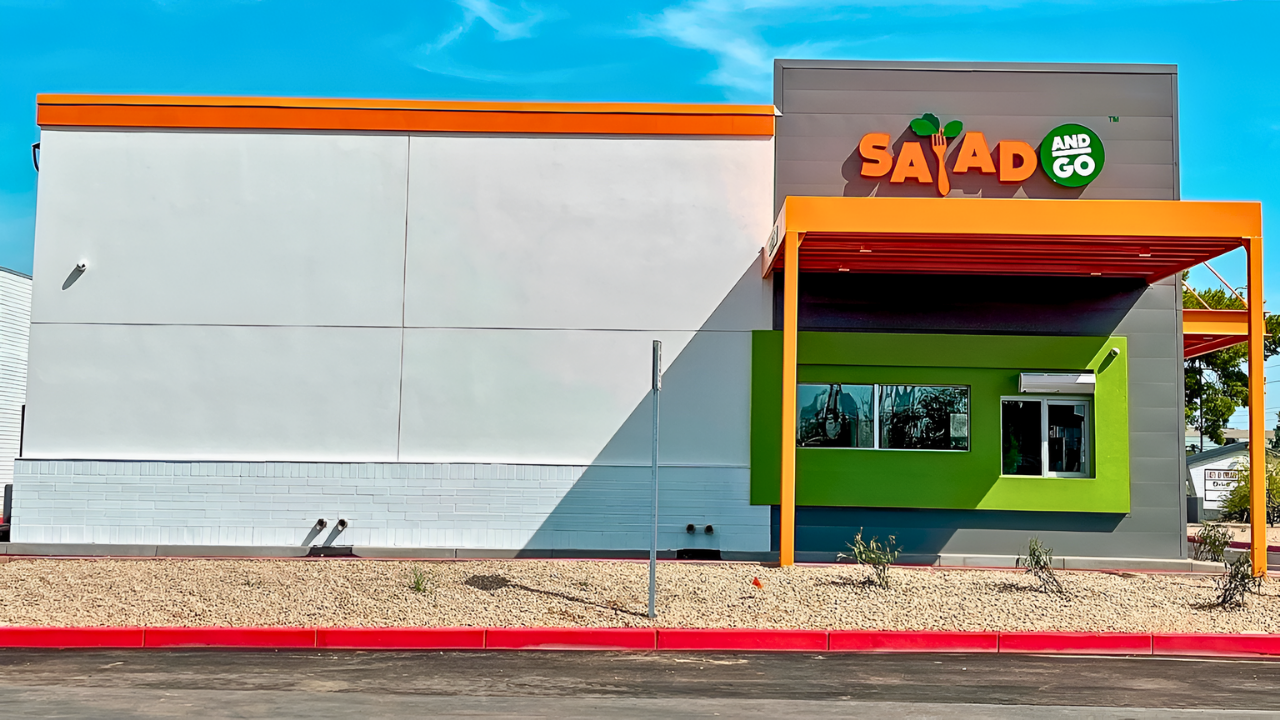
By late 2024, internal tensions over rapid expansion boiled over. Morrison departed in September 2024, citing strategic differences with the board. Mike Tattersfield, former Krispy Kreme president, became CEO in April 2025 and revealed critical flaws: the Texas expansion relied on an untested business model, and the Dallas commissary drained resources without generating the expected volume.
“We were so focused on growing in Texas and other markets that we neglected Arizona,” Tattersfield told the Phoenix Business Journal. His assessment prompted phased closures, beginning with 41 stores in September 2025 across Houston, Austin, San Antonio, and other cities. By January 11, 2026, all remaining Texas and Oklahoma locations closed, returning the chain to 70 stores in Arizona and Nevada.
Food Safety Concerns Escalate
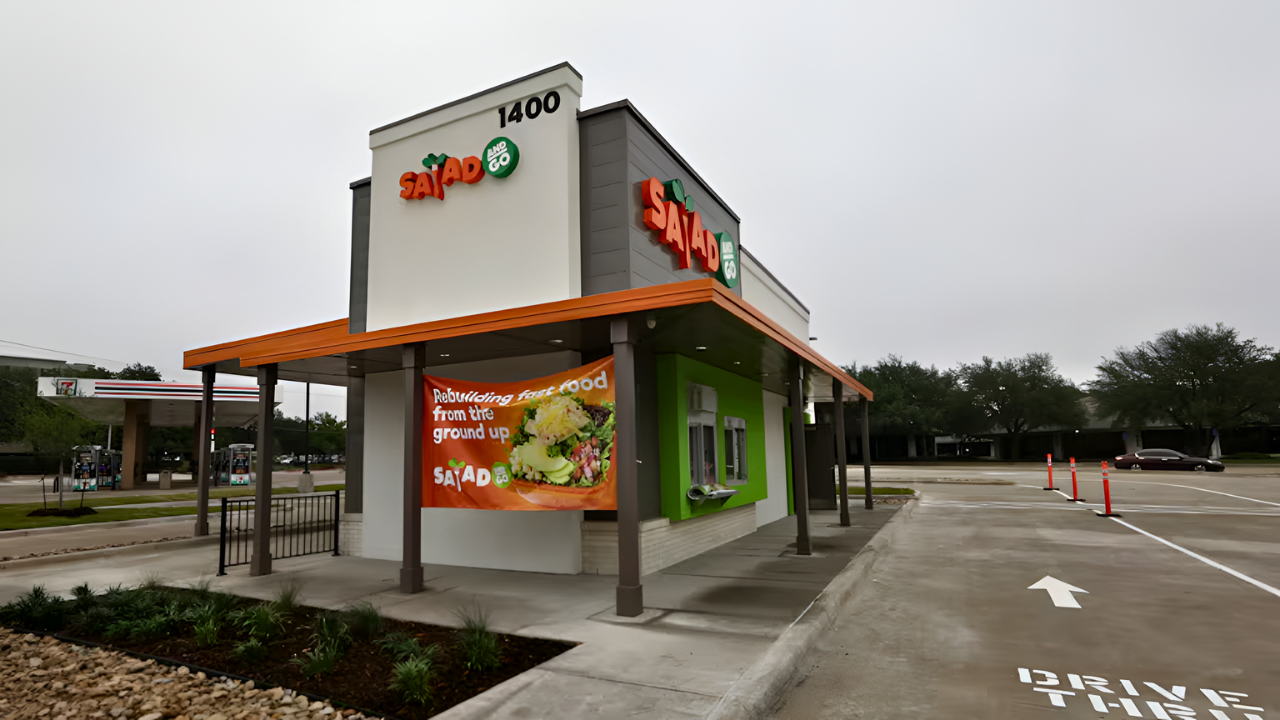
Compounding operational challenges, reports of raw and undercooked chicken from vendor CW Brown LLC surfaced in November 2024. Employees provided photos and documents showing uncooked pieces, yet deliveries allegedly continued into December. Managers described chaotic conditions, with one saying operations involved “a lot of gaslighting.”
Internal documents indicated corporate instructed removing “blood spots” and serving the rest, framing it as a quality rather than a safety issue. One manager claimed, “I believe 100% that raw pieces went out to customers.” Investigations by Mesquite, Addison, and Allen health departments ensued. Corporate ended the CW Brown contract in December, denying any health risk and calling the text message guidance “rogue,” but employees felt otherwise.
Economic Pressures Force Retreat
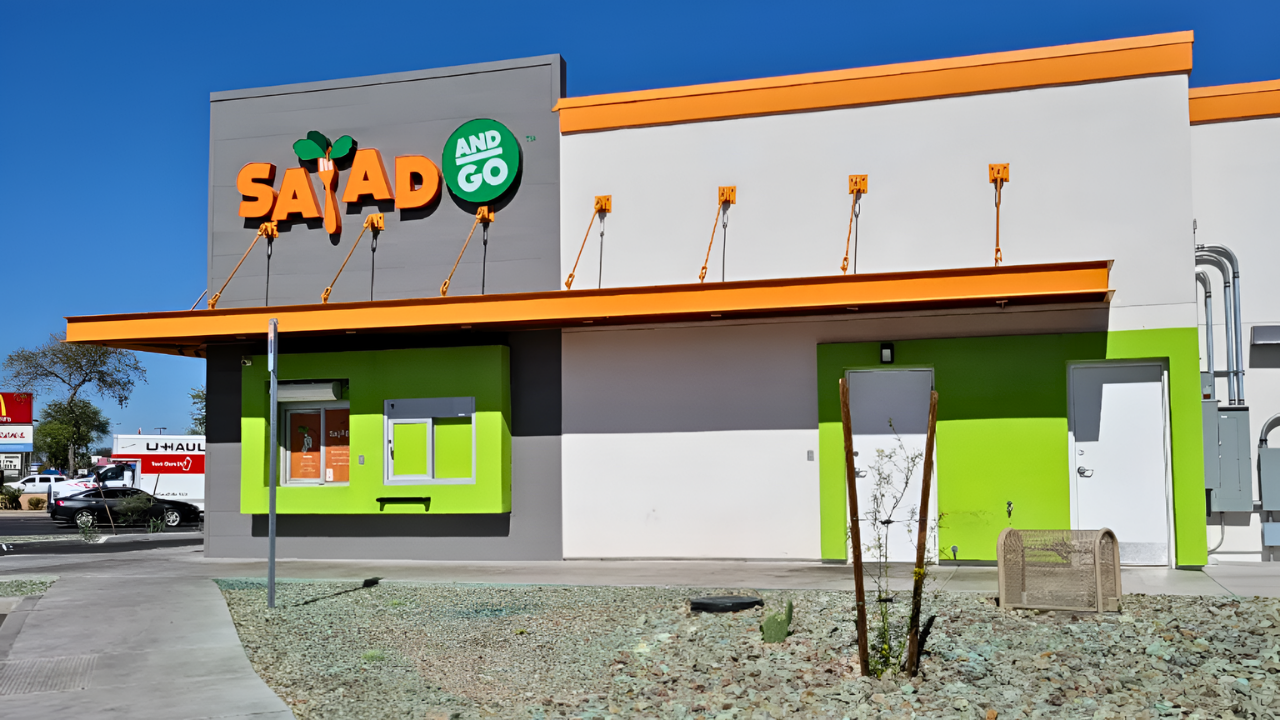
The Dallas commissary, designed for large-scale supply, never broke even as Texas stores underperformed collectively. Morrison’s high-velocity expansion strategy clashed with Salad and Go’s company-owned, low-margin model. Closures affected around 600 employees across stores, commissary, and corporate roles.
Tattersfield explained: “After assessing our business, we made the decision to exit our Texas and Oklahoma markets and refocus on strengthening our core operations in Arizona and Nevada.” The retreat illustrates the challenges of aggressive expansion without proven demand or operational safeguards, even amid early revenue success.
Lessons for Fast-Casual Chains
Salad and Go’s stumble offers a cautionary tale for chains like Cava and Chipotle, which prioritize disciplined growth. Expanding beyond core markets too quickly eroded profitability and exposed vulnerabilities in food safety and logistics. Tattersfield remains optimistic: “Texas and Oklahoma are important markets to us, and we intend to return when the time is right.”
Founder Tony Christofellis has shifted focus to new ventures, including Angie’s Lobster. Moving forward, regaining customer trust will test whether operational improvements can restore Salad and Go’s promise of healthy, affordable meals, especially as transparency and supply chain accountability take center stage in the fast-casual industry.
Sources
CBS News Texas raw chicken investigation. CBS News Texas, December 2024
CEO exit statement and market closure announcement. QSR Magazine, January 7, 2026
Salad and Go exits Texas and Oklahoma markets report. Restaurant Dive, January 2026
North Texas health department inspection and investigation records. City of Allen, City of Mesquite, City of Addison, December 2024