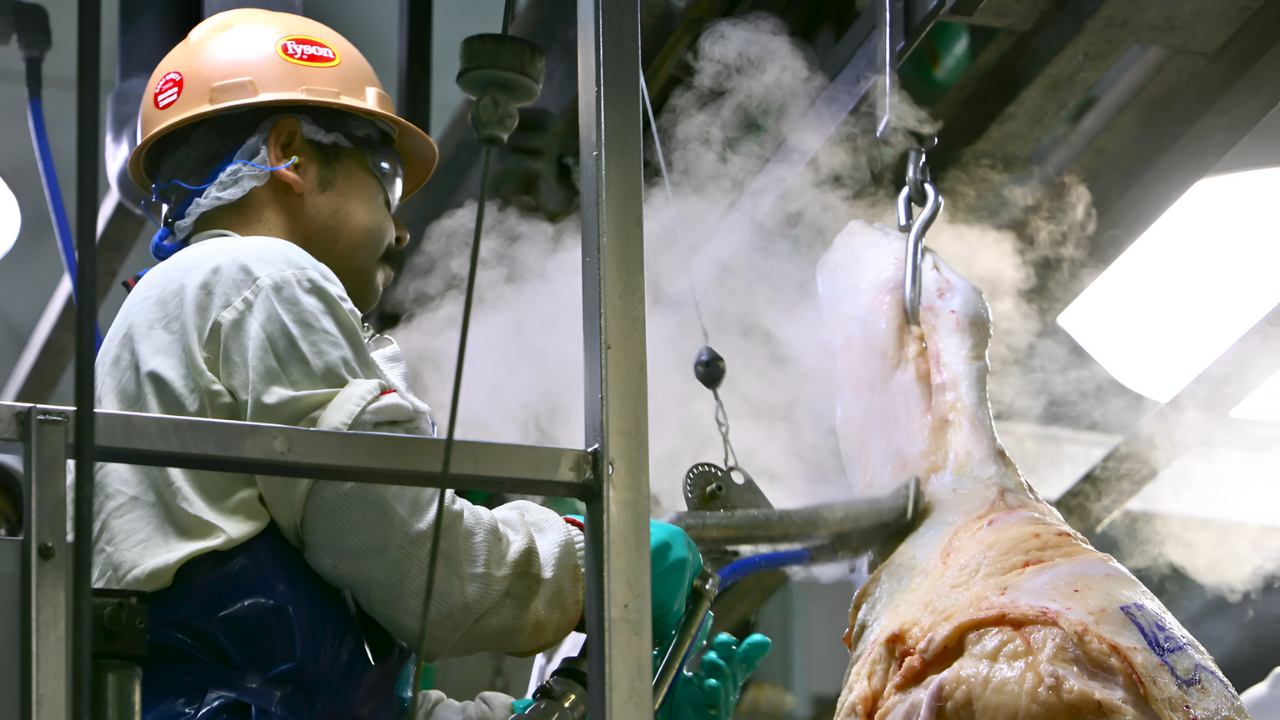
In the small town of Lexington, Nebraska, home to about 11,000 people, residents are preparing for one of the biggest economic shocks in their history. Tyson Foods has announced it will close its huge beef processing plant on January 20, 2026. The decision will eliminate 3,200 jobs that have supported families and local businesses for generations.
Economists from the University of Nebraska–Lincoln estimate the closure will wipe out about $241 million in yearly wages and benefits. The state also stands to lose around $23 million in annual tax revenue, not to mention the impact on local sales taxes. Many Lexington families rely on multiple paychecks from the Tyson plant, and the shutdown will force parents and workers to make hard decisions about staying in town, paying mortgages, and keeping children in local schools.
The closure, announced at the end of November, has cast a shadow over Lexington’s economic future. In a community where almost every street or business connects in some way to the plant, the effects run deep.
The Layoffs Ripple Through the Town

Job losses are already spreading beyond the plant gates. A sanitation company that worked exclusively with Tyson will also close its Lexington operations, laying off more than 100 employees on the same day the plant shuts down. Local business leaders warn that car dealerships, grocery stores, restaurants, and small family-owned shops will all feel the hit as Tyson’s workers lose their income and move away.
Business owners are cutting expenses in anticipation of a much quieter local economy. Some are reducing hours or delaying projects, knowing that fewer customers will come through their doors once the plant closes. Workers who have built their lives around Tyson’s steady wages now face difficult choices about whether to stay in Lexington or seek opportunities elsewhere.
Economists describe this kind of job loss as a “ripple effect,” where one major closure leads to dozens of smaller ones. In Lexington, that ripple could reach almost every household.
The Beef Industry’s Larger Struggles
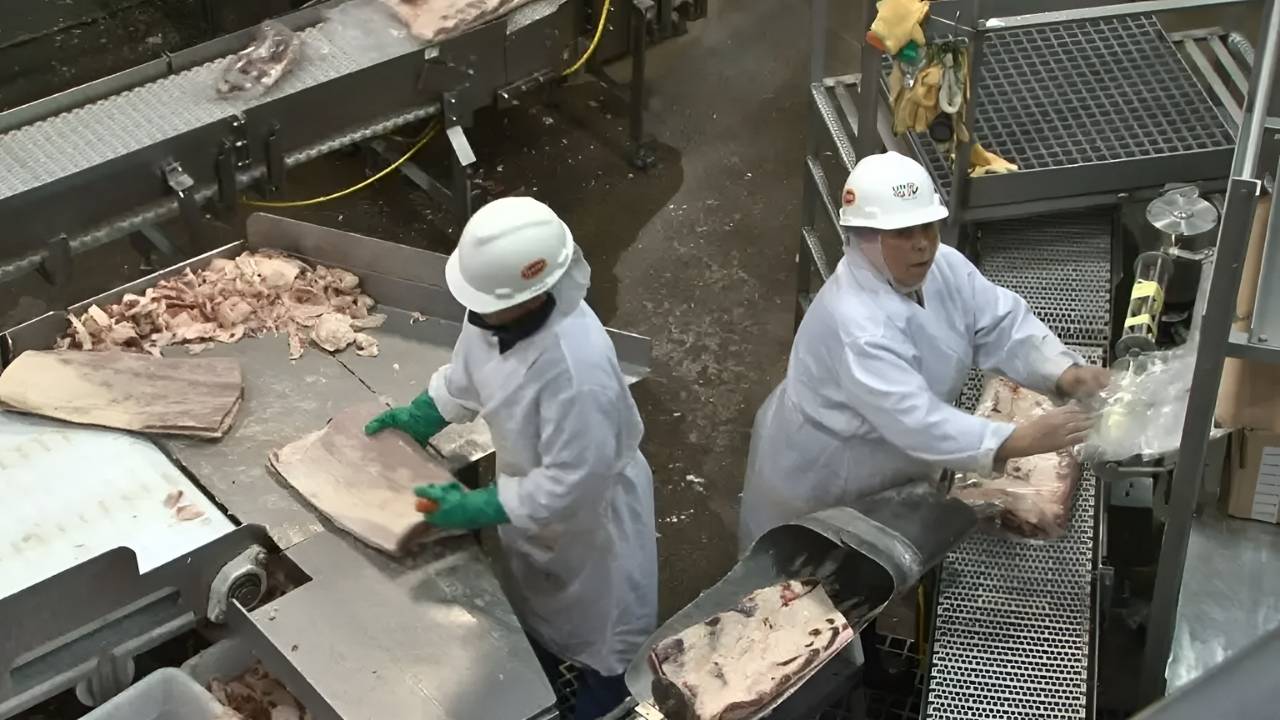
The roots of Lexington’s crisis go far beyond its city limits. The U.S. beef industry is facing one of its toughest periods in decades. The national cattle herd has fallen to its smallest size in over 60 years. Droughts, high feed costs, and other pressures have forced ranchers to sell off cattle early instead of rebuilding their herds.
This shortage means big meat companies like Tyson have fewer cattle to process. The company has too much unused factory capacity and must compete for a limited supply of animals, often at higher prices. Instead of continuing to operate at a loss, Tyson says it must cut costs and adjust its business to match the smaller herd size.
The Lexington plant, which has processed about 5,000 cattle each day since the 1980s, has long been a key part of Nebraska’s meatpacking industry. It attracted workers from across the country and even overseas, turning a quiet farm town into a diverse and active community. Supporting trades, like electricians, mechanics, and truck drivers, built businesses around the plant’s steady work, expecting Tyson to be part of Lexington’s future for decades to come.
Now, that foundation is shaking. Tyson’s beef division has lost hundreds of millions of dollars recently due to expensive cattle, global competition, and consumers unwilling to pay more for beef. The company says the closure is part of a necessary plan to stabilize its operations and ensure long-term survival, not just in Nebraska but across its U.S. network.
State Reaction and What Comes Next
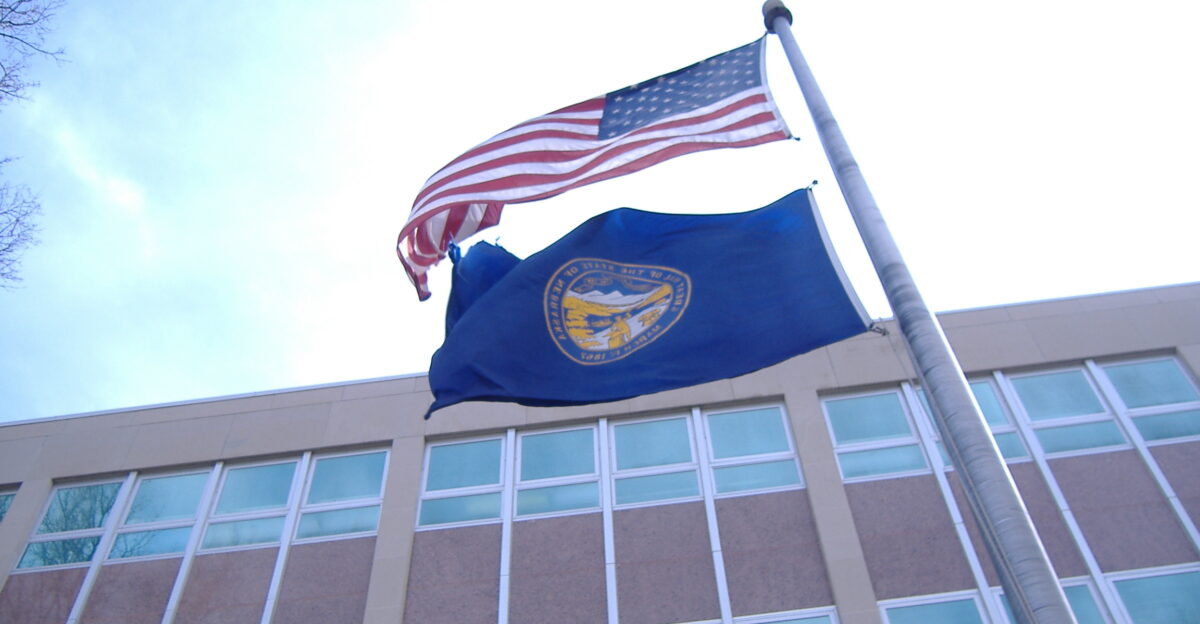
The Nebraska Department of Labor is already responding, sending rapid-assistance teams to help workers apply for unemployment benefits, find new training, and connect with other jobs. Governor Jim Pillen has promised to support both cattle farmers and workers as Tyson shifts some of its production to other Nebraska facilities. He has also pledged to help displaced employees find new career paths.
Still, the full impact on Lexington may be long-lasting. Nearly half the town’s students have parents who work at Tyson, so local schools are bracing for drops in enrollment and funding. City leaders expect smaller tax revenues, which could affect services like road maintenance and public safety.
Economists estimate that when all the ripple effects are added up, from suppliers to local stores, the total economic loss could reach $3.3 billion statewide, threatening as many as 7,000 jobs. Experts such as Michael Hicks from Ball State University have called it one of the biggest job shocks in decades for a small American town.
Community leaders are urging Tyson to consider selling the plant to another company instead of permanently closing it, hoping to preserve at least some local jobs and keep the facility active. Meanwhile, some workers are weighing relocation offers from Tyson’s other plants, including one in Amarillo, Texas, where the company is also reducing staff.
As the January shutdown approaches, Lexington is caught between anger, anxiety, and determination. Residents hope that ranchers will eventually rebuild their herds, restoring cattle supply and stabilizing the market. But federal forecasts warn that beef prices may stay unstable for years, and imports could rise. For Lexington, the challenge will be finding new industries and employers before the job losses hollow out the town’s economy. Whether the community can reinvent itself will determine if this factory closure becomes a temporary setback, or a permanent turning point.
Sources:
Associated Press, What happens to a small Nebraska town when 3,200 people lose their jobs?, 2025-12-22
Reuters, Tyson Foods to Close Major US Beef Plant as Cattle Supplies Dwindle, 2025-11-21
University of Nebraska–Lincoln, Economic Impacts of the Tyson Beef Plant Closure in Lexington, Nebraska, 2025-12-21
Nebraska Public Media, UNL report estimates nearly $3.3 billion in annual economic losses from Tyson Foods closure, 2025-12-22