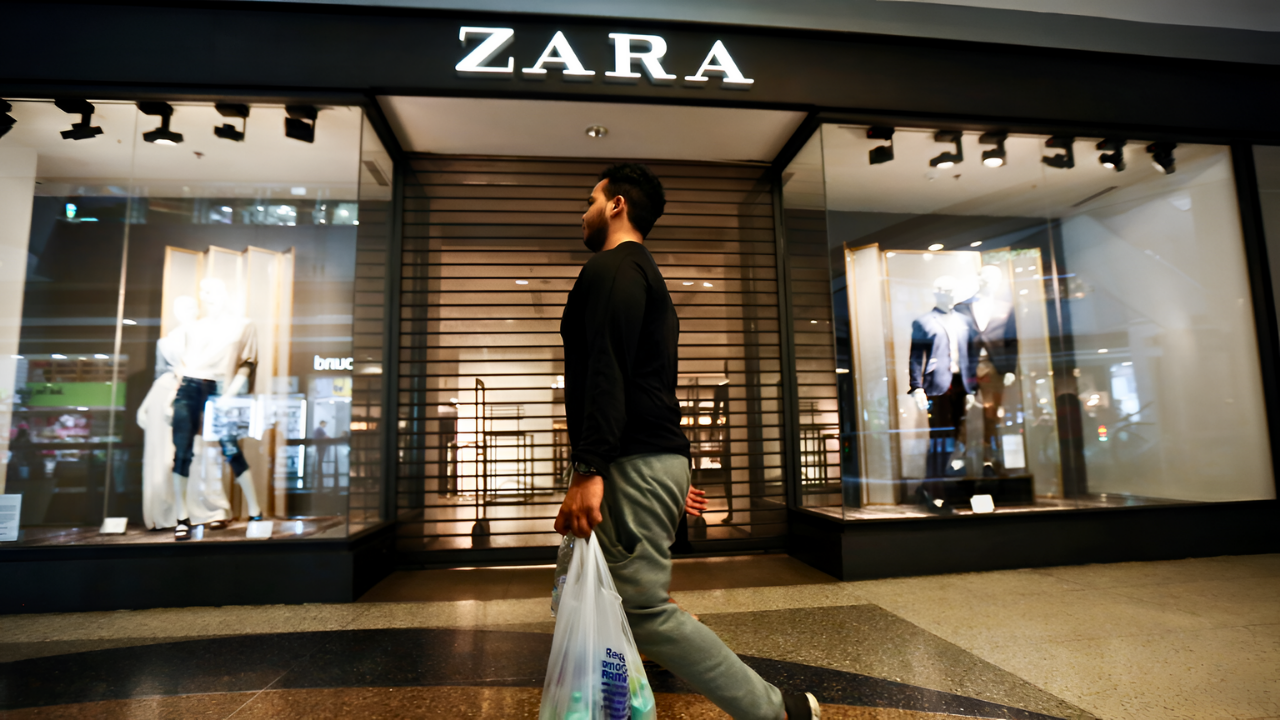
The global retail industry is undergoing a seismic shift, with Inditex the parent company of Zara leading the way through strategic adjustments. Inditex’s focus on digital-first operations is reshaping how the fashion giant navigates a marketplace that continues to thrive in consumer spending.
Despite the strong demand, the company is making calculated decisions about its physical store footprint. The industry is now closely examining whether this approach will set the new standard for both luxury and mainstream brands. The transition embodies a significant change in retail, revealing more profound truths about modern consumer expectations.
Record Growth Amid Store Closures

Inditex reported impressive record sales growth, achieving a 2.7% increase in total revenue to reach €28.2 billion for the nine months ended October 31, 2025. Remarkably, this growth occurs at a time when the company is simultaneously closing stores across its brands, highlighting a complex narrative in the retail industry.
The contradiction of strong sales alongside a reduction in physical locations challenges the prevailing belief that traditional stores are failing. Instead, a well-calibrated strategy that balances online growth with select physical store closures is emerging.
Redefining Store Strategies
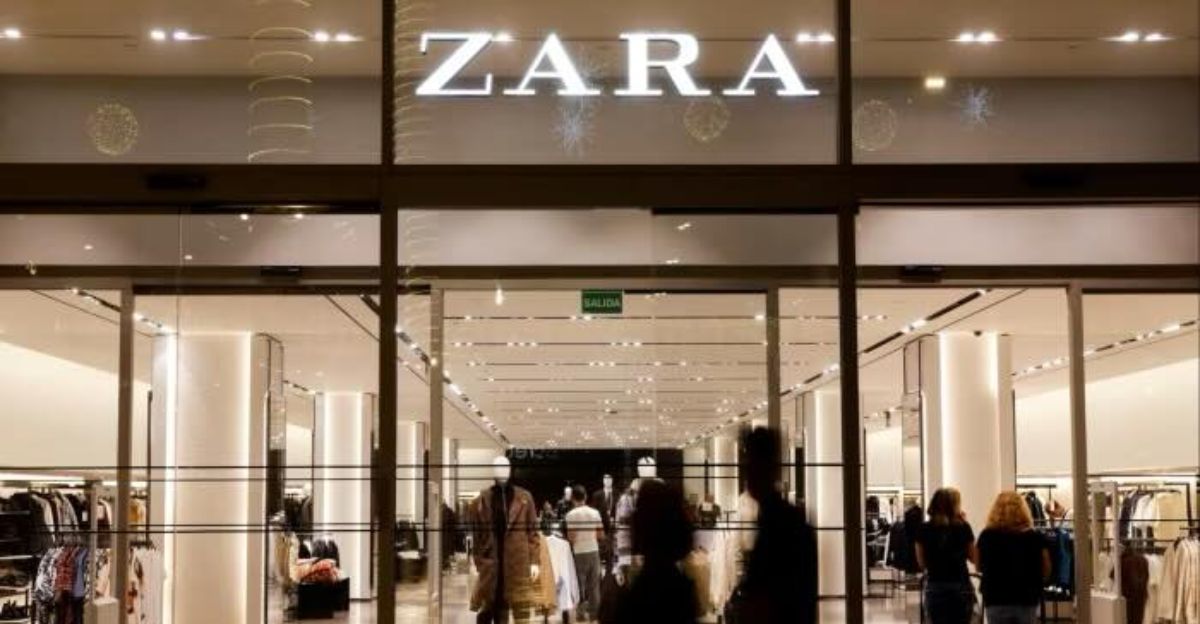
Over the past decade, consumer behavior has undergone a dramatic shift, resulting in heightened expectations for seamless integration between online and in-store experiences. Inditex’s strategy emphasizes large flagship stores equipped with advanced inventory systems and digital checkouts.
This strategic pivot aligns with a broader industry trend, where the focus has shifted from the sheer quantity of retail locations to the quality of individual store experiences. As the market favors these larger, more engaging venues, traditional, smaller locations that generate lower traffic are being scrutinized for their profitability.
Aggressive Investments in Transformation
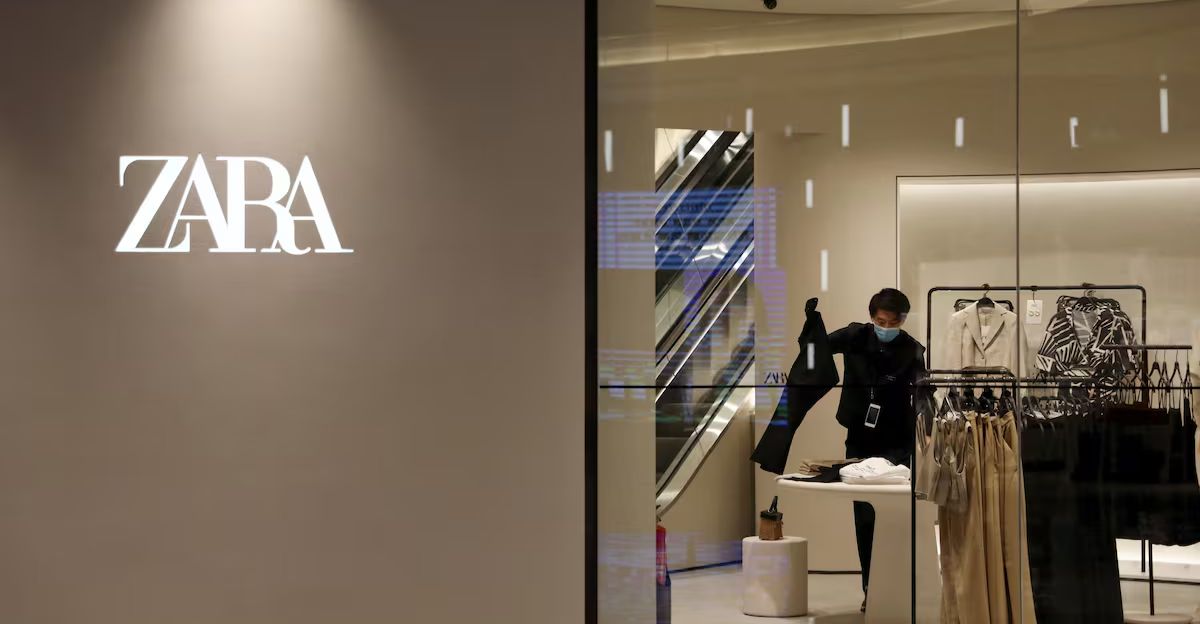
Inditex is not stepping back; instead, it is investing heavily in its transformative strategy, with an annual allocation of approximately €900 million over a two-year period. These funds are targeted towards store renovations, technological enhancements, and logistics improvements.
By positioning larger flagship stores as experiential hubs, Inditex aims to decrease reliance on smaller neighborhood outlets. This capital-intensive approach not only reflects confidence in long-term growth but also underscores a commitment to adapting to modern retail dynamics, where the customer experience is king.
A Significant Closure Count
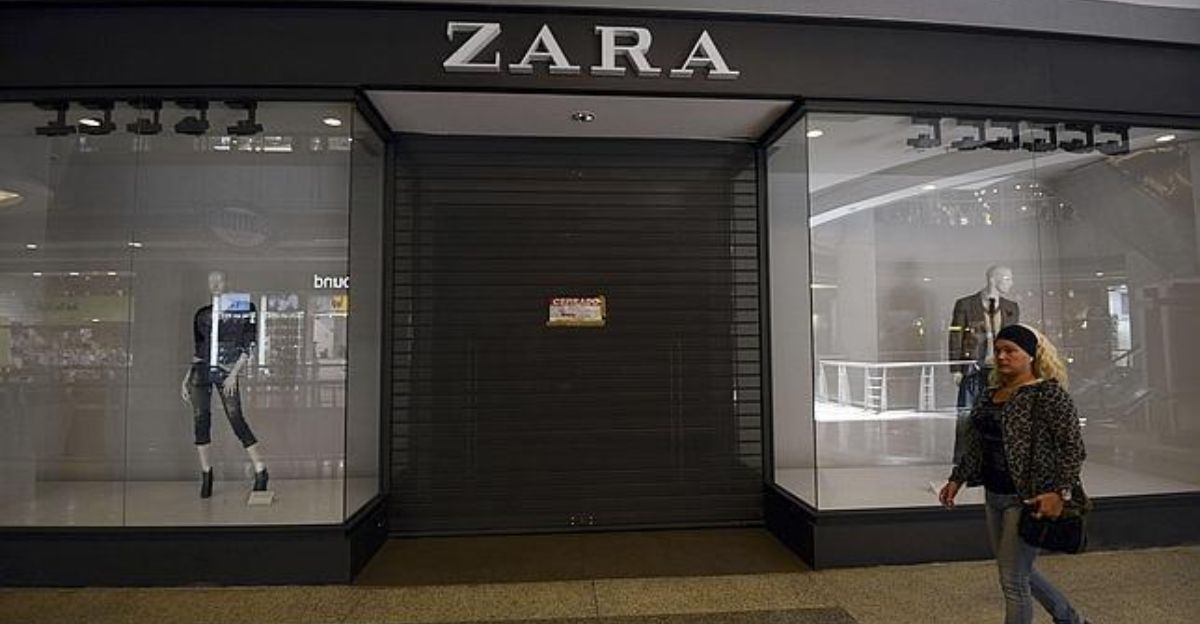
Here is the central fact: Inditex closed 132 stores globally between October 2024 and October 31, 2025. These closures impacted six brands, with Zara leading the way with 60 closures. Other brands, such as Zara Home (27 closures), Massimo Dutti (23), and Oysho (18), followed suit.
Despite shedding these locations, Inditex maintains a robust presence with 5,527 stores across 97 markets worldwide. The closures are part of a well-considered strategy that continues to prioritize efficient and profitable retail operations.
Analyzing Geographic Distribution
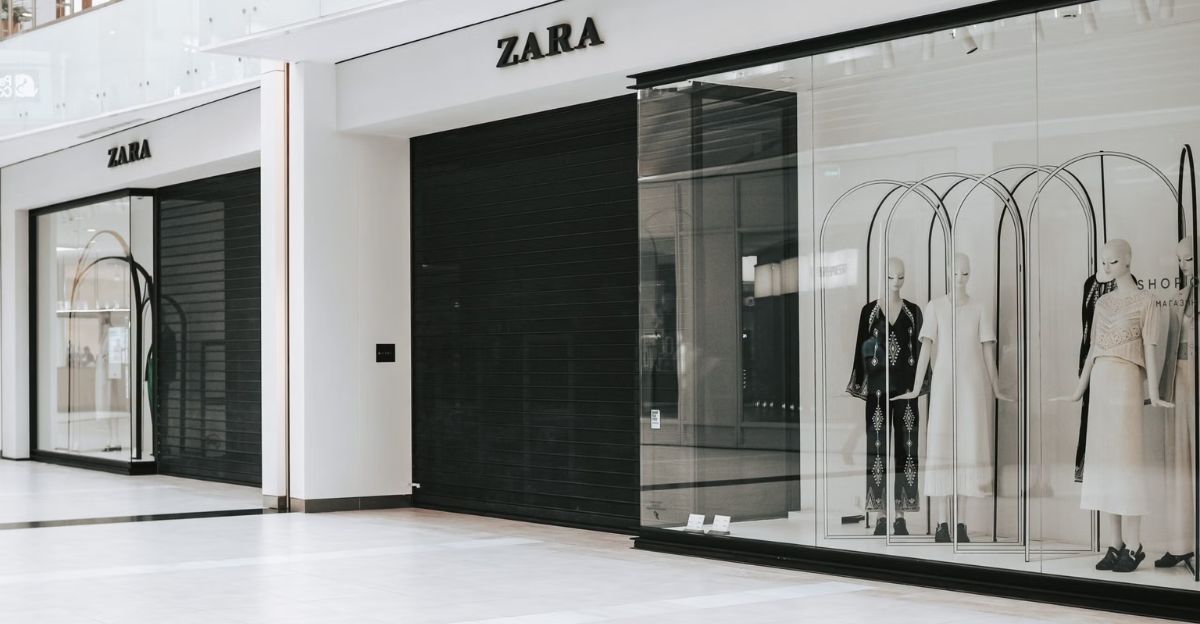
The closures are dispersed across Inditex’s global presence, which spans Europe, Asia, and the Americas. While detailed information on the geographical distribution of these closures has not been made public, Spain and Western Europe are likely to have absorbed the highest number.
These areas contain the most significant concentration of Inditex stores. This case of decentralized closures indicates a systematic evaluation of market performance and profitability, suggesting a strategic approach to maintaining a healthy retail portfolio.
Assessing Workforce Impact
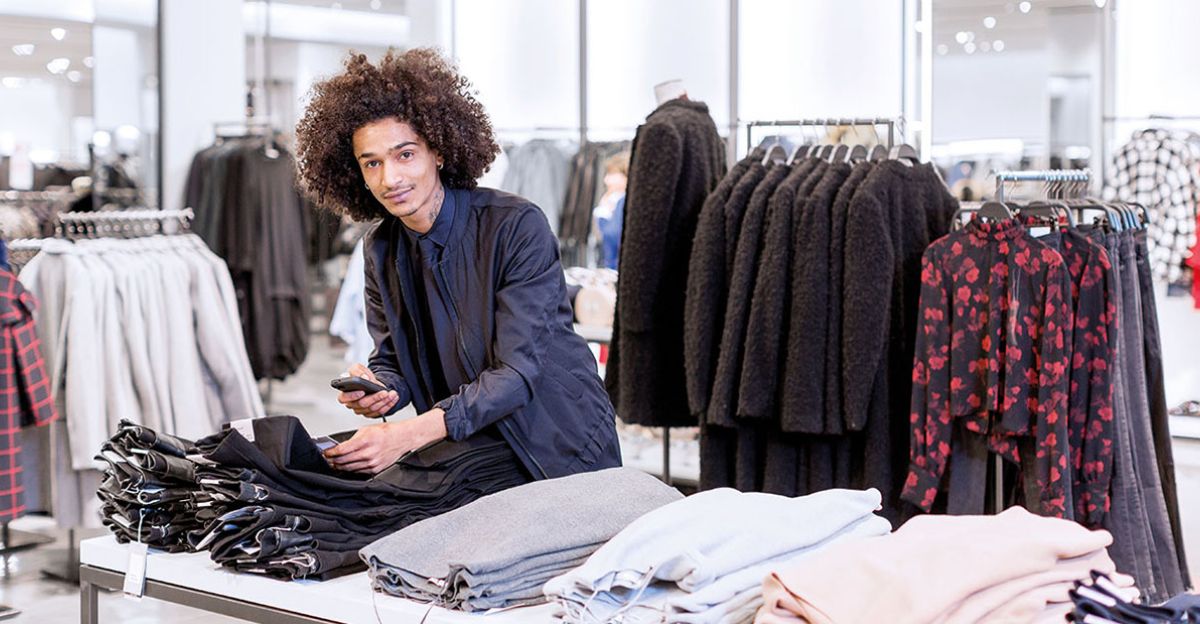
Inditex employs approximately 161,281 individuals globally, with nearly 86% of them involved in retail or support roles. However, the precise impact of the 132 store closures on employment remains unconfirmed.
According to the company’s policy, headcount is expected to remain stable, and employees from the absorbed stores will have opportunities arising from online expansion and store renovations. Despite this, no comprehensive transition plans for affected staff have been publicly disclosed, creating uncertainty among employees about the future.
A Broader Industry Trend
Inditex’s strategy is not an outlier; major fashion retailers, including H&M and Uniqlo, are also consolidating their locations while enhancing flagship stores and online capabilities. Nike has shifted its focus towards fewer, larger partner stores.
This trend illustrates a significant move across the retail landscape where store closures are increasingly commonplace, reflecting a response to evolving consumer behaviors. Inditex stands out, however, in how quickly it executes these changes and the capital it allocates for such transformations.
Building Digital Integration
Inditex’s digital transformation is evident in its increasing online sales, with a remarkable 77% growth in digital transactions reported for fiscal year 2024. The €900 million investment supports integrated systems that link in-store inventory with online fulfillment processes.
This omnichannel approach enables customers to browse online, pick up items in-store, or take advantage of same-day delivery. As a result, larger stores strategically operate as fulfillment hubs, allowing for efficient service in an evolving retail environment.
The Future of Shopping
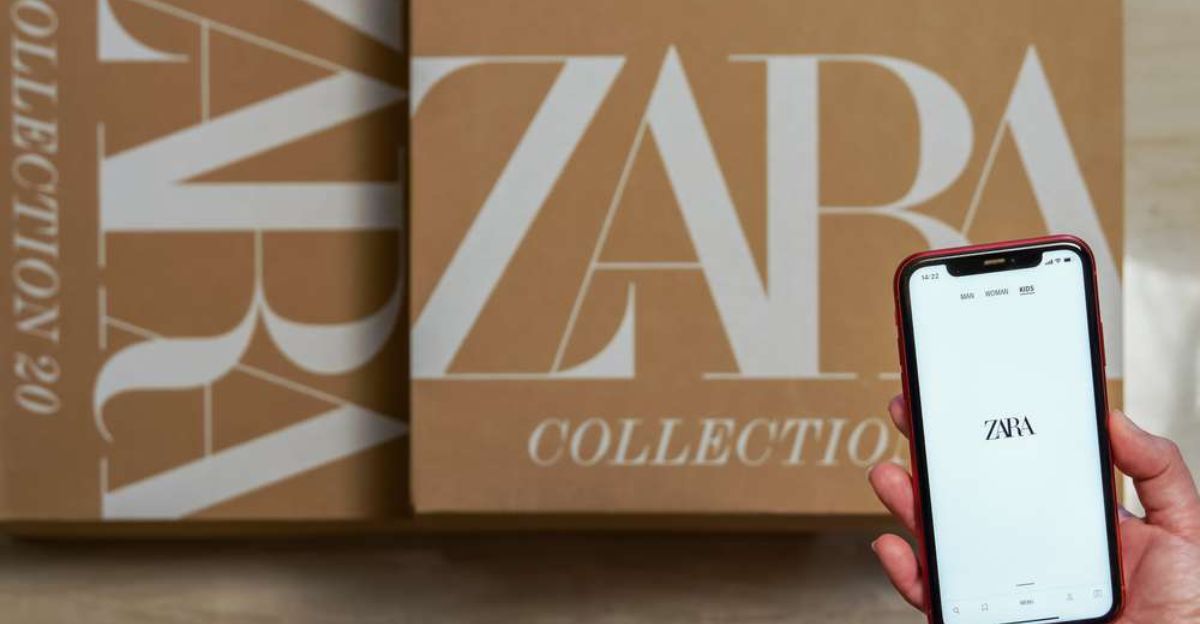
Inditex’s recalibrated strategy is indicative of the future of retail, merging technology with personalized customer experiences. “It’s about rethinking what a store can be, not just where you buy clothes,” said a retail analyst.
The emphasis on enhancing customer experiences through flagship locations reflects an industry-wide trend to adapt to changing shopping behaviors. By creating inviting spaces that facilitate seamless engagement, Inditex is moving toward a model that blends retail and digital experiences.
Experiential Retail as a Trend
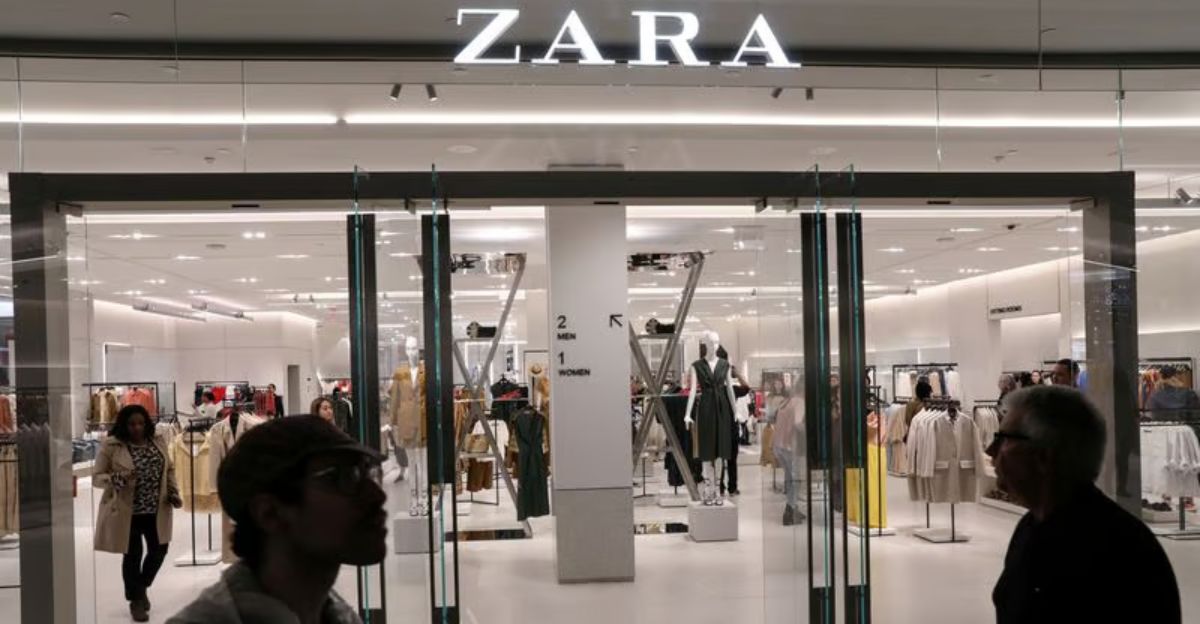
Inditex’s flagship stores will serve as experiential hubs where customers can engage in unique shopping experiences. This represents a broader trend in retail, reflecting a growing preference among consumers for brand interactions that go beyond mere transactions.
Consumers want experiences, not just products. This shift is driving the need for brands to rethink their store formats,” noted a fashion industry consultant. By creating these rich experiences, brands like Zara are aiming to foster loyalty and encourage repeat visits.
Supply Chain Innovations

An integral part of Inditex’s transformation involves reevaluating and strengthening its supply chain. With growing online demands, the company is adopting sophisticated analytics to optimize inventory levels and improve restocking efficiency.
“Investments in AI and data analytics are crucial,” stated an industry expert. As online and physical sales converge, enhancing supply chain capabilities becomes essential for matching customer expectations in terms of delivery speed and stock availability.
Consumer Feedback Loop
Engaging customers is vital for retailers today, and Inditex recognizes the importance of feedback mechanisms. Through surveys and interactive experiences, both in-store and online, the company is rapidly adapting to consumer preferences.
“We feel that our voice is being heard, and that leads to a stronger connection with the brand,” said a loyal Zara customer. This iterative approach fosters a dialogue between the brand and its clientele, allowing for continual refinement of offerings.
Navigating Economic Challenges
As economic pressures loom, Inditex remains focused on adapting to challenges such as fluctuating currency rates and shifting consumer spending patterns. The company is working to buffer itself against potential downturns by enhancing its strategic agility.
“Staying flexible in an uncertain market is essential,” claimed an economic analyst. Through its proactive measures, Inditex aims to maintain its competitive edge while sustaining profitability in the face of a changing financial landscape.
Ethical Considerations in Retail
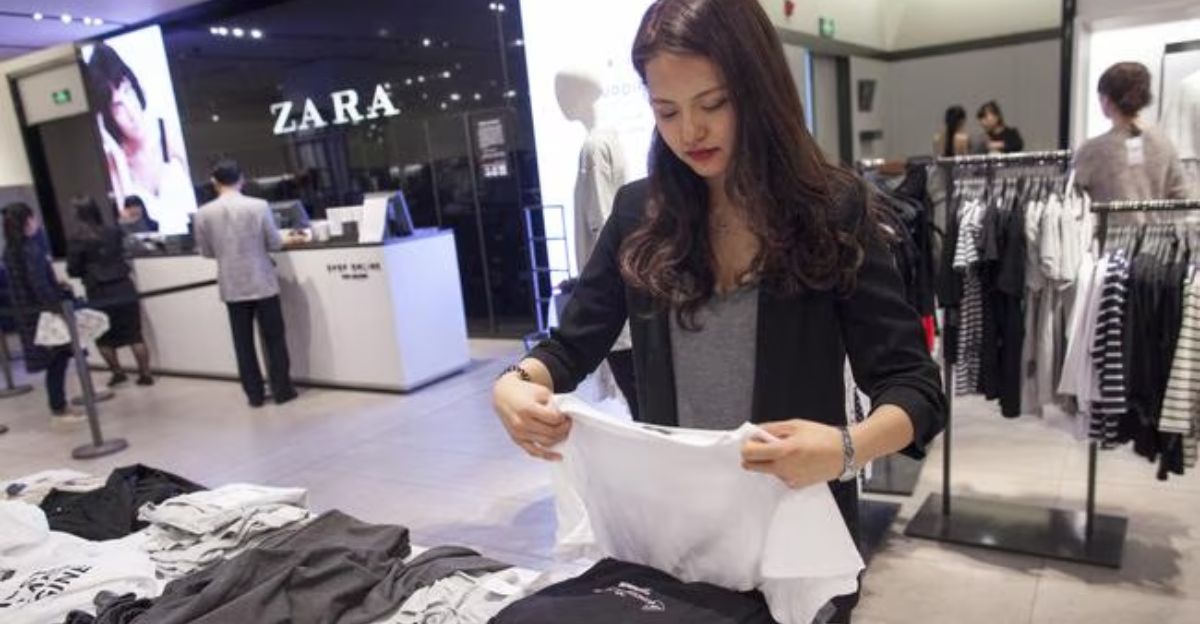
In the face of closures, ethical job displacement practices are paramount. Inditex advocates for its workers, promising to transition them to new opportunities within the organization whenever possible.
“Companies mustn’t just close doors; they must open new ones for their employees,” commented a labor rights activist. This commitment underscores the importance of retaining talent and supporting the workforce during periods of transformation in the retail sector.
Community Reactions
The recent store closures have sparked varied responses from communities. Some customers expressed disappointment over the loss of local Inditex stores, reflecting a sense of connection they had to their neighborhood outlets.
“It’s sad to see our store go; it felt like a community landmark,” a frequent shopper shared. Such sentiments underline the emotional weight that retail closures carry and the need for companies to consider community engagement in their strategic planning.
The Role of Technology
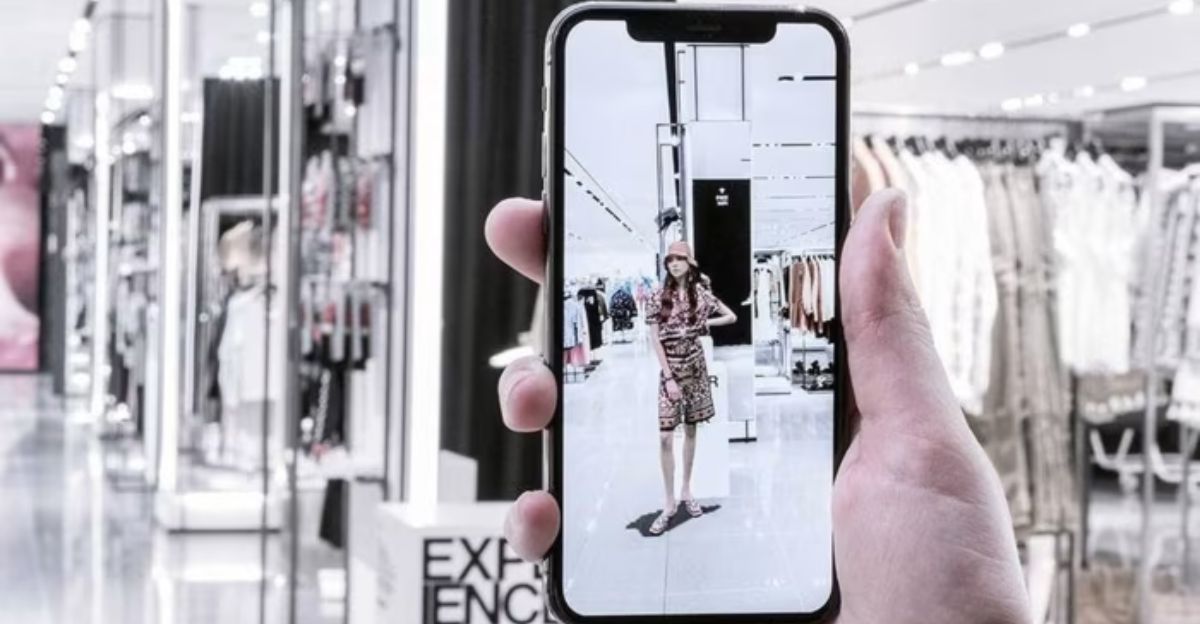
Technology continues to redefine retail operations. With extensive investments in tech, Inditex is equipping its flagship stores with tools that enhance both in-store experiences and online capabilities.
“Technology is the backbone; it allows stores to exist in a digital age,” noted a tech analyst. By integrating cutting-edge solutions, Inditex ensures that its retail format remains competitive and resonates with digitally savvy consumers.
A Comprehensive Review
As the global retail landscape continues to adapt to ongoing challenges, the case study of Inditex exemplifies the evolution of store strategies. The focus on flagship experiences paired with digital integration is setting a new industry standard.
“To truly succeed, brands must be willing to innovate and pivot,” remarked a retail thought leader. Such continual evolution can help established brands not only survive but thrive in this dynamic environment.
Looking Beyond Closure Numbers
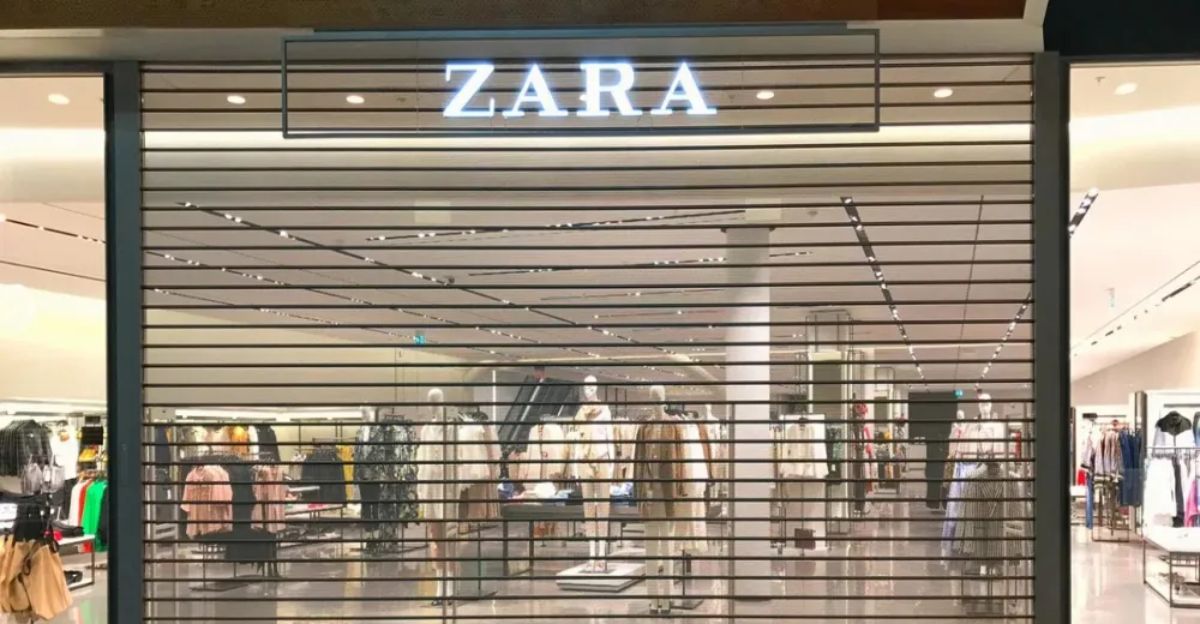
While the closure of 132 stores may seem alarming at first glance, it’s crucial to view it within the broader context of a strategic transformation. The transition to larger flagship stores and an emphasis on e-commerce signals a long-term vision for sustainability.
“It’s not just about closing stores; it’s about making the right choices for future success,” highlighted an industry expert. This mindset illustrates necessary adaptations in response to shifting market demands.
A Future-Forward Approach
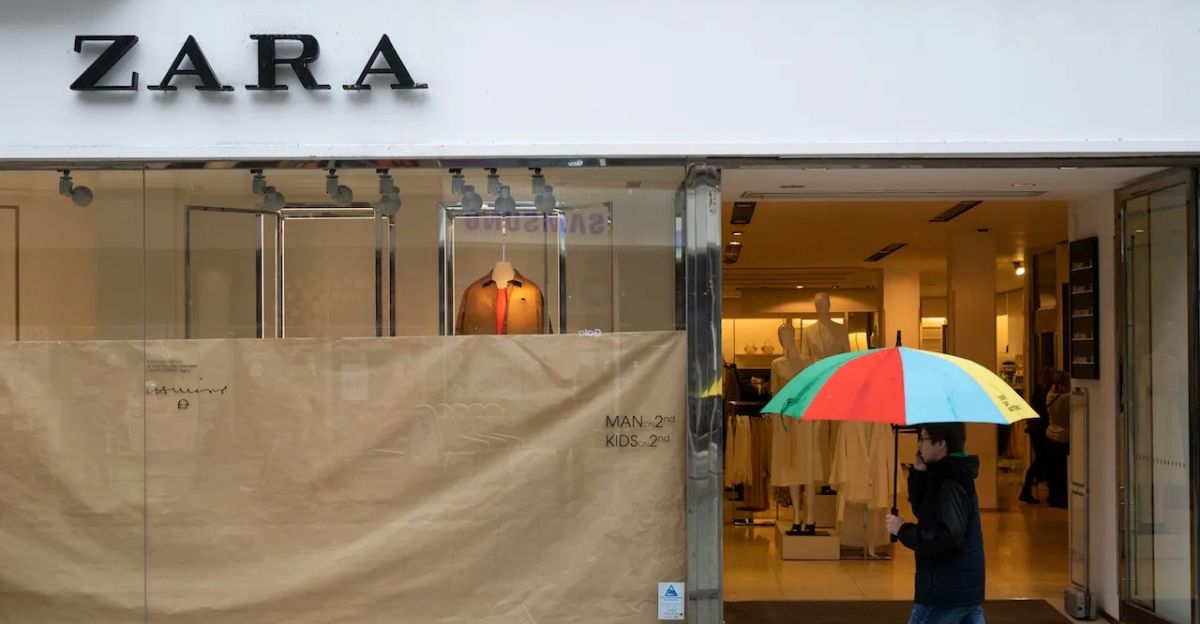
Inditex’s transformation is a clear indication of an industry in flux, marked by necessary consolidation and strategic expansion of flagship locations. As they focus on creating experiences that resonate with modern consumers, the retail giant remains poised to capture future market opportunities.
“Adaptation is key in this new era of retail,” emphasized a leading market analyst. As we move forward, Inditex’s insightful strategies could very well shape the future of the retail landscape.
Sources:
Modaes Global – Inditex adjusts with 132 stores less in one year, with Zara Home and Oysho leading the way
Inditex Official – FY2025 Nine-Month Earnings Report (Q3)
Reuters – Retail consolidation trends across major fashion retailers
Inditex Official – FY2024 Annual Results and Sustainability Report
FastCompany – Zara stores closing: Locations join doomed list as Lefties rises
McKinsey & Company – The future of retail: Consumer behavior and store strategy