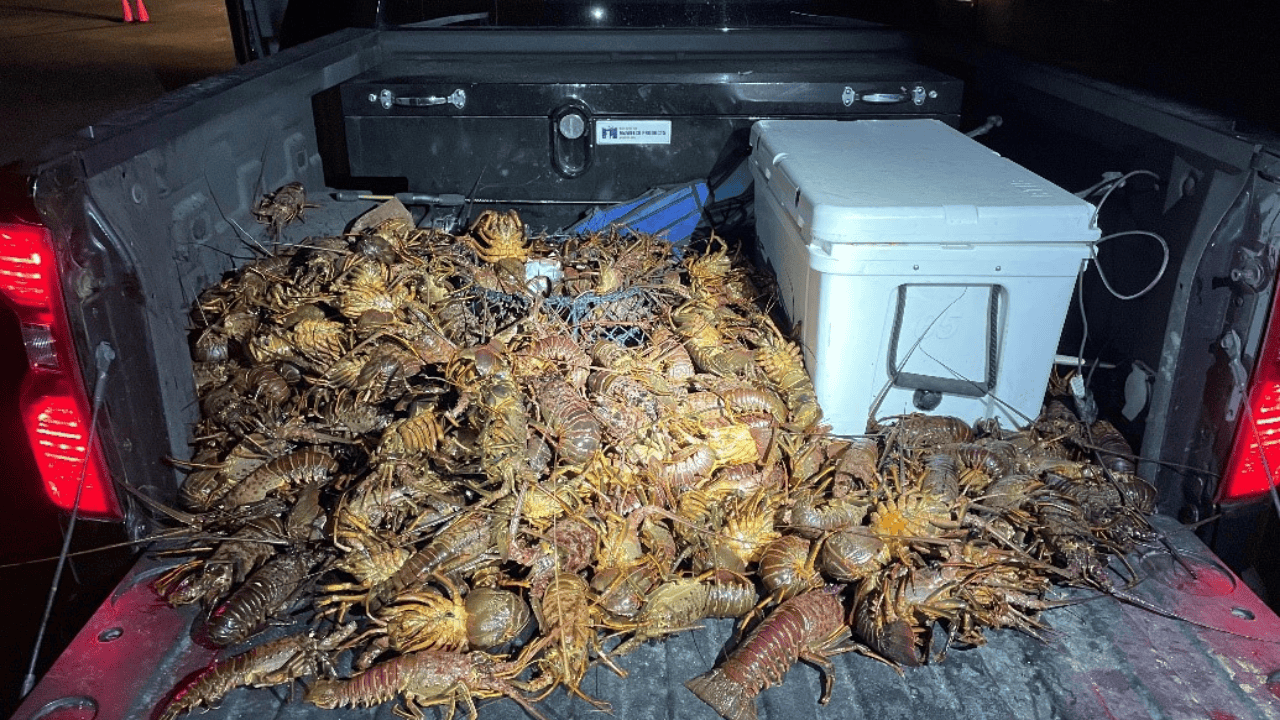
What began as a routine seafood shipment from Massachusetts has become a vivid example of how sophisticated criminals are exploiting the U.S. supply chain. Over a late-December weekend, thieves posing as a legitimate trucking company disappeared with about $400,000 worth of lobster meat bound for Costco warehouses in Illinois and Minnesota.
The load left Lineage Logistics’ cold-storage facility in Taunton, Massachusetts, and never arrived, triggering an FBI investigation and raising fresh concerns about the vulnerability of high-value cargo.
Perfect Copy, Stolen Identity

According to Dylan Rexing, president and CEO of Indiana-based Rexing Companies, which brokered the shipment, the perpetrators did not simply hijack a truck; they assumed an entire corporate identity. He said the group “impersonated a real carrier” by taking over that company’s web domain, spoofing email accounts, and sending a driver whose truck bore the carrier’s name. They also presented what appeared to be a certified commercial driver’s license.
From the warehouse’s perspective, the operation looked routine: a familiar carrier name, a driver with paperwork and identification, and a refrigerated truck ready to load. Once the lobsters were picked up, the vehicle vanished. Instead of a cyberattack against internal systems, investigators say this was a face-to-face deception that bypassed digital defenses by exploiting trust at the loading dock.
Pattern of Organized Seafood Theft
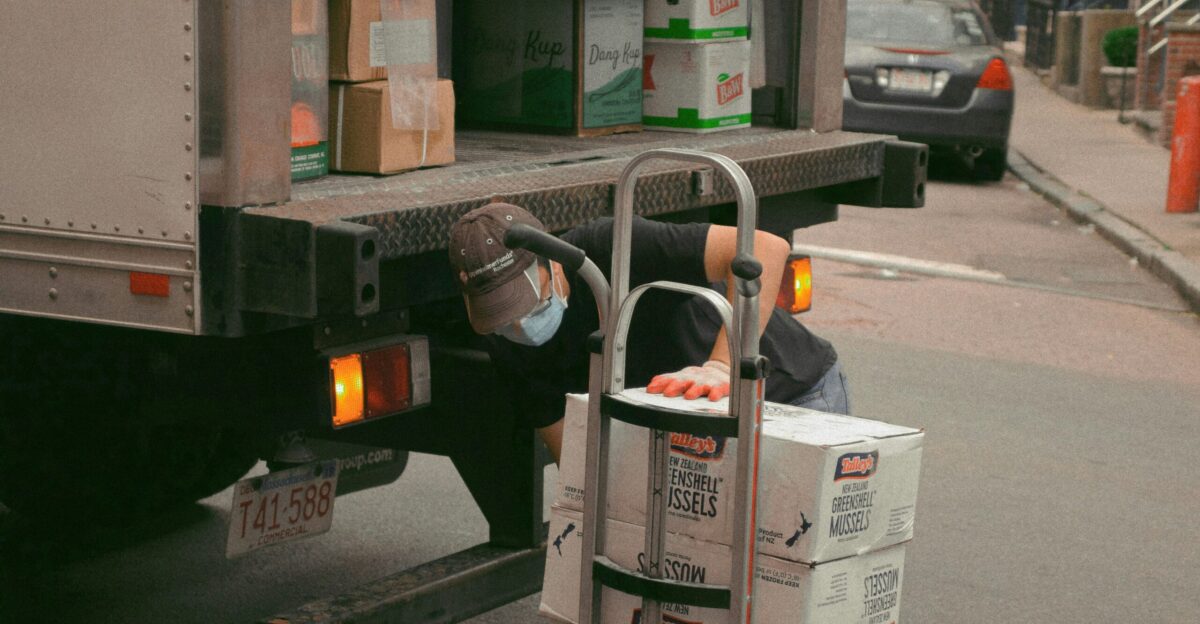
The lobster load was not the only seafood to disappear from New England facilities in recent months. On November 22, thieves stole 14 cages of oysters—about 40,000 oysters valued at roughly $20,000—from an aquaculture site in Casco Bay, Maine. Two weeks later, a shipment of crab was taken from the same Taunton warehouse where the lobster load originated. Then came the Costco-bound lobsters.
The timing and targeting suggest a coordinated series of thefts rather than unrelated incidents. Rexing has characterized the lobster case as “organized crime at the finest,” and federal agents appear to agree that it fits a broader pattern. The FBI’s Boston field office has opened a formal probe, treating the crime as part of a larger, structured network rather than an isolated scam.
Rising Strategic Cargo Theft and Economic Fallout

Industry data shows this kind of “strategic theft” – where criminals use fraud, impersonation, and forged documents instead of force – is no longer rare. In 2018, such schemes made up just over 2% of reported cargo thefts. By 2023, they accounted for about a quarter of all cases. The American Trucking Association reports that strategic cargo theft has increased 1,500% since early 2021, with average losses per incident now exceeding $200,000.
Overall, North American cargo theft increased to 3,625 recorded incidents in 2024, a 27% rise from 2023, with recorded losses exceeding $455 million. According to current trends, the National Insurance Crime Bureau warns that losses could grow by another 22% by the end of 2025. Trade groups estimate that roughly 2,500 full truckloads are stolen each year—about seven every day.
For companies like Rexing, even one high-value loss can be financially destabilizing. Rexing has said it is unclear whether the lobster shipment will be fully covered by insurance. Cargo policies are complex, with responsibility divided among shippers, carriers, brokers, and warehouse operators. If a $400,000 loss falls outside coverage, it could threaten the viability of a small or mid-size logistics firm.
Those direct losses only begin to capture the broader financial impact. Higher claims drive up insurance premiums and deductibles for carriers. Brokers spend more on verification systems and legal support. Warehouses invest in tighter access controls and employee training. Ultimately, these costs are passed through the supply chain and reflected in the prices paid by retailers and, ultimately, consumers.
Perishable Loads and the Black Market

Stealing seafood presents different challenges than taking durable goods such as consumer electronics. Live lobsters and other perishable items must be kept refrigerated and moved rapidly to avoid spoilage. That constraint suggests the thieves either had a prearranged buyer or a ready-made distribution channel capable of handling large quantities on short notice.
Law enforcement officials and industry analysts say stolen high-value foods can be sold to restaurants, wholesalers, or distributors, sometimes at steep discounts and sometimes without the buyers realizing the true origin. In cases involving international links, seafood can be exported, making recovery even more difficult. By the time investigators can trace the location of a missing shipment, the product is often already consumed or resold, leaving little physical evidence.
Security Gaps and Federal Response
The Taunton case has drawn attention to how an impersonated carrier successfully bypassed a major cold-storage operator’s safeguards. Warehouses like Lineage Logistics typically rely on carrier databases, appointment systems, and on-site checks to confirm a driver’s identity and authority to pick up freight. The successful deception hints at potential weaknesses in these verification steps, or, in a more troubling scenario, the possibility of insider assistance. The FBI is examining not only who stole the lobster, but also how the vetting process was defeated.
As losses mount, policymakers are moving to respond. In April 2025, Representative David Valadao and other lawmakers introduced legislation to establish a federal coordination center within the Department of Homeland Security, focusing on cargo theft and related organized crime. The proposal would establish a task force to improve information-sharing among the FBI, local police, insurers, and industry groups. Logistics executives, including Rexing, have urged stronger federal tools and more unified enforcement strategies.
For now, the stolen Costco-bound lobster shipment stands as a clear example of how criminal groups are adapting faster than the systems meant to stop them. As long as complex supply chains remain easier to exploit than to secure, experts say, more high-value loads will be targeted. The outcome will shape not only the financial health of logistics firms and retailers, but also the reliability and cost of everyday goods that depend on those networks reaching their destinations intact.
Sources:
Business Insider, December 2025. “$400,000 worth of lobsters bound for Costco locations in the US were stolen.”
ABC News, December 2025. “Oysters, crab and $400,000 worth of lobster meat stolen in separate recent incidents.”
American Trucking Association, June 2025. “Cargo Theft: Freight Under Fire.”
National Insurance Crime Bureau, June 2025. “NICB Warns of Increased Cargo Theft in 2025.”
Transportation Intermediaries Association, 2025. Cargo Theft Impact Study.
Sky News, December 2025. “$400,000 worth of lobster stolen en route to Costco wholesale stores in US.”