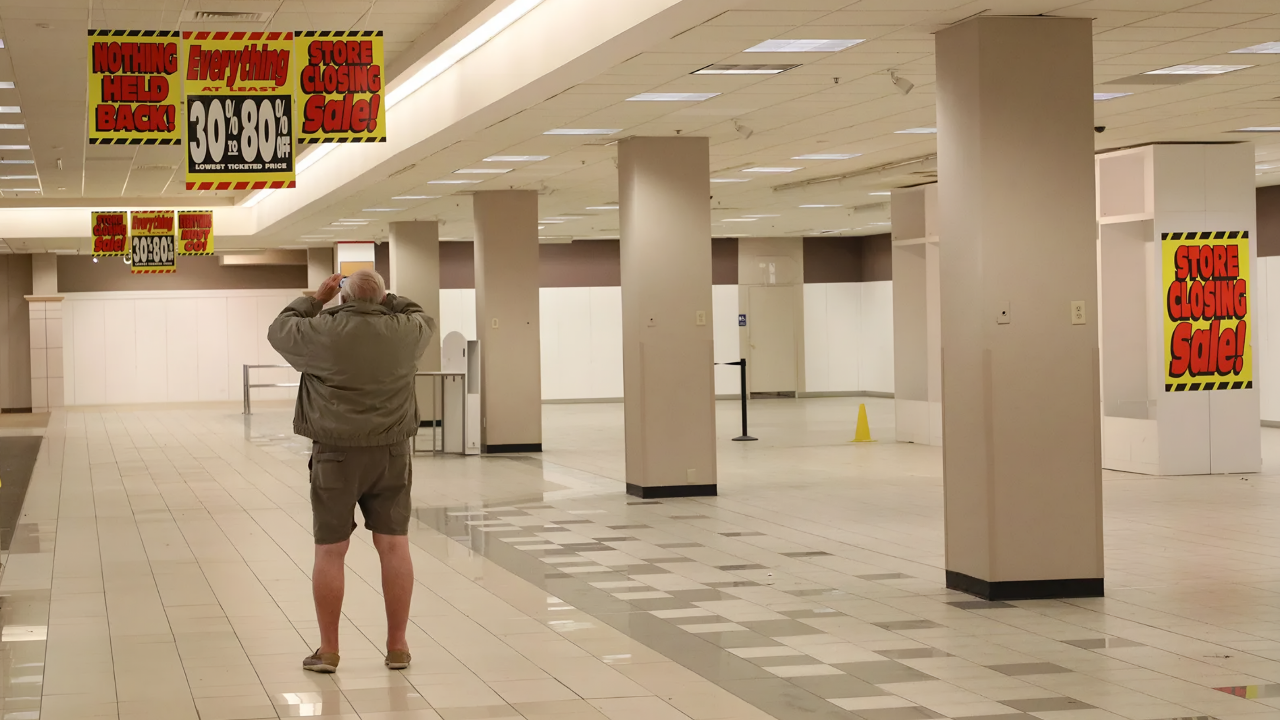
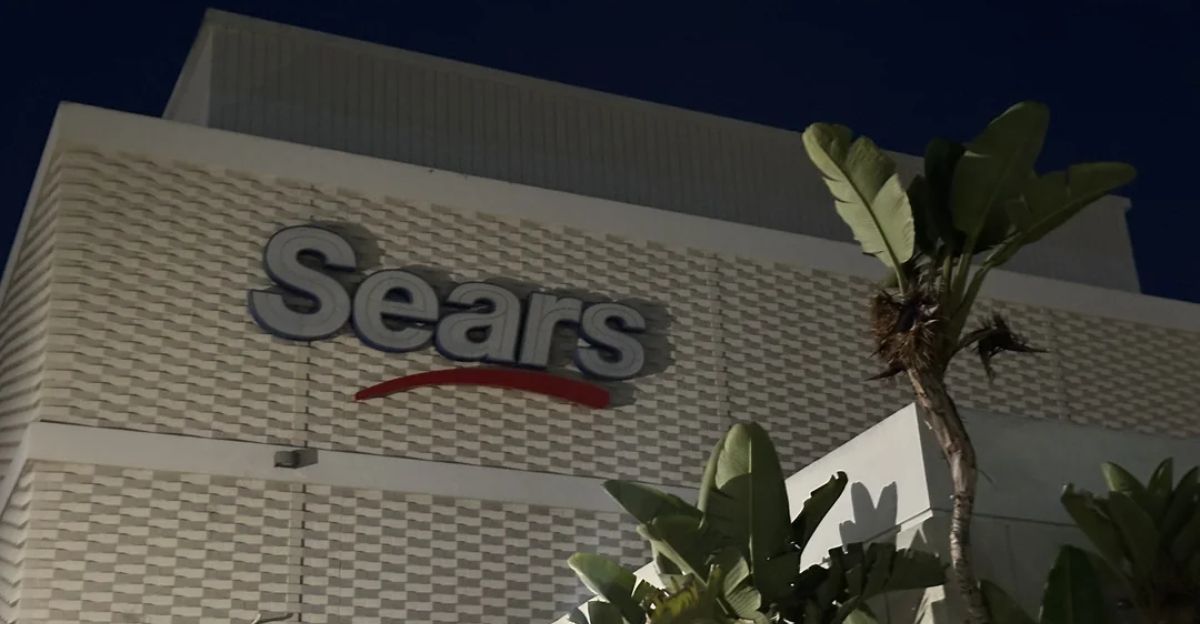
It is 2025, and a brand that once defined American shopping now survives with just five stores scattered across four states. From a peak of roughly 3,500 locations, Sears has all but disappeared from the nation’s malls and main streets. The near-erasure of a company that once dominated U.S. retail marks one of the starkest declines in modern corporate history and offers a cautionary case study in how quickly market leadership can evaporate.
Origins of a Retail Giant
Sears began in 1892 as a mail-order catalog business, bringing a vast range of goods to customers long before suburban shopping centers existed. Over the following decades it expanded into physical stores and, by the middle of the 20th century, had become the largest retailer in the United States. For generations, its thick catalog and sprawling department stores served as a gateway to consumer goods, from appliances and tools to clothing and furniture. Sears helped shape the modern shopping experience and became a household name in the process.
Shifting Priorities and Intensifying Competition
By the 1980s, the company’s focus had shifted away from retail innovation toward its extensive real estate holdings. While Sears concentrated on property and financial services, rivals were remaking the shopping landscape. Walmart pursued aggressive cost control and logistics improvements, while new big-box competitors entered the market. In the late 1990s and 2000s, e-commerce players such as Amazon began to redefine convenience and selection for a new generation of shoppers. Sears struggled to modernize its stores, invest in technology, or develop a compelling digital strategy. Years of declining sales, underinvestment, and a fragmented identity left the chain poorly equipped to keep pace.
Bankruptcy, Takeovers, and Asset Sales
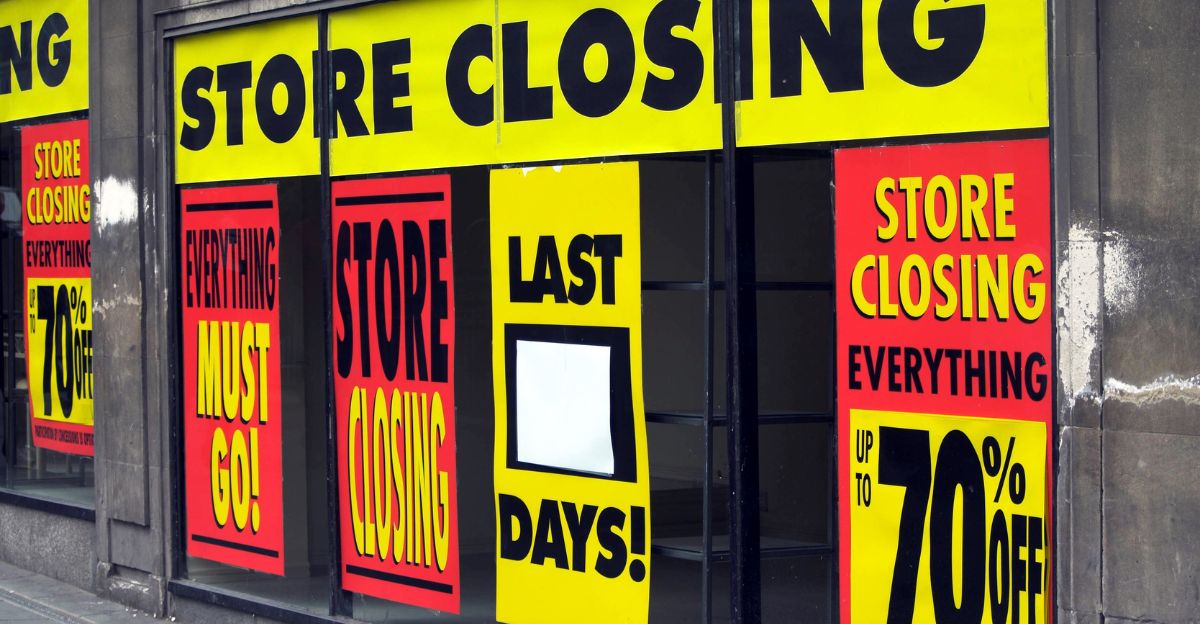
The financial strain culminated in October 2018, when Sears filed for Chapter 11 bankruptcy protection, listing hundreds of millions of dollars in obligations and a long-running pattern of losses. A hedge fund led by Eddie Lampert, already a major shareholder and former chief executive, stepped in with a plan to buy the company out of bankruptcy. Through a court-approved deal, Lampert’s bid preserved a reduced network of Sears and Kmart stores and kept the retailer alive, at least temporarily.
To generate cash, Sears sold off some of its most valuable assets. Its Craftsman tool brand went to Stanley Black & Decker in a transaction valued at about $900 million, while hundreds of properties were spun off to a separate real estate investment trust, Seritage Growth Properties, in deals totaling roughly $2.7 billion. These moves provided liquidity and extended operations but did not resolve the core problem of dwindling sales and a dated store base.
Leadership, Strategy, and the Failed Turnaround

Critics of Sears’ leadership, including former executives and industry analysts, argued that Lampert’s approach emphasized cost-cutting and financial engineering at the expense of merchandising, store upkeep, and customer experience. After Sears merged with Kmart under Lampert’s direction, the combined company struggled to present a clear identity in an increasingly competitive market.
In early 2019, Lampert’s newly formed entity, Transformco, acquired what remained of Sears out of bankruptcy for about $5.2 billion, a transaction that initially preserved roughly 425 stores and about 45,000 jobs. The company tried to reposition itself with initiatives such as the “Shop Your Way” loyalty program and a greater emphasis on technology and data-driven promotions. Yet store closures continued as sales declined, and the promised revival never materialized. Lampert later stepped down as chief executive, leaving the company with a shrinking footprint and no durable strategy to rebuild its customer base.
Communities, Competitors, and the Wider Retail Shake-up
As Sears contracted, the consequences rippled across the country. Thousands of workers lost their jobs, and malls that once relied on Sears as an anchor tenant were left with large, empty spaces that proved difficult to fill. Property owners, including major commercial landlords, were forced to devise costly redevelopment plans or accept long stretches of vacant square footage. Local economies that had depended on Sears for traffic and tax revenue felt the impact as neighboring shops saw fewer visitors.
Competitors benefited from the vacuum. Walmart continued to refine its combination of low prices and growing online presence, while Amazon and other digital-first companies gained even greater prominence. The demise of Sears unfolded alongside the broader “retail apocalypse,” a period marked by the collapse or contraction of other legacy chains such as Toys R Us and Montgomery Ward. Many faced the same structural pressures: rising e-commerce adoption, changing consumer expectations, and the high fixed costs of traditional department stores.
Policy experts and legal scholars have also scrutinized how bankruptcy and antitrust rules shaped Sears’ trajectory. Some argue that existing laws allowed a troubled business model to linger by enabling complex financial transactions and asset transfers without restoring long-term competitiveness. Others see the case as a stark example of how dominant players can lose ground when they fail to adapt quickly to technological change and consumer trends.
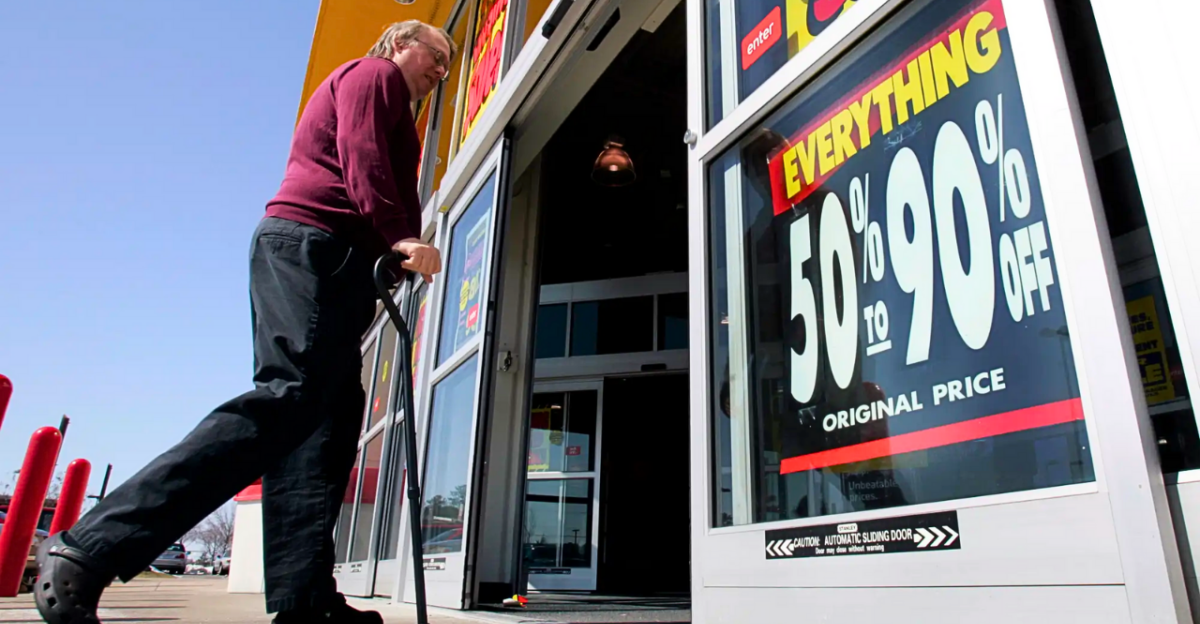
By 2025, Sears’ international reach had effectively vanished, culminating in the closure of its final store in Puerto Rico and marking the end of its global presence. In the United States, only five locations remain, spread across Florida, Massachusetts, California, and Texas. Analysts question whether these stores are profitable and widely expect them to close in the near future. For many Americans, the disappearance of Sears represents more than the end of a chain; it signals the fading of a cultural reference point that once defined how families shopped and imagined the future.
The long decline of Sears illustrates how swiftly a retail leader can fall when it stops investing in innovation and fails to respond to shifting consumer behavior. As digital platforms, big-box chains, and new formats continue to reshape the marketplace, the company’s story stands as a reminder that even the most entrenched brands must evolve or risk being left behind. Whether the last remaining stores survive or not, the forces that brought Sears to this point will continue to shape the next era of American retail.
Sources
“Sears Files for Chapter 11 Bankruptcy.” Leech Tishman Fuscaldo & Lampl, January 29, 2019.
“Lampert Wins Bid for Sears by Upping Price to $5.2 Billion.” CNN, January 17, 2019.
“Sears has just 5 locations left. Will they survive into 2026?” USA TODAY, November 28, 2025.