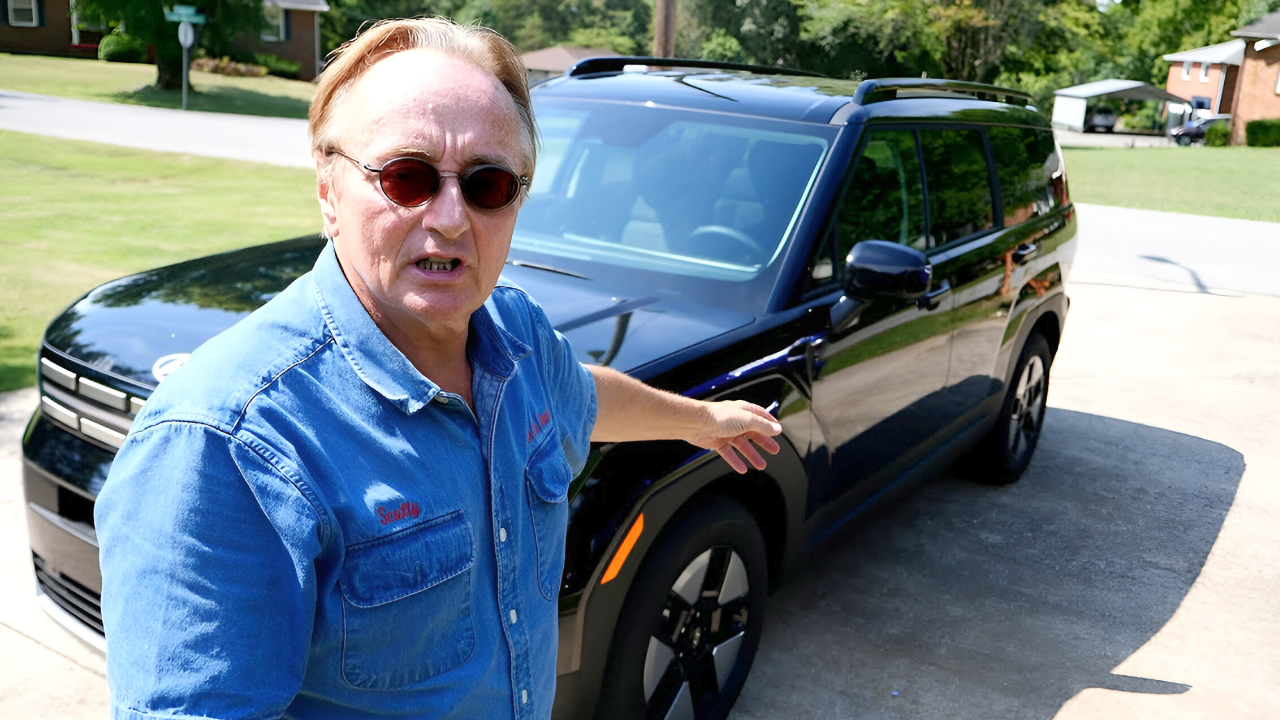
The automotive landscape is undergoing a dramatic transformation as manufacturers discontinue five popular SUV models for the 2026 model year. This shift reflects broader industry trends toward electrification, stricter emissions regulations, and changing consumer preferences.
Buyers who cherish these vehicles have limited time to secure remaining inventory before it vanishes from showrooms permanently.
Kia Soul: The End of an Affordable Icon After 16 Years
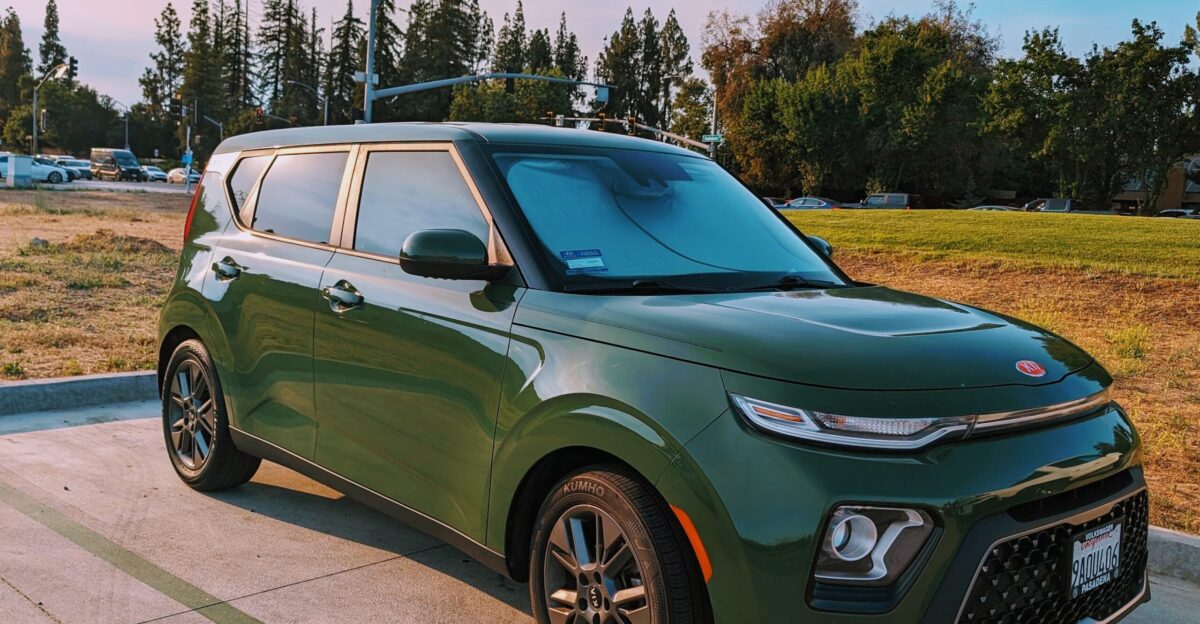
Kia’s quirky, box-shaped Soul concludes its 16-year American journey, having sold over 1.5 million units since its introduction in 2009. Production wrapped in October 2025, leaving only dealer inventory available for purchase. Sales declined dramatically from 154,768 units in 2016 to just 52,397 in 2024—a devastating two-thirds drop.
The Soul’s lack of all-wheel drive capability and the industry’s shift toward higher-profit vehicles accelerated its retirement despite its distinctive styling and affordable pricing.
Soul’s Downward Spiral: Why Sales Collapsed
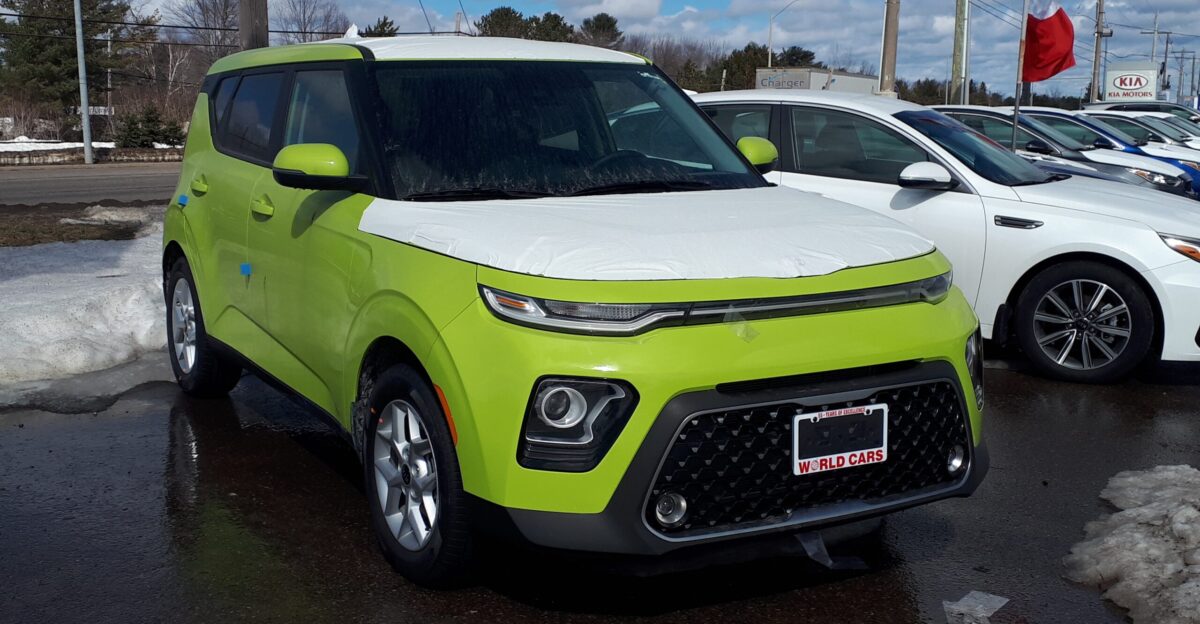
The Soul’s decline accelerated following its 2023 facelift, which eliminated the popular GT-Line model and introduced downmarket exterior styling. Competitors offering all-wheel drive at similar price points captured market share.
The subcompact crossover segment shifted upmarket, leaving affordable options like the Soul behind. Industry analysts note that the Soul’s exit represents a troubling trend: the disappearance of budget-friendly vehicles from American manufacturers that prioritize profit margins.
Ford Escape and Lincoln Corsair: Twin Casualties of Factory Transformation

Ford’s Louisville, Kentucky, plant undergoes a $5 billion transformation to support its Universal EV Production System, forcing the discontinuation of the Ford Escape and Lincoln Corsair. Both compact SUVs concluded production before 2026, though limited inventory remains at dealerships. The Escape started at $31,010 with hybrid variants praised for fuel efficiency.
The upscale Lincoln Corsair commanded a price of $41,230, offering premium features and a refined interior for discerning buyers.
Emissions Regulations Accelerate Ford’s Discontinuations

Beyond factory retooling, stricter emissions regulations in several states prevent the sale of these SUVs, hastening their phase-out. California and other states’ tightening standards force manufacturers toward electrified vehicles.
Ford plans to replace these models with affordable electric vehicles produced at the retooled Kentucky facility. This transition illustrates how regulatory pressure influences manufacturer decisions more significantly than traditional market dynamics, thereby reshaping consumer choice.
BMW X4: A Compact Crossover-Coupe’s Existential Crisis
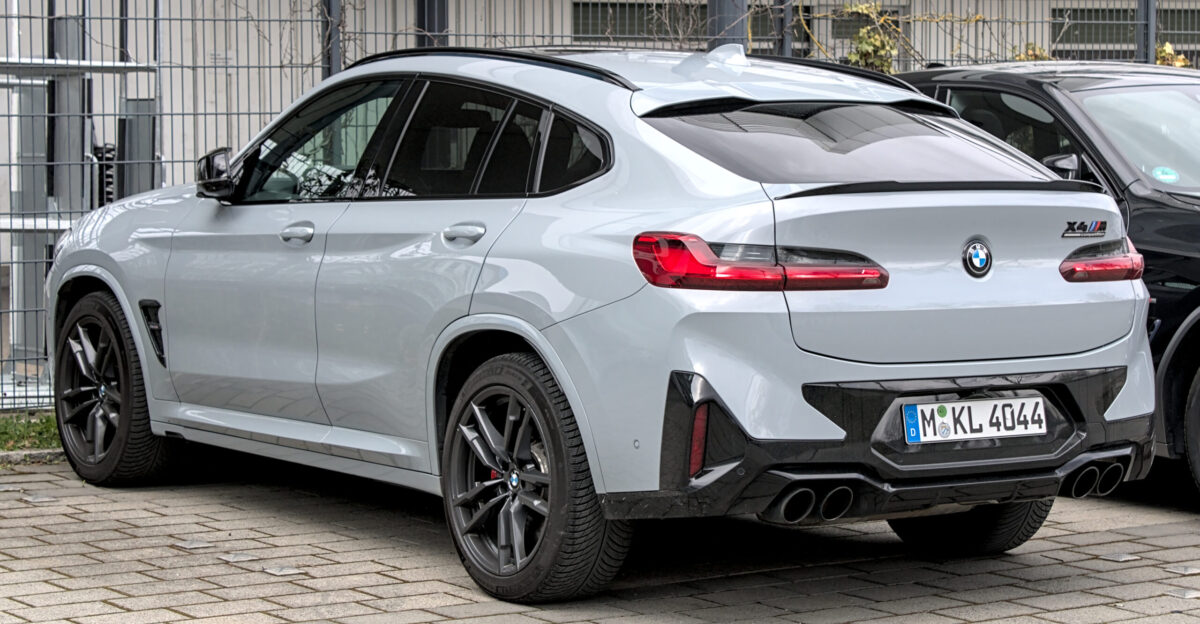
BMW’s compact X4 crossover-coupe concludes production in 2026 after struggling to justify its position in the brand’s expanding SUV lineup. BMW executives deemed the X4 “too much of an in-betweener” vehicle, straddling the line between the coupe-styled X2 and the premium X6.
Production at BMW’s Spartanburg, South Carolina, plant ended in late 2025. Despite a strong 2014 debut, enthusiasm among BMW enthusiasts and potential customers waned significantly over the subsequent years.
BMW’s Strategic Portfolio Consolidation
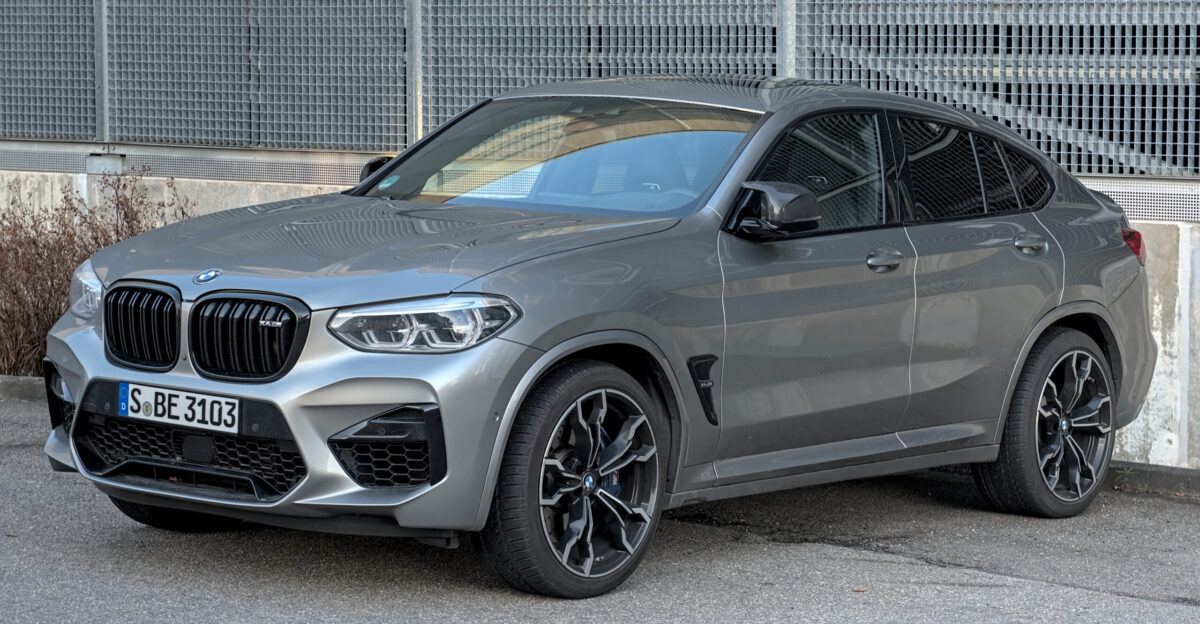
BMW’s decision reflects a strategy to avoid excessive market segmentation, which can confuse buyers when choosing between similarly sized models. The brand aims to streamline its SUV offerings toward clearer market positioning.
However, the X4 nameplate may return as an all-electric iX4 built on BMW’s Neue Klasse platform, potentially debuting late 2026 or 2027. This approach aligns with increasingly stringent EU emissions regulations, which require lower fleet emissions or face substantial fines for manufacturers.
Cadillac XT6: Luxury’s Three-Row Casualty
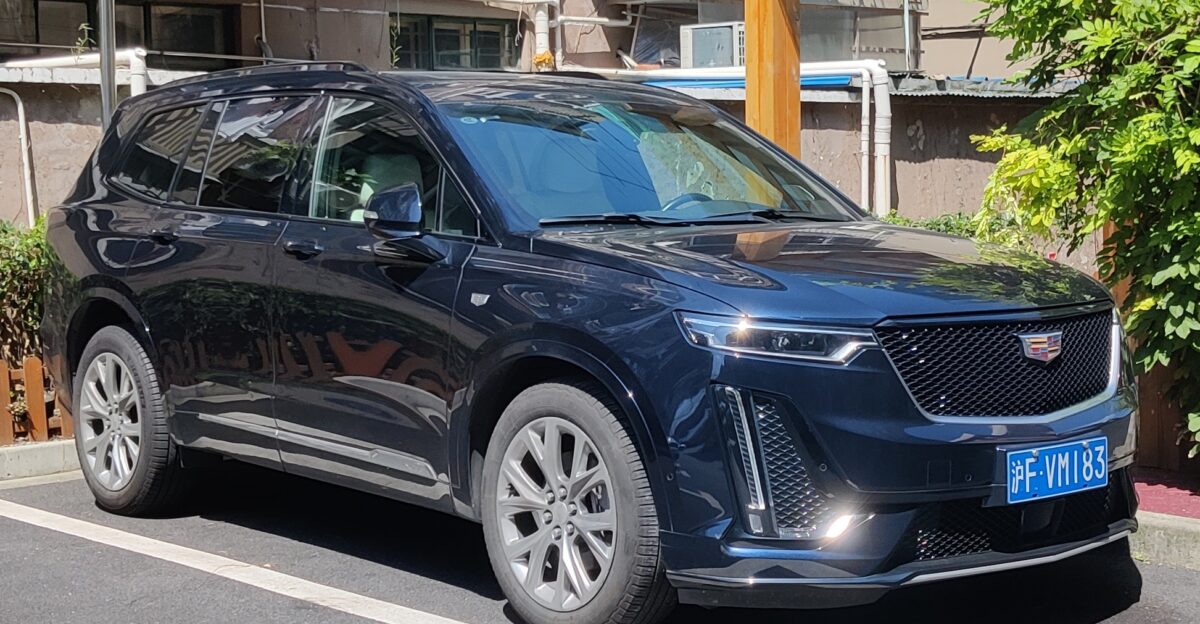
The three-row Cadillac XT6 concludes production after just six model years, from 2020 through 2025, at GM’s Spring Hill, Tennessee, facility. Final production dates moved up from November 27 to November 7, 2025, signaling an accelerated phase-out.
Despite ranking among the most reliable midsize premium SUVs according to J.D. Power’s 2025 U.S. Vehicle Dependability Study, poor sales volume sealed its fate. Cadillac’s aggressive electrification pivot prioritizes new electric platforms over combustion-engine vehicles.
Cadillac’s Electrification Strategy Replaces XT6
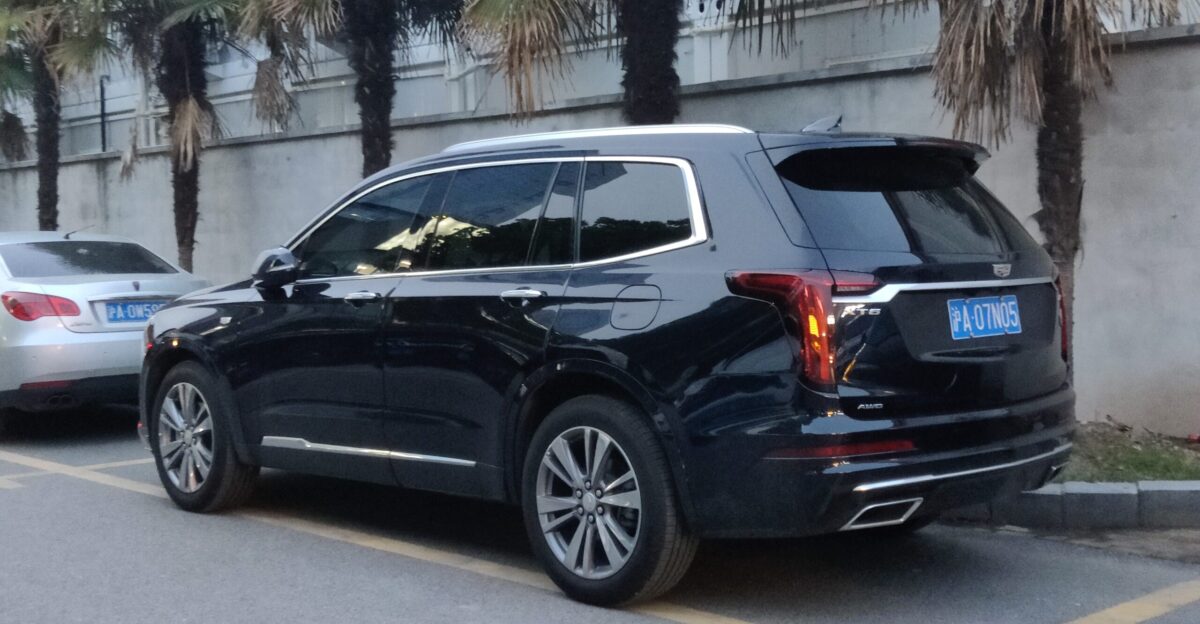
The XT6 will be replaced by the all-electric, three-row 2026 Cadillac Vistiq, already available at dealerships nationwide. This transition represents Cadillac’s broader strategy of developing a comprehensive range of fully electric vehicles.
The brand maintains select internal combustion models during the transition period for market coverage. Cadillac executives believe electric SUVs better align with brand positioning and future consumer expectations, justifying the discontinuation of the aging XT6.
Cadillac XT4: A Compact Companion’s Earlier Exit
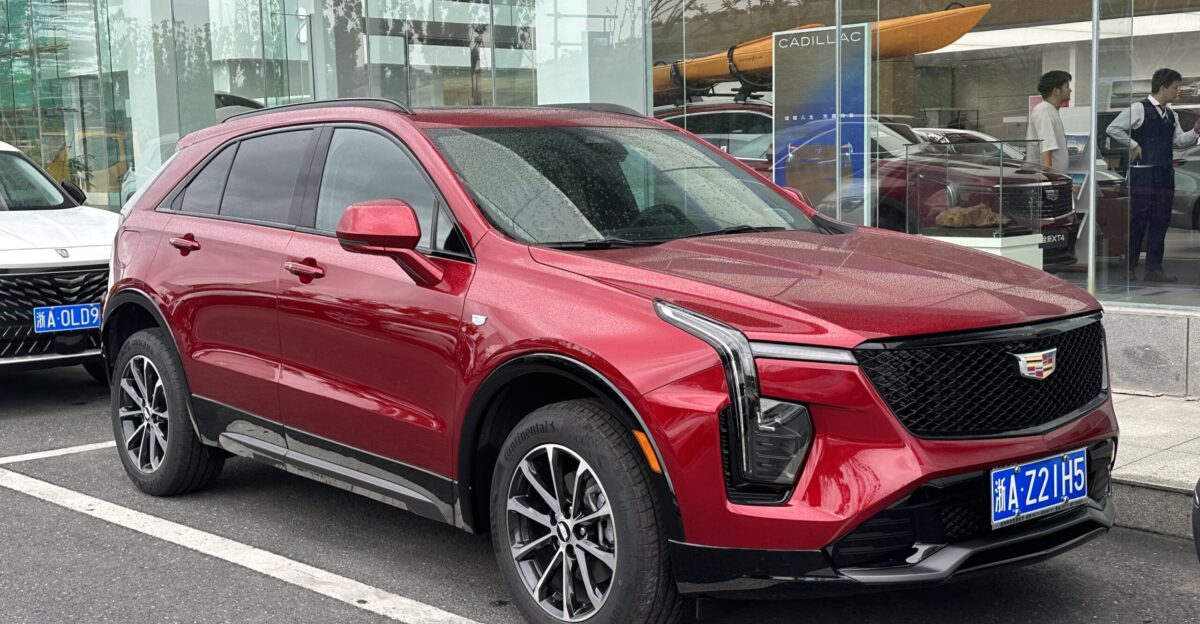
While technically ending production in January 2025, the compact Cadillac XT4 deserves mention as part of Cadillac’s broader SUV restructuring. The XT4’s seven-year run concluded to make room for the all-electric Optiq targeting the same compact luxury segment.
The Fairfax Assembly plant in Kansas built the XT4 and is being retooled for next-generation Chevrolet Bolt EV production. This cascading replacement strategy demonstrates GM’s systematic approach toward electrification across luxury and mainstream brands.
The Bigger Picture: Industry-Wide Electrification Mandate

These five discontinuities reflect three dominant automotive trends reshaping American roads. The industry-wide shift toward electrification prioritizes battery-electric vehicles over traditional powertrains.
Declining consumer interest affects specific segments, particularly sedans and niche SUVs with limited market appeal. Tariff impacts and stringent emissions regulations force manufacturers to streamline portfolios toward higher-margin vehicles and electric alternatives, fundamentally transforming vehicle availability.
Profitability Concerns Drive Discontinuations
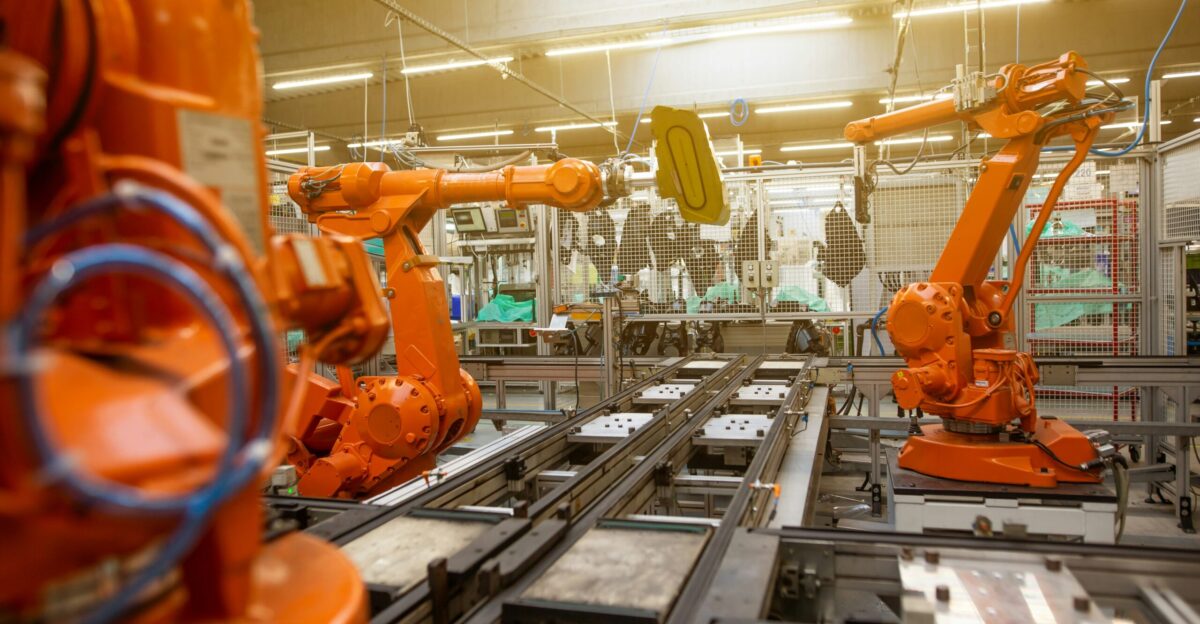
Manufacturers increasingly discontinue models with marginal profit margins, even if sales volumes remain respectable. The Kia Soul, despite selling thousands of units annually, couldn’t justify continued production against the costs of developing electric vehicles.
Ford and Cadillac prioritize retooling for profitable EV production over maintaining legacy platforms. This profit-first approach creates market gaps for budget-conscious consumers, raising concerns about automotive accessibility for average Americans in the EV transition era.
Consumer Implications: Limited Choices Ahead

Buyers seeking affordable, practical SUVs face shrinking options as manufacturers exit these segments. The discontinuation of the Soul particularly impacts budget shoppers lacking all-wheel drive alternatives at comparable prices.
The Ford Escape’s phase-out eliminates a mid-range hybrid option that was appreciated by practical families. As traditional SUVs disappear, consumers must either transition to electric vehicles or accept fewer choices, higher prices, or compromised features in remaining offerings.
The EV Transition’s Hidden Costs
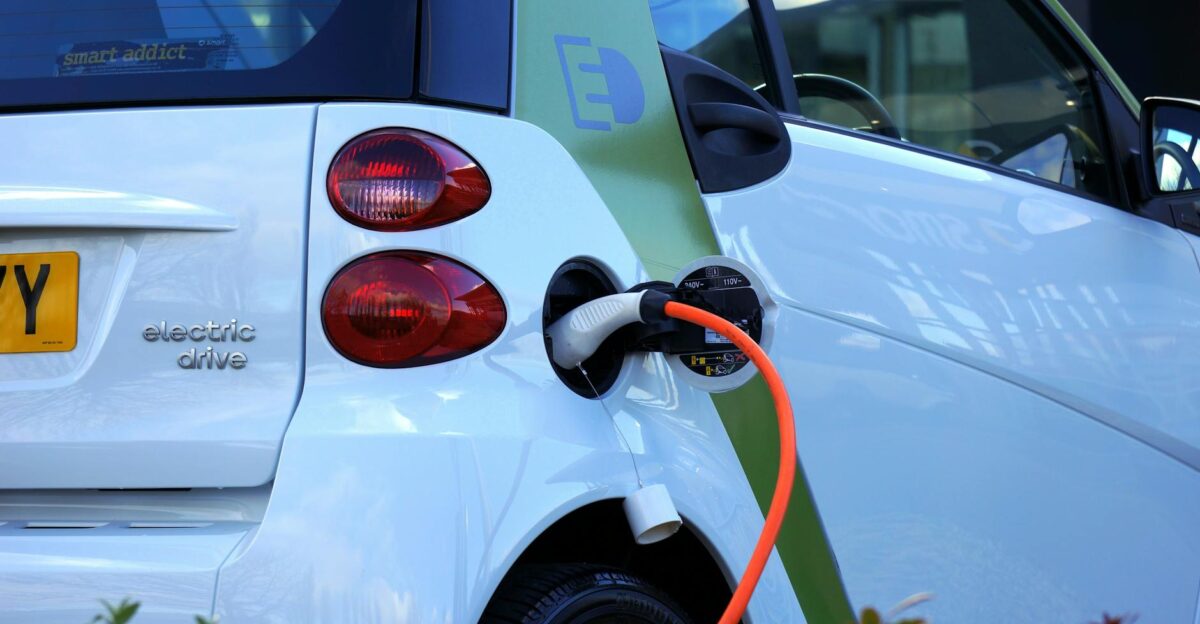
While electrification promises environmental benefits, the transition creates accessibility challenges for middle-income buyers. Higher prices for electric vehicles compared to discontinued gas-powered alternatives limit consumer purchasing power. Discontinued models often offered reliable, proven technology at reasonable cost points.
Replacement EVs typically command premium pricing, potentially pushing vehicle ownership beyond the reach of Americans with modest incomes, which raises equity concerns during this critical transition period.
Regional Impact: Different Markets Face Different Challenges
Urban markets are losing the Buick Encore, which leaves reduced subcompact options for city driving. Midwestern families accustomed to Ford Escapes must adapt to EV alternatives or switch brands entirely. Southern buyers who lose the Jeep Cherokee encounter limited off-road-capable compact SUV options.
Regional preferences have historically shaped manufacturer offerings, but electrification standards are increasingly overriding local market nuances, potentially disadvantaging areas with limited EV charging infrastructure or different driving patterns.
Dealer Inventory: Time is Running Out for Smart Buyers

The remaining inventory of these five discontinued SUVs represents the final opportunity for buyers who prefer traditional powertrains or are seeking specific features. Dealers are actively clearing stock before model year transitions, which can eliminate resale value.
Certified pre-owned markets will eventually absorb remaining vehicles, but new car inventory disappears rapidly. Buyers interested in these specific models should act promptly, as prices may fluctuate and selections diminish weekly as dealerships exhaust their remaining stock.
Replacement Models: What’s Coming Next
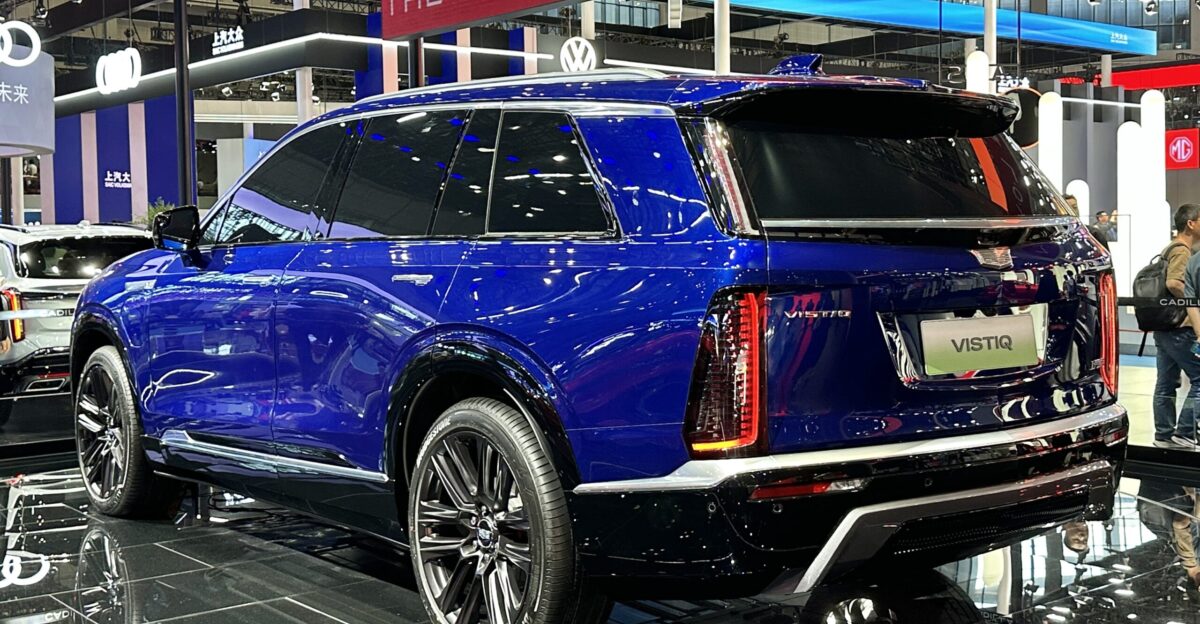
Manufacturers have announced or are developing electric replacements for discontinued models. The Cadillac Vistiq replaces the XT6, offering three-row electric capability. Ford’s upcoming affordable EVs will cater to Escape and Corsair buyers transitioning to electric vehicles. Kia plans to launch Soul successors that leverage electric platforms.
BMW’s potential iX4 electric crossover could reclaim X4 enthusiasts. However, these replacements typically cost more, offer different driving dynamics, and require access to EV charging, which is not available to all consumers.
What This Means for Future Vehicle Buyers

The 2026 discontinuations signal manufacturers’ commitment to electrification regardless of consumer readiness. Expect continued phase-outs of traditional SUVs, which have lower profit margins, throughout the 2020s. Buyers should anticipate rising vehicle prices as cheaper platforms become less available.
The automotive market will bifurcate into affordable EVs and expensive gas-powered vehicles, potentially eliminating middle-class vehicle options.
Industry Experts Weigh In on Market Transformation

Automotive analysts predict accelerating discontinuities as manufacturers redirect resources toward electric vehicle development and manufacturing capacity. Some experts applaud the environmental benefits of this pivot toward sustainable mobility.
Others express concern about accessibility for lower-income Americans facing restricted choices and higher prices. Industry observers expect consolidation among manufacturers unable to transition efficiently, potentially reducing consumer choice further as market competition declines during this critical transformation period.
What Buyers Should Do Now

Consumers preferring traditional SUVs should evaluate remaining inventory immediately before the 2026 model year, as completions eliminate choices. Test drive discontinued models to confirm suitability before final purchases. Consider reliability records and maintenance costs for longer ownership satisfaction.
Evaluate whether electric alternatives meet specific driving needs, charging infrastructure accessibility, and budget constraints.
Sources:
“These Cars Have Been Discontinued for 2026,” Cars.com, November 2025.
“These Vehicles Are Dead for 2026,” Car and Driver, August 2025.
“5 SUVs That Will Be Discontinued In 2026,” SlashGear, November 2025.
“The Kia Soul Is Dead,” Edmunds, October 2025.
“2025 U.S. Vehicle Dependability Study,” J.D. Power, 2025.
“Why is Cadillac Discontinuing the XT4?,” Turán Foley Cadillac, September 2025.
“BMW Is Killing The X4, But Don’t Worry, It’s Making A New Electric One,” Jalopnik, November 2025.