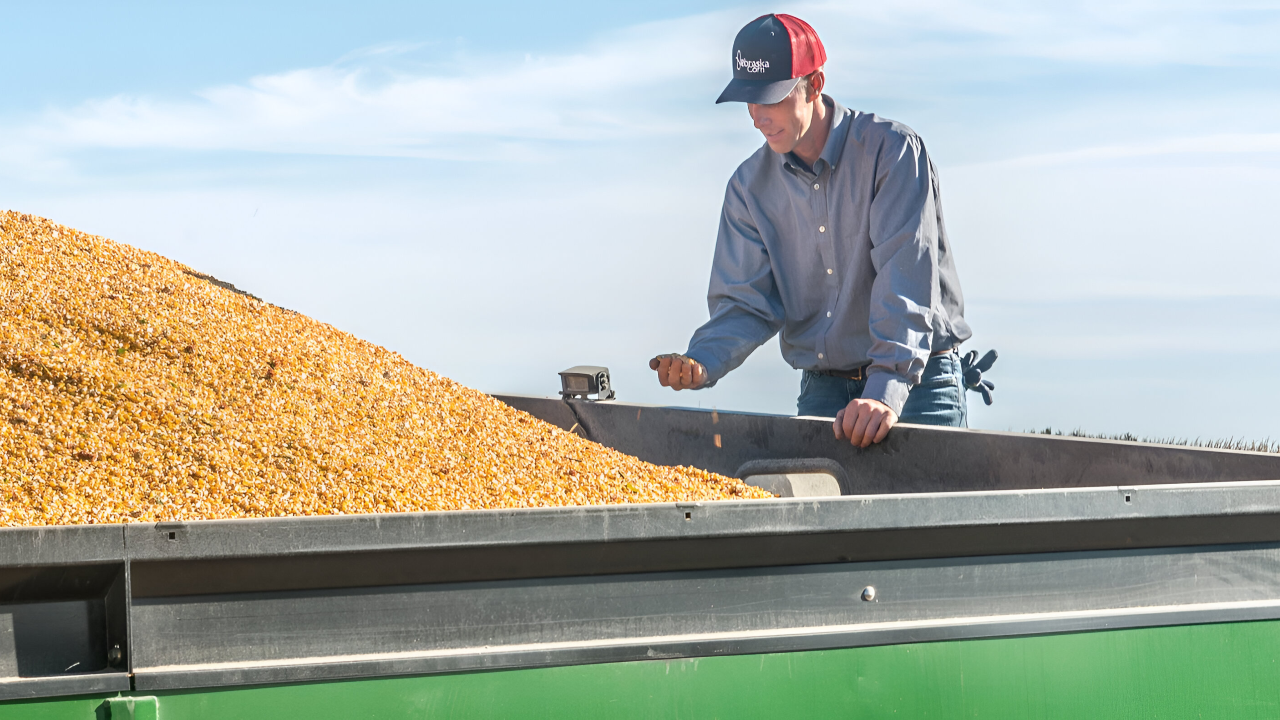
Farmers across the Midwest and South began noticing something troubling in late October: grain checks that were supposed to arrive weren’t coming. From Nebraska to Louisiana, and from Minnesota to Texas, producers who’d delivered their harvests found themselves waiting for payments that never materialized.
Phone calls went unanswered. And across eight states, a quiet panic spread as the reality set in: someone owed them millions, and no one was talking.
The $500 Million Question No One Could Answer
By early November, whispers had turned into urgent conversations at grain elevators. How could a major grain buyer—one operating terminals across multiple states—stop paying?
Court documents would later reveal the staggering scope: between $100 million and $500 million in liabilities, with 1,000 to 5,000 creditors left holding unpaid invoices. But in those anxious weeks, farmers had no answers—just mounting bills and empty mailboxes.
89 Pages of Victims Waiting in the Dark
The creditor list, when it finally emerged, read like a directory of American agriculture. Kansas led with 128 unpaid creditors. Nebraska counted 87. Texas had 72. The names spanned from family farms to major corporations—Cargill owed $2.6 million, while Viterra Canada was awaiting $4.7 million.
Beyond the 20 largest creditors, which owed more than $20 million, there were 89 additional pages: small co-ops and farm operations that had trusted the wrong buyer.
The Regulatory Red Flag That Went Ignored
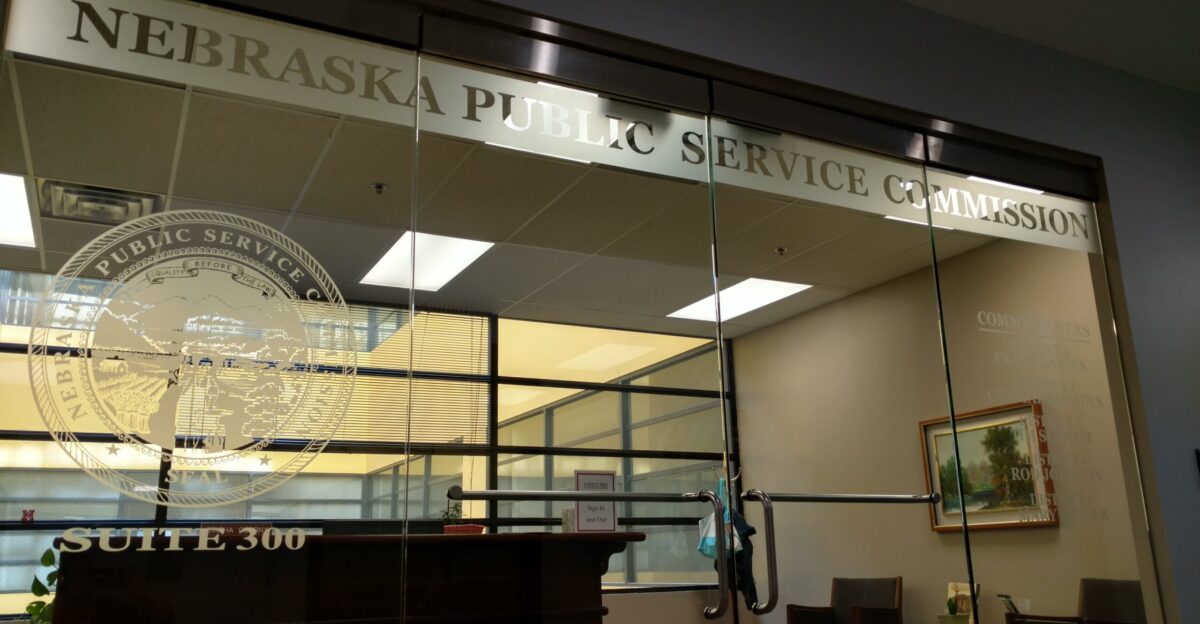
On October 24, 2025, Nebraska’s Public Service Commission suspended a grain dealer’s license after discovering roughly $2 million owed to 38 Nebraska farmers.
The regulatory shock was followed by license reinstatement on November 4 after the company agreed to pay $2.1 million in restitution. Thirteen days later, everything collapsed.
Hansen-Mueller’s $100 Million Bankruptcy Filing
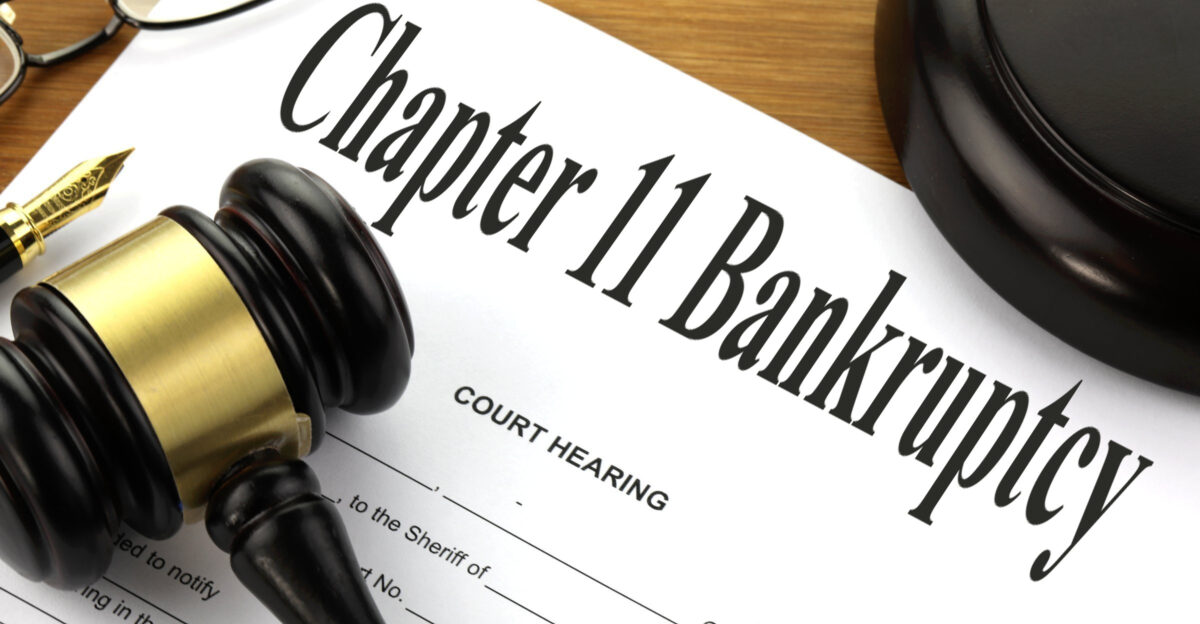
On Monday, November 17, 2025, Hansen-Mueller Co., an Omaha-based grain merchandiser, filed for Chapter 11 bankruptcy protection in the U.S. Bankruptcy Court in Nebraska.
CEO Josh Hansen stated that “the debtor’s tenuous financial position has deteriorated more rapidly than expected” after the October license suspension forced the company to field inquiries while cash inflow dried up.
The Failed Ventures That Bankrupted a Grain Empire

Court filings revealed costly mistakes that have been ongoing for years. Hansen-Mueller purchased a pasta plant in Fremont, Nebraska, in 2017, operated it from 2019 to 2021, and sold it for a “staggering $15 million loss” in 2022. The company also lost approximately $11 million on an unsuccessful proprietary trading software.
Add to that the recent tariff pressures, and the financial position became untenable. Court papers showed the company needed $340,000 biweekly for payroll, which was unsustainable when revenue collapsed.
A Company Still Trading While Farmers Wait
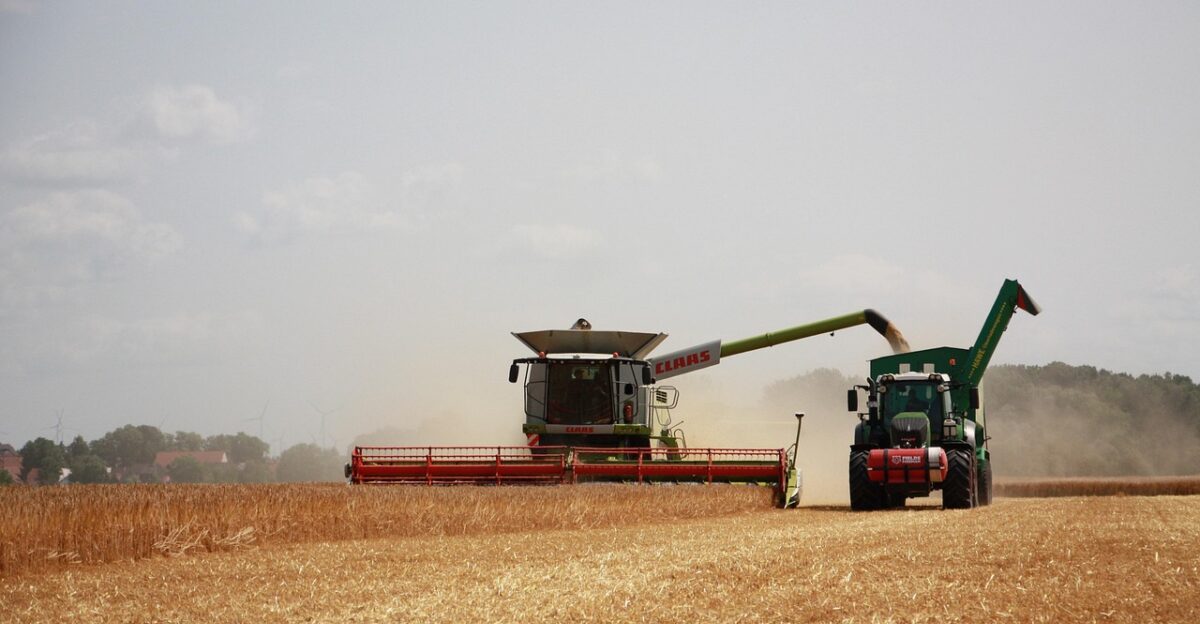
Hansen-Mueller continues operations as a “debtor in possession,” meaning the company, owing millions, continues to buy and sell grain while creditors wait. The company identified more than 30 potential buyers for a court-supervised asset sale.
For farmers who delivered grain before the filing, questions arise: which transactions get priority? Can new deals shield assets?
Post-Filing Protection That Excludes the Victims

Hansen-Mueller’s petition acknowledges it will meet “obligations to employees and key suppliers for post-filing goods and services.” Translation: anyone doing business after Monday gets paid. But farmers who delivered grain before filing are classified as unsecured creditors with no collateral.
Bankruptcy law prioritizes post-petition creditors first, leaving pre-petition deliveries at the bottom. The message is brutal: you may never see that money.
State Indemnity Funds Offer Partial Relief
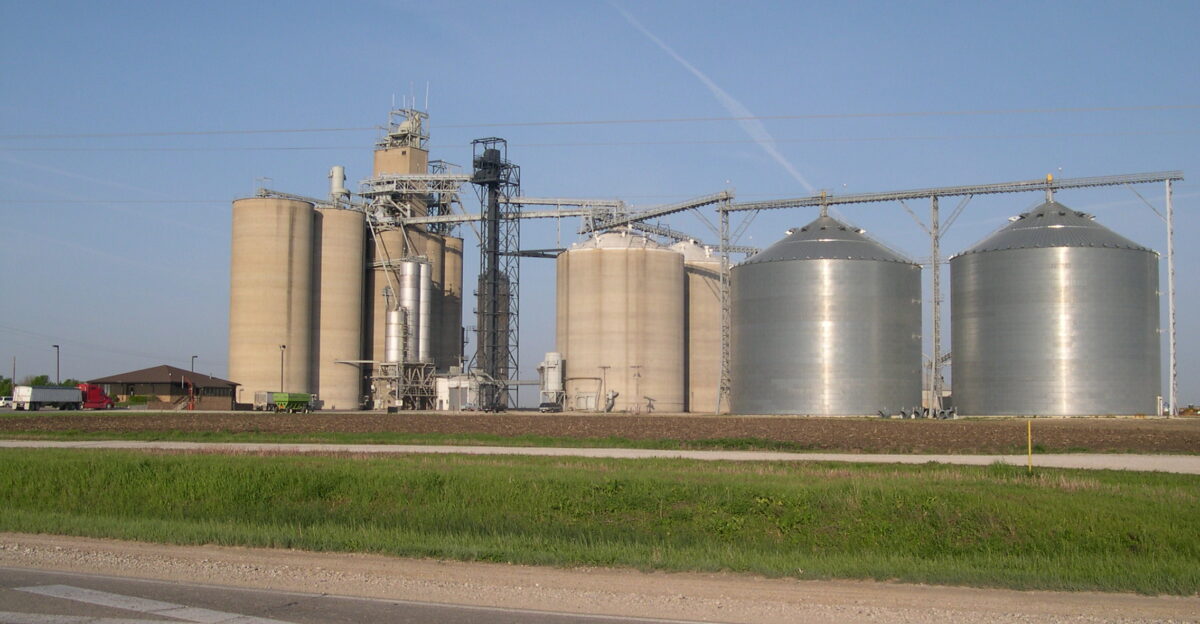
States like Minnesota activated grain indemnity funds to protect producers. Minnesota’s Department of Agriculture has urged farmers to file Grain Proof of Claim forms, along with scale tickets and contracts, as required by law.
However, these funds typically recover only a fraction of the losses, often due to eligibility requirements and processing delays—a bureaucratic maze while bills pile up.
The CEO’s Calculated Statement

Josh Hansen stated: “After careful consideration of all available strategic alternatives, the Board of Directors determined that a Court-supervised process is the most effective and efficient way to achieve an orderly sale of our assets. We believe this path will maximize the value for our creditors, employees, and all stakeholders.”
The language is careful and corporate. What it doesn’t address: thousands of farm families facing devastation.
Why Grain Buyers Hold Farm Survival in Their Hands
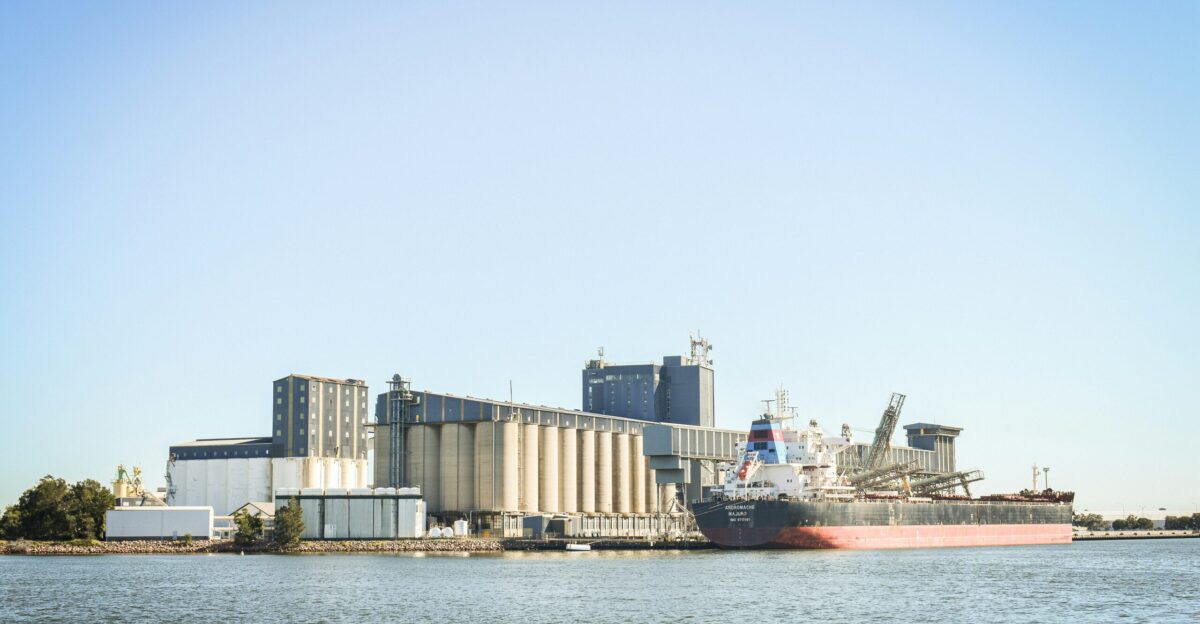
For farmers, grain buyers like Hansen-Mueller are the economic linchpin. These middlemen take delivery of the harvest and pay farmers promptly—money that covers operating loans, equipment payments, and next season’s inputs. When a buyer fails, the cascade is immediate.
A farmer holding $50,000 to $200,000 in unpaid claims may suddenly be unable to meet obligations and may be forced to liquidate their land or equipment.
The 10-to-30-Cents-Per-Dollar Recovery Realit

Bankruptcy court professionals estimate unsecured creditors may recover between 10 and 30 cents per dollar owed. Secured lenders get paid first. Trustees and administrative costs come next. By the time asset sales are finalized, unsecured creditors—farmers who delivered grain in good faith—divide what remains.
A farmer who was owed $100,000 might recover $10,000 to $30,000. Final recovery depends on auction results.
A Broader Agricultural Crisis Coming Into Focus
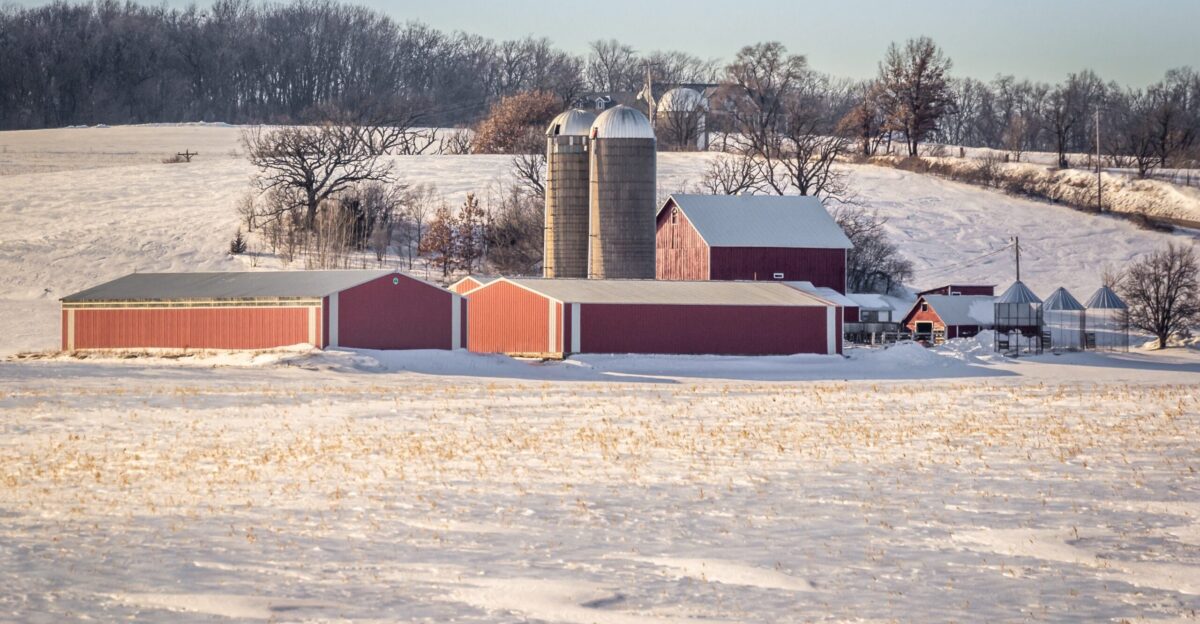
Hansen-Mueller’s collapse isn’t isolated. Farm bankruptcies in 2025 have already surpassed the total for 2024, with 361 Chapter 12 filings in the first half alone, representing a 13 percent increase. Corn prices have fallen roughly 50 percent since 2022. Soybeans are down about 40 percent.
Input costs remain elevated. Agricultural lenders flagged working capital shortfalls in spring 2025, warning that margin pressures were mounting.
The Working Capital Warnings Farmers Couldn’t Hear

By mid-year, 30 to 50 percent of Federal Reserve agricultural survey respondents reported lower repayment rates compared to the previous year, signaling a deterioration in credit. The warnings were buried in Federal Reserve reports and economist presentations.
For farmers focused on planting and harvesting, abstract warnings seemed distant—until a grain buyer stopped paying and abstract risk became a concrete crisis.
Multi-State Investigations Now Targeting Payment Failures
Beyond Nebraska’s action, authorities in Minnesota, North Dakota, and Texas launched investigations into Hansen-Mueller’s non-payment, adding to the company’s legal exposure during restructuring.
State regulators view payment failures as potential violations of the law. These investigations could influence claim prioritization in bankruptcy court and whether fraud or mismanagement charges surface.
Court-Supervised Auction: The Clock Is Ticking
Hansen-Mueller’s asset sale allows the company to sell substantially all its assets with court approval on a compressed timeline. The company claims 30-plus potential buyers are interested. But bankruptcy sales are unpredictable.
Buyers walk away. Court approvals take time. And while the legal process grinds forward, farmers wait—checking mailboxes, calling lawyers, wondering whether the auction will generate enough to recover even a fraction.
The Trust Equation That Just Shattered
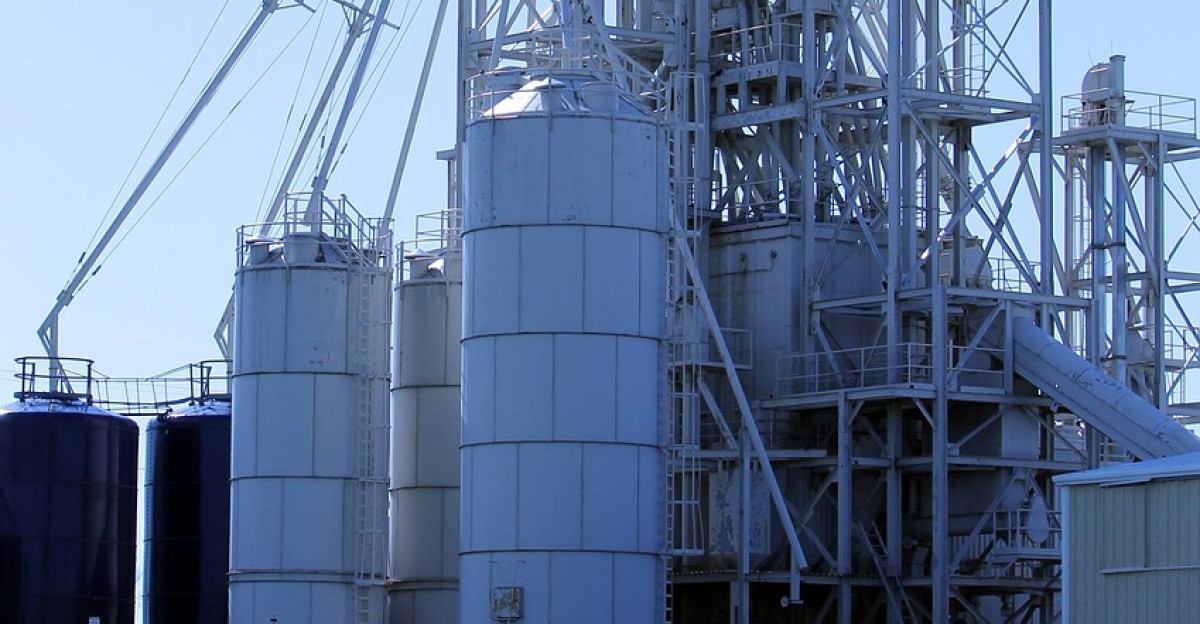
For decades, farmers operated on a fundamental assumption: grain elevators are rock-solid. Hansen-Mueller’s collapse shatters that equation. If even Cargill got burned (owed $2.6 million as an unsecured creditor), how can individual farmers assess counterparty risk? Many can’t.
They lack financial analysis tools and leverage. They farm. They deliver grain. They trust. When trust breaks, entire communities feel the shock.
Risk Management Lessons Farmers Can’t Ignore

Agricultural advisors now urge stricter protocols, including scrutinizing grain buyer financial health, diversifying sale channels, understanding state indemnity protections, reviewing contract terms, and hedging exposure to any single counterparty.
For younger and smaller operations, a major buyer’s failure can pose a significant threat to viability—the lesson is that farming demands not just agronomic skill but also sophisticated business risk management.
The Financial Limbo Stretching Into 2026
As Hansen-Mueller navigates the asset sale process, farmers across eight states remain trapped in financial limbo. Bills are coming due. Operating loans need servicing. Next season’s inputs loom. The answers they need—how much the auction will recover and when distributions will happen-remain months away.
Some farmers may not survive the wait. Some will sell land or exit farming entirely.
What This Collapse Reveals About American Agriculture
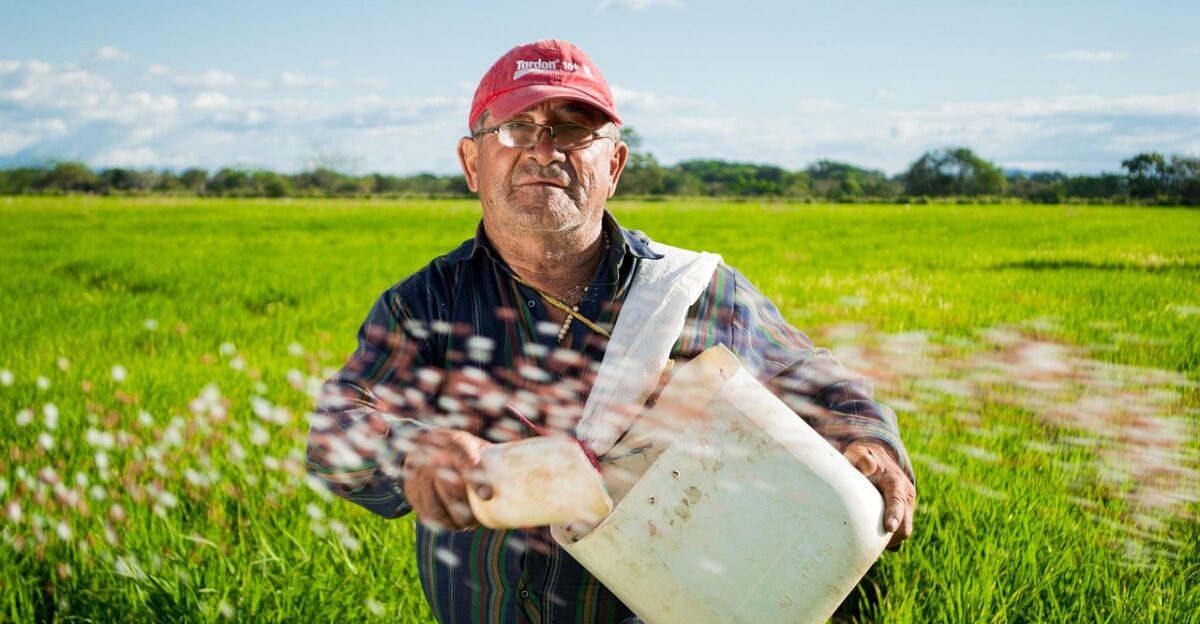
This isn’t just one company’s bankruptcy—it’s a window into the fragile infrastructure that supports American agriculture. When a regional grain buyer with $100 million to $500 million in liabilities collapses, thousands of farm families feel the immediate impact.
Hansen-Mueller’s farmers trusted the system. The system failed them. And the path forward remains uncertain, measured in court filings, auction bids, and families holding on—hoping recovery offers enough to survive another season.