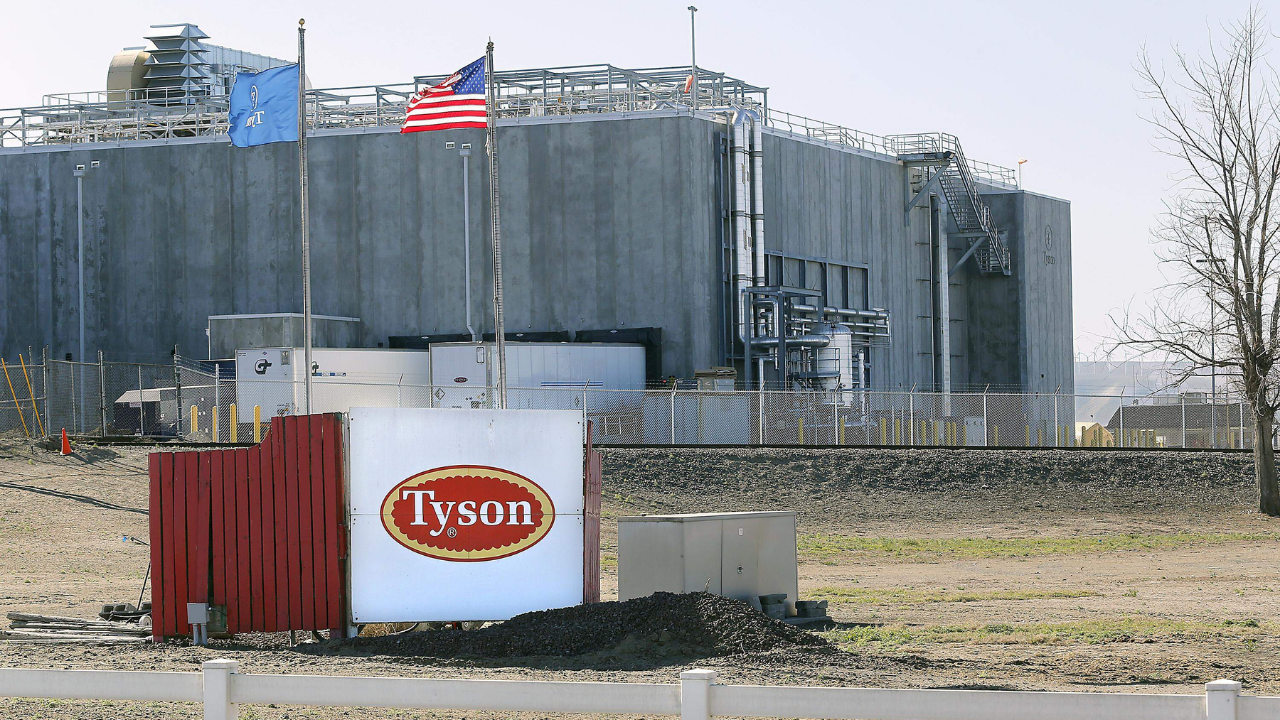
Tyson Foods announced on November 21, 2025, that it will permanently close its Lexington, Nebraska beef processing plant and reduce its Amarillo, Texas facility to a single shift by January 20, 2026. The decision eliminates 4,900 jobs—3,200 in Lexington alone, a city of approximately 11,000 residents. Together, these closures strip roughly 5% of U.S. national beef slaughter capacity, sending shockwaves through rural America and signaling a structural crisis in the nation’s protein supply chain.
The Supply Crisis Behind the Cuts
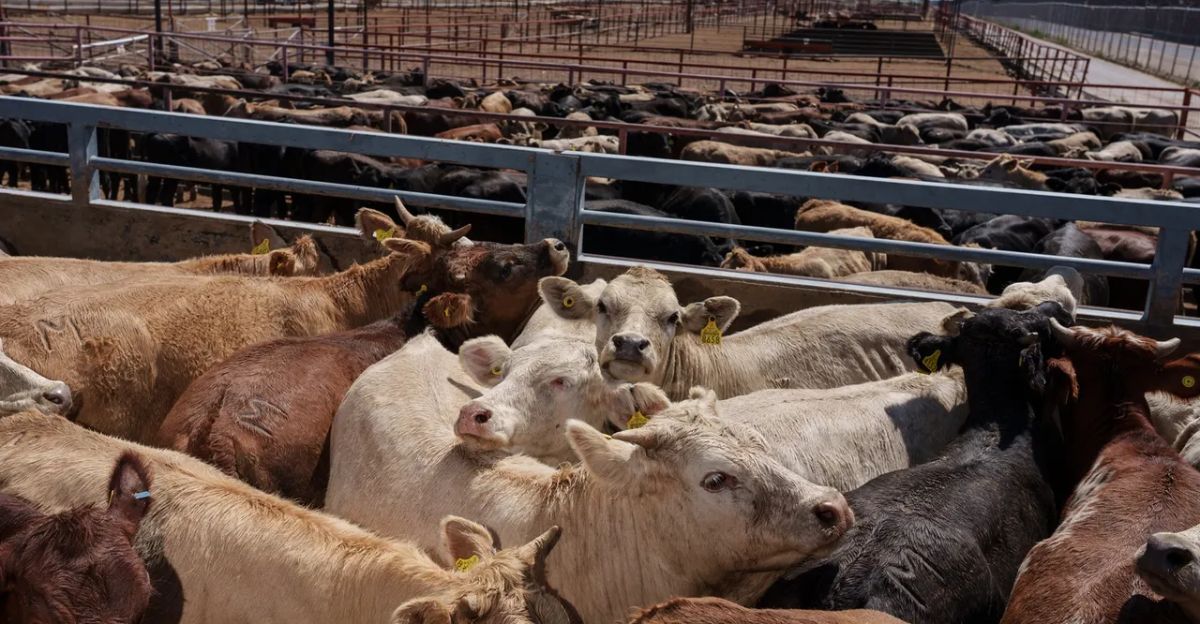
U.S. cattle supplies have plummeted to their lowest level in 75 years. As of July 1, 2025, the national herd stood at 94.2 million head—the smallest inventory since 1951. Six consecutive years of drought-forced herd liquidation devastated ranchers nationwide, compelling them to sell breeding stock faster than herds could rebuild. The January 2025 beef cow inventory reached 27.86 million head, the smallest since 1961.
High feed costs, persistent drought conditions, and years of forced liquidation created unprecedented supply constraints. Tyson’s closures reflect economic reality: fewer cattle means reduced processing needs and inevitable capacity cuts across the industry. The company projects beef division losses of $400-600 million in fiscal 2026, following $426 million in losses over the previous twelve months.
Consumer Prices Climb as Choices Narrow
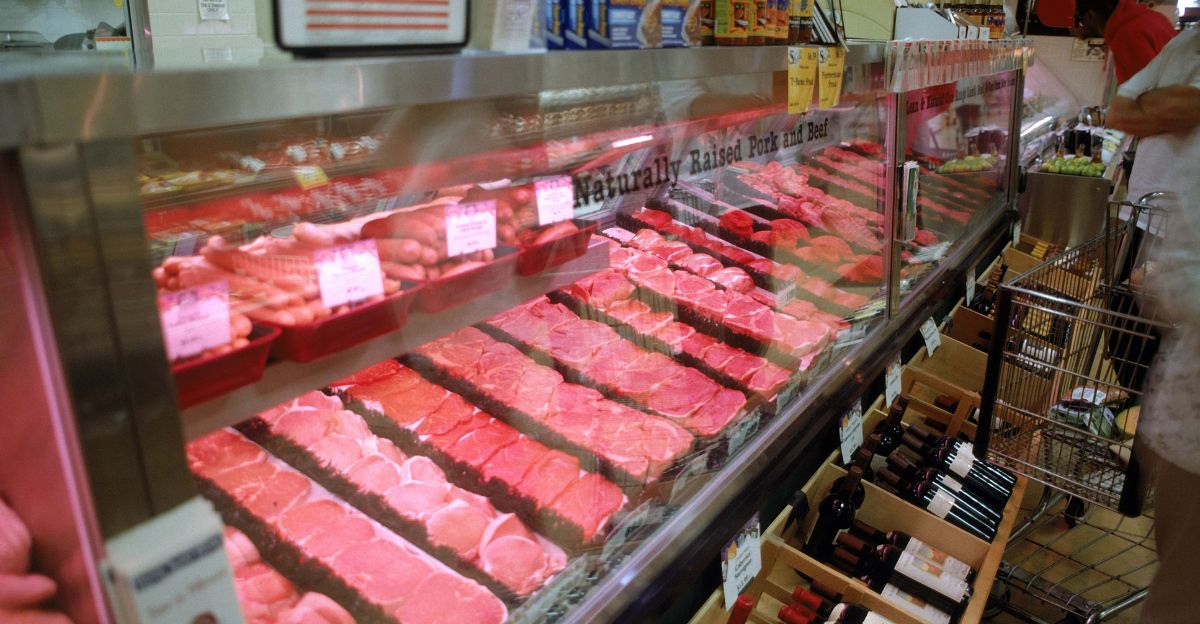
American consumers face sustained high beef prices with minimal relief projected through 2026. Retail beef prices climbed from $8.40 per pound in March 2025 to $9.18 per pound by August—a 9% increase in five months. Ground beef now exceeds $6 per pound nationally, with beef prices reaching 13.9% above year-ago levels by late 2025.
Despite record prices, consumer demand remains remarkably strong, demonstrating price-inelastic preferences for beef. Shoppers increasingly shift toward lower-cost cuts like ground beef while reducing premium steak purchases. Tyson’s capacity reduction will tighten supplies further through 2026, sustaining elevated prices and forcing households to recalibrate protein budgets and meal planning strategies.
Restaurants and Retailers Adapt Rapidly
Quick-service restaurants and casual dining chains face mounting pressure as beef supplies tighten. McDonald’s, Wendy’s, and regional burger chains depend on stable beef pricing and predictable supply chains. Tyson’s capacity cuts will exacerbate scarcity, forcing chains to reduce portion sizes, raise menu prices, or substitute chicken and plant-based alternatives.
Major grocery chains—Walmart, Kroger, Albertsons—navigate difficult sourcing and pricing decisions. Beef promotions shrink as supply tightens and procurement costs rise. Retailers increasingly source beef from imports or smaller regional processors to maintain inventory. Chains emphasize chicken, pork, and plant-based alternatives in weekly advertisements and loyalty programs. Fine dining and steakhouses face existential operational pressures, with menus increasingly pivoting toward chicken, seafood, and vegetarian options as premium beef supplies become scarce and expensive.
Competing Proteins Capture Market Share
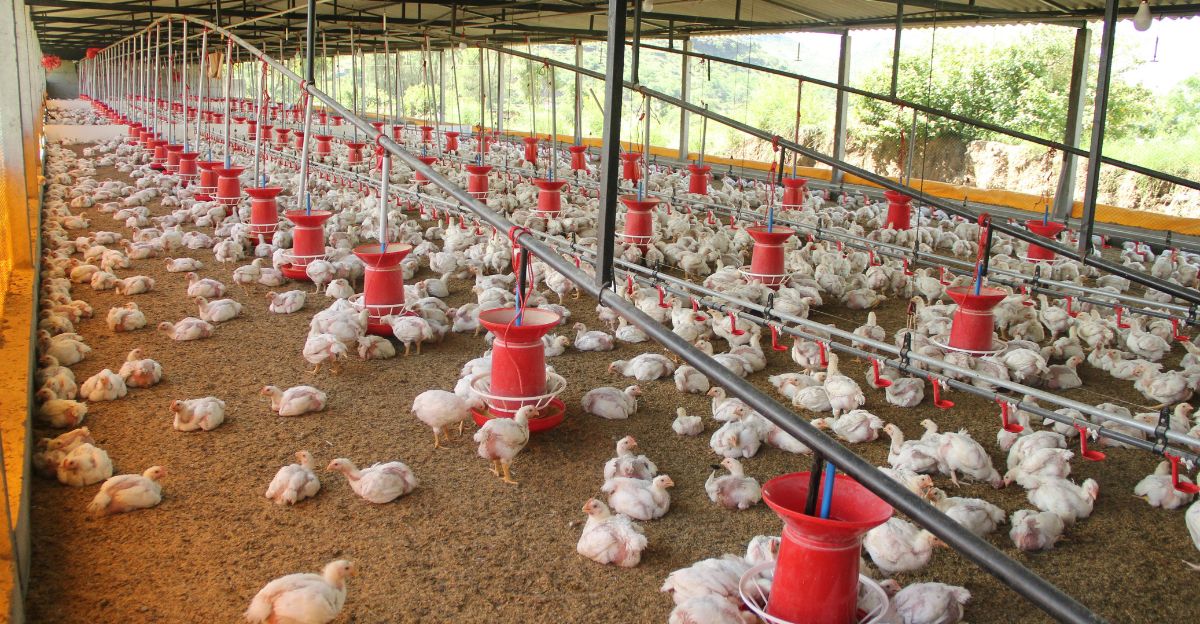
As beef becomes scarcer and costlier, competing proteins capture expanding market share. Chicken producers report robust demand as budget-conscious consumers trade down from beef. Pork processors see increased orders from retailers and foodservice operators seeking alternatives. Plant-based meat companies position products as affordable, sustainable substitutes.
Winners emerge across alternative protein sectors: chicken producers, plant-based companies, and regional meat processors gain market share and investment capital. Losers multiply: beef-dependent restaurants close permanently, leather and pet food manufacturers struggle with supply constraints, and rural communities hemorrhage jobs and tax revenue.
Lexington Faces Economic Devastation
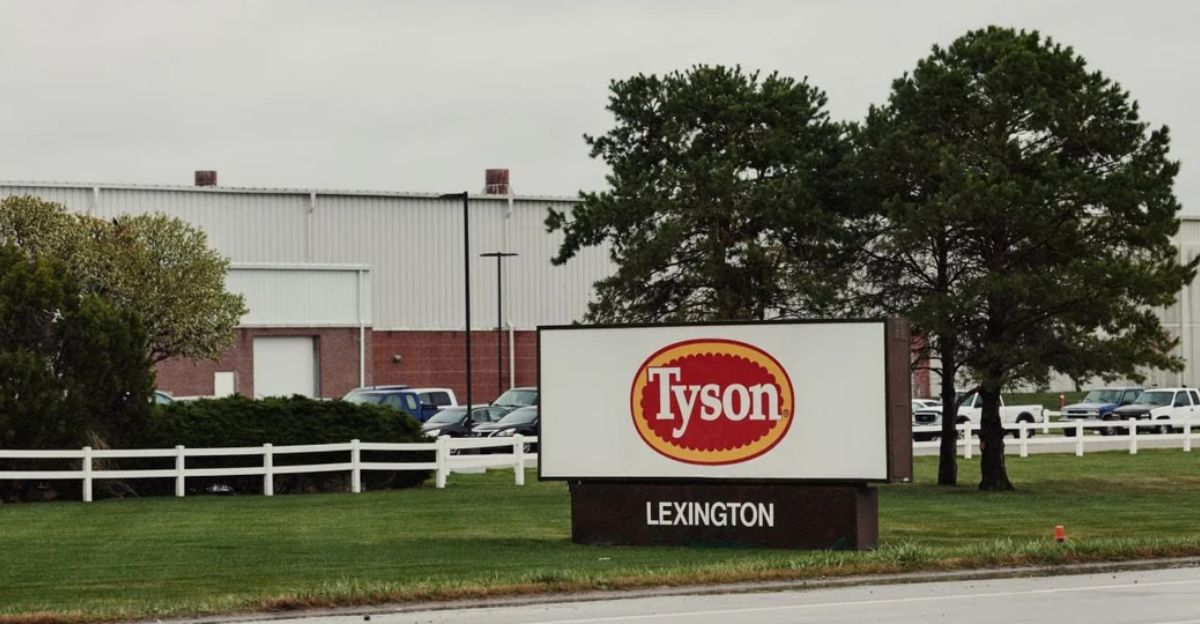
Clay Patton, vice president of the Lexington Area Chamber of Commerce, called the closure “a devastating blow.” The plant employs approximately 3,200 workers in a community of 11,000—nearly one-third of the entire population. Tyson’s announcement offered limited support: potential transfers to distant facilities requiring family relocation hundreds of miles away.
Workers face unemployment, mortgage defaults, and displacement. Local schools will lose crucial tax revenue. Small businesses dependent on worker spending confront potential collapse. The closure represents one of the largest single-plant job losses in recent U.S. meatpacking history relative to host community size, threatening Lexington’s economic survival.
Policy Response and Long-Term Outlook
In October 2025, USDA Secretary Brooke Rollins unveiled a comprehensive strategy to stabilize the beef industry, focusing on expanding grazing access on federal lands, streamlining permits, reducing regulatory barriers, and expanding processing capacity among small and regional processors. However, implementation requires years, offering negligible immediate relief to Lexington or displaced workers.
USDA projects cattle inventory will stabilize in early 2025, then begin gradual expansion through 2027-2028. However, substantial headwinds persist: elevated interest rates, ongoing drought risk, labor shortages, and aging rancher demographics. Herd rebuilding requires years—cattle reach market weight in 18-24 months. Meaningful supply relief won’t materialize until 2027-2028 at earliest. Tyson’s closures may prove permanent; reopening shuttered facilities requires herd recovery confirmation and demand certainty.
Tyson’s decision reflects systemic crisis extending far beyond two rural communities. Consequences ripple from dinner tables to global trade, from restaurant menus to environmental debates, from financial markets to public health transformations. The crisis demands coordinated policy response, rancher support, consumer adaptation, and infrastructure investment to reshape American agriculture and stabilize global food systems.