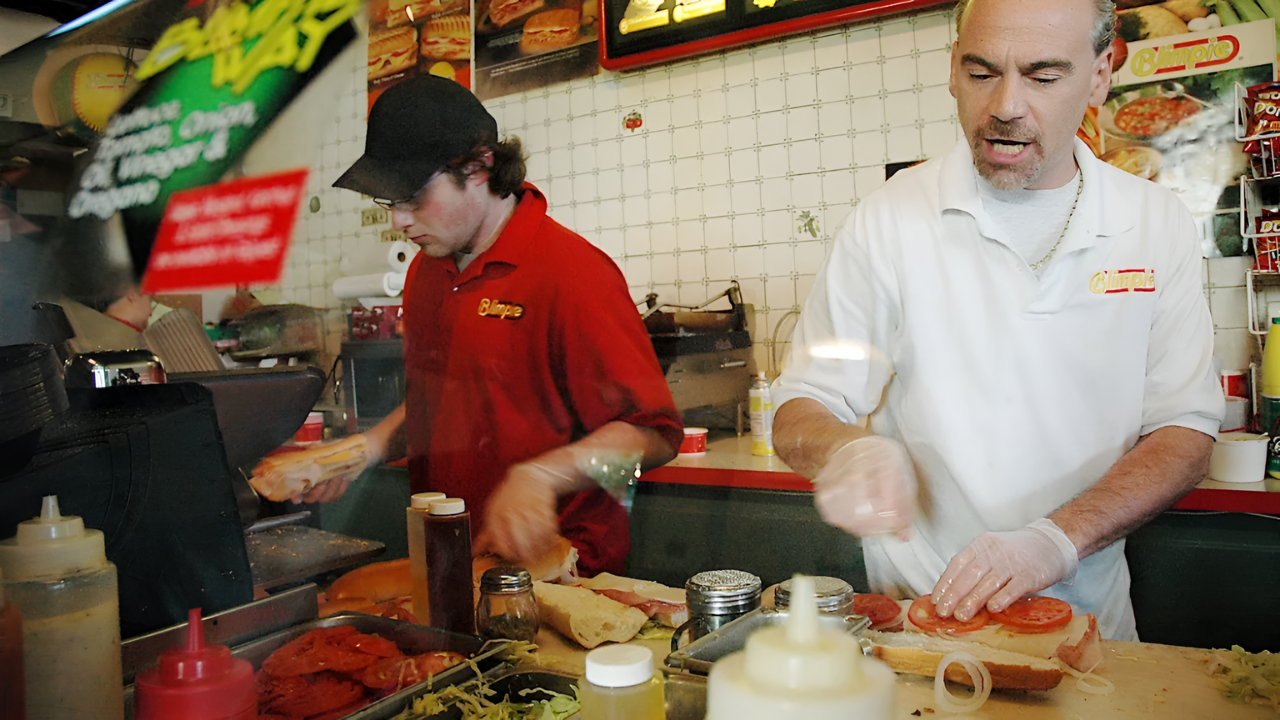
In the blink of an eye, Blimpie’s once-thriving empire of nearly 2,000 stores across America has dwindled to fewer than 100. From its humble beginnings in a Hoboken basement, the sandwich chain that once rivaled Subway has quietly disappeared from most neighborhoods.
The shocking reality: a company that once commanded prime retail space has now become a rare sight, leaving only empty storefronts in its wake. What led to this dramatic fall from dominance?
A Collapse Unlike Any Other
Between 2001 and 2011, Blimpie closed over 1,000 locations. By 2023, just 200 stores remained. Now, in 2025, the total has dropped to only 95 locations, with the highest concentrations in New Jersey (20 stores) and Georgia (15 stores).
A staggering 95% of its footprint has disappeared in less than 25 years, marking one of the most rapid collapses in the restaurant industry.
The Humble Beginnings

In 1964, three partners borrowed money to open the first Blimpie in Hoboken, New Jersey. The submarine sandwich concept quickly caught on, and by 1983, Blimpie had expanded to 150 franchises.
The business model seemed unstoppable, relying on aggressive expansion across the country to grow its footprint and brand.
The Peak and the Turning Point
By the early 2000s, Blimpie reached approximately 1,850 to 2,000 locations. However, cracks began to show. A change in ownership in the early 2000s triggered strategic missteps, while increasing competition from Subway intensified.
The pressure from national competitors and local sandwich shops became overwhelming. Blimpie’s margins shrank, and the collapse started.
The Expansion Blunder

Blimpie’s aggressive expansion into nontraditional spaces—such as convenience stores, kiosks, and carts—was a key misstep. These locations failed to generate profits. Between mid-2000 and mid-2001, 155 locations closed, with approximately 70% in nontraditional venues.
This strategy revealed a lack of understanding about where sandwich shops could thrive, accelerating the brand’s decline.
Regional Clusters

Today, Blimpie has fewer than 100 stores across 24 states, with the strongest presence in New Jersey and Georgia. The company’s birthplace, New Jersey, continues to hold strong ties to the brand.
However, the chain no longer enjoys national prominence. Blimpie’s once vast reach has been reduced to a shadow of its former self.
Jobs and Franchisee Losses

The closure of approximately 1,900 locations over two decades led to the loss of thousands of jobs. Franchise owners, many of whom invested their life savings, saw their businesses collapse as Blimpie’s brand eroded.
SBA loan data shows that 46% of Blimpie franchisees who received government-backed loans defaulted—among the highest failure rates in the franchise industry. Communities that relied on Blimpie for local jobs were hit hardest, with little support for those affected.
Why Blimpie Couldn’t Keep Up
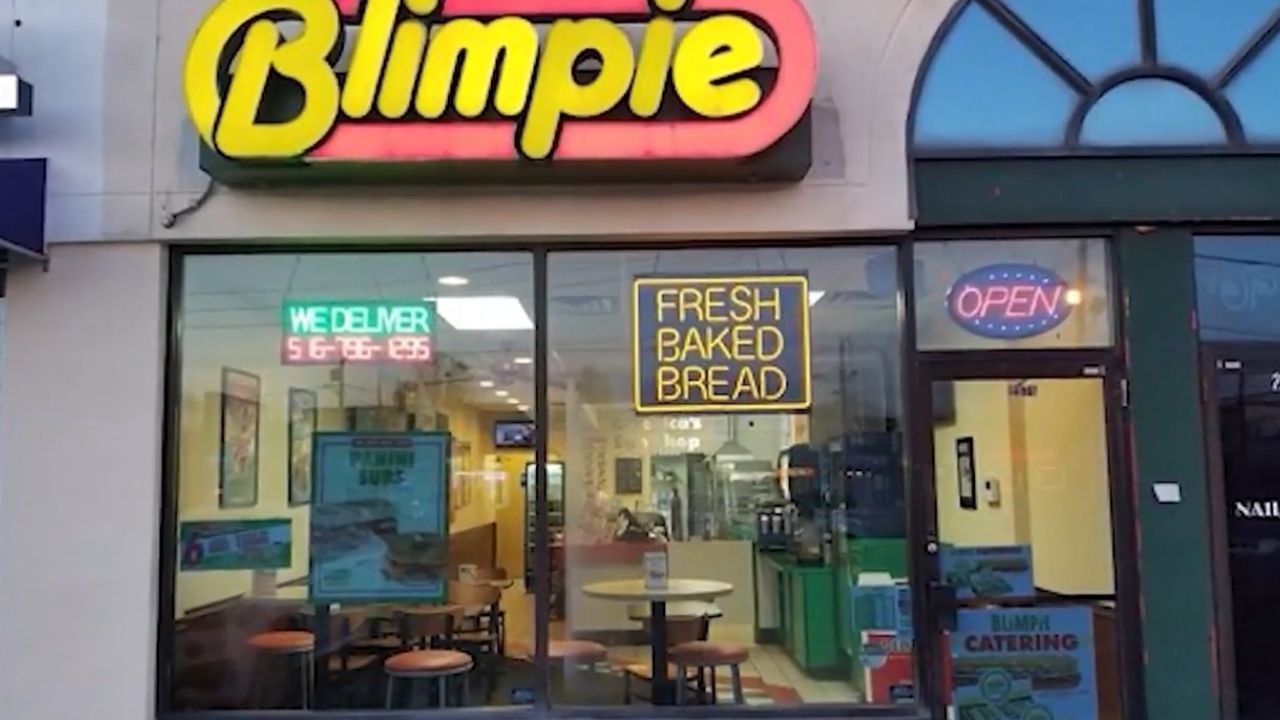
Subway’s rise in the 2000s came with a low-cost, high-volume franchise model that Blimpie couldn’t match. With more than 27,000 U.S. locations by 2015, Subway had unmatched purchasing power and brand recognition.
Even as Subway has struggled in recent years, its dominant position during Blimpie’s critical growth period meant Blimpie never had a realistic chance to compete at scale.
Independent Shops Beat the Chains
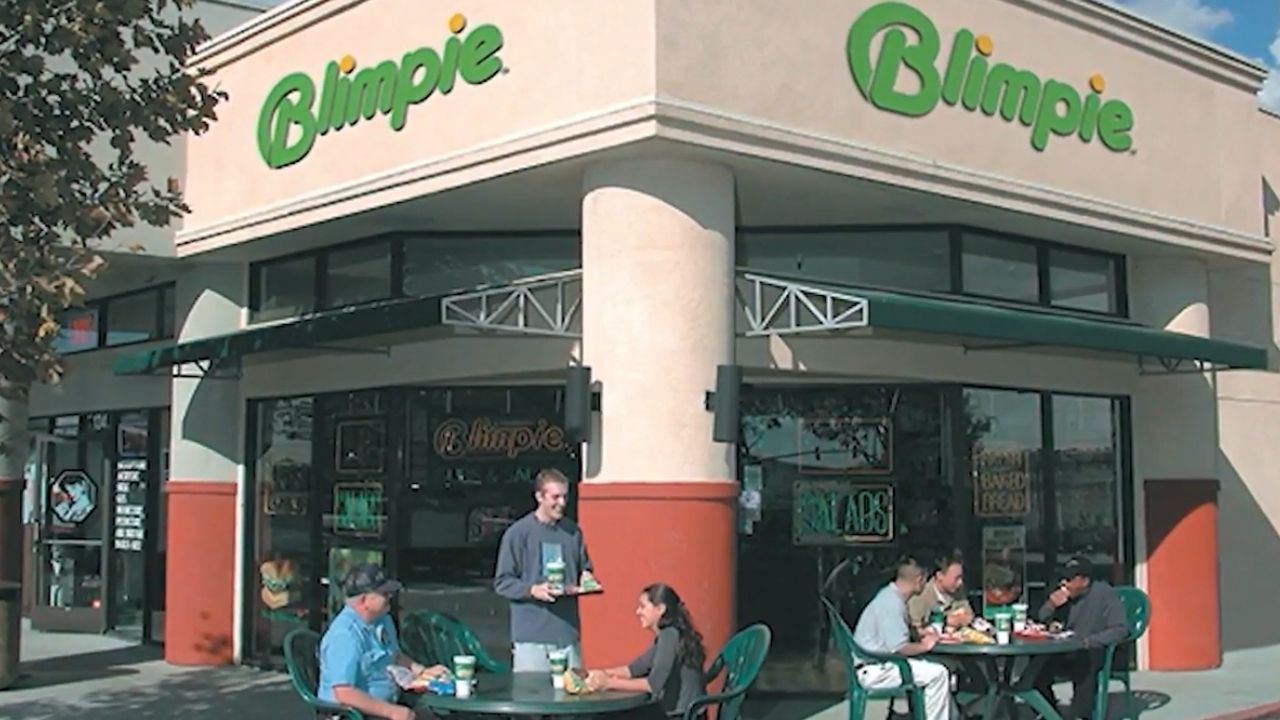
Local sandwich shops often outperform national chains, especially in regions with strong food cultures. These small businesses focus on quality ingredients and customer service—areas where Blimpie’s cost-cutting measures left it vulnerable.
Many customers opted for fresher, more satisfying sandwiches at independent delis rather than Blimpie’s standardized offerings.
A Warning for the Franchise Industry

Restaurant industry analysts have explained a key trend: many chains suffer from their own actions. Cost-cutting measures like smaller portions and lower-quality ingredients, often used to maintain low prices, harm the customer experience.
Blimpie exemplifies how a brand’s desire for cost savings can spiral into a loss of quality and customer loyalty.
The 2006 Acquisition: Could Kahala Have Saved Blimpie?
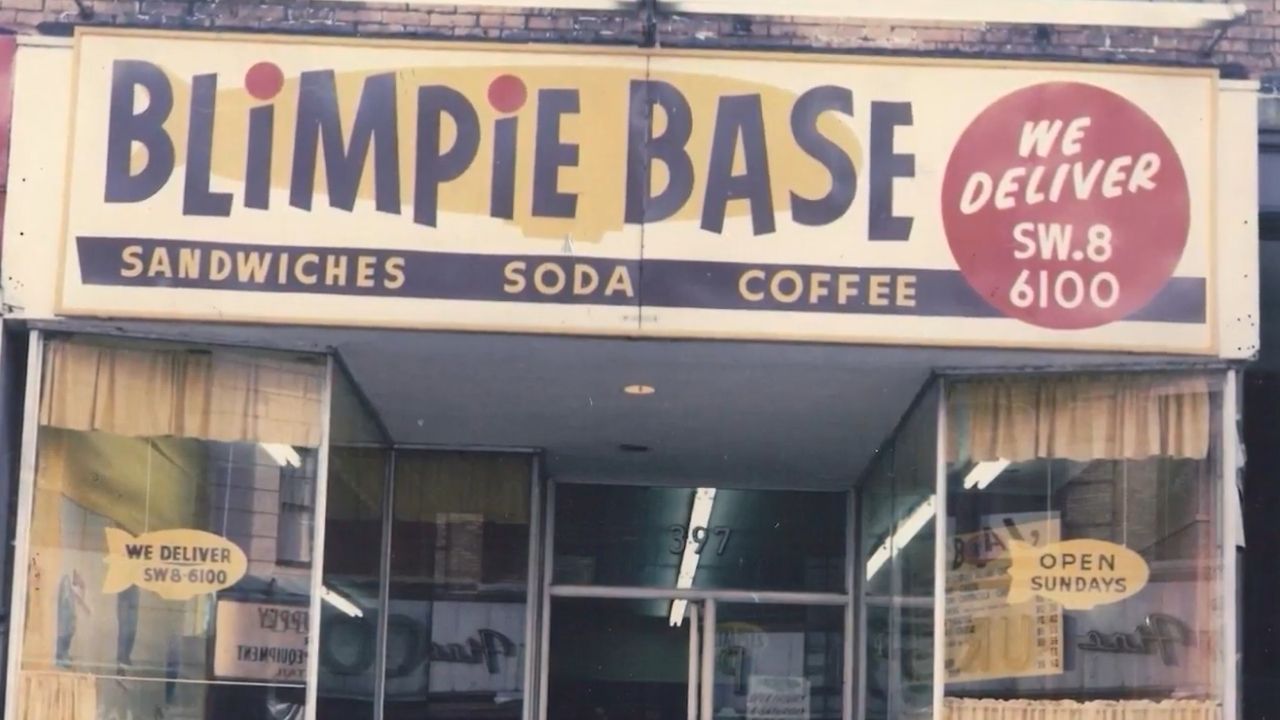
In 2006, Kahala Brands (then Kahala Corp.) took over Blimpie, hoping to revitalize the chain. Despite owning successful brands like Cold Stone Creamery, Auntie Anne’s, and Cinnabon, Kahala couldn’t reverse Blimpie’s decline.
By 2011, the brand had shrunk to just 739 stores. Blimpie’s fate seemed sealed, with no amount of ownership change able to stop its slide.
Franchise Economics and Poor Management
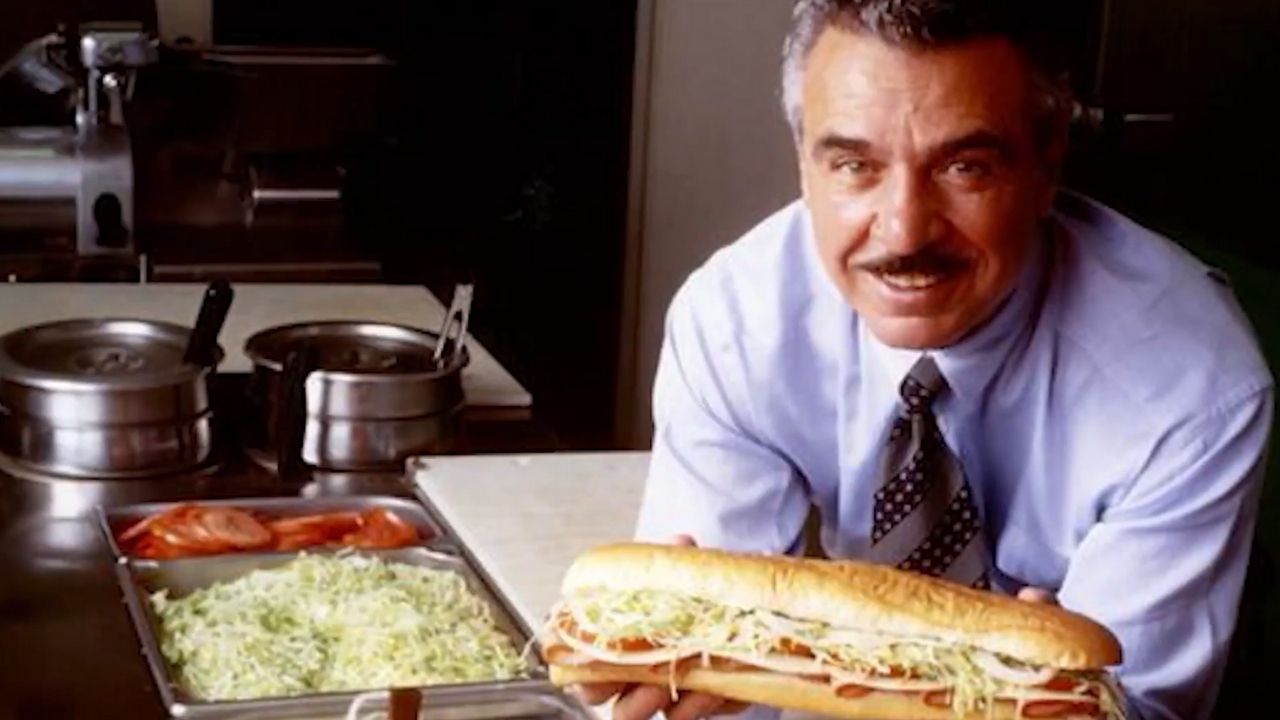
Industry analysts highlight poor management decisions as central to Blimpie’s downfall. Overexpansion into saturated markets and selling franchises to undercapitalized operators created a fragile network.
Rising costs further stressed franchisees who lacked the resources to adapt. This made Blimpie’s business model unsustainable, leading to widespread closures.
The Comeback That Never Happened

Despite Kahala’s efforts, Blimpie never recovered. No amount of rebranding, new menu items, or marketing campaigns could save the chain.
Blimpie lacked the capital and brand recognition to compete with Subway or the rapidly expanding Jersey Mike’s. By the 2010s, younger consumers had moved on, and nostalgia alone couldn’t bring the brand back.
Can Blimpie Survive?

Industry experts express skepticism about Blimpie’s future. With fewer than 100 locations, the chain has limited negotiating power for supplier contracts and lacks the capital to invest in marketing or technology.
Unless Kahala commits significant resources to a full turnaround, Blimpie’s future looks uncertain, and further closures may continue.
The End of an Era?

Blimpie’s future rests on whether Kahala Brands chooses to invest further or divest. The chain could continue as a regional brand in New Jersey and Georgia, catering to loyal customers.
Alternatively, Kahala might accelerate closures, sell off the brand, or attempt selective franchising in high-traffic areas. The possibility of a nationwide revival seems unlikely.
The Crisis in the Franchise Model
Blimpie’s decline is part of a larger issue plaguing the franchise model. Rising labor costs, food inflation, and changing consumer tastes have made the low-cost, high-volume model unsustainable for many brands.
Similar chains, like Quiznos, also faced bankruptcy in 2014 due to poor franchise economics. Blimpie’s collapse exemplifies the challenges faced by the franchise restaurant industry.
Jersey Mike’s and Jimmy John’s
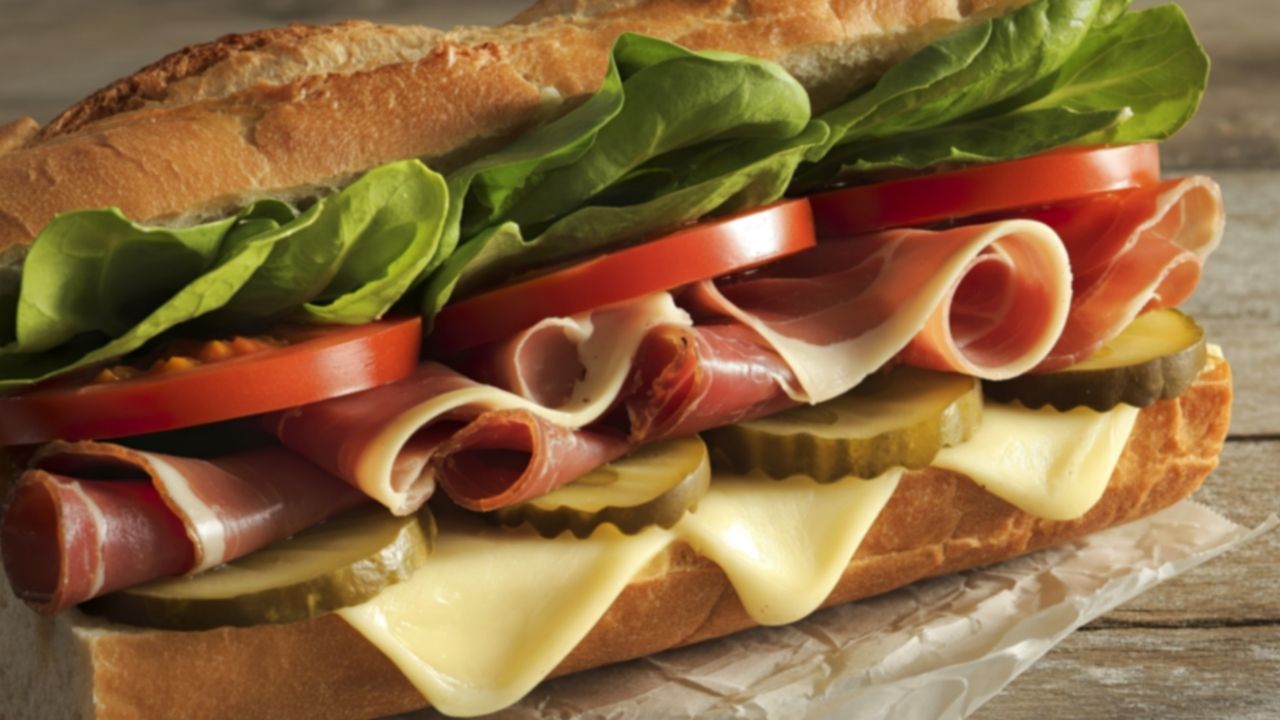
As Blimpie shrank, competitors like Jersey Mike’s and Jimmy John’s grew. Jersey Mike’s expanded aggressively, focusing on quality and better-capitalized franchises, eventually reaching over 3,000 locations. Meanwhile, Jimmy John’s succeeded with its delivery-focused model.
These chains capitalized on Blimpie’s weaknesses, with Jersey Mike’s—which traces its origins to a 1956 submarine sandwich shop in Point Pleasant, New Jersey—surpassing the brand that helped inspire the category.
The Pandemic’s Role in Accelerating Decline
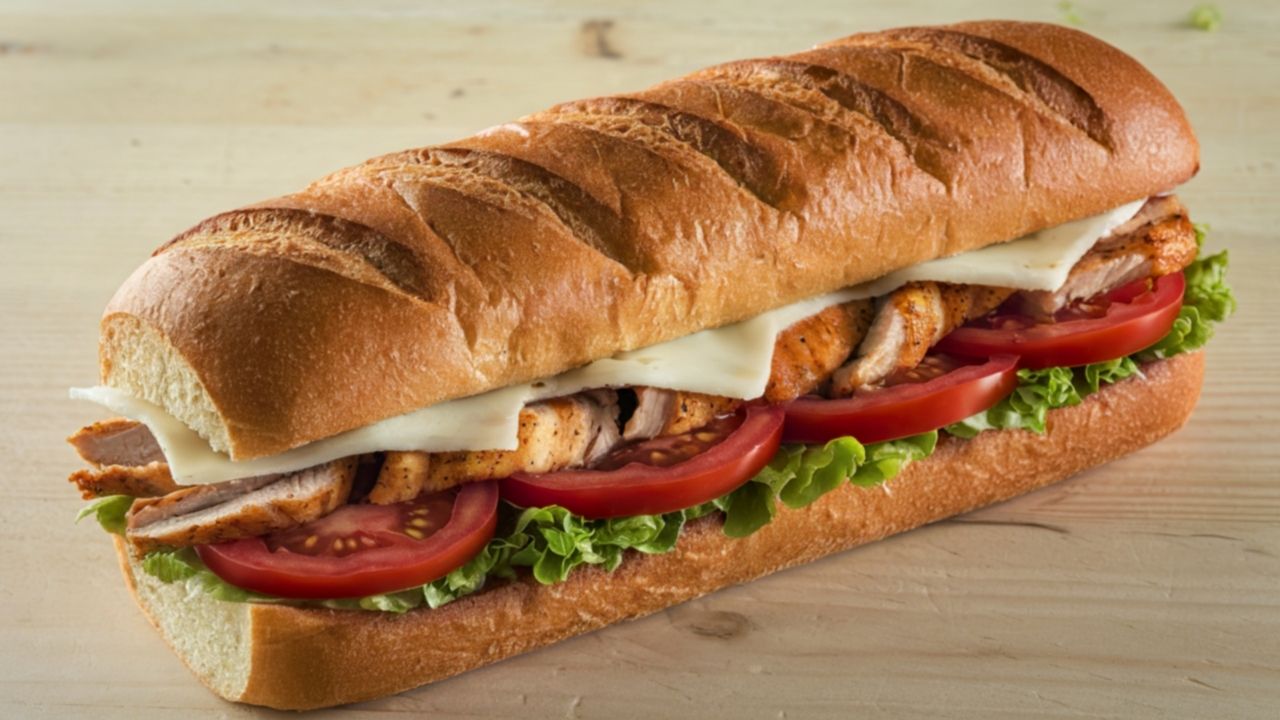
The COVID-19 pandemic hit the restaurant industry hard, and struggling chains like Blimpie faced particular challenges. Franchisees already working with slim margins found it difficult to survive extended disruptions.
Unlike larger chains with more resources to adapt to delivery and digital ordering, Blimpie’s small operators had fewer options, and the pandemic likely accelerated the chain’s ongoing decline.
Blimpie and the Next Generation

Young consumers, raised on Subway, Jersey Mike’s, and Chipotle, have little connection to Blimpie. The brand’s decline in the 2000s and lack of marketing to younger generations left Blimpie largely invisible.
As it closed stores and reduced its marketing budget, the brand became irrelevant to the demographic that other sandwich chains relied on for growth.
What Blimpie’s Collapse Means for Retail
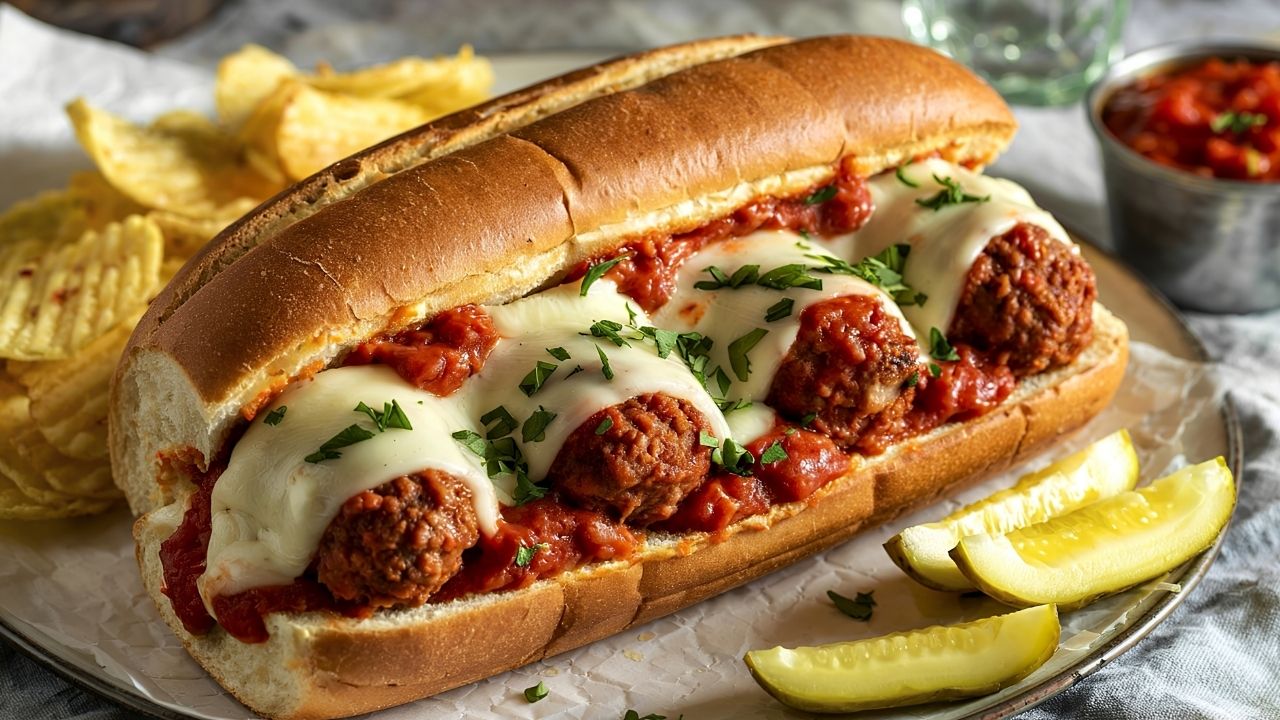
Blimpie’s near-extinction reveals how critical scale and brand power are in competitive markets. From a modest startup to 2,000 locations, the chain couldn’t survive the combination of strategic missteps.
It also couldn’t survive changing consumer preferences and an unsustainable franchise model. Blimpie’s collapse is a cautionary tale for entrepreneurs—execution, not just concept, is key to survival.
Sources:
“Why Blimpie Is Struggling To Stay In Business.” Mashed, 9 Mar 2024.
“61-year-old sandwich chain quietly shuts nearly 2000 shops.” Yahoo Finance, 28 Dec 2025.
“Kahala Corp. Announces Acquisition of BLIMPIE Restaurant Chain.” QSR Magazine, 25 Jan 2006.
“A brief history of Quiznos’ collapse.” Restaurant Business, 12 Jun 2018.