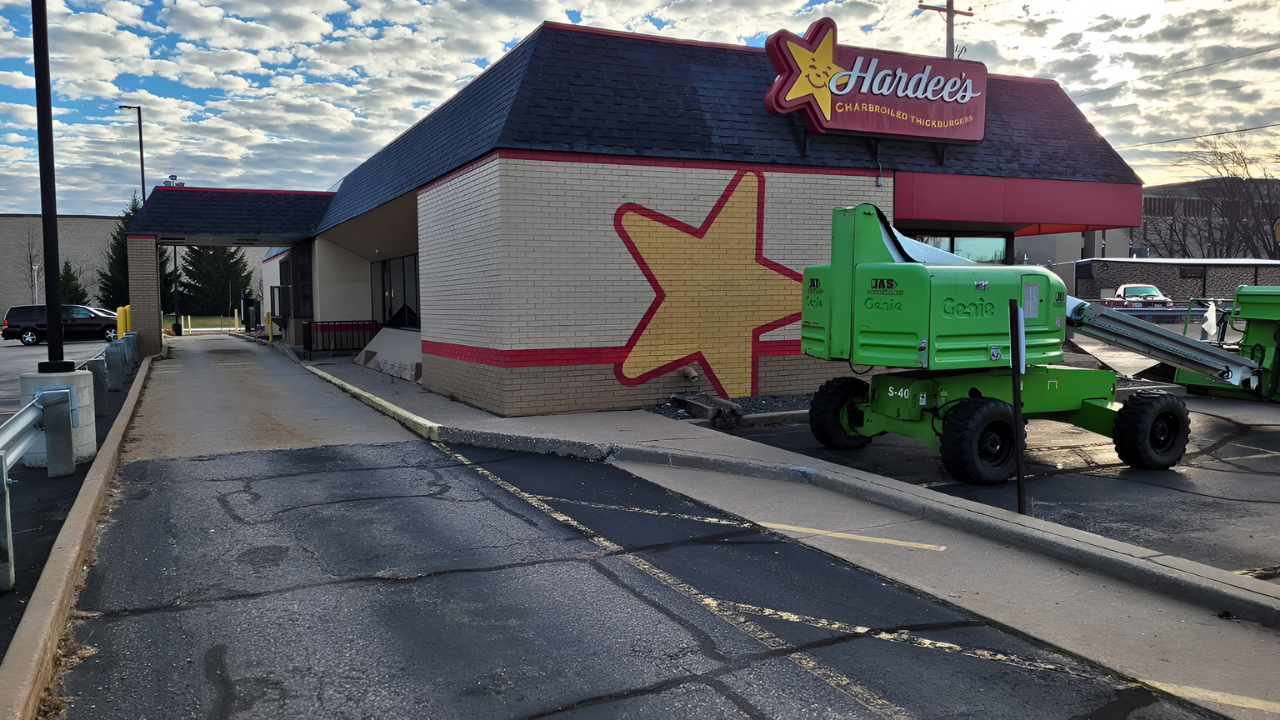
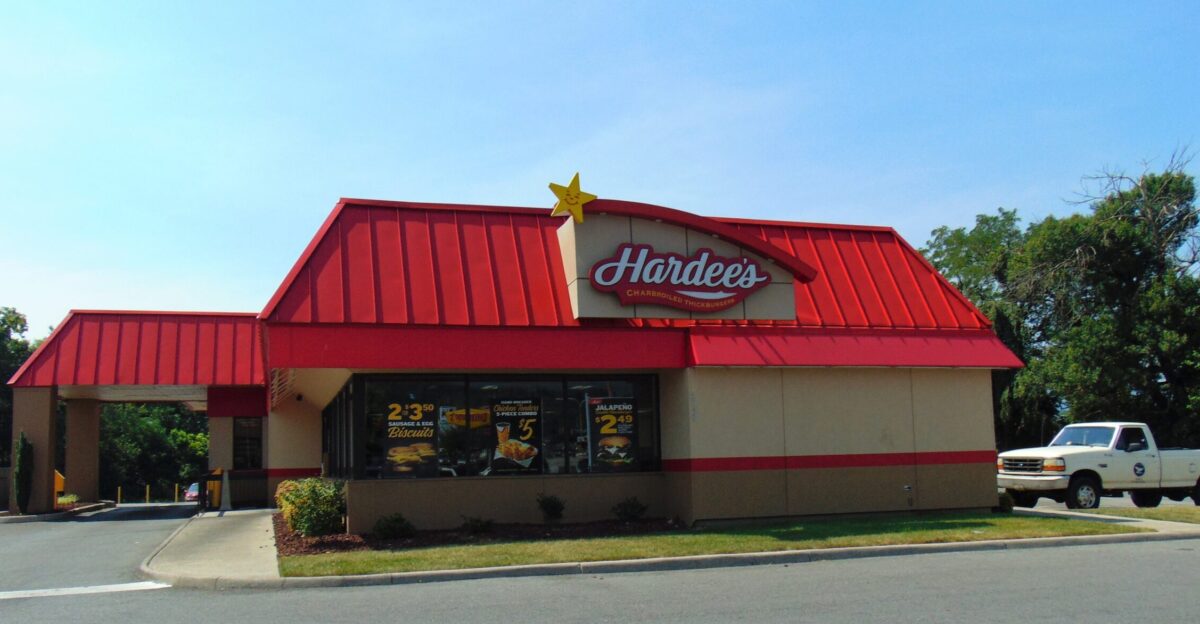
By December 31, 2025, seventy-seven Hardee’s restaurants had locked their doors for the final time, their familiar red-and-yellow signs going dark across eight states.
Employees arrived for shifts that no longer existed. Regular customers found parking lots empty and drive-thru lanes silent. The mass closure—affecting locations from Montana to Florida—represented one of the largest single-franchise implosions in modern fast-food history.
The $6.5 Million Trigger

The collapse began with a lawsuit. On November 21, 2025, Hardee’s Restaurants LLC sued franchisee ARC Burger in federal court in Tennessee, demanding more than $6.5 million in unpaid obligations.
The complaint alleged ARC Burger stopped making required payments in December 2024, including franchise royalties, advertising contributions, technology fees, rent on 28 sublease locations, taxes, and accrued interest. Rather than negotiate, ARC Burger chose total shutdown.
The Profitable Paradox

The lawsuit contained a stunning accusation: Hardee’s claimed ARC Burger was “profitably running the restaurants” yet still defaulted on payments. How could a franchisee operating 77 locations generate profits while refusing to pay millions in contractual obligations?
The paradox suggests either severe cash-flow management failures, strategic decisions to withhold funds amid disputes, or questions about what “profitable” truly means in franchise economics.
But the crisis facing Hardee’s extends far beyond one franchisee’s collapse.
The Two-Year Unraveling
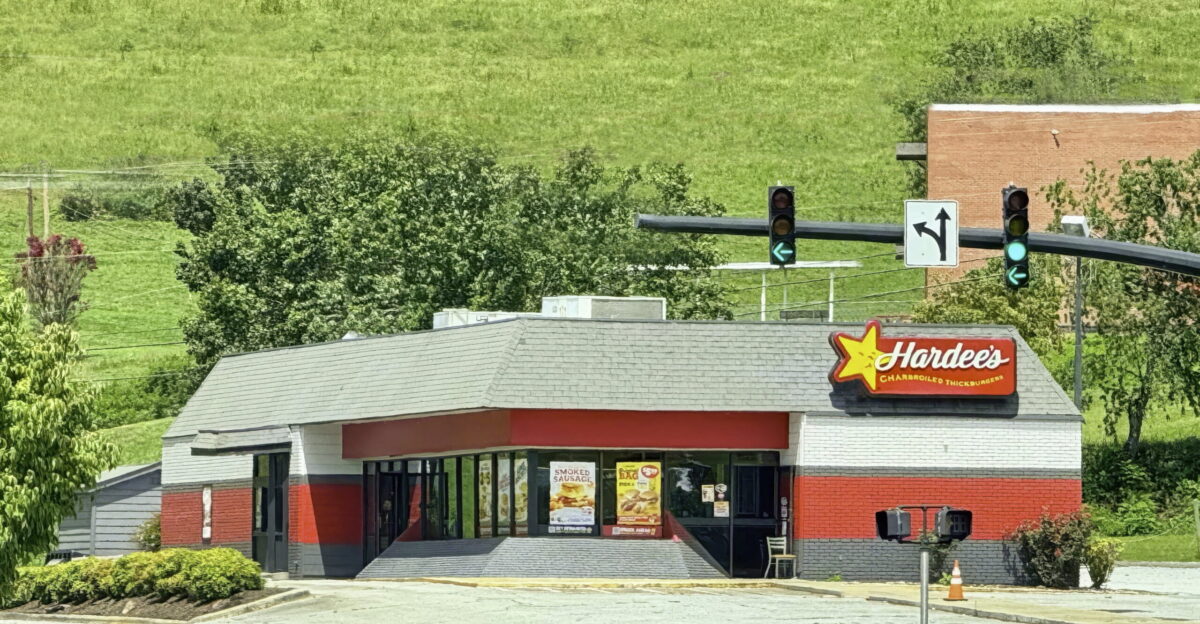
ARC Burger had acquired these 80 Hardee’s locations for just $16.5 million in August 2023 from bankrupt Summit Restaurant Holdings through parent company High Bluff Capital Partners.
The private equity firm—which also owns Church’s Chicken, Quiznos, and Taco Del Mar—positioned itself as an experienced restaurant operator with “demonstrable success across the restaurant, food and beverage markets”. The entire portfolio collapsed within 24 months.
Eight States Go Dark
The closures eliminated restaurants across Alabama, Florida, Georgia, Illinois, Kansas, Missouri, Montana, South Carolina, and Wyoming.
Georgia suffered the heaviest impact, losing more than 30 locations. In Hampton, South Carolina, the December 20 closure left 17 employees jobless. Manager Latisha Duncan called the restaurant “the first fast-food chain in Hampton County, making it a community staple”.
The Human Cost
With typical fast-food units employing 20-30 workers, an estimated 1,540 to 2,310 jobs vanished in the ARC Burger collapse alone.
If the average Hardee’s generates $1-2 million in annual sales, the shuttered 77 locations removed approximately $77-154 million in yearly revenue from affected communities[user analysis]. In small towns where Hardee’s served as the primary breakfast destination and teen employer, the losses reverberated beyond paychecks.
Corporate Response
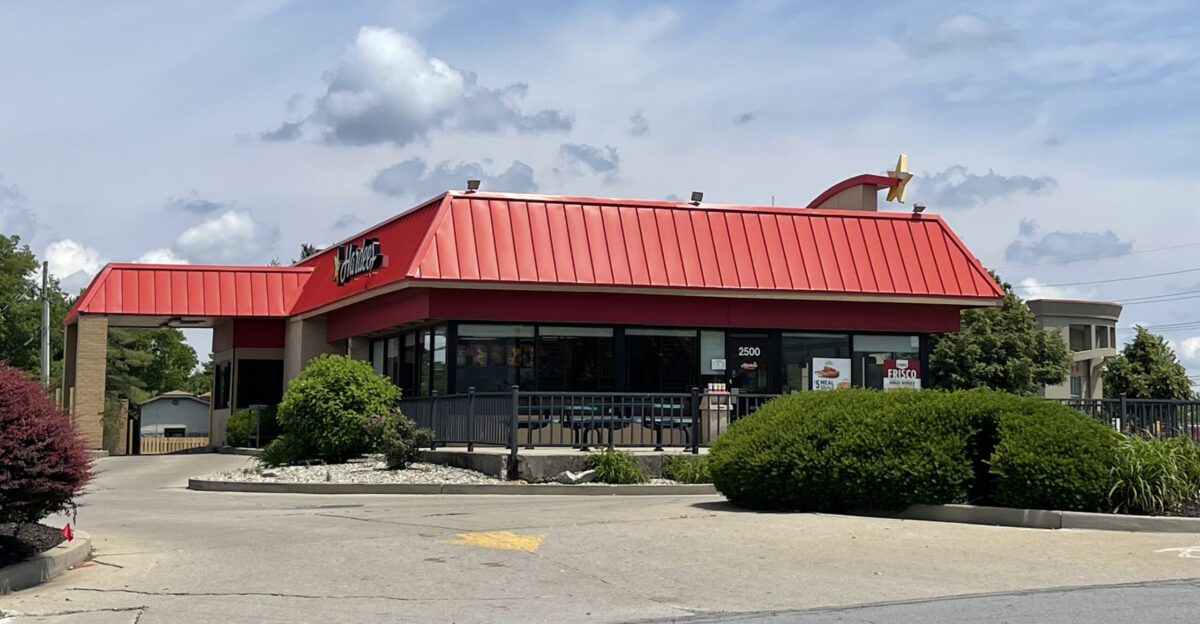
“These closures are a result of ARC Burger’s failure to cure its defaults under its franchise agreements, despite solid sales and our continued attempts over the course of many months to reach a resolution that would keep these restaurants open,” Hardee’s stated to USA Today.
The company emphasized it tried negotiations before ARC Burger chose closure over resolution. Hardee’s is now exploring ways to re-franchise the vacant locations.
Yet even as Hardee’s battles one franchisee in court, a second major operator has launched its own rebellion.
The $35 Million Counterattack

Paradigm Investment Group, operating 76 Hardee’s locations across Alabama, Florida, Mississippi, and Tennessee with approximately 1,600 employees, filed suit against Hardee’s on April 14, 2025, seeking $35 million in damages.
The 25-year franchisee challenges what CEO Don Wollan calls “heavy-handed” attempts to impose operational requirements not included in original franchise agreements. A jury trial is scheduled for March 30, 2027.
Technology Fees Drive Wedge
Paradigm’s lawsuit contests technology fees of $150-$160 per restaurant per month that Hardee’s began charging in 2021, mandatory participation in loyalty programs, required use of third-party delivery services, and extended operating hours until 10 p.m.. “Once I allow you to impose this on me, I’ve established a precedent, and what would prevent you from trying to force every conceivable fee upon me?” Wollan warned.
The Four-Customer-Per-Hour Problem
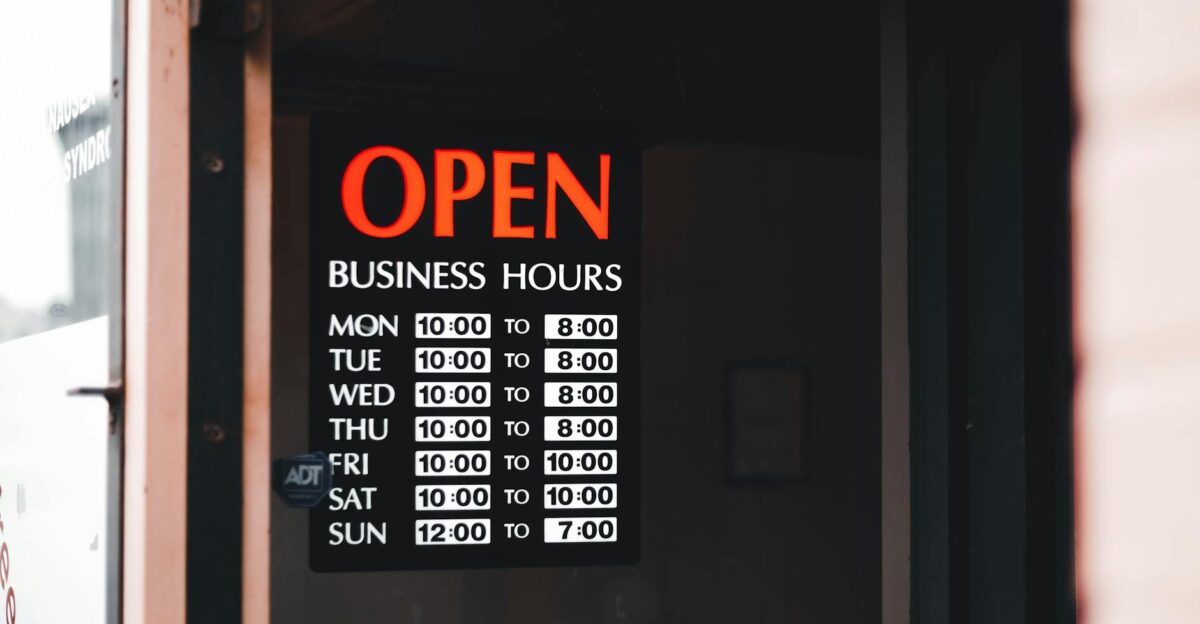
Paradigm documented the brutal economics behind the operating hours dispute: “many Hardee’s restaurants average less than 4 customers an hour after 2 p.m.”.
At the Hartselle, Alabama location in August 2021, average sales were just $19 per half hour after 2 p.m., compared to breakfast sales averaging $239 per half hour. “Due to low customer counts after 2 p.m., many hours are unprofitable, as labor alone exceeds sales generated,” the lawsuit states.
A “Distressed Brand”
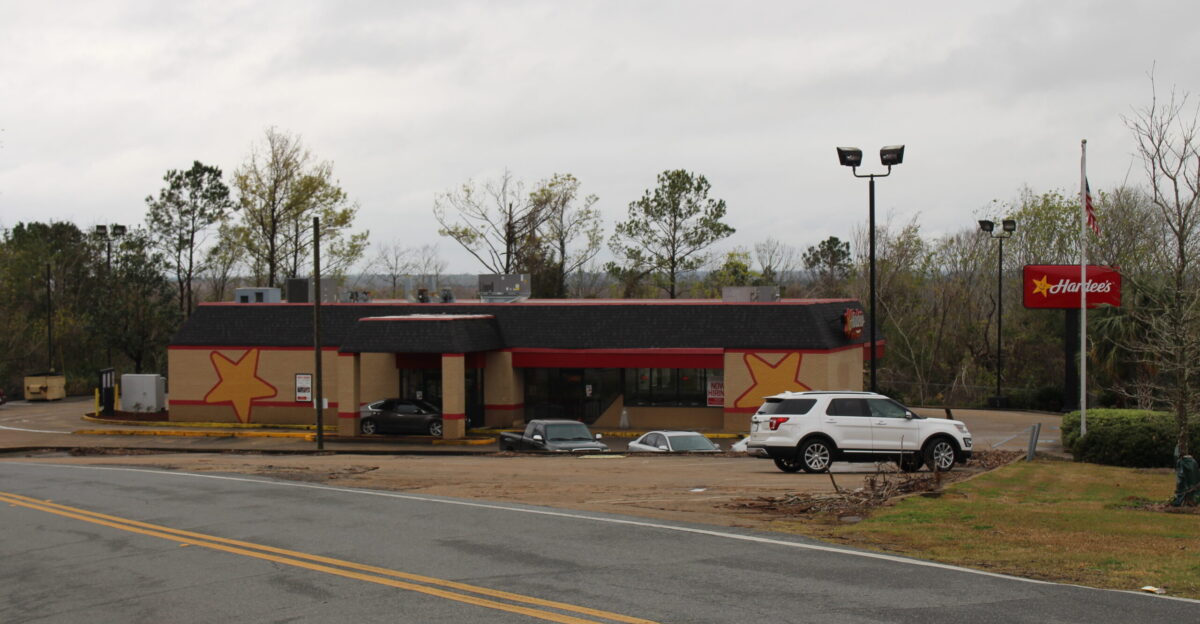
Paradigm didn’t mince words in its legal filing, characterizing Hardee’s as “a distressed brand” where “Hardee’s is in the lowest quartile in AUV and profitability, dead last in sales per operating hour, and dead last in drive-thru speed of service amongst its competitive set”.
Most damning: the franchisee claimed lenders at annual restaurant finance conferences “no longer desire to lend to this brand”.
The data confirms Paradigm’s harsh assessment.
Sales in Freefall

Hardee’s 2024 systemwide U.S. sales were $1.831 billion across 1,574 locations, down from $1.932 billion across 1,610 units in 2023—a 5.3% sales decline and loss of 36 net locations.
Average unit volume of $1.146 million ranks far below Wendy’s ($2.098 million) and McDonald’s (approximately $3.9 million). Even sister brand Carl’s Jr. averages $1.43 million per unit.
Private Equity Musical Chairs
CKE Restaurants, parent of Hardee’s and Carl’s Jr., has been controlled by private equity firm Roark Capital since 2013. Roark’s portfolio includes 17 restaurant brands totaling approximately 13,000 franchise locations.
Yet CKE has cycled through four chief executive officers in five years and six chief financial officers plus four chief marketing officers since 2017, according to Franchise Times. The executive instability suggests deeper strategic confusion.
Industry-Wide Franchise Crisis
Hardee’s troubles mirror broader fast-food instability. Wendy’s closed approximately 140 locations in 2024 with more planned. Jack in the Box shuttered 86 restaurants.
Denny’s closed 70-90 locations in 2025. Two Burger King franchisees operating over 200 locations filed for bankruptcy in 2023-2024. Starbucks initiated closures of approximately 500 North American locations as part of a $1 billion restructuring.
The Margin Squeeze

Third-party delivery services charge franchisees commission rates of 15-30%, directly cutting margins. Inflation pushed ingredient costs sharply higher—Roma tomato prices rose 40% and avocado costs tripled for some chains. Labor costs surged while availability contracted.
The simultaneous pressures create profitability squeezes making it difficult for franchisees to comply with lending covenants such as EBITDA targets and liquidity requirements.
The warning signs were visible years ago, but went unheeded.
The Summit Bankruptcy Omen
Summit Restaurant Holdings, the previous operator of the 80 locations ARC Burger acquired, filed for Chapter 11 bankruptcy in 2023 and closed 39 Hardee’s restaurants. That bankruptcy should have signaled the viability problems with those specific locations.
Instead, High Bluff Capital purchased nearly the identical portfolio for $16.5 million, only to watch it collapse again within two years. The pattern suggests systemic location issues beyond operator competence.
Re-Franchising Faces Obstacles
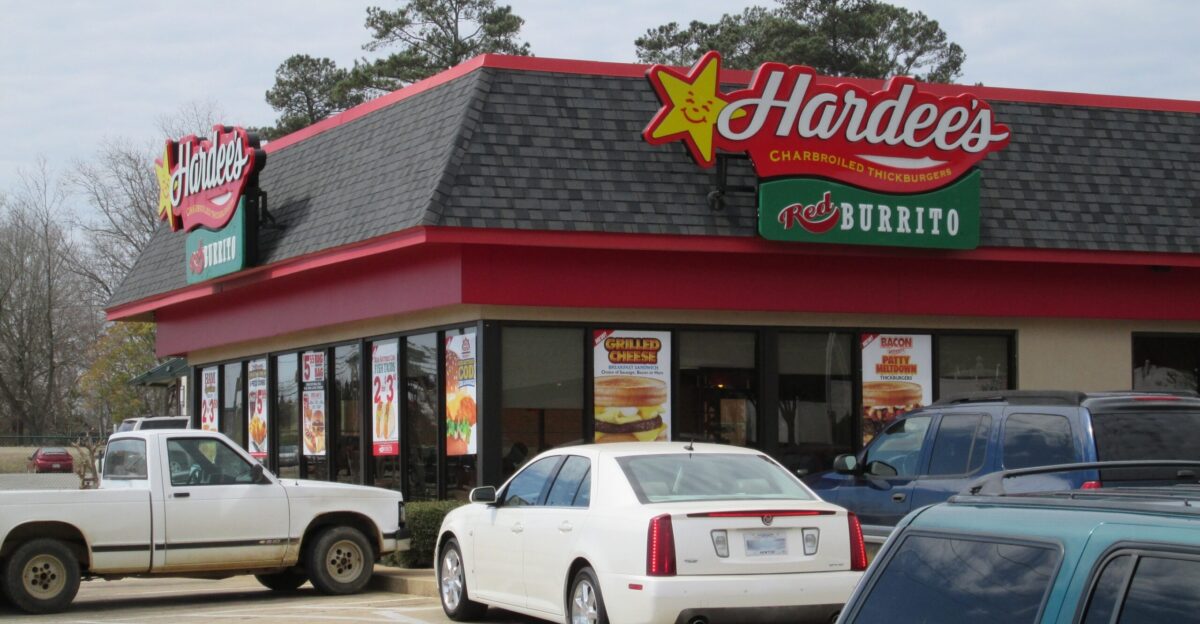
Hardee’s says it is exploring ways to re-franchise or reopen some of the 77 shuttered locations. But finding qualified buyers willing to take on properties from a self-described “distressed brand” where “lenders no longer desire to lend” presents obvious challenges.
The brand must simultaneously enforce contracts, litigate payment disputes, and attract new operators for dozens of vacant locations—a nearly impossible balancing act.
What Happens Next
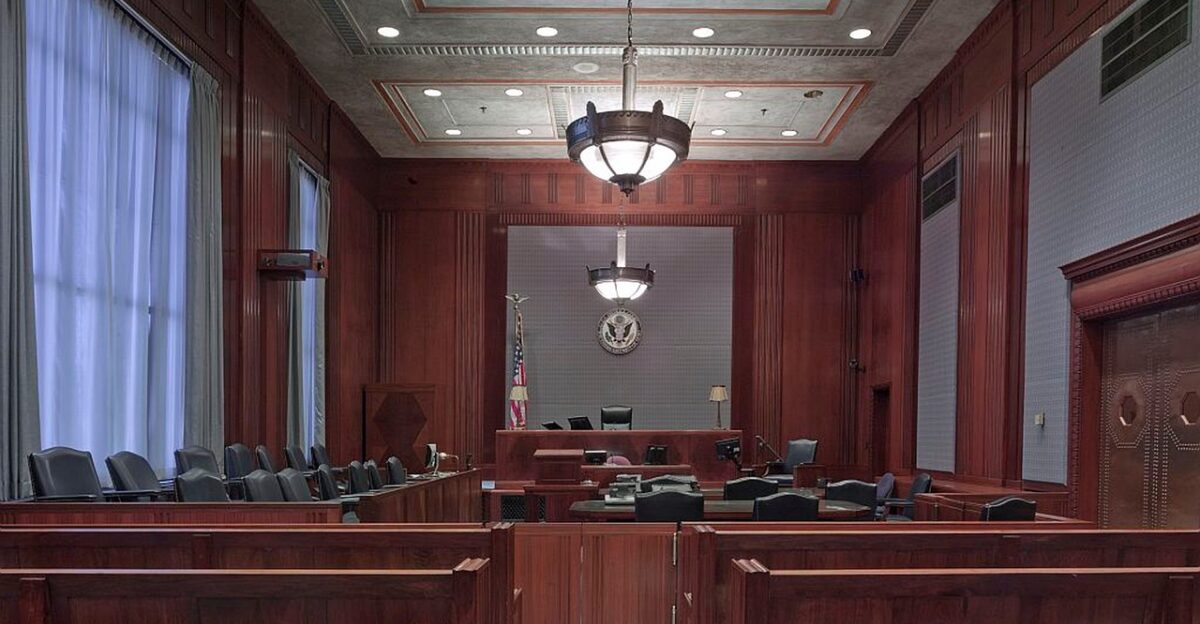
The March 30, 2027 jury trial in the Paradigm case will establish critical precedents about franchisor authority to impose operational requirements and fees not explicitly included in original franchise agreements.
The outcome could reshape power dynamics across the entire franchise industry, affecting how chains implement technology requirements, operating hours mandates, and loyalty programs. Every franchisee and franchisor will be watching.
The Broader Implications
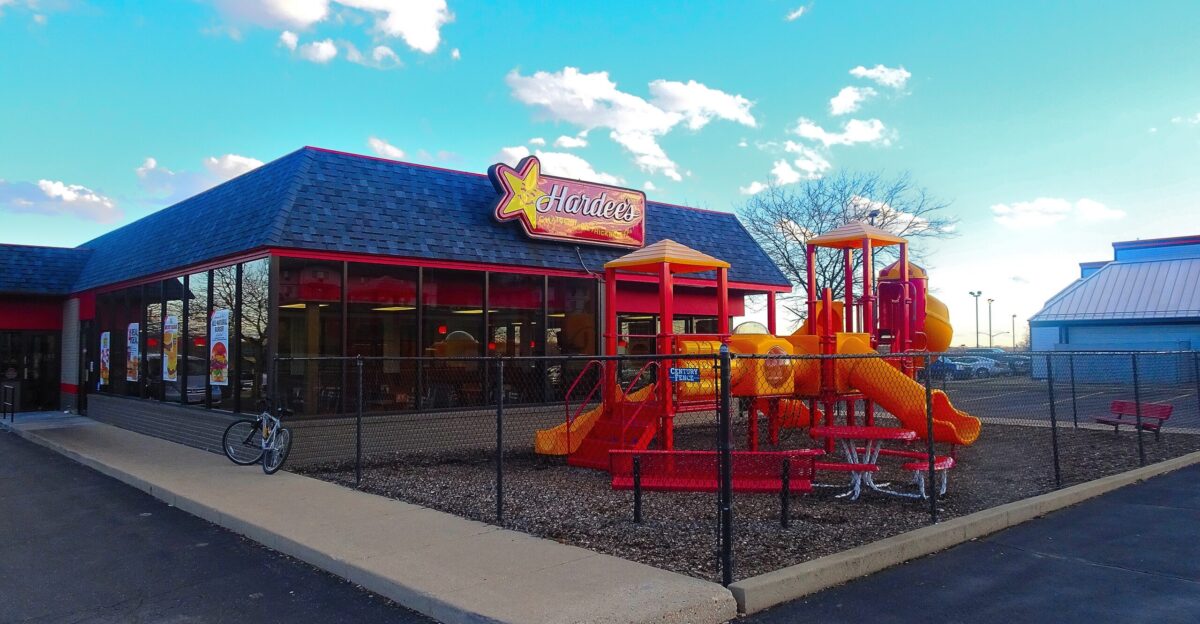
When a 65-year-old brand loses nearly 80 locations overnight to franchise disputes, and when 25-year franchise relationships deteriorate into $35 million lawsuits over operating hours and loyalty programs, the “recession-proof” reputation of major fast-food chains demands reconsideration.
With more than $41.5 million in combined legal exposure riding on the ARC Burger and Paradigm cases, Hardee’s faces mounting challenges beyond what litigation alone can resolve.
The Franchise Model on Trial

The Hardee’s crisis exposes fundamental tensions in the franchising model when corporate mandates clash with unit-level economic realities in an era of compressed margins.
For franchisees nationwide watching Hardee’s legal battles, the question is no longer whether their brand will demand new technology fees and extended hours, but whether they can afford to comply—or whether they’ll follow ARC Burger and Paradigm into courthouse confrontations that could end their businesses entirely.
Sources:
“Hardee’s locations set to close by end of 2025.” USA Today, December 2025.
“Hardee’s franchisee Paradigm Investment Group sues its parent over contract terminations.” Nation’s Restaurant News, May 2025.
“Struggling Hardee’s terminates a large franchisee.” Restaurant Business Online, 2025.
“Major CKE franchisee goes bankrupt, shutters 39 stores.” Restaurant Dive, 2023.
“These restaurant chains closed locations in 2025.” CNBC, December 2025.
“Bankrupt Hardee’s operator sells 81 restaurants to High Bluff Capital Partners.” Restaurant Dive, July 2023.