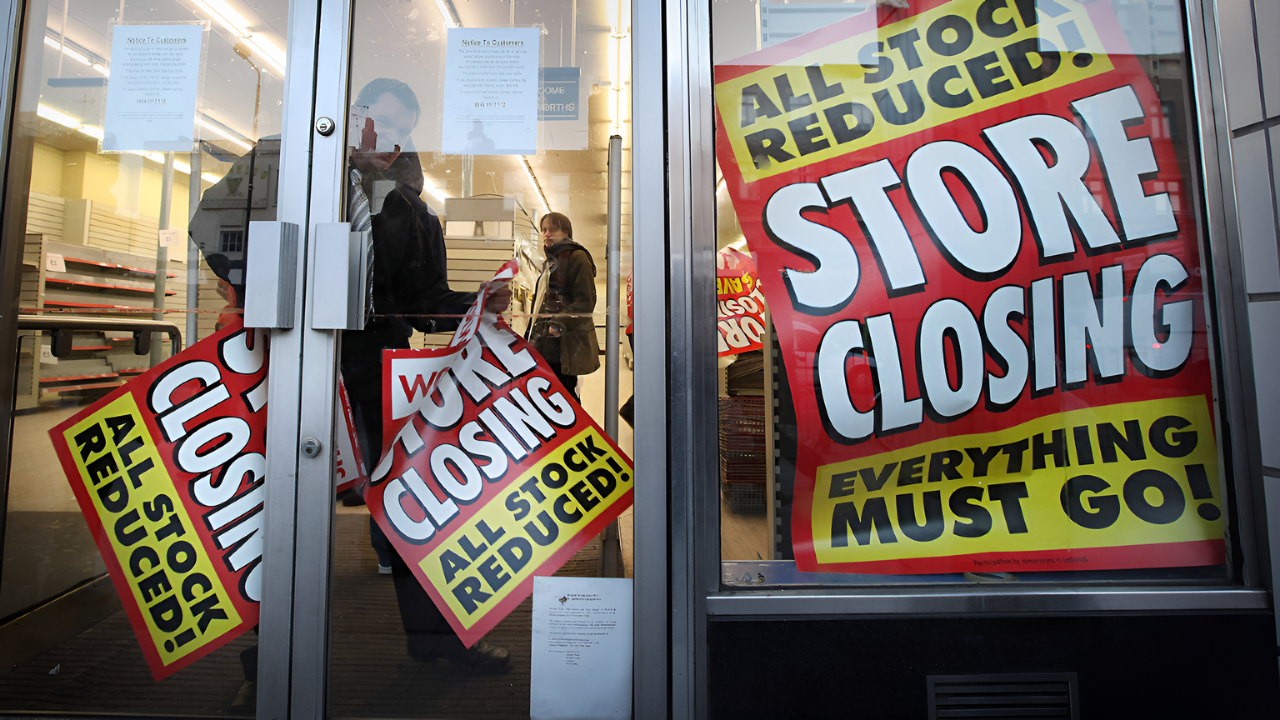
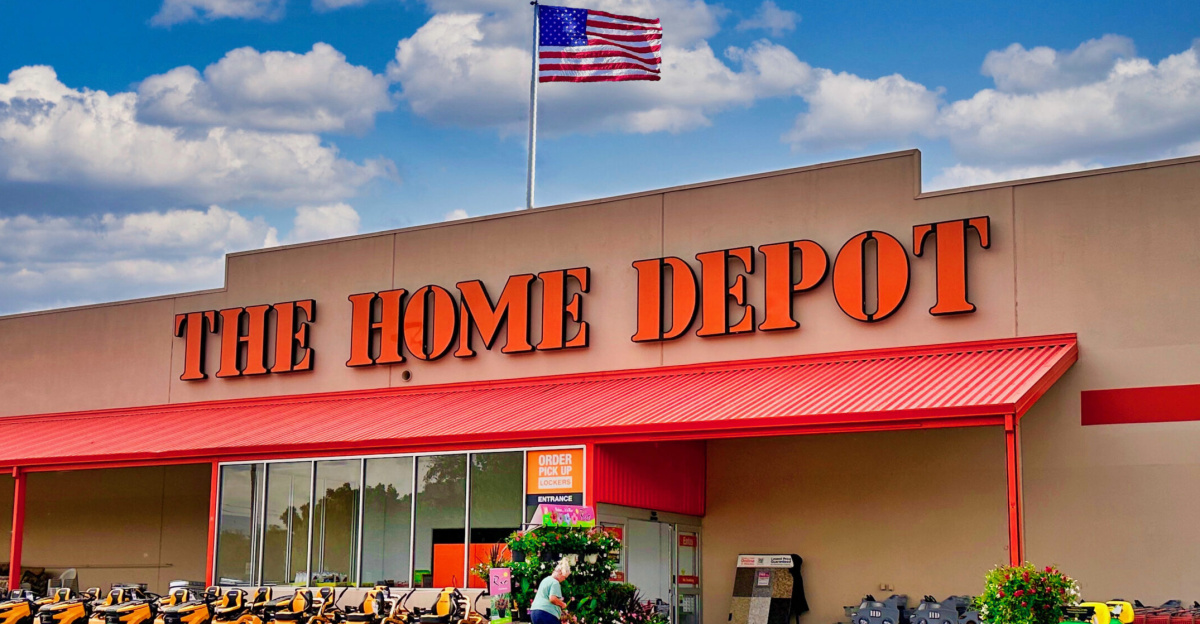
Three retail giants now control more than half of every dollar Americans spend on home improvement. Home Depot alone commands 29% market share, Lowe’s holds 17%, and Amazon captures 11% leaving independent hardware stores competing for scraps in a market that once belonged to them.
This 57% consolidation represents the most concentrated period in the history of the home improvement retail industry. For small, family-owned shops that have survived recessions and chain-store expansions for decades, the numbers feel insurmountable. What happens when market dominance reaches this level?
Century-Old Collapse Accelerates
The past eighteen months have witnessed an unprecedented wave of closures among America’s oldest independent hardware retailers. A 159-year-old True Value store in Wisconsin announced liquidation in July 2025. A 117-year-old family hardware business in Pennsylvania shuttered in September. A 65-year-old shop in Washington closed in November.
A 56-year-old Ace Hardware franchise in the Pacific Northwest followed suit in October. Each announcement carried the same undertone: rising costs, declining foot traffic, and an inability to compete with online pricing. The velocity of these closures is what distinguishes this moment from previous retail downturns.
The True Value Fallout
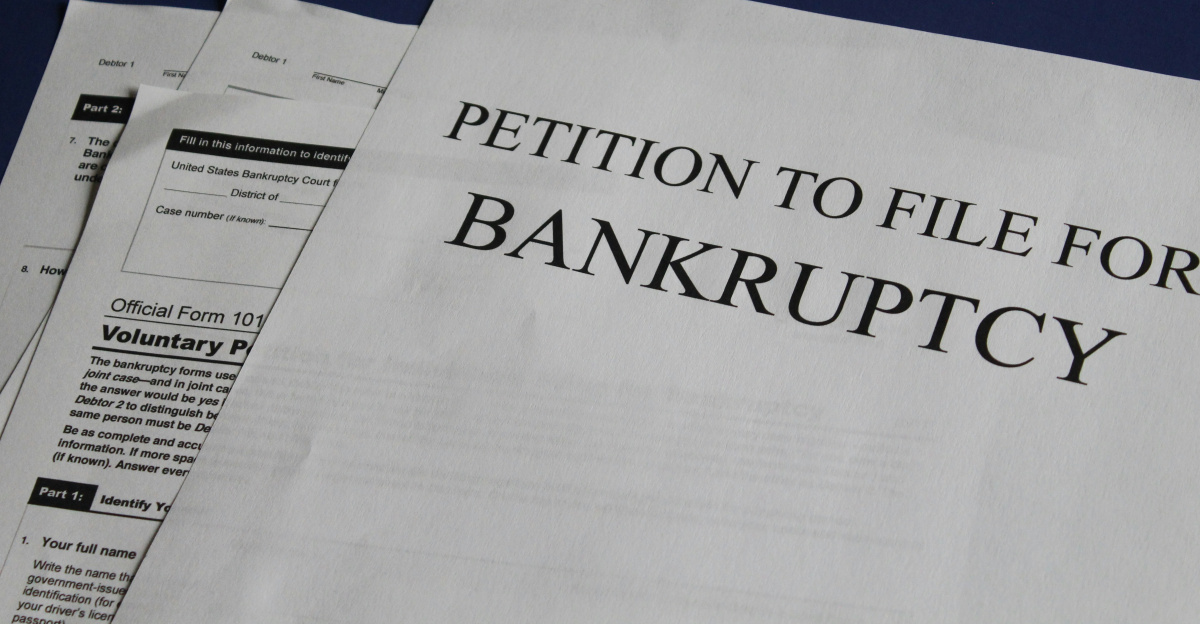
Authentic Value Hardware, a 96-year-old cooperative that unified thousands of independent retailers under a shared banner, filed for Chapter 11 bankruptcy in October 2024. Do it Best Corp. acquired the cooperative in November 2024, promising stability and renewed support for member stores.
Yet the acquisition did not arrest the underlying pressures: weak consumer demand, thin margins, and the relentless expansion of home-improvement e-commerce. Member stores, independently owned but dependent on cooperative infrastructure, suddenly faced uncertainty about vendor agreements, distribution networks, and pricing support. The collaborative model, once a lifeline for independents, no longer guarantees survival.
The Succession Crisis Behind Closed Doors

Aging owners represent an invisible but critical vulnerability in independent hardware retail. Many shops were founded in the 1940s and 1950s and are now operated by third- or fourth-generation families, whose children have pursued other careers.
Unlike Home Depot or Lowe’s, which have clear leadership pipelines and institutional capital, small hardware stores depend on owner enthusiasm and sweat equity. When an 80-year-old owner decides retirement is overdue, the shop often has no buyer waiting. Franchises cannot be easily sold, employees cannot afford buyouts, and chains show no interest in acquiring aging independents. Succession, not market collapse, is quietly killing these stores.
Benjamin Brothers’ Final Day
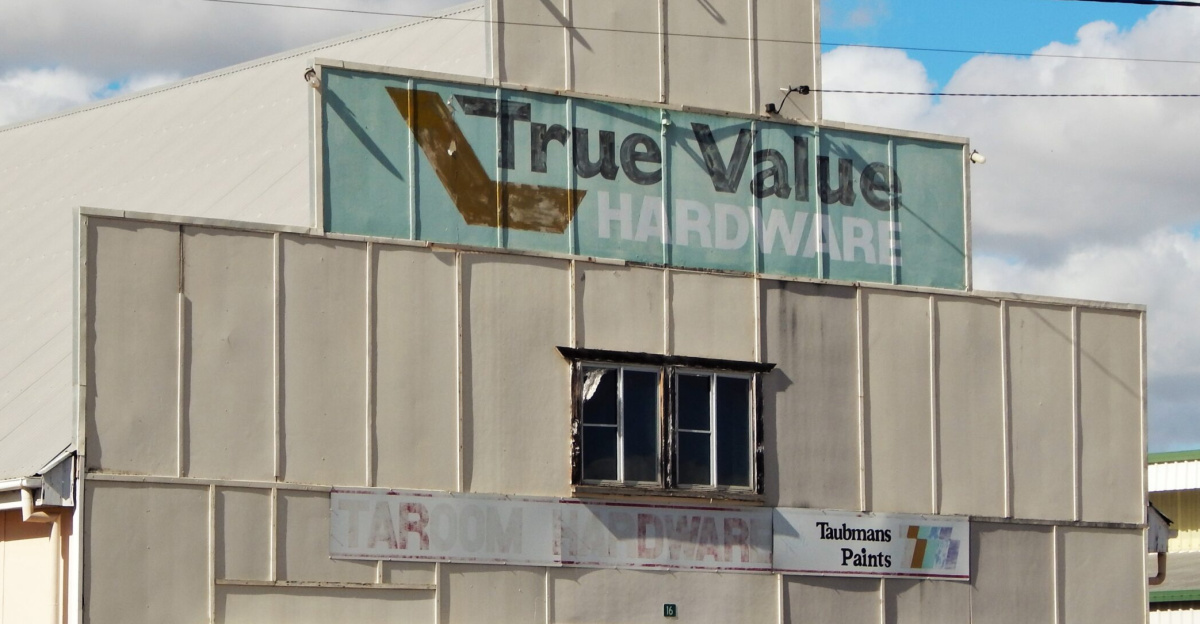
Benjamin Brothers True Value Hardware in Tenafly, New Jersey, will close its doors permanently on January 31, 2026, just nineteen days from the publication date of this story. The store, opened in 1946 as a lumber yard and converted to full hardware retail in 1963, has served the same Bergen County community for eighty years.
On its Facebook page, the owners wrote: “After 80 years of service, we have made the difficult decision to close our doors on January 31, 2026.” No bankruptcy, no scandal, no fire sale, just a quiet decision to wind down. The shop’s owners provided no public explanation for the closure, leaving the community to draw its own conclusions about what forces ultimately led to the decision.
Tenafly’s Hardware Wasteland

Tenafly residents will lose more than a store; they will lose a lifeline. Benjamin Brothers employed a hardware staff fluent in the community’s quirks, the old plumbing configurations of 1950s Colonials, the landscaping challenges of Bergen County’s dense neighborhoods, and the seasonal needs of multi-generational families.
The nearest Lowe’s stands fifteen minutes away in Paramus. The closest Home Depot is twenty minutes away in Hackensack. Both require customers to navigate massive warehouse layouts, wait in long checkout lines, and navigate websites to find what a Benjamin Brothers associate could locate in seconds. For elderly homeowners without smartphones, busy parents, and contractors who value relationships over transactions, the loss is tangible.
The Last Days

Benjamin Brothers discontinued all house accounts on December 31, 2025, severing long-standing credit relationships that some families had maintained for generations. Returns were halted on January 1, 2026. Customers suddenly faced a thirty-day runway to liquidate decades of trust and transactional history. The shop’s owners did not announce going-out-of-business sales or liquidation events; they began the slow fade.
For aging customers, the rapid sunset felt abrupt. Local contractors who had relied on Benjamin Brothers for last-minute supplies and expert advice faced an unexpected shift to impersonal big-box services or online ordering. The silence surrounding the closure underscored how far independent retail has fallen: not with dramatic fanfare, but with quiet withdrawal.
The Nationwide Pattern Emerges
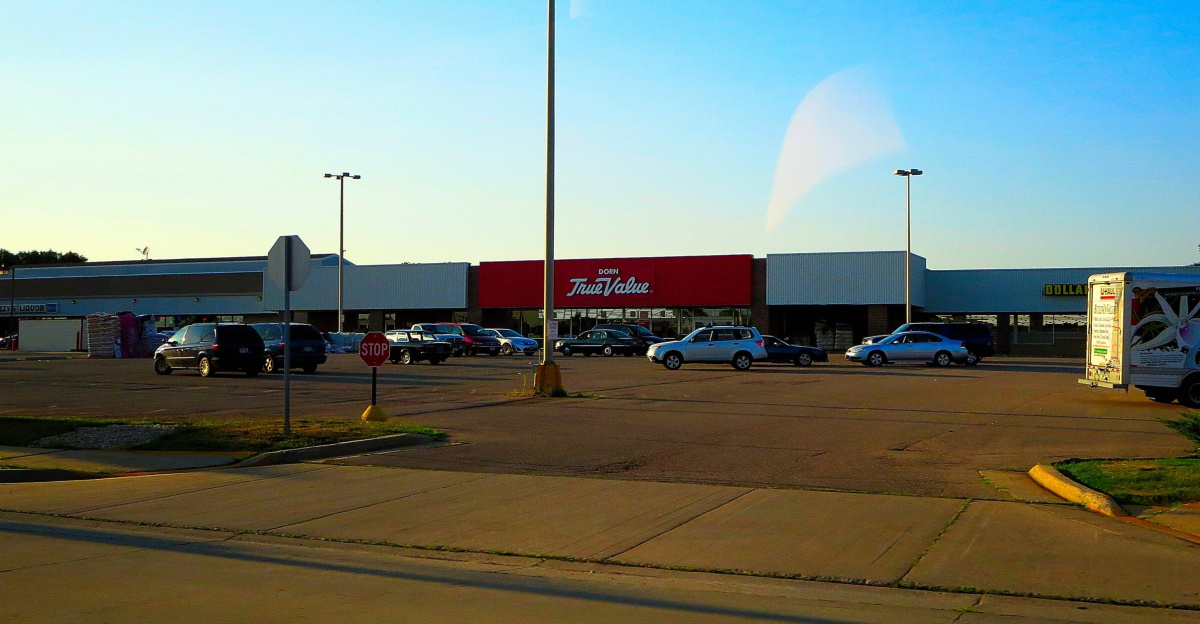
Benjamin Brothers is not an outlier; it is the latest casualty in a wave of consolidation reshaping the American retail landscape. Krueger’s True Value in Neenah, Wisconsin, announced in July 2025 that it would conduct a 12- to 16-month liquidation sale before its closure. Ritter’s True Value in Mechanicsburg, Pennsylvania, shuttered on September 30, 2025, after 117 years. C&H Hardware in Yakima, Washington, closed on November 26, 2025, citing rising prices and the difficulty of competing against online sales.
Carnation Ace Hardware in Carnation, Washington, closed on October 25, 2025, following the retirement of its owner, marking 56 years of operation. These are not struggling marginal shops—they are among the most tenured, community-embedded retailers in America, and their coordinated disappearance signals a structural shift in how Americans buy home-improvement goods.
The Online Reckoning

E-commerce has fundamentally altered the economics of the hardware retail industry. Consumers can now compare prices across competitors in seconds, eroding the “convenience premium” that independent stores once commanded. A specialized plumbing fitting costs $8.99 at Benjamin Brothers but $6.49 on Amazon Prime, deliverable in two days.
Contractors, once a reliable revenue base, now route supply-chain purchases through big-box accounts that offer volume discounts and digital ordering platforms. The price gap is not small enough to overcome with personalized service; for cost-conscious consumers, savings of 25–30% on bulk purchases trump loyalty. Independent hardware stores, which rely on full-price retail margins of 30–40%, cannot absorb the pressure without slashing service and selection.
The Invisible Exodus: Jobs and Tax Revenue
Behind each hardware-store closure lies a harder-to-measure loss: local employment and tax revenue. The Benjamin Brothers likely employed between 10 and 25 staff members, ranging from store managers to part-time cashiers and specialized service technicians. A typical full-service hardware store generates $2–6 million in annual revenue, which is reinvested in local payroll, property taxes, and community development.
Across the five documented closures in 2025–2026, the cumulative job loss exceeds 100 positions. However, the real damage is invisible; it is the permanent reduction in Main Street vitality, the loss of local business ecosystems, and the hollowing out of communities that once had hardware stores as their anchoring institutions. When Benjamin Brothers closes, Tenafly does not simply lose a store; it loses a reason for customers to visit the downtown area.
The Cooperative Model Under Siege
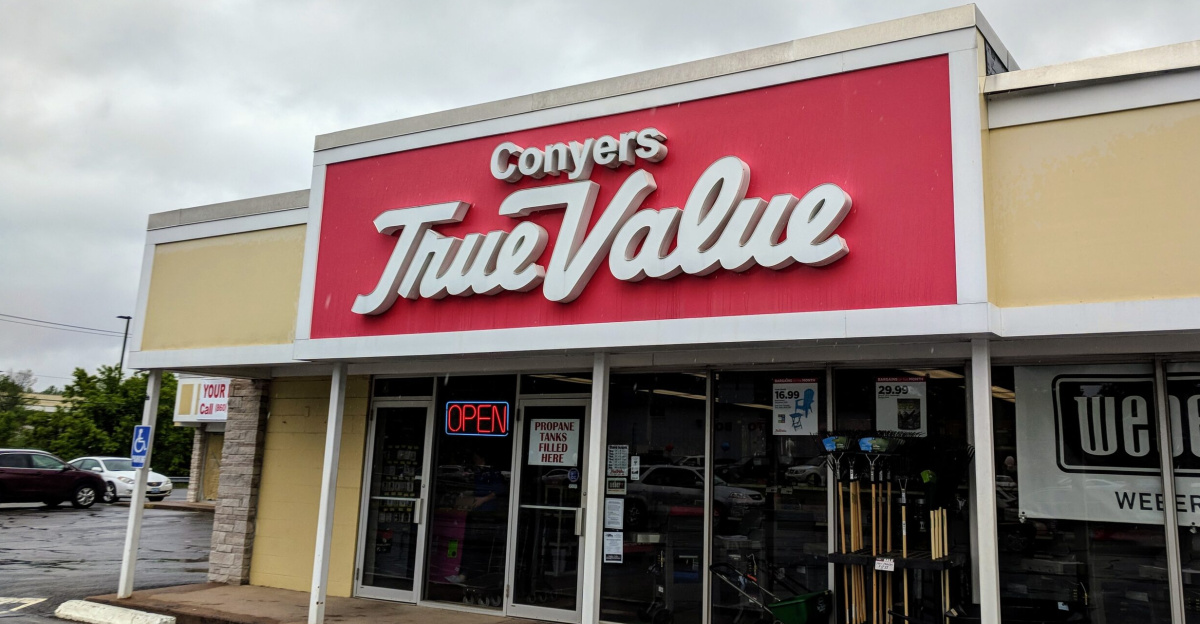
Actual Value’s transition from a thriving cooperative to a bankruptcy-acquired entity exposed the fragility of the member-store model. Cooperatives rely on collective bargaining power to secure favorable vendor terms, improve distribution efficiency, and benefit from shared marketing support.
When Do it Best acquired True Value in November 2024, individual member stores suddenly worried about whether the new owner would maintain equivalent support or whether they might be absorbed into Do it Best’s existing distribution network, losing their True Value identity and market positioning. Some member stores, such as Krueger’s and Ritter’s, chose to exit rather than wait for the transition to be completed. The cooperative, meant to amplify the voice of small retailers, instead became a liability when centralized management changed hands.
Owner Frustration: When Loyalty Becomes a Burden
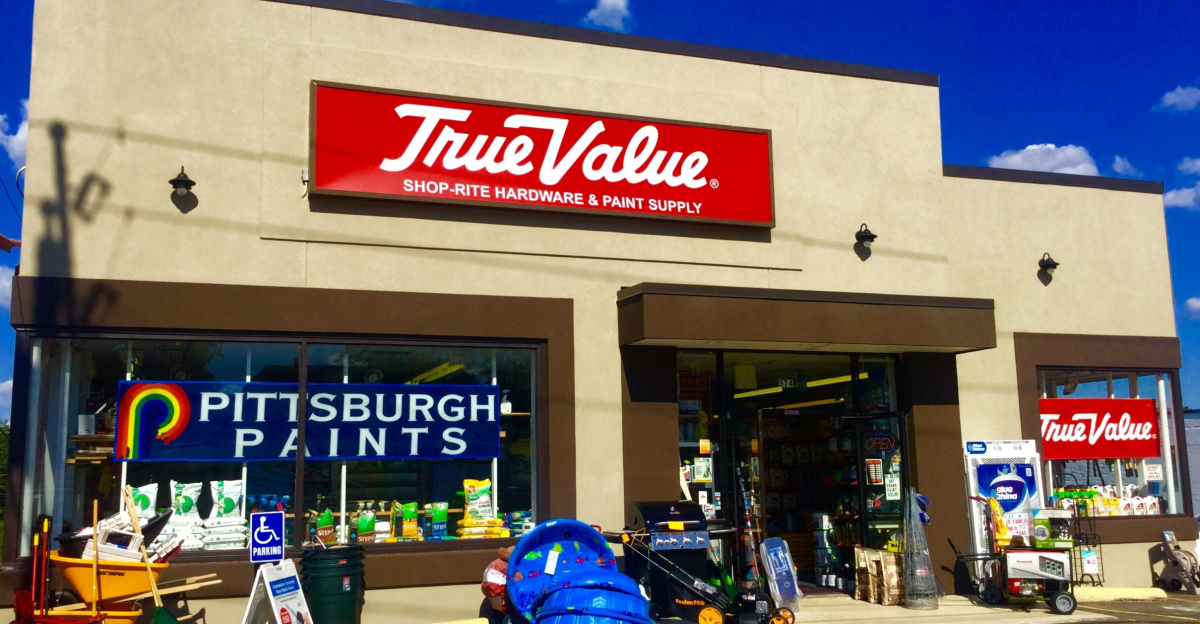
Interviewed by local news outlets, hardware-store owners expressed frustration that their decades of customer loyalty and community service were valued little in the era of big-box consolidation. A Krueger’s manager told NBC26: “We’ve been here for our community through recessions, through economic shifts. Now, younger people look at price and convenience.” Benjamin Brothers’ owners, despite declining to cite a specific reason for closure, hinted at the broader squeeze: maintaining a full-service hardware shop now requires owner hours and margins that no longer exist.
The emotional labor of running a local institution, where customers are known by name, their children’s names remembered, and free advice is provided, cannot be monetized or scaled. When the financial return no longer justified the emotional investment, exit became rational.
Attempts at Adaptation (And Why They Failed)

Some independent hardware stores tried to adapt to the digital age. They launched e-commerce platforms, invested in inventory-management software, and attempted to offer same-day delivery to compete with Amazon. Yet these efforts often cost more than single-store operations could sustain. Ritter’s True Value in Pennsylvania had modernized its retail format and invested in social media marketing, yet still could not overcome the structural disadvantage of being unable to match big-box pricing or logistical speed.
Krueger’s in Wisconsin offered specialized services, such as glass cutting, key duplication, and paint mixing, that chain stores typically provide at a higher cost. However, convenience-focused consumers bypassed these services entirely by ordering online. Adaptation without scale proved insufficient. The stores that tried and failed are the same ones now closing.
Expert Skepticism: Will the Bleeding Stop?

Industry analysts interviewed by retail-research firms are not optimistic about the survival prospects of remaining independent hardware stores. A spokesperson for Numerator, which tracks home-improvement spending, warned that the consolidation trend shows no signs of reversal. “As long as Home Depot, Lowe’s, and Amazon continue to grow market share, independents will face sustained pressure,” the analyst noted.
Home Depot’s fiscal 2025 third-quarter earnings demonstrated continued strength, with customer traffic remaining stable and the average ticket size increasing. Lowe’s similarly reported resilience despite softer consumer demand in some categories. Neither chain has reason to reduce prices; the market is doing the consolidation for them. For remaining independent hardware stores, the path forward is increasingly narrow.
The Final Question: Who Serves the Last Mile?
As Benjamin Brothers closes and its peers vanish, a fundamental question emerges: in a hyper-consolidated retail landscape, who serves customers that cannot use big-box stores, cannot navigate e-commerce, or live in underserved markets where no Home Depot or Lowe’s exists? For elderly homeowners without internet access, rural communities with limited delivery infrastructure, and contractors needing same-day supplies and expert diagnosis, the closure of independent hardware stores creates a significant void.
Home Depot and Lowe’s are not inherently hostile to these customers; they do not prioritize them. E-commerce serves customers with smartphones, credit cards, and delivery addresses. But what of the last mile? As America’s hardware landscape consolidates into fewer, larger, more efficient nodes, the answer to that question grows darker.
Sources:
Numerator Home Improvement Tracker
NBC26 Historic Neenah hardware store closing after 159 years in business
TheStreet Beloved hardware store closing after 117-year run and 80-year-old Home Depot rival shuts down location, no bankruptcy
MDM Do it Best Closes True Value Acquisition
BusinessofHome 2025 starts with a 1,000-plus store closing thud