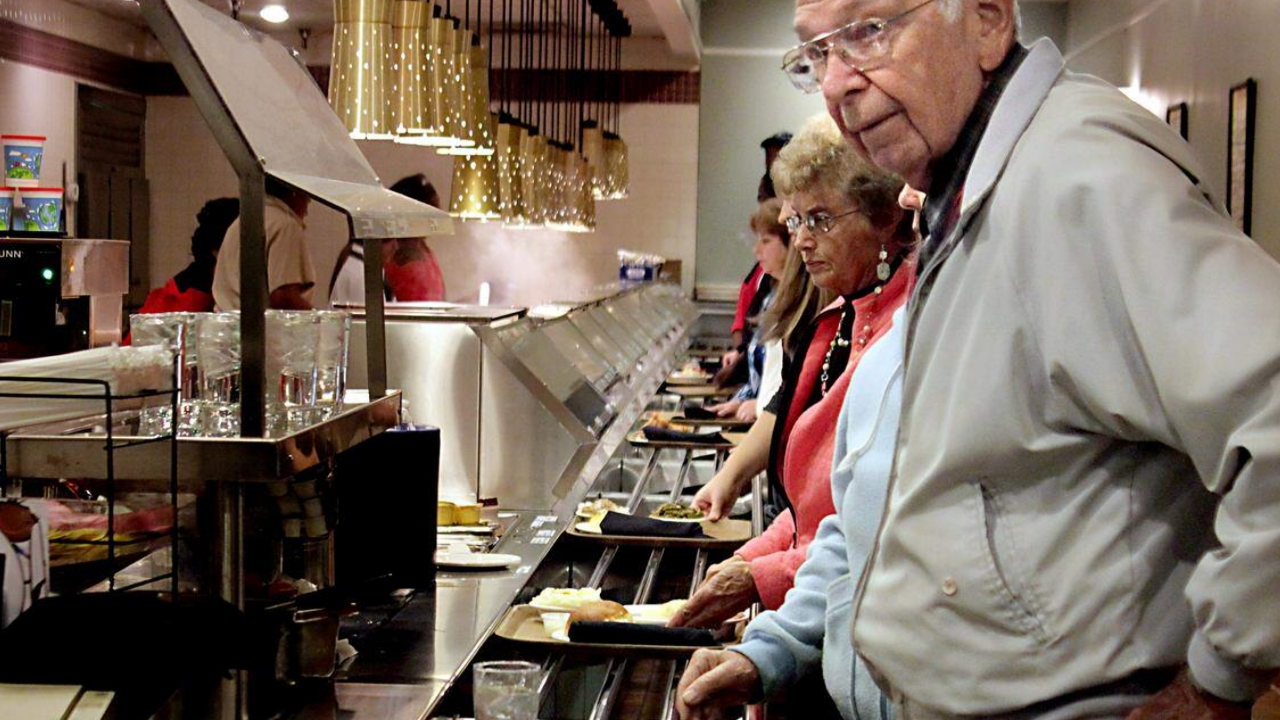
The line formed as usual outside K&W Cafeteria on December 1, 2025—until customers reached locked doors and a printed notice announcing the end of an 88-year run. Within hours, a brief Facebook message confirmed what regulars across North Carolina and Virginia had not expected to see so soon: every remaining location of the long-running Southern cafeteria had closed for good, effective immediately. For generations of families who treated K&W as a dependable gathering spot, the abrupt shutdown felt less like a business decision and more like the loss of a familiar part of daily life.
Sudden Shutdown
K&W Cafeteria’s final day unfolded with little public warning. On the afternoon of December 1, the company posted a short statement on Facebook saying all operations were ending at once and thanking customers for their loyalty. The announcement did not explain why the chain was closing or outline any transition plan for workers.
By that evening, nine cafeterias—eight in North Carolina and one in Virginia—had gone dark just ahead of the holiday season. Long-time patrons arriving for dinner encountered locked entrances and signs directing them to the social media statement. Many employees also learned of the decision the same day, fueling confusion and frustration among staff and regulars who had expected the company to survive at least through the end of the year.
A Southern Institution
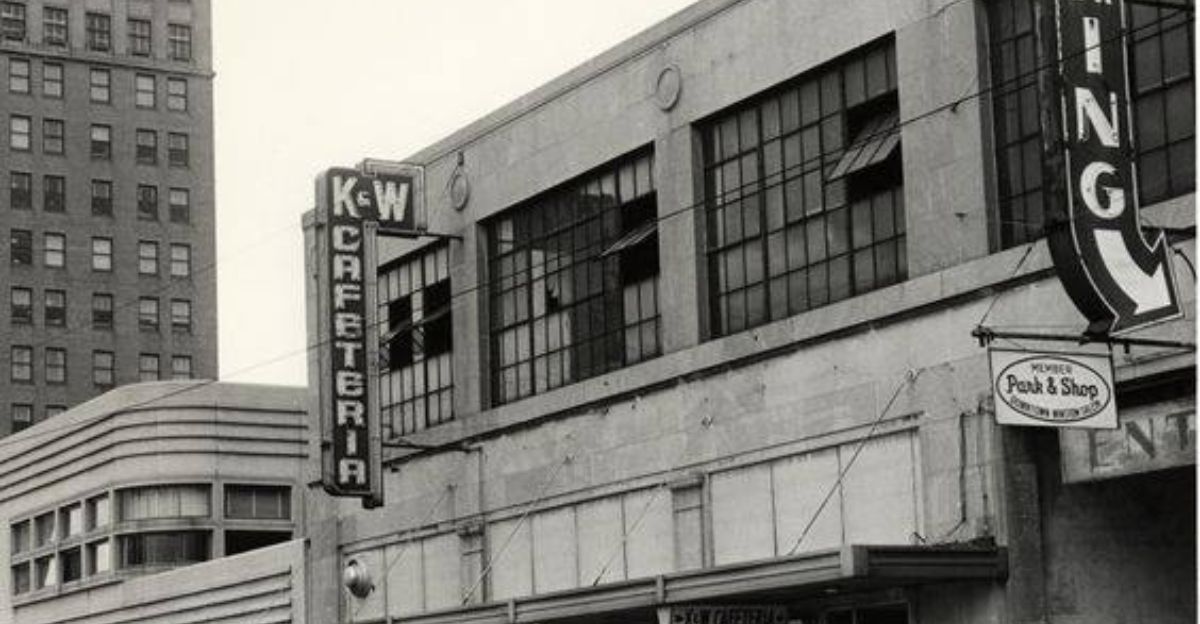
Founded in Winston-Salem, North Carolina, in 1937, K&W built its identity around affordable, home-style Southern meals served in a classic cafeteria line. Over the decades, it expanded across the Southeast and became a fixture in cities such as Greensboro, Winston-Salem, Burlington, and other North Carolina communities, as well as in parts of Virginia.
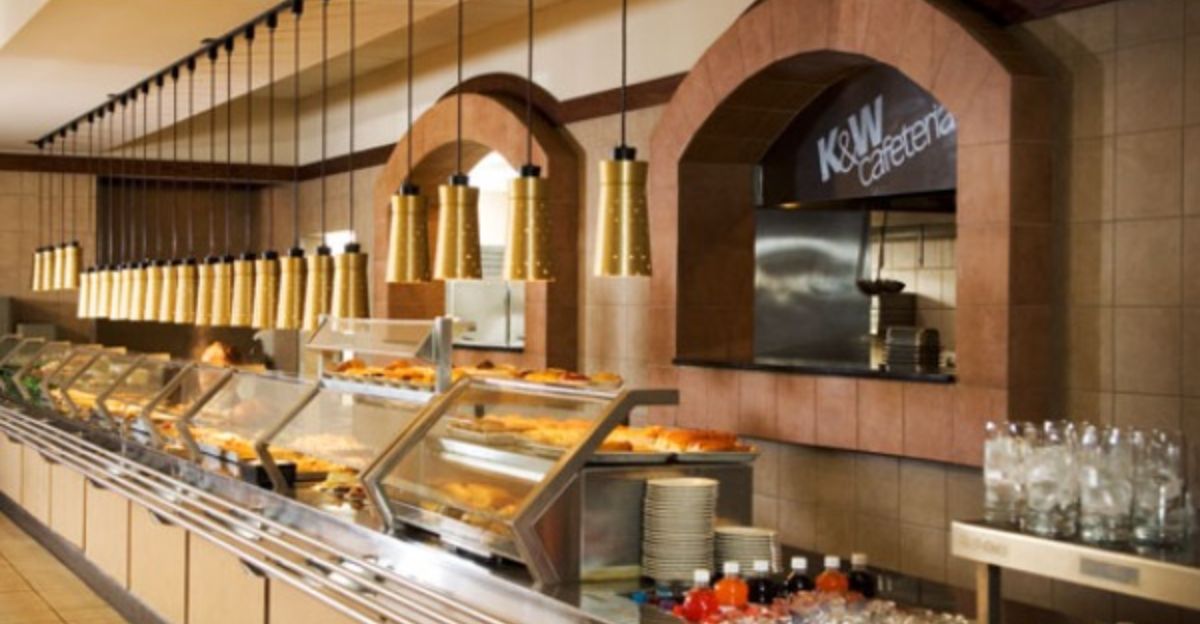
Families gathered after church for fried chicken, roast beef, vegetables, and desserts that became part of local routine and tradition. Multi-generational customers often returned to the same locations for Sunday meals, holiday outings, and post-event celebrations. For these diners, K&W’s closure was not just the disappearance of a favorite place to eat, but the loss of a setting where family rituals and memories had been built over decades.
Even as expansion slowed in recent years, K&W maintained a strong regional presence. At its height around 2020, the company operated 28 cafeterias. The chain’s familiar orange trays, spacious dining rooms, and consistent menu helped it weather earlier shifts in the industry, reinforcing its reputation as a dependable option for large groups and budget-conscious visitors.
Financial Strain and Failed Turnarounds
Behind the familiar routines, K&W had been under pressure for years. Changing dining habits, competition from fast-casual concepts, and the gradual decline of cafeteria-style service eroded traffic even before the COVID-19 pandemic. The crisis that began in 2020 intensified those challenges as in-person dining plummeted, costs rose, and customers grew more accustomed to takeout and delivery-focused formats.
K&W sought protection by filing for Chapter 11 bankruptcy in September 2020. As part of that restructuring, it reduced locations from 18 to 14 and cut its workforce from 1,035 to 834 employees. The company emerged from bankruptcy in September 2021 with a smaller footprint and plans to stabilize operations.
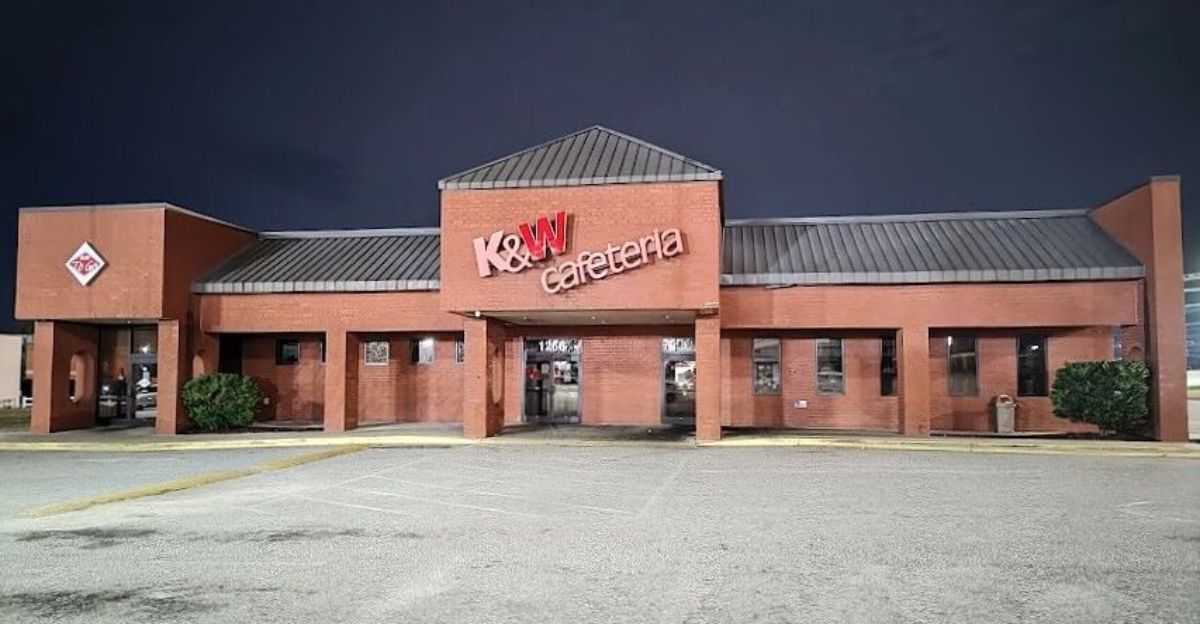
In August 2022, K&W was acquired by Falcon Holdings, the owner of the Piccadilly cafeteria brand, raising hopes that new ownership and shared resources might give the chain a fresh start. But sales continued to slide, and by late 2025 K&W was operating only nine restaurants. Revenue remained far below earlier decades, and the business did not regain enough momentum to offset higher operating costs and shifting customer expectations.
When K&W confirmed the closure of all remaining locations on December 1, 2025, it cited only an “extremely challenging operating environment” in a statement to television station FOX8 WGHP. The company did not provide details about its finances or potential buyers and made clear there would be no reopening.
Human Impact and Unanswered Questions
The final closures immediately erased hundreds of jobs across North Carolina and Virginia. A former employee estimated that more than 300 workers lost their positions when the nine cafeterias shut down. Many staff members, some with years of service, reported learning of the decision at the same time as customers, with no severance details or transition assistance publicly announced.
For diners, the shutdown sparked an outpouring of memories and personal stories online. One longtime customer from Charlotte recalled going to K&W with family after every Thanksgiving parade and posted a message of thanks along with a request for the chocolate pudding recipe. Others shared recollections of holiday meals, regular Sunday visits, and celebrations that had taken place in K&W dining rooms, emphasizing how deeply the chain had been woven into their routines.
Restaurant analysts and observers have not reached a single explanation for the company’s decline. Some point to the limitations of a model built on large self-service dining rooms at a time when many customers prefer quick, app-based ordering and off-premise meals. Others note that K&W invested less visibly in digital ordering, delivery partnerships, and catering than some competitors, leaving it vulnerable as the market shifted. Without a detailed public account from the company, the precise mix of factors that drove the final decision remains unclear.
End of an Era, Uncertain Future
K&W Cafeteria’s closure after 88 years underscores a broader transition in American dining. Cafeteria chains that once anchored shopping centers and community life have struggled to adapt to new habits shaped by convenience, technology, and changing schedules. The disappearance of K&W’s last nine locations leaves a gap in many Southern towns and cities where few alternatives offer the same combination of price point, menu style, and communal atmosphere.
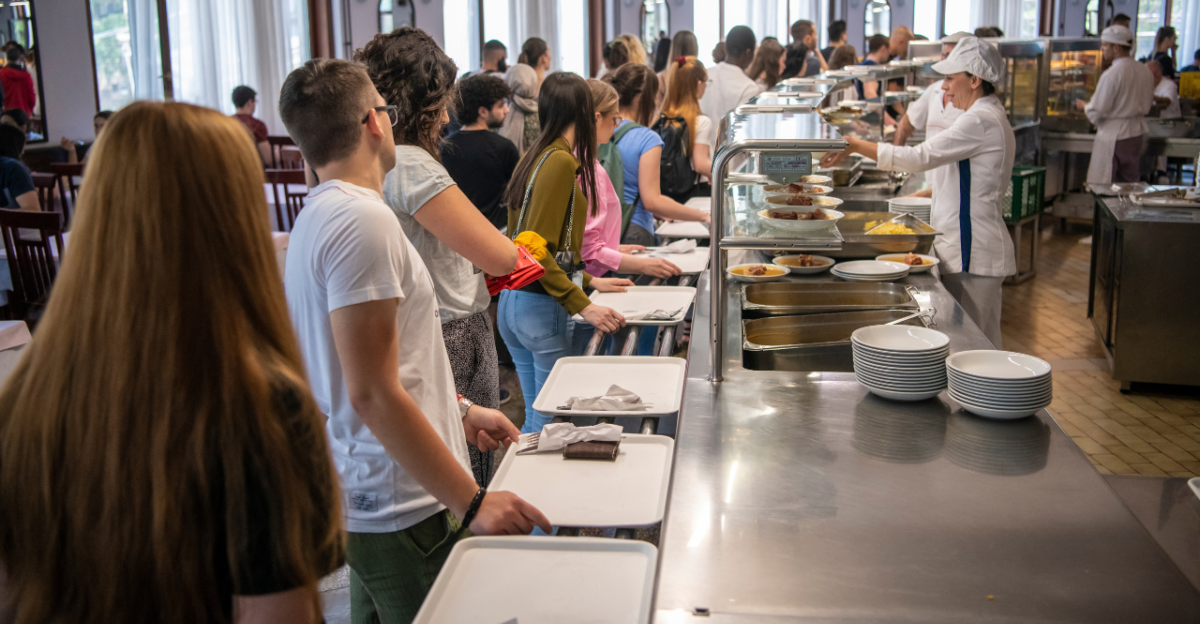
What replaces that role is still an open question. National chains, independents, and newer fast-casual formats may absorb some of K&W’s former customers, but they are unlikely to recreate the specific experience of lining up with a tray, choosing from rows of familiar dishes, and lingering in a large dining room shared by multiple generations. As communities adjust, K&W’s story highlights both the vulnerability of long-standing regional institutions and the uncertainty facing other traditional family dining models navigating a rapidly evolving market.
Sources
Business Insider K&W Cafeteria closure report (Dec. 2, 2025)
The Independent K&W Cafeterias closure report (Dec. 1, 2025)
Economic Times K&W Cafeteria immediate shutdown report
Restaurant Business bankruptcy coverage (Sept. 2020)