
What if an entire generation mastered life skills by age 12 that many adults now struggle to name—let alone perform? Not because they were more gifted, but because childhood itself was engineered differently. Between 1946 and 1964, 76 million American children grew up in a world that forced competence, demanded awareness, and rewarded independence.
Their tools weren’t digital. They were human. The real mystery is simple: what did they learn that we stopped teaching?
A Childhood With No Digital Shadow
Imagine a life where no camera followed you, no GPS tracked you, and no adult checked your location every hour. Tell your mother you were heading to the creek, and all she said was, “Back by dinner.” No helicopter hovered overhead. That parenting style didn’t even have a name until decades later.
Instead, Boomer children navigated the world based on trust, accountability, and consequences—learning through experience rather than constant monitoring.
Where Lessons Lived in the Real World
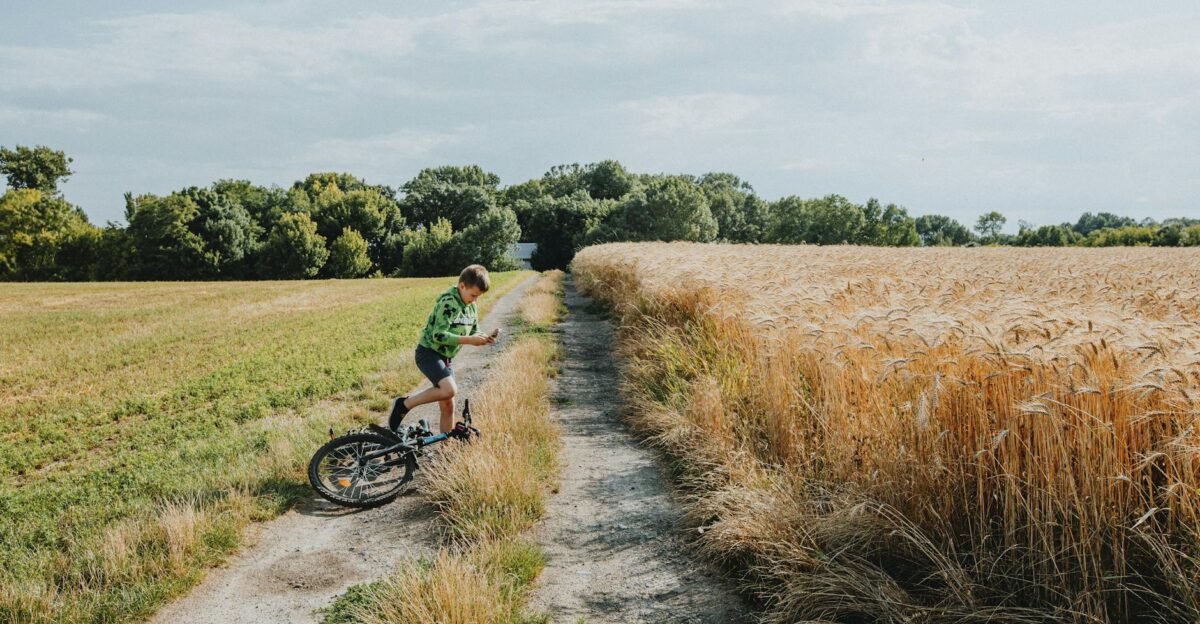
Schools in the 1950s and 1960s did not offer a “life skills” curriculum. Kids learned by collision—with failure, surprise, triumph, and the sometimes-brutal feedback loop of reality. Falling off a bike, you learn balance. Spending your allowance too early, you learn scarcity. Get cut from the team, and you learn hierarchy, competition, and resilience.
These weren’t gentle, cushioned moments. They forged something more profound: a sense that capability came from doing, not being taught.
The Social Glue of Face-to-Face Living
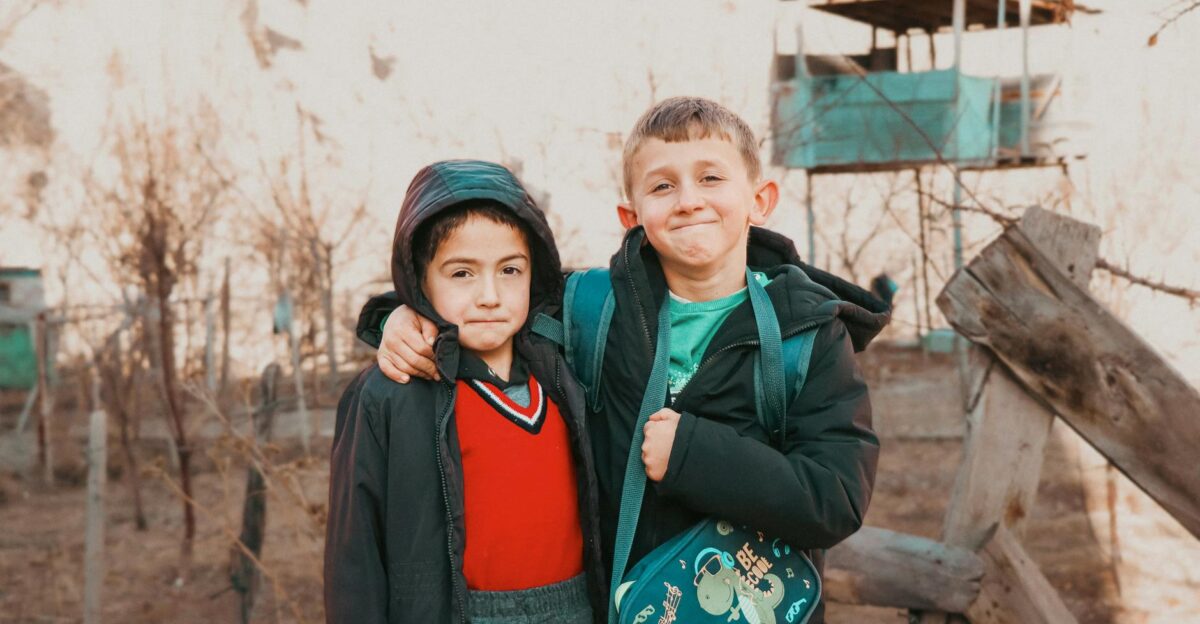
Before screens filtered emotion, kids learned to read people the way navigators read the sky. Tension in the jaw. Softening in a voice. A shared glance that signaled trouble or trust. Disputes weren’t mediated by parents or teachers—they unfolded in real time, child against child, until someone bent or everyone walked away.
These experiences became an invisible curriculum. No handbook. No “communication strategies.” Just raw, lived apprenticeship in humanity.
The Nine Skills That Quietly Defined a Generation
By 12, Boomers had acquired a toolkit so ordinary they barely named it, yet so foundational it shaped the adults they became. These weren’t hobbies or electives. They were survival frameworks: time, communication, mobility, food, empathy, money, safety, perception, and conflict.
Today, they read almost like artifacts. But each one reveals how independence was woven into childhood itself—and why many modern children never get the chance to earn it.
1. Reading an Analog Clock as a Code of Responsibility

For Boomers, the classroom clock wasn’t décor—it was a device they had to interpret. No digital display. No voice assistant. When you could read those hands, you could manage yourself. Time became a promise, not a suggestion.
Show up at 2 p.m. meant 2 p.m.—no texts, no excuses.
2. Cursive Writing as a Ritual of Connection
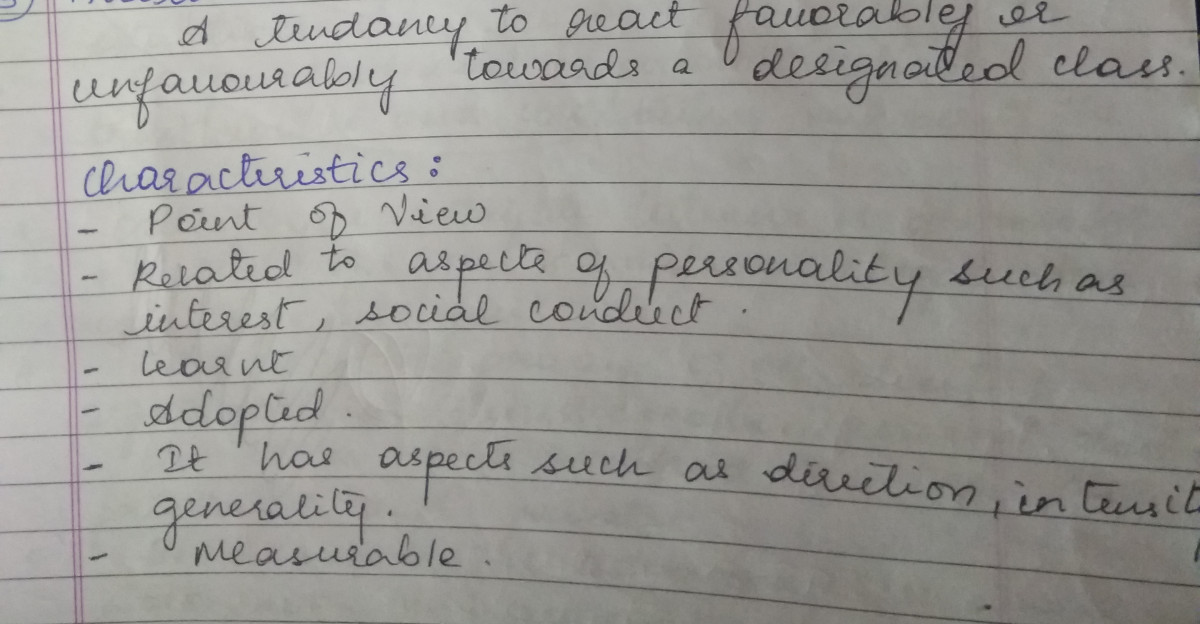
Long before email chains or instant messages, cursive was the heartbeat of communication. Children practiced loops, slants, and strokes until their handwriting carried not only words but personality. Letters mattered—birthday notes, apologies, confessions, love. They were physical evidence of care.
Today, most states no longer require the teaching of cursive. For Boomers, it was the bridge that connected people across miles, one inked gesture at a time.
3. A Child’s First Unsupervised Frontier
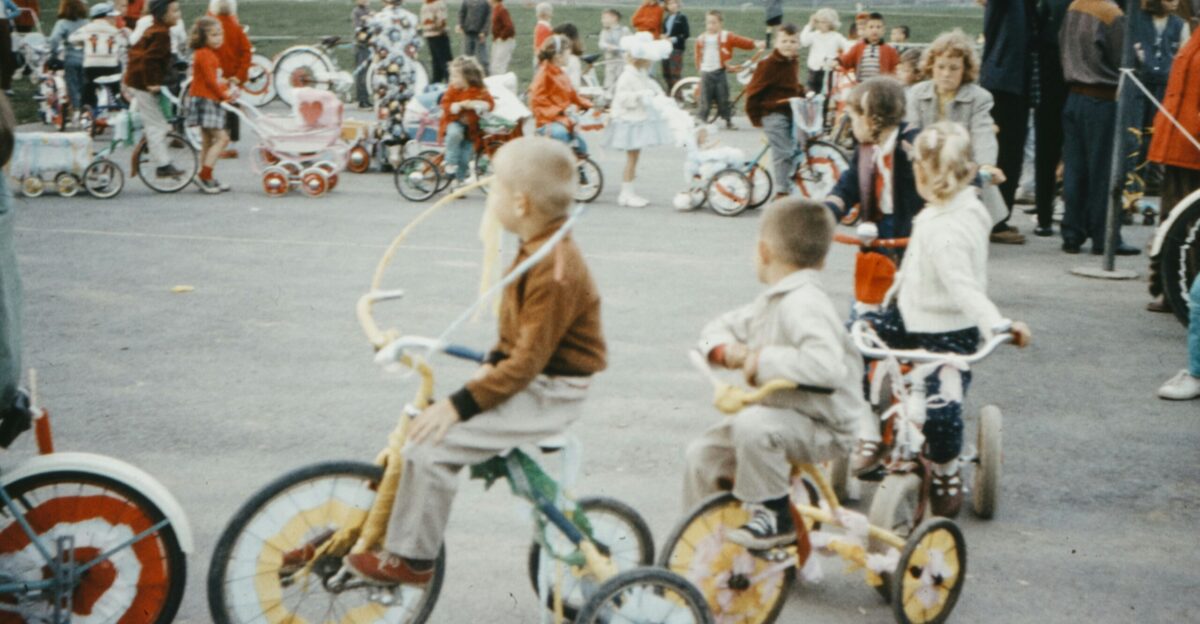
A bike wasn’t a toy—it was escape velocity. Two wheels unlocked neighborhoods, creeks, abandoned lots, and every secret route kids could map. No helmets. Few rules. You learned balance by falling, and courage by getting back on.
Gravel rash was a teacher; scraped knees were proof you’d tried something daring.r.
4. Cooking Because Someone Had To
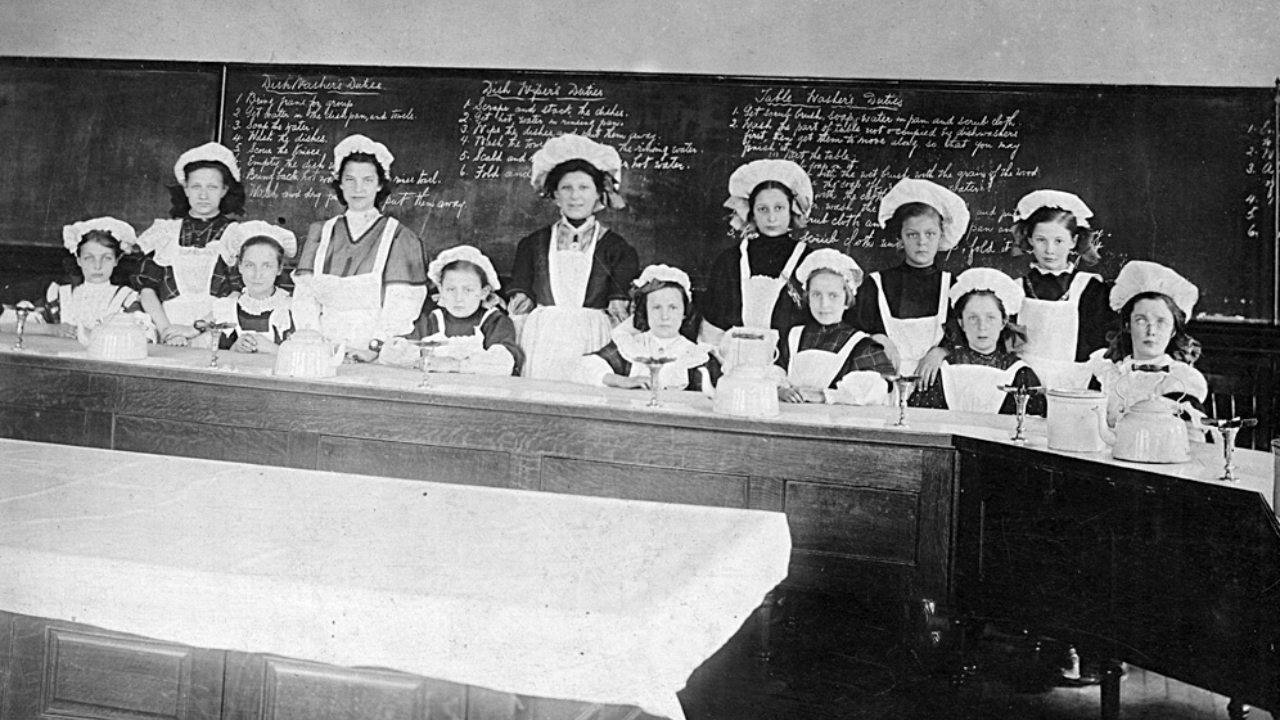
Before microwaves and delivery apps became lifelines, kids learned to feed themselves. Home economics classes drilled basic cooking, while everyday life demanded it. Hunger wasn’t a crisis—it was a cue to act.
Boil an egg. Make toast. Prep a simple dinner. Nothing fancy, but deeply empowering.
5. Empathy Learned Without Curriculum
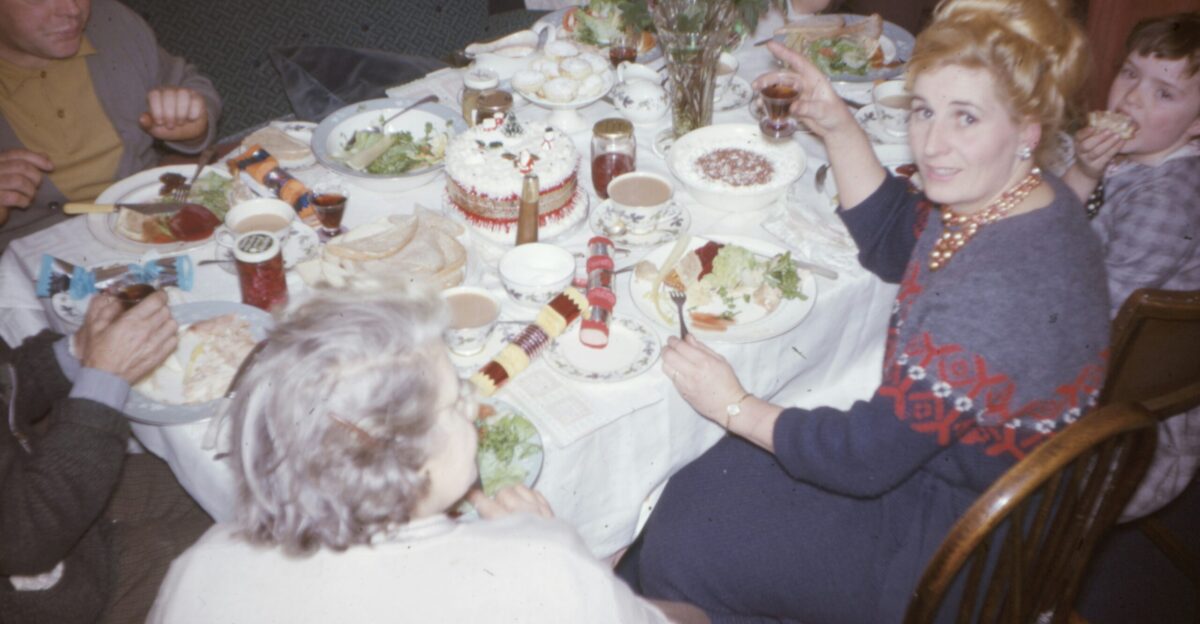
Respect wasn’t taught through worksheets—it was observed at dinner tables, absorbed in neighborhoods, and earned through trial-and-error conversations. Kids learned to listen, to sense tension, to back down or speak up at the right moment.
Without constant digital distraction, they practiced presence—true presence—reading people in real time.
6. Money Lessons Measured in Coins, Not Apps

A Boomer allowance came in quarters and dimes—physical reminders that wealth was finite. Spend badly, live with regret. Save wisely, earn a reward. There were no overdraft alerts or subconscious swipes.
The economy of childhood was tactile and immediate. That simplicity sharpened judgment: make choices, face consequences, try again.
7. First Aid as a Personal Responsibility
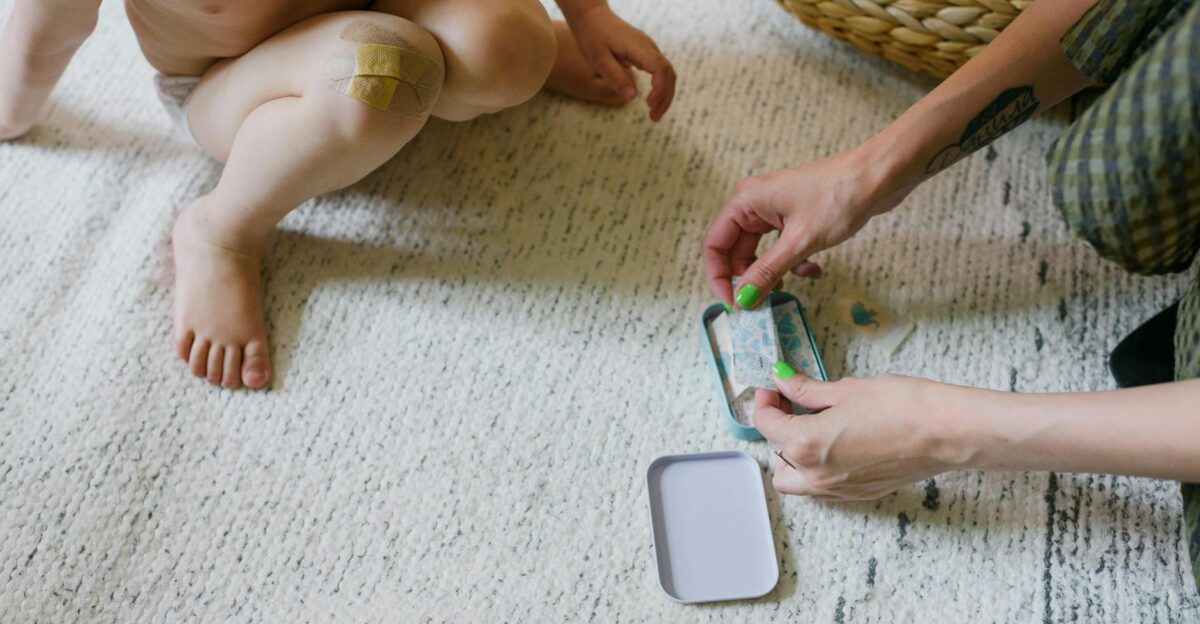
With fewer professional services available, minor injuries belonged to the injured. Kids cleaned their own cuts, wrapped their own bandages, and learned to distinguish discomfort from danger. Iodine stung, but it taught care.
Bandages didn’t magically appear—you applied them. The result was a quiet competence.
8. Reading Body Language Like an Unwritten Map
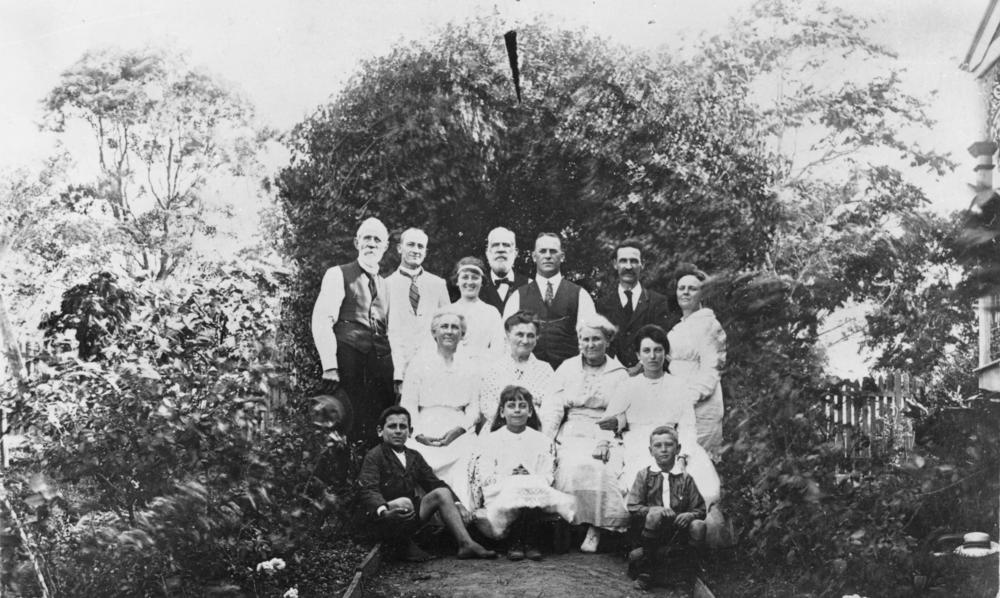
Before emojis softened messages and texts flattened tone, kids depended entirely on physical and vocal cues. A shift in posture. A glance across a room. A too-casual answer hiding something unspoken. They became fluent in the silent languages now often ignored.
By 12, many Boomers could walk into a room and instantly sense mood, motive, or tension, an almost uncanny awareness shaped by a world that required it.
9. Solving Conflicts Because No One Else Would

Arguments weren’t adult-managed events; they were rites of passage. Kids fought, negotiated, stormed off, reconciled, and moved on without parental referees. You learned how to stand your ground, when to concede, and how to rebuild fragile friendships.
Conflict was uncomfortable, but not dangerous. It taught resilience, grit, and social navigation.
The Generation That Invented Its Own Fun

With no digital escape hatch, boredom became an unexpected ally. Kids built worlds from sticks, chalk, records, and imagination. Forts, games, and ideas swallowed entire afternoons. They didn’t consume entertainment—they created it.
That self-generated creativity became a lifelong ability to fill silence with thought rather than diversion, a muscle memory.
Lessons Carved Into Consequence
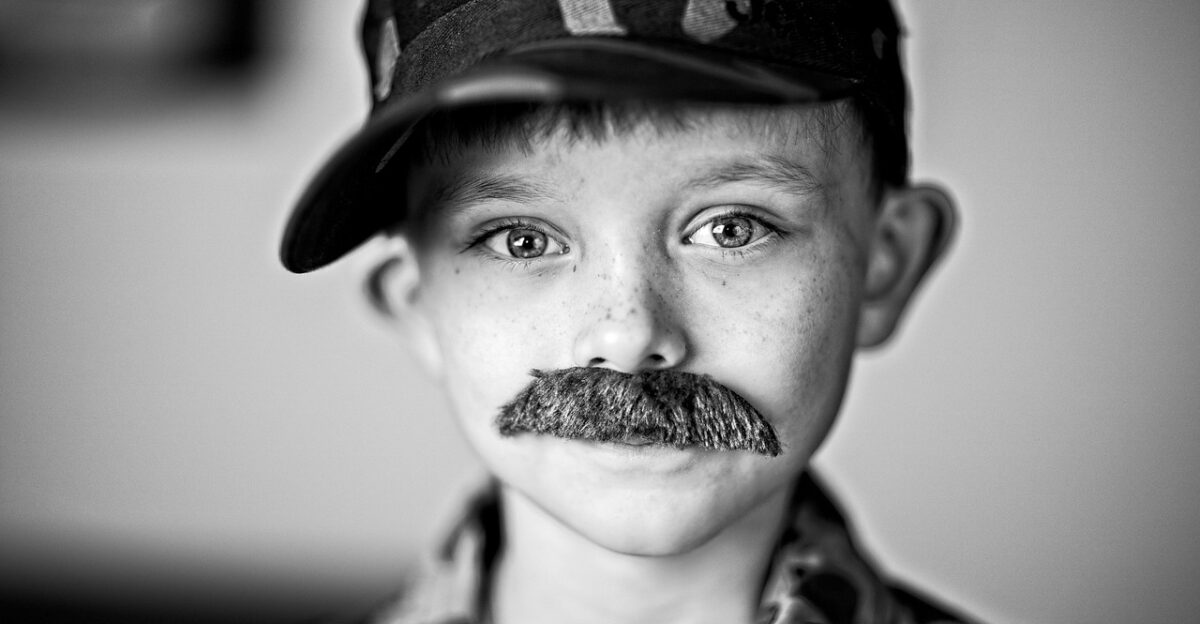
Every mistake delivered a message: fall, get up; spend, regret; try, fail; misjudge, learn. It was immediate, unsheltered feedback that didn’t require interpretation. Consequences weren’t punishments—they were teachers.
That simple, relentless cycle built competence more durable than theory ever could. And in those micro-moments of failure, a generation discovered its capacity to adapt.
Growing Up Without an Audience
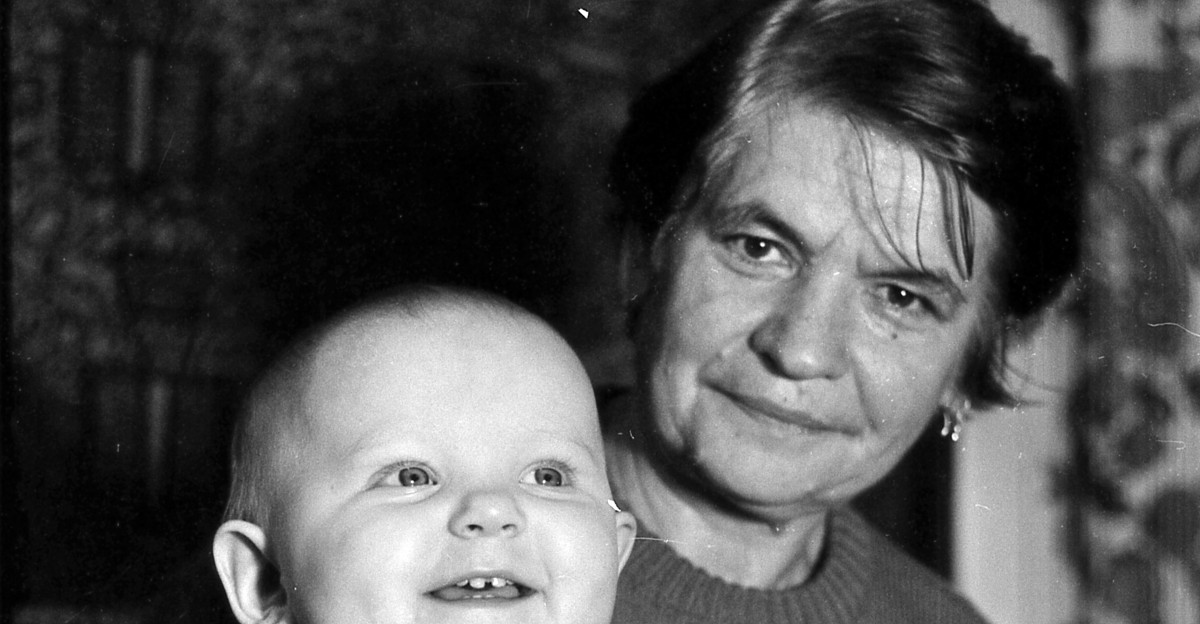
Boomer childhoods unfolded privately, without the relentless documentation of social media. They made errors in darkness, explored identity without commentary, and developed a self that wasn’t algorithm-approved. Without constant comparison, children learned to trust their inner compass.
Their worth wasn’t measured publicly—it was experienced internally.
The Silent Strength of Sitting With Feelings

Lacking modern psychological vocabulary didn’t mean lacking emotional depth. Kids navigated fear, anger, envy, and hope through intuition and experimentation. They didn’t always name emotions correctly—but they survived them.
In that unstructured space, some found resilience that lasted a lifetime, forged by quiet personal struggle rather than guided analysis.
Freedom Paired With Responsibility
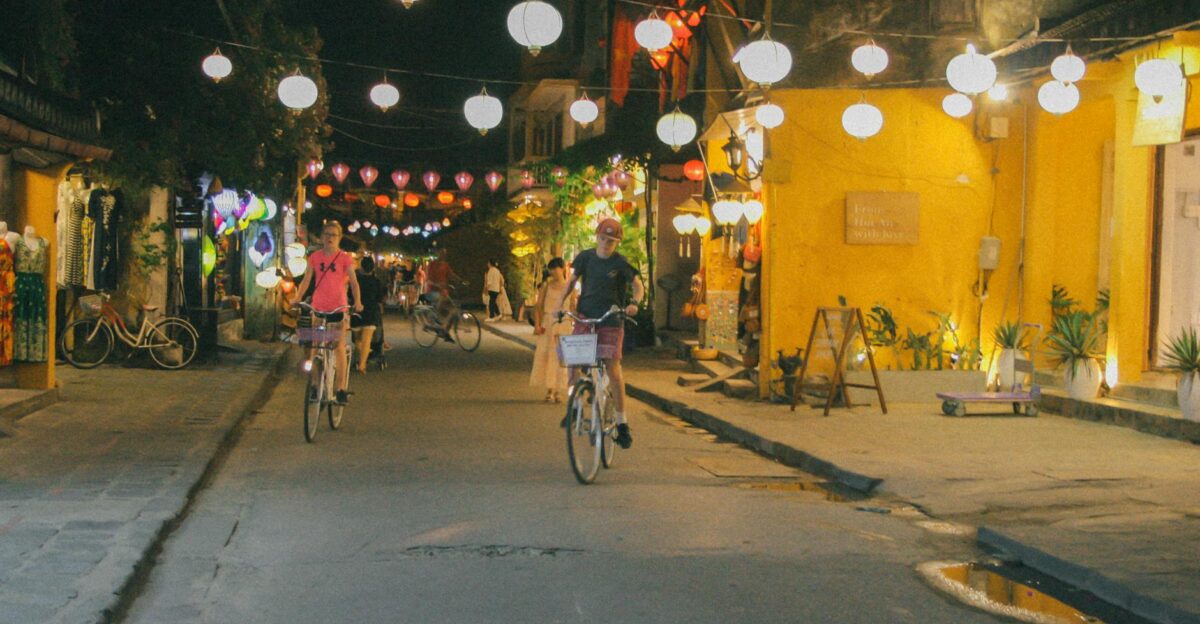
“Be back by dinner” wasn’t permission—it was a contract. Children earned independence by proving they could handle it. Boundaries were real, but so was trust.
That delicate balance shaped judgment: test limits, learn consequences, understand expectations. Freedom didn’t erode discipline; it deepened it.
The Toolkit That Still Echoes Today
Looking back, Boomers don’t romanticize danger—they recognize structure. Their childhood wasn’t safer, but it was formative. The skills they mastered by 12 weren’t extraordinary—they were expected. Yet those expectations shaped a generation with confidence in their own resourcefulness.
In a world that is growing increasingly digital and mediated, their early lessons feel almost mythic. But they’re not myths. They’re reminders of what children become when the world trusts them to grow.
Sources:
U.S. Census Bureau. Baby Boomer Generation Demographic Data (1946–1964 Birth Cohort)
Palmer Method Foundation & Zaner-Bloser Archives. Cursive Penmanship Instruction Standards, 1950s–1960s
American Red Cross Historical Records. First Aid Training Accessibility & Public Schooling, Mid-20th Century
U.S. Department of Education. Home Economics Curriculum Standards & Compulsory Instruction Records, 1950s–1960s
Research on Helicopter Parenting. Term Origin & Psychological Studies (Cline & Fay, 1990; Contemporary Child Development Research)