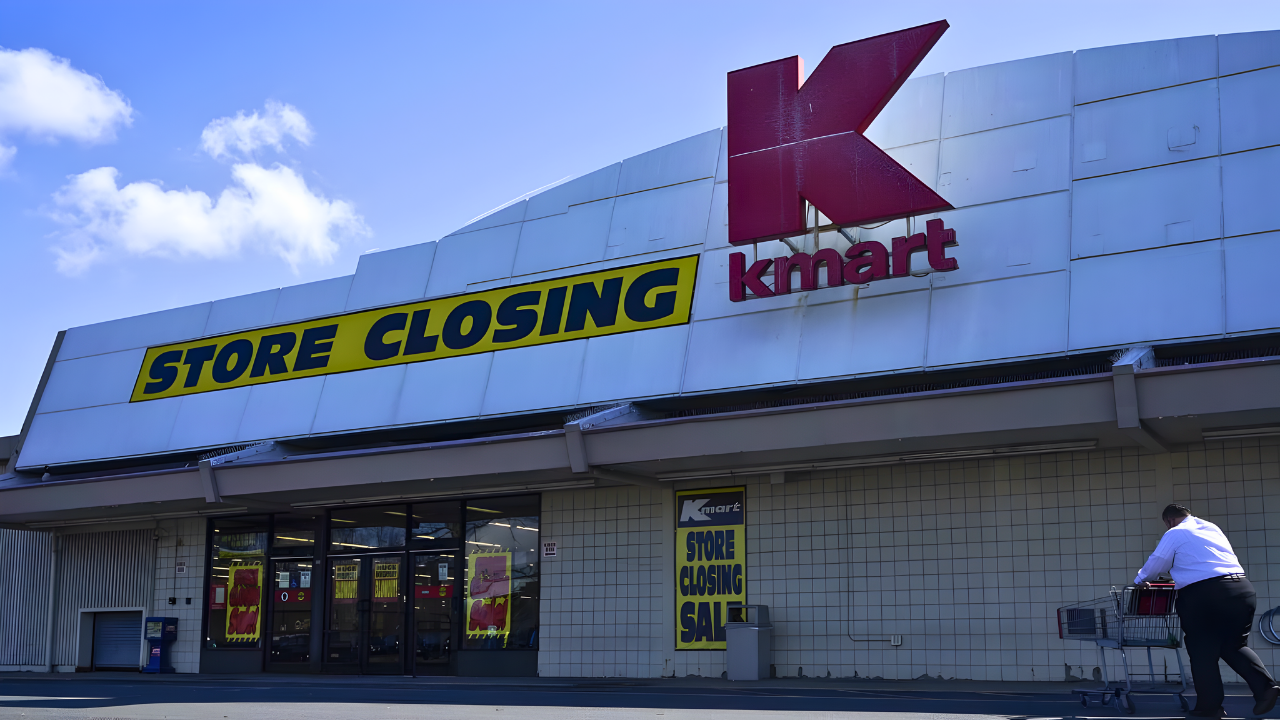
America’s retail industry is facing its steepest decline since the pandemic in 2020. More than 7,300 stores shut their doors in 2024, and experts predict that number could double, reaching around 15,000 closures in 2025. These closures reveal deep problems within the sector, as even long-established brands struggle to survive in a rapidly changing market. Rising costs, competition from online shopping, and shifts in consumer habits are forcing major companies to downsize or disappear altogether. The consequences are spreading far beyond the shopping malls, rippling through local economies that depend on retail traffic to stay alive.
Nine big chains, Macy’s, Kohl’s, Big Lots, CVS, Walgreens, Best Buy, Foot Locker, 7‑Eleven, and Starbucks, are among those cutting back thousands of locations. Their scale shows that this is not just one company’s problem but a sweeping transformation across the entire industry. Department stores in particular, which once offered the ultimate one-stop shopping experience, have been hit the hardest. In the 1980s, there were about 3,000 department store locations nationwide; today, fewer than 400 remain. The decline reflects how Americans now prefer online shopping, discount outlets, and faster, more convenient options.
Rising Pressures on the Retail Sector

E-commerce continues to dominate shopping trends, growing at an annual rate of about 8.3%, more than double the pace of brick-and-mortar stores, which are expanding at just 3.3%. This shift has been accelerated by the convenience, variety, and price advantages that online retailers can offer. Inflation has made matters worse, pushing shoppers to seek cheaper deals on fast-rising platforms such as Temu and Shein. With less traffic coming through their doors, stores are losing revenue even as their expenses climb.
Retailers are also under pressure from increasing operational costs. Many landlords are keeping rents high on valuable properties, even as customer visits decline. That makes it harder for retailers to stay profitable. To cope, many chains are closing stores and laying off workers in hopes of saving their most successful locations. The industry’s current wave of closures, once seen as temporary or cyclical, now signals a deeper structural change in how and where Americans shop.
Major Chains Lead a Wave of Closures
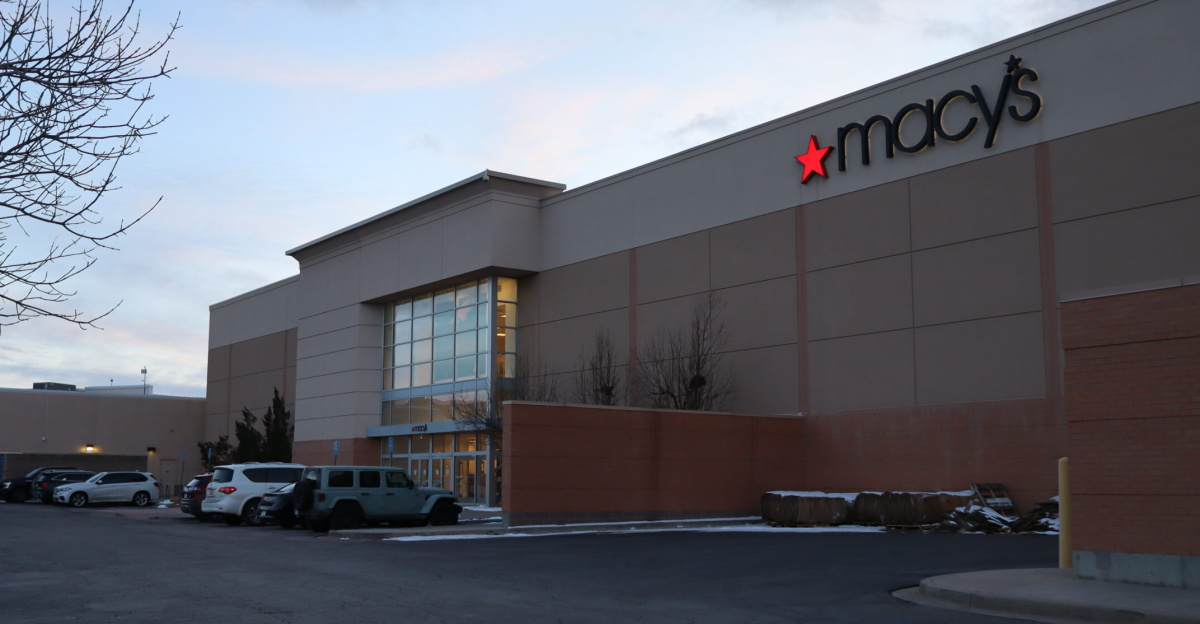
The wave of store closures includes some of the most recognizable names in American retail. On January 9, 2025, Macy’s announced that it would close 66 stores this year and 150 in total by 2026 under its “Bold New Chapter” plan. The shutdowns target underperforming sites across 15 states, with the largest numbers in California (nine closures), Florida (seven), and New York and Texas (six each). It marks one of the biggest shakeups in department store history and shows just how much pressure traditional retail faces.
The following day, Kohl’s announced 27 store closures by April 2025, including ten in California, as well as a 10% reduction in corporate staff. These moves reflect the broader trend among mid-tier retailers trying to streamline their operations and stay competitive. Other companies, like Walgreens and CVS, are cutting back on pharmacy locations that no longer bring in profits. Walgreens plans to close about 1,200 stores over three years, while CVS continues its previously announced plan to close 270. Specialty and convenience retailers are feeling the same squeeze. Best Buy plans to shut up to 15 stores this year to focus on online services, Foot Locker expects to close 400 mall outlets by 2026, and 7‑Eleven will remove nearly 150 stores due to rising costs and declining nicotine product sales.
These closures are not just statistics, they affect tens of thousands of workers and entire neighborhoods. Macy’s store closures alone could cost between 4,500 and 7,500 jobs. Walgreens’ reduction could displace up to 16,500 employees. As anchor stores vanish, nearby businesses that depend on them for traffic—small restaurants, salons, and service shops also suffer.
Toward a New Retail Future

The rise of Amazon and other giants has permanently changed how people view shopping. Many consumers now see physical stores as unnecessary unless they offer something special, personal service, local flavor, or an experience that can’t be replicated online. As landlords raise rents and shopping centers lose their draw, retailers are being forced to reinvent themselves to survive. Some are experimenting with smaller store formats or blending digital and in-person shopping by using mobile apps to personalize customer visits.
Even sectors outside retail, like food service and entertainment, are paying close attention to these shifts. They are learning to be more flexible and to anticipate what customers want in a hybrid world that mixes online and physical experiences. At the community level, cities and local governments are teaming up with developers and small businesses to repurpose empty retail spaces into housing, offices, or shared workspaces, efforts aimed at keeping downtowns active and vibrant.
Despite the widespread closures, there are signs of adaptation and opportunity. Many surviving chains are trying new approaches, combining data-driven insights with human interaction to attract shoppers back to stores. The era of huge department store anchors may be ending, but the next chapter is likely to feature smaller, more connected spaces that reflect community needs. In the end, retail’s survival will depend on how quickly and creatively businesses can adjust to constantly changing shopping habits.
Sources:
Coresight Research U.S. Store Tracker 2025
Fast Company Retail Apocalypse: 15,000 Stores Closing in 2025
Macy’s Inc. Planned Store Closures Announcement
USA Today Kohl’s and Macy’s Store Closure Analysis
Yahoo Finance CVS and Walgreens Store Closures Report