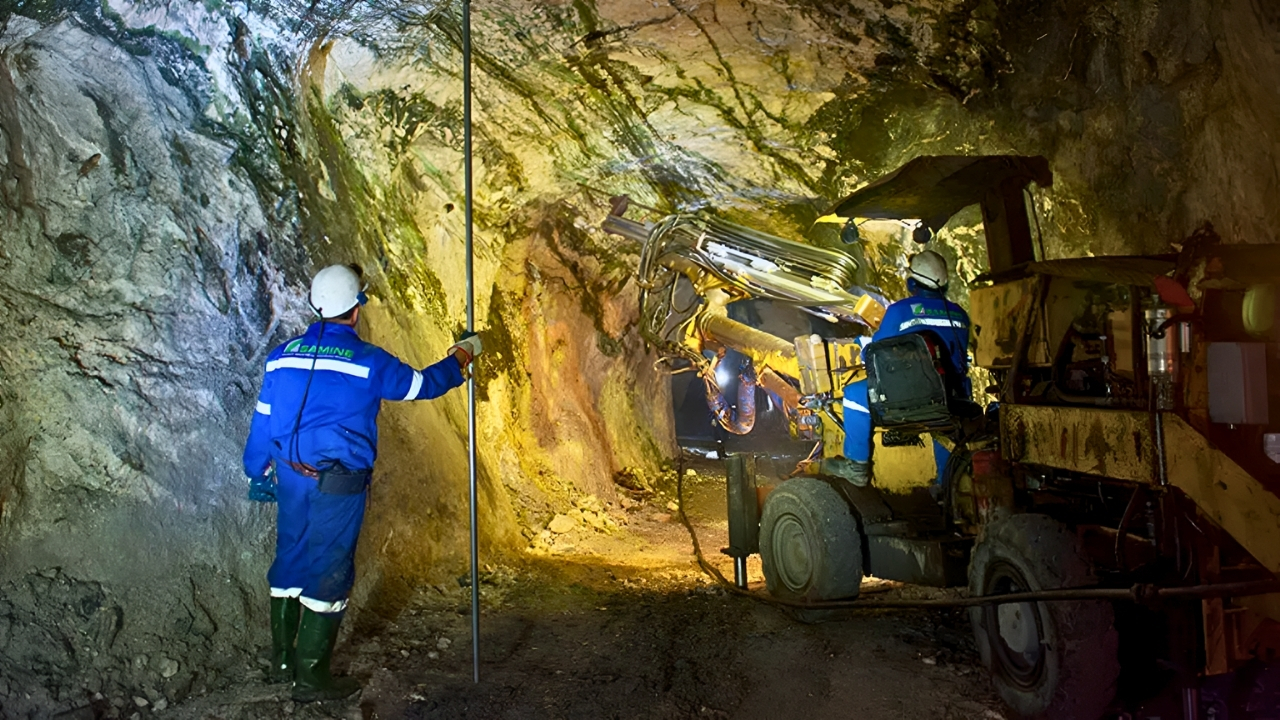
Under the remote Kunlun Mountains in Xinjiang, Chinese geologists say they have verified a vast underground gold belt containing more than 1,000 tonnes of metal, drilled at depths beyond 2,000 meters. Valued at roughly $90 billion at current prices, the discovery is being described in industry circles as one of the largest of its kind in recent decades and a potential turning point in China’s long-term resource outlook.
Official confirmations and a year of “supergiant” finds
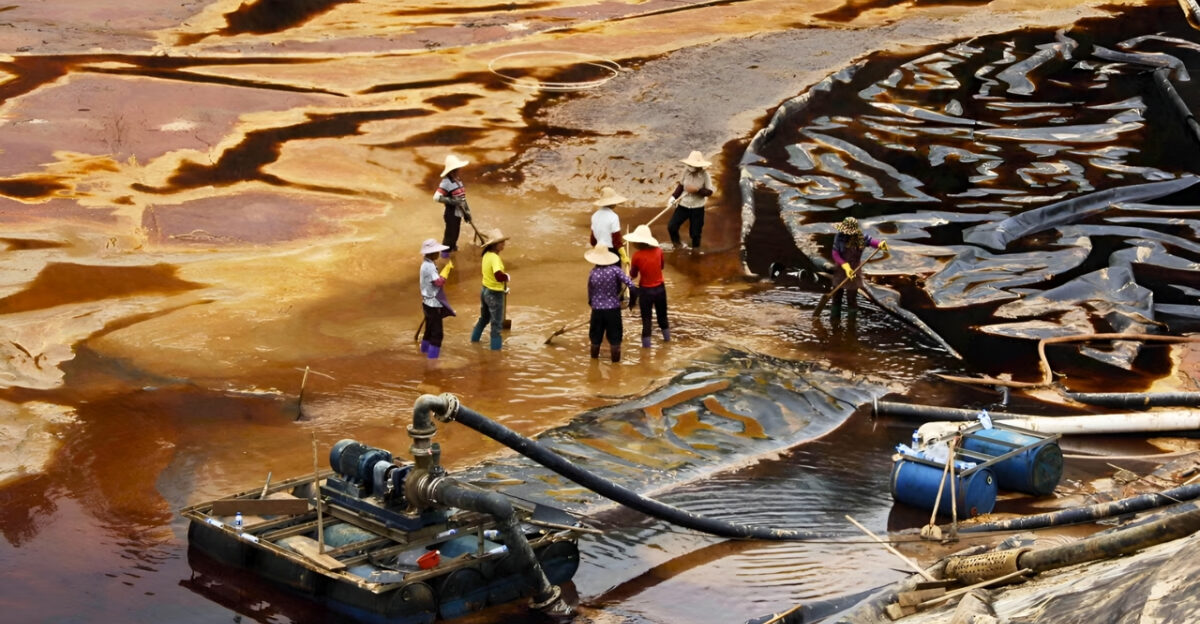
China’s Kashgar Geological Team formally confirmed the Xinjiang discovery on November 4, 2025, publishing technical details in the peer‑reviewed journal Acta Geoscientifica Sinica. Senior engineer He Fubao, who led the ten‑year project, said “the outline of the thousand-tonne gold belt west of Kunlun, Xinjiang, is now taking shape,” placing the deposit among the world’s largest documented gold finds.
The Kunlun belt is not an isolated case. Within the same year, authorities also confirmed the Dadonggou deposit in Liaoning Province, which holds about 1,444 tonnes of gold within 2.586 billion tonnes of ore. Officials describe it as the biggest single domestic discovery since the founding of the People’s Republic in 1949. Together with a third large deposit reported in Hunan, these finds have prompted a revision of long‑standing assumptions about the scale of China’s unexploited gold resources.
Until recently, industry estimates put China’s unmined gold at around 3,000 tonnes—far below the roughly 12,000‑tonne underground endowments often cited for Russia and Australia. The three newly confirmed deposits alone account for more than 3,400 tonnes of potential reserves. If proven economically extractable, they could move China sharply up the global rankings and reduce its dependence on foreign suppliers.
Engineering hurdles and uncertain economics
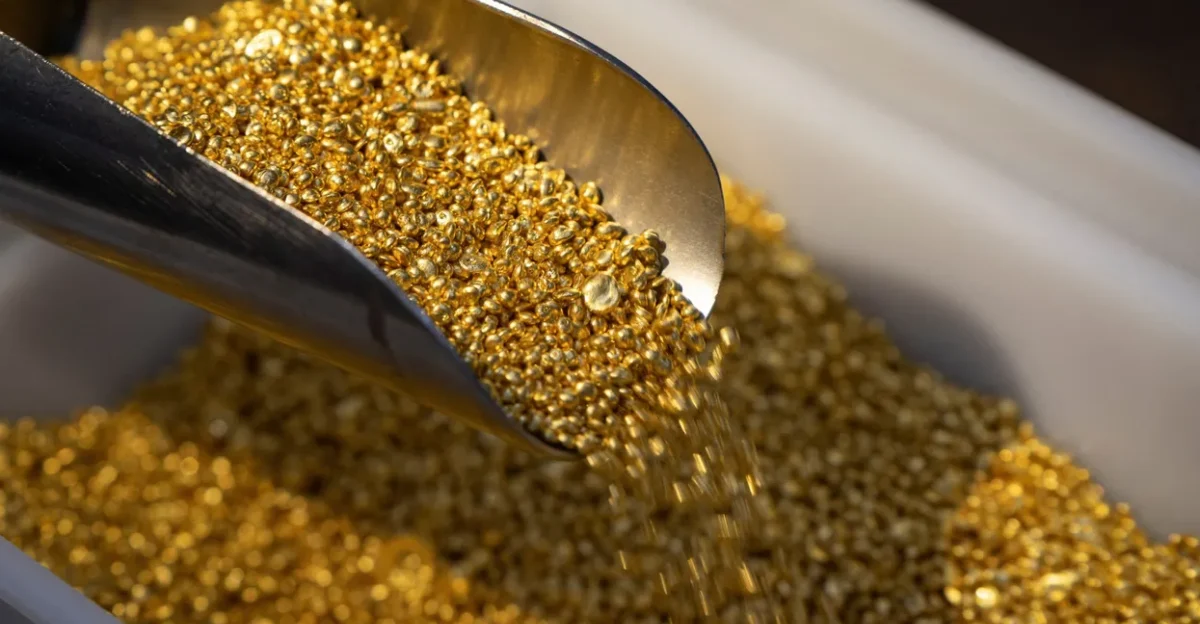
Despite the impressive headline figures, specialists caution that very large geological resources do not automatically translate into profitable mines. The Kunlun belt is described as a scattered‑vein system, with gold spread through multiple thin structures rather than concentrated in a few rich blocks. The ore lies mostly between 2,000 and 3,000 meters below the surface, where high temperatures, rock pressure and complex drilling conditions sharply raise operating costs.
Grades in the Xinjiang deposit are characterized as low relative to the world’s richest gold zones, meaning very large volumes of rock must be extracted and processed to obtain modest quantities of metal. That kind of ultra‑deep, low‑grade mining is rare globally and tends to be viable only when prices are high and technical conditions are favorable. Engineers involved in the projects estimate that completing detailed appraisal work and building out production systems could take decades, with full extraction timelines of 30 to 50 years for each field.
Those long horizons expose developers to major uncertainties over future gold prices, technological advances, regulation and geopolitical risk. A deposit that appears commercially attractive at today’s elevated prices could become marginal or loss‑making if the market turns or if environmental requirements tighten. China National Gold Group and provincial partners nevertheless plan to invest more than $2.82 billion between 2024 and 2027 to build roads, power supplies, processing plants and other facilities for the Liaoning site alone, with similarly large outlays expected in Xinjiang and Hunan.
Strategic ambitions and shifting global gold dynamics
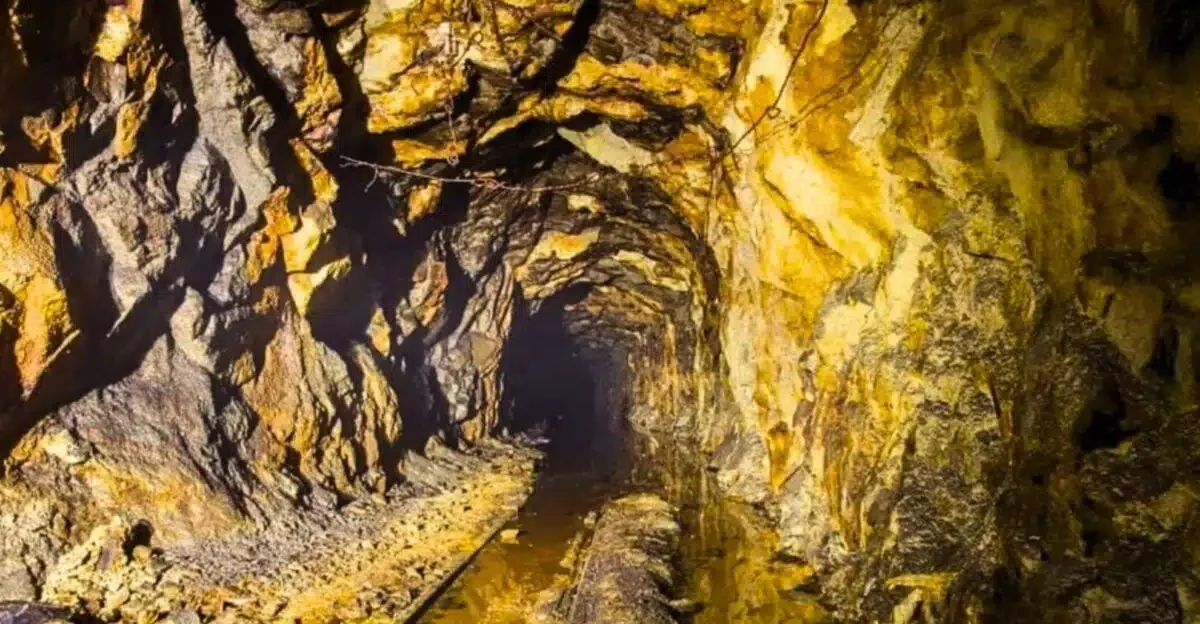
The new deposits dovetail with Beijing’s wider effort to secure domestic supplies of critical materials. China is already the world’s largest gold producer, with output of about 377 tonnes in 2024, but it consumes close to 985 tonnes a year and remains a net buyer on global markets. Analysts estimate that Chinese institutions and the central bank together may be purchasing as much as 250 tonnes annually, suggesting stockpiling beyond officially reported figures.
According to Torsten Slok, chief economist at Apollo Global Management, China has become “a critical force propelling gold prices to record highs in 2025.” Prices climbed more than 50 percent over the year, surpassing $4,000 per ounce and reaching $4,381.21 on October 20. The People’s Bank of China has added to its gold reserves for twelve consecutive months through October 2025, bringing holdings to 2,304.5 tonnes. At the same time, Chinese gold exchange‑traded funds have seen inflows above 2024 levels, and withdrawals from the Shanghai Gold Exchange totaled 118 tonnes in September 2025.
These patterns appear to be affecting trade flows. In October 2025, China’s gold imports through Hong Kong dropped by 64 percent compared with earlier months, an abrupt fall attributed to strong domestic supply and inventory. That decline offers an early indication of how greater resource self‑reliance could reshape global supply chains.
Financial institutions are adjusting their forecasts. Goldman Sachs has lifted its price outlook to $4,900 per ounce for December 2026, citing sustained central bank buying, diversification away from the U.S. dollar and geopolitical tensions as key supports. A World Gold Council survey in 2025 found that 73 percent of central bank respondents expect the dollar’s share of global reserves to fall within five years, with gold, the euro and the renminbi playing larger roles. China’s potential expansion of its gold base could strengthen its position in this evolving monetary landscape and reinforce efforts to internationalize the renminbi.
Environmental and regional repercussions in Xinjiang and beyond
Environmental scientists warn that large‑scale extraction in Xinjiang could carry heavy long‑term costs. Gold mining typically generates far more waste rock and tailings than many other underground operations, a problem magnified when ore grades are low. The Kunlun region contains fragile alpine ecosystems and important watershed areas; the construction of access roads, tailings dams, power lines and worker settlements risks fragmenting habitats and disrupting wildlife corridors.
Water contamination is viewed as the most serious hazard. Industrial gold recovery commonly relies on cyanide and, in some cases, mercury, both of which can leak into rivers and groundwater if storage and treatment systems fail. In addition, sulfide‑rich tailings can produce acid mine drainage when exposed to air and water, releasing metals such as arsenic, lead, copper, zinc and cadmium for centuries after a mine closes. Researchers estimate that acid generation from such sites can persist for 100 to 500 years, affecting downstream communities and agriculture far beyond the mine perimeter.
China’s record in managing mining impacts adds to those concerns. Decades of rare‑earth extraction, for example, have left abandoned pits and waste ponds that still leak pollutants into soils and aquifers. Authorities have shuttered many small illegal sites and strengthened regulations in recent years, but enforcement remains uneven, especially in sparsely populated frontier regions where local governments face strong pressure to prioritize economic growth.
Balancing resource ambitions with long‑term risks
If even a portion of the newly announced deposits proves commercially recoverable, China could add hundreds of tonnes of annual production over the coming decades, easing import needs and reinforcing its financial reserves. In theory, greater supply might help moderate price swings, but extended lead times mean that any stabilizing effect is unlikely to be felt in the near term. For now, market dynamics continue to be driven by investment demand, central bank strategies and geopolitical uncertainty.
The path from discovery to full‑scale mining in Xinjiang, Liaoning and Hunan remains uncertain. Ultra‑deep, low‑grade extraction is technically demanding and capital‑intensive, and portions of these resources may never become economical to exploit. At the same time, unmanaged environmental pressures could undermine the very development goals the projects are meant to support. How China balances these economic, strategic and ecological considerations will shape not only its own gold sector, but also the global role of the metal in trade, finance and currency systems in the years ahead.
Sources:
Reuters Goldman Sachs December 2026 gold forecast
World Gold Council central bank survey June 2025
China Daily November 2025 gold deposit report
Acta Geoscientifica Sinica peer-reviewed geological study
China Ministry of Natural Resources official Liaoning confirmation