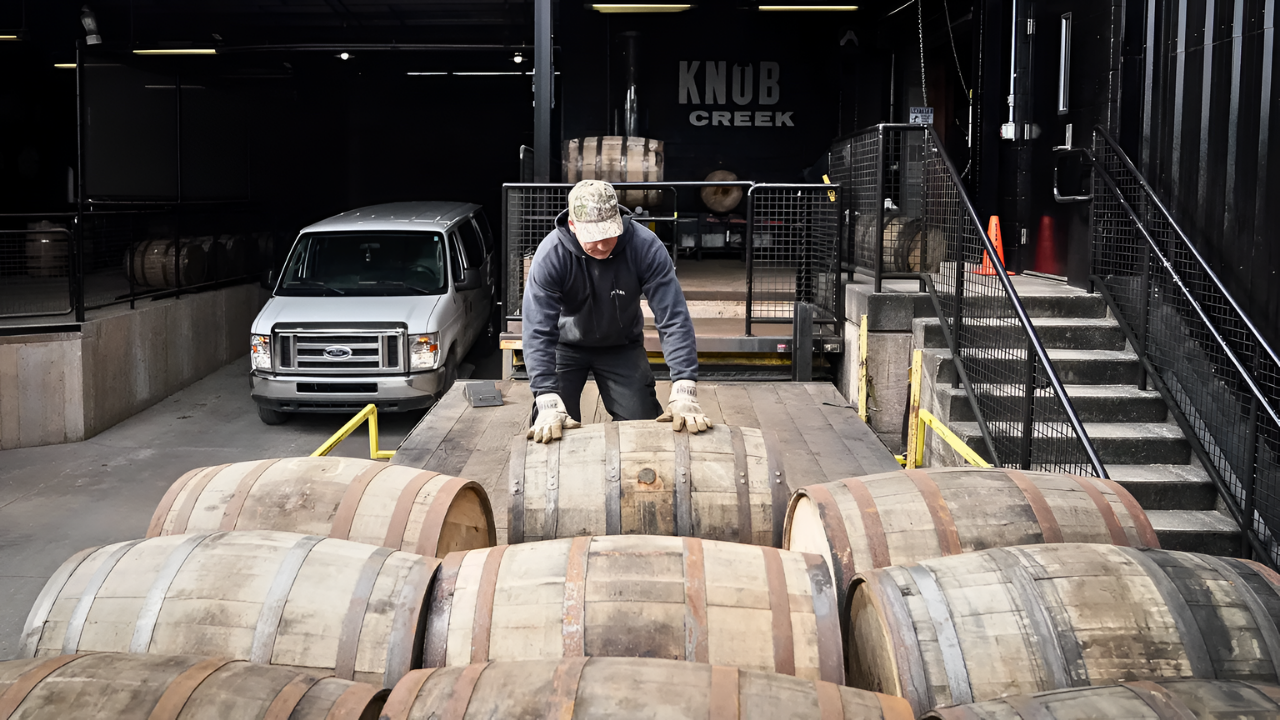
Bourbon country faces its most severe crisis in decades as Jim Beam announced a complete production shutdown at its iconic Clermont, Kentucky distillery throughout 2026, affecting 1,500 workers in an industry generating $9 billion annually for the state. The pause signals industry-wide collapse driven by tariffs, collapsing exports, falling drinking, and record inventories that strain finances. The timing makes the stakes feel immediate, even before January arrives.
Iconic Bourbon Maker Pauses Flagship Operations
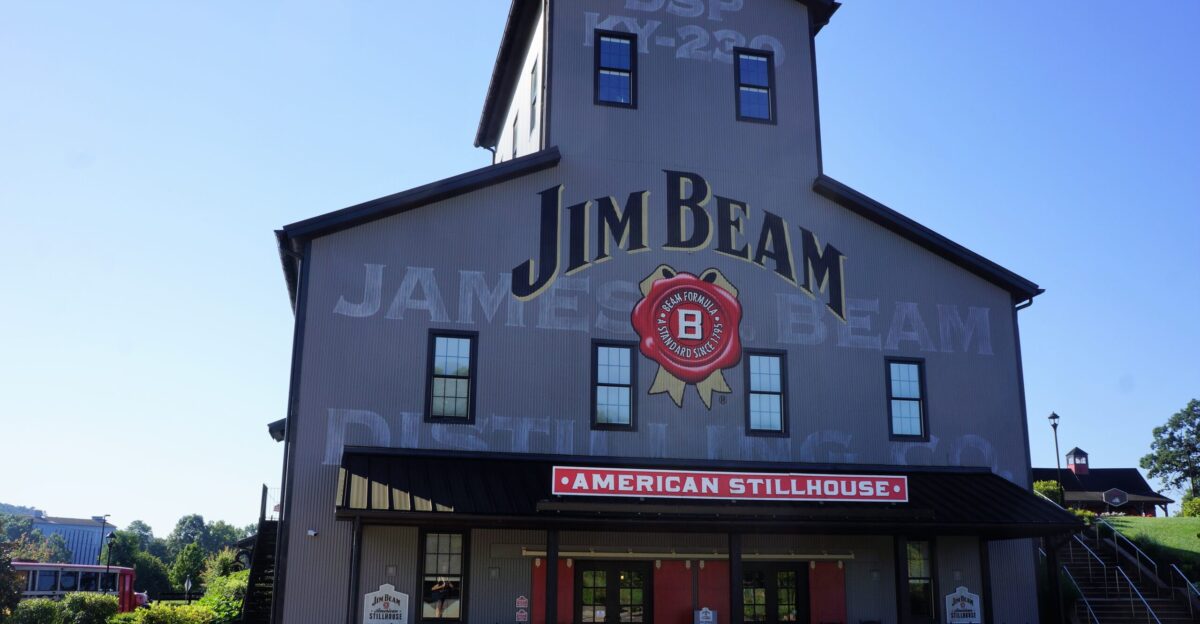
Jim Beam announced it will halt distillation at its main Clermont, Kentucky facility beginning January 1, 2026, through December 31. The pause affects approximately 1,500 employees directly. Bottling, warehousing, and the visitor center will remain operational.
Two smaller distilleries will continue production. This represents the largest bourbon producer’s first major production halt in decades, signaling unprecedented industry stress. Yet observers wonder whether this pause is truly temporary.
What Sparked This Unprecedented Decision?
Suntory Global Spirits, Jim Beam’s Japan-based parent company, framed the move as assessing “production levels to best meet consumer demand” and making “site enhancements.” However, internal documents reveal darker reality: demand has collapsed while inventory has exploded.
The company continues production at smaller facilities to preserve technical expertise and premium product lines. This selective pause strategy mirrors responses by competitors facing identical market forces. The question becomes whether 1 year pauses enough?
Clermont, Kentucky Lives And Dies By Beam
The James B. Beam Distillery in Clermont stands as one of America’s most historic spirits production facilities, producing Jim Beam, Knob Creek, Basil Hayden’s, and Booker’s bourbons. Clermont itself has become economically dependent on the distillery, with its visitor center attracting 100,000+ guests annually. The surrounding region’s economy intertwines with bourbon production, from barrel-makers to corn farmers to hospitality workers. When the largest facility pauses, the ripple effects extend further.
A Late December Announcement That Landed Hard
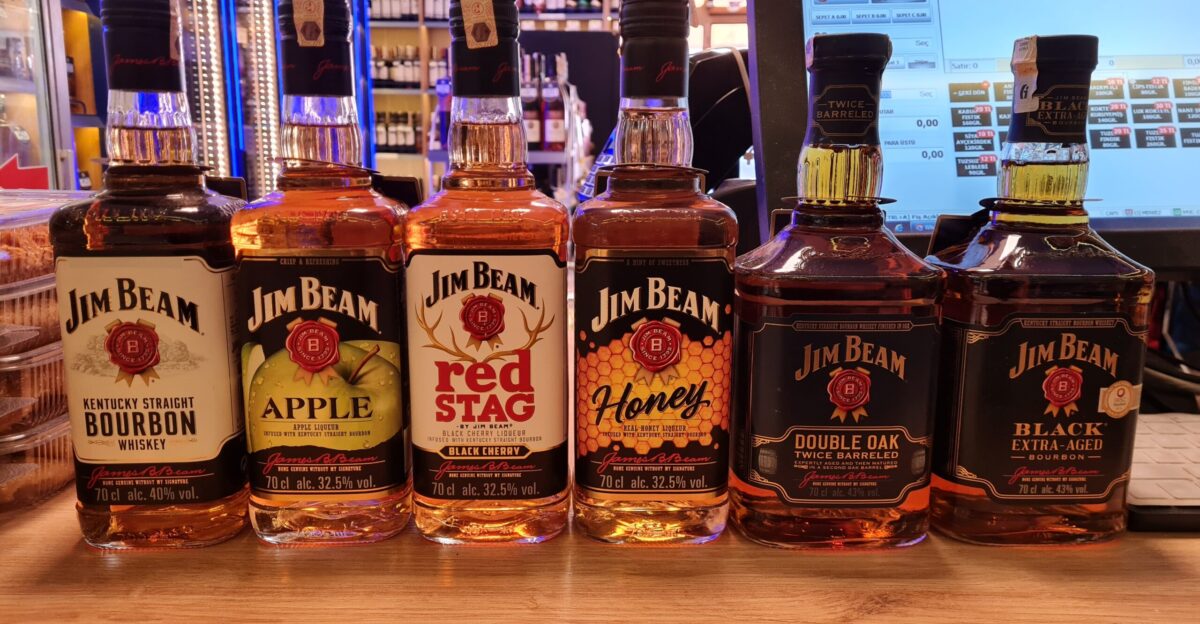
Jim Beam disclosed its production pause on December 22, 2025, shocking industry observers and Kentucky policymakers who had hoped for stabilization. The announcement arrived amid cascading bad news: other distilleries closing, smaller operations filing bankruptcy, and exports collapsing.
Timing mattered strategically, a year-end move that delayed worker notification and softened headlines during holidays. However, savvy observers saw it reflected calculations about 2026 and beyond. The message felt like resignation.
Canada Collapses After A 25% Tariff Shock
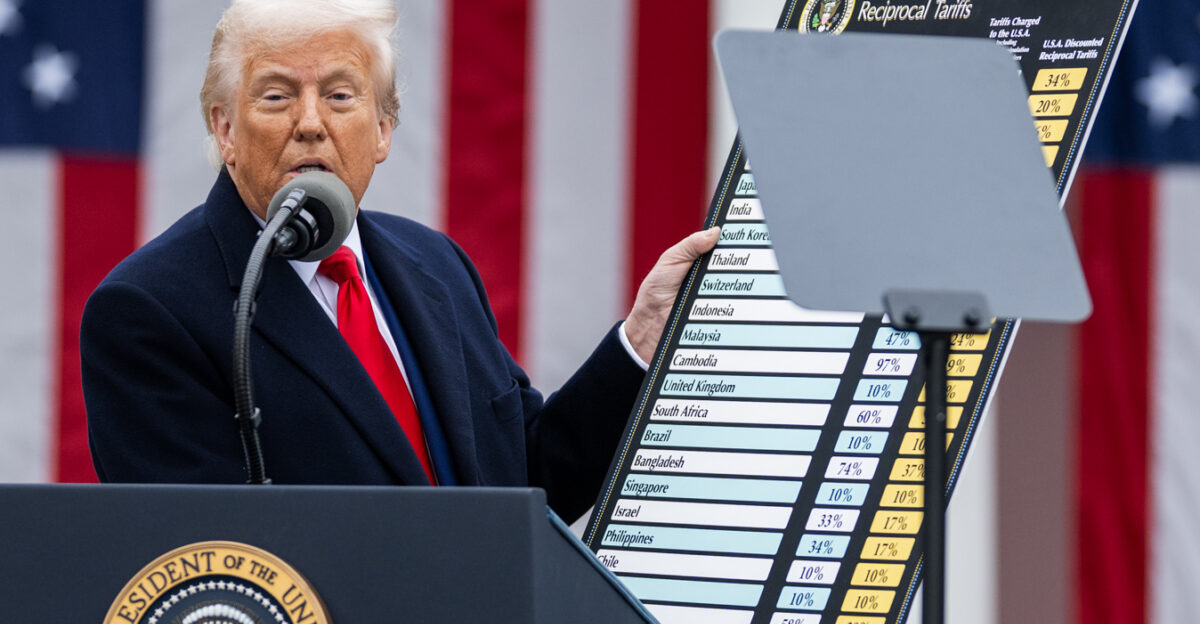
When President Trump imposed 25% tariffs on Canadian goods in March 2025, Canada retaliated by removing American spirits from retail shelves. U.S. spirits exports to Canada plummeted 85% in Q2 2025 to $9.6 million, down from typical annual exports of $221 million.
Even after Canada officially removed tariffs in September 2025, provinces maintained de facto bans. Bourbon’s second-largest market suddenly looked unreachable, and the pattern spread.
Americans Drink Less Than They Have In Decades
According to July 2025 Gallup polling, just 54% of American adults report consuming alcohol, the lowest rate in Gallup’s nearly 90-year history, down from 62% in 2023 and 67% in 2022. Simultaneously, 53% of Americans now believe even moderate alcohol consumption harms health, up from 28% in 2015. Young adults aged 18-30 show the steepest decline, with only 50% drinking. What happens when demand shrinks across generations?
16.1 Million Barrels And A Tax Bill
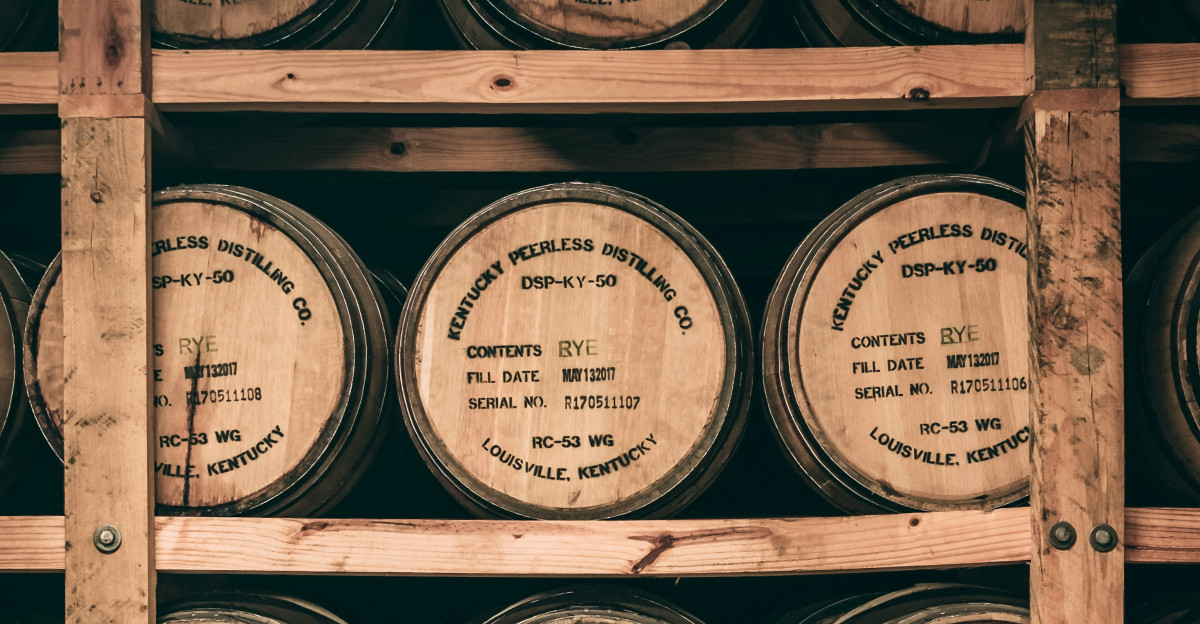
Kentucky warehouses hold an all-time record 16.1 million barrels of aging bourbon as of January 1, 2025, plus 1 million barrels of other spirits totaling 17.1 million barrels statewide. This 475% production increase since 1999 created unsustainable inventory.
Most barrels will not reach market until after 2030, meaning a future glut as demand weakens. Kentucky also taxes aging barrels, creating a $75 million annual burden. Pressure like this forced decisions.
“We Need Certainty of Tariff-Free Trade”

Eric Gregory, President of the Kentucky Distillers’ Association, summed up industry desperation: “We need the certainty of tariff-free trade for America’s only native spirit to flourish.” Bourbon’s vulnerability is unusual because it must be made in the United States and aged in new charred oak barrels.
Gregory added: “Long-term planning for a product that won’t be ready for years is already tough enough,” tying tariffs directly to painful inventory math. Can lawmakers deliver certainty?
Competitors Cut Jobs And Pause Distilling Too
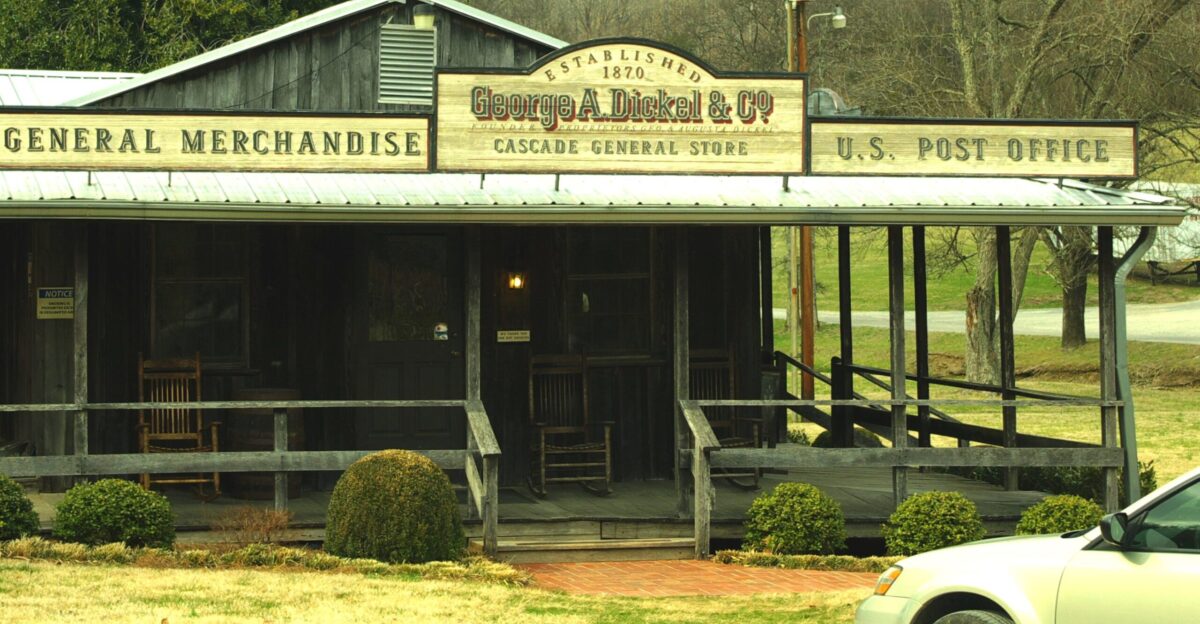
Jim Beam’s pause is the biggest marker of systemic contraction. Brown-Forman cut 12% of global workforce, about 650 jobs, in January 2025 and closed its 1945 Louisville cooperage. Diageo paused production at Balcones, George Dickel, and Teaninich through mid-2026, affecting 17 workers. Independent Stave laid off 112 in August 2025. Green River cut 26 employees in April 2025. The industry is behaving like demand changed for good.
1,500 Workers Stare At A Complicated Year
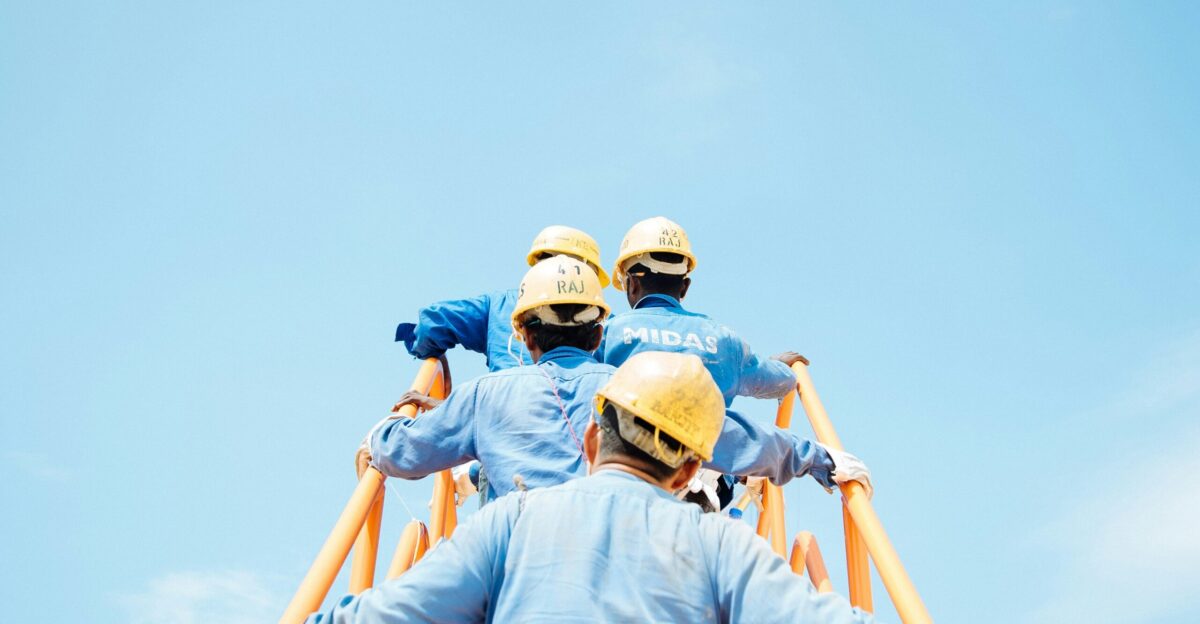
Jim Beam’s 1,500 Kentucky employees now face uncertainty about employment, hours, and future roles. The company said it would “assess how best to utilize our workforce during this transition” while conducting “ongoing conversations with the union.”
Workers represented by the United Food and Commercial Workers union have protections, but pauses often mean layoffs, reassignments, or reduced hours. With coordinated slowdowns across brands, even experienced bourbon workers may have fewer landing spots. The shock will spread outward.
Kentucky’s $9 Billion Bourbon Engine Wobbles
Bourbon generates $9 billion in annual economic impact for Kentucky, supporting 23,100 jobs and generating $357 million in state and local taxes. Production pauses and layoffs threaten that engine.
Impacts extend to corn farmers supplying 21 million bushels annually, barrel-makers, warehouse operators, bottling companies, and hospitality workers serving tourists. The Kentucky Bourbon Trail drew 2.7 million visitors in 2024 and generated $400+ million in tourism revenue. If production slows, does the tourism story weaken too?
Export Markets Slide Beyond Canada
Beyond Canada, American whiskey exports contracted globally in 2025. EU exports fell 12% to $290.3 million in Q2 2025. UK exports dropped 29% to $26.9 million. Japanese exports decreased 23% to $21.4 million. These markets, plus Canada, represent 70% of total U.S. spirits exports by value.
The EU threatened 50% tariffs on American whiskey in late March 2025 unless trade disputes shifted. Export-driven growth assumptions from 2023 suddenly look risky. What replaces that lost demand?
Gen Z Is Not Following Old Drinking Patterns

Generation Z shows unprecedented alcohol abstention rates: 19% abstain entirely from alcohol, and 61% reported intentions to decrease consumption in 2024, up from 40% in 2023, a 52% increase. Young adults consume 20% less alcohol than Millennials at comparable ages.
The sober-curious movement pushes mental health, financial responsibility, and authentic social connection. Cannabis beverages, non-alcoholic alternatives, and wellness drinks take shelf space bourbon once owned. If the next generation opts out, how does a legacy category respond?
“We’re In A Realignment, Not A Bust”
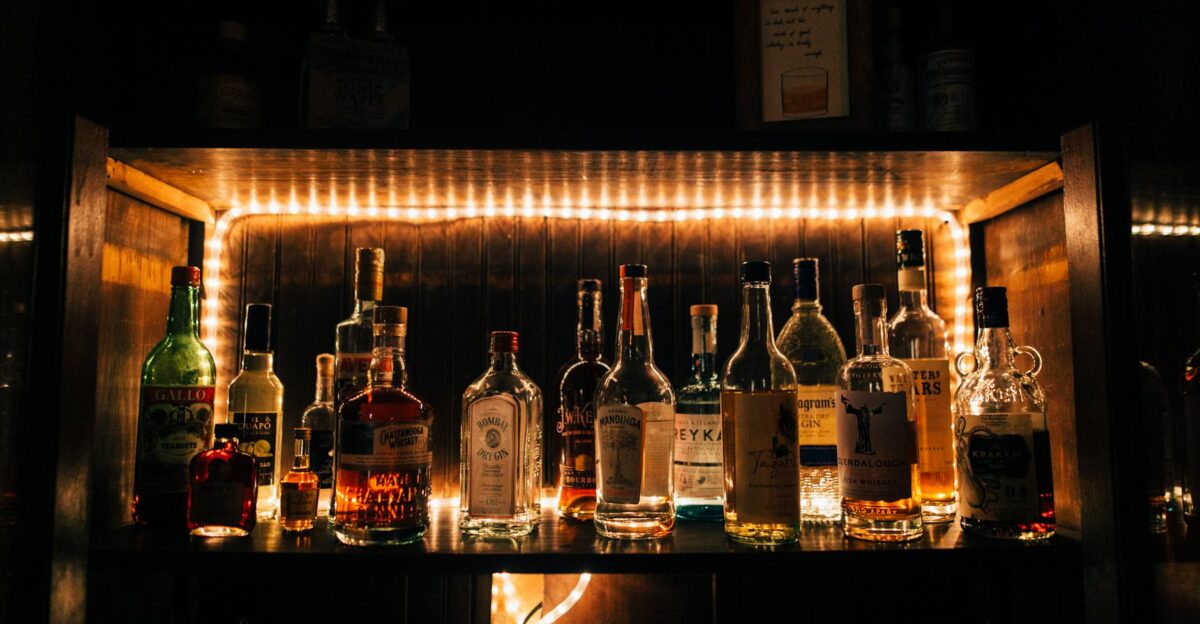
Industry veteran Steve Beal framed the downturn as correction: “I see it as a realignment” rather than collapse. He blamed “an ocean of Bourbon laid down during the boom years, fuelled by money and investor optimism.” Beal said slowdowns show up “in wood and concrete as much as in whiskey,” signaling supply chain contraction.
Yet he noted warehouses stay “full” and that “doesn’t mean drinkers have abandoned American whiskey.” His view implies survival through smaller volume and sharper positioning. But how long can realignment last?
Barrel Taxes Bite Hardest During Oversupply
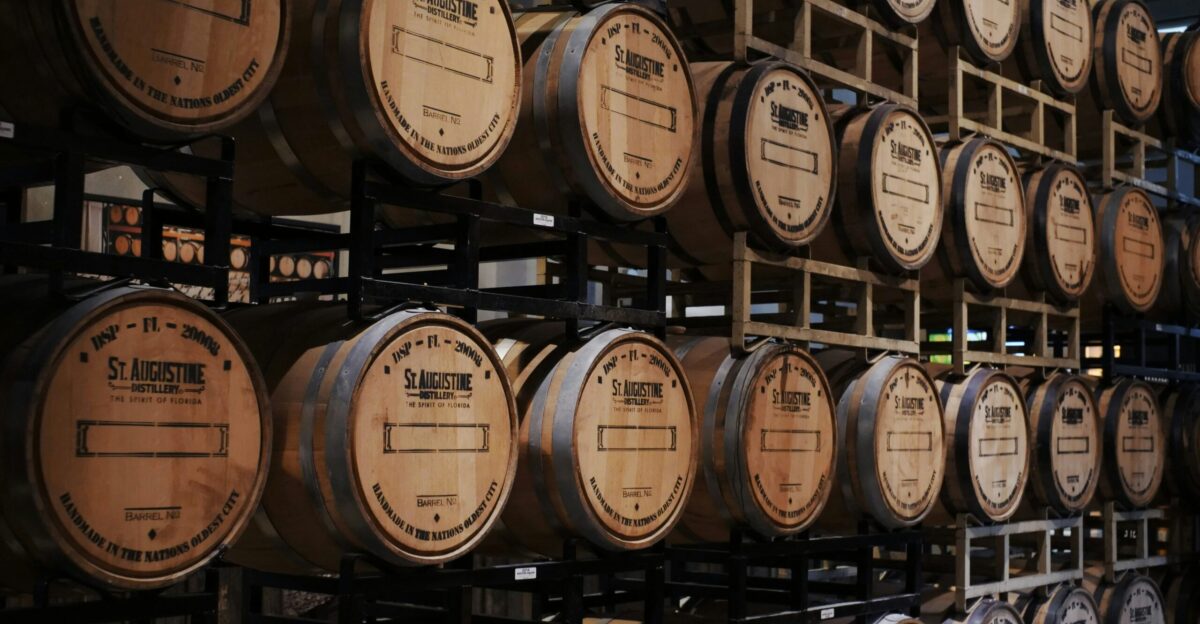
Kentucky’s barrel-aging tax, applied only in Kentucky globally, generates $75 million annually, a 27% increase from 2024 and 163% increase over 5 years. The tax is assessed on the $10 billion aggregate value of aging barrels.
It creates disadvantage versus Scotch and Irish producers, especially during oversupply when barrels cannot be sold yet. A 20-year phase-out beginning 2026 cuts 4% annually, but relief arrives slowly. Even with tax help, other forces keep squeezing. The competitive battlefield is shifting fast.
Tequila, Cannabis Drinks, And Zero-Proof Pressure
Bourbon faces competition from categories winning younger consumers. Tequila and mezcal sales increased 7.9% to $6.5 billion. Cannabis beverages are projected to reach $2 billion by 2030 , offering perceived wellness benefits bourbon cannot match.
Non-alcoholic spirits grew 38% in 2023, reaching $1 billion by 2025. Ready-to-drink cocktails grew 26.8%, fitting convenience-first lifestyles. Bourbon is not just seeing softer demand, but active market-share loss to formats built for modern habits. Can traditional brands move quickly enough?
What Stays Open Even With No Distilling
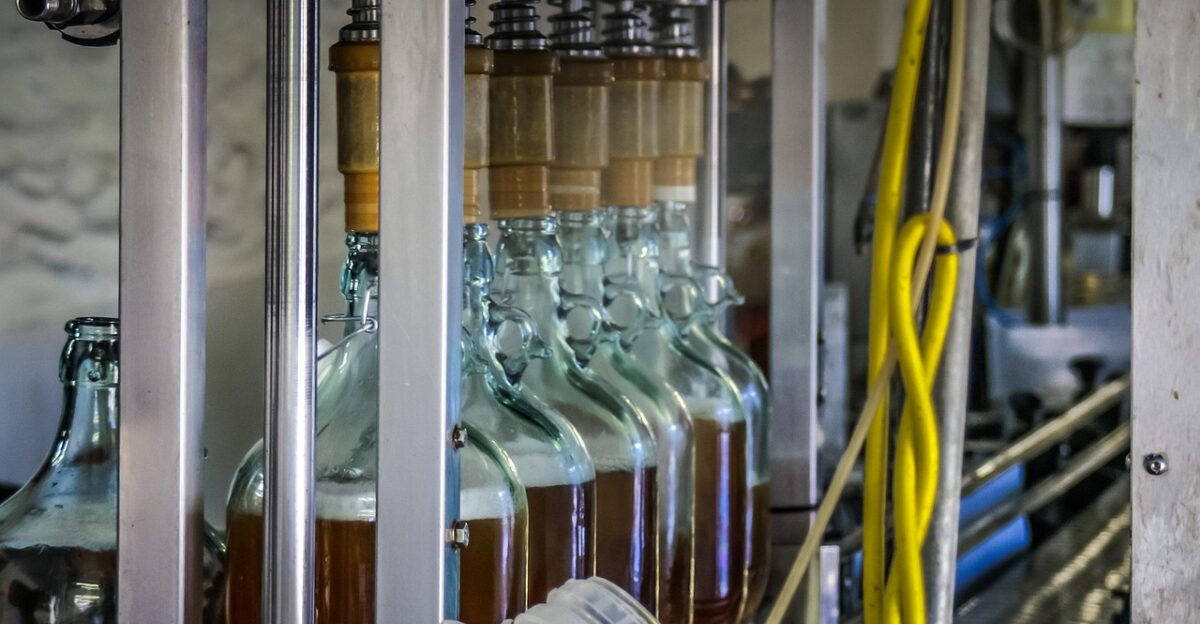
Despite the distillation pause, Jim Beam maintains key operations. Bottling will continue processing aged bourbon from existing inventory into retail bottles. Warehousing will manage barrel stocks. The James B. Beam visitor center stays open year-round, hosting 100,000+ guests annually and supporting tourism revenue. The Kitchen Table restaurant continues.
Two smaller distilleries, Fred B. Noe craft distillery and Booker Noe distillery in Boston, Kentucky, will keep limited production. This selective approach preserves revenue and relationships without a total shutdown. Still, the brand’s aura depends on what happens next.
The 2026 Pause Timeline And The Bet Behind It
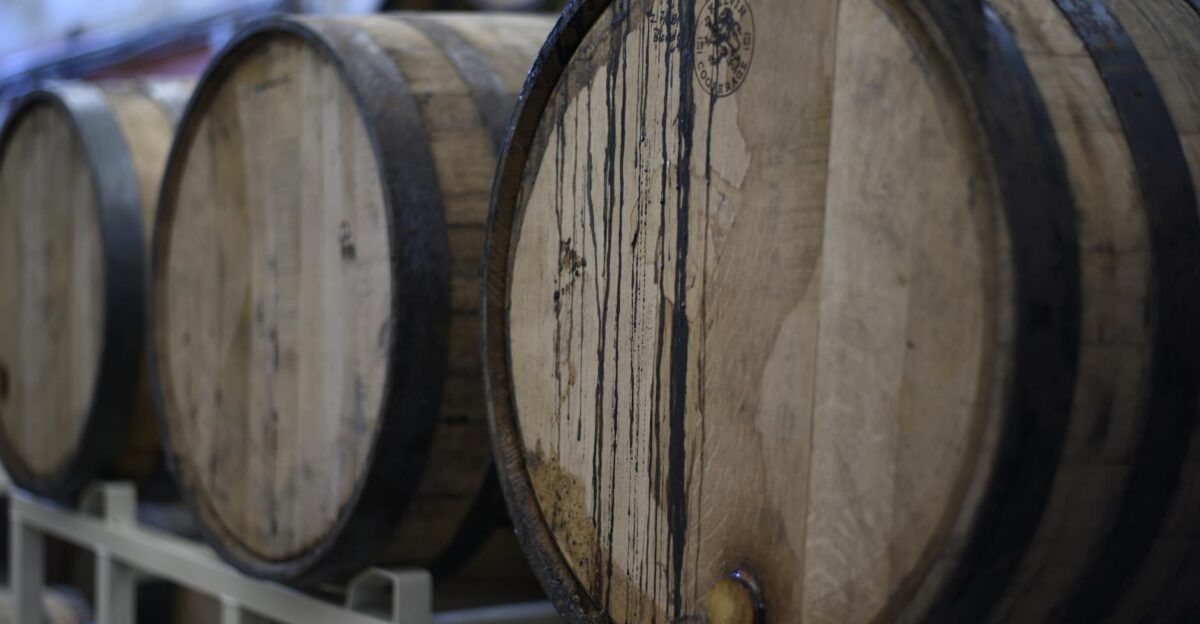
The production pause runs exactly January 1 through December 31, 2026. By skipping new barrels in 2026, Jim Beam avoids creating bourbon that would mature around 2032-2035, when demand appears weakest. Many observers expect more pauses in 2027-2028 if demand stays soft.
Some analysts see 2026 as temporary, with production resuming in 2027 at lower baseline levels than the pre-2025 boom. The key variables are tariffs, health attitudes, and whether consumption stabilizes. If those do not move, what then?
Bankruptcies Push The Industry Toward Fewer Hands
Smaller, debt-laden distilleries cannot survive years of soft demand. Luca Mariano Distillery filed Chapter 11 after opening in June 2025, owing $10-50 million to 50+ creditors. Garrard County Distilling closed after 14 months, with creditors owed $29 million.
Uncle Nearest faced a $108 million lawsuit from bankers. Kentucky Owl collapsed in 2023. These failures accelerate consolidation as multinationals buy distressed assets, reducing independents and local character. Could fewer players actually stabilize pricing?
Premium Future Or Permanent Decline?
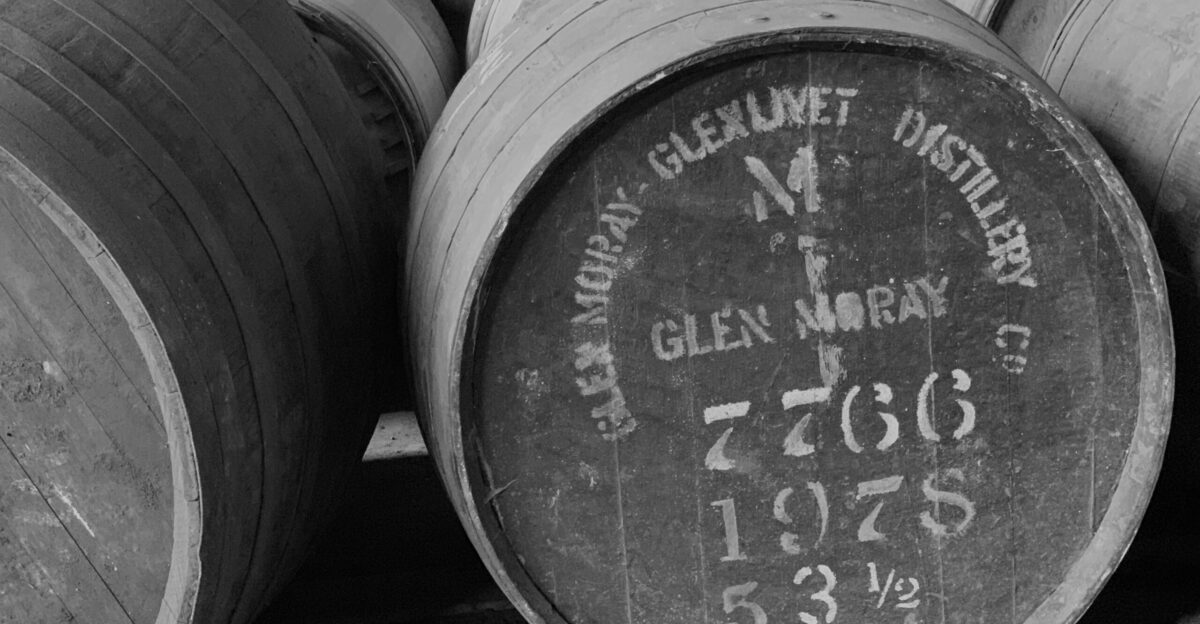
Bourbon’s future hinges on choices during 2026-2030. If distillers reposition toward premium quality with higher margins and lower volumes, the category could stabilize smaller but healthier. If younger consumers keep viewing alcohol as a health risk, bourbon faces permanent share erosion.
The 16.1 million barrel inventory matures through 2030-2035, creating a major supply-demand test. If demand recovers by then, companies that survived can grow again. If demand remains soft, price pressure and margin compression follow. The next 5 years decide the next generation of bourbon.
Sources
Bourbon Maker Jim Beam Suspends Production for 2026. CPA Practice Advisor, December 29, 2025
U.S. Drinking Rate at New Low as Alcohol Concerns Surge. Gallup, August 13, 2025
Kentucky Distillers’ Association, The Bourbon State: Challenges Continue Amid Record Barrel Inventory & Skyrocketing Taxes. Kentucky Distillers’ Association, December 2025
Kentucky Bourbon Industry Prepares for Fallout from New Trade Wars. WEKU, February 2, 2025
Diageo Halts Production at Balcones and George Dickel. The Spirits Business, September 2025