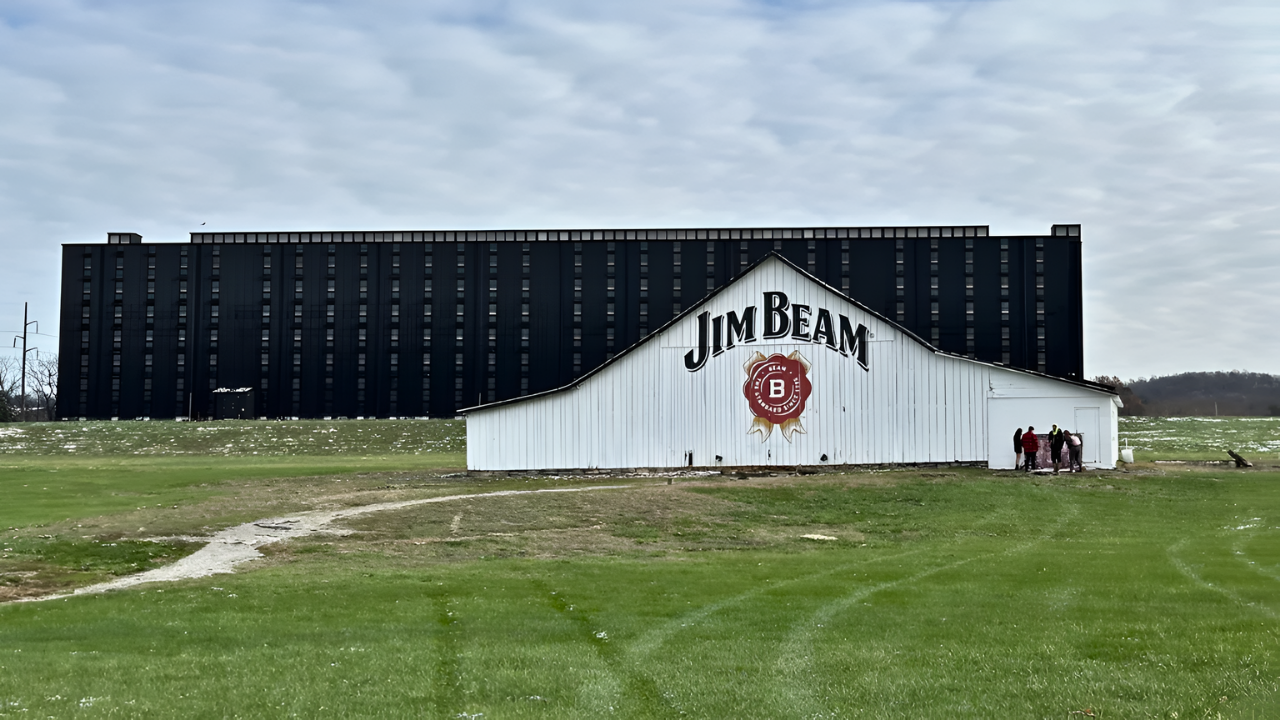
Kentucky’s bourbon industry is facing one of its toughest years in living memory. Jim Beam, the world’s biggest bourbon producer, will stop making whiskey at its main distillery in Clermont, Kentucky, for all of 2026. The pause will leave 1,500 workers without distillation work in a business that usually brings about $9 billion to the state’s economy every year. Tariffs, falling exports, less drinking, and warehouses overflowing with unsold bourbon have pushed the industry to a critical point.
Jim Beam’s Historic Pause
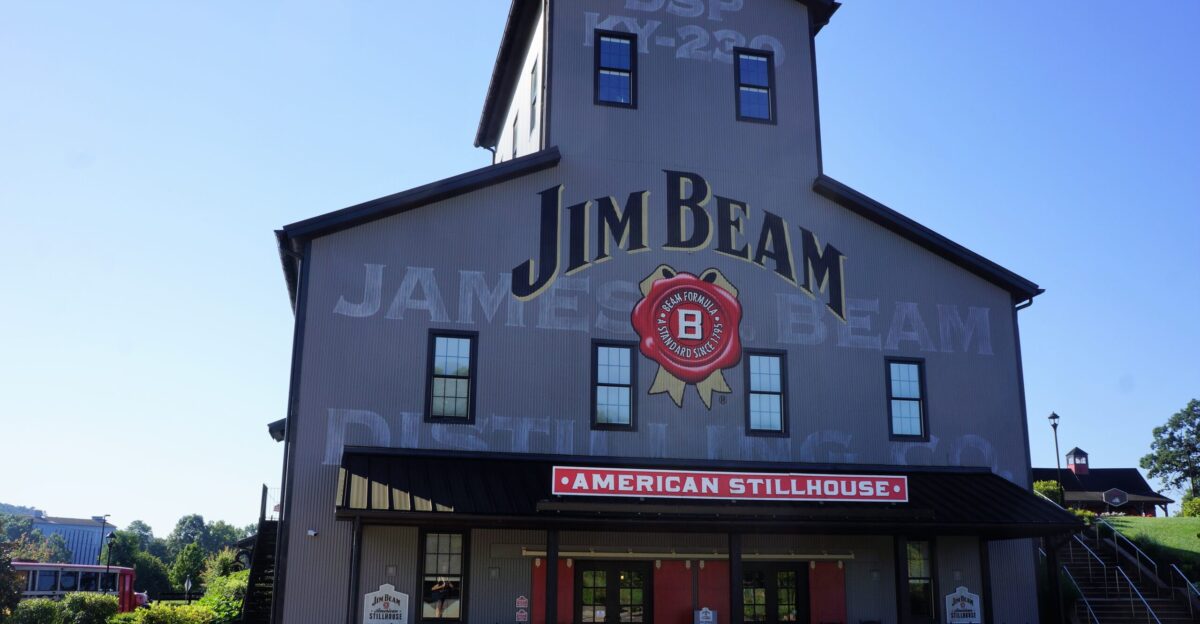
On December 22, 2025, the James B. Beam Distillery in Clermont, home of famous brands like Jim Beam, Knob Creek, Basil Hayden’s, and Booker’s, announced it would stop distilling for the entire year of 2026. The shutdown began January 1 and will last until the end of December.
While the main stills are quiet, other parts of the business will keep running. Workers at the bottling plant, warehouses, and the popular visitor center, visited by over 100,000 people each year will stay on. Two smaller facilities, the Fred B. Noe Craft Distillery and Booker Noe Distillery in Boston, Kentucky, will continue making limited amounts of bourbon to preserve skills and keep small-batch brands flowing.
Jim Beam’s parent company, the Japanese-owned Suntory Global Spirits, said the move allows the company to align production with reduced global demand and gives them time to upgrade the Clermont site. It’s the first major production break for the company in decades and shows how deeply industry problems are being felt.
Why the Industry Is Struggling
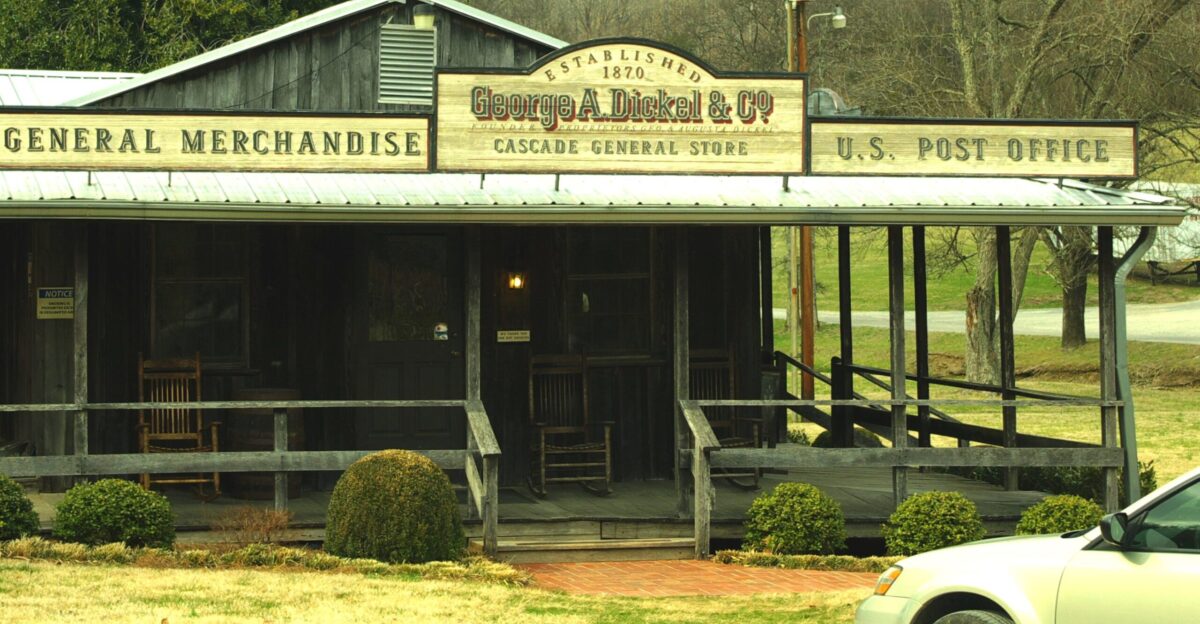
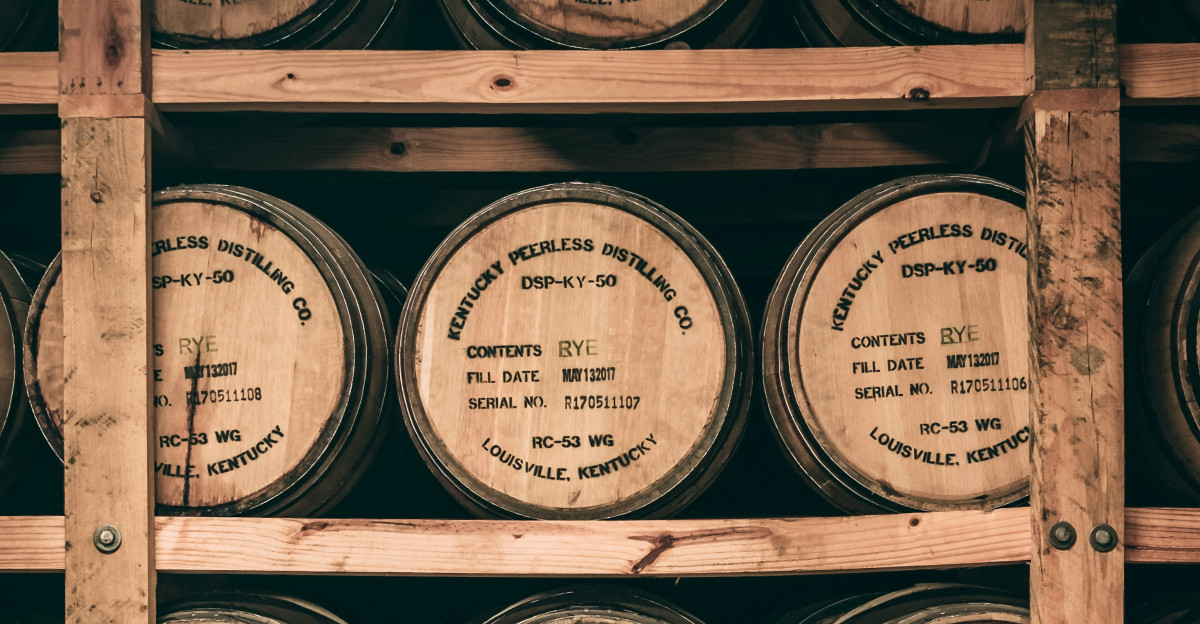
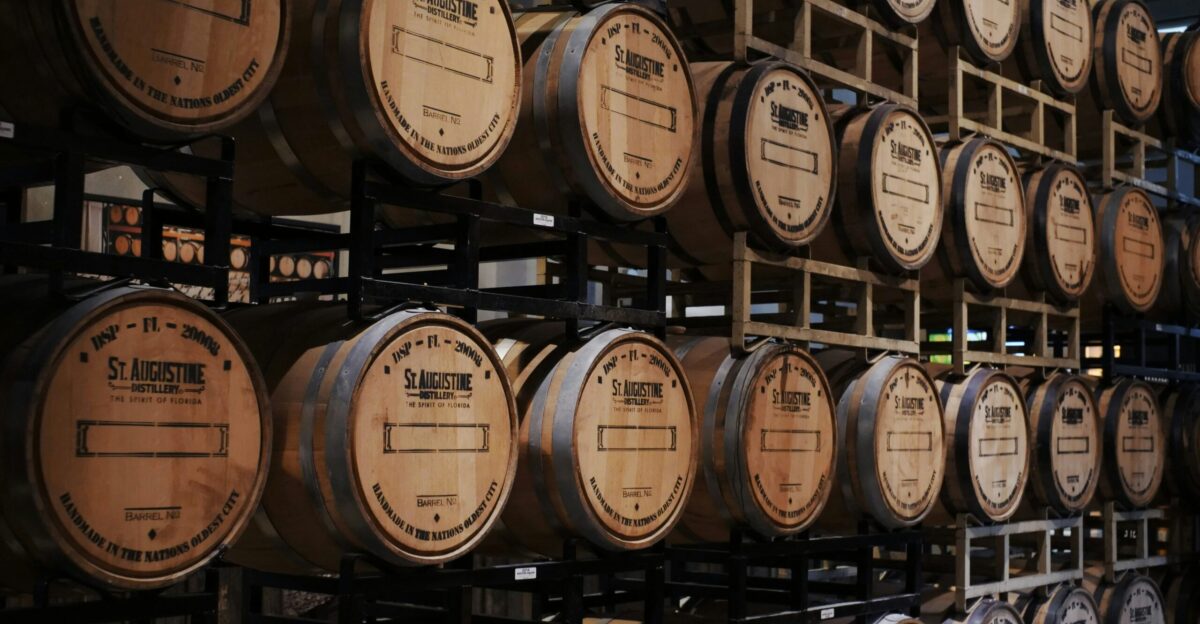
Kentucky is swimming in bourbon. As of January 2025, state warehouses held a record 16.1 million barrels of aging bourbon plus another 1 million barrels of other spirits, a massive 475% increase since 1999. Most of this stock won’t even reach shelves until after 2030. If drinking trends keep falling, all that stored whiskey could flood the market and crash prices later in the decade.
The state also taxes these barrels based on their total $10 billion value, costing distillers nearly $75 million each year, a 27% increase from 2024. Lawmakers plan to phase out this heavy tax over 20 years starting in 2026, but it will shrink by only 4% each year, offering little short-term relief.
Meanwhile, fewer Americans are drinking. A 2025 Gallup poll found that only 54% of adults consume alcohol, the lowest rate in almost 90 years, down sharply from 62% just two years earlier. Health concerns are a major factor: 53% of people now see even moderate drinking as harmful, compared with only 28% a decade ago. Younger adults, aged 18 to 30, are leading the shift, with just half saying they drink at all.
Global Trade Tensions Hit Bourbon Hard
International trade battles have made things worse. In March 2025, after President Trump placed 25% tariffs on Canadian goods, Canada struck back by removing U.S. spirits from store shelves. Exports to Canada, once worth about $221 million a year, plunged 85% to just $9.6 million in the second quarter of 2025. Even though the tariffs were lifted in September, some Canadian provinces kept informal bans in place.
Other key markets fell, too: U.S. whiskey exports to the European Union dropped 12% to $290.3 million, to the U.K. by 29% to $26.9 million, and to Japan by 23% to $21.4 million. These three regions together account for about 70% of all American spirits exports. The EU has even warned that it may impose a steep 50% tariff on American whiskey if trade talks fail again this year.
Eric Gregory, head of the Kentucky Distillers’ Association, said bourbon producers need stable, tariff-free trade because bourbon legally must be made in America and aged in new, charred oak barrels. With production planned years in advance, constant tariff changes make it almost impossible for distillers to predict future sales.
Fallout Across Kentucky
Communities around Clermont rely heavily on the distillery. Thousands of local jobs, from corn farmers providing 21 million bushels of grain each year, to barrel makers, warehouse crews, bottlers, and tourism workers depend on bourbon. The Kentucky Bourbon Trail drew 2.7 million visitors in 2024, generating over $400 million in spending statewide. Altogether, the industry employs about 23,100 people and contributes $357 million in state and local taxes.
Now, those workers face uncertain futures. Jim Beam has promised to work with unions to protect jobs, but layoffs and hour reductions remain likely. Similar cuts are already spreading. Rival Brown-Forman eliminated 650 jobs and closed a cooperage in Louisville in early 2025. Diageo has paused production at several brands through mid-2026, and smaller producers like Green River and Independent Stave have laid off dozens. Some craft distillers, including Luca Mariano and Garrard County, have gone bankrupt, signaling a wave of consolidation across the industry.
Bourbon’s Future in a Changing Market
The bourbon downturn comes alongside major shifts in how people drink. Tequila and mezcal sales jumped nearly 8% in 2025 to $6.5 billion, non-alcoholic spirits rose 38% to reach $1 billion, and canned cocktails grew almost 27%. Even cannabis-infused drinks are projected to hit $2 billion in sales by 2030.
Younger drinkers, especially Gen Z, are turning away from alcohol altogether. In 2024, 19% reported not drinking at all, and 61% said they planned to cut back, up sharply from the year before. Analysts say this is reshaping what used to be seen as America’s fastest-growing spirit category.
Industry veteran Steve Beal sees the pause not as a total collapse but a realignment after years of overproduction. He believes the shift toward smaller, premium products could help stabilize the market long term. Still, if global demand stays low, the millions of barrels aging in warehouses could flood the market between 2030 and 2035, causing sharp price drops. How quickly the industry adapts, through trade decisions, marketing changes, and innovation will determine whether bourbon’s next chapter is a comeback or a cautionary tale.
Sources
Bourbon Maker Jim Beam Suspends Production for 2026. CPA Practice Advisor, December 29, 2025
U.S. Drinking Rate at New Low as Alcohol Concerns Surge. Gallup, August 13, 2025
Kentucky Distillers’ Association, The Bourbon State: Challenges Continue Amid Record Barrel Inventory & Skyrocketing Taxes. Kentucky Distillers’ Association, December 2025
Kentucky Bourbon Industry Prepares for Fallout from New Trade Wars. WEKU, February 2, 2025
Diageo Halts Production at Balcones and George Dickel. The Spirits Business, September 2025