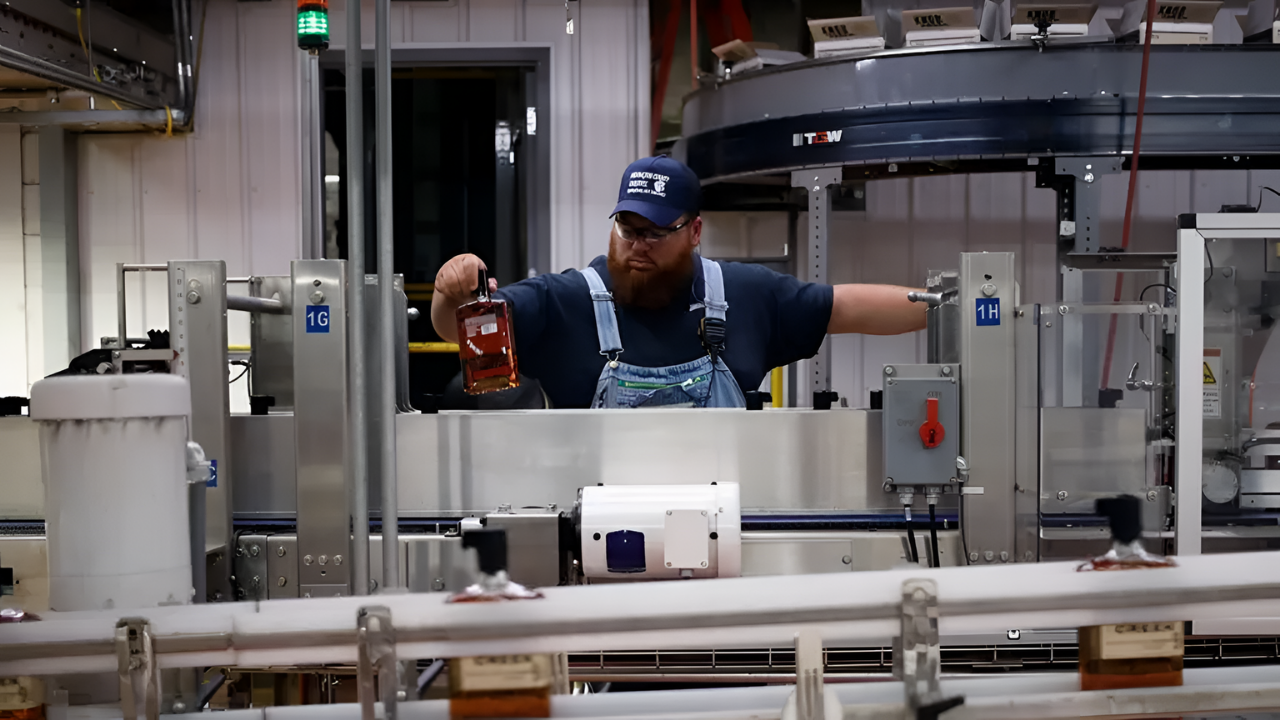
Jim Beam’s decision to suspend production at its primary Kentucky distillery through all of 2026 marks a turning point for an industry long fueled by relentless growth. The Clermont facility, which accounts for one-third of the company’s 26.5 million annual gallons, underscores deepening oversupply pressures rippling through American whiskey production.
Distillery Shutdowns and Closures Surge
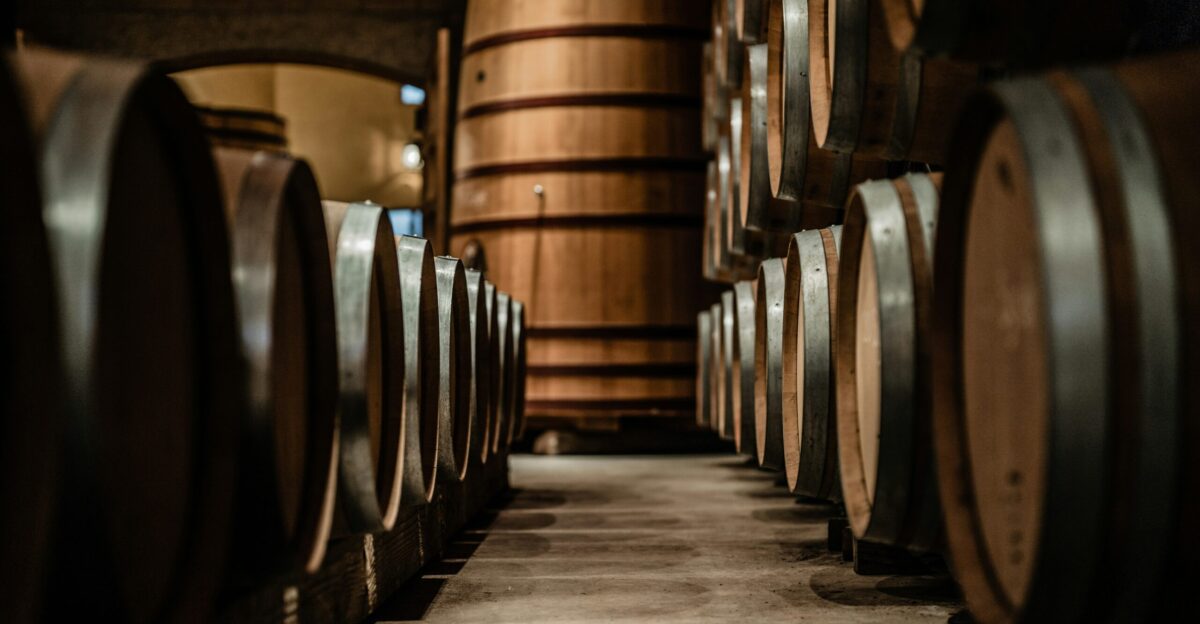
Major players and small operators alike confront stark realities. Jim Beam’s halt represents the first such modern-era pause at the site. Meanwhile, the craft sector lost 787 distilleries in a year, dropping 25.6% from 3,069 to 2,282 operations. California bore the heaviest toll, with 172 closures—a 45% decline. The American Craft Spirits Association noted this as the second straight year of falling sales.
Individual failures compound the trend. A.M. Scott Distillery in Troy, Ohio, entered Chapter 11 bankruptcy on December 22, 2025, listing assets below $500,000 against $1-10 million in liabilities. Founder Anthony Michael Scott faces felony charges of theft by deception and passing bad checks from December 2024. The operation owes $15,956 to federal alcohol regulators, $25,379 to the IRS, and $31,689 in state sales taxes.
Garrard County Distilling Company, Kentucky’s largest independent facility with a $250 million build, collapsed into receivership after just 14 months. It faces $26 million owed to Truist Bank, over $2.1 million in construction liens, and $255,000 in unpaid property taxes.
Oversupply and Inventory Records Weigh Heavy
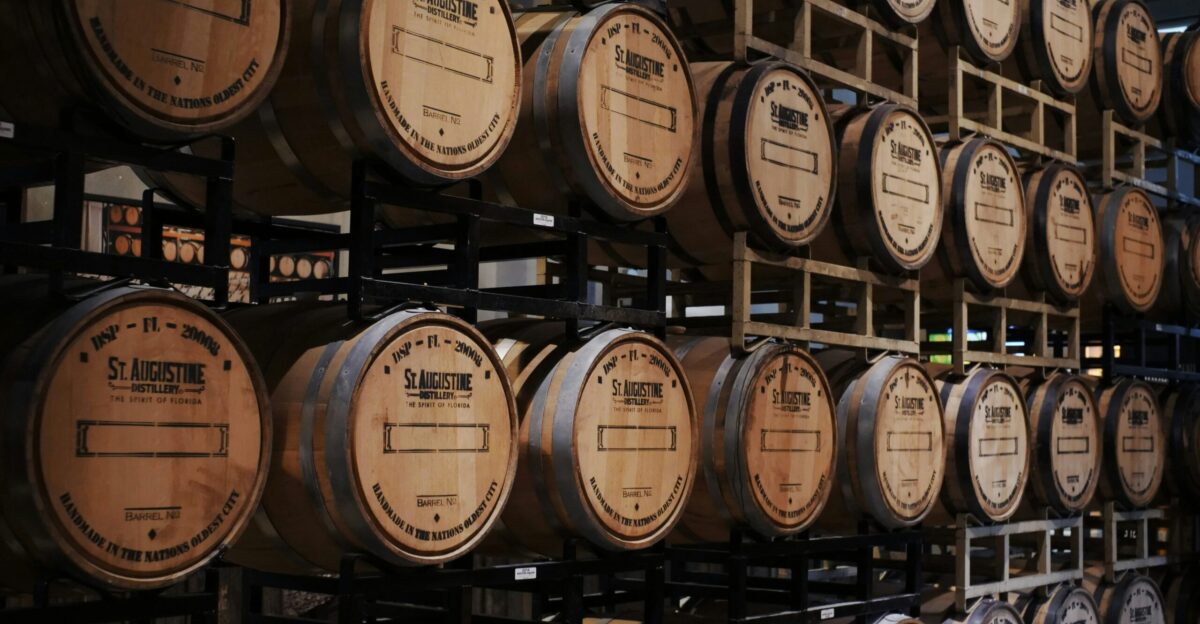
Kentucky warehouses now store a record 16.1 million aging bourbon barrels, valued at about $10 billion—triple the 5 million held 15 years ago. With bourbon needing 4-10 years to mature, most stock remains locked until 2030 or later, mismatched against uncertain demand. Total American whiskey inventories have tripled since 2012 to nearly 1.5 billion proof gallons.
These volumes strain finances. Kentucky distillers paid $75 million in aging barrel taxes in 2025, up 27% from 2024 and 163% over five years, as assessed barrel values rose 25% to $10 billion. Eric Gregory, president of the Kentucky Distillers’ Association, noted that “just as you can’t make Bourbon overnight, we won’t fix the problems we’re facing overnight”.
Export Barriers and Job Cuts Intensify Pressure
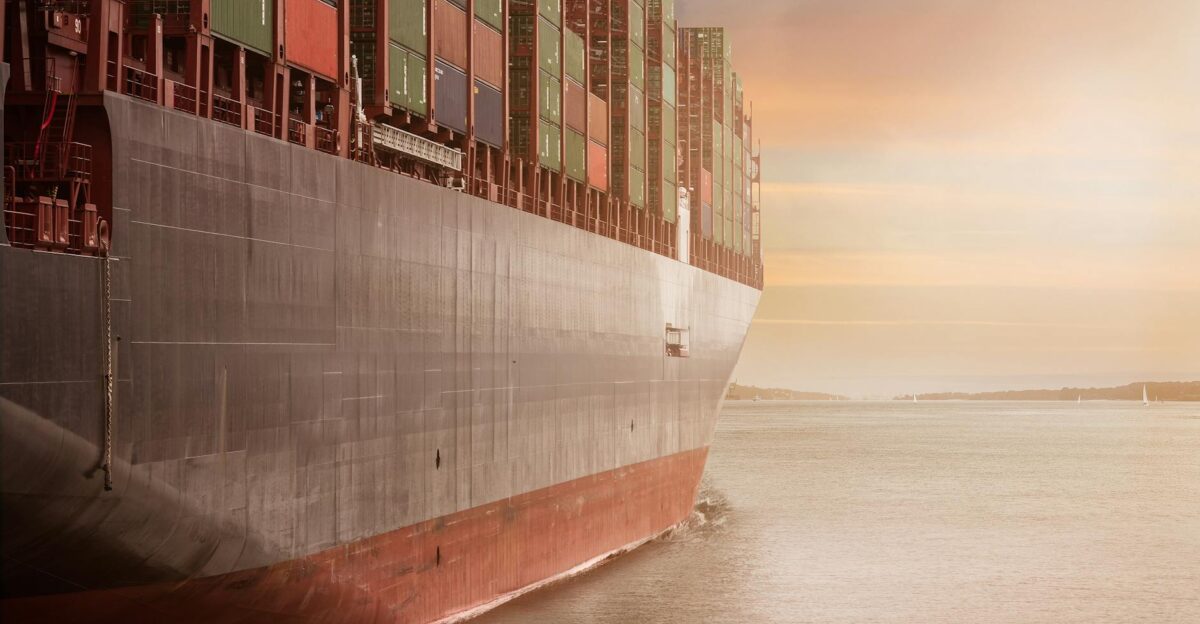
Global trade tensions exacerbate domestic woes. U.S. spirits exports to Canada dropped 85% year-over-year in Q2 2025, falling below $10 million, as provinces pulled American products in retaliation for tariffs. This hit roughly 10% of Kentucky’s $9 billion bourbon sector. Chris Swonger, Distilled Spirits Council CEO, observed that “international markets are becoming increasingly vital for American whiskey producers who are facing a slowdown in domestic sales and record-high inventory levels”.
The European Union reinstated a 50% tariff on U.S. whiskey in April 2025, responding to steel and aluminum duties. EU shipments, half of all U.S. spirits exports, fell 12% to $290.3 million in Q2. Brown-Forman, maker of Jack Daniel’s and Woodford Reserve, cut 650 jobs—12% of its 5,400 workforce—in January 2025 to save $80 million yearly, closing its Louisville cooperage and citing sales drops in Canada, Germany, and the UK.
Other giants falter too. MGP Ingredients saw 2024 gross profits plunge 68% and projects 2025 distilling sales down 46%, profits 55%. Diageo paused George Dickel production and reported 7.3% Bulleit declines; Campari noted 8.1% drops for Wild Turkey.
Shifting Demand and Adaptation Strategies Emerge
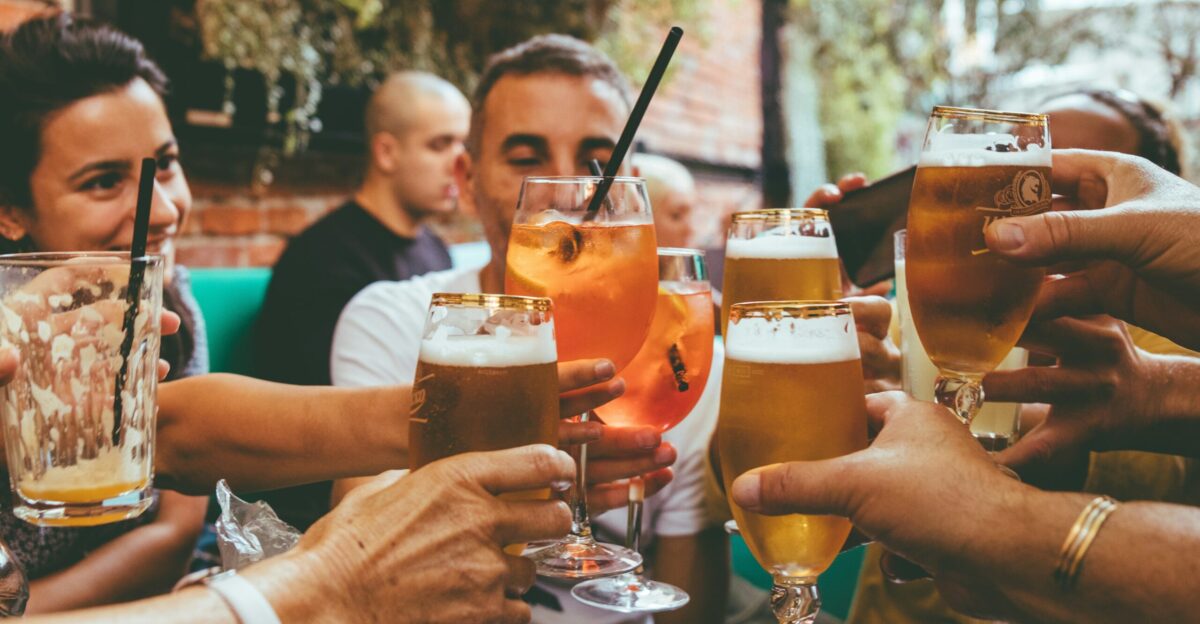
Consumer habits fuel the downturn. U.S. drinking rates hit a Gallup-tracked low of 54%, with adults under 35 down 10 points in a decade. Generation Z drinks one-third less beer and wine than prior cohorts; only 25% order alcohol when dining out versus 50% of Millennials, while 52% choose mocktails. Whiskey volumes fell 4.9%, revenues 5.1% through July 2025.
Craft spirits volumes dropped 6.1% to 12.7 million cases in 2024, value down 3.3% to $7.58 billion; exports fell 20.7%. Stoli Group and Kentucky Owl filed for Chapter 11 bankruptcy in November 2024 over concerns about 35,000 barrels’ declining value.
Yet pockets of resilience appear. Premium bourbon categories grew: super-premium up 14% in 2022 after 23% prior; prestige-plus 15%, prestige 12%, ultra-premium 23%. Distillers pivot to high-margin lines.
Bourbon tourism drew 2.7 million visitors in 2024, with 62% buying after digital engagement. Direct-to-consumer sales and in-state shipping gain traction amid relaxed rules. Consolidation rises, with Pernod Ricard buying Rabbit Hole and Constellation acquiring Copper & Kings. Ready-to-drink cocktails project 400% North American growth; non-alcoholics rose 9% in 2024.
The bourbon sector braces for a multi-year reset, with oversupply likely through 2028 and barrels maturing into the 2030s. Resolution of tariffs, evolving drinking norms, tax relief, and further consolidation will determine which players endure, permanently altering an industry once defined by expansion.
Sources:
“Jim Beam halts production at main distillery as bourbon inventories rise.” BBC News, Dec 2025.
“US craft distillery numbers drop 25%.” The Spirits Business, Oct 2025.
“Ohio distillery goes bankrupt owing $3.35m.” The Spirits Business, Jan 2026.
“The Bourbon State: Challenges Continue Amid Record Barrel Inventory, Skyrocketing Taxes.” Kentucky Bourbon, Oct 2025.
“American Spirits Exports 2025 Mid-Year Report: U.S. Spirits Exports Decline Sharply in Second Quarter.” Distilled Spirits Council, Oct 2025.
“U.S. Drinking Rate at New Low as Alcohol Concerns Surge.” Gallup, Jan 2026.