
In 2023, an astonishing 7.5 million Americans relocated to new states—one in every 44 people. While this marks an 8% decline from the pandemic-driven peak of 8.2 million movers in 2022, it signals a return to pre-pandemic stability in migration trends.
ConsumerAffairs analyzed data from 122,584 users expressing interest in moving between March 2024 and March 2025, uncovering clear patterns of migration. Nearly 46% of respondents are eyeing Southern states, the only region with net migration gains.
This shift reflects the growing trend of Americans leaving expensive urban centers. The reshaping of the U.S. demographic landscape is underway. What’s driving these massive moves, and what’s at stake for the economy? Keep reading to find out.
1. California

California leads all states in net migration losses, with 7,330 more people wanting to leave than move in during the 2024–2025 period.
This represents 89% more outbound interest than inbound. With a 60% prevalence of outbound migration, the state has experienced net domestic out-migration for 20–30 years, although immigration partially offsets these losses.
Housing costs remain the primary driver of departure. California’s domestic exodus continues, despite overall population stability, demonstrating how immigration can mask the true scale of domestic out-migration patterns.
2. New York

New York ranks second in migration losses with 2,009 more people considering departure than arrival, representing nearly 50% more outbound than inbound interest. The state has a 56% prevalence of outbound migration.
This long-term trend reflects 20–30 years of net domestic out-migration. Retirement (22%) and family proximity (20%) are the primary drivers of departures, with the majority of outbound movers being aged 65 or older.
Like California, immigration and natural increase offset domestic losses, sustaining overall population figures despite sustained emigration pressure.
3. New Jersey

New Jersey has topped the outbound migration list for seven consecutive years, with a 67% prevalence of outbound migration and a net loss of 990 movers (2024–2025). Retirement (22%) and family proximity (20%) are the primary departure motivations, affecting 40% of outbound movers aged 65 or older.
Twenty percent of New Jersey emigrants relocate to Florida, seeking the advantages of the Sunbelt. High taxes and housing costs continue to drive residents toward more affordable states, establishing New Jersey as consistently one of America’s most exodus-prone states.
4. Massachusetts

Massachusetts experiences a net domestic out-migration of 590 residents (2024–2025), reflecting broader Northeast challenges. High housing costs and elevated taxes drive residents toward lower-cost regions.
Despite world-class universities and biotech firms, the state struggles to retain talent seeking economic relief. Immigration partially sustains Massachusetts’ population despite sustained domestic emigration.
This trend challenges the state’s attractiveness to younger professionals and families seeking affordability without sacrificing quality-of-life expectations.
5. Louisiana

Louisiana ranks as the state with the highest prevalence of outbound migration at 63% (2024–2025 ConsumerAffairs analysis). This surprising ranking for a Southern state reflects the state’s economic challenges, limited job growth, and vulnerability to climate change.
Environmental concerns and hurricane-driven disaster risk compound migration pressure. Despite Louisiana’s lower cost of living, residents seek better economic opportunities and stability elsewhere.
This paradox demonstrates that affordability alone cannot retain residents when economic opportunity and infrastructure remain inadequate for upward mobility.
6. South Dakota

South Dakota reports a 57% prevalence of outbound migration, ranking among America’s top states for emigration, despite its affordable housing and lower costs.
Limited job opportunities, harsh winters, and economic stagnation drive younger residents toward more dynamic markets offering employment prospects. The state’s workforce exodus creates demographic challenges as working-age populations relocate.
South Dakota exemplifies how affordability becomes secondary when economic opportunity, amenities, and quality-of-life factors prove insufficient for retention, especially among working-age adults.
7. Illinois

Illinois maintains a 57% prevalence of outbound migration, reflecting ten consecutive years of population decline. High taxes, concerns about corruption, and limited regional economic opportunities drive residents toward Sun Belt states.
Young professionals and families seek better housing values and employment prospects elsewhere. Despite its Midwest affordability advantages, Illinois continues to hemorrhage residents to Southern destinations.
This sustained exodus suggests that regional economic fundamentals, rather than single factors, determine migration outcomes for struggling industrial states.
8. Mississippi

Mississippi emerges as a surprising 2024 exodus state, jumping from #18 to #8 in outbound rankings. Economic stagnation, limited access to healthcare, and infrastructure challenges drive residents to seek opportunities elsewhere.
Despite the low cost of living, the state struggles to retain working-age populations seeking better employment and quality of life.
This new Southern exodus reflects how affordability alone cannot overcome systemic economic and social challenges, even in traditionally affordable regions.
9. Wyoming

Wyoming reports 57% outbound migration prevalence, reflecting rural state challenges despite energy sector presence. Limited job opportunities beyond extractive industries, harsh winters, and economic stagnation drive younger residents toward more dynamic markets offering diverse employment prospects.
Geographic isolation compounds workforce challenges as working-age populations seek metropolitan centers with broader career options.
Wyoming exemplifies how resource-dependent economies struggle to retain talent when traditional sectors face headwinds and limited diversification pathways exist.
10. Minnesota

Minnesota experienced the most significant year-over-year improvement in migration rankings, jumping from #40 to #14—the largest single-year advancement nationally.
Yet, Minnesota still maintains a 54% prevalence of outbound migration, indicating continued emigration pressure despite recent improvements. This state struggles to retain residents despite regional advantages.
Minnesota’s recent ranking improvements may reflect temporary factors or improved amenities, but domestic out-migration remains substantial, particularly among working-age populations seeking warmer climates. However, it is improving as a destination, and it is not purely an exodus state.
11. Iowa

Iowa reports a 54% prevalence of outbound migration, reflecting challenges in its agricultural and energy sectors.
Limited urban job opportunities, weather concerns, and demographic aging are driving younger residents toward metropolitan centers that offer diverse employment and lifestyle options.
This agricultural heartland state struggles to compete with dynamic Sun Belt metros offering technology, finance, and professional services careers. Traditional industry reliance proves insufficient for retaining working-age populations seeking modern economic opportunities.
12. Nebraska

Nebraska shows a 56% outbound prevalence, reflecting limited economic dynamism and employment diversity.
This state struggles to compete with emerging Southern destinations offering superior affordability, employment, and quality-of-life combinations.
These formerly attractive states exemplify how amenity deterioration and economic stagnation reverse long-term migration trajectories.
13. Hawaii

Hawaii rounds out the top 14 exodus states with a 53% prevalence of outbound migration. The island state’s remote location, high cost of living, and limited job opportunities create perfect emigration conditions.
Even paradise has its limits—residents seeking economic prospects and affordability often leave despite its natural beauty. Tourism-dependent economy and cultural fabric face pressure from sustained out-migration.
Hawaii demonstrates that geographic isolation and concentrated economic sectors cannot overcome affordability challenges and employment limitations, leading to retention issues.
14. Colorado

Colorado completes the list of fourteen states with a 53% prevalence of outbound migration. Once-booming Denver metro now faces a housing affordability crisis as population inflows have driven prices skyward.
The cost escalation that initially attracted movers now drives subsequent emigration. Weather advantages and outdoor recreation fail to offset the affordability pressures.
Colorado exemplifies how rapid growth can create affordability crises, reversing its status as a destination state and triggering new out-migration waves toward secondary Sun Belt cities that offer superior value propositions for cost-conscious movers.
Why Americans Move: Clear Patterns Emerge

Migration data reveals clear patterns: 28% of movers prioritize family proximity (highest motivation), 25% seek employment opportunities, and housing affordability drives decisions across all categories. Regional economic fundamentals, not taxes alone, predict migration outcomes.
Americans flee high-cost urban centers, regardless of their political alignment, seeking affordability without sacrificing their quality of life.
This “voting with feet” phenomenon reflects economic reality: when housing, employment, and infrastructure fail, residents depart, regardless of the state’s brand or regional politics.
Where They’re Going: The Sun Belt Boom

North Carolina leads destination states with a 2,208 net migration gain (for the second consecutive year), driven by affordability, thriving job markets, and a high quality of life. Tennessee overtook Florida this year with a 1,277 net gain, reflecting Florida’s recent migration decline.
South Carolina, West Virginia (66% inbound), and Alabama attract residents through lower costs and community benefits.
These Sunbelt destinations offer the affordability, employment, and quality of life that exodus states lack, establishing sustainable migration advantages.
Florida’s Great Reversal
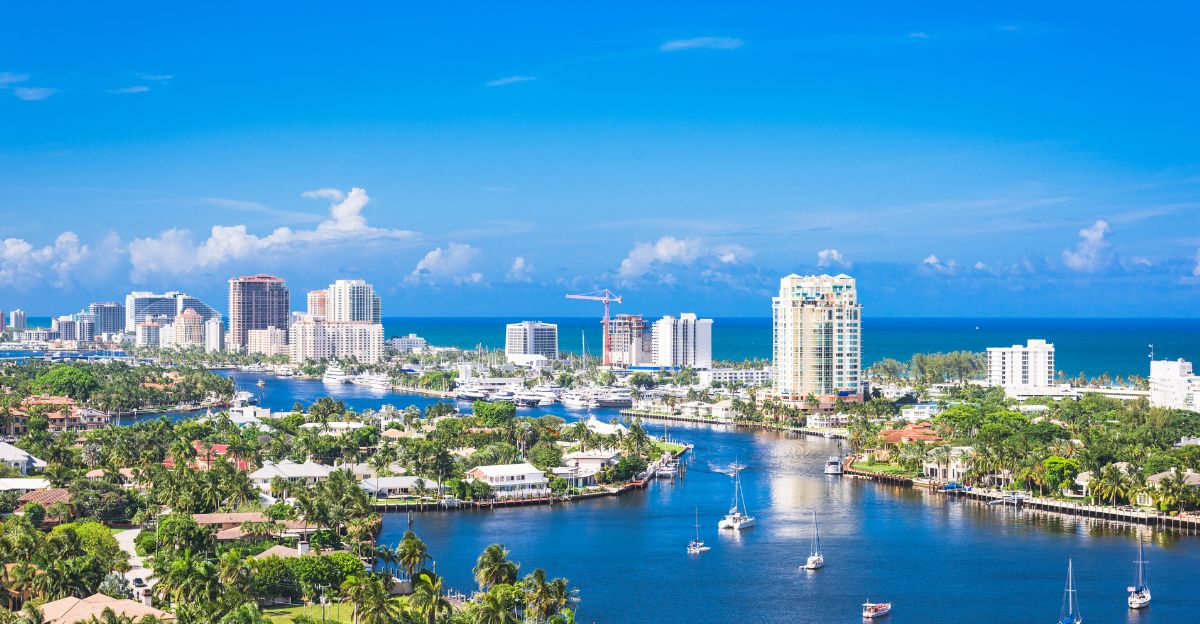
Florida’s net domestic migration declined 49% from 2022 to 2023, marking the end of decades of consistent status as a destination state. The average homeowners’ insurance now costs $9,500 annually—the nation’s highest—with some counties experiencing a 102% increase since 2021.
Housing affordability crises compound insurance shocks, forcing emigrants despite the advantages of warm weather. This dramatic reversal demonstrates that infrastructure challenges and cost spirals overwhelm traditional destination-state advantages.
Florida exemplifies how rapid growth can create unsustainable affordability conditions, thereby reversing the attractiveness of migration.
The Pandemic Aftershock Effect

COVID-19 accelerated pre-existing migration trends rather than creating new ones. Remote work temporarily offered escape from expensive urban centers, but migration patterns demonstrate clustering in Southern metros rather than dispersal.
Office vacancies remain high in major cities, which reduces job opportunities and dampens return-to-office momentum. Post-pandemic normalization is showing a migration toward affordable regional centers rather than permanent remote work dispersal.
This structural shift suggests migration pressures will persist as remote work becomes normalized across industries and locations.
What Comes Next

America’s demographic map is undergoing real-time redrawing as high-cost coastal states face sustained population pressure, while Sun Belt regions boom.
Unless northeastern and western states address concerns about affordability, employment opportunities, and quality of life, out-migration will likely accelerate. Winners and losers in this American migration shuffle will shape politics, economics, and regional culture for decades to come.
The affordability crisis in coastal metros versus economic opportunity in emerging Sun Belt destinations will define America’s demographic future.
Sources:
ConsumerAffairs March 2024-March 2025 Migration Analysis
United Van Lines 48th Annual National Movers Study
U.S. Census Bureau 2024 State Population Estimates
Public Policy Institute of California reports
Forbes 2024 climate migration study