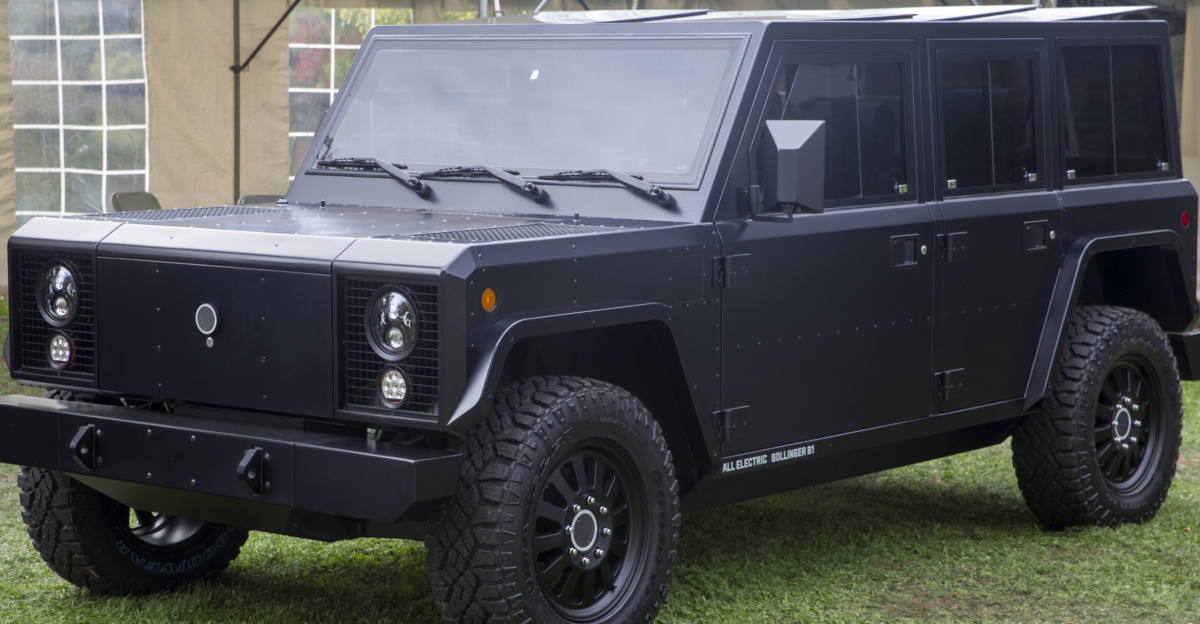
Bollinger Motors once symbolized bold ambition in America’s electric-vehicle race. Founded in 2015 in Michigan, the startup drew global attention with its rugged B1 SUV and B2 electric pickup, each priced above $120,000.
Despite intense early hype, neither vehicle ever reached production. In January 2022, the company formally canceled both models and pivoted toward commercial fleet vehicles—a move that would define its final chapter.
The $148 Million Valuation

In September 2022, Bollinger Motors was acquired by Mullen Automotive in a deal valuing the company at approximately $148 million. The acquisition transferred majority control to Mullen, which rebranded the subsidiary as Bollinger Innovations.
The valuation suggested confidence in Bollinger’s technology and future production plans. However, at the time of acquisition, the company still had no revenue-generating vehicles and remained entirely dependent on investor funding.
Ten Years, Zero Deliveries
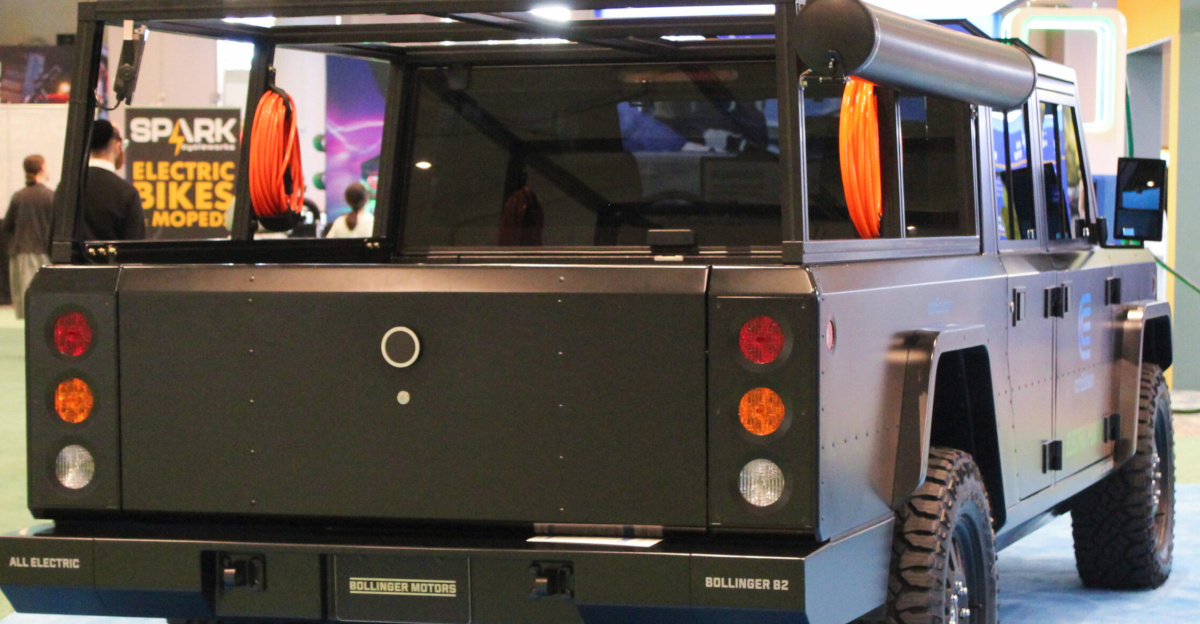
Across its entire 10-year lifespan, Bollinger Motors never delivered a single consumer vehicle to market. The original B1 SUV and B2 truck remained in prototype form only.
Despite repeated announcements, trade-show appearances, and engineering updates, commercial production never materialized. By the time Bollinger shuttered its doors in late 2025, the company stood as one of the rare EV startups to survive a full decade without ever achieving customer delivery.
A High-Risk Strategic Pivo
After canceling the B1 and B2 in 2022, Bollinger shifted its business model entirely toward commercial electric platforms. The centerpiece became the B4 Class 4 electric chassis cab, targeting fleet operators rather than consumers.
This pivot reflected recognition that ultra-premium consumer EVs were financially unsustainable without massive scale. The new strategy aimed for stability through commercial contracts, but required fresh capital, supplier reliability, and manufacturing execution Bollinger ultimately lacked.
Founder Steps In With $10 Million

In October 2024, founder Robert Bollinger personally loaned the company $10 million in a last-ditch attempt to stabilize operations. The loan underscored the company’s deteriorating finances despite majority ownership by Mullen.
Just months later, that financial lifeline turned into a legal flashpoint when the founder demanded repayment, signaling that internal confidence in Bollinger’s survival had collapsed at the highest level.
The Founder Sues His Own Company

In March 2025, Robert Bollinger filed a lawsuit to recover his $10 million loan, stating the company was effectively insolvent. The lawsuit exposed the severity of Bollinger’s financial distress and triggered court-ordered receivership proceedings.
Although Mullen eventually resolved the dispute and regained operational control in June 2025, the legal battle publicly confirmed that the company was running on exhausted capital and mounting debt.
Supplier Lawsuits Stack Up

By mid-2025, Bollinger Motors faced multiple lawsuits from suppliers seeking repayment for overdue invoices.
At least $5 million in supplier debts were tied up in active legal actions. Vendors that had supported Bollinger’s manufacturing efforts found themselves unpaid for months. These lawsuits crippled the company’s ability to secure parts, maintain production planning, or attract new financing, accelerating its collapse from an operational standpoint.
Missed Payroll Becomes the Warning Signal

By late October 2025, financial stress reached employees directly. Payroll for October 31, 2025 was missed.
A second consecutive payroll for November 6, 2025 was also not paid. Internal communications warned staff that funding had not been secured. For many workers, the unpaid wages were the first undeniable public sign that Bollinger’s financial crisis had reached an irreversible stage.
November 21, 2025: Operations Cease

On November 21, 2025, Bollinger Motors abruptly ceased all operations. Employees were informed the same day through an internal email from HR Director Helen Watson stating that the company was to be shut immediately.
There was no advance notice, no formal wind-down plan, and no public press conference. After ten years of development and investment, Bollinger’s doors were effectively locked overnight.
“Effective Today”

The internal shutdown notice read in part:
“We are to officially close the doors of Bollinger Motors, effective today, November 21st, 2025.”
For employees, the phrasing underscored the suddenness of the collapse.
There was no severance package announced, no guaranteed payroll timeline, and no clear guidance on benefits. Many workers learned the company no longer existed at the same moment they learned they might never be paid.
59 Wage Claims Filed
Following the shutdown, 59 unpaid wage claims were formally filed with the Michigan Department of Labor and Economic Opportunity.
These claims covered at least two consecutive missed pay periods. The filings established the legal framework for employees to seek recovery, but also confirmed that dozens of families had suddenly lost both income and employment without warning in the lead-up to the holiday season.
Workforce Left Financially Exposed

The sudden loss of income left Bollinger’s workforce in immediate financial jeopardy. Many employees had relocated for their positions or built specialized careers around EV engineering and commercial vehicle integration.
With wages owed and no severance announced, workers were forced into dependency on state labor protections and claims processing. Recovery of unpaid compensation now depends almost entirely on the liquidation value of remaining corporate assets.
The B4’s Unfinished Promise
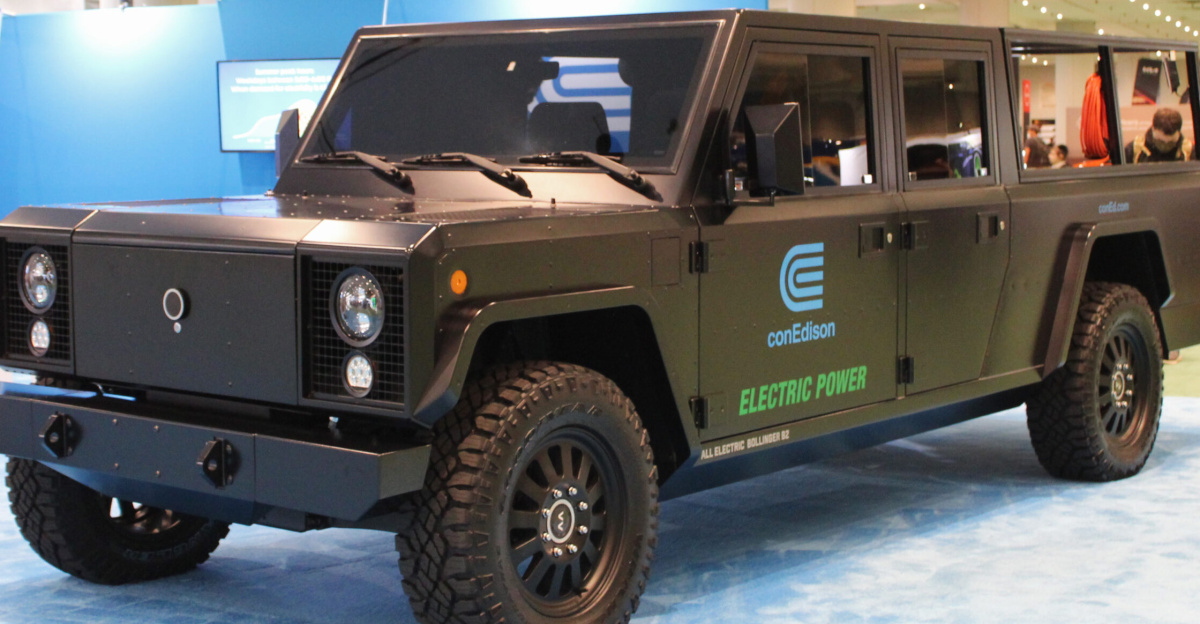
The Bollinger B4 Class 4 chassis cab became the company’s final technological legacy. Designed for last-mile delivery and utility fleets, the vehicle entered limited production planning but never scaled to meaningful commercial output.
Without reliable cash flow, Bollinger couldn’t sustain supplier contracts or production volumes. The B4 represented a technically viable concept trapped inside a financially collapsing company.
Ownership Under Mullen

By 2025, Mullen Automotive—operating through Bollinger Innovations—held near-total control of the company. After resolving the founder’s lawsuit and receivership in June 2025, Mullen assumed full operational authority.
Despite that consolidation, no turnaround capital emerged. Bollinger continued to miss payments, lose supplier confidence, and burn through remaining cash, turning Mullen’s $148 million acquisition into a full-scale financial write-down.
The $148 Million Question

The company’s shutdown raised one unavoidable question: Where did the $148 million valuation go? Despite the acquisition, Bollinger lacked sustainable manufacturing capacity, consistent supplier funding, or revenue generation.
With no consumer vehicles sold, no scaled commercial contracts, and mounting legal liabilities, the company burned through investor capital without ever establishing positive cash flow—an outcome now reflected in its total collapse.
Michigan’s Growing EV Shakeout

Bollinger’s fall adds to a growing list of distressed EV manufacturers across the U.S. From Lordstown Motors to Fisker, numerous startups have failed to survive the brutal capital intensity of automotive manufacturing.
Bollinger now stands as one of Michigan’s highest-profile EV startup failures—an especially symbolic collapse inside the historical heart of American car production.
Parent Company Exposure

For Mullen Automotive, Bollinger’s shutdown introduces significant financial and reputational consequences. The parent company now faces exposure to supplier lawsuits, potential labor liabilities, and unresolved intellectual-property ownership questions.
Any remaining Bollinger assets—designs, tooling, prototypes, or patents—may be sold to cover debts. The acquisition that once promised commercial-EV growth now threatens to weigh heavily on Mullen’s balance sheet.
The Human Fallout

Behind every legal filing and balance-sheet loss are real people. Engineers, technicians, administrators, and contractors suddenly lost their jobs without pay or warning.
With 59 formal wage claims already filed, financial hardship is spreading far beyond the company’s headquarters. Families face rent, mortgage, healthcare, and debt obligations with no income replacement yet confirmed.
What Remains of Bollinger
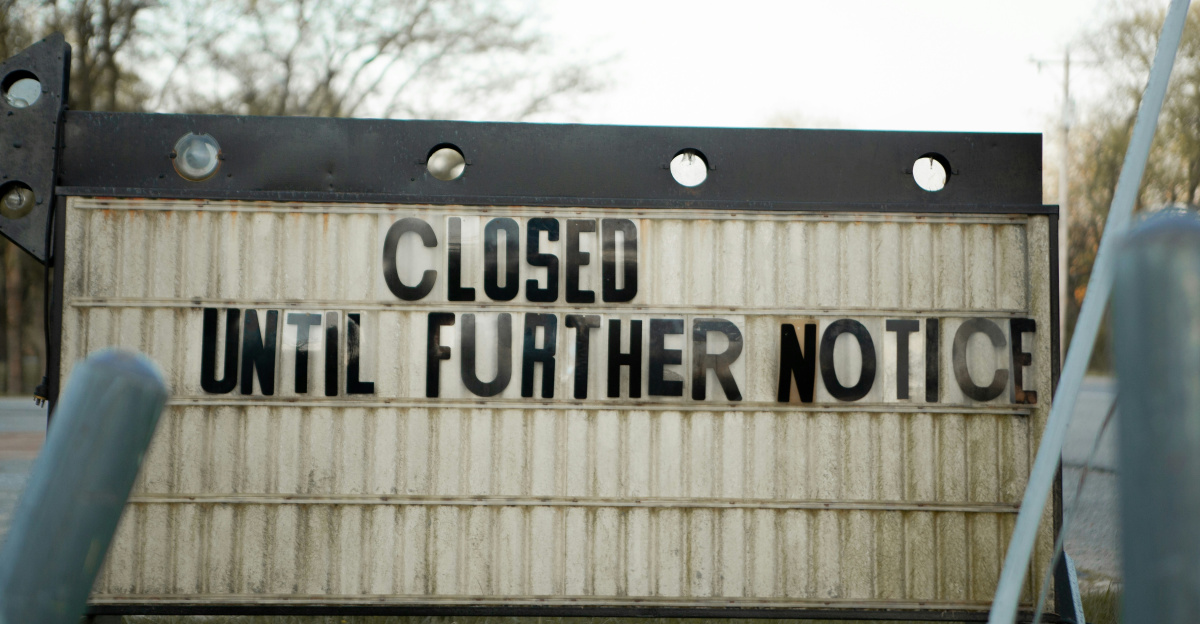
As of the shutdown announcement, Bollinger Motors’ remaining assets and intellectual property remain in limbo. Whether the B4 platform will be revived under new ownership, liquidated for parts, or absorbed by Mullen remains unclear.
Creditors, suppliers, employees, and potential buyers are now tied to a complex legal process that will determine how much, if anything, survives from a decade of development.
What the Collapse Really Signal
Bollinger Motors’ overnight shutdown underscores a brutal truth of the EV revolution: visionary design and long-term ambition are not enough. Automotive manufacturing demands sustained profitability, disciplined execution, and deep capital reserves.
A company once celebrated for its innovation now stands as a cautionary tale—$148 million in valuation, 10 years of effort, and zero vehicles delivered. For workers, investors, and policymakers alike, Bollinger’s fate is a stark warning about the unforgiving economics of building cars in the electric age.
Sources:
- Act News – “Bollinger Motors Ends Operations After Challenging Year Under Mullen Ownership” – November 2025 – https://www.act-news.com/news/bollinger-motors-ends-operations/
- Drive Tesla Canada – “Bollinger Motors Shuts Down After 10 Turbulent Years in the EV Market” – November 2025
- EVPedia – “Bollinger Motors Shutdown Shocks EV World”