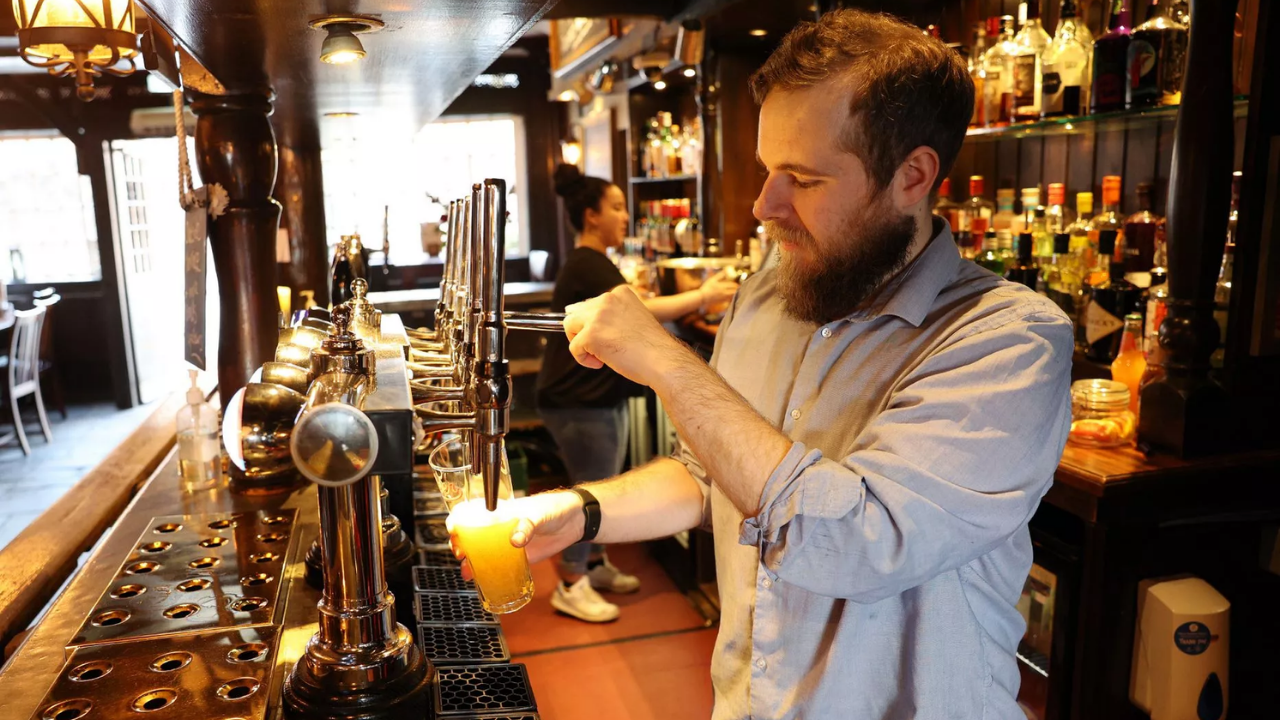
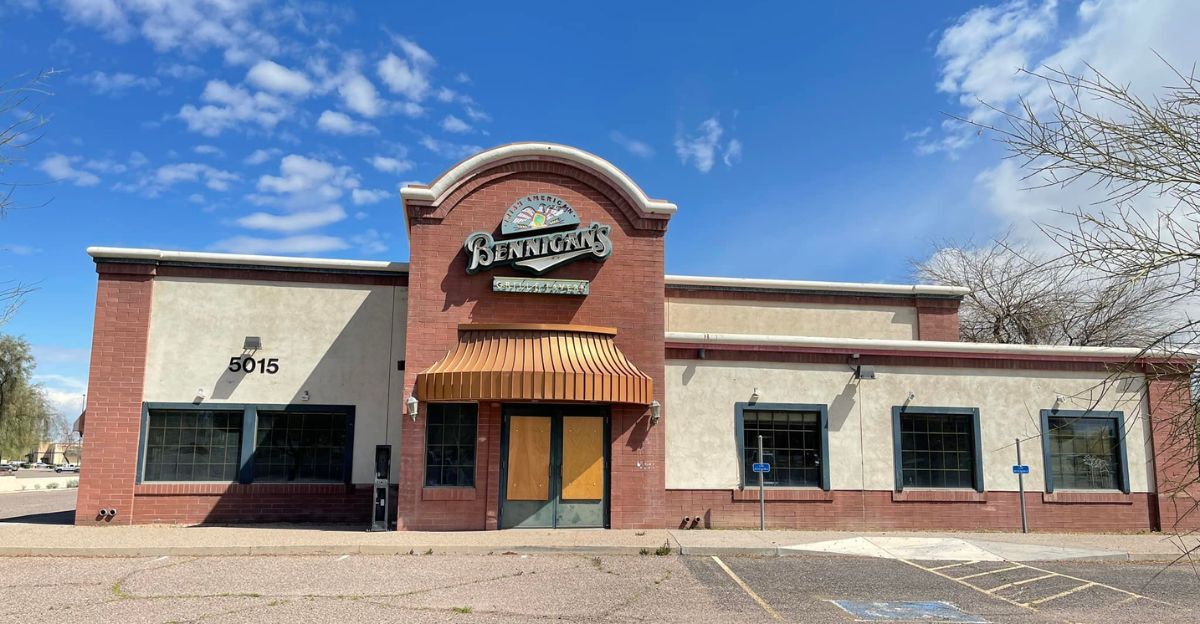
Bennigan’s, a 49-year-old casual-dining chain, has seen nearly 250 closures, leaving just 21 full-service restaurants and 21 “On The Fly” units. At its peak, Bennigan’s exceeded 300 sites. Its 2008 Chapter 7 bankruptcy abruptly shuttered 150 corporate stores, leaving franchises to survive on their own.
Staff at surviving locations operate under permanent uncertainty in an oversaturated and structurally challenged casual-dining category, highlighting that this collapse was long, systemic, and not a temporary slump.
Origins: Atlanta Roots and National Expansion
Founded in 1976 in Atlanta by Norman Brinker for Pillsbury, Bennigan’s offered casual bar-and-grill fare in a pub-like atmosphere. The concept appealed to a growing middle-class desire for informal, alcohol-friendly dining.
Under Pillsbury, Grand Metropolitan, and Metromedia, Bennigan’s expanded aggressively, joining TGI Friday’s and Chili’s as a leading casual-dining brand. At its height, it operated over 300 locations in malls, suburban strips, and highway exits, embedding itself as a default social and dining destination while masking overexposure risks.
Oversaturation: The Silent Threat
By the mid-2000s, casual bar-and-grill dining was overcrowded. Bennigan’s competed directly with TGI Friday’s, Ruby Tuesday, and other clones, all offering nearly identical menus and experiences. Meanwhile, fast-casual and upgraded quick-service brands captured growth with fresher positioning and convenience.
Unit counts grew, but traffic stagnated or declined. Oversaturation created vulnerability: when minor shocks occurred, weak performers like Bennigan’s were disproportionately affected, exposing structural fragility in the business model.
Brand Weakness: Happy Hour Over Food
Bennigan’s became known more for discounted drinks than its menu, relying on nostalgia and offerings like the Monte Cristo. Heavy, fried, and generic fare failed to build lasting loyalty. The brand lacked experiential differentiation—no entertainment focus like Dave & Buster’s, no culinary identity like gastropubs. Psychologically, it occupied a low-salience, low-distinction space in consumers’ minds. When economic or category pressures emerged, the chain was easily forgotten, accelerating decline and making recovery exceptionally difficult.
Operational Drift: Quality Decline and Franchise Strain
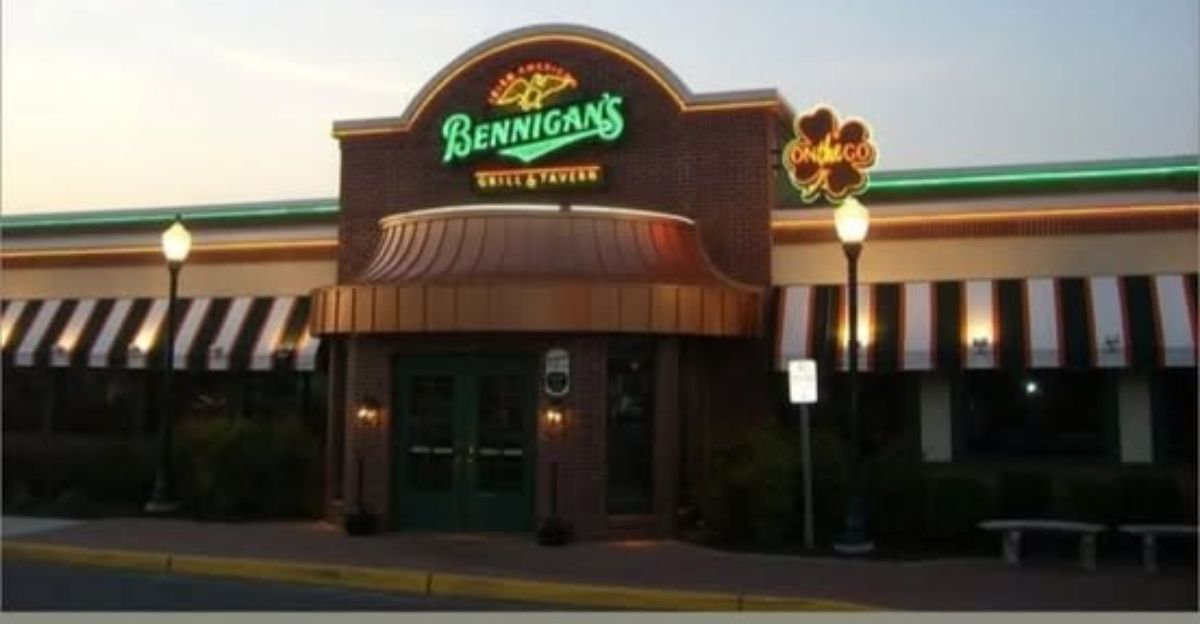
Corporate struggled to maintain consistent execution across expanding locations. Aging facilities and uneven franchise performance eroded quality and customer trust. Key markets, like New York and Connecticut, closed as early as 2006.
Franchisees faced rising costs, lagging menu innovation, and minimal support, paying royalties to a brand quietly losing relevance. Instead of a cohesive network, Bennigan’s entered 2008 as a fractured chain, held together by nostalgia rather than operational strength, leaving it highly vulnerable to economic shocks.
2008 Shock: Chapter 7 Bankruptcy

Facing debt and declining same-store sales, S&A Restaurant Corp., Bennigan’s parent, opted for Chapter 7 liquidation in July 2008 rather than restructuring under Chapter 11. Overnight, 150 corporate U.S. stores closed, along with all Steak & Ale locations.
Employees often discovered closures via locked doors or media reports. Approximately 25–30 staff per store meant 3,750–4,500 immediate job losses, with broader economic ripple effects. This abrupt collapse became a landmark example of sudden corporate failure in the casual-dining sector.
Human Fallout: Jobs and Communities

The closures devastated employees and communities. Workers faced locked doors, lost income, and job-market hardships during the 2008–2009 recession. Over time, with more than 275 locations shuttered from the peak, total job losses likely reached 6,900–9,000, including indirect supplier and landlord impacts.
Each restaurant also functioned as a local social hub; its disappearance hollowed strip-mall ecosystems. Staff at remaining locations today inherit a legacy of sudden collapse and ongoing uncertainty.
Franchise Paradox: Survival Without Support

The Chapter 7 filing applied only to corporate units. About 138 franchisees legally survived but lost franchisor support. They navigated sourcing, marketing, and menu evolution independently, bearing a tarnished brand reputation.
Over the years, most rebranded or closed, leaving only a handful by the early 2010s. Legal survival did not equate to economic health. Franchises became isolated lifeboats, struggling in a market that had largely moved on, underscoring that a brand can exist on paper but fail operationally.
The Zombie Years: 2008–2015
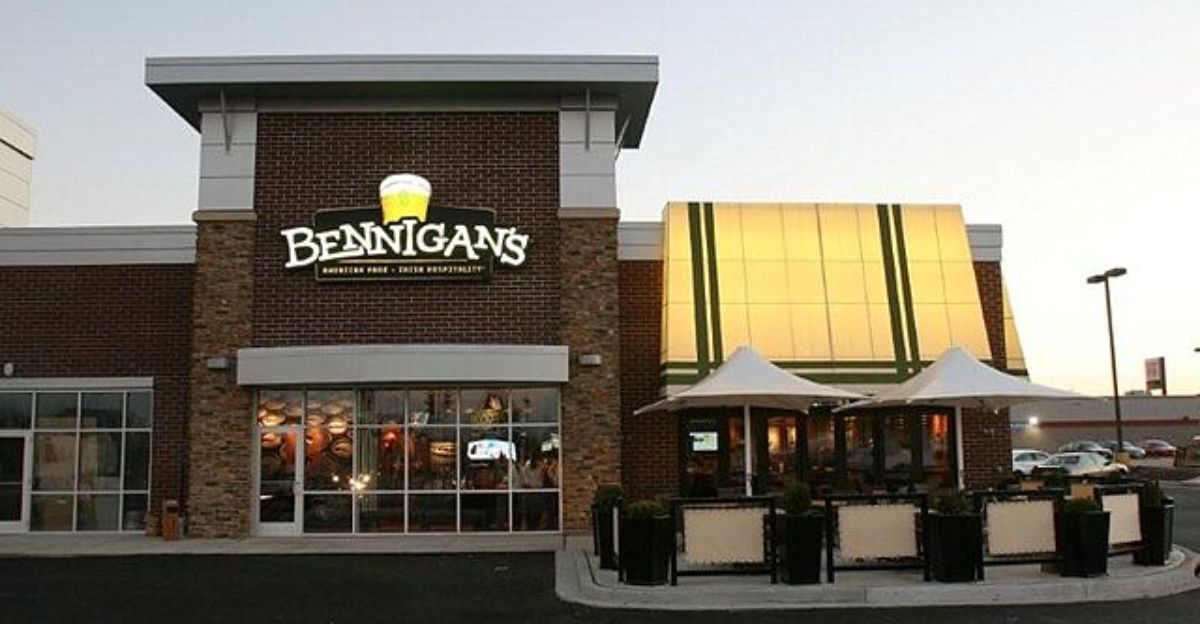
Between 2008 and 2015, Bennigan’s existed in limbo. The brand had minimal national visibility, no coordinated marketing, and few openings. Younger consumers largely never experienced it, while former restaurant spaces were repurposed for other concepts.
Psychologically, this represented brand death: below a visibility threshold, consumers forget it exists. By the time revival efforts began, Bennigan’s was a relic competing against both competitors and the memory void of its own absence.
2015 Acquisition: Legendary Restaurant Brands Revival
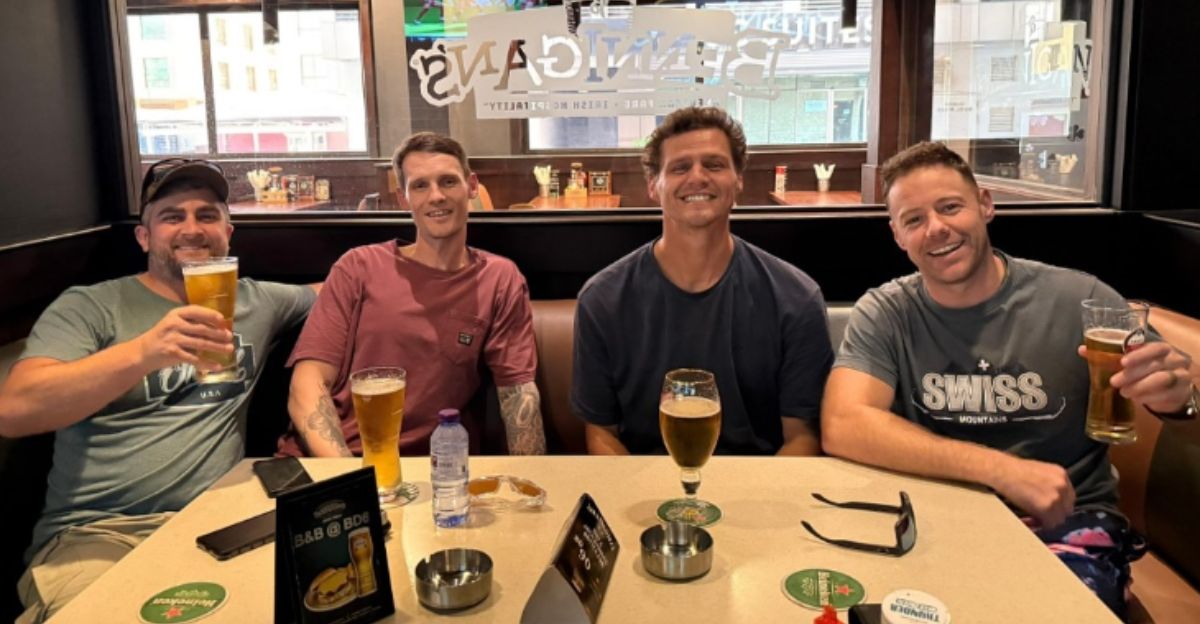
Paul Mangiamele acquired Bennigan’s and Steak & Ale in 2015 via Legendary Restaurant Brands, promising a nostalgic revival. The strategy emphasized upgraded menus, refreshed designs, and “legendary” hospitality over discount-driven drinks.
Refranchising, new builds, and international master franchise deals complemented operational discipline. Today, Bennigan’s operates approximately 21 full-service restaurants and 21 “On The Fly” units, highlighting that revival has stabilized the brand but cannot restore it to its former scale.
“On The Fly”: Shrinking the Format
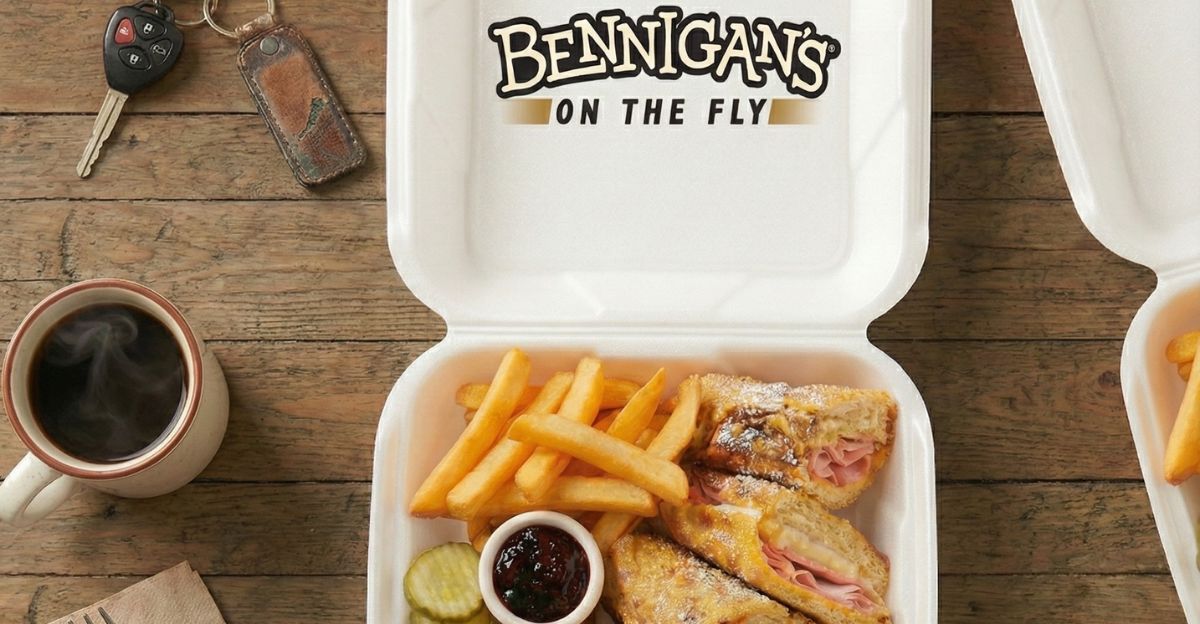
Bennigan’s On The Fly offers smaller, limited-menu units in airports, casinos, hotels, food halls, and ghost kitchens. Optimized for speed and low labor costs, the format acknowledges the declining viability of full-size 5,000–7,000 sq. ft. casual-dining spaces.
This approach monetizes brand recognition without requiring standalone traffic. For remaining full-service units, it signals that the future prioritizes brand presence over the traditional pub experience, highlighting the precarious reality for staff operating legacy locations.
International Expansion: Cautious Growth
Legendary Restaurant Brands pursued international franchises in regions like the Gulf Cooperation Council, Mexico, Central America, and South Asia. American pub-and-grill concepts can feel aspirational abroad, but expansion has been modest.
The strategy extends brand presence and monetizes equity, rather than restoring U.S.-scale dominance. International locations provide revenue and visibility but also underline that Bennigan’s core challenge remains survival, not expansion, emphasizing the global limits of a once-national brand now reduced to niche operations.
Casual Dining’s Structural Decline
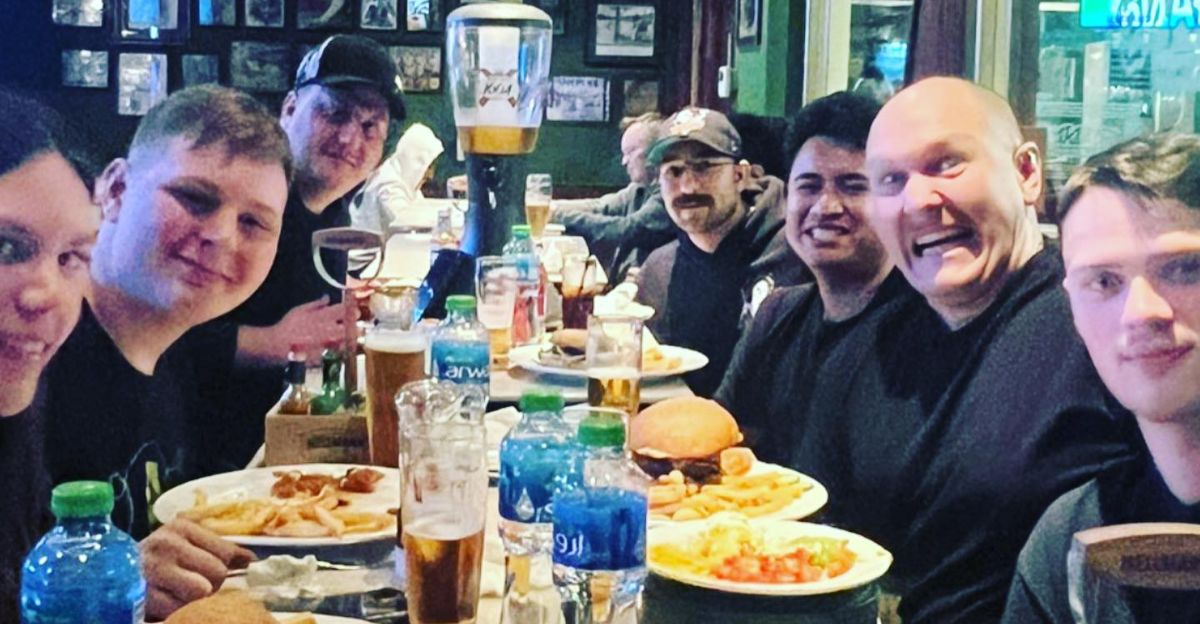
Bennigan’s collapse foreshadowed broader casual-dining struggles. Chains such as Ruby Tuesday and Macaroni Grill also contracted or filed bankruptcy, while fast-casual and delivery-oriented concepts gained share. Rising labor, rent, and commodity costs squeezed traditional models. Consumer behavior shifted toward digital ordering, at-home dining, and experiential concepts.
Bennigan’s 2008 collapse exemplifies the risks of overbuilt, low-differentiation, and highly leveraged businesses in a rapidly changing market. Remaining staff operate in a sector prone to sudden, non-linear failures.
Structural Weaknesses: Why Recovery Failed
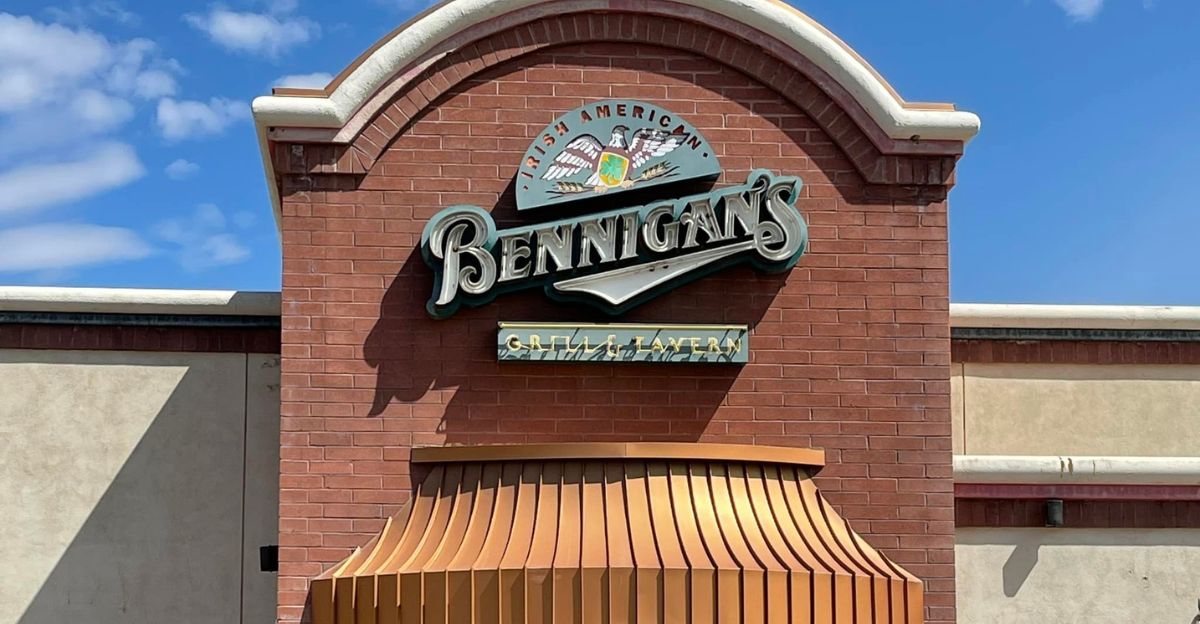
Bennigan’s decline stemmed from five structural weaknesses: strategic complacency, undifferentiated value, operational inconsistency, financial fragility, and misaligned franchise relationships. Strategic modernization came too late, menus and décor mirrored competitors, quality and consistency faltered, debt limited flexibility, and franchise operators lacked resources or trust.
Combined with the 2008 recession, these weaknesses made collapse inevitable. Surviving sites are exceptions, not indicators of health, and illustrate the fragility inherent in legacy casual-dining chains.
Conclusion: A Cautionary Tal
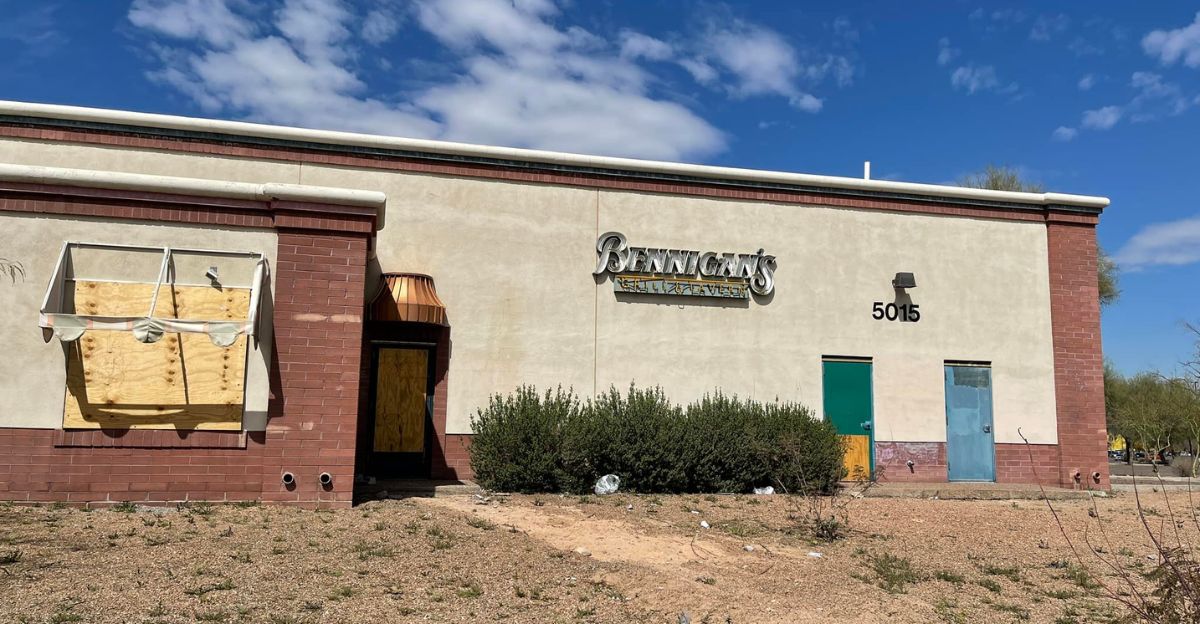
“Nearly 250 Pubs Shut as 49-Year-Old Chain Collapses—Staff at Last 21 Sites on Edge” is accurate and instructive. Bennigan’s peak of 300+ locations fell by roughly 90% through oversaturation, brand erosion, and sudden bankruptcy.
Surviving staff operate in a contracting, structurally challenged market, facing the risks of sudden erasure despite nostalgia or historical scale. The story underscores a key lesson: even long-established chains with brand recognition are vulnerable to operational weakness, market shifts, and structural obsolescence.
Sources:
- Wikipedia – “Bennigan’s.”
- Aaron Allen & Associates – “Casual Dining Restaurant Chains Entering Dangerous Waters.”
- NBC News – “Bennigan’s parent files bankruptcy, will close.”
- The Takeout – “The Rise, Fall, And Rise Of Bennigan’s.”
- Yahoo Finance – “The End Of Casual Dining? Chain Restaurants Shutter By The Hundreds.”
- ABC News – “Goodbye Buys: Seven Stores, Brands You Miss.”
- Kiplinger – “Whatever Happened to Bennigan’s Restaurants?”
- Restaurant Business Online – “Casual dining finally shrinks unit count.”