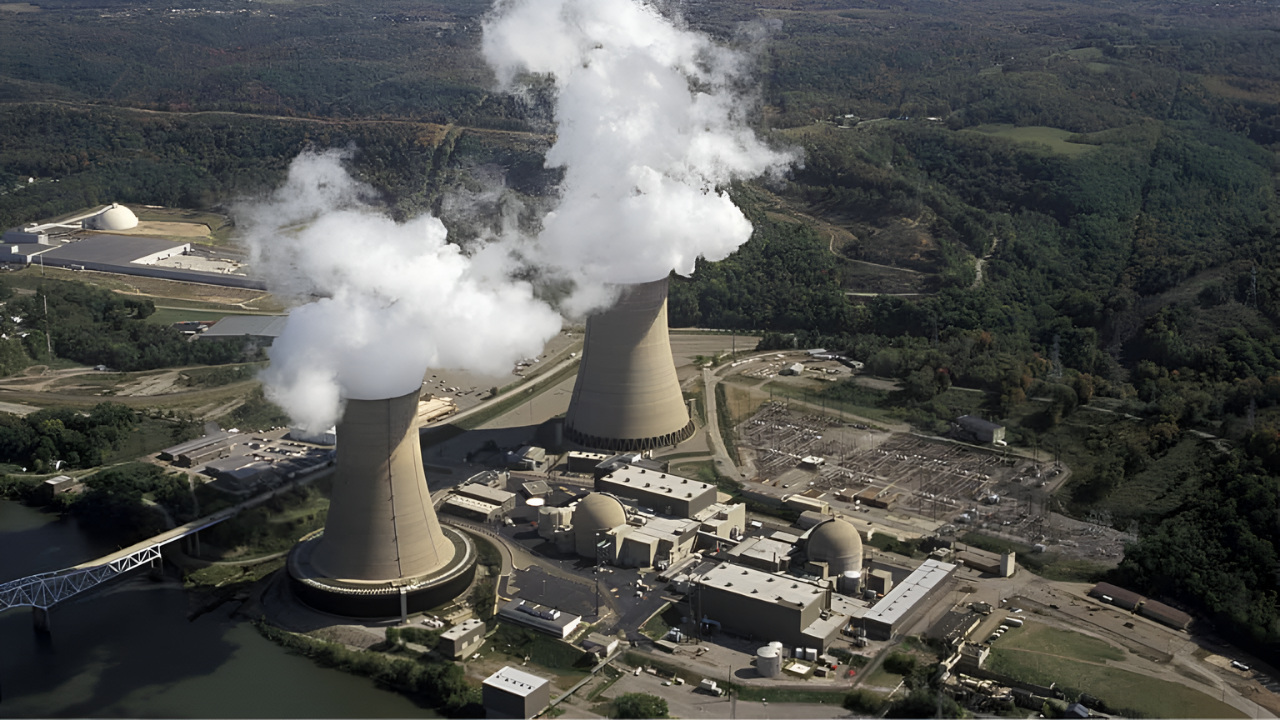
Your monthly electric bill is getting pricier, especially in Ohio, where rates have surged by an average of $32 over the last decade. Now, FirstEnergy, one of the Midwest’s largest utility companies, seeks to raise rates further by requesting $190 million in additional annual distribution costs from its customers.
This increase is justified by the company as necessary for infrastructure upgrades and recovering previous expenses. However, critics argue that these requests obscure a troubling history of corporate misconduct linked to accounting practices. As FirstEnergy pushes for more funding, the implications for consumers become ever more significant.
Context of the Scandal

FirstEnergy’s push for a rate hike comes amid ongoing federal scrutiny tied to one of Ohio’s most infamous corruption scandals. From 2016 to 2020, the utility paid approximately $60 million to secure political backing for a nuclear bailout valued at $1.3 billion. This scandal culminated in the conviction of former Ohio House Speaker Larry Householder, who was sentenced to 20 years in federal prison for orchestrating the scheme.
As FirstEnergy seeks higher rates, documents reveal that the company may have been misclassifying expenses, which blurred the line between legitimate utility costs and illegal payments, casting a long shadow over its current request.
Findings from the FERC Audit
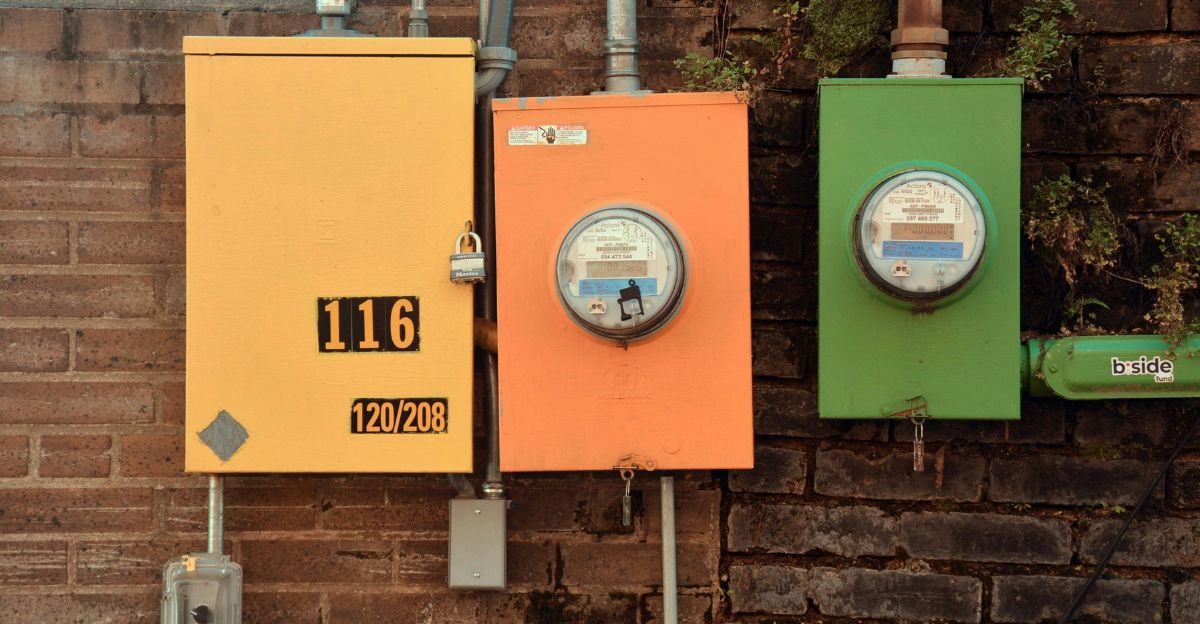
The Federal Energy Regulatory Commission (FERC) often conducts routine audits of utility companies, but its 2022 examination of FirstEnergy uncovered alarming discrepancies. The audit found that FirstEnergy had improperly classified around $108 million in corporate overhead as “construction in progress” from 2015 to 2021.
Among these misclassified expenses were lobbying fees, political donations, and other costs tangential to actual construction work. This accounting strategy enabled FirstEnergy to defer payments and inflate its assets on the balance sheet, raising questions about the company’s financial integrity and concerns among regulators and consumers alike.
Regulatory Response and Industry Scrutiny

FERC’s revelations instigated a comprehensive review by the Public Utilities Commission of Ohio (PUCO), which began questioning FirstEnergy’s practices following the audit. Concomitantly, the Ohio Office of Consumers’ Counsel (OCC), representing retail ratepayers, initiated legal actions opposing FirstEnergy’s rate proposal.
“Consumers shouldn’t pay for FirstEnergy’s mistakes,” remarked OCC Director Maureen Willis, reflecting concerns that ratepayers might unfairly shoulder the burden of the company’s accounting errors. This multi-pronged scrutiny has intensified as the looming $190 million rate case approaches a hearing, highlighting the financial plight of Ohio residents amid corporate transgressions.
Misclassified Costs: The Heart of the Issue

At the core of this controversy is FirstEnergy’s request for Ohioans to absorb $108 million in corporate costs that regulators have deemed misclassified. Specifically, these costs should have been expensed immediately rather than classified as long-term assets. Between 2015 and 2021, FirstEnergy capitalized expenses related to lobbying and payments to politically connected individuals, with a notable $2.5 million tied to bribes involving the former PUCO chair.
By seeking to allocate these costs to ratepayers rather than shareholders, FirstEnergy’s actions represent a troubling shift of financial responsibility, transforming a mere accounting error into a real impact on household budgets across Ohio.
Impact on Ohio Customers

If FirstEnergy successfully passes the entire $108 million in misclassified costs onto customers, the implications could be significant. The utility, which operates three regulated distribution companies Ohio Edison, Toledo Edison, and The Illuminating Company serves approximately 4.5 million customers across central and northern Ohio.
If these costs are fully passed along, the average household may face a one-time charge of roughly $24 or more, assuming the costs are amortized over time. This comes on top of an already heavy financial burden, as customers have paid over $500 million due to the controversial 2019 coal bailout, with no refunds issued.
Voices from Affected Communities

The ripple effects of FirstEnergy’s actions are felt deeply throughout the state. Residents from various communities express their frustrations about mounting utility costs. Mary Johnson, a small business owner in Columbus, shared concerns about how utility bills directly impact operational viability. In rural areas, farmers worry about their operational costs rising.
“Every increase in utility rates comes straight out of our pocket,” captures the pressing concern faced by many who rely on stable rates for their livelihoods and businesses. These community voices underscore the human dimension of corporate accounting decisions made in distant boardrooms.
The Political Fallout

The scandal surrounding FirstEnergy has led to increased political tensions in Ohio. Lawmakers and advocacy groups are demanding greater accountability from utility companies, pushing for reforms that protect consumers and ensure transparency.
Several proposed legislative measures aim to hold utilities accountable for financial mismanagement and to prevent the recurrence of similar accountability failures in the future. As citizens become more vocal about their utility experiences, it places additional pressure on regulators to enforce stricter oversight and protect consumer interests in utility rate-setting processes.
PUCO’s Increasing Vigilance
In response to the growing concerns about FirstEnergy’s rate requests and financial practices, PUCO has stepped up its scrutiny. The Commission has been charged with ensuring that utilities operate transparently and do not place undue burdens on consumers.
In light of the FERC audit findings and the consumer advocacy efforts led by groups such as the OCC, PUCO is taking a stricter stance on rate requests. This evolving regulatory landscape could foreshadow significant changes in how utilities are held accountable for their billing practices, marking a notable shift toward greater consumer protection in Ohio’s utility sector.
A Broader Implication for Ratepayers
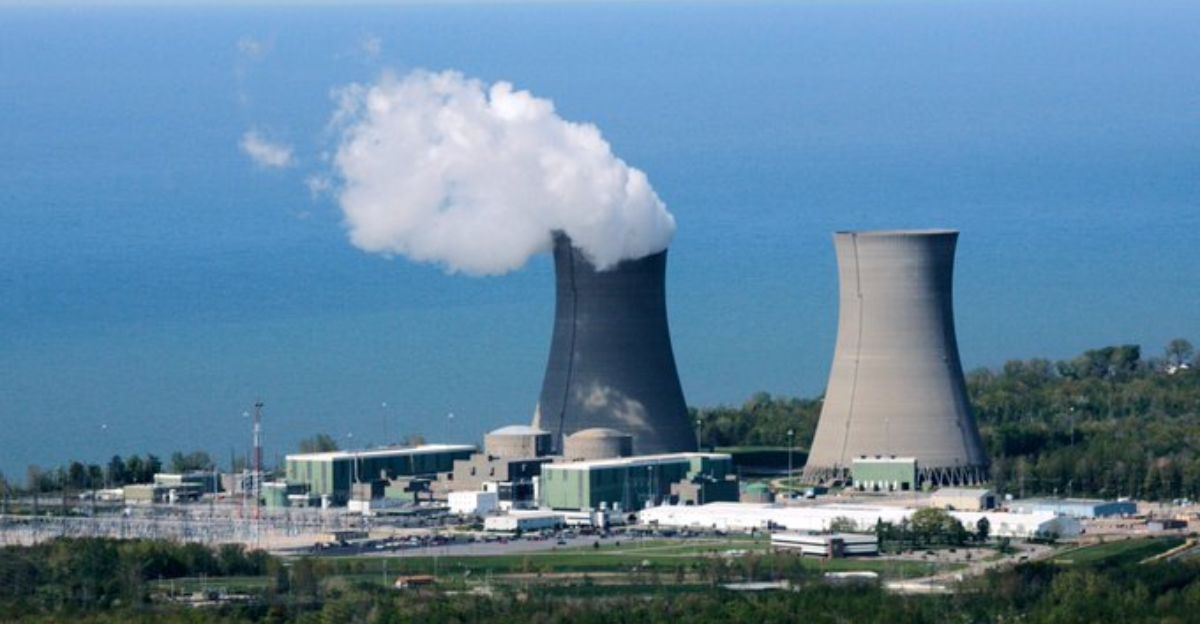
The implications of FirstEnergy’s misclassification scheme extend beyond immediate financial impacts, touching on broader themes of corporate accountability and consumer protection. By shifting the burden of these costs onto consumers, rather than correcting financial mismanagement at the corporate level, FirstEnergy risks further undermining public trust in utilities.
Consumers across Ohio, already feeling the squeeze from rising costs, face a critical moment where their voices must be amplified to ensure that accountability is restored and future abuses of power are avoided.
Consumer Action and Advocacy Efforts

Many Ohioans are not just passively awaiting the outcome of FirstEnergy’s rate request; they are actively engaging in advocacy and consumer protection efforts. Groups like Ohio Citizen Action are mobilizing residents to voice their concerns and demand accountability.
“It’s time that we hold these corporations accountable for their actions,” reflects the growing movement among consumers for transparency and responsibility in utility pricing. This rise in activism is crucial, as it emphasizes the importance of collective action in confronting powerful entities that may exploit regulatory loopholes and shift costs to vulnerable households.
The Road Ahead for FirstEnergy

The future of FirstEnergy lies in a balance of regulatory oversight and public sentiment. As hearings progress and public opinion continues to shift, the utility faces significant challenges in justifying its requests for rate hikes. The need for compliance reforms mandated by FERC will likely compel FirstEnergy to reassess its operational and financial strategies moving forward.
Failure to address consumer concerns effectively could lead to lasting reputational damage, impacting its relationship with customers and regulators alike in an increasingly competitive energy market.
Insights from Economic Experts
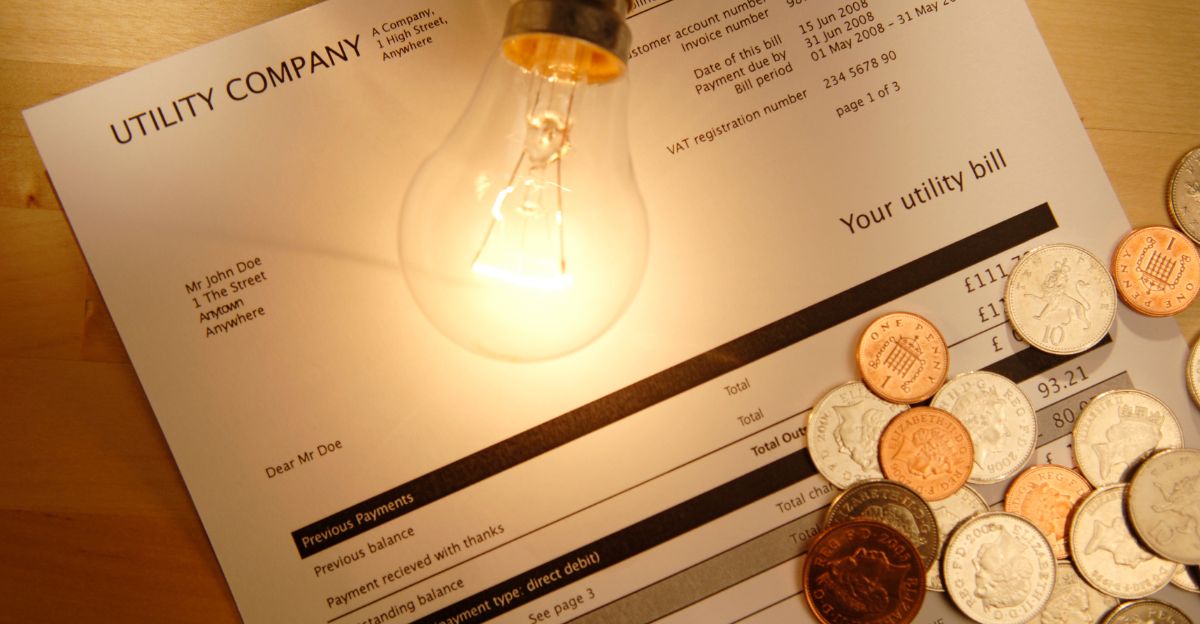
Economic analysts and utility experts are weighing in on the FirstEnergy controversy, providing insights into the potential consequences for the energy sector. Dr. Janine Freeman from Ohio State University noted that how FirstEnergy classifies expenses may set a precedent for how utilities operate in the future.
“Regulators must take this opportunity to ensure they don’t continue to mislead consumers,” Freeman emphasized. In times of heightened scrutiny, expert perspectives are crucial for understanding the systemic issues at play and the potential implications for utility regulation in Ohio and beyond.
The Power of Consumer Advocacy
The Ohioans’ pushback against FirstEnergy reflects a growing awareness of consumer rights in the utility sector. The coordinated efforts of advocacy groups, coupled with media coverage of the ongoing scandal, emphasize the need for vigilance.
As consumers demand accountability, it becomes increasingly evident that collective action can shape the decisions made by regulated utilities. Organizations across the state are empowering citizens to engage in the process and assert their rights, ensuring their voices are heard in matters that affect everyday life and household budgets.
Regulatory Trends in Utility Management

As the FirstEnergy case unfolds, observers are closely monitoring trends in utility regulation not only in Ohio but across the nation. Questions about transparency, ethical accounting, and consumer protection are resonating in state legislative sessions nationwide.
The consensus is that reforms should incorporate stricter oversight to prevent corporate mismanagement from unfairly burdening consumers. Policymakers are increasingly recognizing the need to create a more responsible framework within which utilities operate, emphasizing the importance of sustainable and ethical business practices within the energy sector.
Ohio’s Legacy of Utility Regulation

Ohio’s history of utility regulation has been a mixed bag, with moments of innovation contrasted by significant failures. The FirstEnergy scandal is but the latest chapter in an ongoing saga marked by corporate mismanagement and regulatory lapses.
Analysts suggest that this could serve as a turning point, prompting lawmakers to adopt stricter measures that safeguard consumer interests. The legacy of past decisions now serves as a reminder of the importance of strict enforcement and oversight in maintaining a fair utility landscape.
Documenting the Scandal
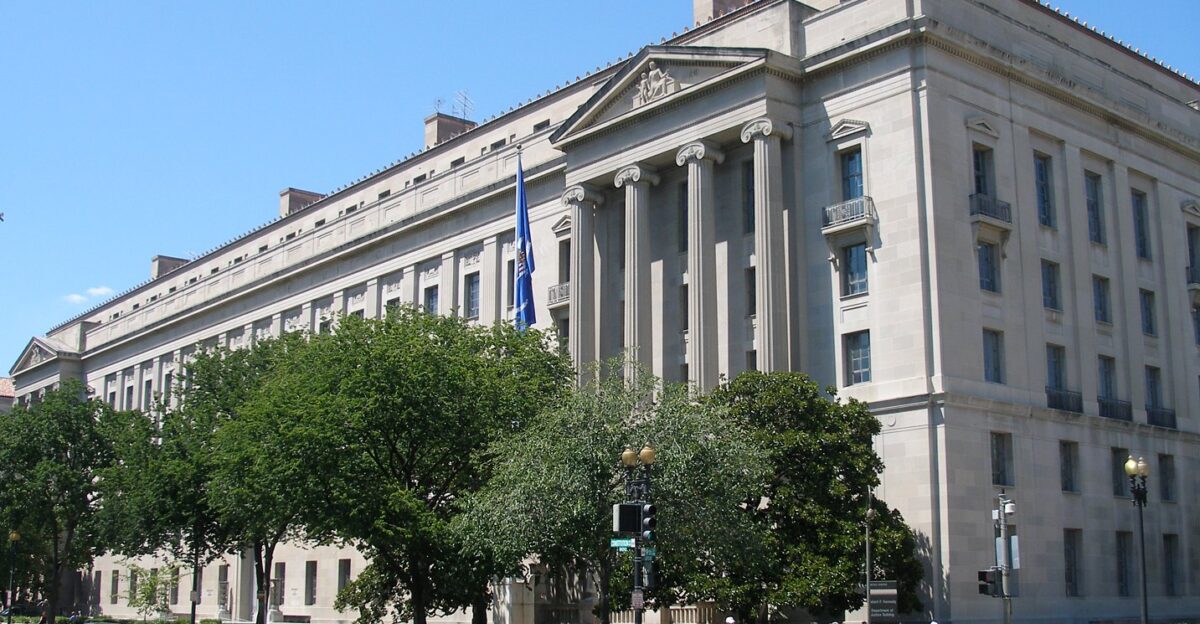
As investigations continue, documentations and reports surrounding the FirstEnergy scandal provide a clearer picture of the dynamics at play. The U.S. Department of Justice and FERC audits highlight patterns of mismanagement and the need for improved regulatory frameworks.
Access to these records is crucial not only for ongoing legal proceedings but also for informing the public discourse surrounding utility accountability. Educating consumers about these developments is a vital step in empowering them to demand a fairer energy marketplace.
Looking Beyond Ohio
The implications of the FirstEnergy case reach beyond state borders. Other regions and utilities are watching closely, with the potential for similar issues to arise if not adequately regulated. Effective oversight must be established to ensure consumer protections are standardized across state lines.
The outcomes of Ohio’s regulatory actions may influence how other states manage their utilities, either reinforcing the need for accountability or allowing mismanagement to persist in larger systems, underscoring a critical need for systemic reform in utility regulation nationwide.
Community Resilience

Ohio families and communities are demonstrating resilience in the face of the adversity posed by rising utility costs. While the challenges are significant, many residents are coming together to support one another, learn about their rights, and advocate for change.
Community meetings, online forums, and grassroots initiatives are becoming central to the discourse around utility rates and accountability. This grassroots movement reflects a broader trend of empowerment and connectivity, drawing communities closer together amid challenges posed by corporate giants like FirstEnergy.
Shaping Future Utility Practices
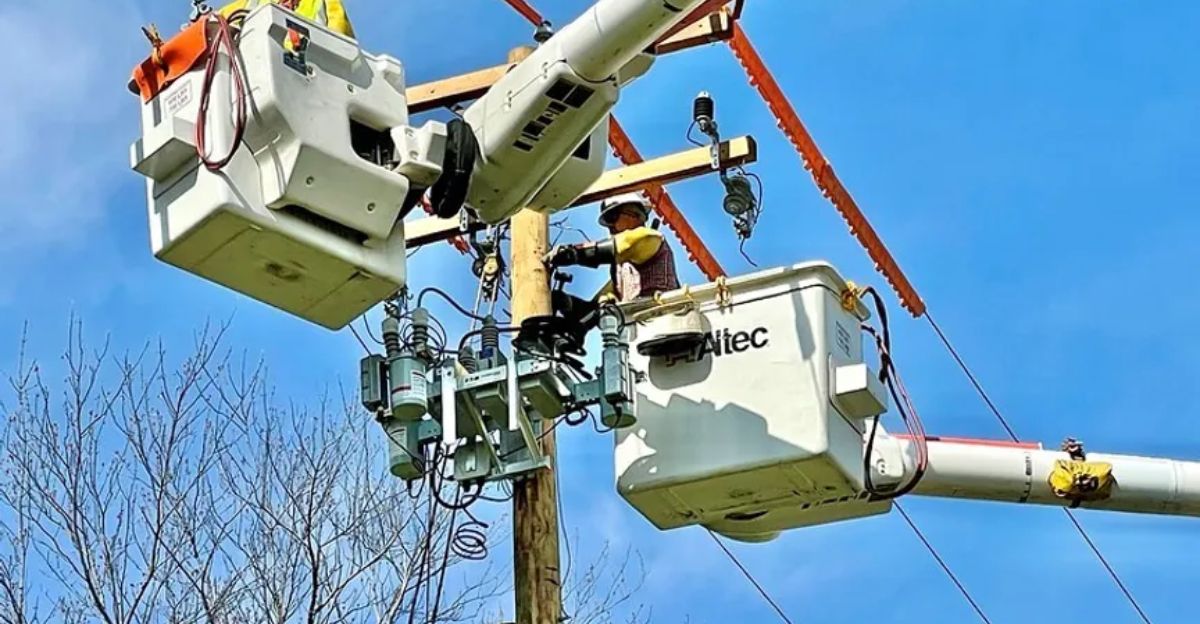
As the public response to FirstEnergy’s request develops, one thing is clear: accountability is paramount. Regulatory bodies must act decisively to establish robust frameworks that protect consumers while encouraging ethical business practices among utilities. Ohio’s experience serves as a poignant reminder of the need for vigilance in civic engagement and regulatory oversight.
For ratepayers affected by corporate mismanagement, these developments hold the potential for significant change, enabling a more just and equitable utility landscape that prioritizes consumer rights and interests above corporate convenience.
Sources:
Federal Energy Regulatory Commission 2022 Audit and Consent Agreement
Ohio Office of Consumers’ Counsel Distribution Rate Increase Fact Sheet
U.S. Department of Justice Federal Sentencing Records
Common Cause Ohio Corruption Timeline and Investigation
Energy and Policy Institute FirstEnergy Analysis
PUCO Docket 24-0468-EL-AIR Official Filings and Hearing Transcripts