
U.S. manufacturing slipped deeper into contraction in November 2025, marking the ninth straight month of decline. The Purchasing Managers’ Index fell to 48.2, well below the growth threshold of 50. Manufacturing still represents just over 10% of the U.S. economy and employs nearly 13 million workers.
The downturn accelerated after 25% tariffs were imposed on more than $460 billion in vehicle and auto-parts imports, alongside new duties on heavy trucks.
Why It’s Happening: The Tariff Cascade
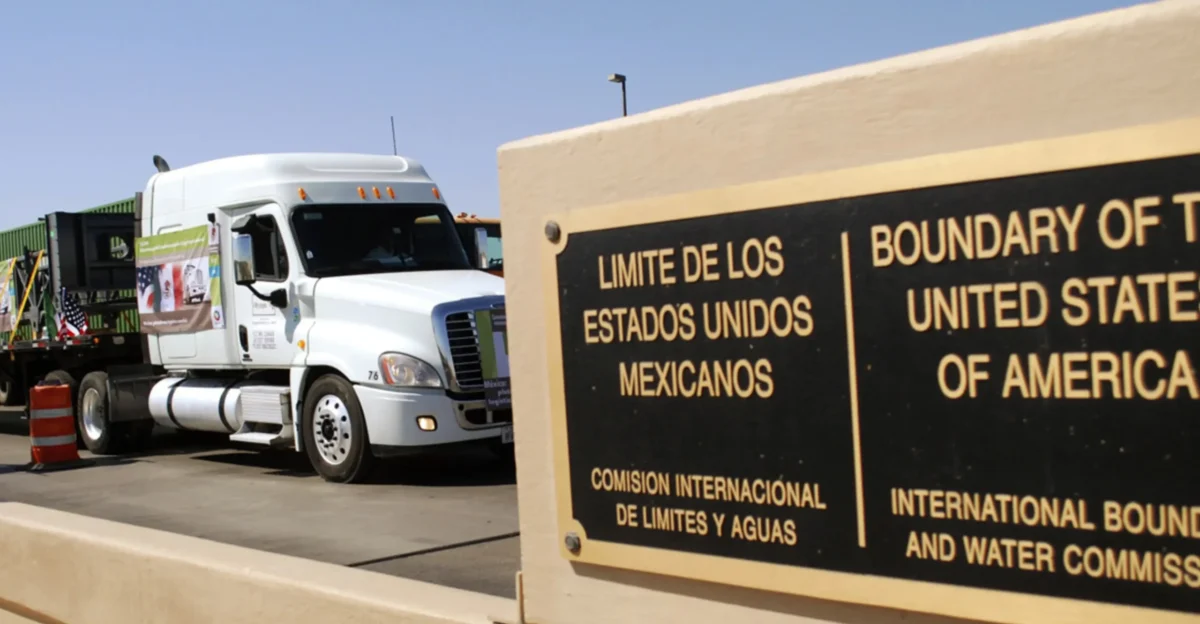
The contraction traces directly to the expanding tariff regime introduced in spring 2025. Duties of 20% were imposed on all Chinese imports, with 25% tariffs applied to steel, aluminum, vehicles, and non-USMCA goods from Canada and Mexico.
The average effective tariff rate surged sharply from pre-2025 levels. Manufacturers now describe the policy environment as structurally disruptive, forcing permanent changes to sourcing, pricing, and long-term investment strategies across industrial sectors.
Direct Hit: Consumer Prices Rise on Vehicles and Parts

Vehicle prices are rising as tariff costs pass through supply chains to consumers. With 25% duties on imported vehicles and key components, automakers face higher production expenses at nearly every stage of assembly.
North American auto manufacturing depends on cross-border parts flows, particularly from Mexico and Canada. As these historically integrated supply routes are taxed, final sticker prices increasingly reflect the growing burden carried by manufacturers and buyers alike.
Corporate Response: Manufacturers Freeze Hiring and Cut Staff

Employment conditions inside U.S. factories continue to deteriorate. Manufacturing employment contracted for the tenth consecutive month, and most firms now report managing or reducing headcount rather than hiring.
Transportation equipment makers have led the pullback, announcing workforce reductions and lowering financial guidance. Suppliers across the Midwest and Southeast report sustained hiring freezes through 2026, signaling that firms expect tariff-driven pressures to persist rather than fade quickly.
The Substitution Play: Offshore Manufacturing Expands
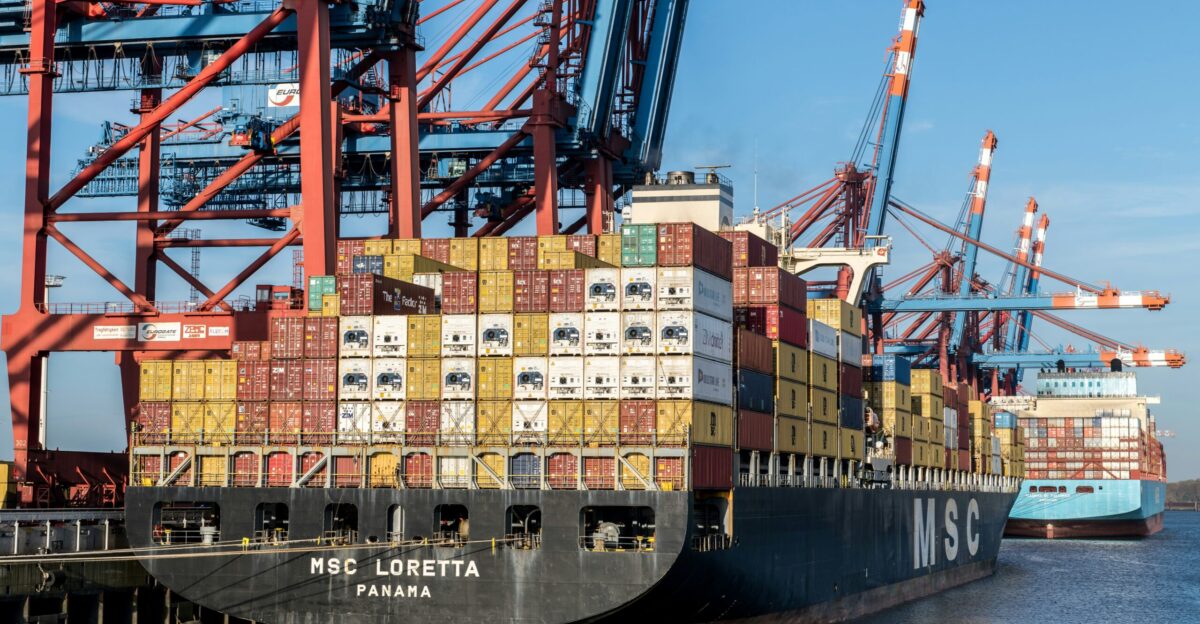
Rather than absorbing higher costs, many manufacturers are shifting production offshore. Companies report expanding facilities abroad that would have otherwise served U.S. export markets. Capital is flowing to Mexico, Vietnam, and other lower-tariff locations.
This pivot marks a structural break from decades of North American supply chain integration. Instead of strengthening domestic output, the tariff regime is actively encouraging firms to relocate productive capacity outside the United States.
International Ripple: Trade Partners Retaliate and Redirect

Trade partners are responding by redirecting their own supply chains away from the United States. Canada and Mexico now face elevated effective tariff rates on non-USMCA goods, while European imports are subject to blanket duties.
As a result, foreign governments and corporations are sourcing components more heavily from Asia and Europe. Global automakers are expanding non-U.S. plants, reducing export opportunities for American manufacturers and deepening the domestic downturn.
Human Cost: Midwest Workers Face Uncertain Futures

Manufacturing-dependent communities in Michigan, Ohio, Indiana, and the Pacific Northwest are feeling the impact most acutely. Workers in fabricated metals, machinery, and transportation equipment face wage stagnation or job losses.
Industry surveys show no post-tariff manufacturing surge. Instead, demand uncertainty is overwhelming any protective benefit from tariffs. Workers increasingly fear that shrinking order volumes—not foreign competition—pose the greatest threat to long-term employment stability.
Political Pressure: Supreme Court Questions Tariff Legality

Tariffs now face mounting legal scrutiny. In November 2025, Supreme Court justices raised questions about the legal foundation of the administration’s sweeping tariff authority.
Challenges focus on whether existing emergency economic laws provide sufficient congressional authorization for such broad actions. As inflation pressures build and economic strain intensifies, the combination of judicial uncertainty and political resistance is testing the durability of the current tariff framework.
Inflation Pressure: Input Costs Surge Across Manufacturing

Input costs continue to climb across U.S. manufacturing. The prices-paid index remains firmly in inflationary territory, signaling accelerating cost pressures. Fabricated metals now face some of the highest average tariff rates in the industrial economy.
Apparel, leather, machinery, construction, and utilities are also heavily exposed. Nearly a quarter of firms in tariff-sensitive sectors now expect reduced hiring as rising materials costs compress margins and undermine expansion plans.
Retail Strategy Shift: Inventory and Pricing Adjustments

Retailers rushed to build inventories before tariffs took effect, temporarily swelling stock levels. Now, with higher replacement costs and weakening consumer demand, firms are recalibrating pricing strategies and accepting thinner margins.
Trade policy has rapidly become one of the most pressing business risks for retailers. Price hikes are steadily flowing to consumers, while pre-tariff inventory surpluses generate short-term discounting that masks longer-term inflation pressures.
Hospitality and Food Service: Supply Chain Disruptions Deepen

Restaurants and food service businesses are also caught in the tariff fallout. Imported kitchen equipment, packaging materials, and food inputs now carry higher costs. T
ariffs on non-USMCA goods from Mexico—an essential supplier of fresh produce and seafood—are especially disruptive. Operators must either absorb shrinking profit margins or raise menu prices. These pressures compound existing labor and energy costs, squeezing an already thin-margin industry.
Knock-On Industries: Leather, Textiles, and Machinery Squeezed

Secondary manufacturing sectors face intense cost shocks. Leather and apparel producers are hit by heavy duties on Asian and North American inputs. Machinery and electrical equipment manufacturers confront elevated average tariff rates on critical components.
Fabricated metal products face especially severe burdens, transmitting cost increases into construction, automotive, and industrial equipment markets. These cascading effects reveal how tariffs imposed at one stage rapidly multiply throughout the broader industrial economy.
Global Consumer Impact: Emerging Markets Face Demand Destruction

Tariffs dampen global demand by reducing U.S. purchasing power. As American manufacturers scale back output, export-dependent emerging economies experience falling orders. At the same time, retaliatory tariffs abroad cut into U.S. export sales.
Global supply chains—already strained by geopolitical risk—are fragmenting further as firms diversify sourcing to reduce exposure to sudden policy shifts. The result is slower growth not only in the U.S., but across multiple international markets.
Health and Lifestyle: Medical Device and Pharmaceutical Pressures

Healthcare supply chains are increasingly affected by tariffs on imported medical devices, electronics, and pharmaceutical components. Diagnostic equipment and medical imaging systems rely heavily on global inputs now facing higher costs.
As procurement prices rise, hospitals and clinics confront tighter budgets. Over time, patients may encounter higher out-of-pocket expenses and delayed access to advanced equipment, adding a healthcare dimension to what began as a manufacturing policy dispute.
Cultural and Environmental Debate: “Made in America” vs. Reality

The tariff strategy was designed to revive domestic manufacturing, but the outcome is producing the opposite effect. Offshoring is accelerating rather than slowing. Environmental groups warn that shifting production to countries with weaker standards may raise global emissions.
Labor unions face conflicting realities: tariffs promised job protection, yet hiring freezes and relocations dominate outcomes. The gap between political messaging and economic results is fueling growing public and political polarization.
Unexpected Winners: Energy, Agriculture, and Selective Sectors

A handful of sectors remain relatively insulated. Food production, chemicals, agriculture, and parts of the energy industry face lower tariff exposure due to exemptions and domestic supply strength.
Certain electronics manufacturers have also reported modest growth as imported alternatives grow more expensive. However, these gains remain limited and cannot offset the widespread contraction across transportation equipment, metals, and industrial manufacturing that dominates the broader economic picture.
Market Speculation: Investors Hedge Against Tariff Uncertainty

Financial markets are responding by shifting capital away from manufacturing-heavy firms. Investors are favoring defensive industries and foreign equities less exposed to U.S. trade policy volatility.
Tariff uncertainty has become a major deterrent to long-term investment, as firms cannot reliably forecast costs under rapidly shifting trade rules. Market volatility increasingly reflects fears that escalation or abrupt policy reversals could destabilize earnings and asset valuations across multiple sectors.
Consumer Takeaway: What You Should Know Now
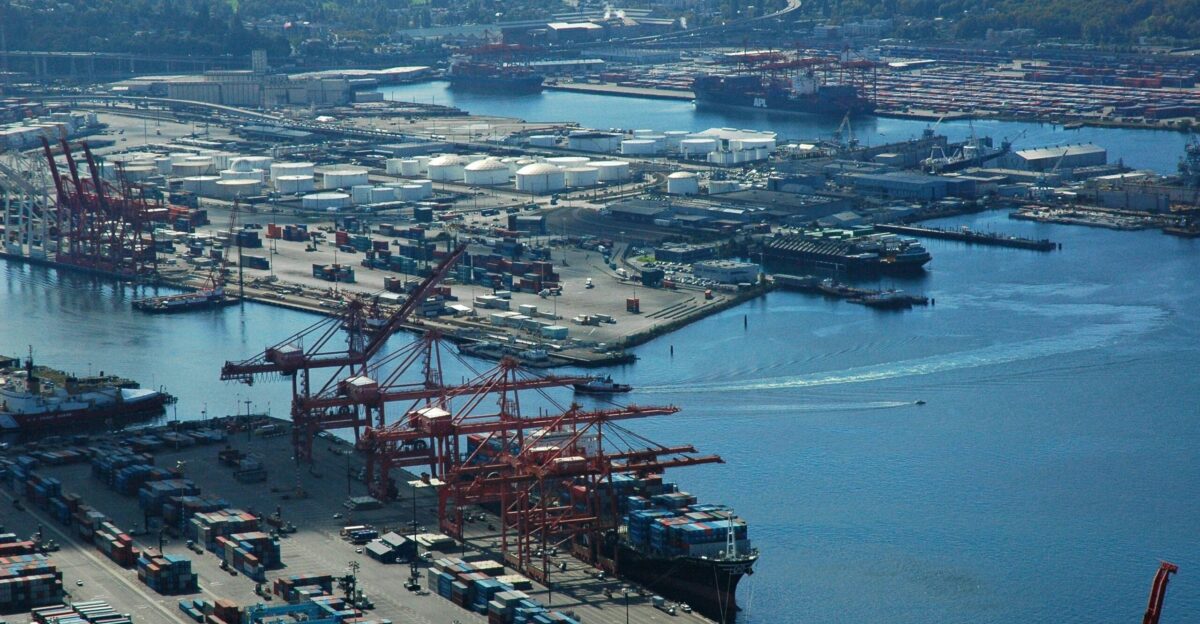
Consumers should expect sustained price increases for vehicles, appliances, and many imported goods over the next year. Job growth in tariff-exposed industries is unlikely in the near term.
Temporary discounts on pre-tariff inventory may offer short-lived relief, but replacement goods will be more expensive. Because many U.S. products still rely on imported components, even “domestic” purchases are often indirectly affected by tariff costs.
Looking Ahead: Policy Crossroads and Structural Shifts

The tariff regime now sits at a critical policy crossroads. If current duties remain, prolonged manufacturing stagnation, elevated consumer prices, and accelerated offshoring are likely to continue through 2026.
Even if tariffs are reversed, reestablishing supply chain integration will take years. Policymakers face difficult tradeoffs between tariff revenue, employment losses, inflation pressures, and global competitiveness as structural shifts become increasingly difficult to unwind.
The Ripple Closes: Tariffs as a Structural Shock

What began as a trade policy tool has become a system-wide economic shock. Manufacturing employment has already suffered tens of thousands of job losses since tariffs took effect in 2025. Consumers face higher prices and fewer choices.
Overseas partners are restructuring supply chains away from U.S. dependence. Rather than reviving domestic industry, tariffs have driven production offshore and weakened demand, leaving the manufacturing sector weakened and policy credibility under strain.
Sources:
- Federal Reserve Bank of Richmond Economic Brief, March 2025
- Institute for Supply Management Manufacturing Report, November 2025
- White House Fact Sheet, April 2025
- Equitable Growth analysis, 2025
- CEPR analysis, April 2025
- First Quarter 2025 CFO Survey
- J.P. Morgan Global Research, October 2025