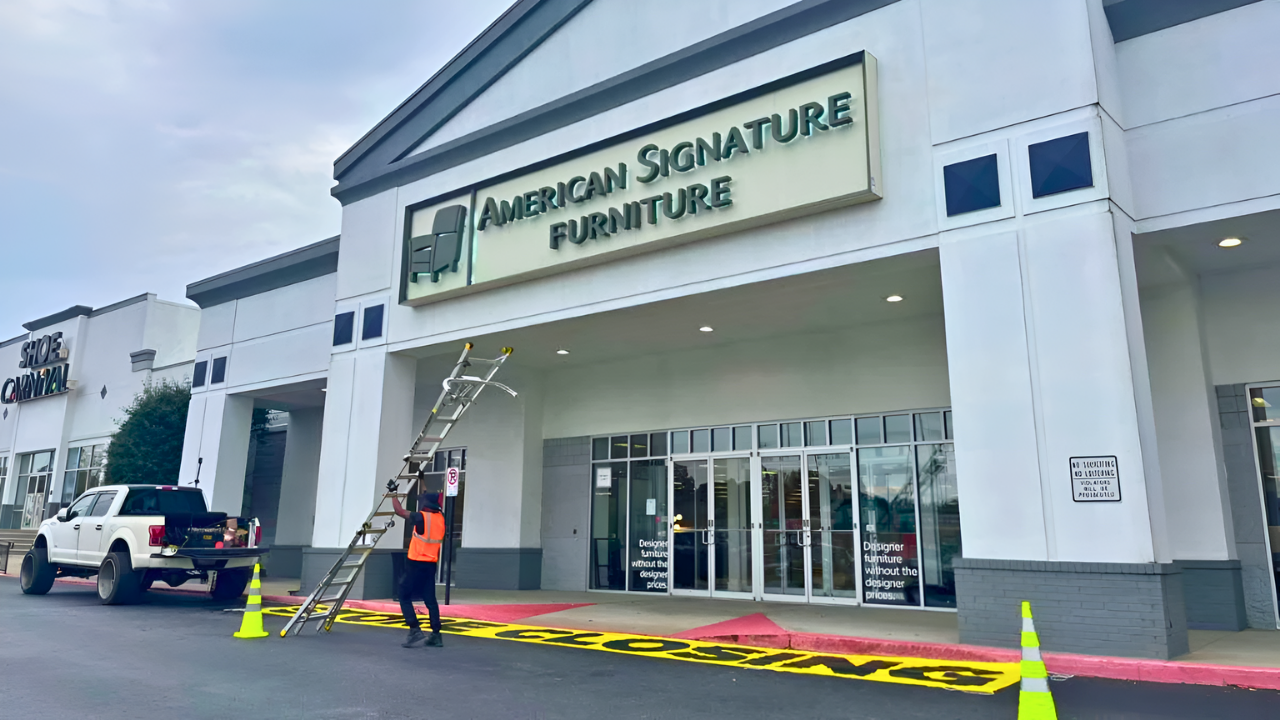
After nearly eight decades as a familiar presence in suburban shopping centers, American Signature Inc., the parent of Value City Furniture, is in court-supervised reorganization and preparing to close dozens of stores across the country. The Chapter 11 filing, made in Delaware in late November 2025, caps years of mounting financial strain and signals a broader shakeout in the mid-priced furniture business.
Financial Strains Come to a Head
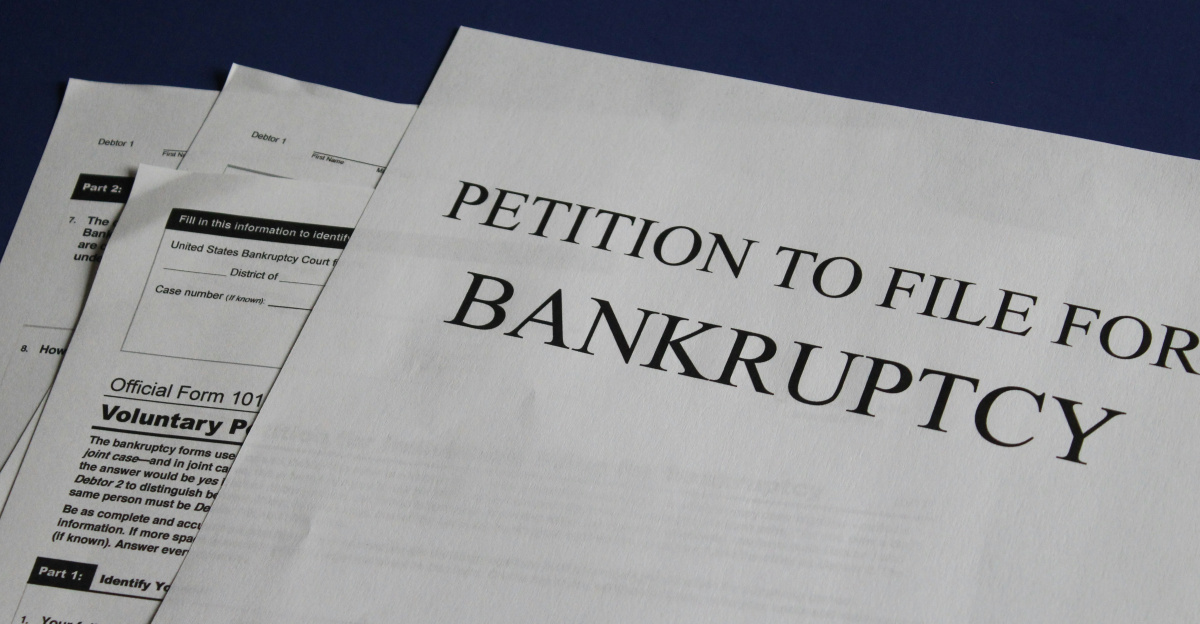
American Signature filed for Chapter 11 bankruptcy protection on November 22, 2025, acknowledging that its debts significantly exceed its assets and listing more than 1,000 creditors. The company has secured about $50 million in debtor-in-possession financing to keep operations running while it restructures and seeks a buyer for some or all of its assets.
The move follows a long period of weakening demand as U.S. households trimmed discretionary purchases. Higher borrowing costs, persistent inflation, and a cooling housing market have all weighed on sales of big-ticket items such as sofas, bedroom sets, and dining room furniture. Management is using the court process to exit money-losing locations, cut costs, and concentrate on regions where it still sees the possibility of profitable business.
From Regional Powerhouse to Retrenchment
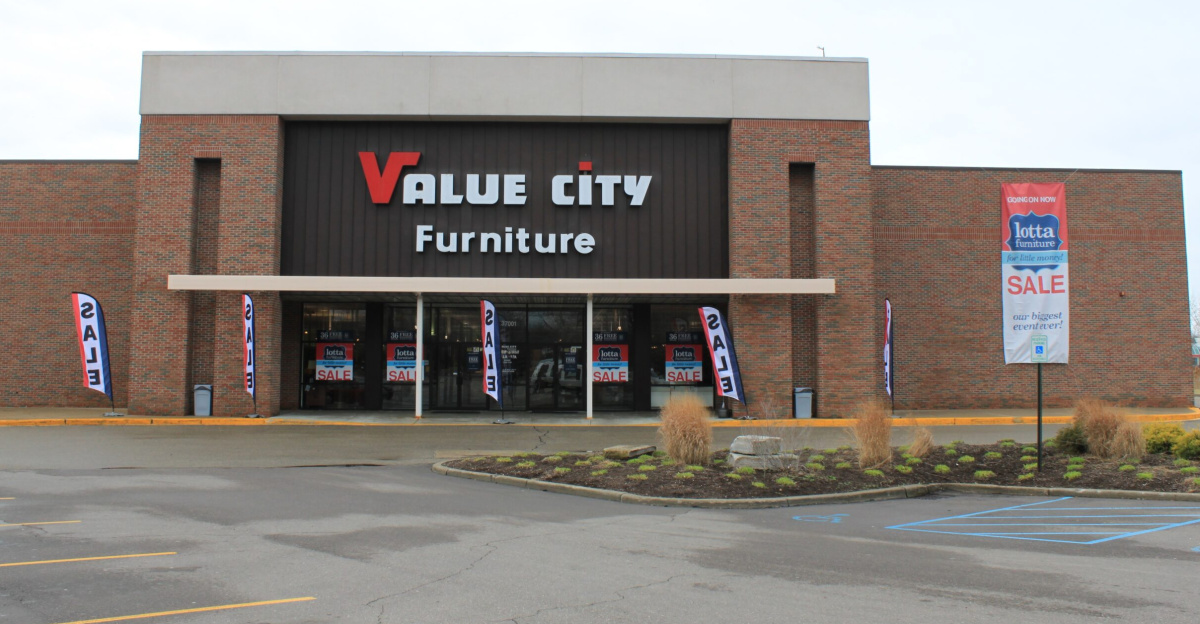
Founded in 1948, American Signature grew into a major mid-market furniture retailer, at one point operating about 120 stores across 17 states. Its brands became known as accessible destinations for middle-income families looking to furnish living rooms, bedrooms, and kitchens at moderate prices.
That model came under pressure after the pandemic-era boom in home-related purchasing faded. As housing activity cooled, the company faced a combination of higher tariffs on imported goods, rising freight and logistics costs, and greater financing expenses. Those pressures eroded margins just as consumer demand softened, leaving the business more vulnerable to economic swings than in earlier cycles.
Industry analysts say these conditions have been particularly challenging for mid-tier chains caught between lower-priced discount outlets and higher-end specialty sellers, while also trying to respond to the rapid growth of online competitors.
Closures, Layoffs, and Customer Questions

As part of its restructuring plan, American Signature is shutting 33 stores in 14 states, including locations in Illinois, Indiana, Michigan, New York, and Georgia. Liquidation sales are under way, with most closures expected to be completed by January 2026. The company has said it intends to step away from underperforming markets while continuing to run certain showrooms during the Chapter 11 process.
The retrenchment carries a significant human cost. More than 1,300 jobs tied to Value City Furniture alone are at risk, and additional roles at related operations could be affected as the store network is reshaped. Employees face uncertainty about which locations might survive, whether a buyer will emerge, and what the eventual store footprint will look like if the business continues in any form.
Customers are also seeking clarity. Those with open orders and extended warranties want to know if their furniture will be delivered and if service commitments will be honored during and after the bankruptcy. The outcome will depend in part on decisions in the Delaware court, the status of any sale, and how the company and its insurers handle obligations tied to past purchases.
Pressure Across the Furniture Sector
American Signature’s troubles are part of a wider industry downturn. The company is among several regional chains to seek court protection or reduce operations in 2024 and 2025 as sales slowed and debt burdens became harder to manage. Earlier in 2024, discount operator American Freight filed for bankruptcy and closed all 328 of its stores, underscoring the depth of the pullback in value-focused home furnishings.
Macroeconomic forces are central to the contraction. Elevated mortgage rates have cooled home sales and renovations, historically important drivers of new furniture purchases. Inflation has squeezed household budgets, pushing many shoppers to delay or downsize major buys. These conditions have left retailers carrying excess inventory and paying more to import and move goods, even as traffic declines.
Policy choices have also played a role. Interest-rate hikes aimed at curbing inflation have raised borrowing costs for both businesses and consumers, while trade measures and tariffs have increased the price of many imported products. For a retailer heavily reliant on overseas manufacturing and global shipping lanes, those shifts have made it more difficult to maintain profitability.
Looking Ahead in a Changing Market
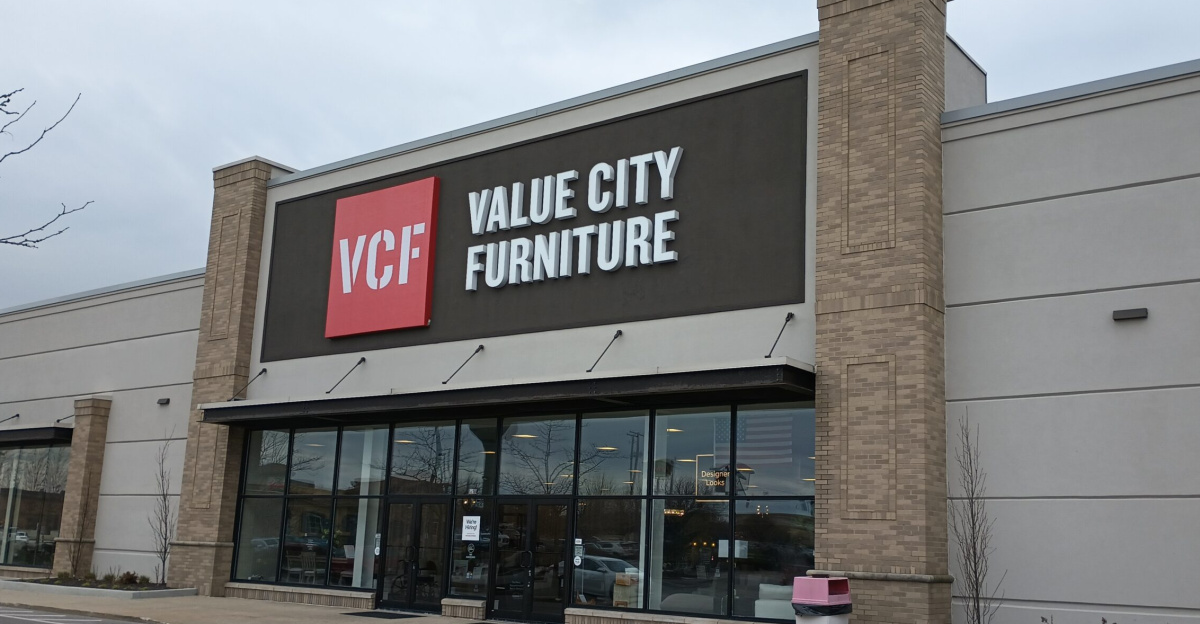
The Chapter 11 proceedings will determine how American Signature’s creditors, suppliers, landlords, and other stakeholders are repaid, as well as the fate of its remaining stores and distribution network. Overseas manufacturers, particularly in Asia, are among the unsecured creditors, highlighting how financial distress at a U.S. retailer can ripple through global supply chains.
Beyond the immediate legal and financial issues, the case reflects deeper changes in how Americans buy furniture. Younger consumers are increasingly drawn to online-first or direct-to-consumer brands that offer home delivery, flexible return policies, and digital customization tools. Traditional chains that rely on large-format showrooms and regional footprints have struggled to match those expectations while keeping costs down.
Industry specialists are divided on whether a slimmed-down American Signature can succeed if a buyer is found and the business emerges from Chapter 11. Some argue that a smaller footprint focused on stronger markets could work; others question whether restructuring alone can overcome weak demand, higher costs, and intensifying digital competition.
As the bankruptcy process unfolds in the coming months, the outcome will help reveal whether long-established furniture chains can adapt to shifting consumer habits and economic headwinds, or whether more closures and consolidations lie ahead for the sector.
Sources:
United States Bankruptcy Court for the District of Delaware filings (In re: American Signature, Inc.); American Signature Inc. Chapter 11 Voluntary Petition (November 22, 2025)
Business Wire: American Signature Inc. Restructuring Announcement; Second Avenue Capital Partners DIP Financing Disclosure
Furniture Today Market Analysis; Retail Dive Bankruptcy Monitor
Reuters U.S. Retail Reporting; American Freight Chapter 11 Liquidation Filings (2024)