Imagine spending nearly $93,000 on your dream Porsche, only to realize within months that it’s a financial headache. You’re not alone. An iSeeCars study of 18.5 million new car sales shows that one in six Porsche buyers resells their car within a year. “New car shoppers are just incredibly fickle,” says Karl Brauer, Executive Analyst at iSeeCars. But this isn’t about fickleness—it’s about the clash between luxury dreams and financial reality.
Every brand most likely to be resold within twelve months is a premium luxury vehicle, meaning buyer regret peaks highest in this segment. Here’s what the data reveals—and what you should know before signing.
What the Data Actually Shows
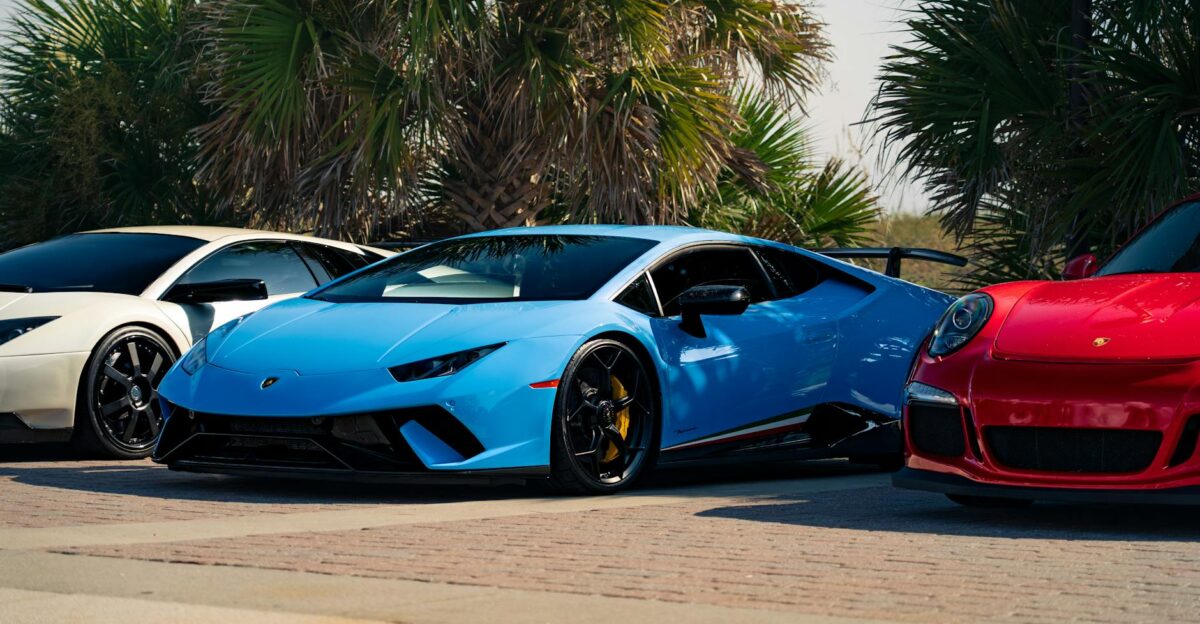
iSeeCars analyzed more than 18.5 million new car sales from 2022 to 2025, tracking which were resold within the first year. Overall, 3.6% of new vehicles change hands within a twelve-month period.
Luxury buyers tell a different story—they’re 1.6 to 4.4 times more likely to resell than mainstream buyers. Affluence doesn’t guarantee satisfaction, and prestige offers no protection against financial regret
The Three-Factor Breakdown

Owner dissatisfaction, financial strain, and dealership practices combine to drive the luxury resale market. Many buyers find that purchases between $70,000 and $92,000 stretch their budgets. Insurance costs $3,000-$5,000 annually, maintenance costs $1,500-$2,000 per service, and the first-year depreciation ranges from 15% to 27%.
Some dealerships register demo vehicles as sales, inflating turnover. Together, these pressures explain why high-end cars see the fastest resale rates.
How Fast Your $90K Car Becomes $60K
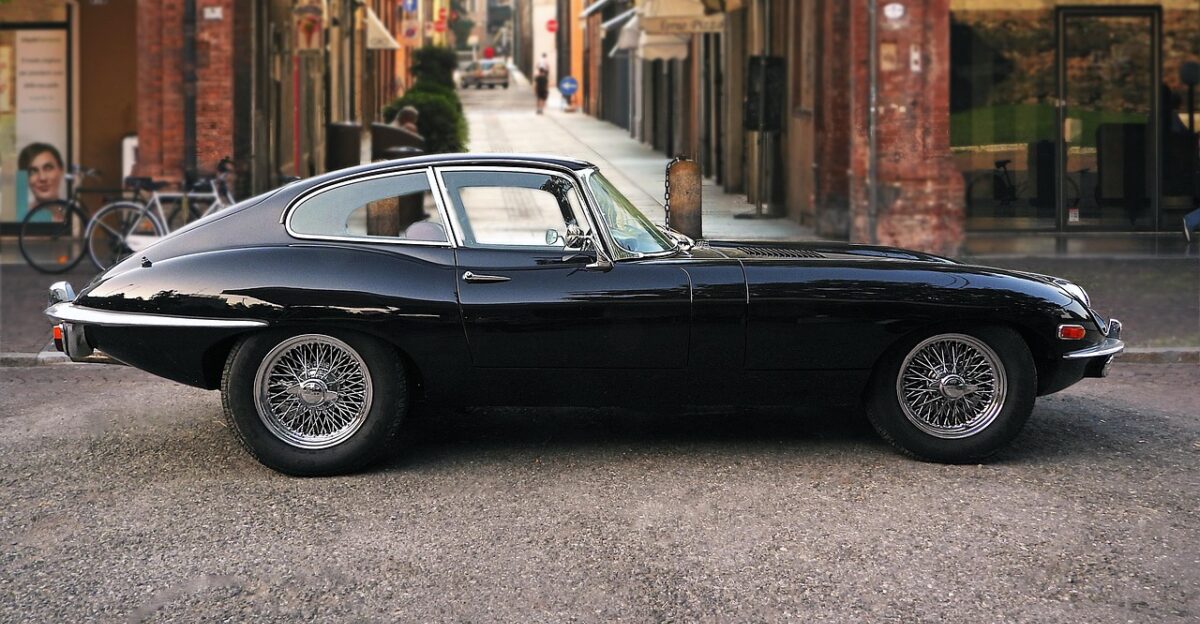
Luxury vehicles shed 15-25% of value in the first year. A $92,745 Porsche could drop to $70,000-$78,000 in twelve months. Add insurance, maintenance, registration, and ownership costs, and total losses reach $20,000-$30,000.
Mainstream vehicles typically lose only 12-15% of their value annually. This sharp difference drives early resale—owners watch investments evaporate faster than expected and cut losses before they grow.
Who’s Making These Resale Decisions?
Resellers aren’t broke—they’re frustrated. Studies show that 47% of recent car buyers experience some regret, with luxury buyers experiencing it at a higher rate. Many are high-income professionals who assume wealth equals satisfaction.
Complex tech, high maintenance, and mismatched expectations about driving dynamics often create buyer’s remorse. Purchasing power alone does not guarantee a wise luxury car choice.
Before you decide, it helps to see which luxury vehicles are most often abandoned—and why owners are cutting their losses so quickly.
1. Porsche
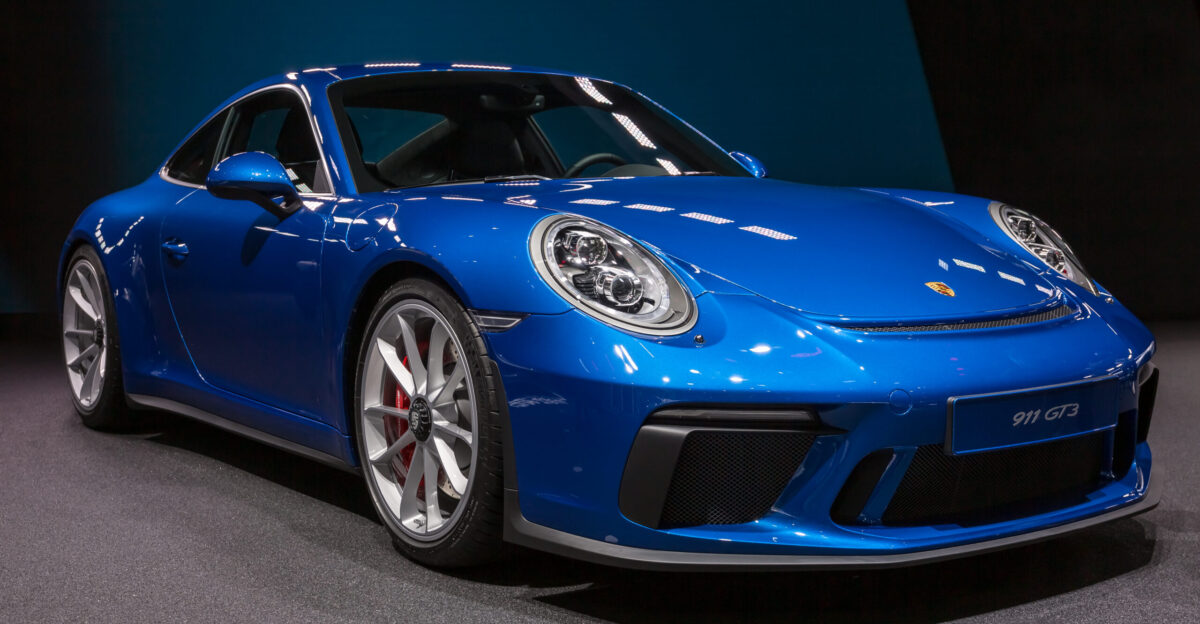
Porsche tops the list, with an astonishing 16% of new buyers reselling their vehicles within a year—nearly five times the industry average. High insurance costs, steep first-year depreciation, and maintenance bills over $1,500 per service create financial strain.
Many buyers find that the dream of ownership doesn’t match reality. Disappointment leads them to sell quickly, absorbing significant losses before moving on.
2. Jaguar
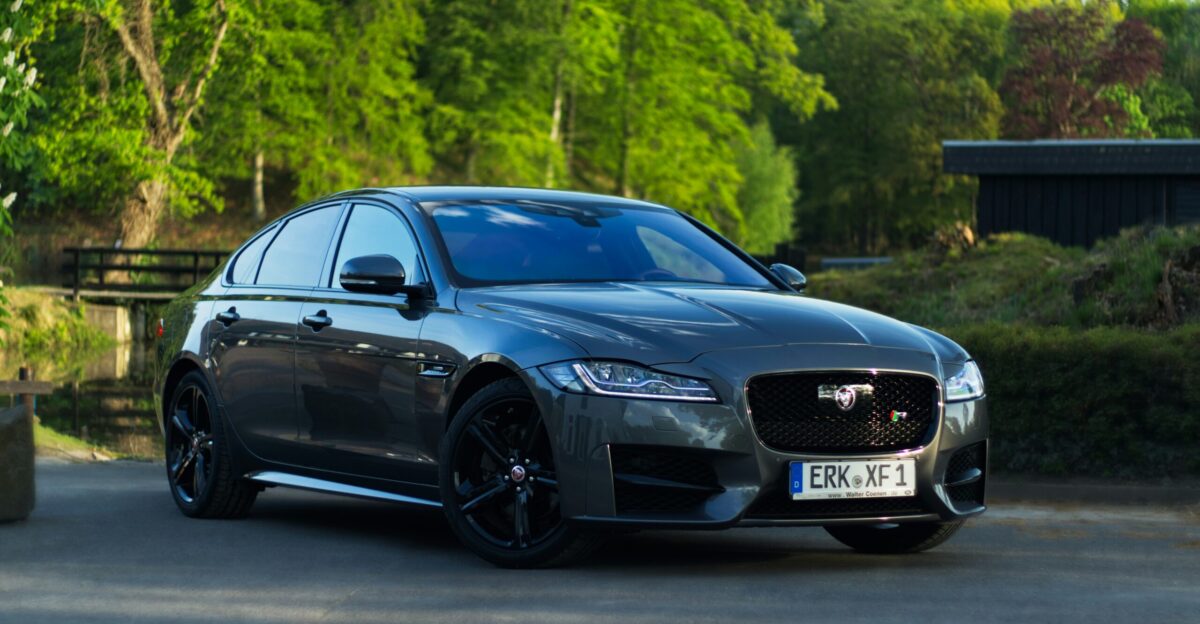
Jaguar ranks second due to persistent dissatisfaction with its luxury sedans and SUVs. Owners cite poor driving dynamics, unreliable infotainment, and high first-year costs exceeding $29,000, with depreciation over $20,000.
Declining brand prestige and concerns about reliability prompt buyers to cut their losses. For many, reselling within months feels like the only option.
3. Mercedes-Benz
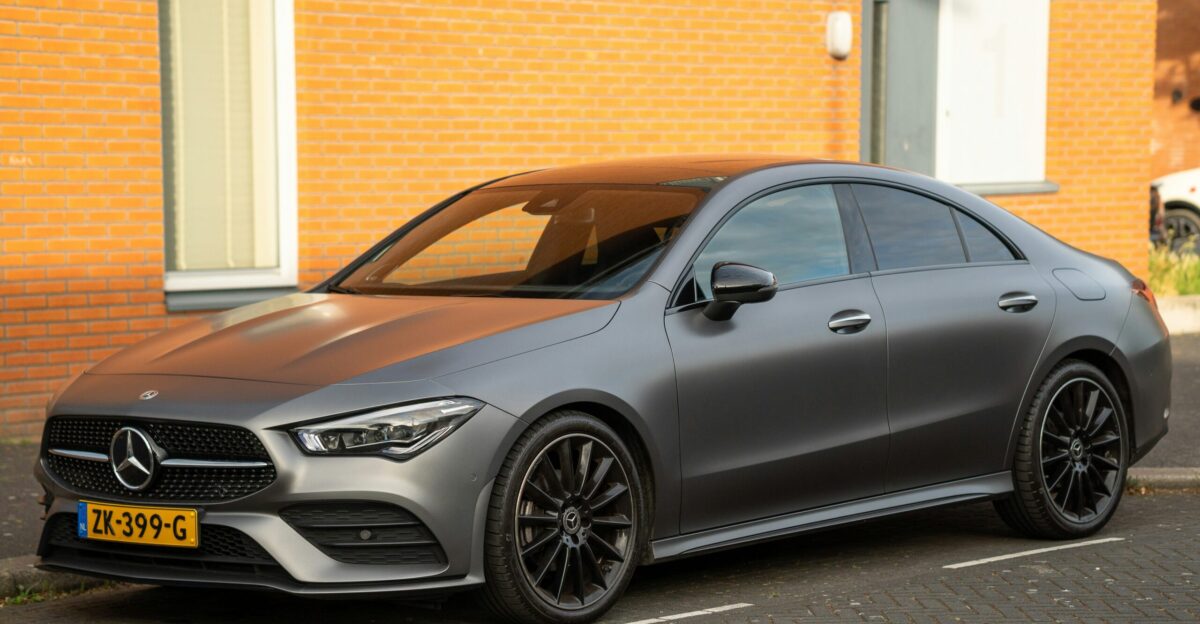
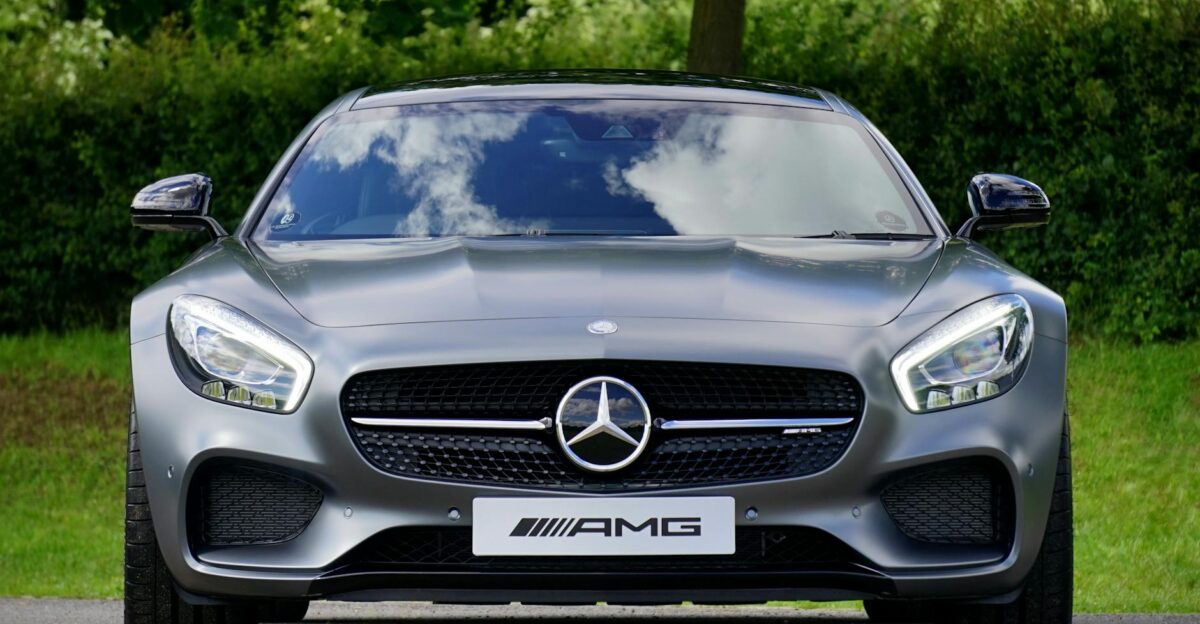
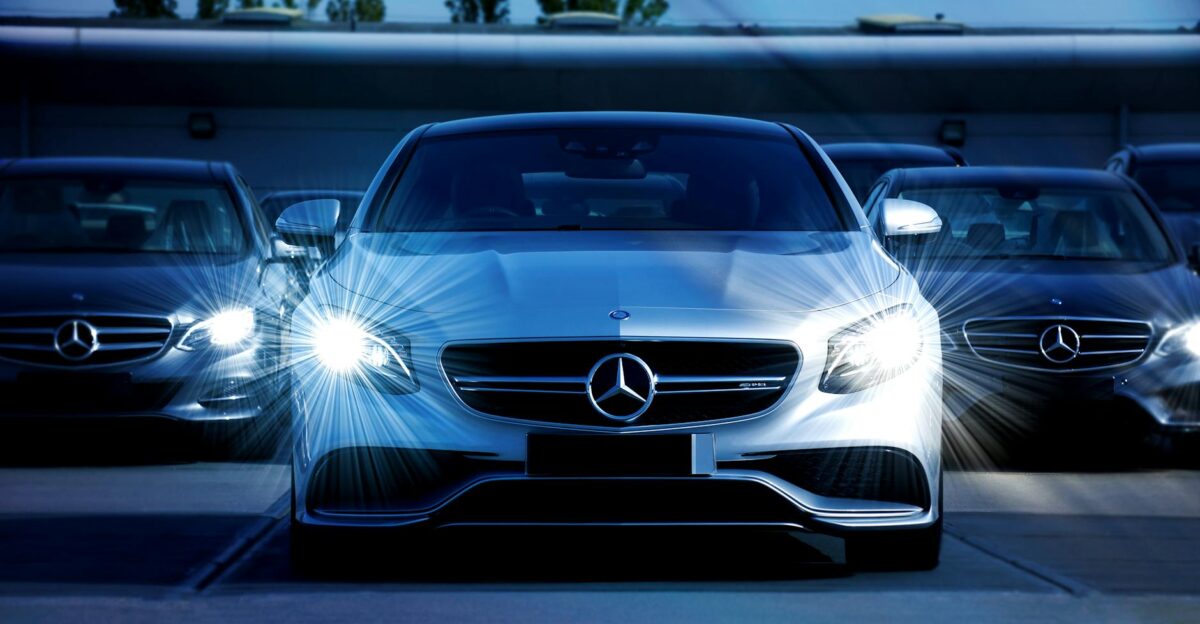
Mercedes-Benz owners face a costly reality: maintenance 20-30% higher than that of mainstream vehicles, and Service A or B procedures costing $595-$933. Reliability ranks 27th out of 32 manufacturers, creating frequent service trips.
Complex technology and steep depreciation encourage buyers to switch to more dependable German alternatives sooner than expected.
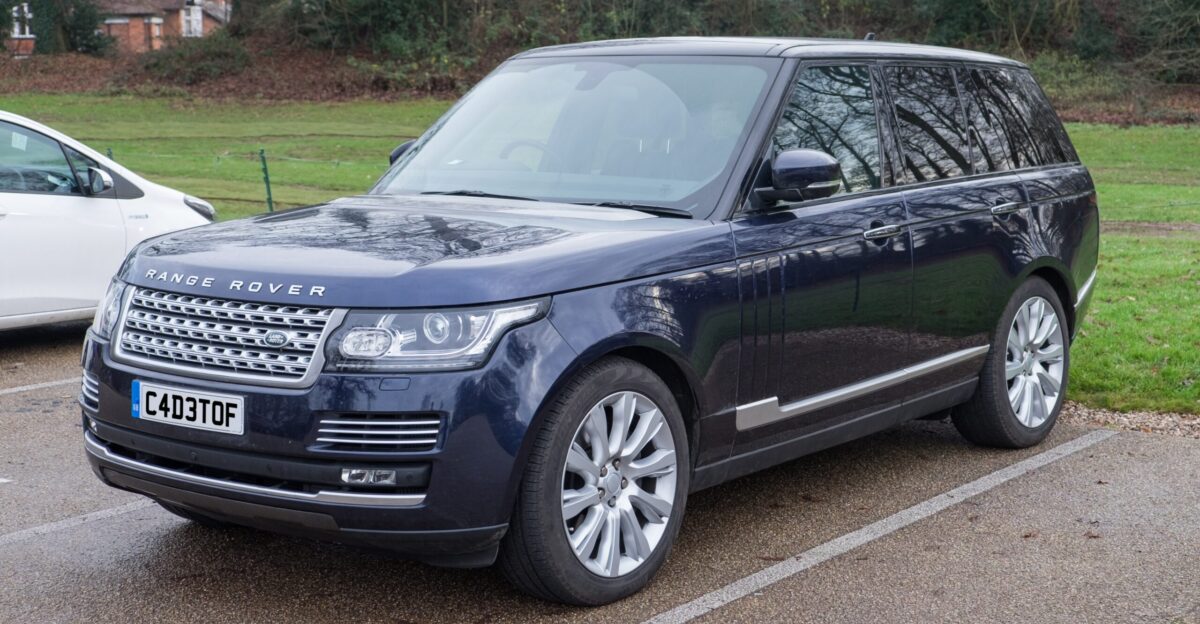
4. Land Rover
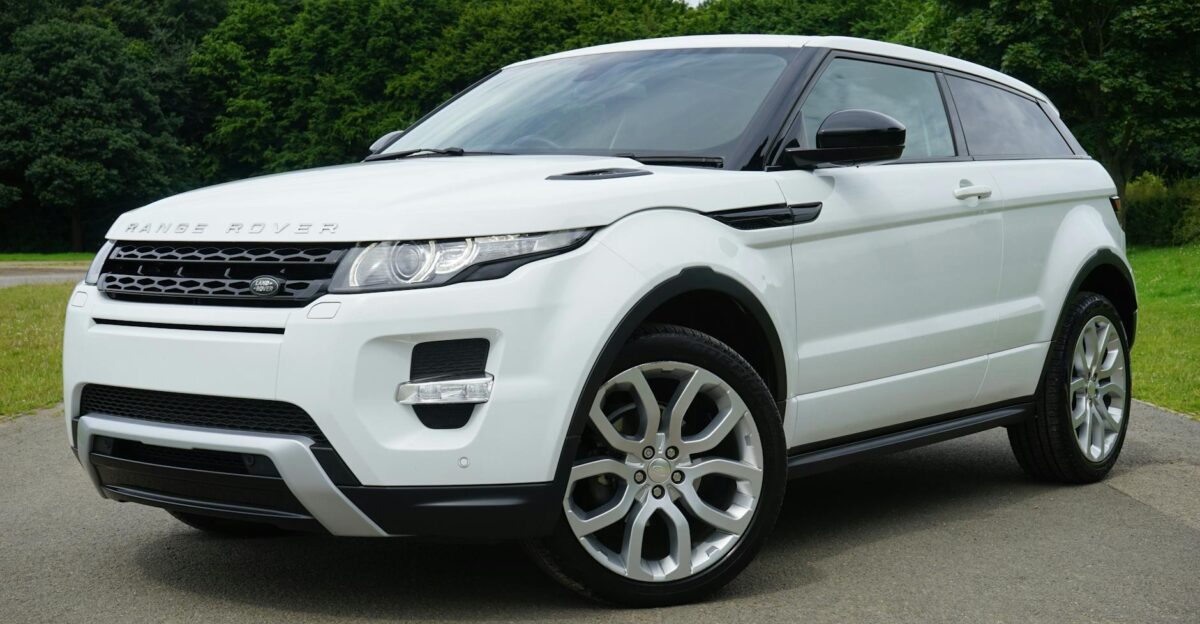
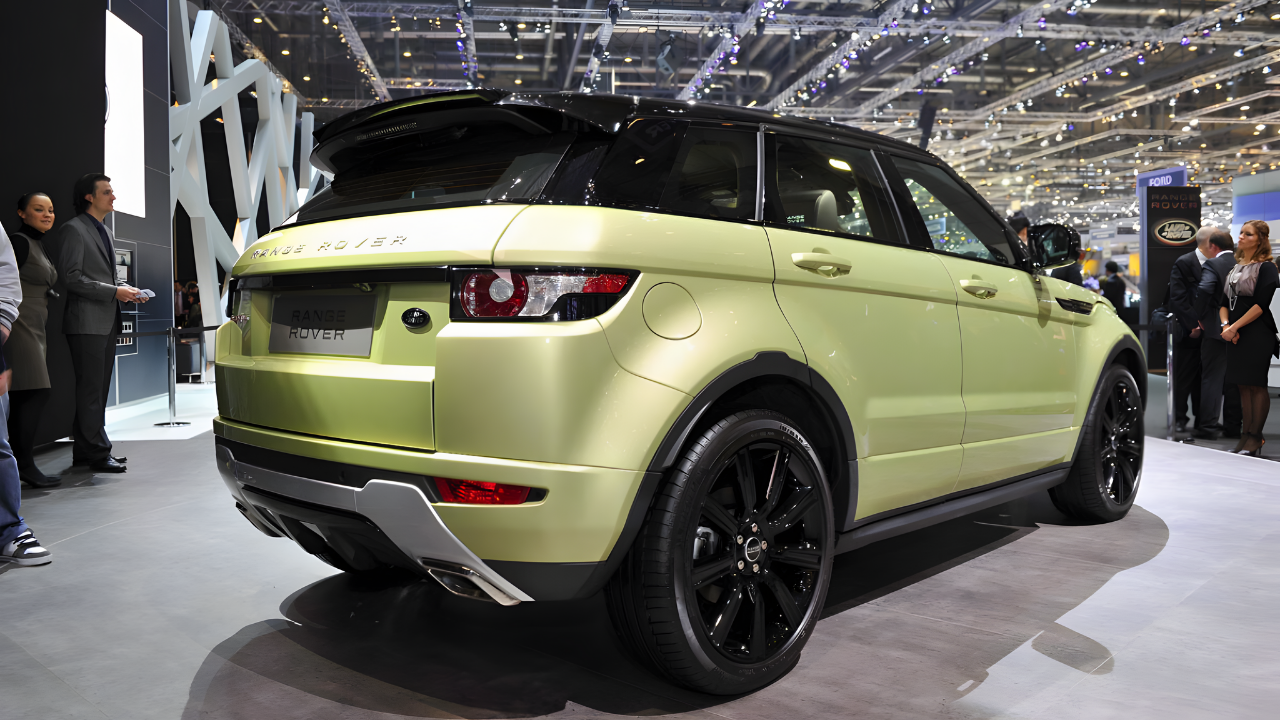
Land Rover Discovery Sport owners frequently face mechanical challenges, including timing chain wear, turbocharger failures, DPF/AdBlue issues, and electrical malfunctions. First-year ownership costs exceed $30,000, with $22,000 in depreciation alone.
Below-average reliability and complaints about ride quality and cargo space led many owners to regret their £84k investment within months.
5. Infiniti
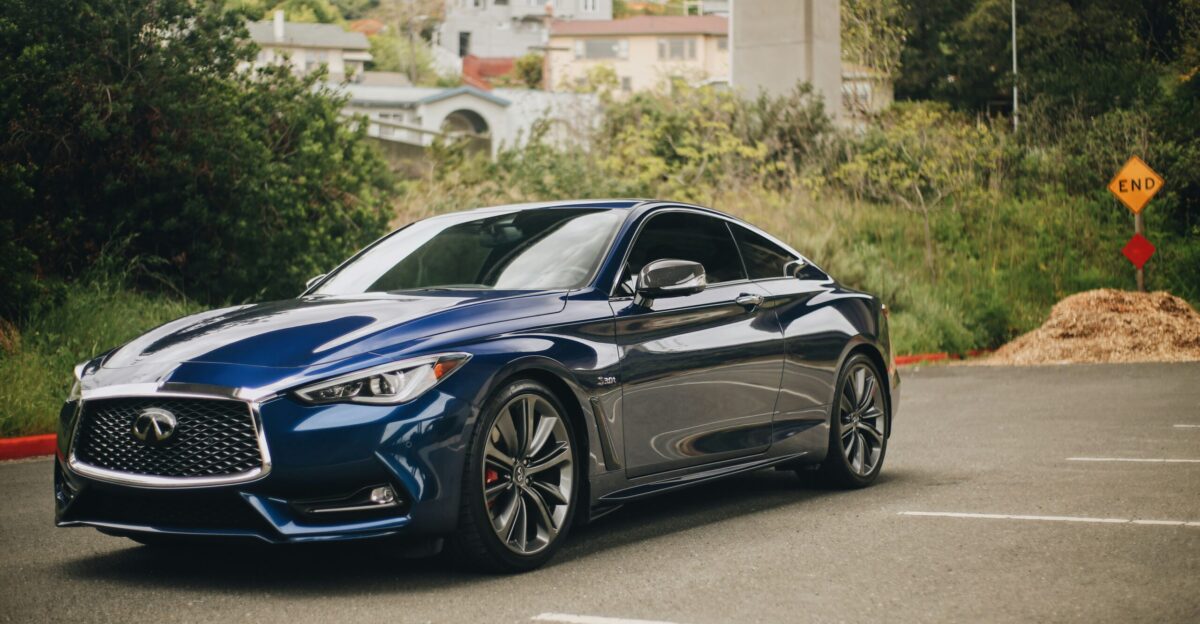
Infiniti suffers from transmission problems, turbo failures around 60,000 miles, and aging infotainment systems. Maintenance costs are high, and many owners feel the car lacks cohesion.
Sharp depreciation and early mechanical issues convince buyers to resell before costly repairs are necessary, cutting ownership short.
6. BMW
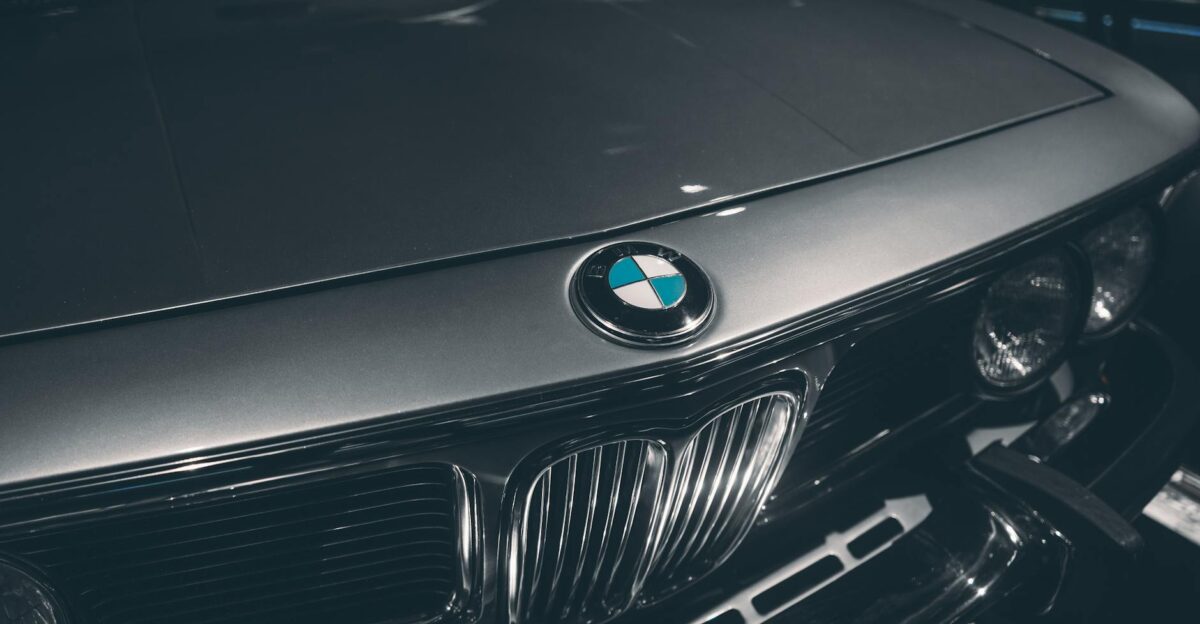
BMW buyers face high first-year costs exceeding $15,000, with repairs often reaching $10,000+ for complex electrical systems. Labor runs $150-$200 per hour, and even minor repairs add up quickly.
Owners often underestimate total ownership costs, realizing monthly payments barely cover maintenance, prompting early resale of 3 Series and 5 Series models.
7. Genesis
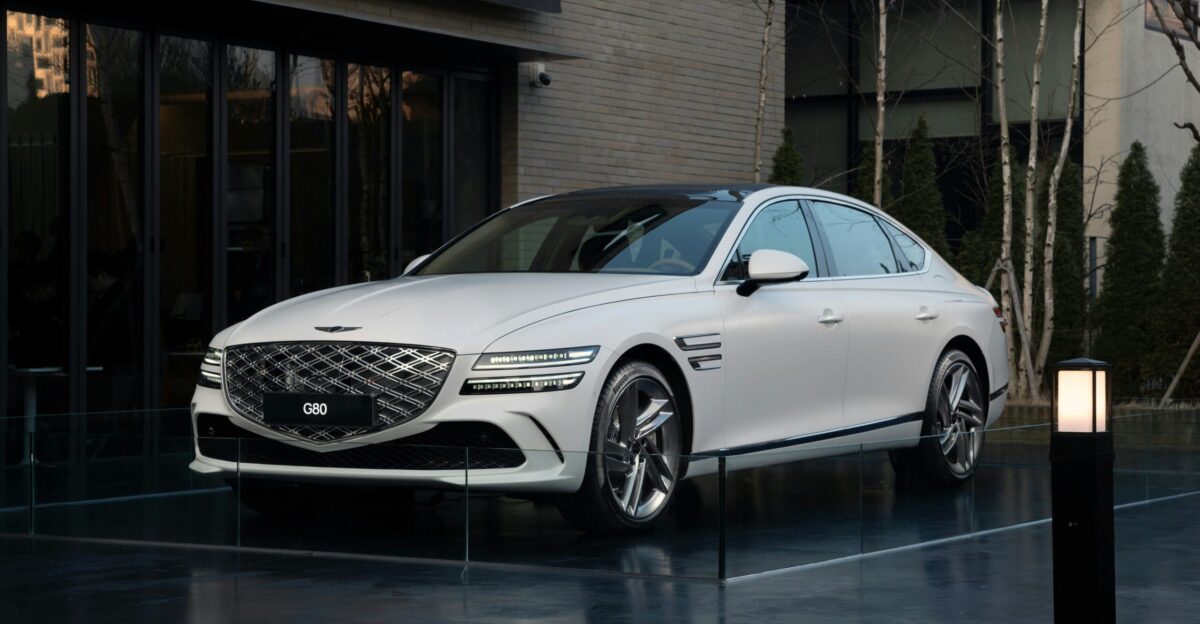
Genesis delivers excellent cars but poor service. Routine maintenance can take three months to schedule, dealerships treat customers unprofessionally, and loaner programs are scarce.
Declining reliability ratings and rapid brand expansion frustrate owners, pushing many to trade in their cars within a year despite strong initial impressions.
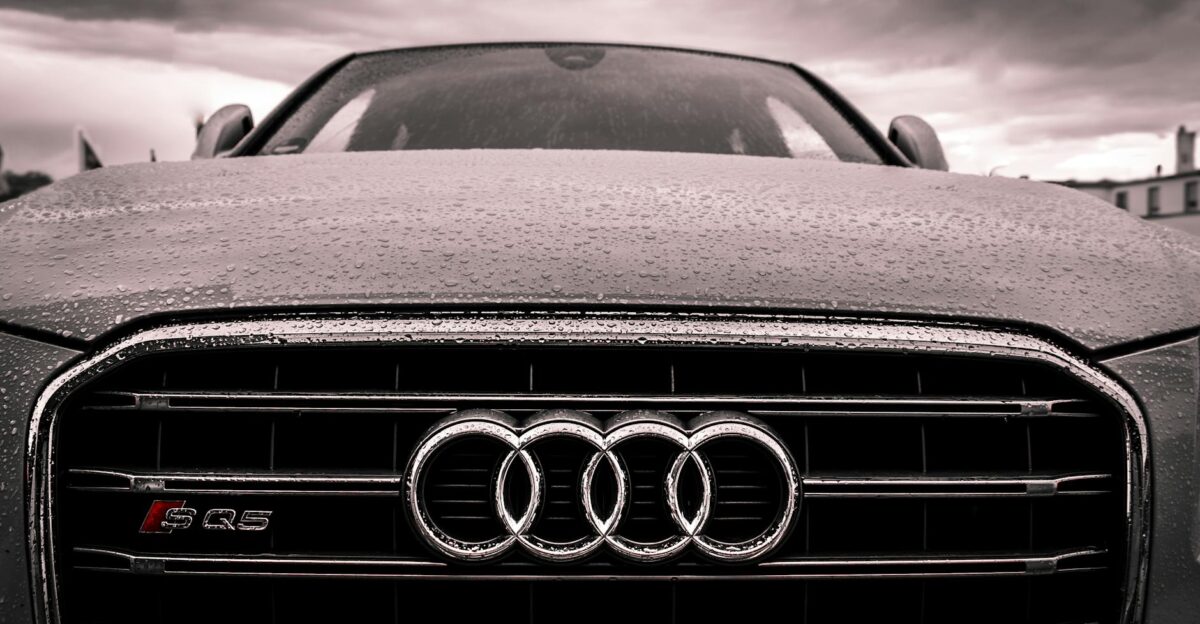
8. Audi
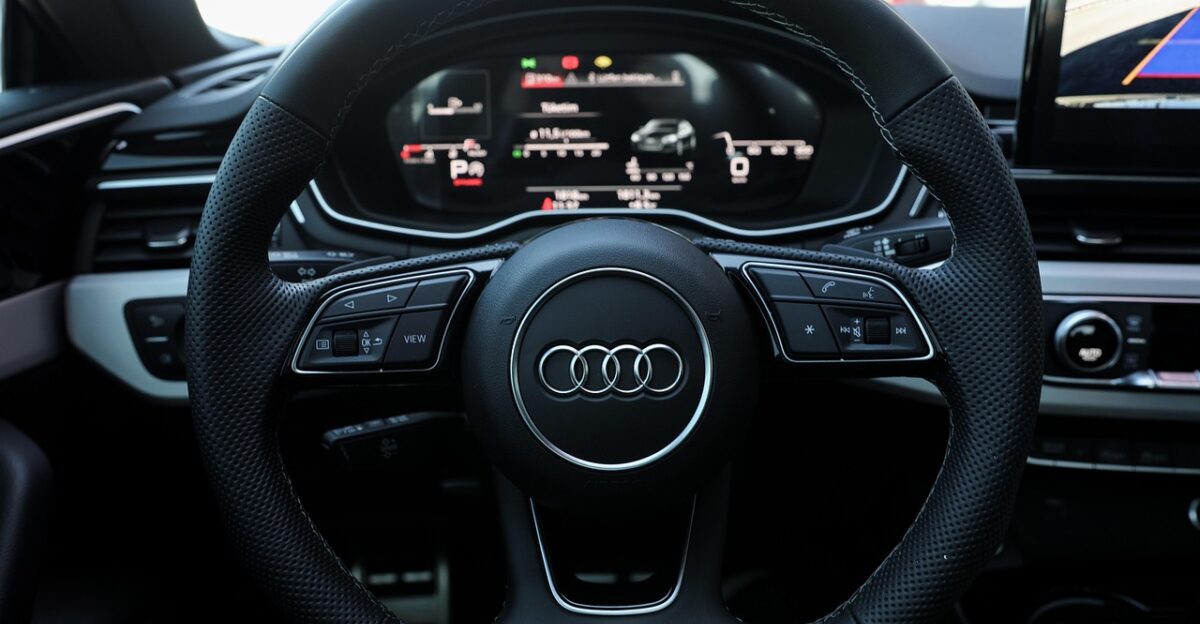
Audi owners face annual maintenance around $987, with timing belt replacements, transmission servicing, and adaptive suspension repairs driving costs higher. MMI infotainment systems often fail, creating extra headaches.
Double the industry’s average repair frequency convinces many buyers that what seemed affordable at purchase is now a financial burden.
9. MINI
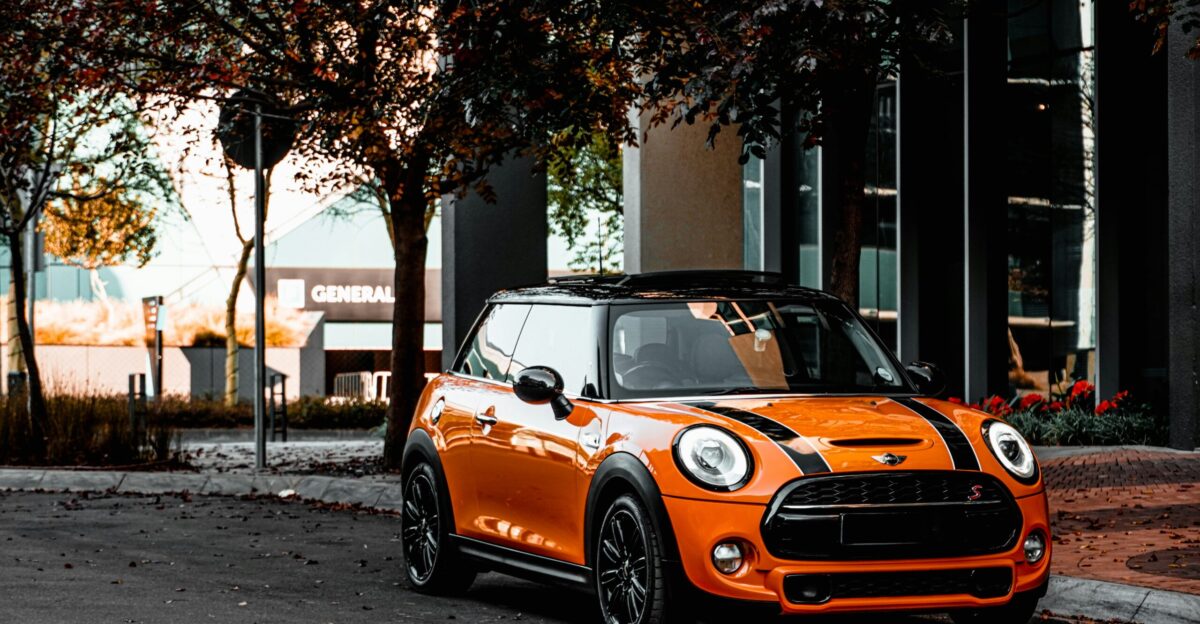
MINI shares a 6% resale rate despite being less expensive than many competitors. Owners often complain about cramped interiors, limited practicality, and fun-on-paper performance that falls short.
High insurance and early mechanical problems, particularly electrical gremlins, prompt young professionals to abandon their quirky purchases sooner than expected.
10. Maserati
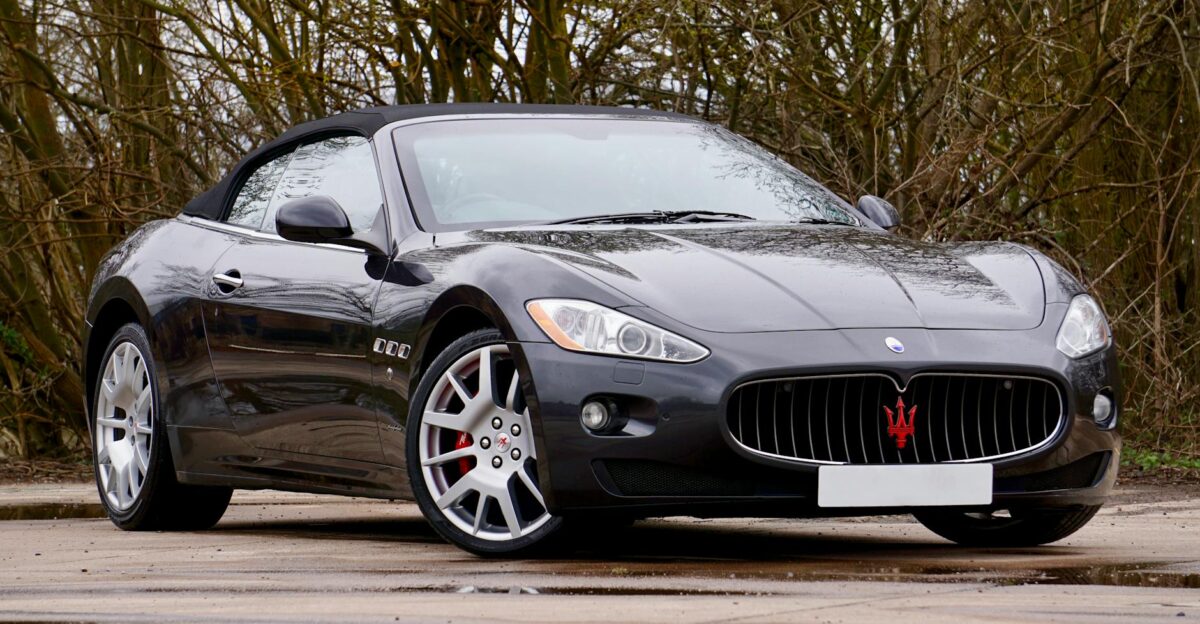
Maserati suffers extreme depreciation, with 64.5% depreciation over five years and 61.3% for the Ghibli. Owners face costly repairs, including timing chain issues, transmission failures, water leaks, and unreliable electronics.
Dealership warranties offer limited protection, leaving buyers financially vulnerable and often eager to resell before further losses accumulate.
The Silver Lining for Smart Buyers
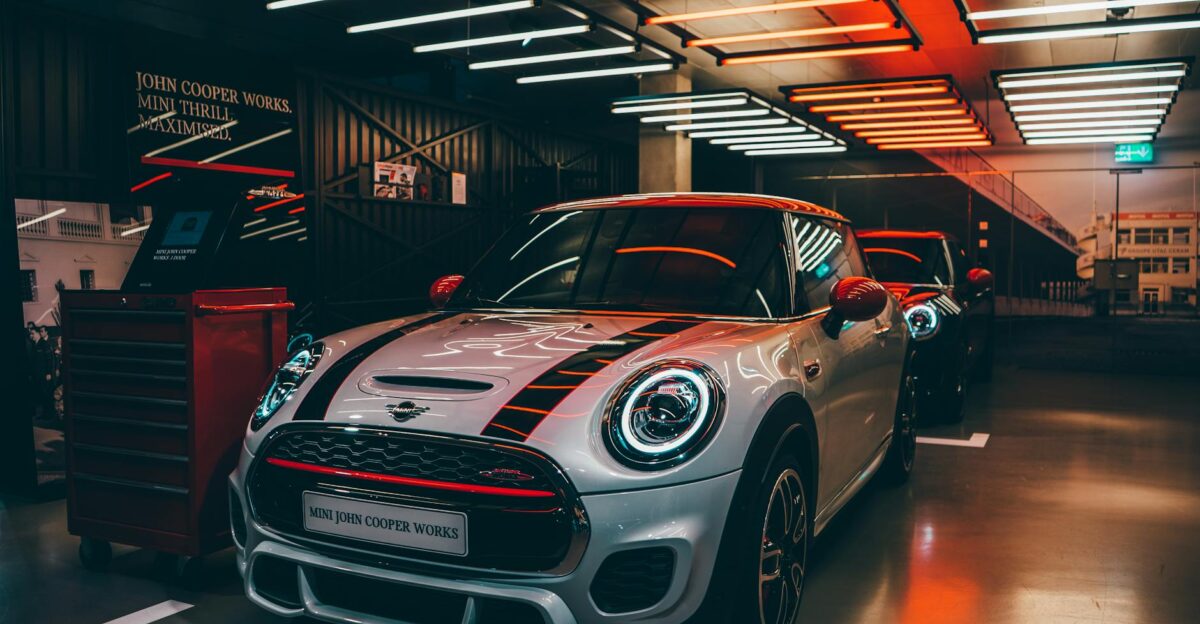
While resellers absorb massive losses, used car shoppers find windfall opportunities. Rapidly resold luxury vehicles often have under 15,000 miles, full factory warranties, and discounts of $15,000-$25,000 off the original MSRP.
You’re essentially buying a near-new Porsche, Mercedes, or BMW at 20-30% below retail. Dealerships sometimes cut prices further to clear inventory, turning last year’s regret into this year’s smart acquisition.
Why Service Bills Shock New Owners
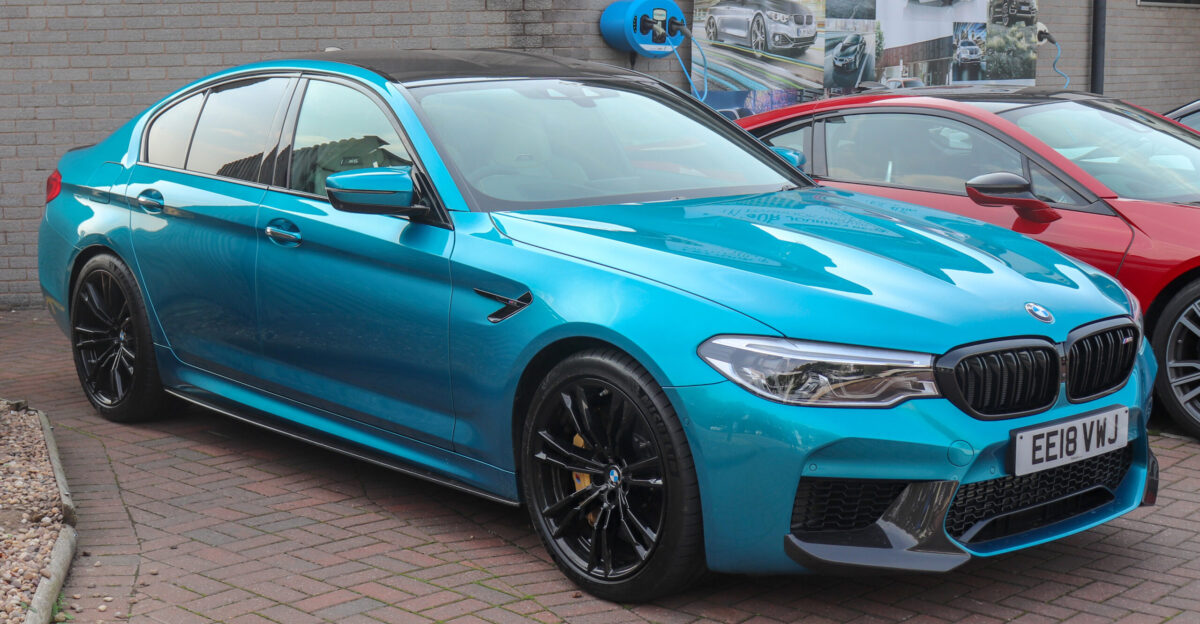
Luxury service bills hit fast. Mercedes-Benz Service A costs $595-$933, BMW diagnostic work ranges from $150 to $200 per hour, and Audi timing belt replacements can reach $1,500+. These costs appear in year one, not later.
When a $500 oil service turns into a $2,500 repair due to the dealer “finding issues,” buyer regret sets in. Many owners resell immediately after realizing the actual costs of ownership.
What To Do Before Buying?
Research the total cost of ownership, not just the monthly payments. Check reliability rankings—Mercedes ranks 27th of 32 manufacturers—and review warranty coverage. Factor in insurance, which runs 20-50% higher for luxury cars.
Read forums for early problems: transmission failures, electrical issues, turbocharger faults. Test drive extensively, question dealership incentives, and buy only what you can comfortably keep for 3-5 years
Luxury Cars Aren’t Investments—They’re Depreciating Assets
This trend goes beyond Porsche and Jaguar. All top 10 luxury resales lose dramatic value quickly. Maserati depreciates 64.5% over five years. Land Rover Discovery Sport owners face constant mechanical failures, while Genesis buyers encounter poor service networks.
Luxury status often misleads buyers into expecting long-term value. High costs, rapid depreciation, and frequent repairs turn prestige into frustration—reinforcing that brand doesn’t equal reliability
The Final Verdict: Buy Smarter, Not Fancier
iSeeCars delivers a clear message: money doesn’t guarantee satisfaction. With 16% of Porsche buyers reselling their vehicles within a year and all top 10 flipped cars being premium models, the data raises questions about the luxury segment.
Before buying, ask: Am I buying transportation or status? Can I afford to own for five years? For many, the smarter choice is a reliable Toyota that retains its value while avoiding the steep losses associated with a luxury car.
Sources:
iSeeCars Study: Top 10 New Cars Owners Resell in the First Year (October 2025)
Edmunds True Cost of Ownership: Luxury Vehicle Maintenance & Depreciation (2025)
LendingTree Consumer Survey: 47% of Recent Car Buyers Express Regret (2024)
J.D. Power Vehicle Dependability Study: Mercedes-Benz Reliability Rankings (2025)
Kelley Blue Book: Luxury Vehicle Depreciation Analysis (2024-2025)