
A seismic shift in streaming is unfolding, and it could fundamentally change how millions of Americans watch television. Netflix has secured exclusive negotiations to acquire Warner Bros. Streaming & Studios in a monumental $82.7 billion deal (pre-debt), setting the stage for a corporate breakup that will create two distinct entities.
As part of this deal, Warner Bros. Discovery will be forced to spin off its cable and sports division into a standalone company.
For many subscribers, this means the loss of familiar platforms and the looming uncertainty of a mass migration to Netflix. But this is just the beginning—what does this corporate upheaval mean for the future of streaming? The answers may surprise you.
The $82.7B Acquisition
Netflix announced exclusive negotiations on December 5, 2025, to acquire Warner Bros. Streaming & Studios for approximately $82.7 billion (pre-debt) or $72 billion (post-debt), according to confirmed deal terms.
This represents the largest streaming acquisition in history and marks the first time a pure streaming platform has absorbed a legacy Hollywood studio, giving Netflix control over HBO, Max, Warner Bros. film and TV studios, and an unparalleled content library spanning decades of premium entertainment.
The move would consolidate the largest share of premium content under one subscription platform, reshaping the entertainment landscape as cable networks are permanently severed from streaming assets.
Splitting the Empire
Warner Bros. Discovery CEO David Zaslav, who had been planning the split since June 2025, announced that the company will spin off its cable and sports networks into a new standalone company called Discovery Global, with completion expected by Q3 2026.
This new entity will house CNN, TNT Sports, TBS, TNT, Discovery, TLC, HGTV, Food Network, Cartoon Network, Adult Swim, DMAX, Discovery+, Bleacher Report, and international free-to-air channels.
The remaining Warner Bros. Streaming & Studios unit, including HBO, Max, Warner Bros. film and TV studios, and DC Comics, will be sold to Netflix.
The Cable-Sports Shift

Discovery Global will become a separate publicly traded company focused on cable news, sports, and lifestyle networks. This split is designed to free the streaming and studio assets from the declining cable bundle, allowing them to be sold to Netflix while enabling the new cable entity to pursue its own strategic direction.
Tens of millions of U.S. households—approximately 50–70 million—that rely on CNN, TNT, TBS, Discovery channels, and sports programming could face significant content continuity challenges during the transition and in the aftermath.
Discovery Global will inherit fragmented sports rights, including March Madness, NASCAR, MLB, NHL, the College Football Playoff (CFP), the Olympics, the UEFA Champions League, and the Premier League, but without the streaming muscle or prestige content that once anchored Warner Bros. Discovery.
HBO/Max Platform Migration
As part of the deal, roughly 10–15 million U.S. HBO/Max subscribers are expected to face a disruptive platform migration.
Their current HBO or Max subscriptions may be integrated into Netflix’s ecosystem, requiring them to switch platforms or subscription tiers to maintain access to HBO content, as well as Warner Bros. films and shows.
Subscribers now face significant uncertainty: Will their legacy HBO subscriptions survive the transition? Will they be forced to migrate to Netflix, or will HBO Max continue as a separate entity under Netflix ownership?
These questions remain unanswered as Netflix and Warner Bros. Discovery navigate the 12–18 month integration timeline.
U.S. Household Impact
Tens of millions of U.S. households that currently receive CNN, TNT Sports, TBS, and Discovery channels through traditional cable or satellite could see significant disruptions. The spin-off of Discovery Global may lead to changes in channel carriage agreements, content continuity, and pricing structures.
Cable and satellite providers are already concerned about how the split will affect channel bundles and carriage fees, with some warning that losing Warner Bros. Discovery’s integrated scale could lead to higher costs or reduced channel stability.
Sports fans, news viewers, and reality-TV audiences will need to navigate a fragmented landscape as sports rights become scattered across NBC, Amazon, Disney, and the struggling Discovery Global entity.
Subscriber Uncertainty and Legacy Concerns
For HBO/Max subscribers, the biggest question looms: Will traditional HBO legacy subscriptions and standalone Max plans survive the transition, or will they be phased out entirely? Many subscribers may be informed that they must transition to a Netflix-integrated HBO offering with new pricing, bundles, and user interfaces.
According to Antenna analytics, approximately 45% of HBO Max subscribers already maintain active Netflix accounts, suggesting some overlap could simplify integration.
However, for the remaining 55%, forced migration to Netflix could mean canceling the service entirely if they don’t accept the new terms, resulting in potential subscriber churn for Netflix despite the deal’s strategic value.
The NBA Rights Reshuffling
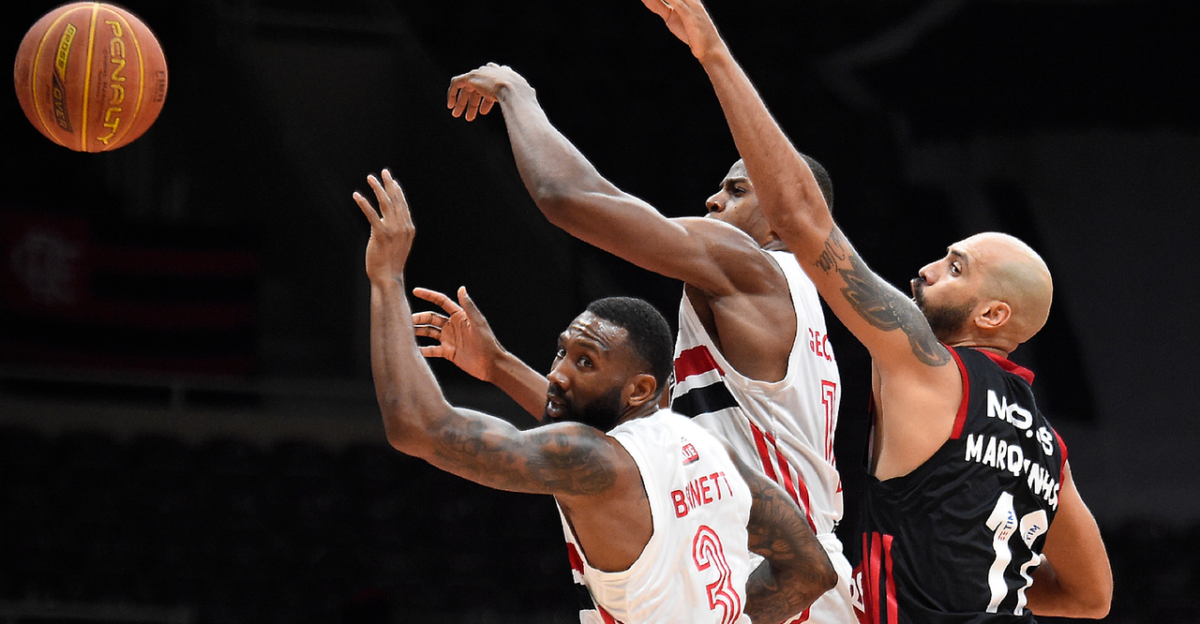
The media landscape is being reshaped by a massive realignment of sports rights. In 2025, NBC/Comcast secured NBA broadcast and streaming rights from TNT for approximately $27 billion over 11 years, marking the end of TNT’s decades-long dominance of basketball coverage.
This was part of a larger, combined $76 billion, 11-year NBA rights deal shared by NBC, Amazon, and Disney (ESPN/ABC), which went live in October 2025 and effectively eliminated TNT/Warner Bros. Discovery’s NBA business.
This shift severely weakens Warner Bros. Discovery’s live sports leverage just as it prepares to spin off its sports networks into Discovery Global, leaving the new entity to inherit fragmented rights (March Madness, NASCAR, MLB, NHL, College Football Playoff, Olympics, UEFA Champions League, Premier League) but no centerpiece attraction like NBA basketball that once justified premium carriage fees.
Talent and Content Consolidation
The entertainment industry’s consolidation intensifies as major talent gravitates toward streaming platforms with deeper pockets.
Comcast/NBCUniversal has secured Yellowstone creator Taylor Sheridan in a deal worth more than $1 billion over a decade-plus, pulling him away from Paramount+ and strengthening Peacock’s premium content lineup.
Meanwhile, Netflix’s acquisition of Warner Bros. Streaming & Studios would give it control over HBO’s deep library, Warner Bros. film and TV studios (including DC Comics and Harry Potter franchises), and future productions—consolidating unparalleled creative and catalog power under a single corporate umbrella.
According to Dave Roberts, Comcast CEO, the company is “building momentum across NBC and Peacock as we head into one of the most exciting stretches of live sports in our history,” signaling aggressive investment in premium content and sports programming to compete against Netflix’s dominance.
The Existential Question: Cable’s Future
The real story here is this: Traditional HBO legacy cable subscriptions and standalone Max plans face an uncertain future as Netflix consolidates control over premium content.
While Netflix has stated that it intends to keep HBO Max operating as a separate entity initially, the long-term vision remains unclear. HBO content could eventually be rebranded and integrated into Netflix as a premium tier or add-on, potentially marking the end of HBO as an independent brand for many U.S. households.
This represents far more than a corporate transaction. It signals the final transition from cable-era media to streaming-dominant entertainment, with legacy networks like CNN, TNT, and Cartoon Network orphaned in a new company (Discovery Global) that will struggle to compete without Warner Bros.’ streaming assets and premium content.
Cable Provider and Infrastructure Concerns
Cable and satellite providers are bracing for significant operational disruption. As Warner Bros. Discovery’s integrated structure dissolves, providers face questions about how Discovery Global will manage channel bundles and carriage fees without the leverage of premium streaming content.
Some fear that losing the partnership of the combined company could lead to higher costs for channels like CNN, TNT, TBS, and Discovery, or reduced channel stability and reliability.
Providers will also field customer complaints as millions of subscribers navigate the HBO/Max migration and attempt to understand what happens to their familiar cable lineups when Discovery Global launches in Q3 2026.
Trump Administration Antitrust Scrutiny
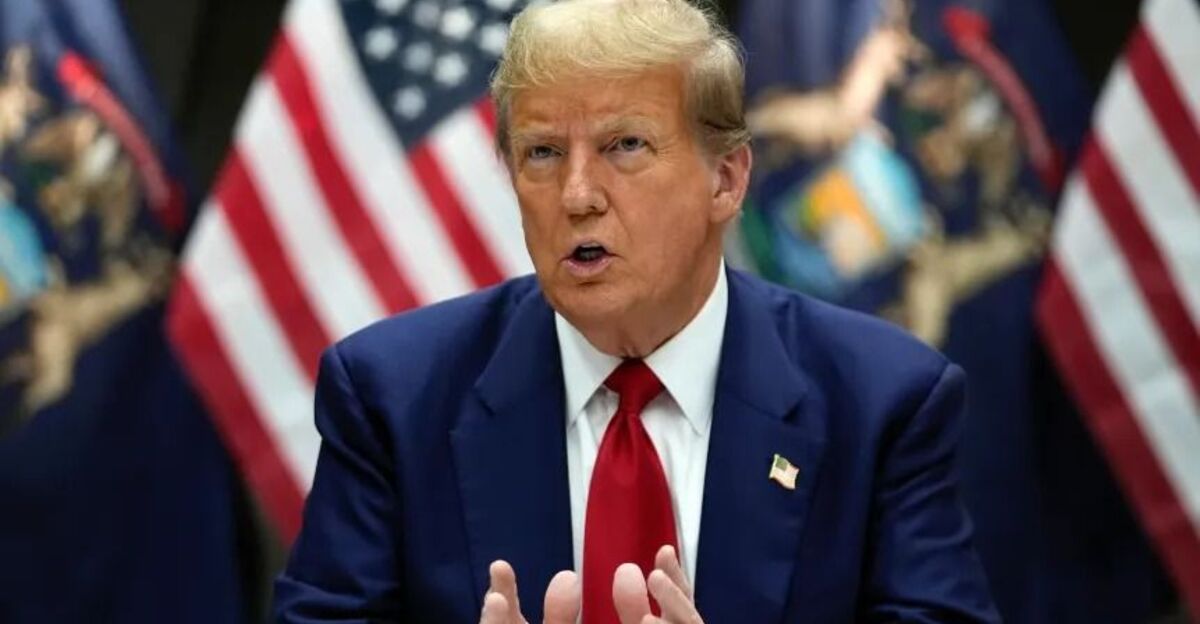
President Donald Trump has publicly stated that the Netflix–Warner Bros. Discovery deal “could be a problem” due to concerns over market share and antitrust issues.
Trump’s comment signals potential regulatory scrutiny, especially as Netflix would gain control of HBO, Warner Bros. Studios, DC Comics, and the Harry Potter franchise—consolidated power that could reduce competition in premium entertainment.
Trump confirmed he has met with Netflix co-CEO Ted Sarandos at the White House to discuss the deal, indicating the administration will closely monitor the transaction. Regulators may demand significant concessions or even challenge the merger if it appears to concentrate market power in Netflix’s hands excessively.
Netflix’s Consolidation Strategy
Netflix’s strategic rationale for the acquisition is clear: consolidate premium content, deepen its competitive moat against Disney+, Amazon Prime Video, Peacock, and other rivals, and accelerate its evolution from a pure streaming distributor into a vertically integrated media powerhouse that controls both content creation and distribution.
The company plans a phased integration of HBO and Warner Bros. content over 12–18 months, potentially bundling HBO Max into Netflix or offering it as a premium tier.
This strategy mirrors Disney’s integration of Hulu and allows Netflix to leverage Warner Bros.’ studio capabilities, franchise IP (DC Comics, Harry Potter, and The Lord of the Rings), and global production infrastructure to maintain its dominant market position.
Market and Regulatory Risks
Despite the deal’s strategic logic, significant risks remain. Media analysts and antitrust experts question whether Netflix can successfully integrate such a large studio and streaming operation without triggering subscriber backlash, price hikes, or regulatory intervention.
Paramount Global has already signaled potential legal challenges, while European regulators are also expected to review the transaction.
Key concerns include platform migration disruption, content overlap and redundancy, potential subscriber churn, integration execution challenges, and uncertainty regarding regulatory approval.
The Trump administration’s “heavy skepticism” signals that antitrust review could be contentious, and approval is far from guaranteed despite the deal’s announcement.
The Transformation: End of the Streaming Wars
The Netflix–Warner Bros. Discovery deal represents a watershed moment in entertainment history. For 25 years, Hollywood dismissed Netflix as an upstart, but the company has now absorbed legacy Hollywood, acquiring not just content but creative infrastructure, talent, and iconic intellectual property.
Key questions remain unanswered: Will Discovery Global survive as an independent cable company, or will it struggle without streaming assets?
Will the 10–15 million HBO/Max subscribers migrate smoothly to Netflix, or will forced platform transitions trigger cancellations? Will the Trump administration block the deal on antitrust grounds, or will regulators approve it?
The answer will reshape how Americans consume media for the next decade. If the deal closes by Q3 2026, the cable-streaming divide that defined entertainment for two decades will finally collapse—replaced by a streamlined, consolidated, and far less competitive landscape dominated by a handful of global platforms.
Sources:
Netflix official announcement, December 5, 2025
Warner Bros. Discovery corporate filings, June-December 2025
Reuters media coverage, December 2025
BBC News coverage, December 2025
CNN Business coverage, December 2025
Variety entertainment reporting, December 2025
Deadline industry news, December 2025