“The Altima’s transmission often develops serious performance issues, including shuddering and loss of power, which can surface well before 100,000 miles.” That warning from veteran mechanic Alan Gelfand isn’t about a forgotten lemon—it’s about one of America’s best-selling sedans.
For decades, Japanese cars promised rock-solid reliability. But in 2025, that trust is quietly eroding. Seven mainstream Japanese models now face chronic failures just after warranties expire, leaving thousands of owners blindsided by $3,500+ repair bills.
Why Japanese Cars Are Struggling Now
Japanese automakers once dominated reliability rankings, but advanced technologies like CVTs, turbo engines, and hybrid drivetrains have created new failure points. Aggressive production timelines and cost-cutting measures introduced design flaws surfacing after warranties expire.
Lauren Fix from Car Coach Reports notes these issues affect thousands, not just isolated vehicles, leaving buyers unprotected.
Why Problems Emerge After Coverage Ends
Most Japanese vehicles include three-year, 36,000-mile warranties, leaving a dangerous coverage gap. Chronic failures often appear between 50,000 and 100,000 miles.
CVT transmissions, for example, develop shuddering and power loss when owners think they’re safe. Repair costs of $3,000 to $4,000 can turn affordable cars into financial traps, forcing tough decisions.
What the Data Tells Us
Consumer Reports flagged multiple Japanese models for reliability concerns. Mechanics nationwide report repeated issues, while NHTSA complaint databases document hundreds of failures.
Alan Gelfand and Lauren Fix confirm this is a pattern, not rare lemons. Pre-purchase inspections are now essential, even for trusted brands. Patterns in these models hint at long-term hidden costs.
What Owners Actually Pay
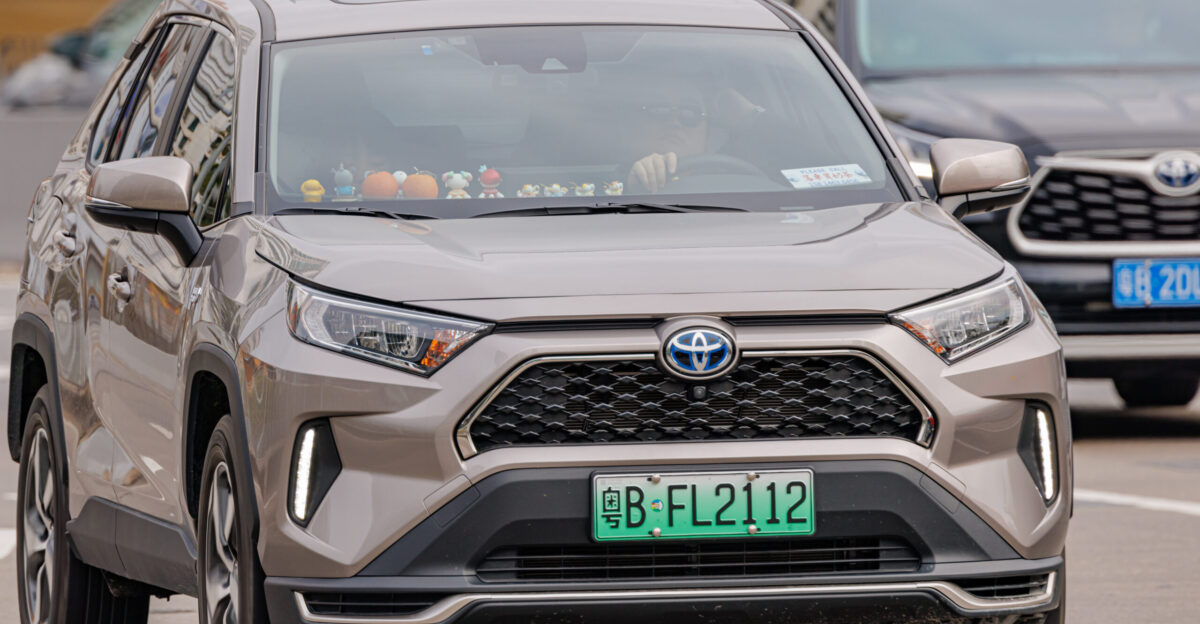
Major repairs can quickly exceed $3,500, from CVT transmissions to turbo engine replacements. Head gasket and cooling system fixes add thousands more. Some owners discover bills surpass their car’s resale value, forcing a choice between $4,000 repairs or abandoning a vehicle with decades of potential left. The financial trap is real.
The Japanese Cars To Avoid Buying
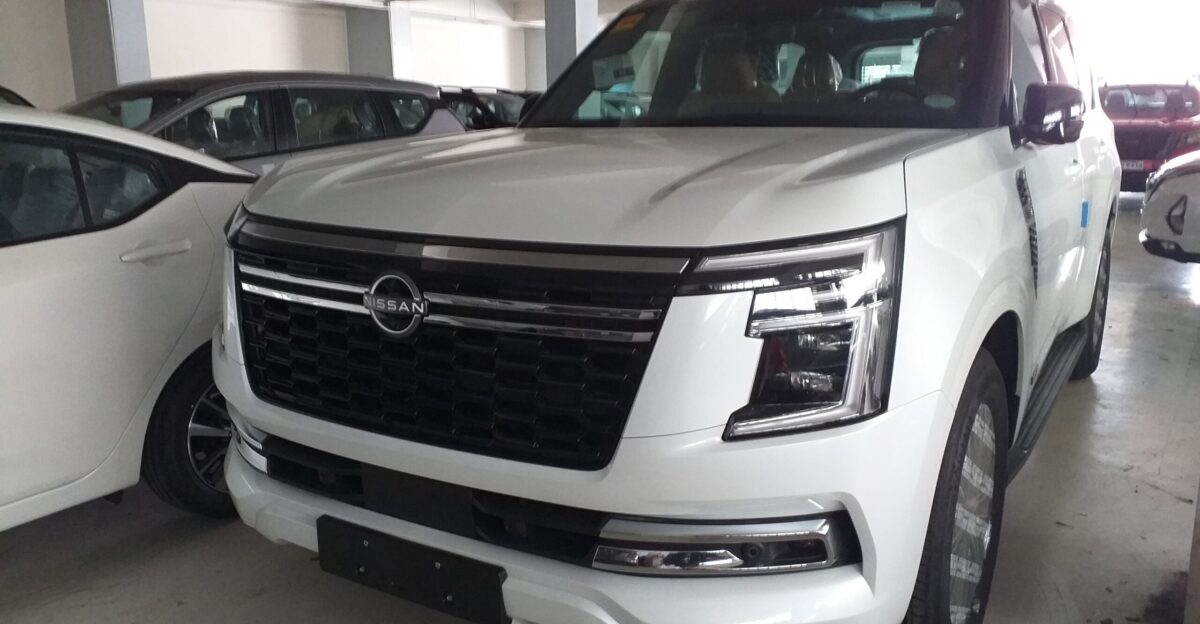
Seven mainstream Japanese vehicles now face widespread reliability issues, particularly after warranty periods expire. CVTs, hybrid systems, turbo engines, and electronics components are most affected. Experts warn that buyers relying solely on brand reputation are vulnerable. Repair costs, parts scarcity, and limited service centers compound the problem. The pattern stretches across sedans, SUVs, and luxury models.
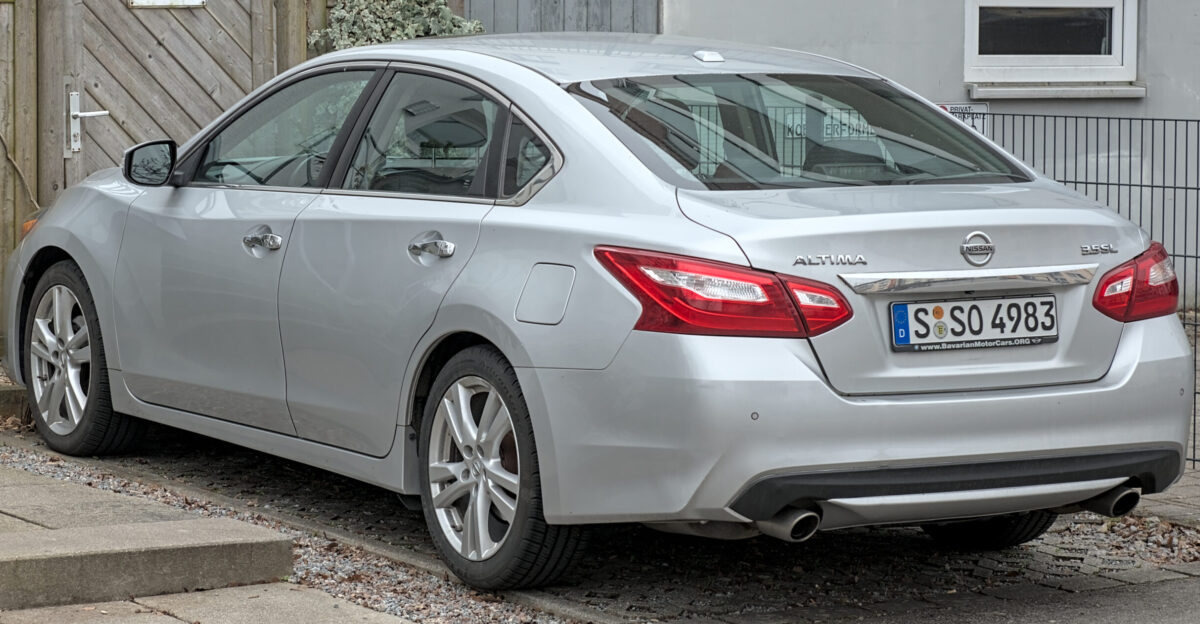
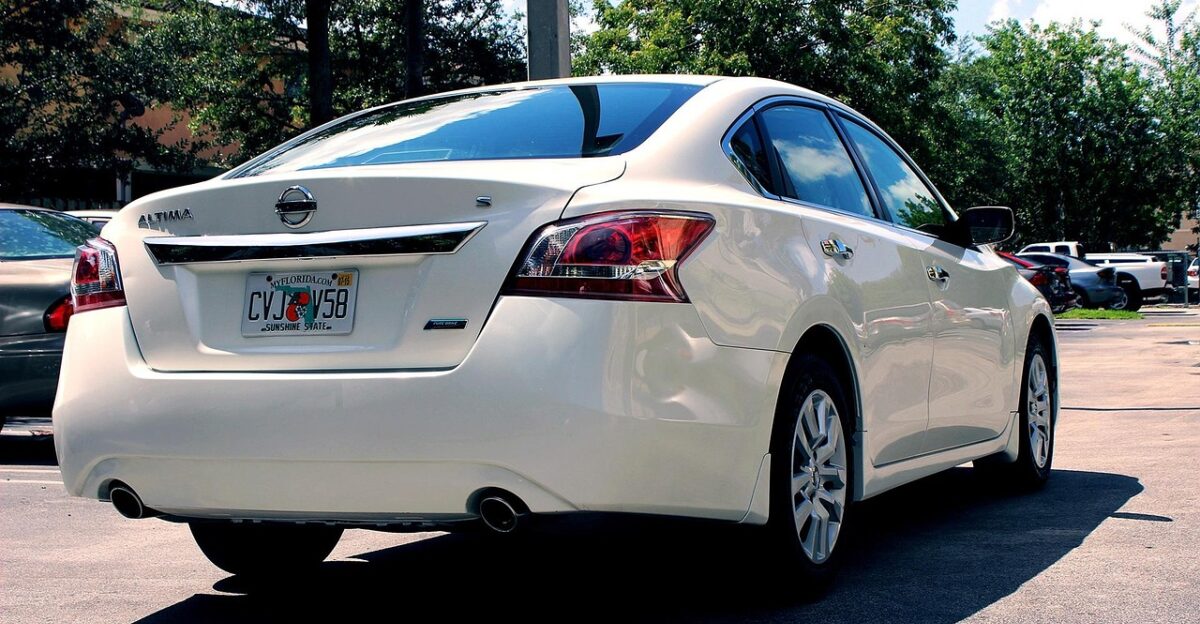
#1 Nissan Altima
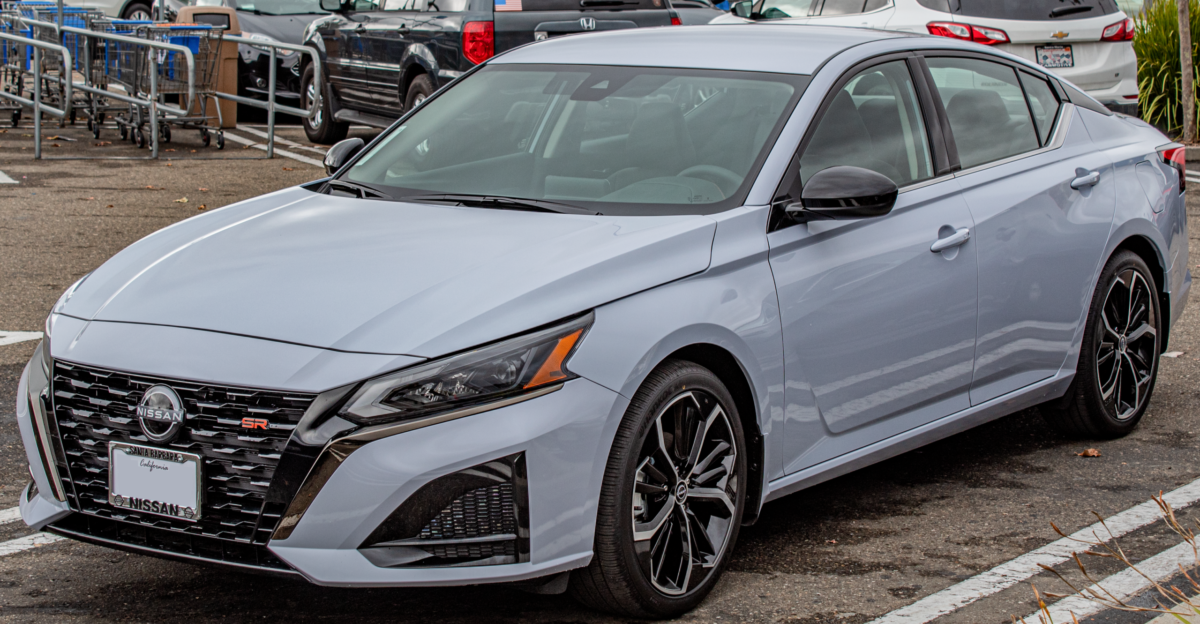
The Nissan Altima’s CVT transmission frequently shudders, loses power, and slows acceleration before 80,000 miles. Replacement costs exceed $3,500 once warranties expire. Warning signs include whining noises, high RPMs, and erratic acceleration. Alan Gelfand calls this system a ticking time bomb. For safer alternatives, the Toyota Camry or Honda Accord offer proven transmission longevity.
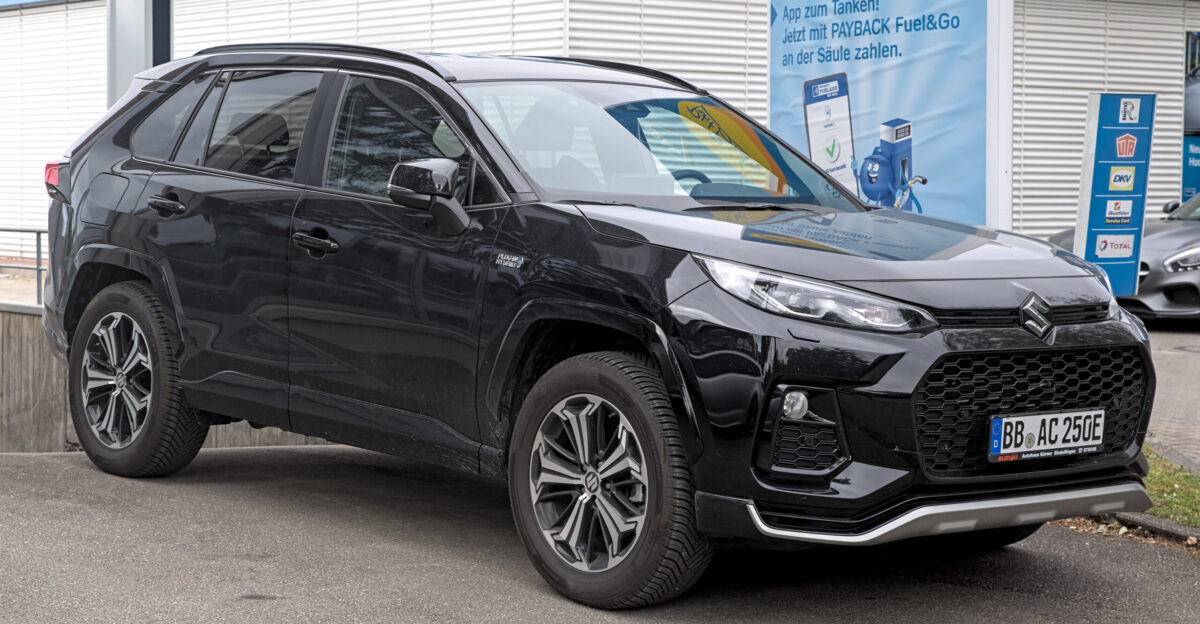
#2 Toyota RAV4 Prime
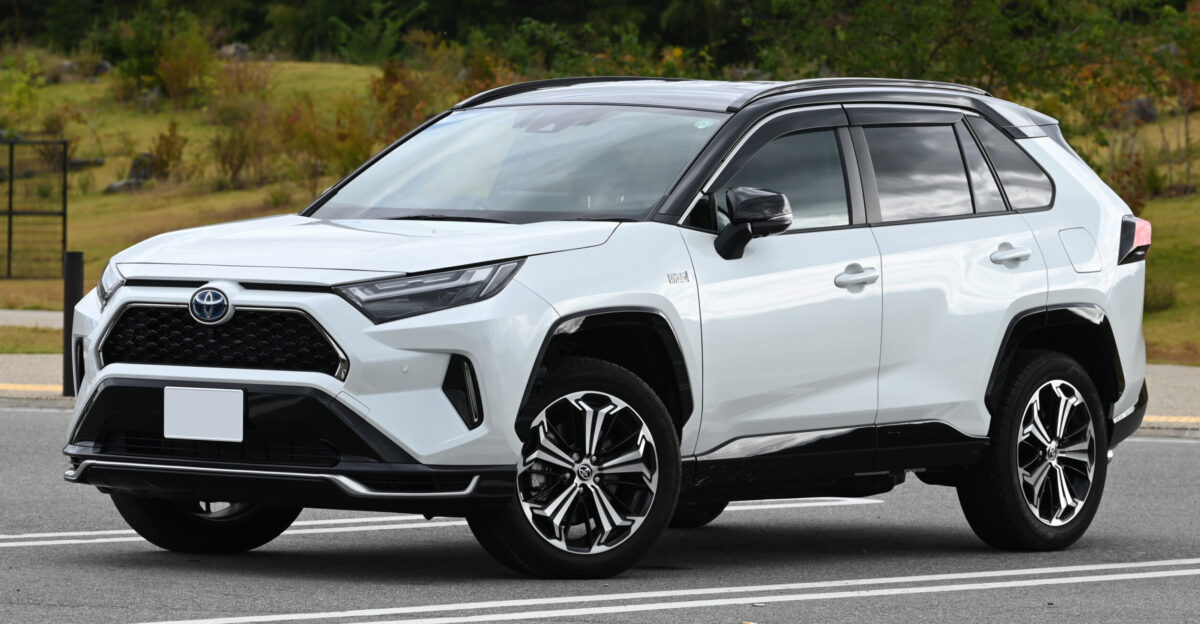
Toyota’s RAV4 Prime combines gasoline and electric engines, but battery cooling failures and drivetrain malfunctions are common. Consumer Reports notes persistent electronics issues, including screen lockups and failed charging ports. Lauren Fix warns these failures are costly and not fully covered by warranty. Honda CR-V Hybrid and Toyota Highlander Hybrid offer more reliable hybrid systems.
#3 Honda Passport
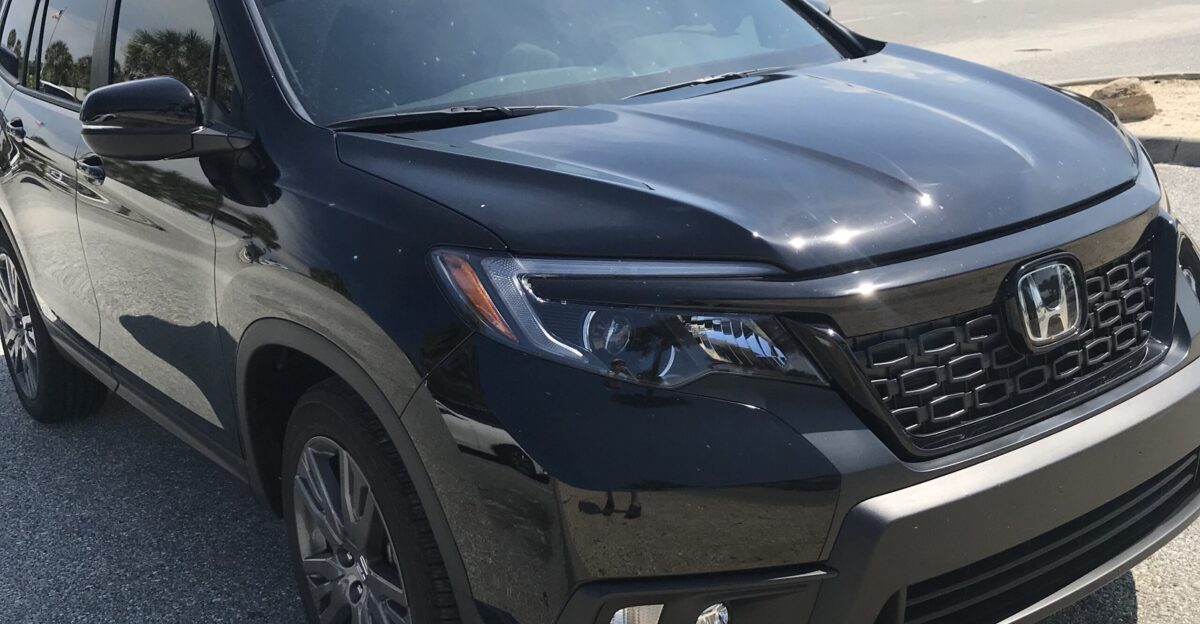
The first-generation Honda Passport suffers from drivetrain vibrations, rear differential leaks, and electronic glitches before 50,000 miles. Consumer Reports rated it below average, citing recurring component failures. Alan Gelfand highlights expensive repairs post-warranty. Newer redesigns are better, but early buyers face high costs. Toyota 4Runner and Subaru Outback remain superior choices for long-term reliability.
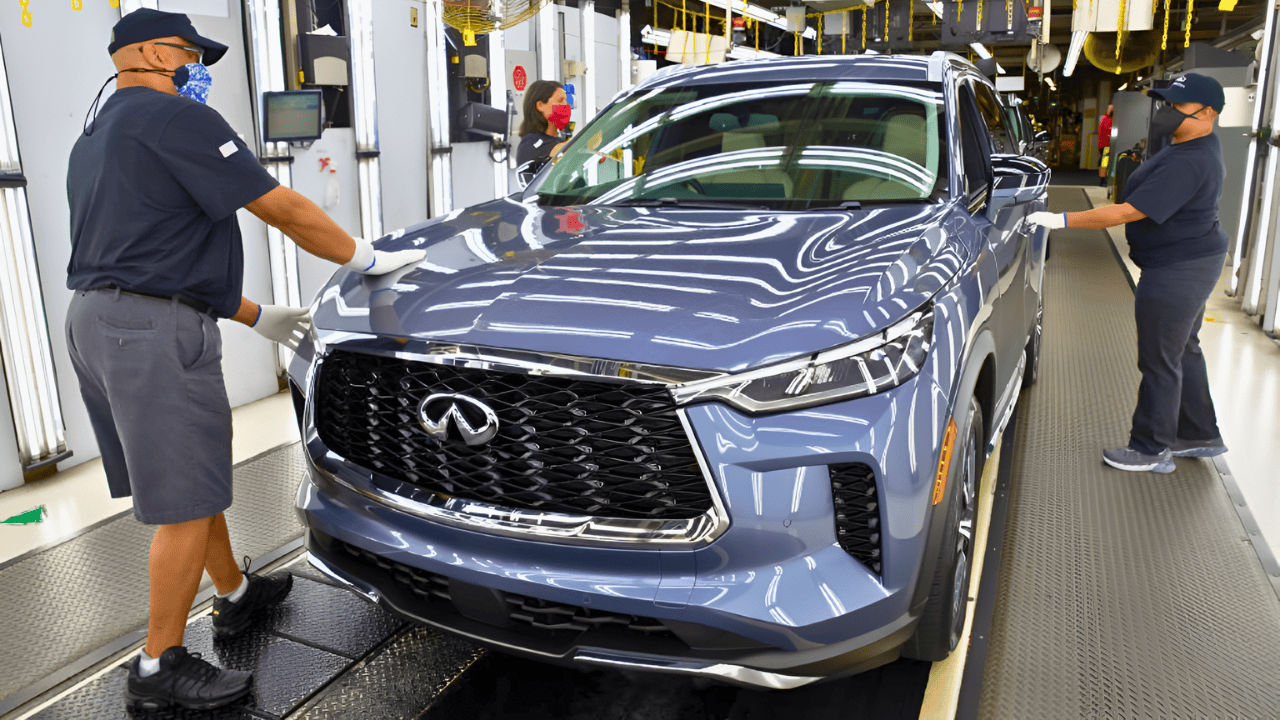
#4 Infiniti QX60
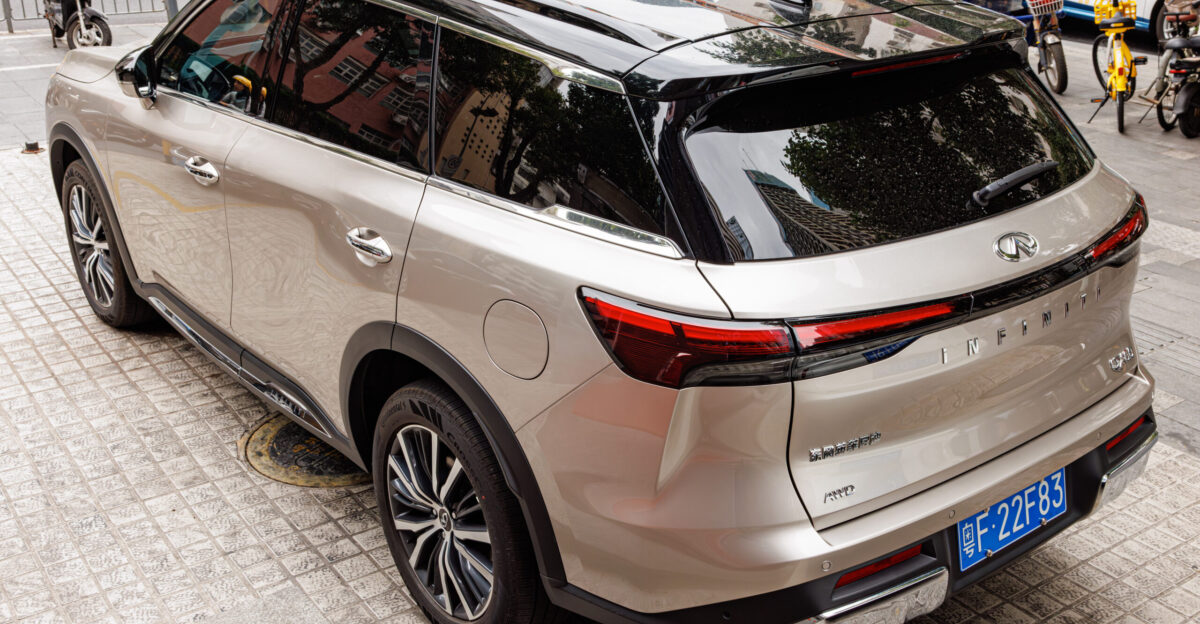
Infiniti QX60 owners report CVT transmission and chronic electrical issues that compound over time. Edmunds records sudden failures leaving drivers stranded. Gelfand notes repair bills often exceed vehicle value due to premium labor costs. Acura MDX and Lexus RX provide luxury reliability without frequent breakdowns. The QX60 demonstrates that premium pricing does not equal durability.
#5 Mitsubishi Outlander
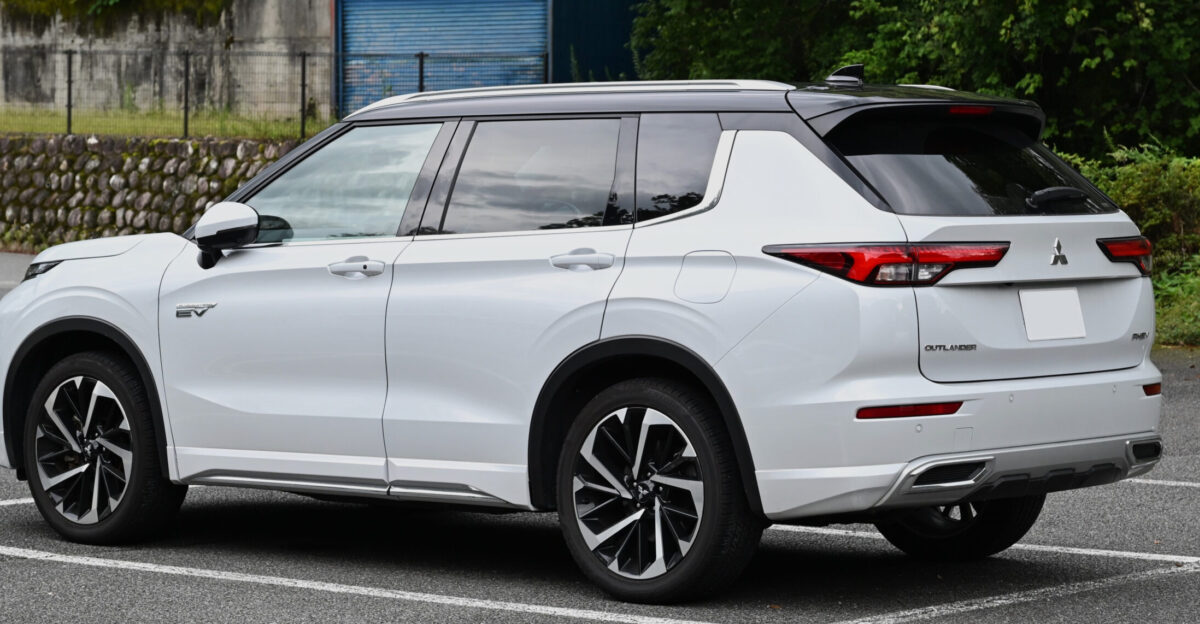
The Mitsubishi Outlander struggles with infotainment glitches, drivetrain vibrations, and inconsistent assembly. Consumer Reports gives only “average” reliability for recent models. Owners experience charging port failures and repeated dealer visits with unresolved problems. Lauren Fix suggests the Toyota Highlander or Subaru Forester as more dependable three-row alternatives, offering better resale value and long-term peace of mind.
#6 Subaru Ascent
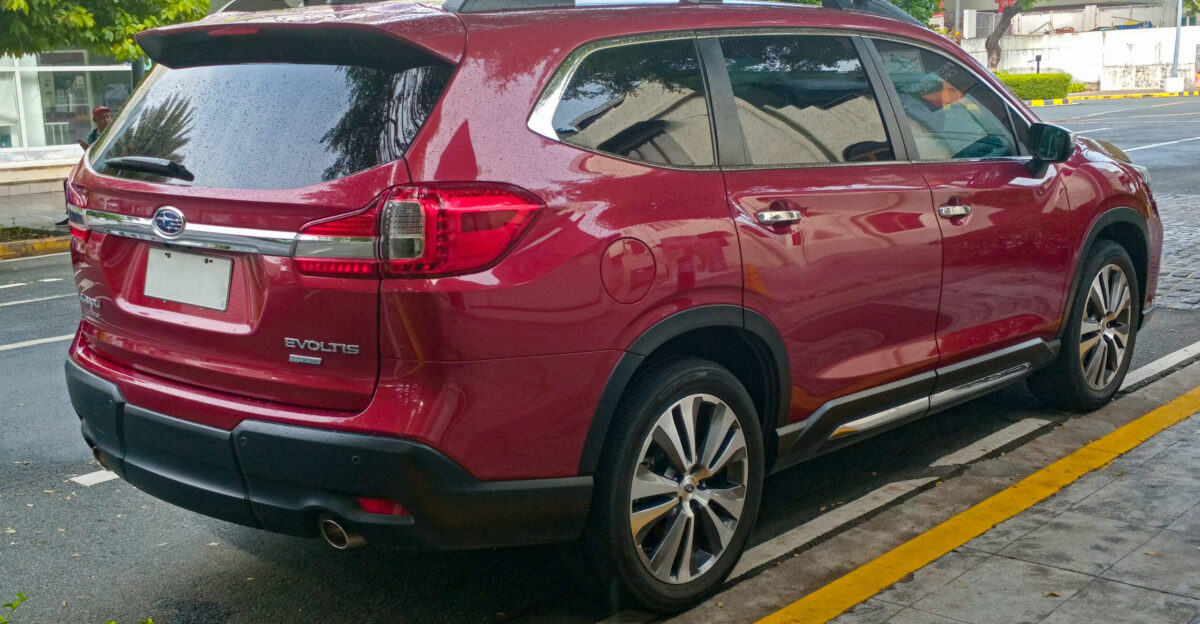
Subaru’s Ascent continues the brand’s history of head gasket failures around 100,000 miles, leading to oil and coolant leaks. Problems escalate into cooling and transmission issues, increasing repair costs. Alan Gelfand warns early warning signs like coolant smells and overheating are often ignored. Toyota Highlander and Honda Pilot deliver stronger engine and cooling systems for three-row SUV shoppers.
#7 Mazda CX-9
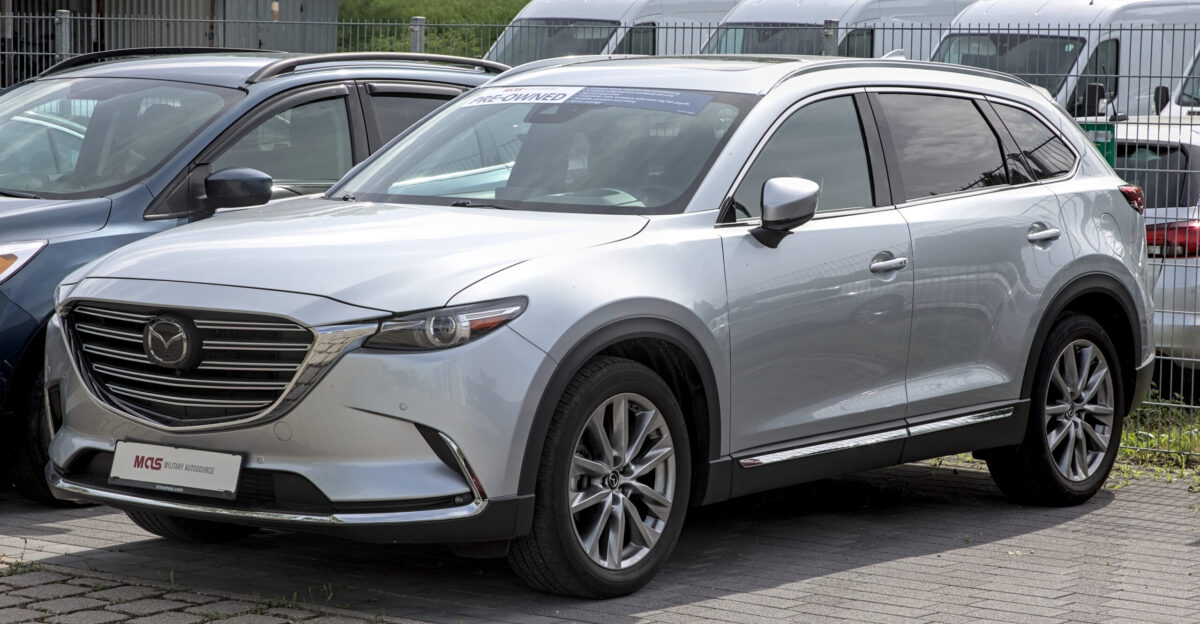
Mazda CX-9’s 2.5L turbo engine accumulates carbon and risks turbo failure, especially with extended maintenance intervals. Turbo replacements cost $2,000 to $3,000, and cleaning severe carbon buildup is expensive. Warning signs include power loss and oil-burning odors. Alternatives like Mazda CX-5 and Hyundai Palisade provide reliable engines without turbo complications or costly long-term repairs.
Why Nissan and Infiniti’s Transmissions Fail
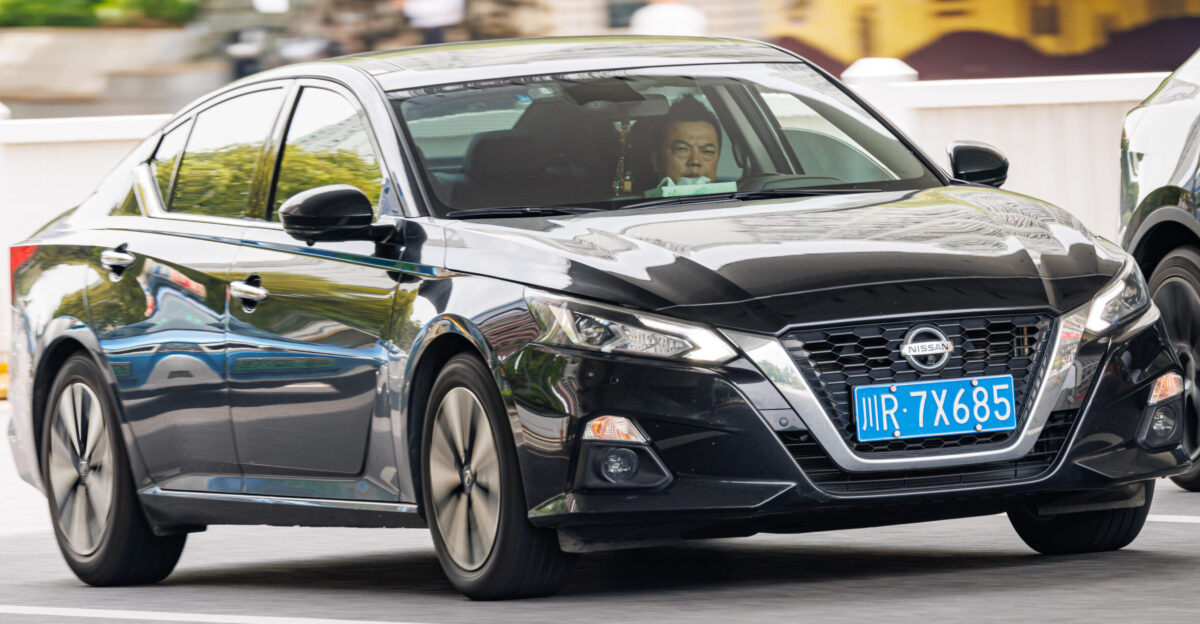
CVTs promised smooth driving but often fail prematurely. Belt-and-pulley systems slip under stress, particularly in 2013–2017 Altima and QX60 models. A $277 million class-action settlement covered 520,000 vehicles. Nissan extended CVT warranties to 84 months, but many owners fall outside this coverage. Buyers should favor traditional automatic or manual transmissions when shopping these models.
When Advanced Technology Becomes a Liability
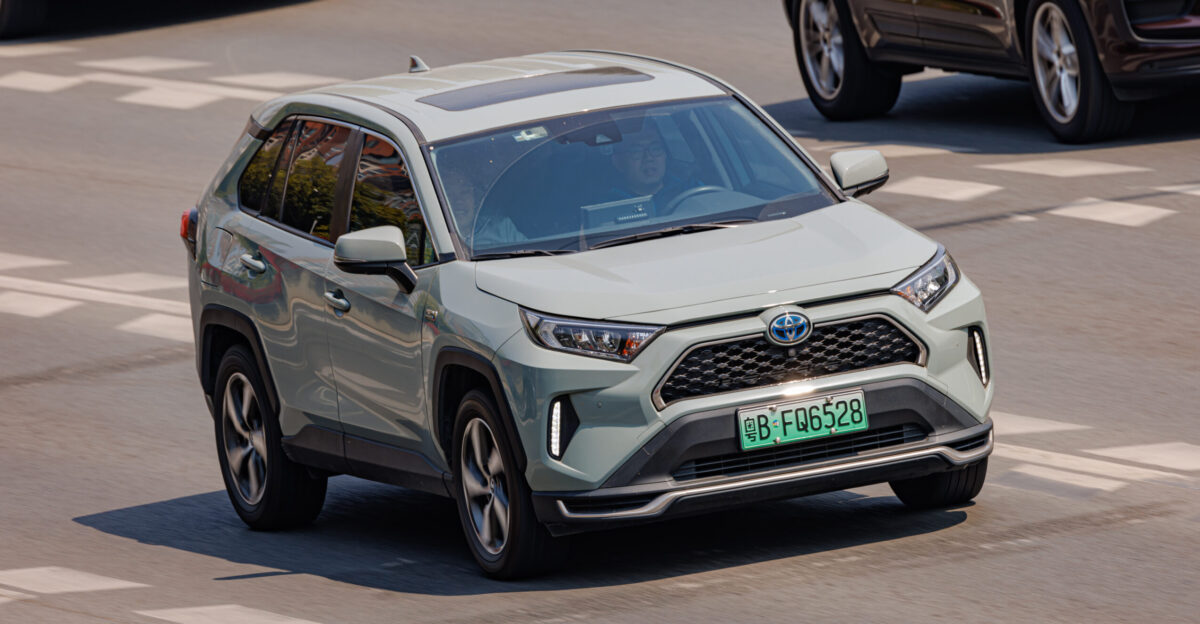
RAV4 Prime’s hybrid system creates multiple failure points, including battery overheating and software glitches. Dealers struggle with diagnosis, resulting in extended downtime. Lauren Fix notes technicians are still learning proper servicing, leaving early adopters at risk. Proven traditional hybrids offer reliability over decades. Plug-in buyers may unknowingly become beta testers for immature systems.
A Growing Problem Across Multiple Brands
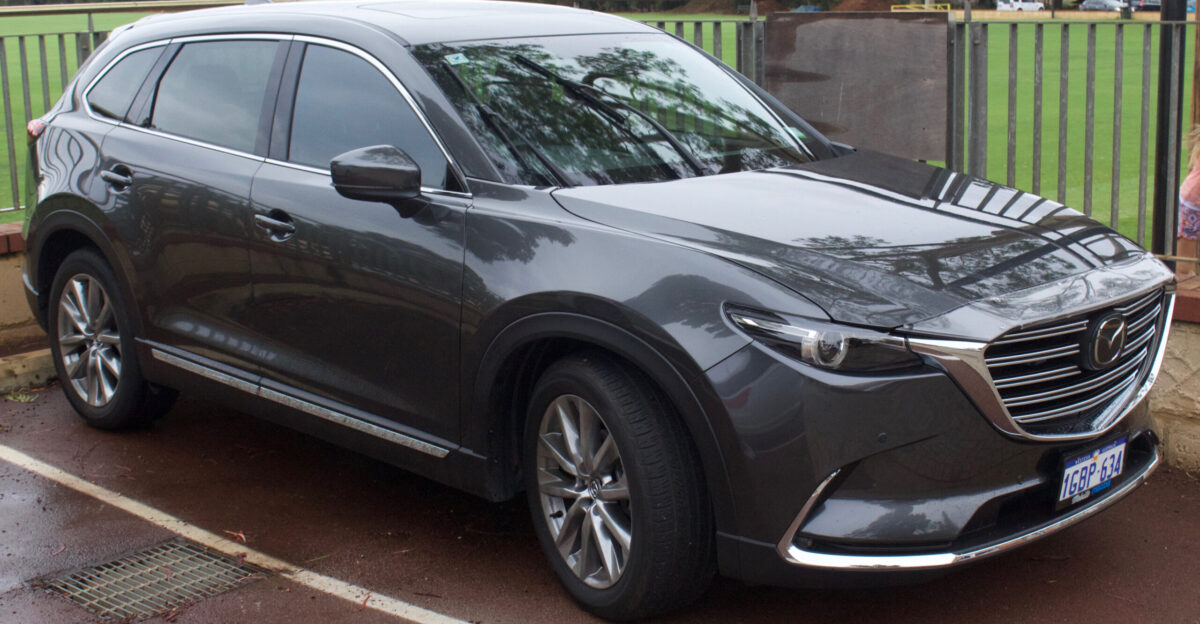
Direct-injection turbo engines accumulate carbon on intake valves, reducing efficiency and increasing oil consumption. Mazda CX-9 is a prime example, but other brands face similar risks. Severe buildup requires $500–$1,500 chemical or walnut-shell cleaning. Preventive measures slow, but do not stop, accumulation. Buyers should understand turbo maintenance demands before purchasing modern Japanese engines.
Why Engine Longevity Is Being Compromised
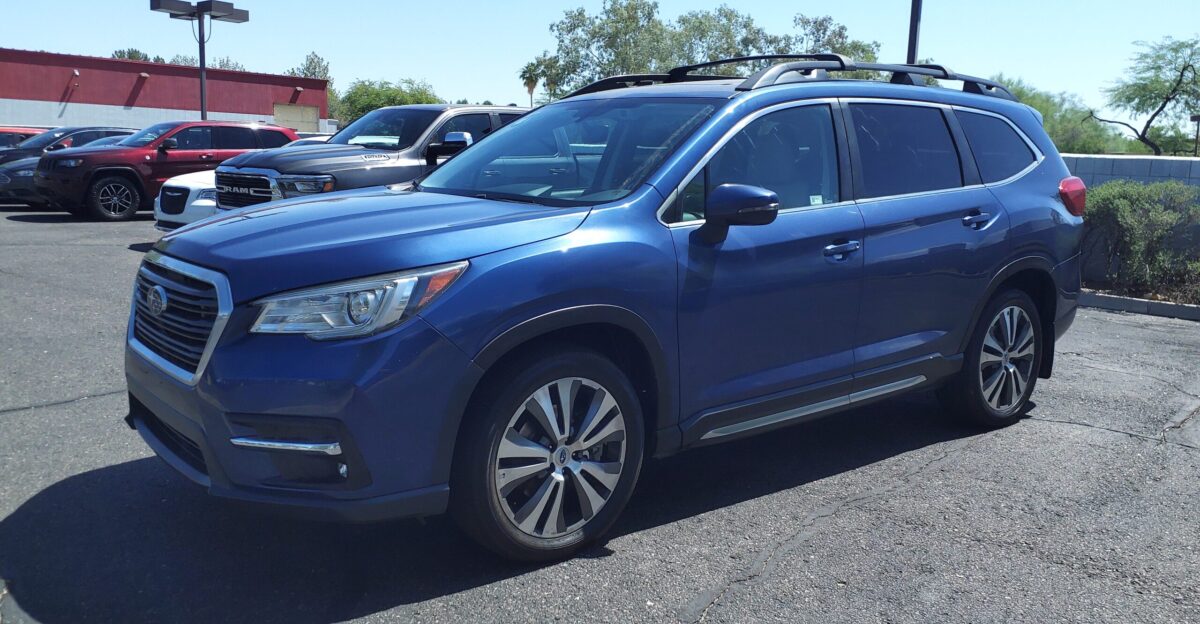
Subaru Ascent’s gasket issues reflect broader cooling weaknesses in Japanese vehicles. Graphite-coated gaskets fail under heat, creating ripple effects through transmissions and engines. Early warning signs include coolant smells, overheating lights, and oil-coolant mixing. Repairs escalate quickly. Modern designs prioritize cost-saving over durability, forcing owners to monitor cooling systems closely to avoid catastrophic failures.
Why Premium Service Rates Trap Owners
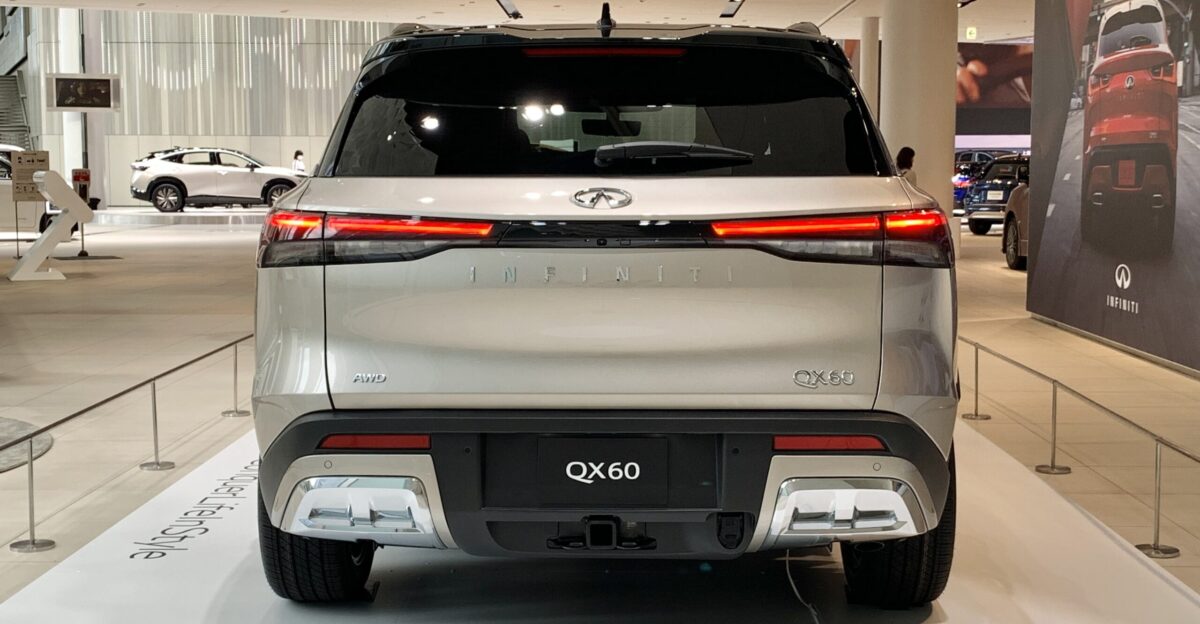
Luxury brands like Infiniti charge $150–$200 hourly labor rates. Parts scarcity and limited service centers exacerbate costs, turning a $3,500 CVT replacement into $4,500. Rural owners face travel or independent shop challenges. Mainstream Japanese brands offer broader networks and competitive rates, making them more affordable for long-term ownership despite occasional high purchase prices.
What Experts Recommend Instead
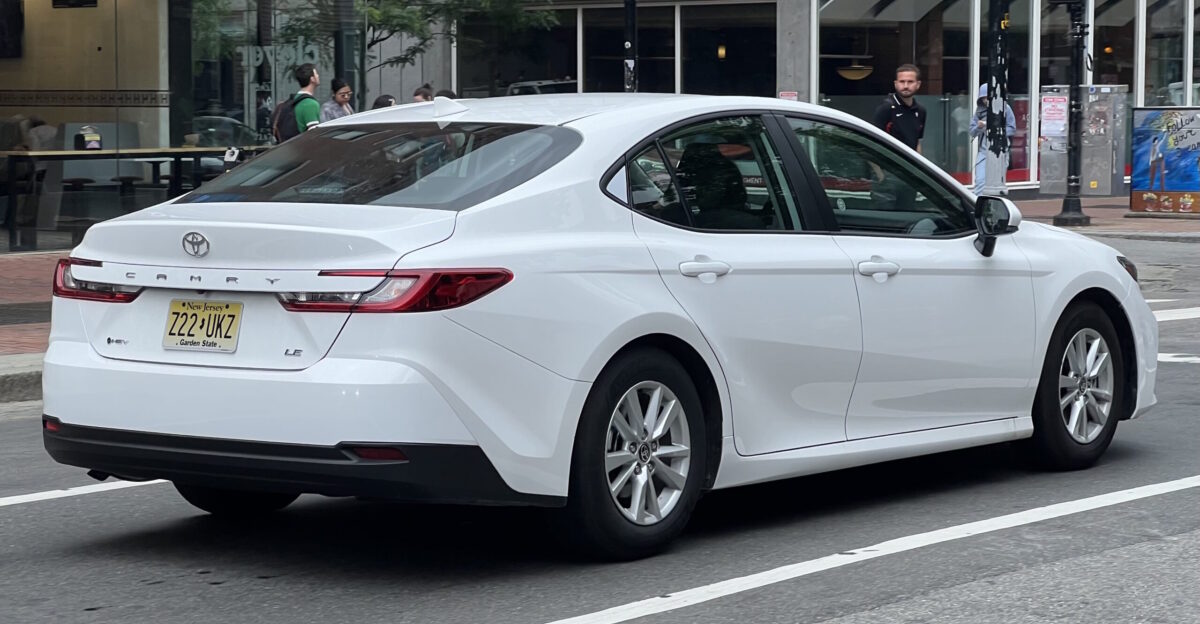
Experts recommend Toyota Camry, Honda Accord, Highlander, CR-V, Subaru Outback, and Acura MDX. These maintain Japanese reliability without the design flaws affecting the seven problematic models. Pre-purchase inspections and NHTSA database checks are essential. Taking extra time to research model-year issues prevents costly mistakes and ensures buyers are not blindsided by chronic failures.
The Bottom Line
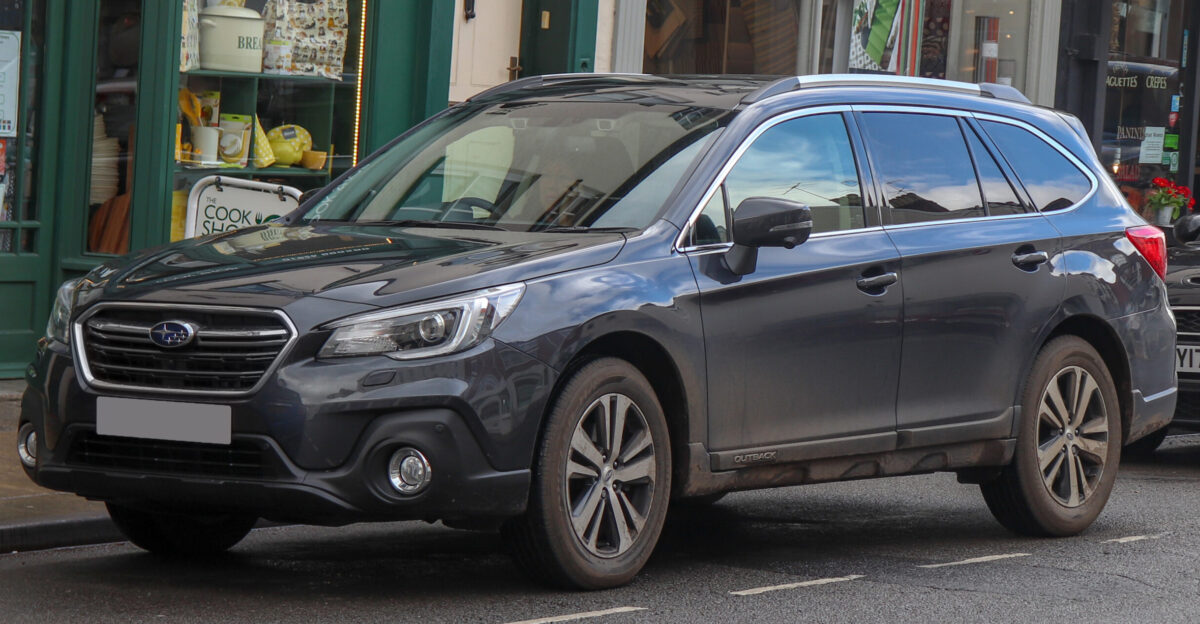
Japanese brands remain generally reliable, but the seven highlighted models are exceptions. Warranties expire before problems surface, making research essential. Pre-purchase inspections, Consumer Reports checks, and model-year scrutiny prevent surprises. Owners ignoring these risks could face $10,000+ in repairs. Investing an extra hour and a $150 inspection can save thousands and preserve peace of mind.
SOURCES
GoBankingRates – “Auto Experts Say Stop Buying These 7 Japanese Cars Immediately” (December 2025)
Consumer Reports – 2024-2025 Reliability Ratings and Rankings
Cars.com – Vehicle Problem Reports and Repair Cost Database
Edmunds – Owner-Reported Issues and Reliability Data
Olive.com – Subaru Head Gasket Problems and Engine Durability Research