After World War II, roller rinks exploded across America. Kids celebrated birthdays at skating rinks throughout the 1950s and 1980s. The 1970s disco craze transformed these venues into roller discos with spinning balls, glam-rock music, and early video games.
New urethane wheels made skating smoother and quieter, turning it into a legitimate sport. Teenagers and families gathered here for music and movement without worrying about documenting every moment.
Community on Wheels
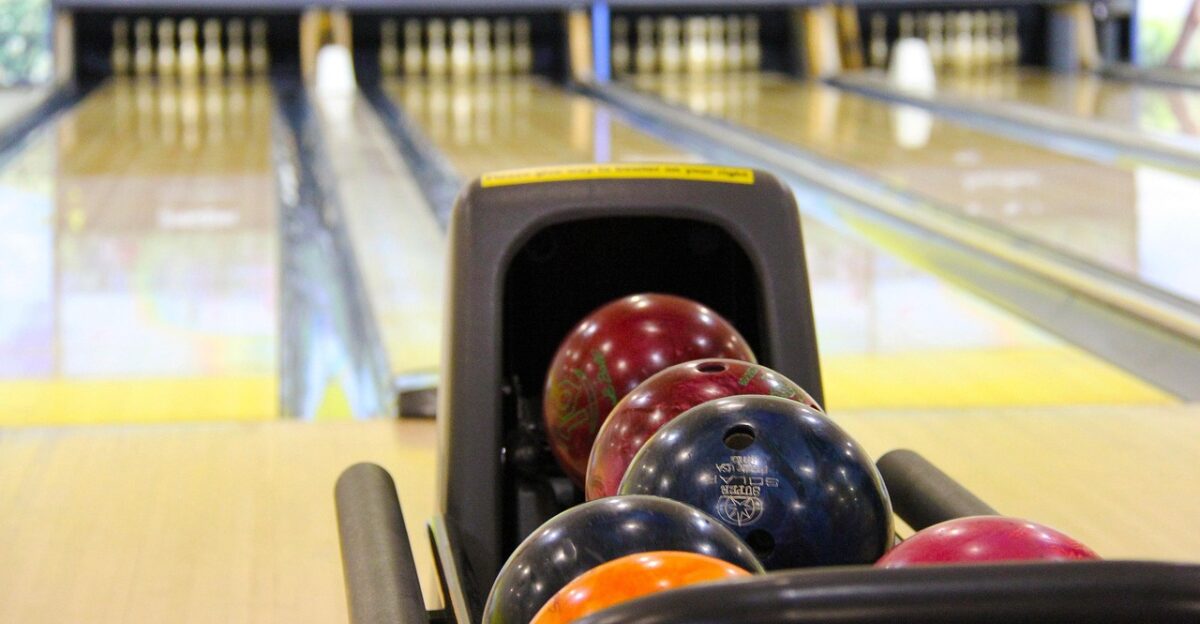
Bowling leagues fostered genuine belonging through weekly rituals and lasting friendships. Roller rinks served as social hubs where people danced to music without actually dancing, enjoyed snacks, and socialized.
Gen Z loves these retro activities because they offer authentic, unscripted fun. No algorithms or notifications here—just pure enjoyment. This appeals to young people seeking refuge from digital surveillance and curated online personas.
2. Drive-In Movies as Tiny Adventures
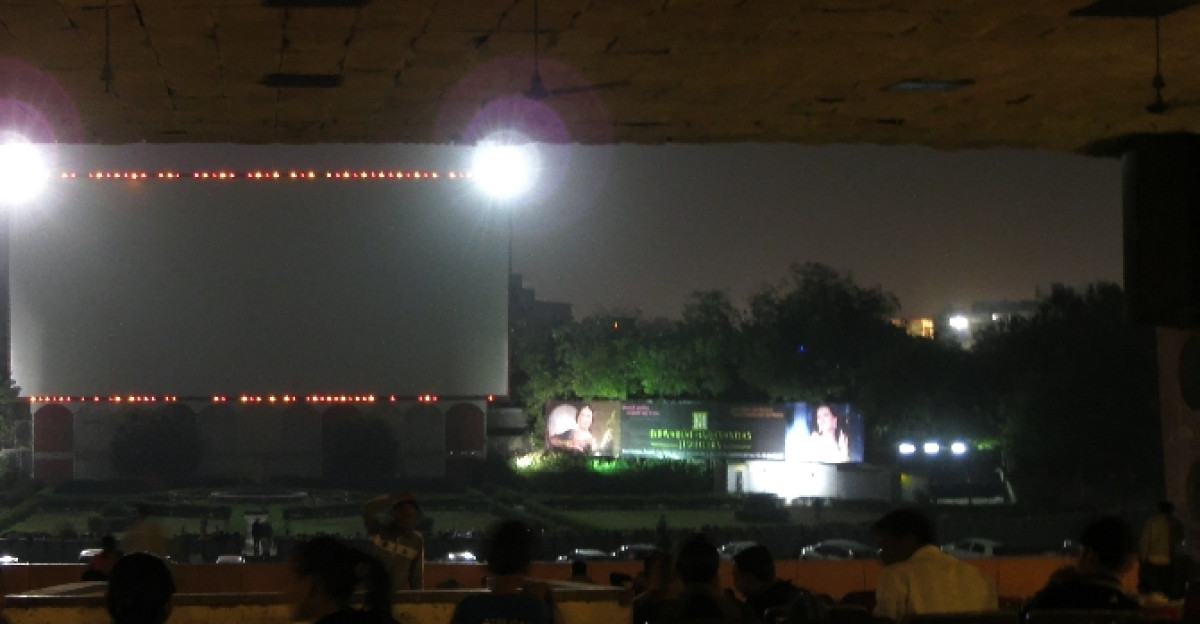
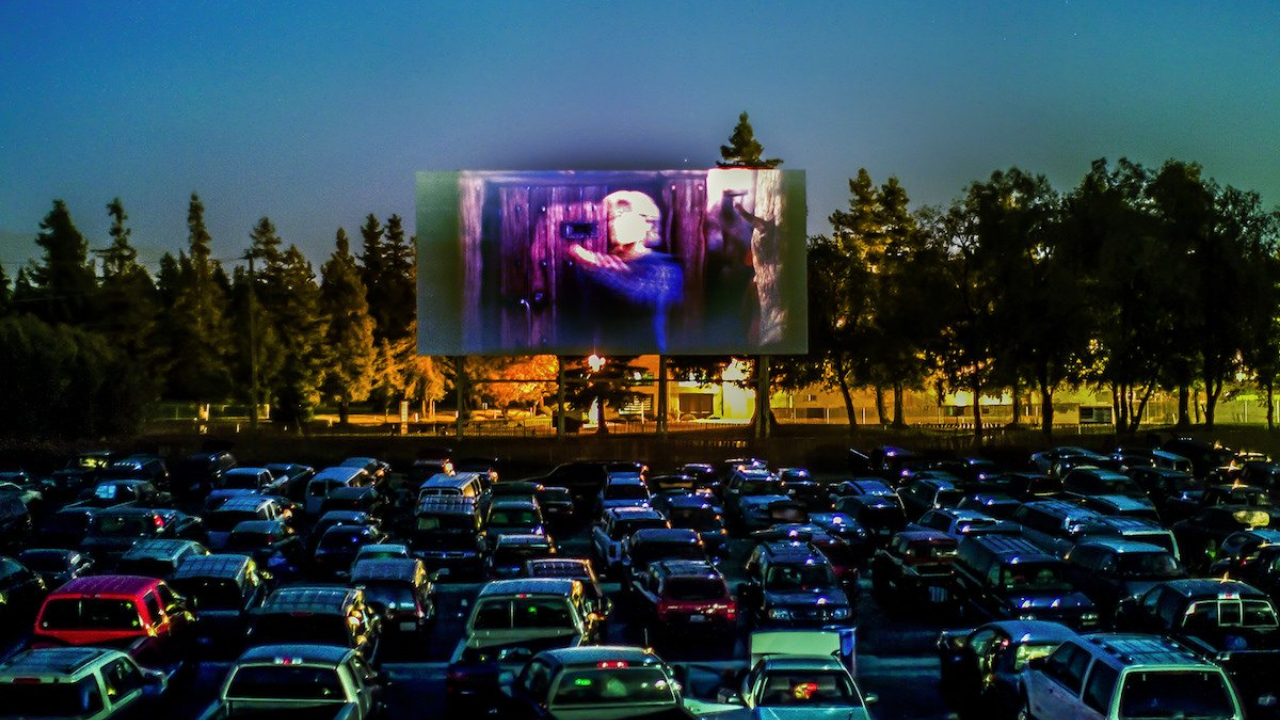
Drive-in theaters boomed during the 1950s and 1960s, reaching over 4,000 locations nationwide, mostly in rural areas. The first opened in Camden, New Jersey, in 1933; however, widespread car ownership after the war helped outdoor movies thrive.
Families attended affordably and brought toddlers without disturbing others. People created nests in their cars, smuggled snacks, and whispered at the best parts while night air transformed the story into lasting memories.
The Intimate Theater Experience
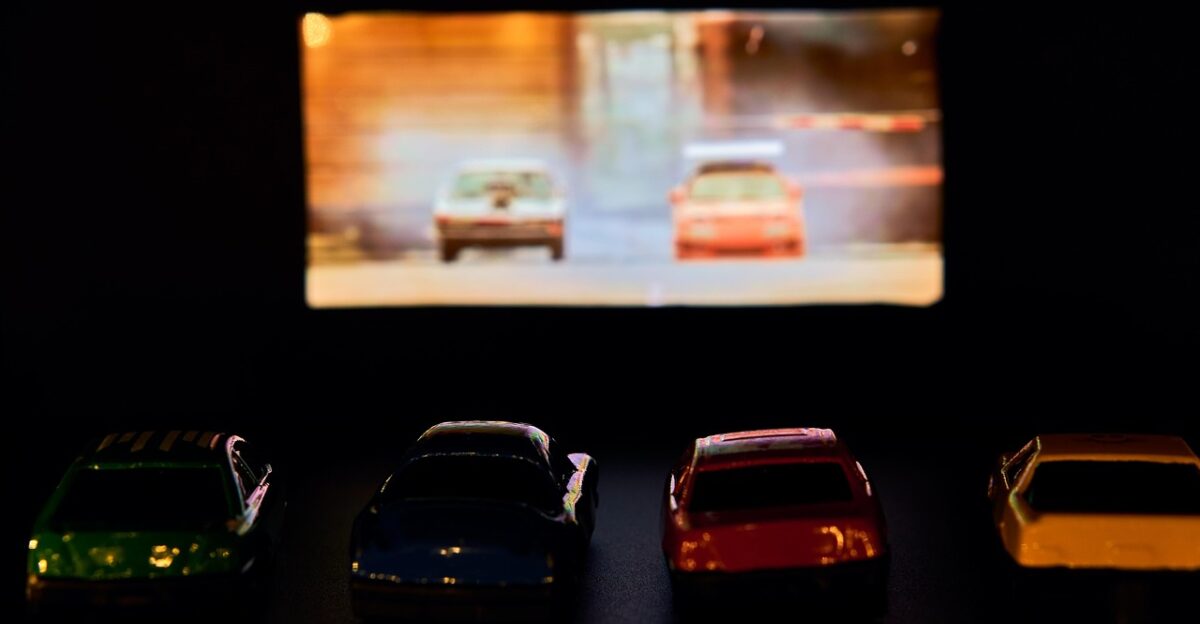
Drive-in movies blended privacy and community better than indoor theaters. Adults paid 90 cents for admission in 1959 (about $9 in 2022), while children under 12 entered free. People valued being together without checking phones every few minutes.
The 1970s oil crisis and the advent of VCRs hurt drive-ins as people downsized their cars. Today, Gen Z’s interest in analog experiences sparked a revival in some communities seeking unplugged togetherness.
3. Vinyl Listening Parties and Handmade Mixtapes
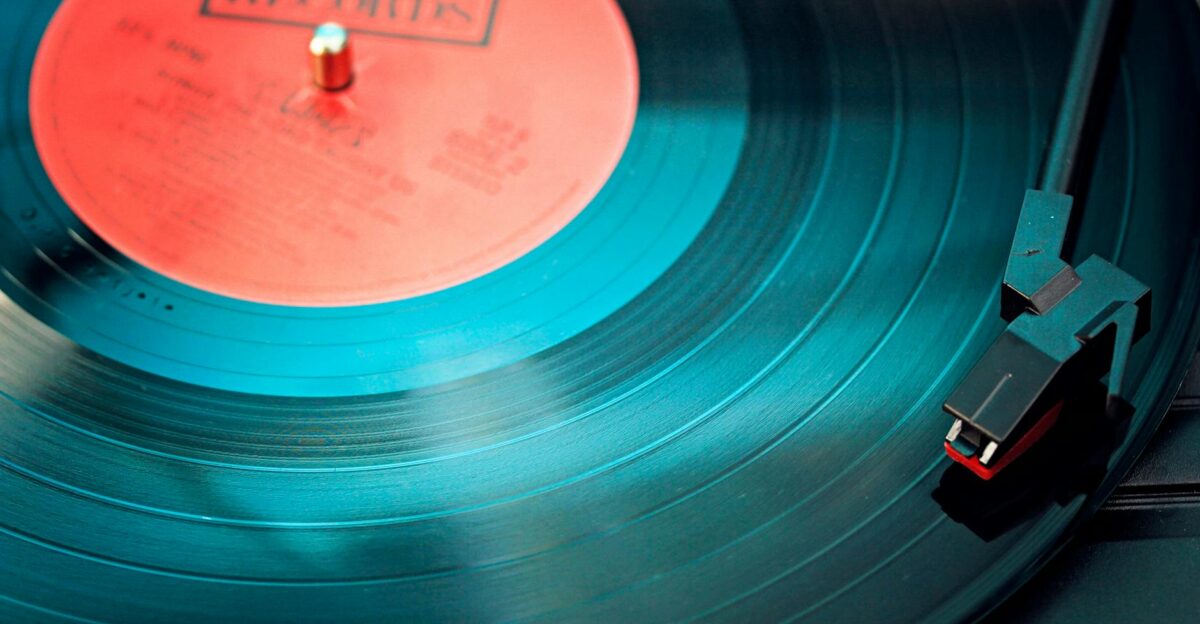
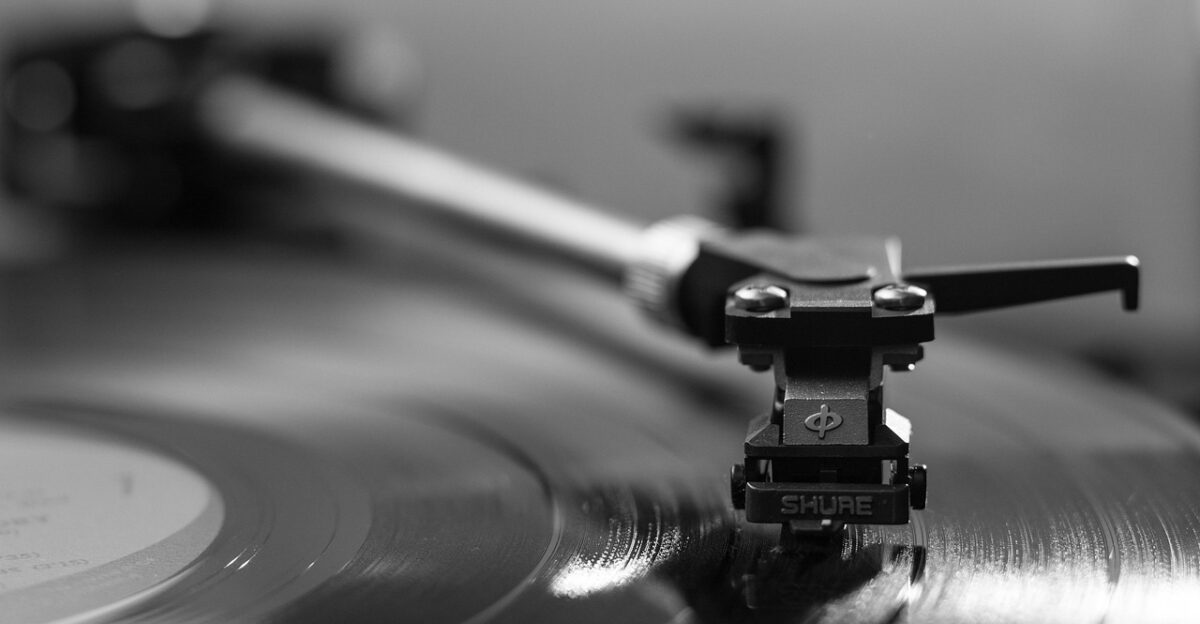
Before the advent of infinite playlists, choosing a record meant committing to it completely. Friends gathered to debate which track sounded best, learning to lower the needle without scratching. Everyone listened and talked repeatedly.
The 1970s and 1980s marked vinyl’s golden age as the primary music format. Music set the tone for the evening and required everyone’s full attention. This contrasts sharply with streaming platforms, where songs become disposable and attention fragments across multiple tasks.
The Mixtape as Love Language
Cassette tapes became widespread in the late 1970s and 1980s, allowing people to create custom playlists that they carried everywhere. Making mixtapes required time, thought, and heart as creators recorded songs off the radio, carefully timing each track.
These weren’t just music collections—they were emotional time capsules for crushes, road trips, and friends. Gen Z fuels the vinyl resurgence: 76% buy records monthly, and 80% own a record player. In 2024, 43.6 million vinyl records were sold in the US, marking 18 years of consecutive growth.
4. Potlucks and Block Parties
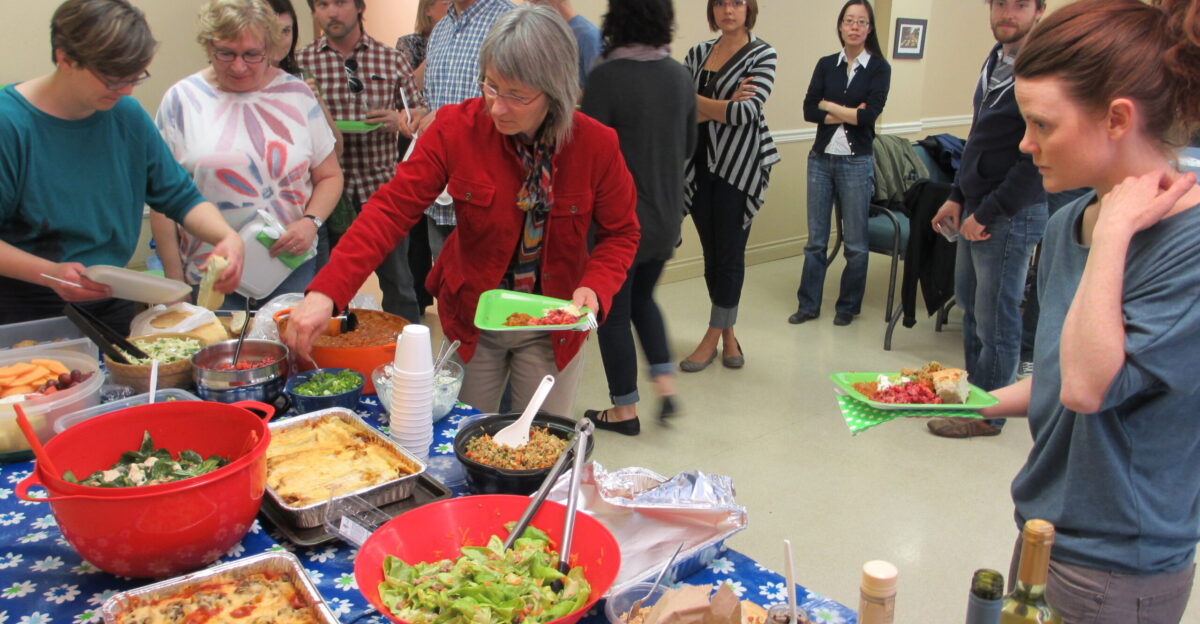
Block parties gained popularity in North America during the 1970s as community gatherings where people gathered, socialized, and celebrated together. Boomers mastered feeding crowds simply—one person brought a big pot of something warm, another handled salad, and someone brought a cake.
Streets closed for barbecues, potlucks, fireworks, and small carnival rides. These events weren’t about perfect spaces or Instagram-worthy presentations—they celebrated the joy of using what you had while being together.
Building Community Through Food
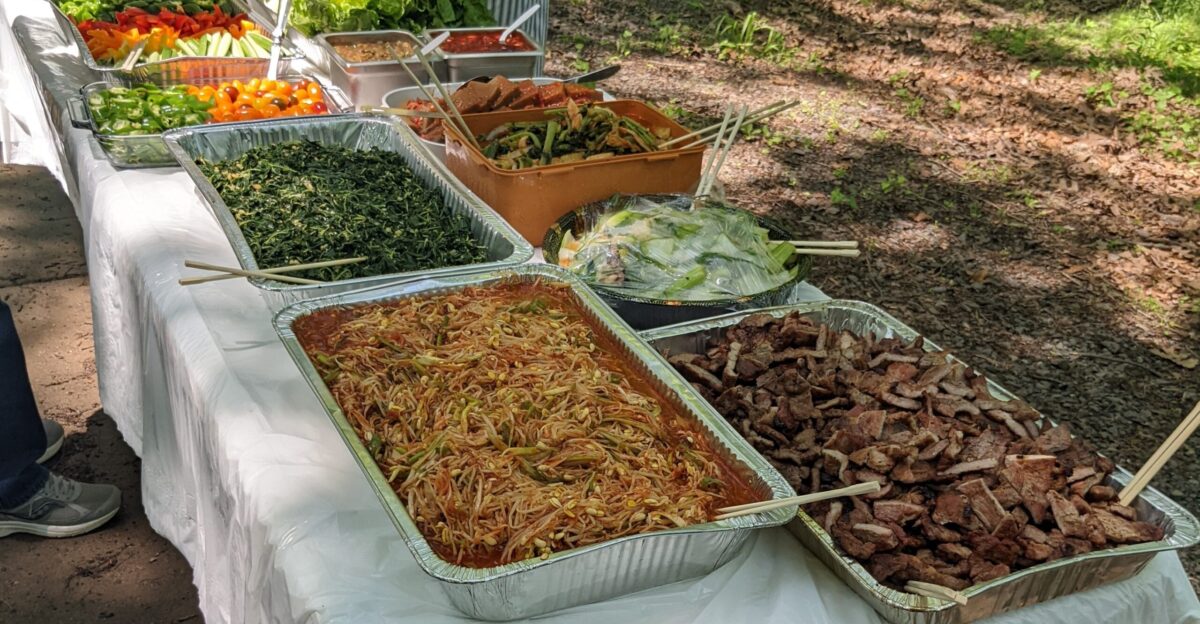
Early 20th-century block parties were informal, free to attend, and sometimes hosted by churches to raise funds. By the 1950s, these outdoor gatherings became safe spaces welcoming all ages, with mobile DJs setting up sound systems.
This reflected community and solidarity, especially in African American, Latino, and working-class neighborhoods. Today’s potlucks continue this legacy—food matters less than collective participation. Gen Z values authentic connection beyond digital “communities.”
5. Unstructured Outdoor Time Until the Streetlights Came On
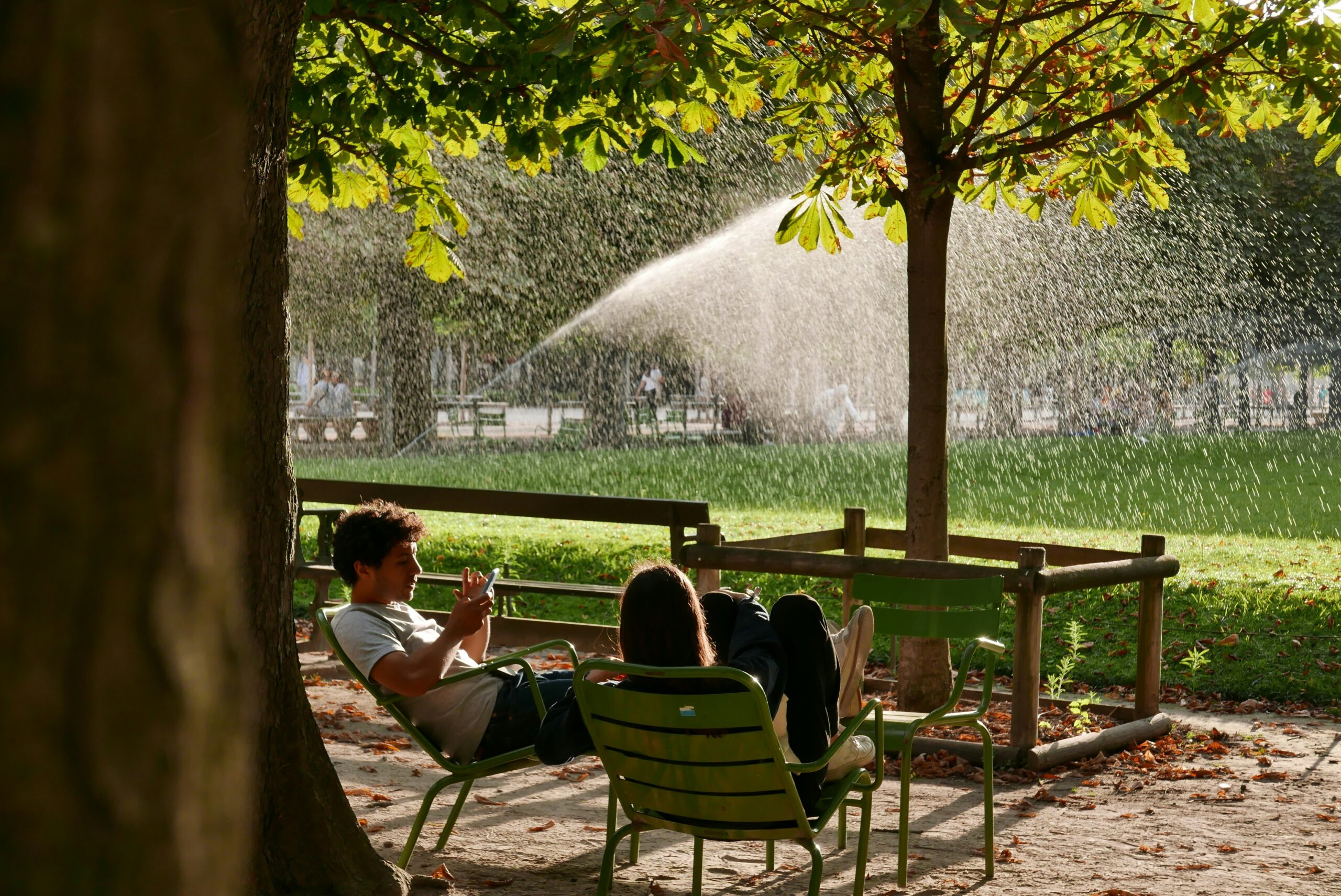
In the 1970s, children played outside 4-5 hours daily without adult supervision—versus today’s 30 minutes weekly, a 90% decline in 50 years. The rule was simple: come home when streetlights turn on.
In 1970, 8-year-olds roamed 6 miles from home unsupervised; by 1990, that dropped to 1 mile. Kids made games from nothing, wandering with chalk and jump ropes, experiencing the exhaustion that only comes from climbing, running, and biking all day.
Learning Through Unscripted Play

Unstructured outdoor play taught critical life skills, including negotiating with kids, solving problems like building bike ramps, setting boundaries, and developing social, emotional, and physical abilities.
Children who engaged in risky play showed lower anxiety and depression rates, yet teen depression doubled since 2010 despite 50 years of “safer” childhoods.
Parents expected children to be covered in dirt by dinner, believing it showed they had had a great day exploring and imagining. Gen Z recognizes what they lost—trust in curiosity and learning from consequences.
6. Thrifting, Flea Markets, and Fixing What Was Fixable

Before “sustainable” became a buzzword, people would simply repair and repurpose items. Boomers learned to hem, patch, and shine; if they couldn’t repair something, someone’s uncle could. Saturday mornings at garage sales and flea markets felt like treasure hunts, not social media performances.
This applied to clothing, furniture, and appliances—people bought less, took better care of their belongings, and appreciated the aged patina. The practice wasn’t about environmental consciousness, but rather about practicality, economy, and satisfaction from maintaining possessions.
Gen Z’s Thrift Revolution
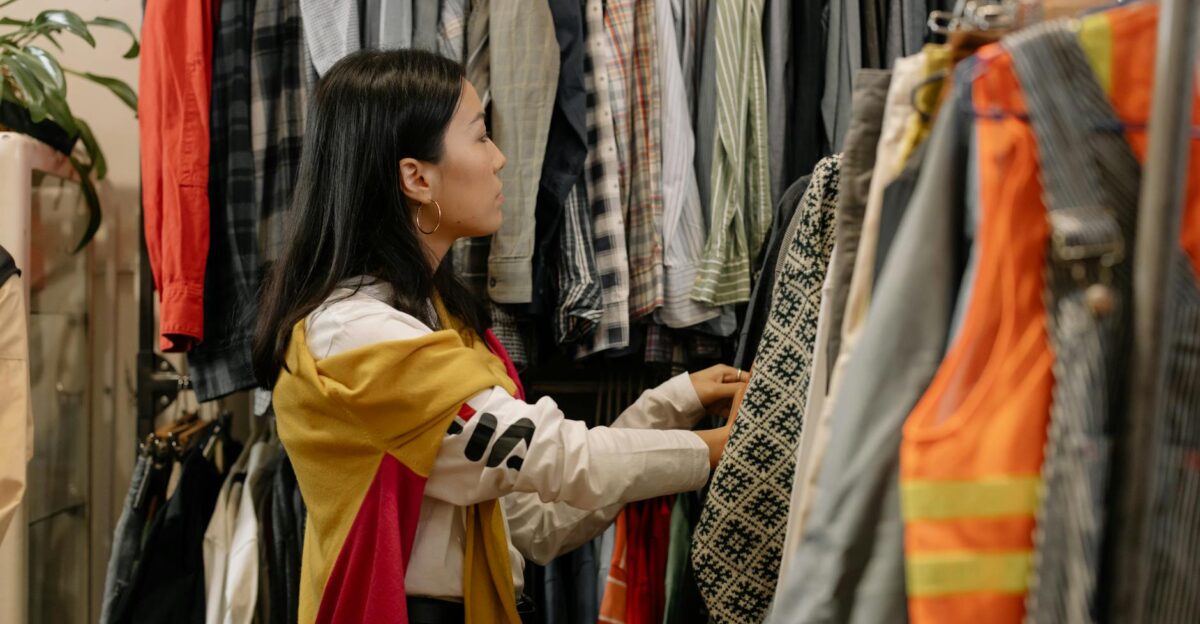
Gen Z is now leading a fashion revolution that prioritizes sustainability and individuality over fast fashion. Thrifting became central to this movement. Studies show that 84% of Gen Z buys records from stores, with 57% preferring this method over online shopping.
Additionally, 47% are willing to pay high prices for quality vintage items. This generation is aware of fast fashion’s environmental impact and utilizes thrifting to recycle clothing, thereby reducing new production and preventing garments from ending up in landfills.
Learning repairs brings psychologist Mihaly Csikszentmihalyi’s “flow” state—deep involvement where nothing else matters.
7. Long Phone Calls and Face-to-Face Hangouts Without Constant Buzzing

House phones forced people to stay in one place and pay attention—no half-listening while scrolling through their devices. Calling a friend essentially meant calling their whole family; the ring was indiscriminate, and everyone knew someone had called.
This created an environment where you got to know your friends’ entire families, including adults. Teenagers arranged set call times and sat waiting with a hand on the phone, finger on the hook, ready to pick up at the first sound to avoid waking others. Shared landlines required equitable phone-time systems.
Presence as the Ultimate Gift

Since the mid-1980s, cell phones have gradually replaced landlines, with many people abandoning home phones entirely. This shift transformed how people experience privacy, presence, and connection. Landlines created a public self and respected shared-resource limits, while cell phones created anonymous selves and unbounded consumption habits.
Gen Z rediscovers the value of undivided attention, recognizing that conversations differ completely without interruptions every two minutes. Setting phones to “Do Not Disturb” and talking without distraction creates surprising openness—showing up fully makes people stand out today.
8. Letter Writing and Faraway Pen Pals

Boomers wrote letters to strangers who became friends, waiting for mail with fluttering hearts as delays made each response sweeter. From the 1960s to the 1980s, monthly magazines published by Tower Press promoted letter-writing among pen pals with shared interests.
Schools arranged international pen pal relationships to improve language skills; these friendships felt genuine because letters weren’t checked or assigned. One remarkable friendship began in 1967 and lasted over 50 years. Both correspondents agreed something magical remained about traditional mail—”receiving a beautifully folded letter feels like a piece of the sender.”
Words That Mattered

Letter writing requires deliberation that digital communication skips. Words mattered more because you couldn’t fire off quick replies—you sat down, thought through what to say, and committed it to paper. Pen pals created unique, visually appealing letters, crafting envelopes from fashion and nature magazines, showing care despite never meeting.
Some correspondents shared rock music by playing records through phone receivers while dancing across continents. Slowness was the point—it created space for introspection and philosophical discussions about life direction and what truly mattered.
9. Social Dancing in Regular Clothes
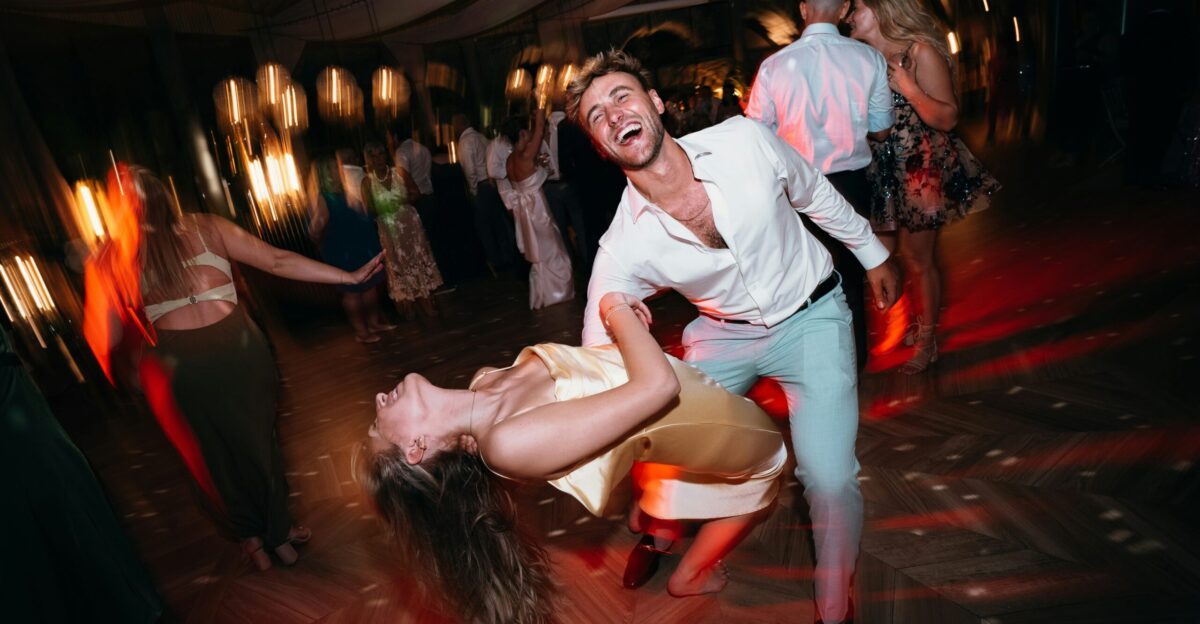
Disco brought African Americans, Latino Americans, gay Americans, and Italian Americans together in New York City and Philadelphia dance clubs throughout the late 1960s-1970s. People learned moves like The Hustle, The Bump, The Bus Stop, swing, and two-step without needing to be good.
Music carried dancers along; shy people followed confident partners and felt thrilled doing something together. The disco movement peaked in 1978-79, attracting younger Boomers who missed the sixties counterculture. These weren’t exclusive clubs—anyone in regular clothes was welcome to participate.
Movement as Medicine
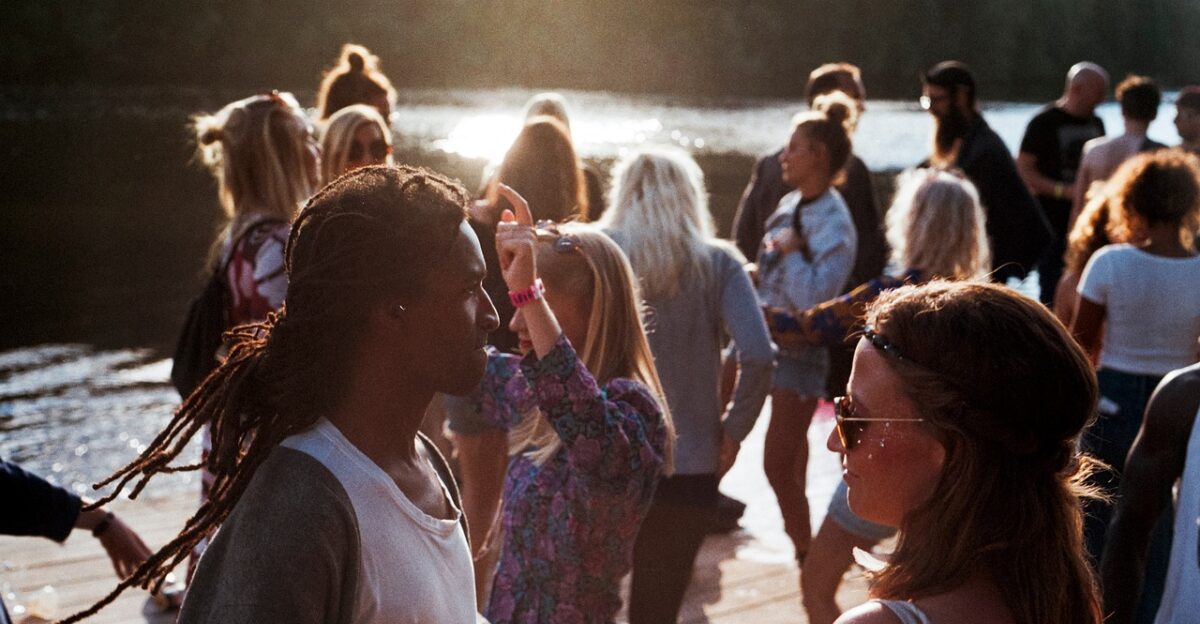
Disco dancing reshaped nightlife and created safe spaces for all backgrounds to express themselves freely. Clubs like Studio 54 and Paradise Garage became institutions celebrating diversity and freedom, with DJs seamlessly mixing records and extending the groove.
The Hustle, a partnered disco dance incorporating mambo and salsa steps, originated with Puerto Rican teenagers in the early 1970s and evolved into a democratic dance form.
For hours, people experienced simple, sweaty, human fun—no performance required. Disco has recently been revived through retro parties and modern artists like Dua Lipa embracing disco energy.
10. Road Trips That Started With a Paper Map and No Firm Plan
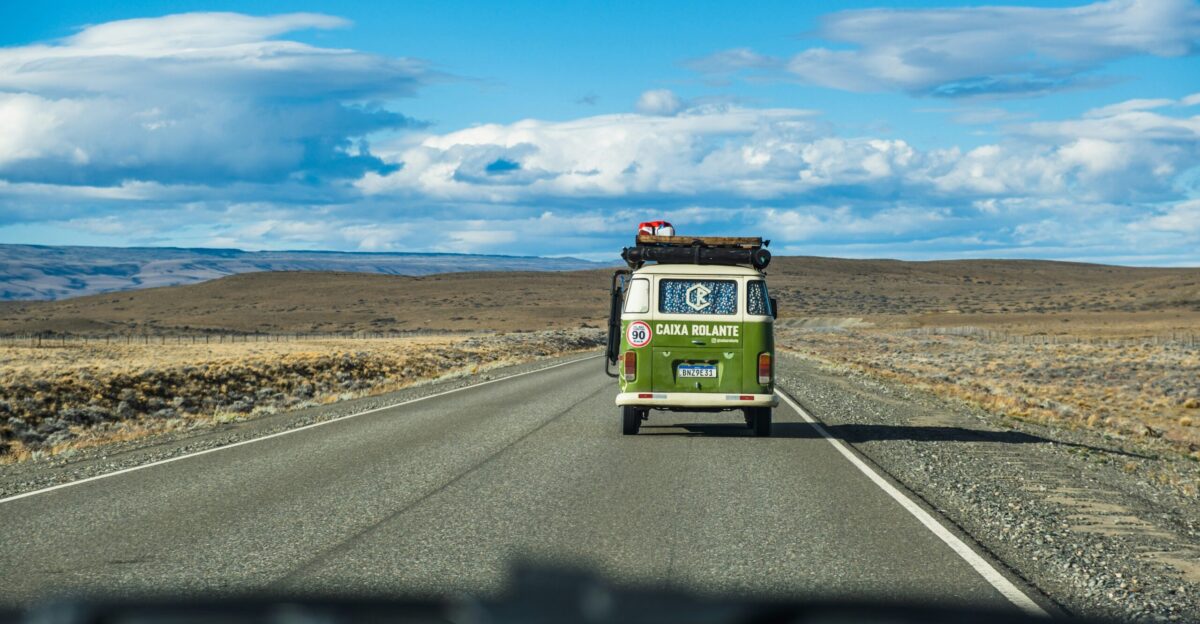
During the 1970s, road trips began with paper maps and loose plans where getting lost was part of the adventure. Travelers selected routes using overview maps that showed major roads, then studied detailed maps along the way, noting turns, distances, road numbers, and nearby cities—tasks that GPS performs automatically today.
The American Automobile Association sent customized TripTiks—small books guiding travelers from point A to B with all turns and construction warnings, like modern map apps but on paper. Much 1970s travel featured limited planning and shoestring budgets, with hitchhiking being a common mode of transportation.
Discovery Without Guarantees
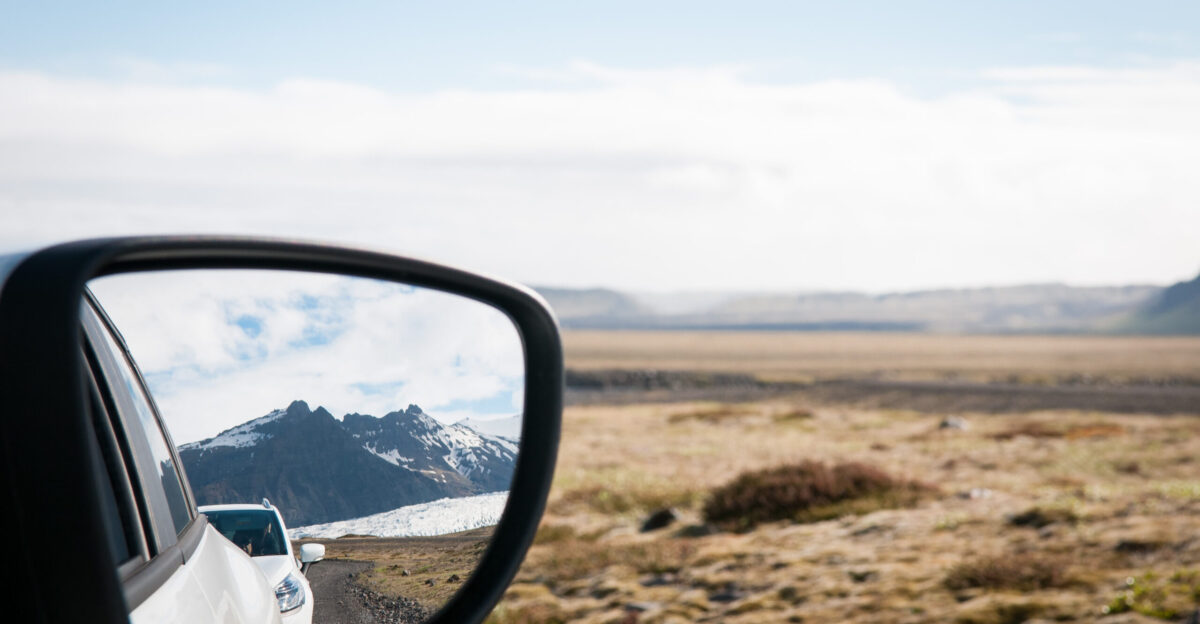
Without perfect itineraries, travelers discovered detours that made their stories—taking turns choosing songs, finding the best roadside stops, accepting scenery delays. Tour companies offered the “Hippie Trail” from London to India or Nepal in the 1970s, with trips taking seven weeks, if lucky; passengers received no completion guarantees.
Bus breakdowns meant finding your own way—uncertainty unthinkable in today’s meticulously planned travel. People didn’t document every minute for social media; they stopped when the mood struck and returned sunburned with private memories. Gen Z’s interest in spontaneous travel shows that they recognize that optimization pressures have stolen essential freedom.
Sources:
Wikipedia – Roller rink
Evrimagaci – Gen Z Fuels Surprising Comeback Of Retro Tech
North Gwinnett Voice – History: From ’50s to mid-’80s, local drive-in theater was a unique place to make memories
Reddit – Roller skating rinks in the 70s/80s
Itedgenews Africa – Anti-digital natives: Why Gen Z chooses analog in an AI world
Wayback Times – The Story of Baby-Boomers and Drive-In Theatres