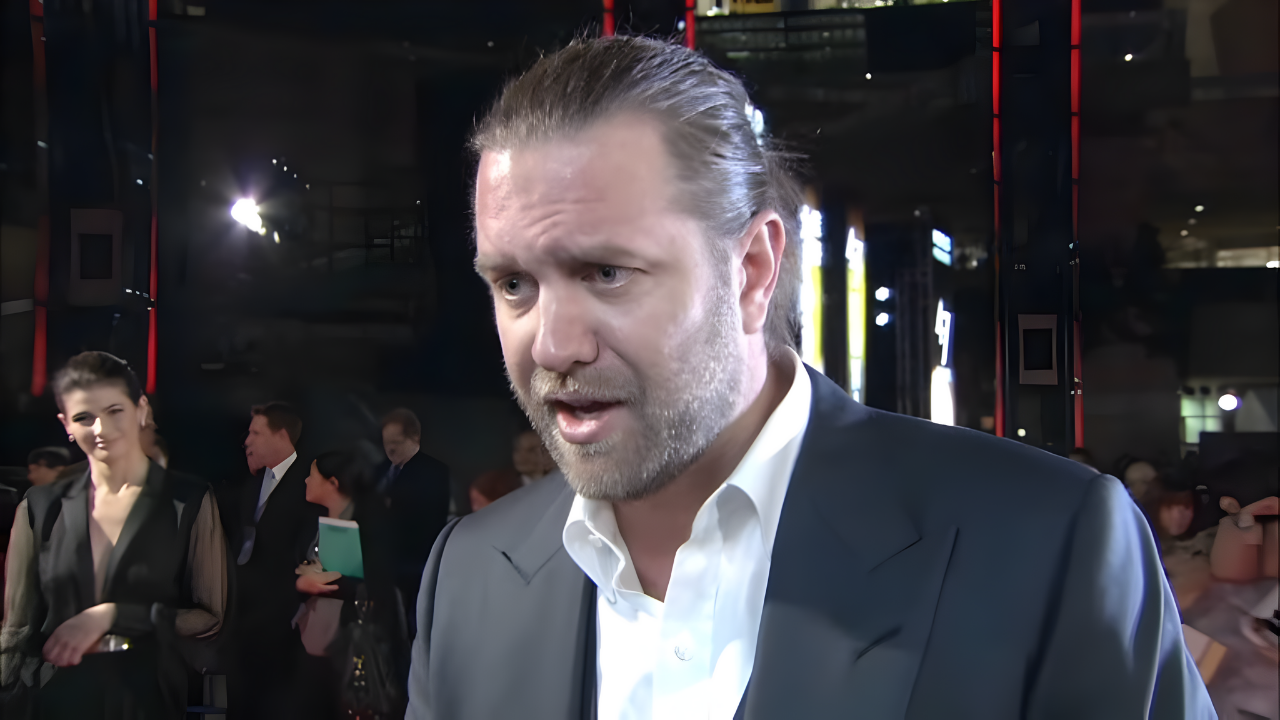
Imagine a streaming platform handing tens of millions of dollars to a little-known filmmaker, only to see the money disappear into luxury cars, cryptocurrency bets, and ultra-expensive mattresses — with not a single completed episode to show for it. That is what prosecutors say happened after Netflix backed director Carl Erik Rinsch’s sci-fi series “Conquest,” a project that has now ended up at the center of a federal fraud and money laundering trial.
An extraordinary bet in the streaming wars
At the peak of the streaming boom, major platforms were paying heavily for exclusive spectacles to attract subscribers. Amazon had already committed nearly $250 million just for the rights to develop a “Lord of the Rings” television adaptation, and Netflix was pouring money into ambitious creators in search of the next global hit.
Into this environment stepped Carl Erik Rinsch, a commercials director whose only feature film, “47 Ronin,” had been a big-budget box-office flop with a reported production cost of around $175 million. Despite that track record, his dystopian science fiction concept caught the attention of executives eager for a fresh franchise. The series was envisioned as a 13-episode thriller about “Organic Intelligent” beings — artificial, humanlike constructs built for humanitarian missions whose emergence would unleash apocalyptic conspiracies and geopolitical struggles across cities from São Paulo to Budapest.
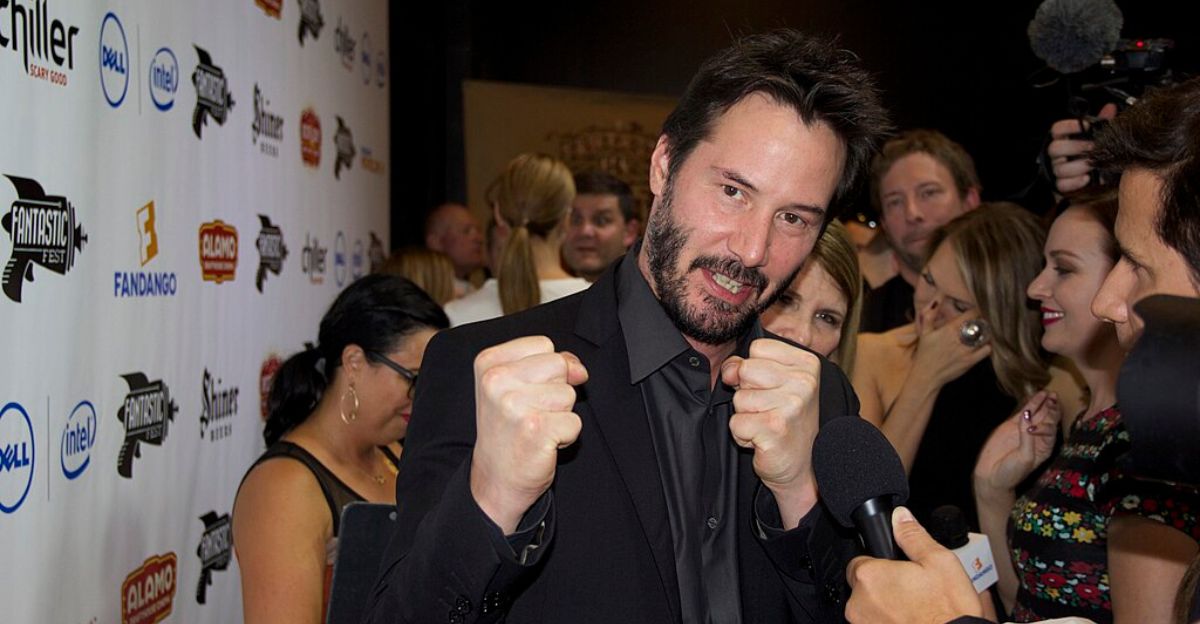
Rinsch’s key advantage was his relationship with Keanu Reeves, who had starred in “47 Ronin” and become an early supporter of the new project. Reeves invested in the show’s development and served as an informal mentor, lending credibility to a director otherwise short on commercial success. As Amazon and HBO expressed interest, Netflix moved aggressively, striking a total rights deal worth about $61.2 million. For a filmmaker with no proven hit, it was a remarkable endorsement that, in hindsight, opened the door to a disastrous chain of events.
From grand concept to $55 million ghost series
The project, eventually titled “Conquest,” entered production in 2018 with locations spread across multiple continents and a sprawling cast and crew. Over the next two years, roughly $55 million was spent. Yet no completed episode ever emerged.
Internal warnings began to surface. Memos cited by investigators described Rinsch’s mental condition as having “drastically decompensated.” By late 2019, the shoot in Hungary had fallen apart, large sections of the story remained unfilmed, and the schedule was in disarray. Vendors and crew across several countries, estimated in the hundreds, saw work evaporate, while local economies lost millions of dollars in expected spending.
Facing a collapsing production, Netflix chose to try to save the show. In March 2020, it transferred an additional $11 million to Rinsch as a rescue payment intended to stabilize the series and complete episodes. According to prosecutors, that payment would become the core of the criminal case.
Trading, crypto bets, and a luxury spending surge

Prosecutors say Netflix wired the $11 million with minimal financial controls: no escrow account, no milestone-based release of funds, and no real-time auditing of how the money was used. Court filings allege that Rinsch quickly diverted the rescue funds into a personal brokerage account, placing high-risk options trades on a biopharmaceutical firm and the S&P 500. Over roughly two months, he is accused of losing more than half of the money, even as he sent upbeat but false status reports to Netflix about the progress of “Conquest.”
By early 2021, the case materials state, Rinsch shifted the remaining funds into cryptocurrency. This time, the speculation paid off — at least temporarily. Prosecutors say he made tens of millions of dollars in gains, largely from trading Dogecoin, briefly transforming the leftover production money into a sizable personal fortune. Rather than restart filming, investigators allege, he embarked on a period of extravagant personal spending.
Court documents describe the purchase of five Rolls-Royce vehicles and a Ferrari, totaling about $2.4 million. Rinsch has argued that the cars were meant as props for the series, but an arbitrator rejected that explanation, noting that producers typically rent such vehicles and that no footage featuring them was delivered. Records presented in the civil arbitration and referenced in the criminal case also show spending of millions of dollars on furniture and antiques and hundreds of thousands on luxury watches and designer clothing, as well as extended stays at Four Seasons hotels.
A $439,000 mattress and civil court fallout
Among the most striking pieces of evidence introduced in related proceedings are receipts for two handmade Hästens Grand Vividus mattresses costing a combined sum of more than $638,000, including one priced at $439,900. When questioned, Rinsch claimed the ultra-luxury beds retained value. The arbitrator called the purchases “particularly unnecessary,” citing them alongside vehicle and designer-goods expenditures as incompatible with legitimate production needs.
By November 2020, Netflix had written off its entire investment in “Conquest” as a loss. In place of the expected 13-episode season, the company received only a coffee table book of behind-the-scenes photography. It then pursued a civil case. In 2024, an arbitrator awarded Netflix roughly $11.8 million in damages related to the diverted rescue funds, and a Los Angeles Superior Court judge confirmed the award. Yet filings in that matter described Rinsch as “indigent and unemployed.” Prosecutors say his cryptocurrency holdings, which at one point allegedly reached a value in the tens of millions of dollars, had plunged to around $68,000.
Criminal trial and questions for Hollywood’s future

The criminal indictment filed in March 2025 charges Rinsch with seven counts, including wire fraud, money laundering, and unlawful monetary transactions, carrying a theoretical maximum sentence of 90 years in prison if he were convicted on all counts. The trial, which began on December 2, 2025, is being overseen by U.S. District Judge Jed Rakoff in the Southern District of New York.
Rinsch’s defense has centered on his mental health, arguing that he was in a “state of psychosis” during the period when the Netflix funds were traded and spent, with his condition allegedly worsened by prescription stimulants and pandemic-era stress. His lawyers contend that his conduct reflected psychological collapse rather than a deliberate scheme to deceive.
Prosecutors have presented a different picture, pointing to intricate cryptocurrency transactions, methodical purchases of high-value goods, and a sustained pattern of reassuring but inaccurate updates to Netflix as signs of calculated financial misconduct. Testimony has come from senior Netflix executives, including Peter Friedlander, Cindy Holland, and Rochelle Gerson, as well as from Rinsch’s former wife and producing partner, Gabriela Rosés Bentancor, and a psychiatrist called as an expert witness.
Whichever way the jury rules, the case has already become a cautionary example within the entertainment industry. It highlights how, during the height of the streaming expansion, vast sums were sometimes committed to visionary projects with limited oversight. For studios and platforms now reassessing risk, the “Conquest” saga underscores the stakes of granting sweeping creative control without robust financial controls — and raises enduring questions about where the boundary lies between artistic ambition, personal collapse, and criminal responsibility.
Sources
U.S. District Court, Southern District of New York – Criminal Trial DocketCase filings, witness testimony transcripts, and court documents from the ongoing trial of United States v. Carl Erik Rinsch (December 2025)
Los Angeles Superior Court – Civil Arbitration ConfirmationRita Miller arbitration award ($11.8 million judgment) and Judge Maurice A. Leiter’s confirmation order (2024)
Netflix, Inc. – Corporate Filings and StatementFinancial disclosures, production write-offs, and official statements regarding the “Conquest” project
Federal Bureau of Investigation – Indictment and Case MaterialsMarch 2025 indictment detailing wire fraud, money laundering, and unlawful monetary transaction charges
Business Insider, Variety, Fortune, The New York Times – Trial CoverageDecember 2025 courtroom reporting, witness testimony accounts, and documentary evidence (mattress receipts, cryptocurrency transactions, luxury purchases)
Judge Jed Rakoff Courtroom Proceedings – Live Trial TestimonyDecember 2–10, 2025 witness statements from Netflix executives Peter Friedlander, Cindy Holland, and Rochelle Gerson; testimony from ex-wife and producer Gabriela Rosés Bentancor; expert testimony from psychiatrist Dr. John Mariani