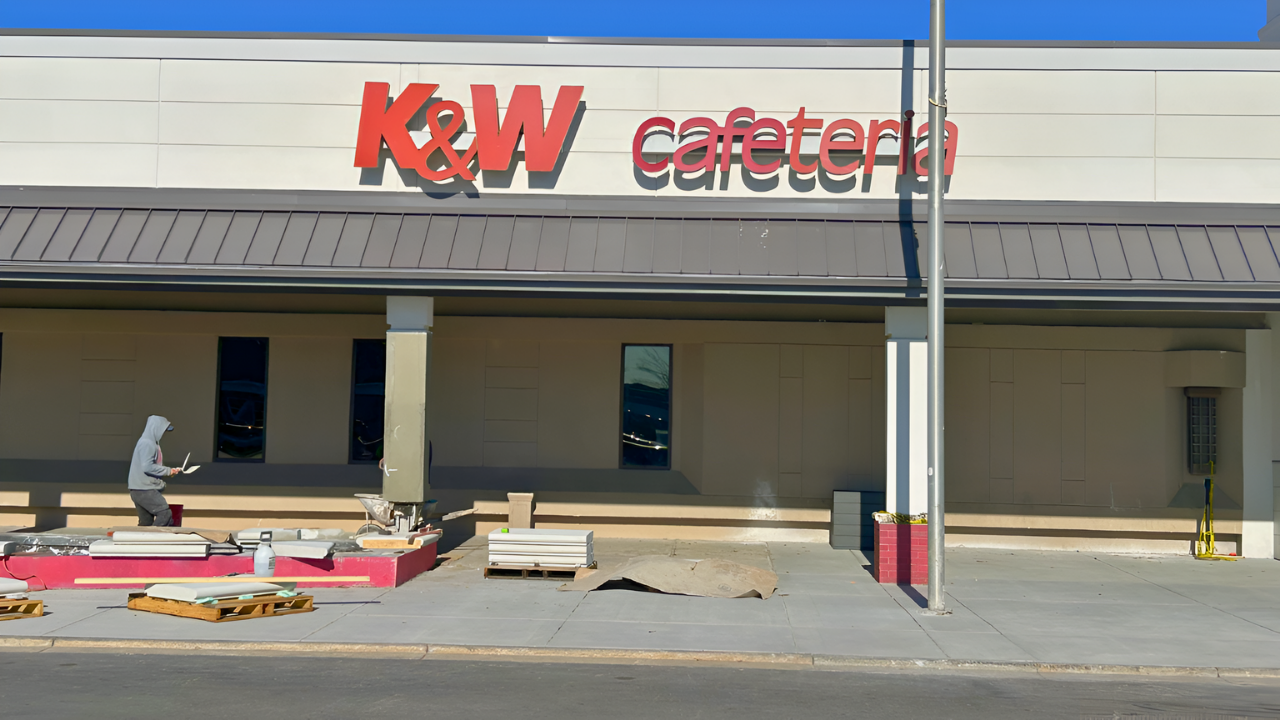
On a recent Monday morning, more than 300 K&W Cafeteria workers showed up for their shifts to find locked doors and a brief message on Facebook: after 88 years in business, the chain was closing for good. With no severance pay, no clear explanation, and just over three weeks until Christmas, one of the South’s longest-running cafeteria brands disappeared in a single day, exposing the mounting pressures reshaping the dining landscape in 2025.
An 88-Year Institution Fades Out
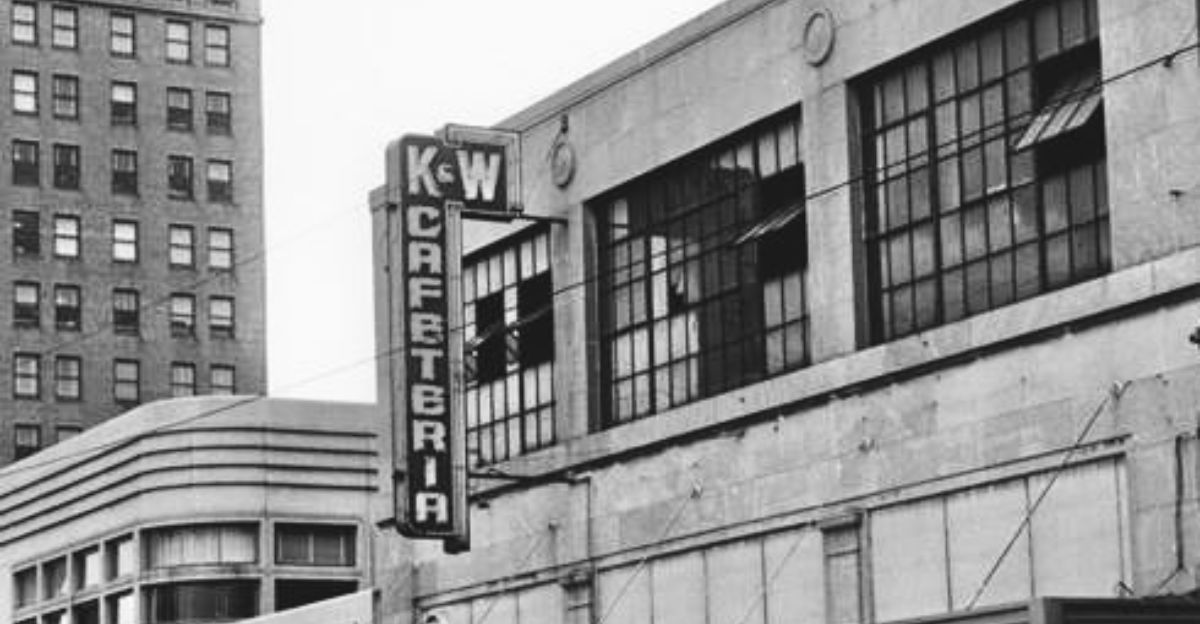
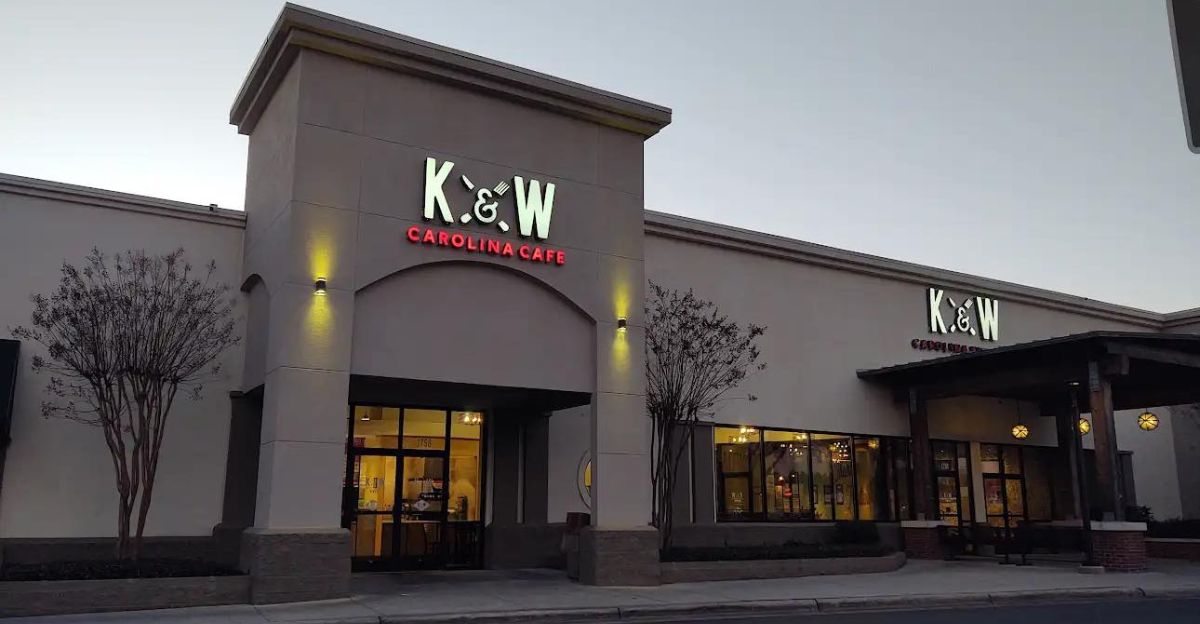
K&W’s story began in 1937 with the Carolinian Coffee Shop in Winston-Salem, North Carolina, launched by T.K. Knight and his brothers-in-law. Within a few years, ownership passed to Grady Allred Sr., who shifted the concept to a cafeteria line and pushed growth across the Carolinas and Virginia. By 2012, on the chain’s 75th anniversary, K&W had expanded to 35 locations, known for scratch-made dishes and regulars who passed the habit down through generations.
The business entered the 2020s already smaller and more fragile. By 2020, K&W operated 28 cafeterias with 1,035 employees. The model—large dining rooms, buffet-style service, and value-focused meals—relied heavily on a steady stream of dine-in guests, many of them seniors and families on fixed budgets. That formula had worked through the Great Depression, multiple recessions, and decades of changing food trends. It could not withstand the combined hit of a pandemic, rising costs, and a rapid shift toward off-premises dining.
Bankruptcy, Restructuring, and a Shrinking Footprint
The first major shock came in September 2020, when K&W filed for Chapter 11 protection with $30 million in assets and $22.1 million in liabilities. Pandemic restrictions and health concerns had gutted cafeteria traffic, and the company responded by trimming staff and closing locations. When K&W emerged from bankruptcy a year later, in September 2021, it had cut its workforce to 834 employees and reduced its footprint to 24 locations.
In August 2022, Texas-based Falcon Holdings acquired K&W, presenting the deal as a lifeline that would preserve jobs and stabilize operations. But the store count continued to fall. By December 1, 2025, only nine locations remained, averaging about 33 employees each. Internal restructuring and new ownership slowed the decline but did not reverse it. Sales data reflected a downward spiral: Technomic estimated K&W’s 2024 revenue at roughly $27 million across those remaining units, down 10% from the prior year, with another double-digit decline projected for 2025. With fixed costs mounting and traffic falling, the business became increasingly untenable.
Cost Pressures and a Changing Marketplace
K&W’s collapse mirrored financial pressures confronting restaurants nationwide. Labor costs, in particular, were eroding margins. The National Restaurant Association reported that by 2024, labor accounted for about 36.5% of sales at full-service operations, up from roughly 33% just a few years earlier. For K&W’s labor-intensive format—scratch cooking, cafeteria lines staffed throughout the day, and extensive cleanup—those increases hit especially hard.
Ingredient prices rose at the same time. According to industry surveys, more than three-quarters of restaurants faced higher food costs in 2024. For K&W, whose menu centered on fried chicken, baked casseroles, and pies made in-house, inflation translated directly into tighter margins. Raising menu prices too aggressively risked losing budget-conscious regulars; cutting quality or portion sizes could drive them away as well. The narrow space between those options left little room for profit.
Meanwhile, consumer behavior was shifting. By 2025, about 75% of restaurant orders were placed through drive-through, takeout, or delivery channels. Cafeteria-style operations built around shared utensils, communal buffet lines, and large dining rooms were at a structural disadvantage. Peers struggled too: chains such as Luby’s and Piccadilly saw sharp contractions in unit counts, and Old Country Buffet shut down entirely. K&W had limited digital infrastructure—no app-based ordering, no robust loyalty system, and only a basic social media presence—leaving it poorly positioned against tech-enabled rivals that could capture off-premises demand.
Sudden Closure and Human Fallout
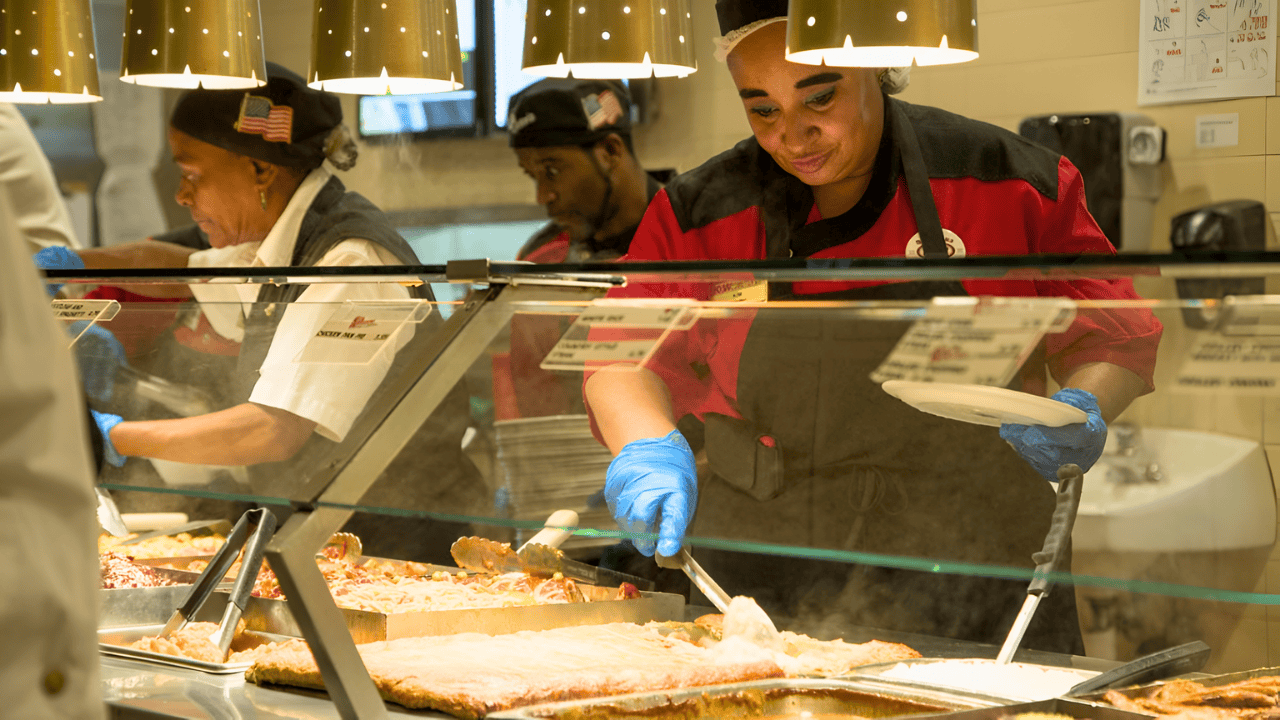
Against this backdrop, K&W’s final weeks were jarring. In early December 2025, the company issued a brief public statement, telling local television station FOX8 WGHP that it, like many operators, had faced “an extremely challenging operating environment.” The message did not mention any closure timeline and offered no concrete details about severance, final pay, or transition assistance.
Just weeks earlier, in November, the company had promoted $30 holiday gift cards, paired with free pie offers, and employees had worked through Thanksgiving anticipating continued employment. When doors were locked on December 1, there was no formal process to redeem recently purchased cards. Customers who had bought them as presents effectively lost their money, with small claims court as one of the few potential remedies.
Employees learned about the shutdown in abrupt and uneven ways. Some, like worker Marthia Liggins, were told they could briefly enter to gather personal belongings. Others discovered the closure only when they arrived for scheduled shifts. A general manager later told IBTimes that they had recently reassured staff about the restaurant’s future, only to realize those assurances were no longer true. Local officials emphasized the community impact: Greensboro’s mayor-elect noted that when a business ceases operations, the people on payroll bear the brunt of the damage.
The fallout extended beyond restaurant walls. Suppliers, delivery services, maintenance contractors, and farms that had served K&W for years abruptly lost a buyer, with no lead time to adjust. Economic research has shown that closures of this size can trigger additional job losses in connected businesses, often surpassing the number of workers directly employed by the shuttered company.
Legacy Brands in an Unforgiving Climate
K&W’s end came without a second trip through bankruptcy court. Unlike 2020, there was no Chapter 11 petition, no judicial oversight, and no formal path for employees, vendors, or gift card holders to make claims. The move pointed to straightforward liquidation, with Falcon Holdings likely focusing on selling real estate and other assets.
The chain’s fate underscored the broader strains in the business landscape. S&P Global Market Intelligence reported 655 corporate bankruptcy filings through October 2025, on pace for the highest annual total since 2010. Smaller employers with under 500 workers—like K&W at the end—were among the most aggressive in cutting jobs. At K&W alone, total employment plunged from 1,035 workers in 2020 to just over 300 at closure, a 71% decline over five years.
Analysts had warned that long-established operators relying on traditional formats and supply chains needed rapid modernization to survive. K&W’s limited digital tools, aging cafeteria concept, and price-sensitive core audience left it especially vulnerable to rising costs and shifting preferences. Its sudden disappearance, weeks before the holidays, illustrated how even long-lived regional institutions can unravel quickly when cost inflation, changing behavior, and slow technology adoption converge.
Looking ahead, K&W’s story offers a stark example of the choices facing similar operators. Chains tied to dine-in, buffet-style formats must adapt to off-premises demand, invest in digital systems, and redesign menus for an era of higher wages and ingredients—or risk following the same path. For hundreds of displaced K&W workers and the communities that relied on those jobs and gathering places, the closure is more than a business failure; it is a signal of how unforgiving the current climate has become for legacy dining brands.
Sources
S&P Global Market Intelligence. “Corporate Bankruptcies Nearing 15-Year High in 2025.”
National Restaurant Association. “2025 State of the Restaurant Industry Report”
Technomic Inc. (Ignite Database).
Appalachian State University Center for Economic Research and Policy Analysis.
Falcon Holdings LLC. Corporate website and corporate history documentation.