In May 2025, Stanley Black & Decker quietly pulled its most acclaimed tool line—the Craftsman V-Series—from 1,759 Lowe’s stores. Millions of DIYers and mechanics suddenly lost access to European-quality wrenches at bargain prices. The move wasn’t a simple product shuffle—it exposed strategic missteps, costly factory failures, and a heritage brand in decline.
Here’s what’s going on behind the abrupt disappearance of a line once called the company’s best offering.
The Timeline Nobody Expected
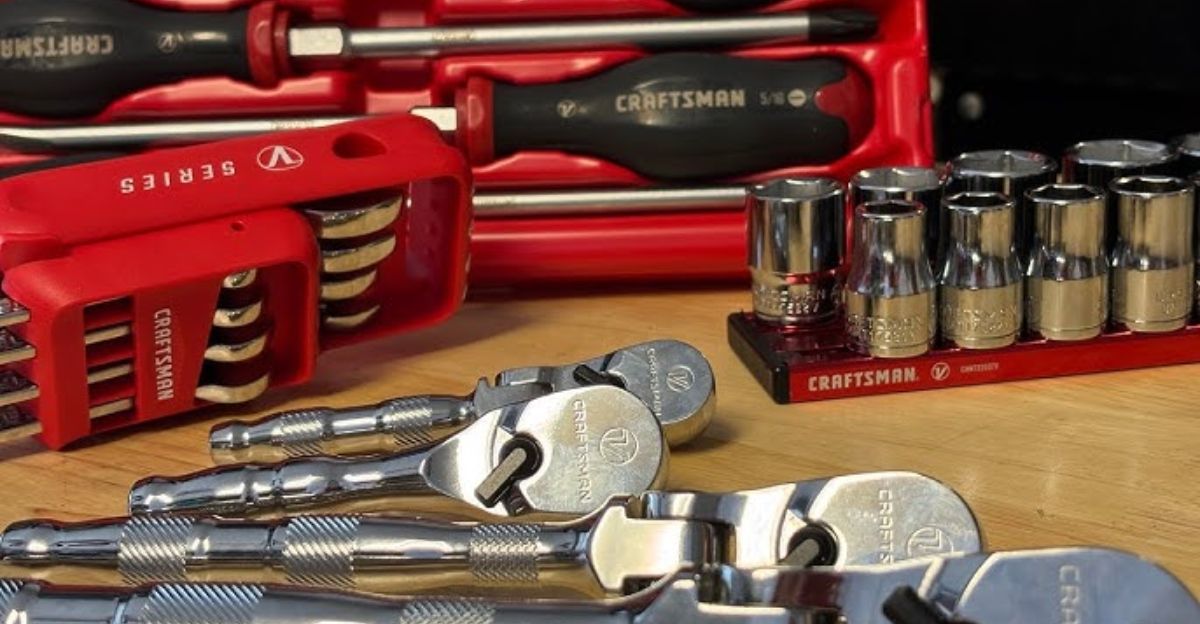
V-Series spent three years online before entering physical retail. Craftsman launched the line quietly in November 2021, testing the market for professional mechanics and budget-conscious DIYers. For three years, it remained digital-only, allowing Stanley Black & Decker to monitor demand and inventory carefully. Everything changed in October 2024.
Without major marketing, the line appeared in all 1,700+ Lowe’s stores with 75–80% discounts during the holiday season. ToolGuyd noted, “It’s either a blow out/liquidation or a massive push to generate interest… those prices seem to indicate that.” Within seven months, the strategy’s purpose became painfully clear.
The October Blowout: Strategy or Liquidation?
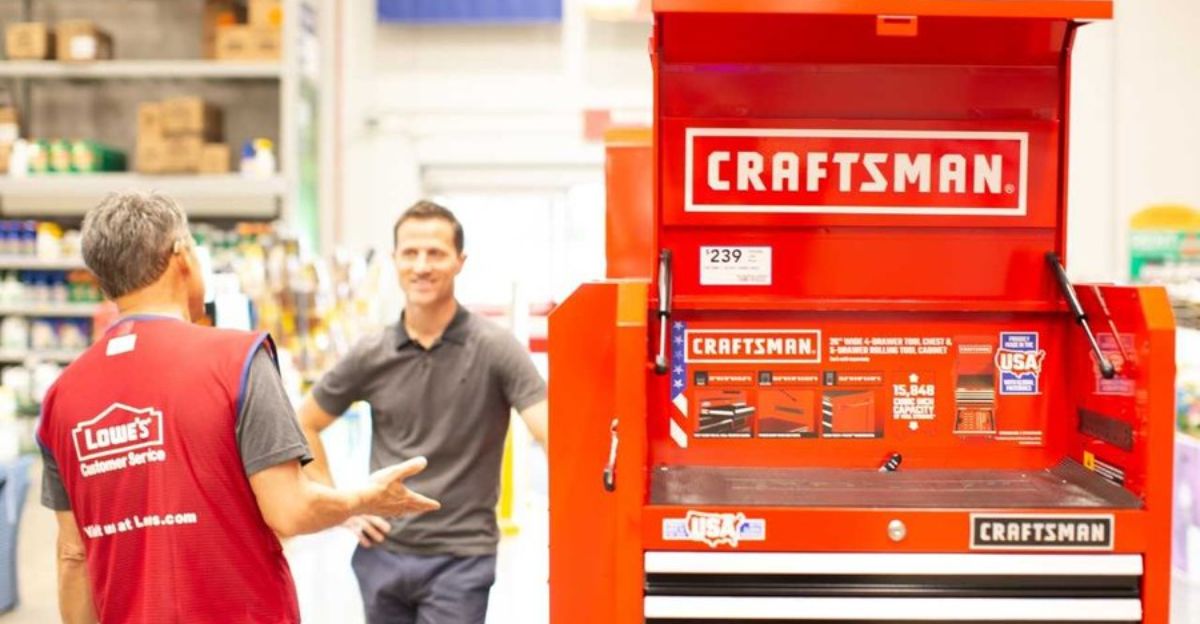
Launching V-Series in Lowe’s suggested months of preparation. Over 37,000 units of a single SKU (3/8-inch ratchets) were spread across 1,700 stores, averaging 22–40 units per location. Custom gift-center displays demanded extensive coordination. Yet within seven months, reorders ceased completely.
Estimates indicate $4.5–9 million in total inventory moved during this period. Analysts say the liquidation was planned, masked as a promotion. The “New Lower Price” signs concealed the line’s fate from consumers, selling a dying product under the illusion of opportunity. The scale raises questions about internal intentions.
The Acquisition That Started the Decline

SBD acquired Craftsman from bankrupt Sears in January 2017 for $900 million, inheriting a 90-year heritage brand with major market challenges. Promises included $300–500 million investment to grow Craftsman alongside DEWALT and Stanley, yet results were underwhelming: closures, discontinuations, and brand erosion followed.
The Fort Worth factory failure illustrates this decline. A $90 million “Made in America” facility never delivered, shaping strategic decisions that doomed premium lines. V-Series and Craftsman’s broader ambitions became casualties of mismanaged expectations, revealing that even significant capital cannot compensate for operational failures and lost consumer trust.
The Fort Worth Dream That Became a Nightmare
SBD announced a $90 million Texas factory in 2019 to restore American-made Craftsman tools. The facility promised 500 jobs and advanced manufacturing. By March 2023, only 175 employees remained, and 182 in South Carolina were cut, totaling 277 lost positions. The factory closed permanently.
SBD explained, “Technology that did not meet our expectations” combined with supply chain issues caused failure. Years of investment yielded unusable production lines, forcing strategic pivot. Without Fort Worth, Craftsman lost the foundation for domestic premium tools. V-Series, intended as a stopgap, now lacked a strategic purpose in SBD’s portfolio.
“We Endeavored to Make Craftsman Mechanics Tools in a New and Innovative Way”
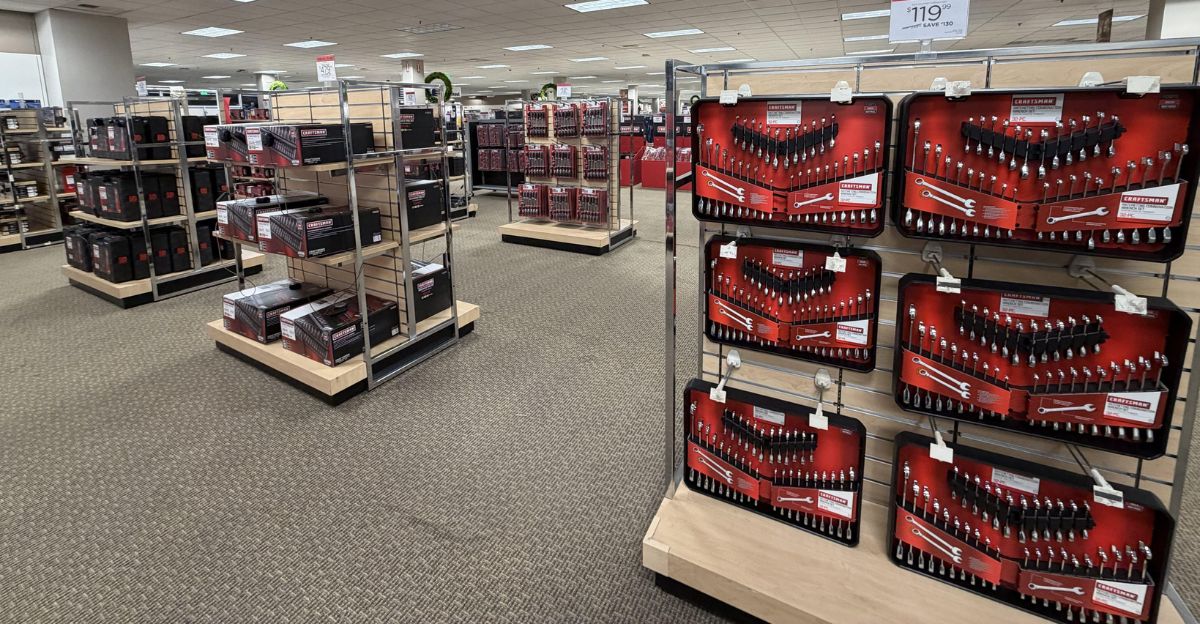
SBD’s July 24, 2023 statement admitted, “The events of Covid and supply chain challenges, coupled with technology that did not meet our expectations, resulted in the discontinuation of operations.” This wasn’t temporary—investment and innovation had produced unusable equipment.
Employees claimed “production problems were nearly solved,” yet SBD abandoned the project. Fort Worth’s closure eliminated domestic manufacturing as a strategic path. V-Series, meant to bridge to American-made premium tools, became stranded. The temporary solution transformed into a permanent strategic dead end, undermining the line’s credibility and long-term value.
The Cost-Cutting Imperative That Sealed V-Series’ Fate
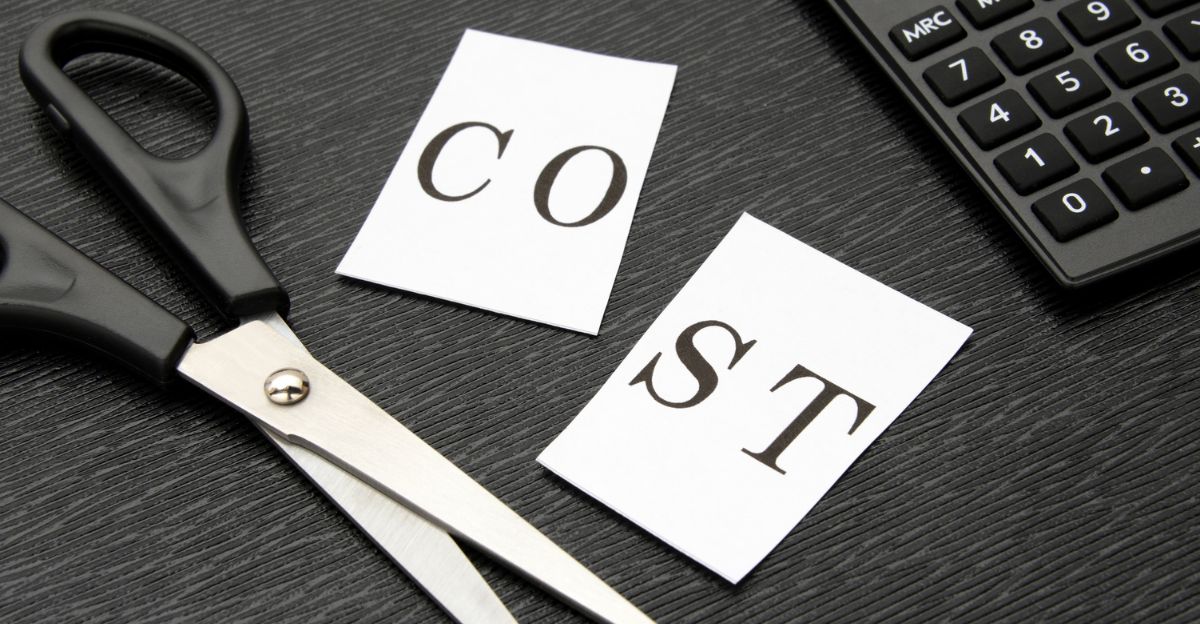
By 2024, SBD faced financial pressure demanding drastic cost reductions: $1.5 billion pre-tax savings in 2024, with $2 billion more expected in 2025. Within this framework, V-Series became expendable, requiring European supply chains, low-margin discounts, warranty obligations, and competing with SBD’s Facom brand.
Discontinuation solved multiple challenges: simplified logistics, recovered shelf space, and reduced inventory complexity. The decision was financial, not performance-driven. V-Series’ removal illustrates SBD’s broader focus on short-term savings over strategic brand building, showing how premium innovation is sacrificed under systemic cost pressures.
Warranty Promises Nobody Could Keep

Craftsman promised: “honor the V-series warranty with the next equal value Craftsman product,” ToolGuyd reported September 30, 2025. The problem: no equal exists. V-Series represented Craftsman’s highest quality, making “replacement” meaningless.
Trustpilot reviews in 2025 documented 22-minute hold times, 4–6 week claims, and retailer refusal to honor warranties. By discontinuing the line, SBD effectively nullified lifetime warranties. Consumers were left with broken promises and no recourse, undermining trust in Craftsman as a dependable brand.
The $150 Price Gap That Consumers Now Face
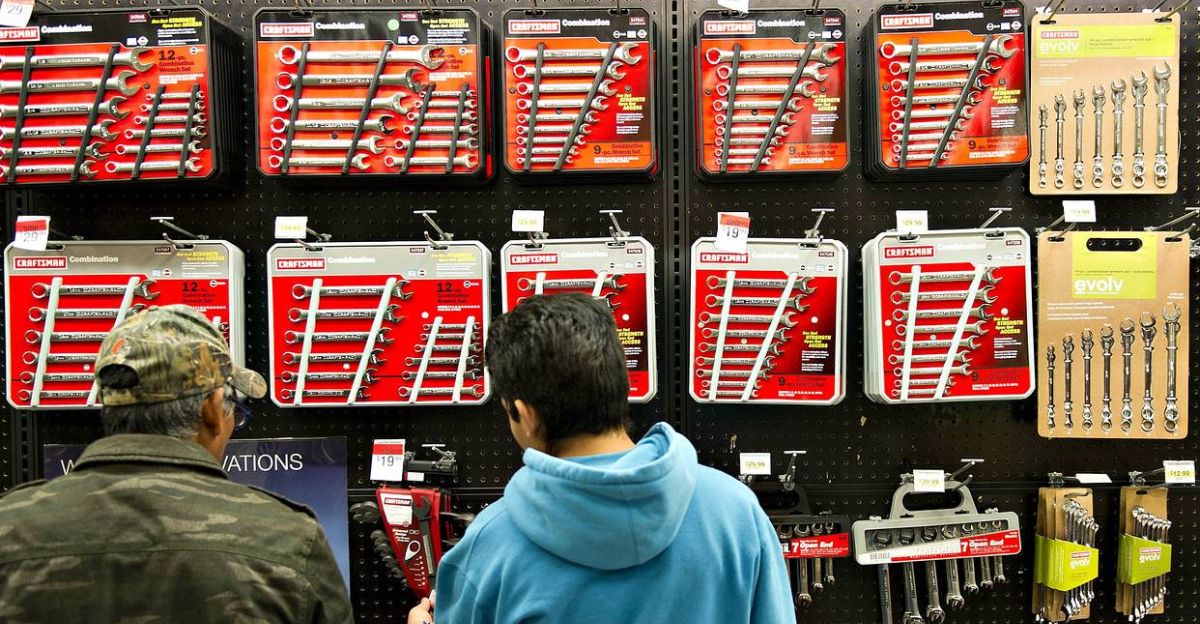
Holiday 2024 clearance sold a V-Series 12-piece wrench set for $30. Equivalent Facom sets now retail at $150—a fivefold increase. Millions of American DIYers lost access to premium tools at affordable pricing, the exact market V-Series had captured.
AutoWeek testing in January 2022 confirmed V-Series’ professional-grade durability. With no Craftsman alternative, the void remains unfilled. Budget-conscious mechanics now face either high-cost Facom upgrades or lower-quality options, forcing a market shift that undermines Craftsman’s credibility among loyal users.
Harbor Freight Just Replaced Craftsman as the Affordable Option

ToolGuyd observed on September 30, 2025: “Harbor Freight has replaced Craftsman as affordable tools that are reasonably well made and have a warranty you can count on.” The statement highlights reputational damage: Craftsman no longer occupies its historical value position.
The DIY market, $940.42 billion in 2024 and projected to reach $973.34 billion in 2025, increasingly favors private-label and imports. Heritage brands lose relevance as accessible, quality tools vanish. Harbor Freight fills the vacuum, leaving Craftsman struggling to maintain market perception despite decades of history.
1,759 Lowe’s Stores Losing a Product Millions Discovered

Discontinuation impacted all 1,759 Lowe’s stores by November 2024. During October 2024–May 2025, each store stocked 22–40 units of each V-Series SKU. This scale marked one of the largest coordinated product rollouts in Lowe’s history.
Yet this massive retail presence lasted just seven months. Was this failure or planned liquidation? Inventory data and discontinuation timing suggest a deliberate decision, not market rejection, raising questions about SBD’s internal strategy and long-term product planning.
Small Businesses and Professionals Face Tool Budget Crisis
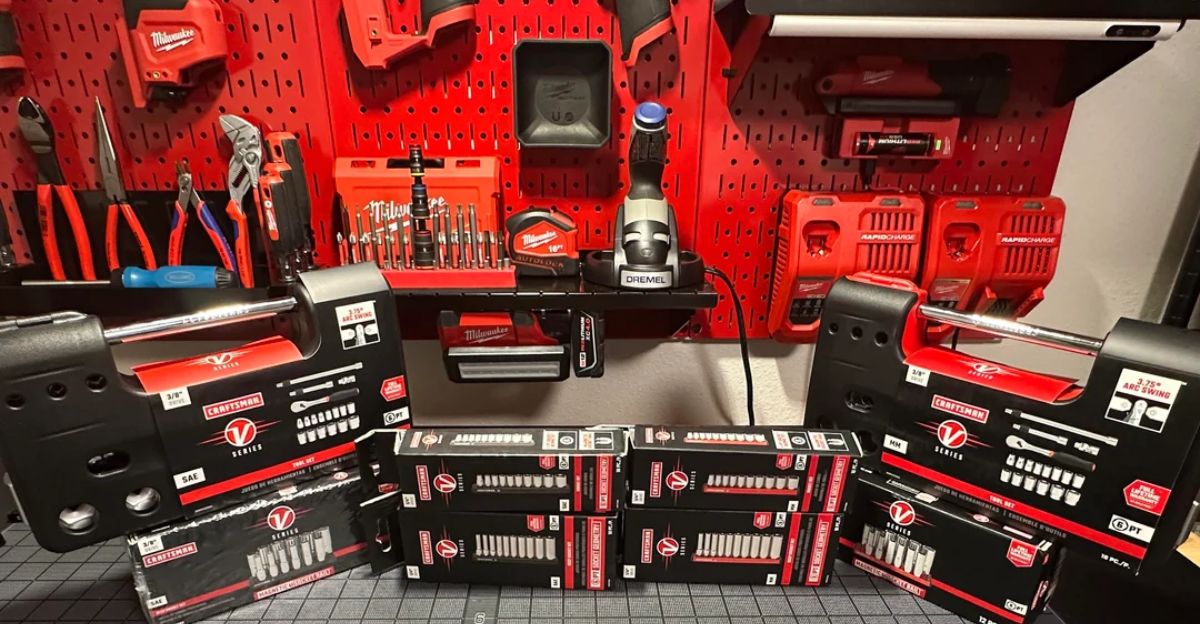
V-Series discontinuation disrupted supply chains for small shops, contractors, and apprentices. Affordable starter kits were replaced with expensive alternatives, increasing procurement costs by over $120 per set. Professionals depended on V-Series’ combination of quality and affordability.
Ace Hardware stores now face unsellable inventory and warranty obligations no one honors. Small businesses bear the brunt, absorbing price hikes and operational headaches. The loss highlights the broader impact of SBD’s product decisions beyond retail, affecting professional livelihoods.
The Supply Chain Irony: European Tools for an American Brand

V-Series sourced from Taiwan and France—the same factories producing Facom and USAG tools. SBD sold near-identical products under three brands at three price points: $30 for V-Series, $150 for Facom, and standard Craftsman lower still.
Without domestic production, the strategy became incoherent. V-Series was meant as a bridge to American-made tools. Fort Worth’s failure made sustaining a premium, affordable line impossible, exposing an internal cannibalization risk instead of a brand-building opportunity. Strategy conflicted with operational reality.
Why Did SBD Create V-Series If the Plan Was to Kill It?
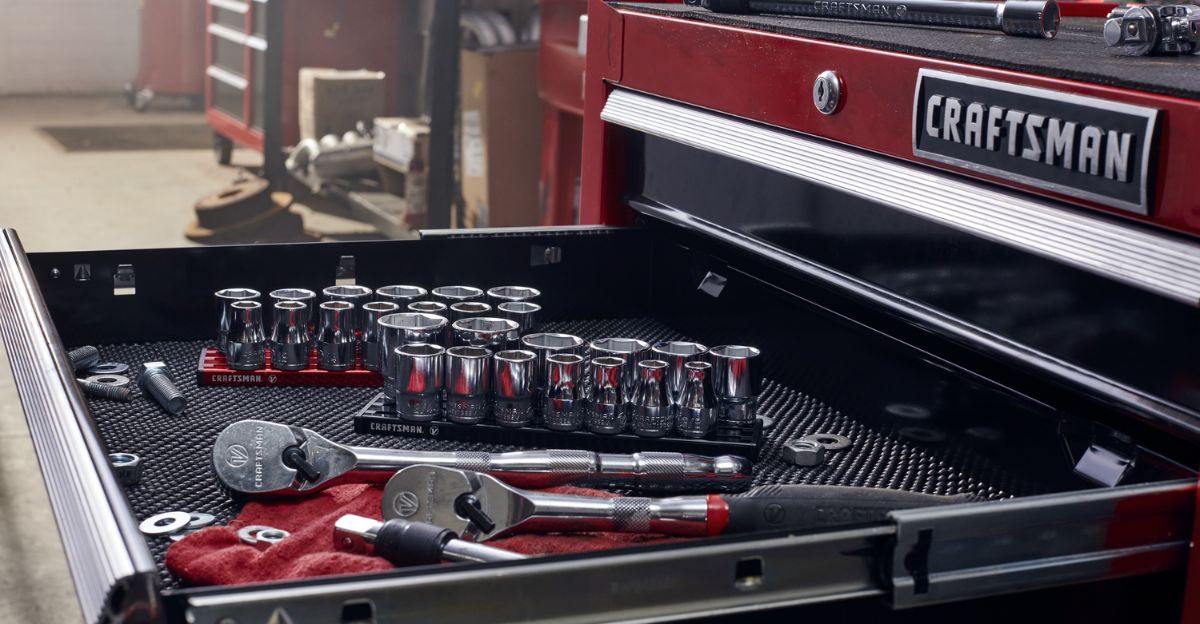
ToolGuyd reported on November 30, 2022: “Years of investment, and they just… gave up because they couldn’t get the machinery working properly.” V-Series was intended as a temporary stopgap until American-made tools scaled.
The Fort Worth collapse in March 2023 ended this vision. V-Series became stranded: unable to upgrade to domestic production, unable to compete downward. SBD’s remaining options were limited. The line’s disappearance was the predictable conclusion to a strategy undermined by operational failure.
The Warranty System Breakdown and Legal Exposure

Trustpilot reviews in 2025 revealed 22-minute hold times, 4–6 week claim processing, and inconsistent retailer support. Ace Hardware stores refused V-Series warranty replacements, citing internal policies. Legal ambiguity surrounds “next equal value” language.
Discontinuing before warranties reached peak failure effectively avoided obligations. Short-term cost reduction came at long-term reputational damage. Craftsman’s pattern under SBD has consistently prioritized liability reduction over customer trust, eroding the brand once known for reliable lifetime warranties.
The DIY Market Expands While Craftsman Contracts

The U.S. DIY market grew from $940.42 billion in 2024 to $973.34 billion in 2025—a 3.5% increase. Within this growth, Craftsman lost market share due to product discontinuation and brand erosion. Harbor Freight and European imports now dominate budget and professional segments.
Craftsman’s decline isn’t market-driven; it’s management-driven. $900 million acquisition, announced $300–500 million investment, and heritage brand status failed to translate into market success. Brand mismanagement, not demand, explains the current decline, leaving legacy consumers to navigate alternative options.
Sears’ Legacy Still Haunts Craftsman’s Present
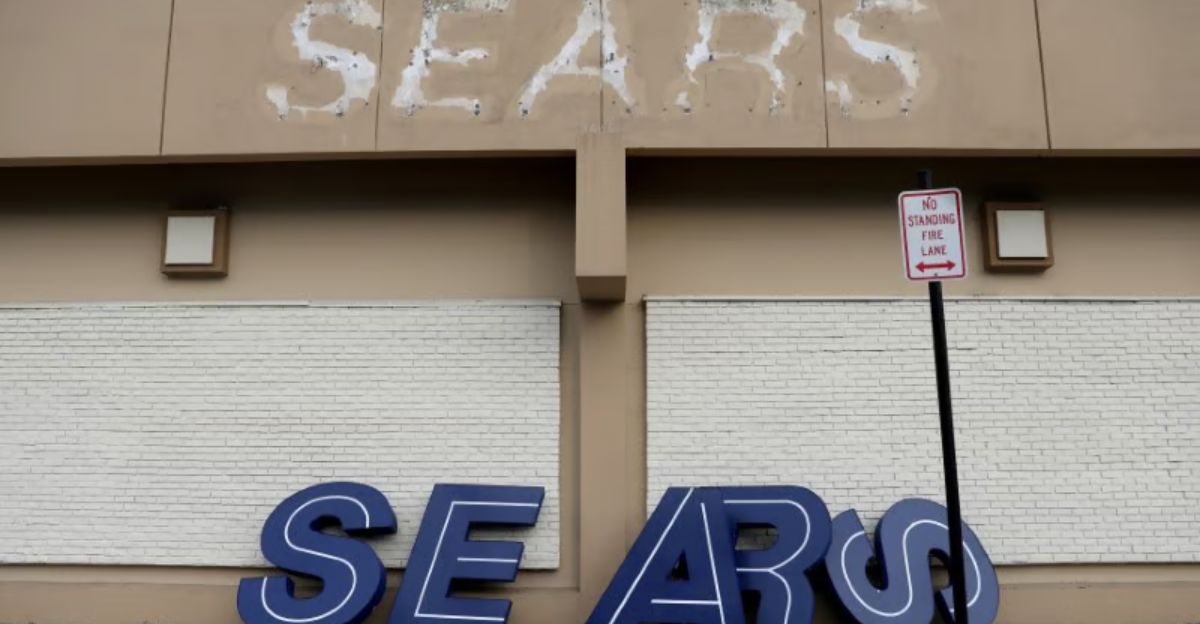
Sears’ 2018 bankruptcy left Craftsman weakened through decades of divestment and underinvestment. SBD acquired this asset in January 2017 for $900 million, inheriting not just tools but systemic dysfunction and lost consumer confidence.
LinkedIn analysis in December 2024 confirmed the damage: “The Craftsman brand SBD acquired was already damaged.” Eight years and nearly $1 billion later, strategic missteps and cost-cutting have accelerated decline, leaving the brand struggling to maintain relevance despite its storied history.
What Craftsman Lost When V-Series Disappeared
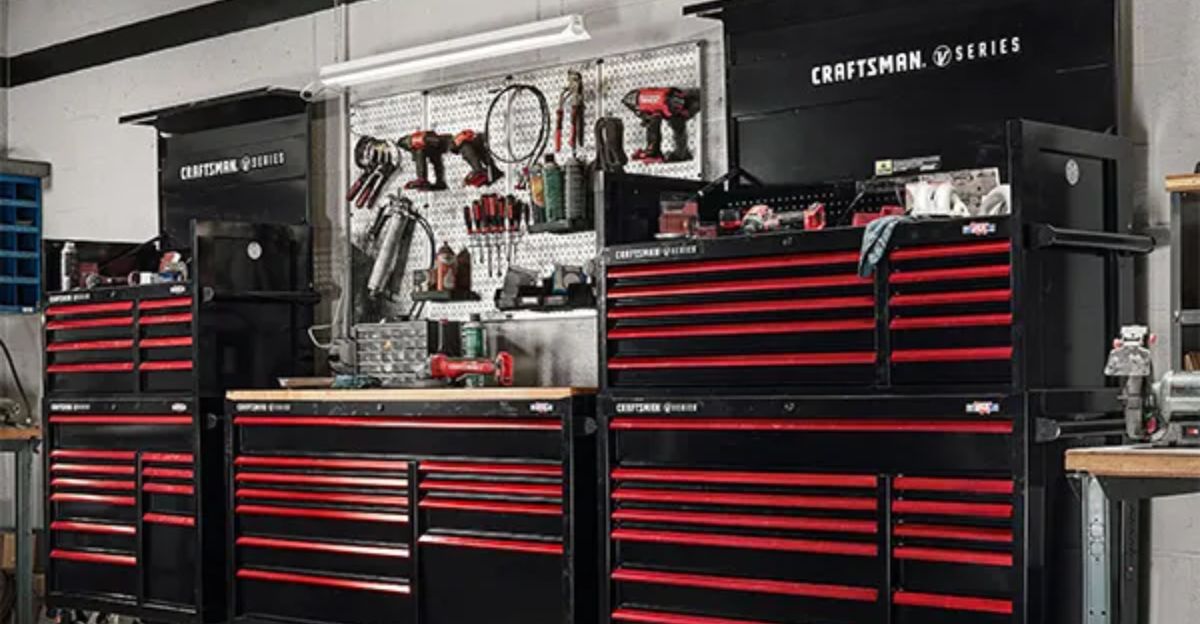
Discontinuing V-Series removed Craftsman’s foothold in the premium-quality, budget-pricing segment. Consumers face fivefold cost increases or inferior alternatives. Small businesses endure voided warranties and disrupted supply chains. SBD eliminates liabilities but erodes brand equity.
ToolGuyd warned: “The Craftsman warranty is worthless. Harbor Freight has replaced Craftsman.” This wasn’t just a product discontinuation—it signaled a permanent loss in competitive positioning and brand credibility in the DIY and professional tools market.
The Largest Tool Conglomerate Keeps Failing Its Most Iconic Brand
SBD controls DEWALT, Stanley, Craftsman, Facom, and USAG yet failed Craftsman repeatedly. Fort Worth factory collapse, V-Series discontinuation, and brand erosion illustrate prioritization of cost reduction over brand restoration.
SBD’s 2018 Tools & Storage segment reported $9.814 billion revenue with 15.6% margin. Current performance demands $1.5–2 billion cost savings, making Craftsman a struggling asset. The removal of premium lines follows logically—but the long-term damage may outweigh short-term gains.
What Comes Next for Craftsman and DIY Consumers?
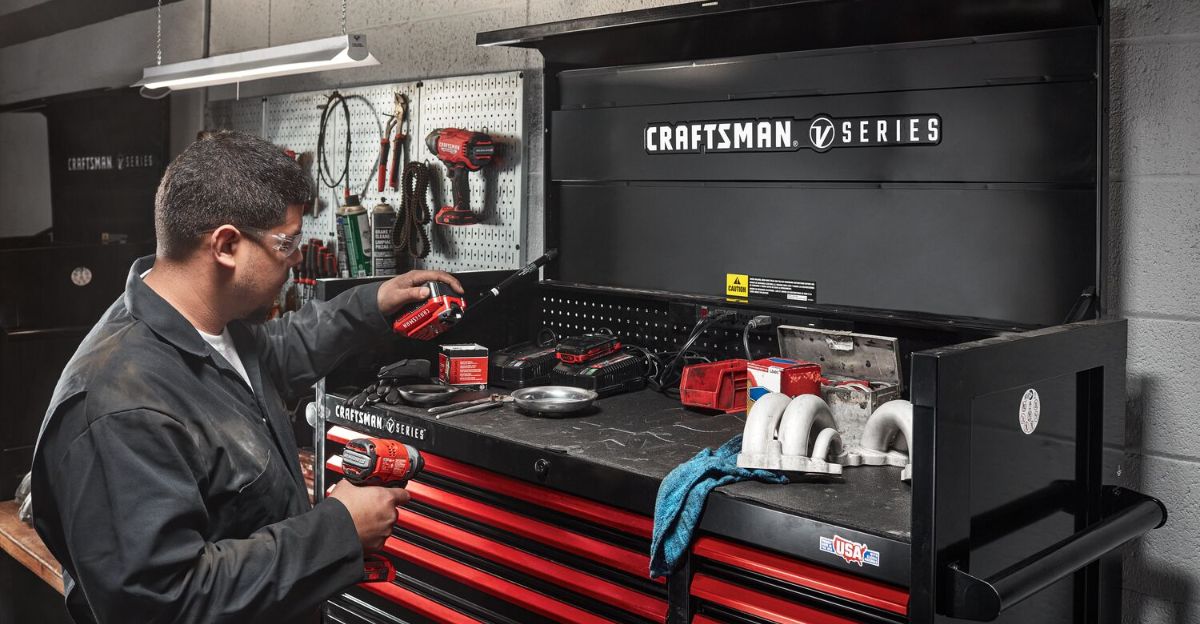
V-Series’ disappearance ends Craftsman’s brief moment competing on quality. Consumers face Harbor Freight, costly European imports, or declining standard Craftsman tools. SBD focuses on cost reduction and simplified portfolios, not product revival.
Professional mechanics and serious DIYers see a clear message: Craftsman’s warranties are meaningless, premium lines vanish, and quality has eroded. The brand’s decline under SBD is a cautionary tale about heritage brand management under corporate conglomerates.
SOURCES
ToolGuyd Staff, “Craftsman Discontinued their Best Hand Tools,” ToolGuyd, September 30, 2025.
Stanley Black & Decker Annual Report 2018, SEC Filing, 2018.
Analyst Coverage on Stanley Black & Decker, Investor Relations, September 5, 2024.
“United States DIY (Do It Yourself) Tools Market Size, Growth Report, 2024-2033,” Business Research Insights, November 23, 2025.
“Sears Bankruptcy 2018: A Look at Retailer’s Rise and Fall,” USA Today, October 10, 2018.
“SEARS: What Happened?” LinkedIn Analysis by Paul Fioravanti, December 15, 2024.