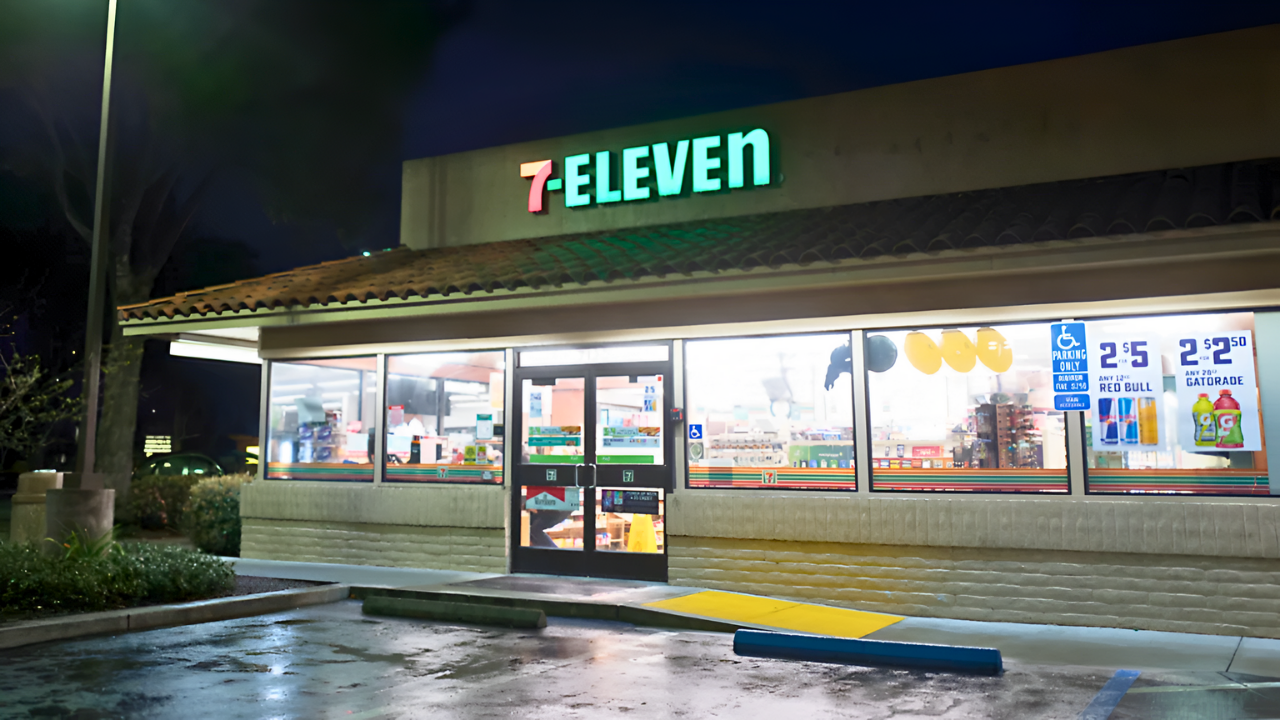
The corner glow, the 2 a.m. snack run, the grab-and-go coffee before work—7-Eleven isn’t just a store, it’s part of how America moves through the day. One night, you pull up, and the gates are chained.
No warning. No goodbye. Just dark. That sudden silence on the corner isn’t a fluke; it’s the first visible crack in a much bigger shift reshaping convenience as we know it.
A Wave of Closures Few Saw Coming
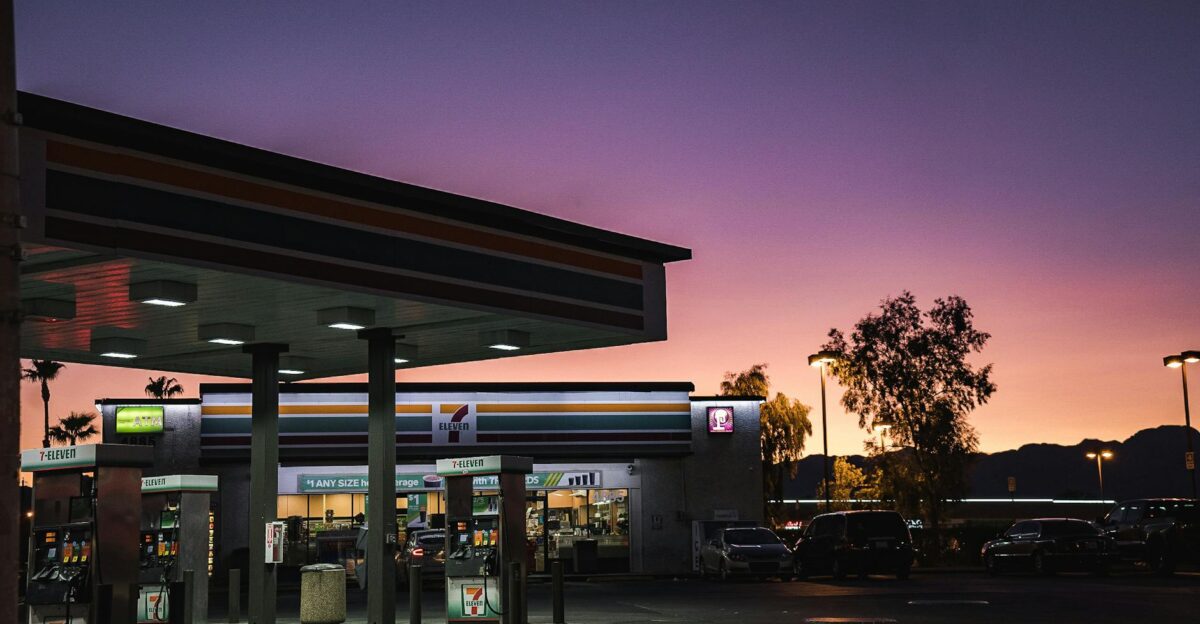
Behind those darkened windows is a startling number: hundreds of 7-Elevens shut down in just a short span. Closures are dramatically outpacing openings, signaling something more profound than typical business adjustments.
This isn’t a bad quarter; it’s a turning point. The company is quietly folding a whole era of convenience stores, and the scale suggests the old playbook no longer works.
When Inflation Hits the Snack Run

Now, follow the money straight into people’s pockets. Inflation has hit lower-income households hardest—the very customers who rely most on convenience stores. When rent, groceries, and utilities jump faster than paychecks, the first things to go are impulse buys: the extra coffee, the energy drink, the late-night chips.
Fewer small, frequent purchases mean fewer visits. For a business built on volume and frequency, that shift is brutal.
The Fuel Pump Was Never the Star
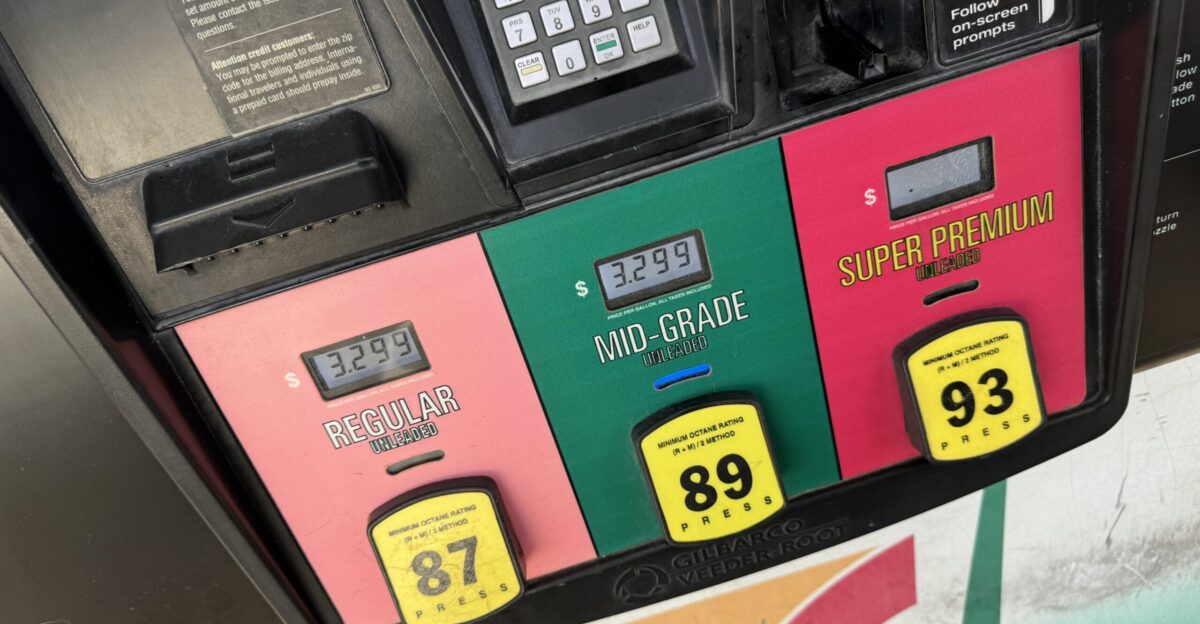
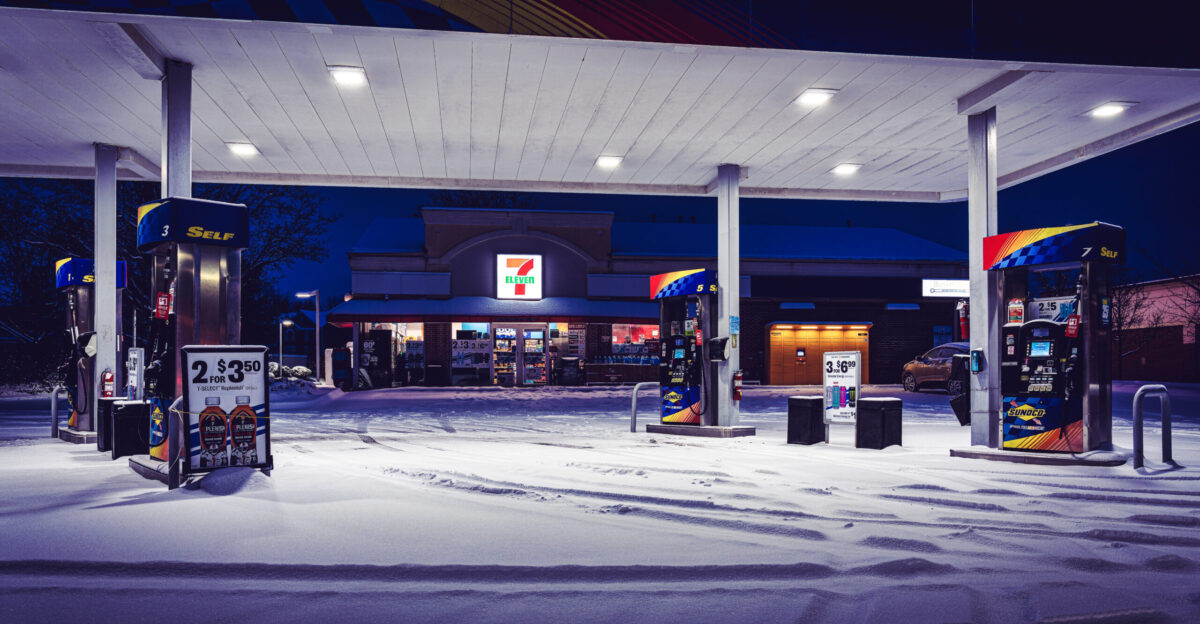
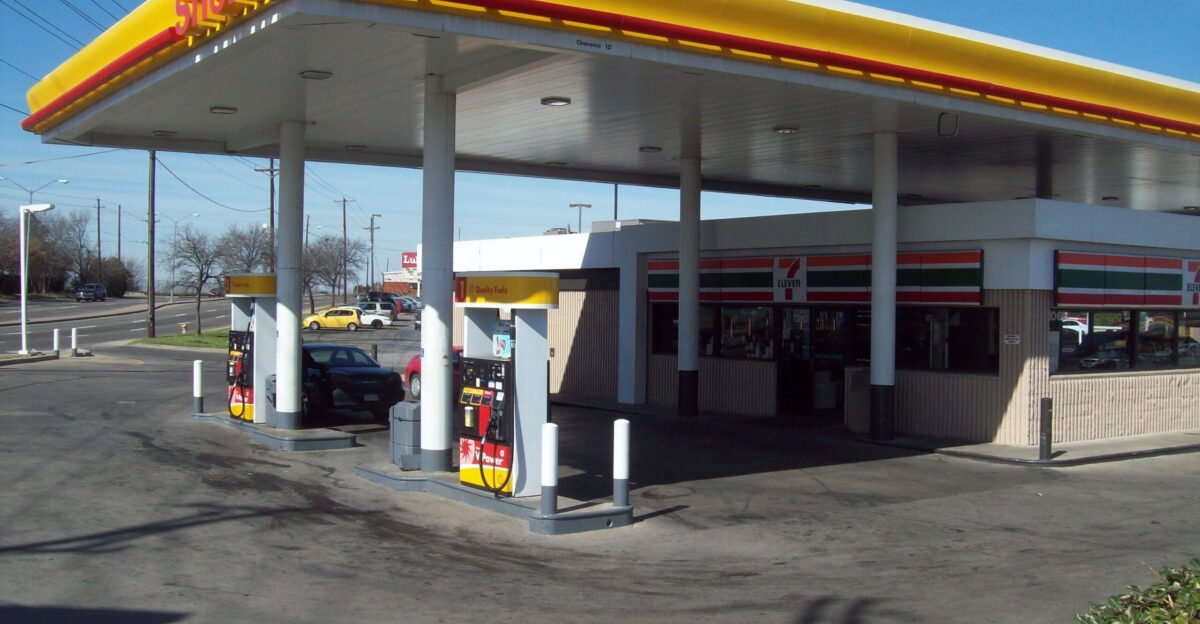
For decades, the idea was simple: lure drivers in with gas, then tempt them inside. The pump out front felt like the star of the show. But step back, and you see what changed—customers aren’t coming mainly for fuel anymore. They’re coming for food, drinks, and quick solutions to hunger and thirst.
The old “gas-first” logic is cracking, and stores designed around it are suddenly misaligned with modern habits.
What Happens When Habits Outgrow the Model
Think about how often you actually refuel your car—maybe a couple of times a month. Now compare that to how often you want coffee, snacks, or a quick bite—several times a week. The real magnet isn’t gasoline; it’s everyday cravings.
The trouble is that many stores were financially and physically built assuming that gas would remain the main draw. As habits outgrow that model, its weaknesses are exposed.
The Traffic Engine That’s Disappearing
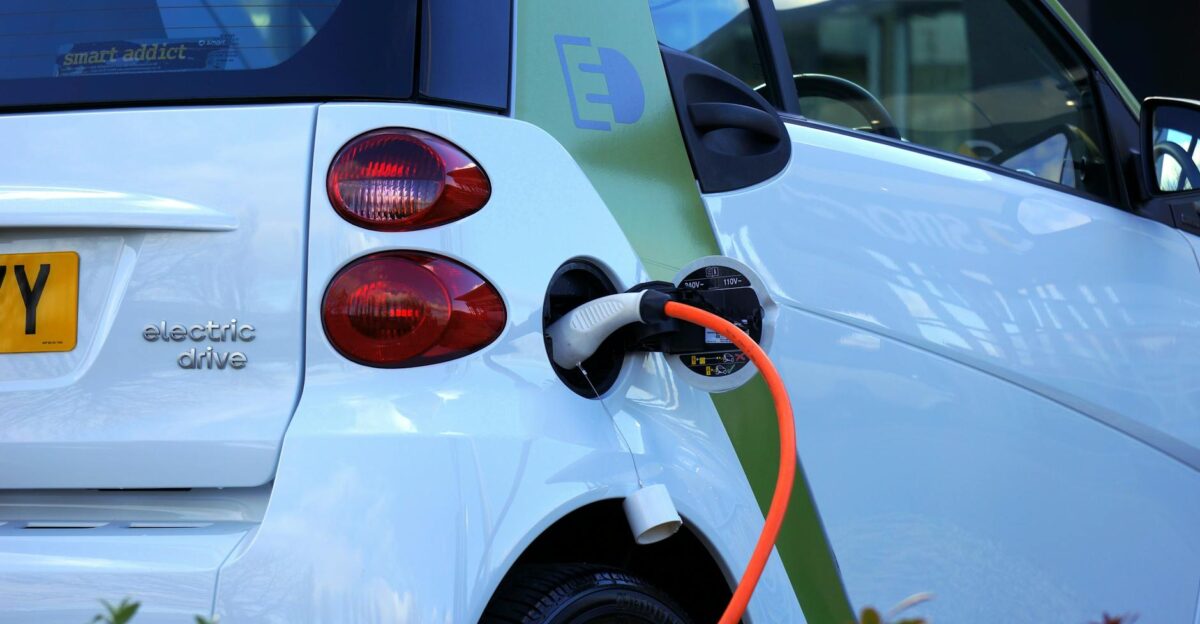
Now fast-forward fifteen years. Electric vehicles continue to gain ground, and some locations may see a dramatic decline in gasoline demand. Fewer cars at the pump means fewer automatic visits, and the “gas-as-anchor” formula starts to crumble.
A convenience store without steady fuel traffic becomes vulnerable in ways it never was before. The category isn’t just changing at the edges; its core traffic engine is slowly being unplugged.
When Cigarettes Stop Carrying the Store

Add another slow-burn problem: cigarettes. For years, they were a profit powerhouse and loyalty driver. Sales have been sliding, with no clear replacement emerging. That high-margin category once helped make the math work for many marginal locations.
As cigarette volumes decline, stores lose yet another pillar supporting the old economics. Fuel weakens, cigarettes shrink—and suddenly the traditional convenience formula looks dangerously hollow.
What a Closure Really Means on the Ground
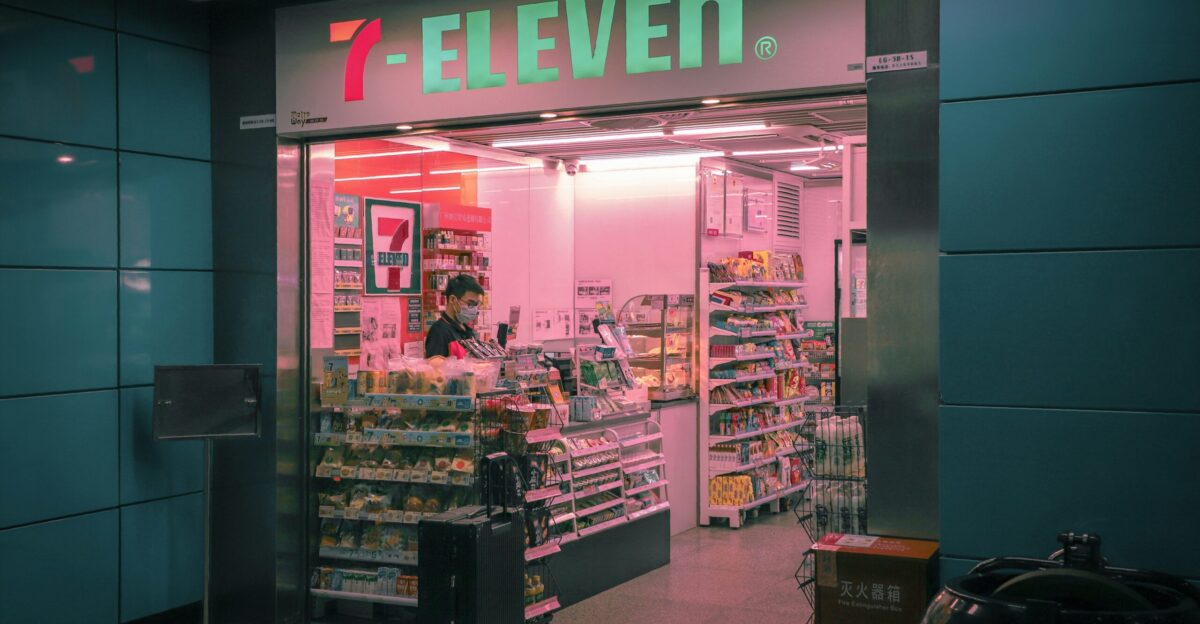
Corporate language refers to them as “underperforming locations.” On the street, it looks different. A single store closing in a working-class neighborhood can mean longer walks for milk and bread, higher bus fares to reach basics, and fewer affordable hot meals outside the home.
Jobs disappear. Familiar faces behind the counter vanish. What feels like a spreadsheet decision in a boardroom becomes a daily inconvenience—and sometimes a hardship—for real people.
How Can a Chain Close Hundreds and Still Grow?
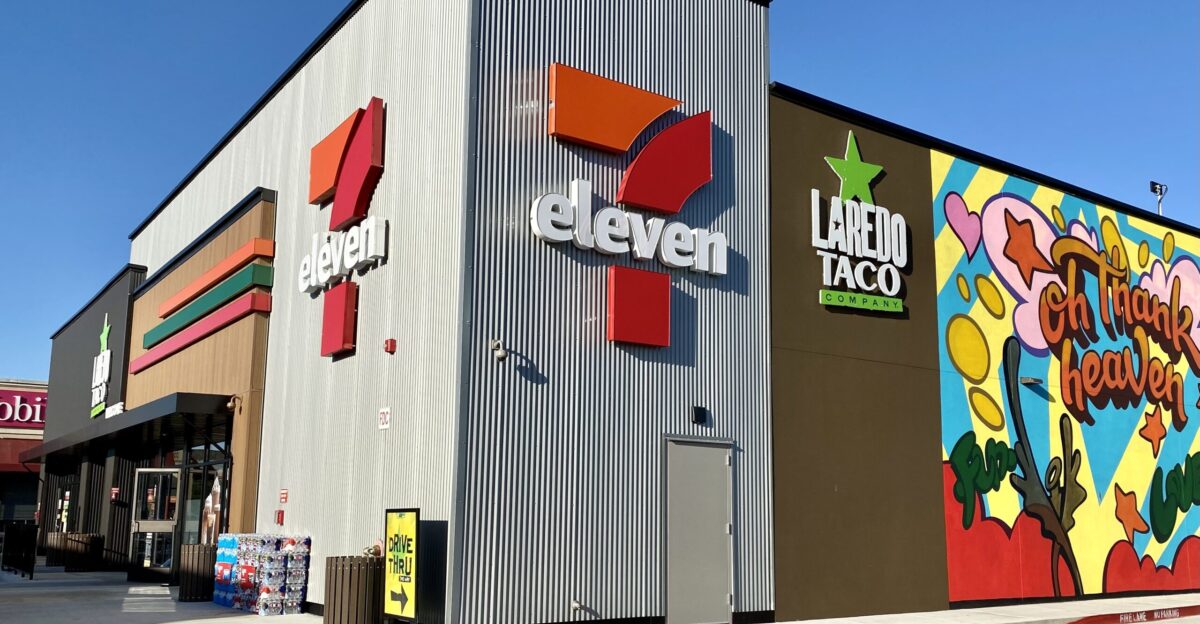
Here’s where the story takes a surprising turn. While closing hundreds of stores, 7-Eleven is also planning to open hundreds more. It sounds contradictory until you see the strategy: this isn’t retreat, it’s replacement.
The company is pruning an old model to fund a new one. Instead of doubling down on aging, gas-first locations, it’s redirecting investment into stores built for a completely different kind of convenience.
Bigger, Brighter, More Food
Step inside one of the new “food-forward” formats and it feels less like a corner store and more like a compact restaurant. There’s more space, seating, open kitchens, and increasingly, EV chargers outside. These locations are designed to be destinations, not afterthoughts.
Early numbers show higher sales and heavier foot traffic. The message is clear: when the store upgrades its role in your day, customers respond.
Why Food Is Becoming the Real Engine
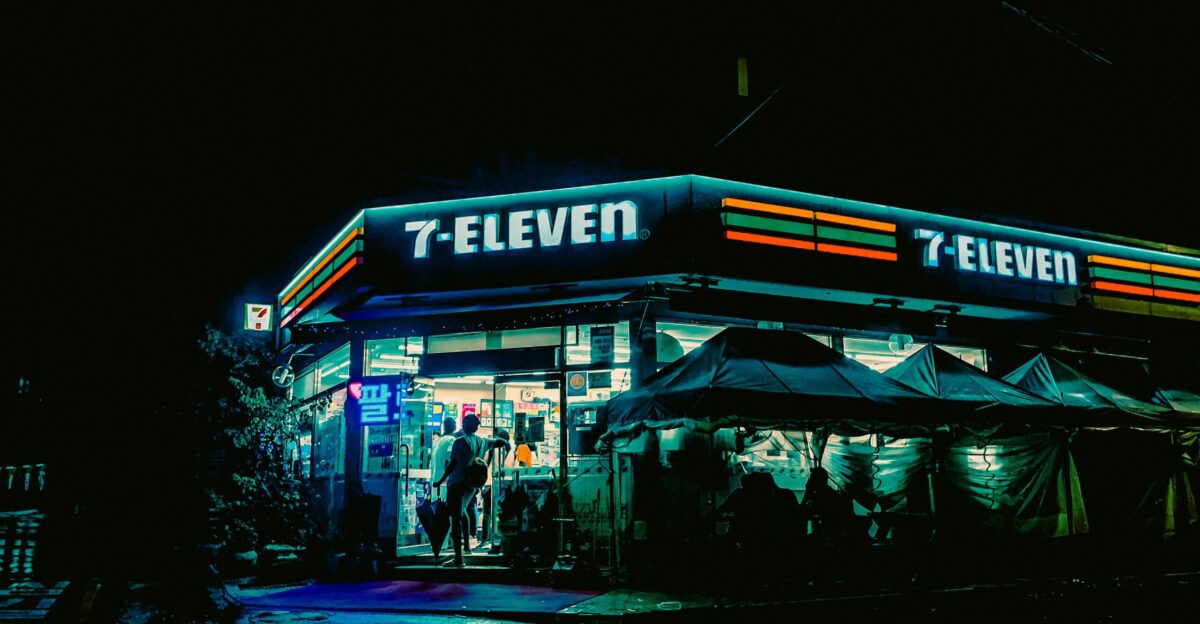
Follow the profit, and you land squarely in the prepared food sector. Across the industry, hot meals, fresh snacks, and made-to-order items are outpacing other categories. Food now accounts for a disproportionate share of in-store profits.
This is where convenience stores can compete directly with fast-food chains—and sometimes win. The new 7-Eleven strategy is simple at its core: if food drives the future, then the store must behave more like a restaurant than a gas stop.
Learning from Japan’s Convenience Store “Magic”

To understand the vision, look to Japan, where 7-Eleven has spent decades perfecting high-quality, ready-to-eat food. Bento boxes, sandwiches, salads—carefully crafted, obsessively refined. The new leadership wants to import that philosophy directly into North America.
That means treating food as the star, not a sideline. Think less “grab whatever’s on the roller grill” and more “I’m actually craving what they make there.” That’s a radical shift in identity.
Convenience Without Leaving the Couch
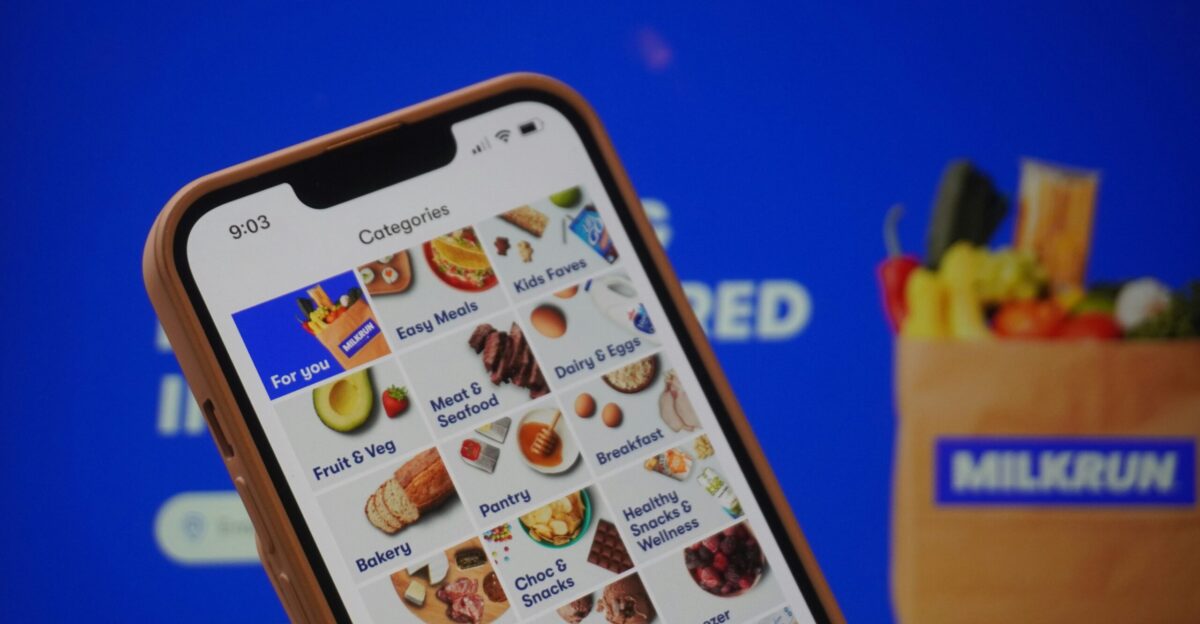
But the reinvention doesn’t stop at the door. The idea of convenience is stretching beyond four walls. Through rapid delivery apps, 7-Eleven wants to meet customers where they are—in living rooms, offices, or hotel rooms—often faster than a quick drive could.
If a store can reach half the population virtually, the role of that old corner location changes again. Physical retail becomes one access point among several, not the only gateway.
The High-Stakes Test Coming Next
All of this transformation comes with a heavy price tag and serious scrutiny. Profit forecasts have been reduced as the company invests in remodeling, rebuilding, and repositioning its operations. Soon, North American operations are expected to stand on their own in public markets. When that happens, investors will dissect every number: food sales, closure rates, and new-store performance.
The question is no longer whether change is needed—but whether this particular reinvention can pay off quickly enough.
What This Means for Your Late-Night Stop
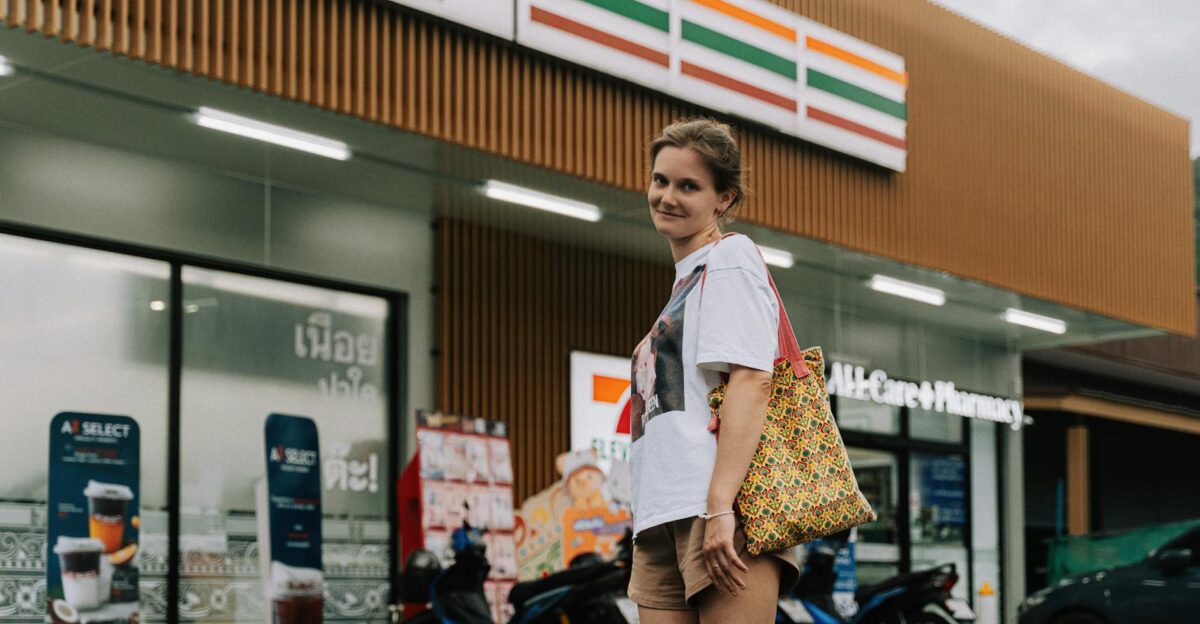
So, where does this leave your neighborhood 7-Eleven? Some familiar locations will disappear and never return. Others will be reborn in different parts of town—bigger, more food-centric, more polished, catering to a slightly different customer.
For those with options, it may feel like an upgrade. For communities losing their only nearby store, it’s another erosion of everyday access. In the end, convenience is being redefined—and not everyone will benefit equally.
Sources:
“7-Eleven to close 444 US stores by end of the year” – USA Today
“7-Eleven to open over 600 stores under new design by 2027” – Retail Dive
“‘Transformation of 7-Eleven’ includes opening 1,300 new U.S. convenience stores” – CSP Daily News
“U.S. Convenience Store Sales Hit $860 Billion” – NACS
“C-Store Foodservice Delivered Exceptional Growth in 2024” – NACS