
When Buckingham Palace released King Charles III and Queen Camilla’s 2025 Christmas card, the image was meant to mark a royal milestone. Instead, it ignited an online debate over what a seasonal greeting from the monarchy should look like in the modern era. The photograph, taken months earlier during a spring state visit to Rome, was quickly labeled by critics as lacking any sense of December or Christmas, raising questions about tradition, symbolism, and public expectations of the royal family.
Springtime Scene, Winter Message
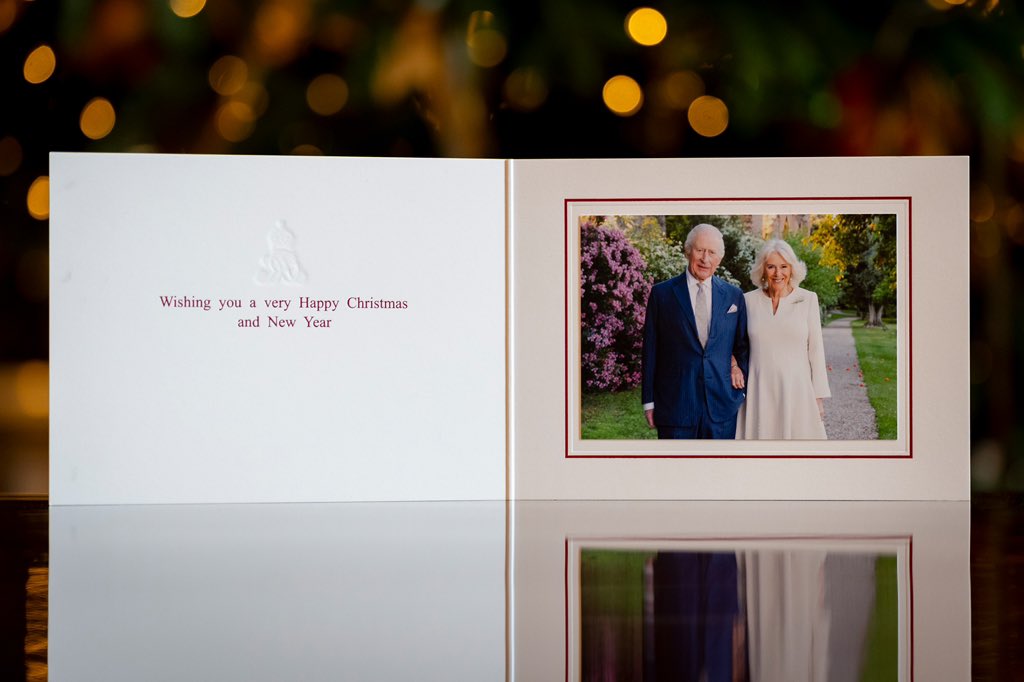
The card, unveiled in early December, featured King Charles and Queen Camilla standing in the gardens of Villa Wolkonsky, the British ambassador’s residence in Rome. Lush greenery and blooming plants framed the couple, with the King in a dark blue suit and the Queen in a cream dress by designer Anna Valentine. The setting dated back to their April state visit to Italy, rather than a winter engagement or seasonal portrait.
For many royal followers, the vivid spring backdrop clashed with the timing of its release. The image appeared out of step with the usual visual cues associated with Christmas cards, which often lean on wintry scenes, indoor decorations, or explicitly festive details. The choice of a previously seen diplomatic photograph, rather than a new image taken closer to December, sharpened the sense that convention had been set aside.
Personal Milestone, Public Backlash
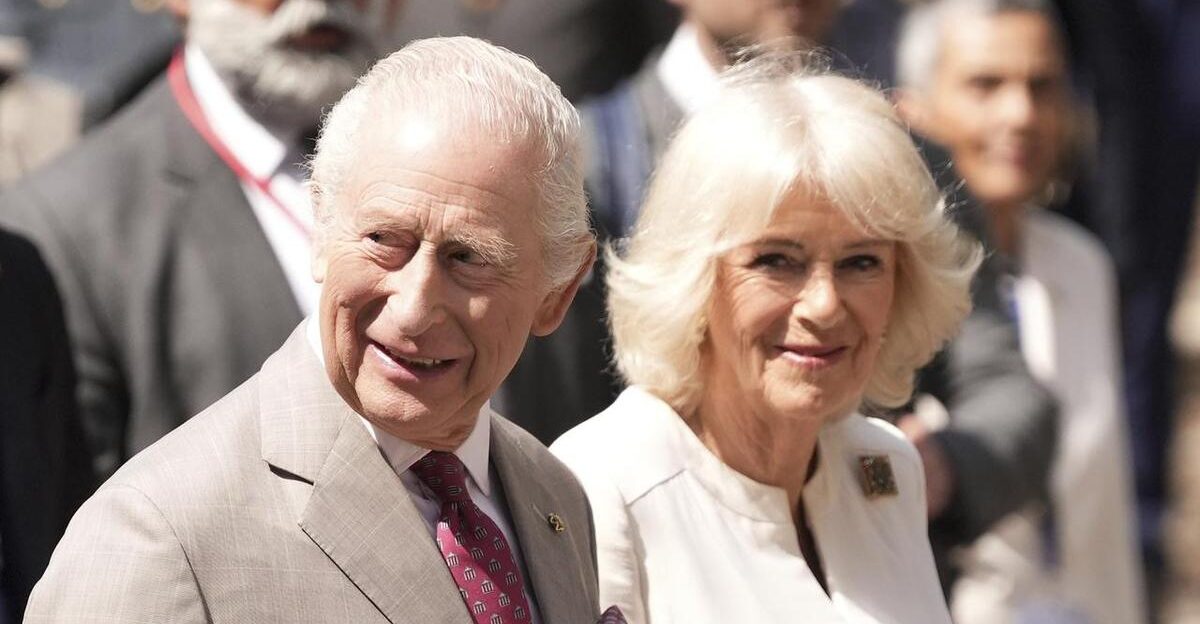
The photograph carried personal meaning for the royal couple. It was taken during the same trip that marked their 20th wedding anniversary on 9 April 2005, and Buckingham Palace highlighted that milestone when sharing the card on 7 December. The card therefore doubled as a celebration of two decades of marriage and a seasonal greeting.
That dual purpose soon became part of the controversy. Online commentators questioned whether an image so rooted in a private anniversary was the right choice for an official Christmas card sent on behalf of the monarch. One social media user, quoted by Geo.tv, expressed frustration that royal holiday cards were no longer themed around Christmas and instead relied on “a random picture” already in circulation. Others asked why a more traditional winter backdrop had not been chosen, especially given the large audience for royal cards, which go out to staff, diplomats, charities, and long-standing associates.
Queen Camilla’s jewelry added another layer of symbolism. She wore a Lily of the Valley brooch, a flower associated with love, purity, and renewal. The white color also evoked porcelain, the material traditionally linked to 20th wedding anniversaries. While those details underlined the romantic and commemorative aspects of the image, they did little to answer critics who felt that festive elements were missing.
Historical Precedent And Palace Pushback
Despite pointed remarks on platforms such as X and Instagram, the backlash remained relatively contained. Discussion largely circulated within royal-watching communities rather than breaking into the wider public conversation. The card did not become a major trending topic, and criticism, while sharp in tone, was limited in scale.
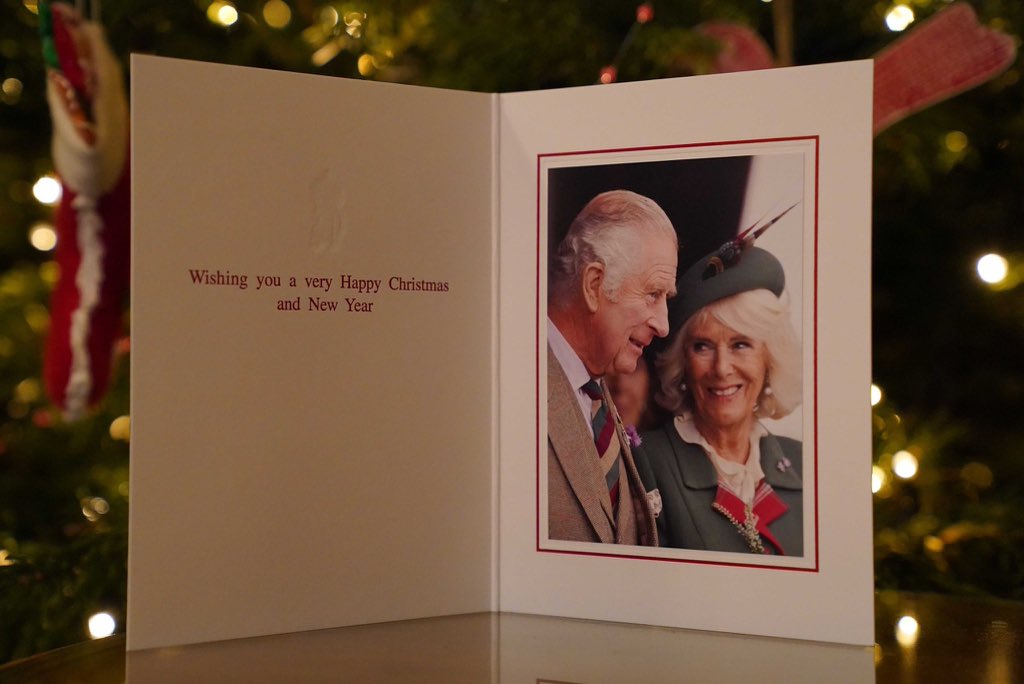
Even so, Buckingham Palace moved to defend its decision by invoking history. The Royal Collection Trust shared examples of earlier royal Christmas cards that also lacked overt seasonal imagery. Among the cases cited were King George VI’s 1938 card, Princess Elizabeth’s 1947 card, and Crown Prince Olav’s 1917 card, all of which focused more on portraits or formal scenes than on Christmas-specific visuals.
By pointing to more than a century of similar choices, officials argued that the 2025 card fell well within established practice. The response reframed the debate from accusations of breaking tradition to a discussion about taste and expectations. Rather than concede an error, the palace positioned the card as part of a long-running pattern in royal messaging, where personal or official photographs have often taken precedence over overt seasonal motifs.
Symbolism Of Rome And The Royal Visit
The selection of an image from the Rome trip also reflected the wider significance of that visit. King Charles and Queen Camilla’s journey to Italy, from 7 to 10 April, was one of the King’s most notable overseas engagements since beginning cancer treatment, according to Vatican News. The state visit therefore had symbolic weight, signaling both continuity of royal duties and the monarch’s return to a demanding public schedule.
Villa Wolkonsky, where the photograph was taken, added another layer of meaning. The residence has been home to the British ambassador to Italy since 1951 and carries a complex history, from its origins under Princess Zenaïde Wolkonsky to its survival through wartime upheaval. Its role as a long-standing diplomatic venue likely made it an appealing backdrop, projecting heritage, international ties, and the soft-power dimension of the monarchy.
The image was captured by Chris Jackson of Getty Images, a photographer who has earned multiple Royal Photographer of the Year awards and whose work frequently appears in major outlets. His involvement suggested a carefully planned shoot rather than a casual snapshot. As with other significant royal releases, the card would have passed through several approval stages involving communications staff, licensing teams, and printers, underlining the deliberate nature of the final choice.
Balancing Private Meaning And Public Expectation
The episode highlighted a recurring tension in royal communications: how to balance private sentiment with public symbolism. Christmas cards from the monarchy serve as both personal greetings and reflections of the royal family’s role and priorities. In this case, emphasizing the anniversary and the Rome visit signaled a willingness to foreground personal and diplomatic narratives over traditional seasonal imagery.
Observers also noted broader context. High-quality royal cards can cost dozens of pounds per hundred copies to produce, and thousands are distributed every year. That investment, combined with the attention directed at every visual signal from the King since his accession in May 2023, magnified scrutiny of the card’s tone and timing. Comparisons quickly emerged with other senior royals, particularly Prince William and Catherine, Princess of Wales, whose own seasonal photographs are often watched for clues about their approach to public life.
By turning to historical precedent, the palace helped ease claims that the card represented a dramatic break with the past. The dispute shifted toward questions of style rather than right or wrong. Nonetheless, the reaction underscored how even small, symbolic decisions are interpreted as indicators of the character of Charles’s reign. For a monarchy operating under constant observation, the 2025 card served as a reminder that gestures intended to convey intimacy and continuity can also open up debates about tradition, timing, and what the public now expects from its royal family.
Sources
“King and Queen reveal this year’s Christmas card.” BBC News, December 6, 2025.
“King Charles and Queen Camilla Release Their Christmas Card.” Town & Country Magazine, December 7, 2025.
“State visit by Charles III to Italy.” Vatican News, April 7, 2025.
“Palace shares update after King Charles Christmas card receives criticism.” Geo.tv, December 8, 2025.
“The Sweet Symbolism Behind Queen Camilla’s Christmas Card.” InStyle, December 9, 2025.
“Queen gives all 1,500 Buckingham Palace employees a Christmas present.” The Independent, December 14, 2017.