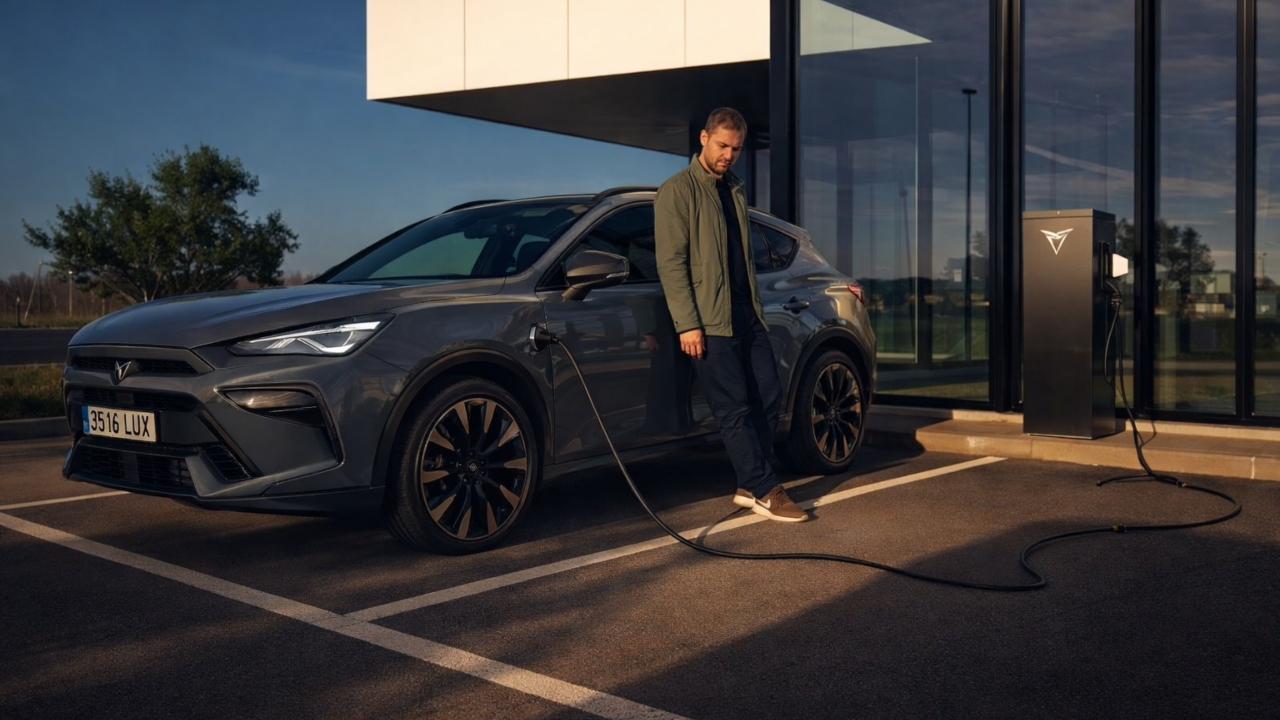
Ford, GM, Honda, and Stellantis did not just slow their electric vehicle plans; they also halted them. They reversed course entirely. Billions in EV losses, collapsing demand, and the September 30, 2025, expiration of the $7,500 federal tax credit forced a strategic reset. As EV sales plunged, hybrids surged back into favor. For buyers planning ahead, this shift creates a rare opportunity. Here’s what’s really happening.
Why Automakers Suddenly Walked Away From EVs
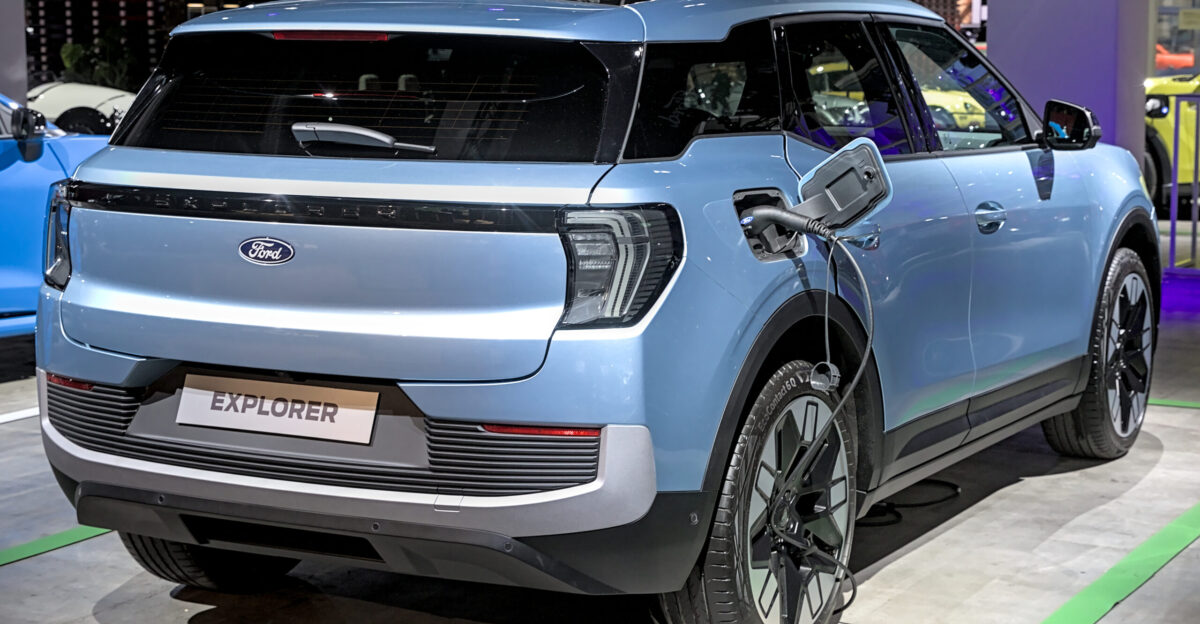
Ford absorbed $19.5 billion in EV writedowns after canceling multiple electric programs. General Motors followed with a $1.6 billion EV charge in October. Honda scrapped its planned large electric SUV. Stellantis killed the Ram electric pickup. These were not isolated failures. They reflected collapsing demand after incentives disappeared. The retreat was fast, coordinated, and financially driven. Something fundamental had broken.
The Sales Collapse That Forced A Reckoning
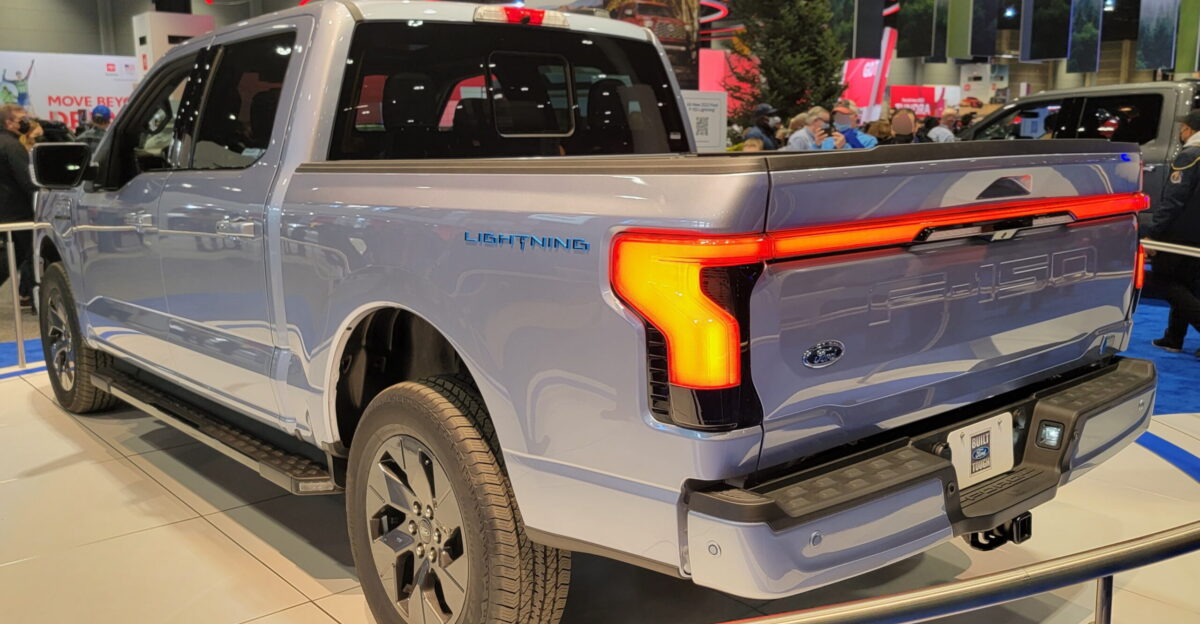
Ford lost $5 billion on EV operations in 2025 alone, matching losses from 2024. The all-electric F-150 Lightning sold 25,583 units through November 2025, representing a 10% year-over-year decline. Initial reservations topped 200,000 in 2022. That means 87% of early interest vanished. General Motors faced similar declines after tax credits expired. The math stopped working.
The Tax Credit Expiration Changed Everything
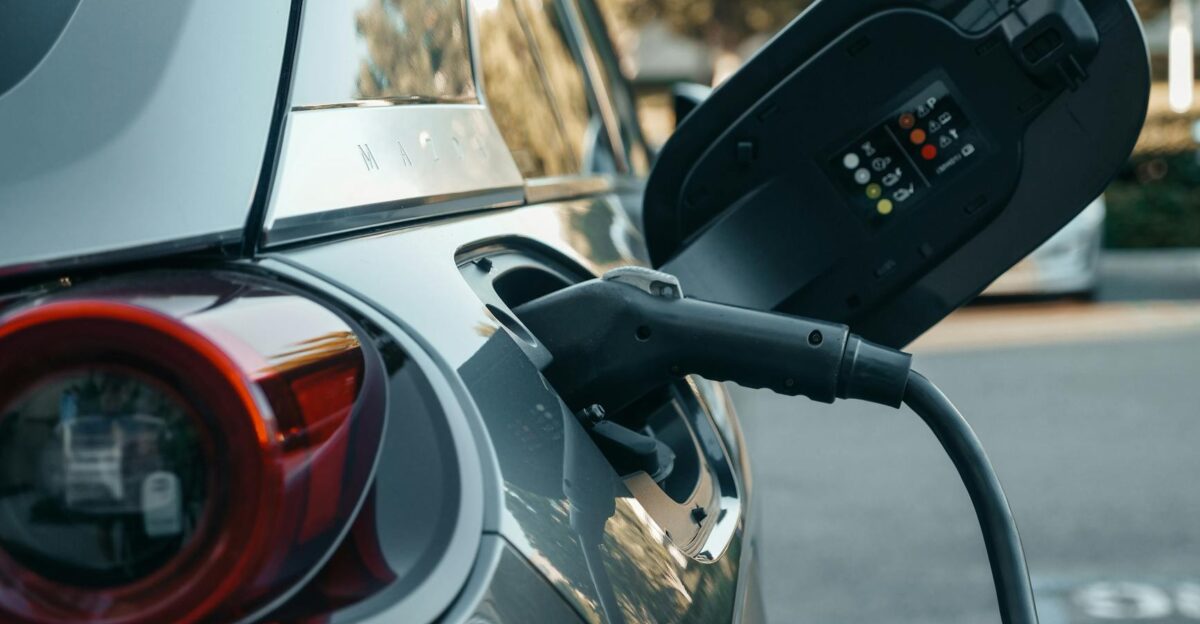
For more than 15 years, the $7,500 federal EV tax credit shaped pricing and demand. On September 30, 2025, it expired. In November, U.S. EV sales fell roughly 40% in a single month. Buyers suddenly faced $42,000 to $55,000 sticker prices. Meanwhile, hybrids started near $29,500. Consumer behavior shifted immediately, and manufacturers followed.
Consumers Made Their Choice Clear
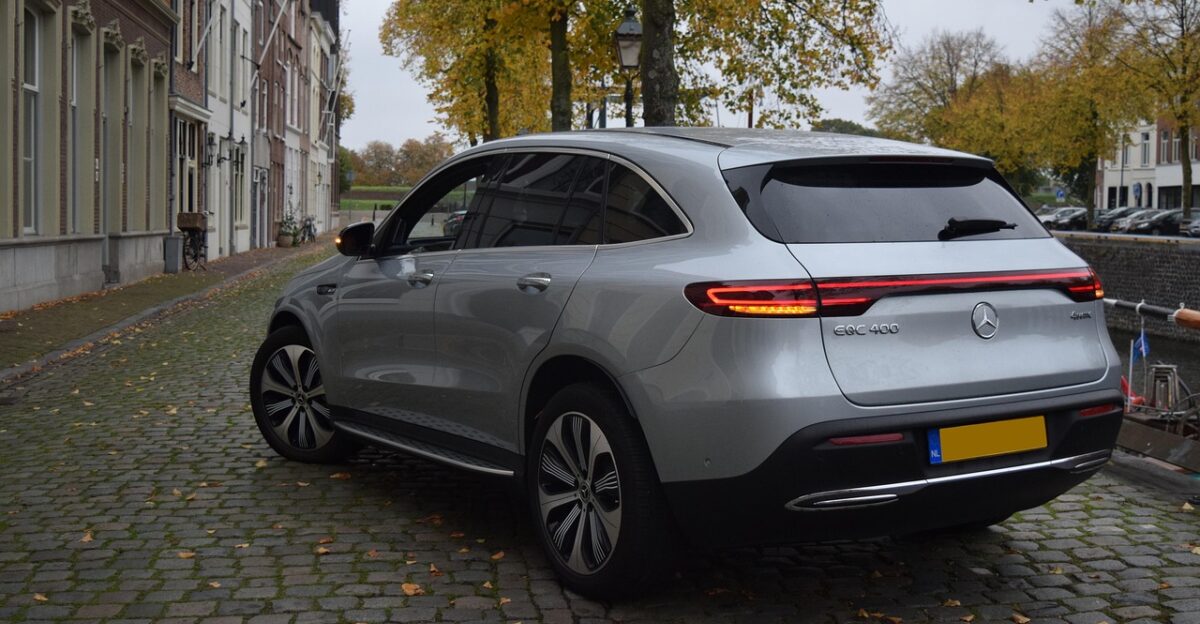
Hybrid sales jumped 36% in Q2 2025, capturing 22% of the U.S. market. Battery electric vehicles fell to just 9%. Surveys showed 45% of buyers preferred hybrids, compared with 33% choosing EVs. Charging delays, limited infrastructure, and cold weather range losses pushed buyers away. Toyota Prius sales surged 287% year over year. Preference data left little doubt.
Why Hybrids Suddenly Look Like The Smart Buy
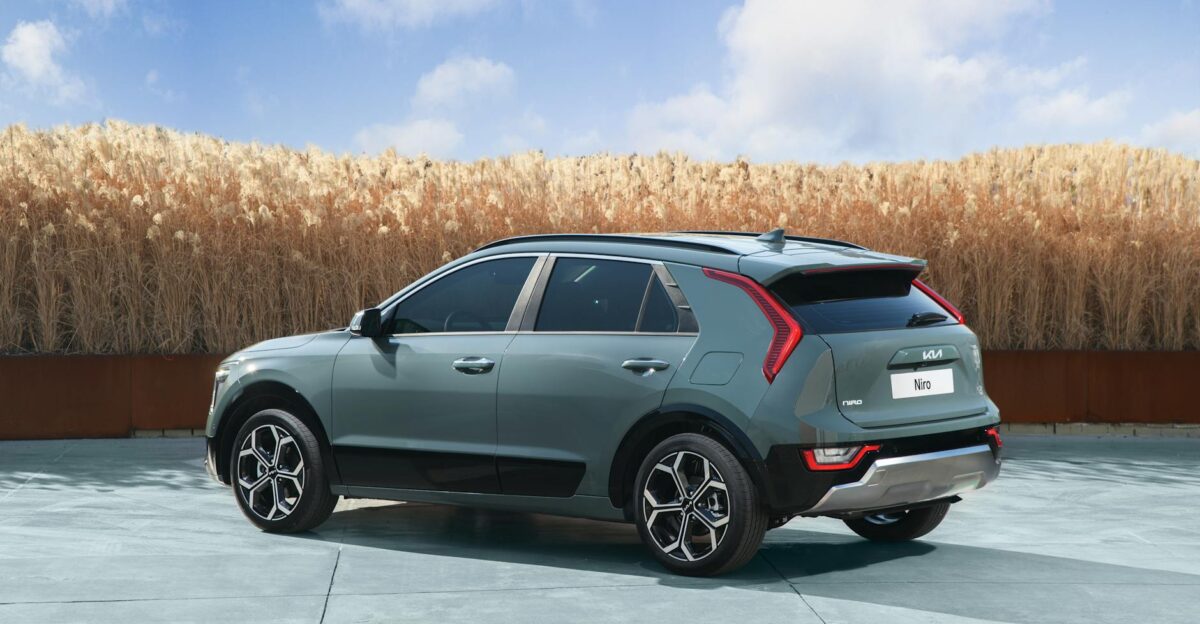
Hybrids deliver the benefits EVs promised without the tradeoffs. A $29,500 Kia Niro Hybrid undercuts a $45,000 Tesla Model Y by $15,500. Over the course of 5 years, hybrid fuel costs range from $3,000 to $4,000, while EV owners face battery degradation risks of $5,000 to $8,000. Insurance and repairs cost less. The value gap keeps widening.
The Hybrid Strategy Automakers Are Betting On
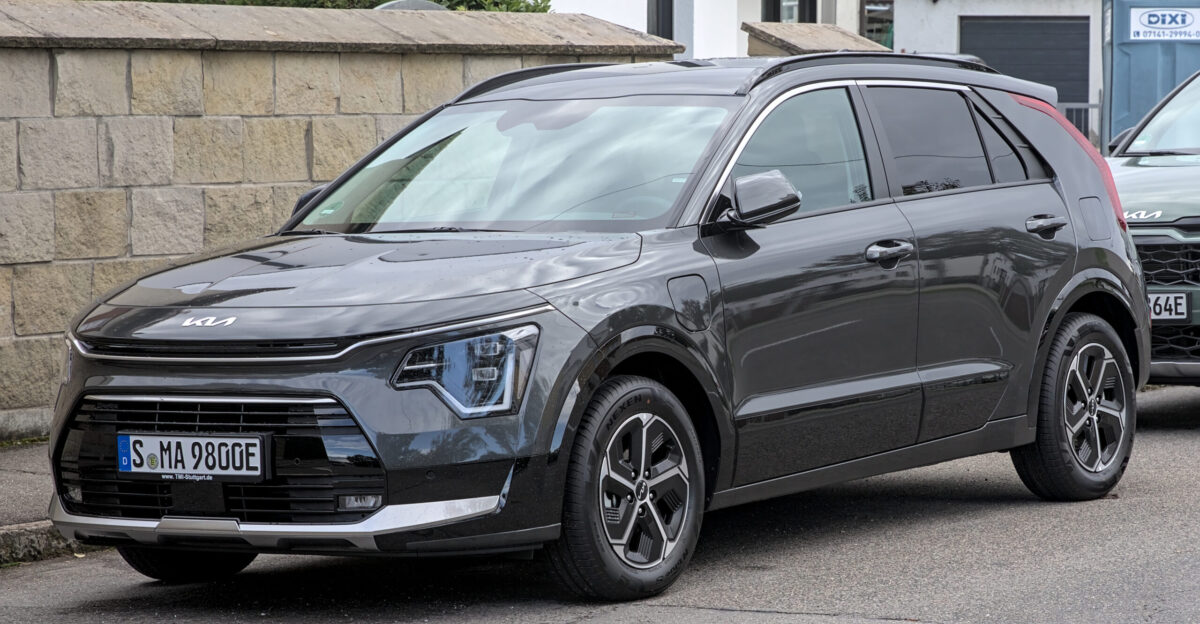
Toyota eliminated gas-only RAV4 models entirely, making the lineup hybrid-exclusive starting in 2026. Honda expanded hybrid production across core models. Kia and Hyundai expanded their hybrid offerings system-wide. Nissan introduced e-Power technology. Mazda prepared lean burn hybrids for 2027. These investments replaced EV spending. Automakers are no longer hedging. Hybrids are now the centerpiece strategy.
1. Kia Niro Hybrid
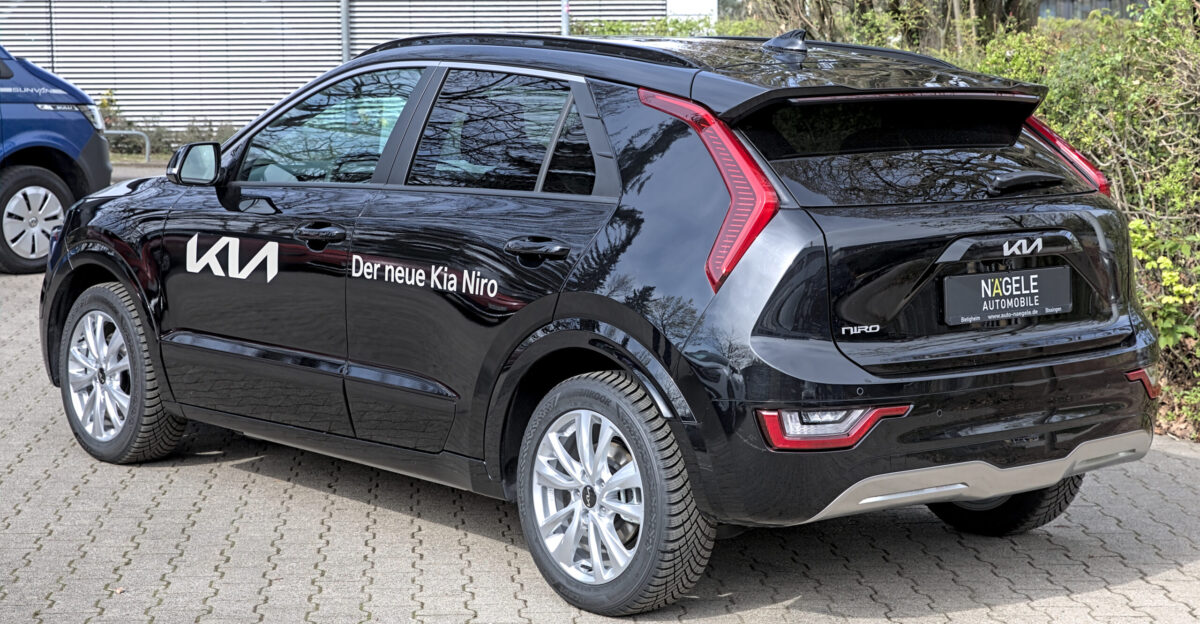
Starting at $29,500, the Kia Niro Hybrid delivers 53 MPG combined and a 588-mile range. It undercuts nearly every EV by $12,000 to $20,000 while offering real-world practicality. Interior space rivals pricier compact SUVs. Kia backs the battery with a 10-year or 100,000-mile warranty. It raises a simple question. Why pay more?
2. Toyota Camry Hybrid
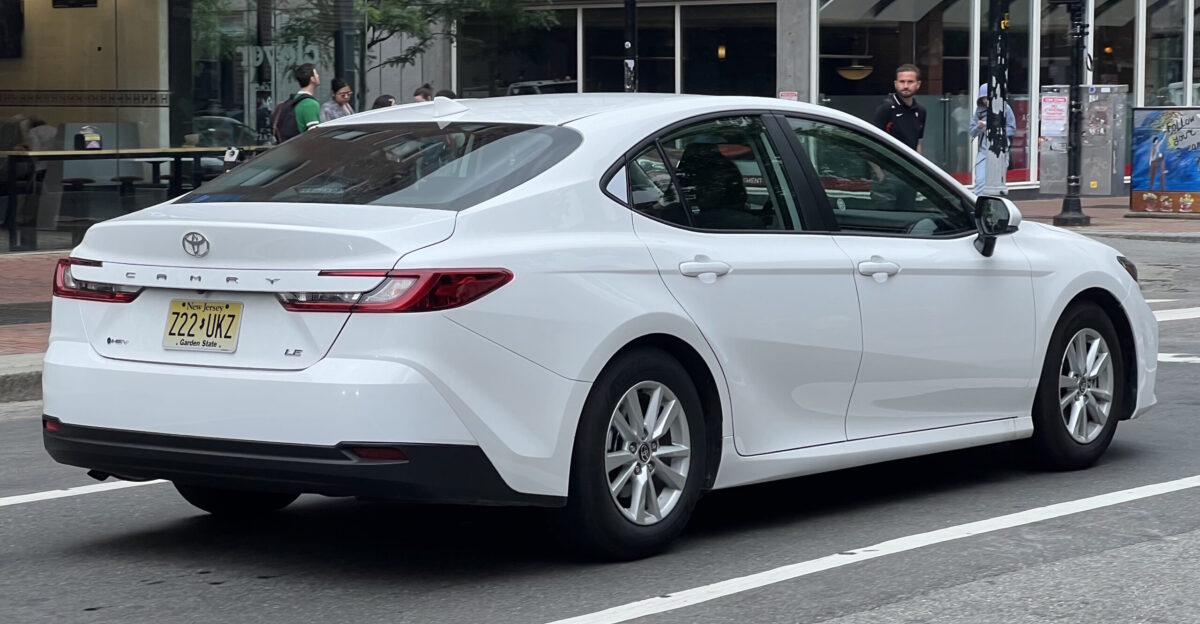
The Toyota Camry Hybrid starts at $30,195 and achieves a combined 51 MPG. Real-world highway testing reaches 43 MPG at 75 MPH. One tank provides over 760 miles of range. Toyota’s hybrid systems carry more than 20 years of reliability data. Kelley Blue Book ranked it the longest-range hybrid sedan available. Sedans never looked this efficient.
3. Toyota Corolla Cross Hybrid
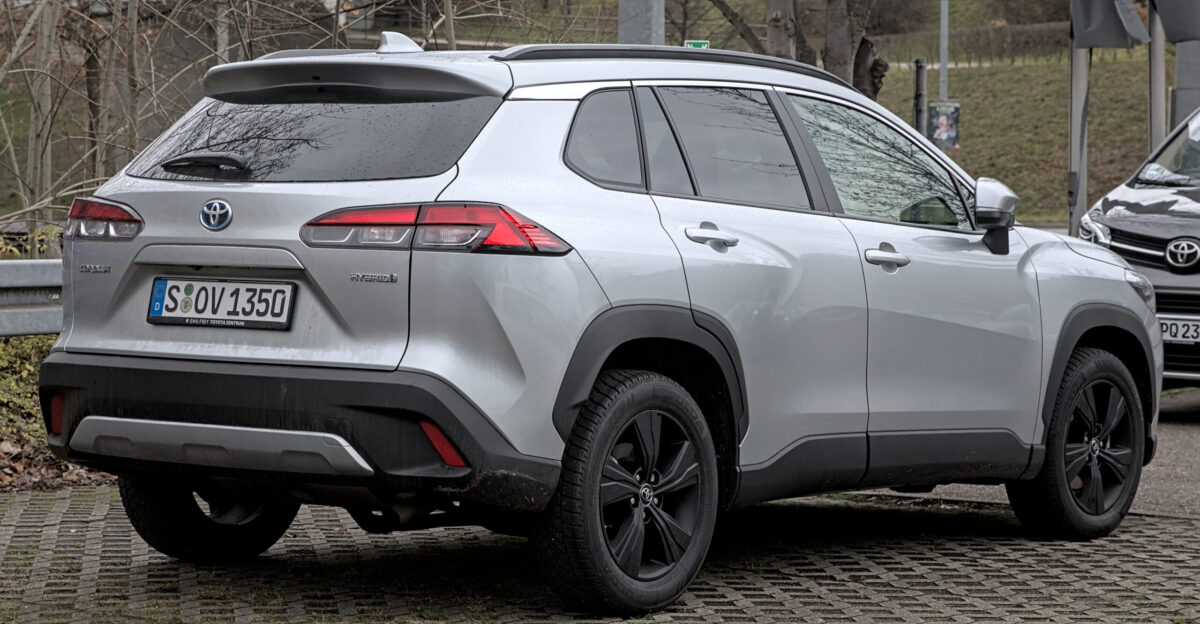
Priced at $30,745, the Corolla Cross Hybrid offers SUV utility with a combined fuel efficiency of 42 MPG. It slots neatly between the Corolla sedan and RAV4 Hybrid. With 196 horsepower, it outperforms the standard Corolla. The cargo space handles bikes and weekend gear with ease. Buyers torn between sedans and SUVs finally get a balanced solution here.
4. Kia Sportage Hybrid
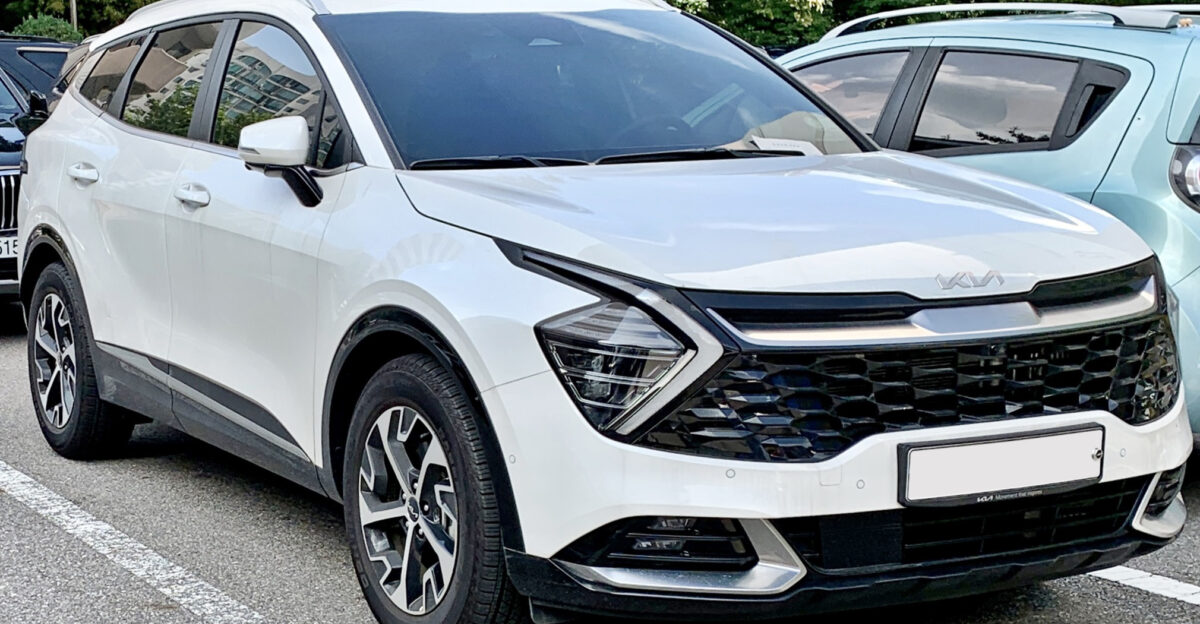
The Kia Sportage Hybrid starts at $30,290, offering a combined fuel economy of 42 to 44 MPG. Its standout advantage is warranty coverage. Kia offers a 10-year or 100,000-mile battery warranty, which exceeds that of most competitors. The 231 horsepower hybrid system delivers strong acceleration. Bold styling sets it apart visually. Long-term ownership confidence makes this one a compelling option.
5. Honda Accord Hybrid
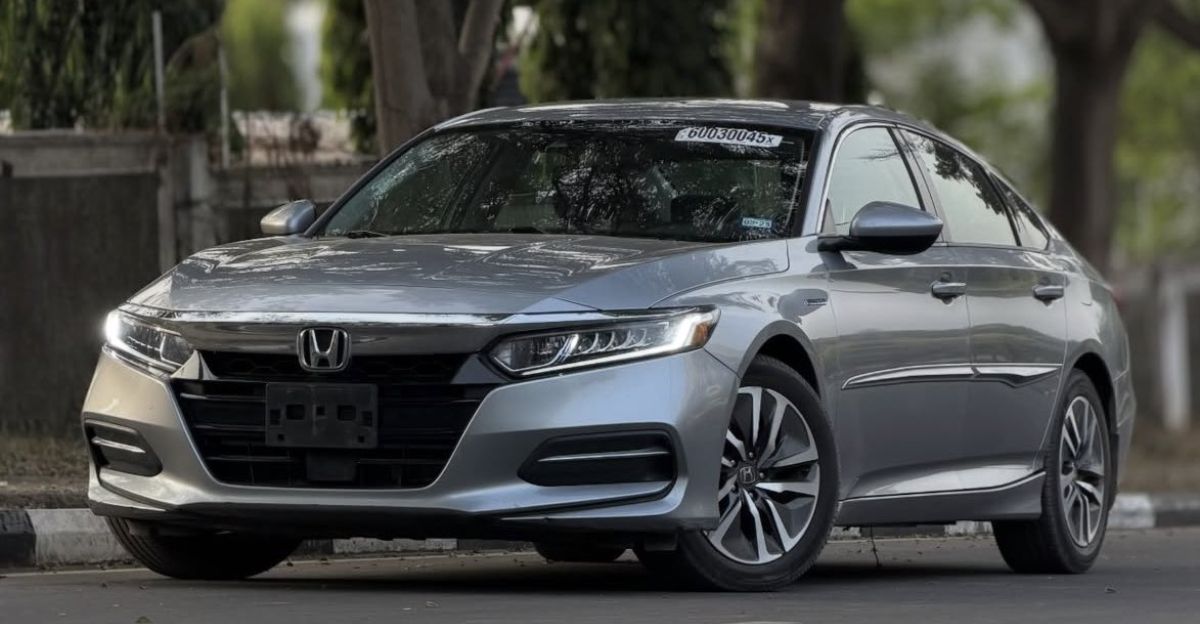
At $34,850, the Honda Accord Hybrid costs more than the Camry but delivers a more premium experience. The 204-horsepower system strikes a balance between performance and 44 MPG combined efficiency. Highway range exceeds 590 miles. Interior materials, sound insulation, and ride quality enhance the daily driving experience. Smooth hybrid transitions enhance refinement. Buyers pay more, but they feel the difference every day.
6. Honda CR V Hybrid
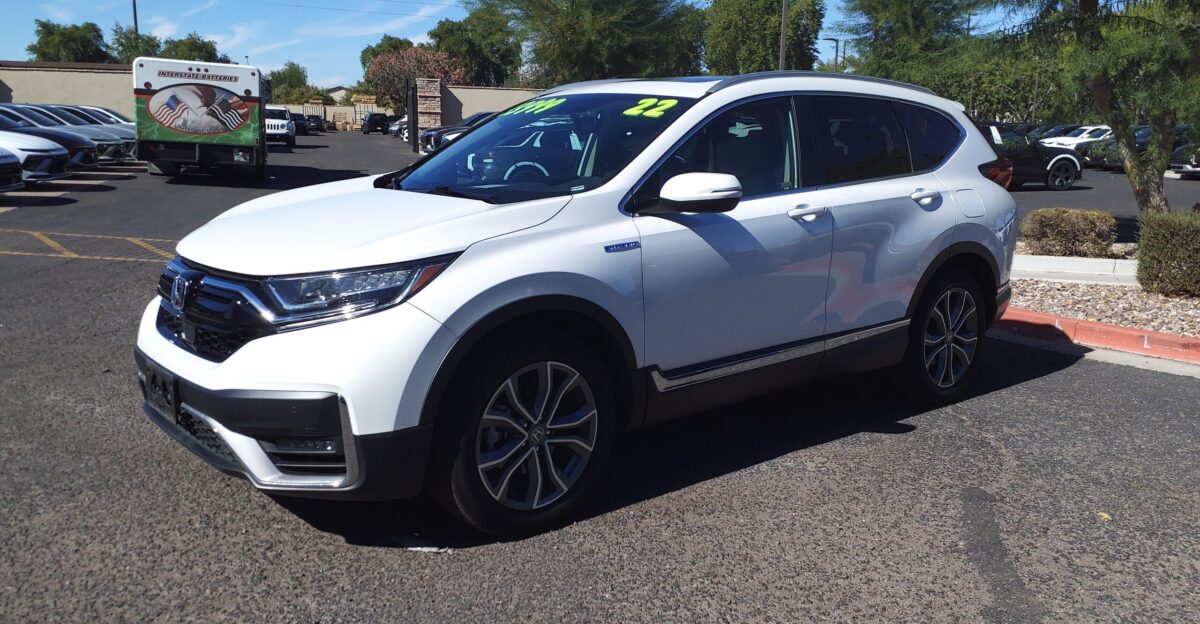
The Honda CR-V Hybrid starts at nearly $38,000 and focuses on reliability above all else. EPA efficiency ranges from 37 to 40 MPG combined. All Wheel Drive is widely available, making it ideal for colder regions. Cargo space rivals vehicles costing far more. Resale values remain strong. Families value dependability more than novelty here.
7. Toyota RAV4 Hybrid
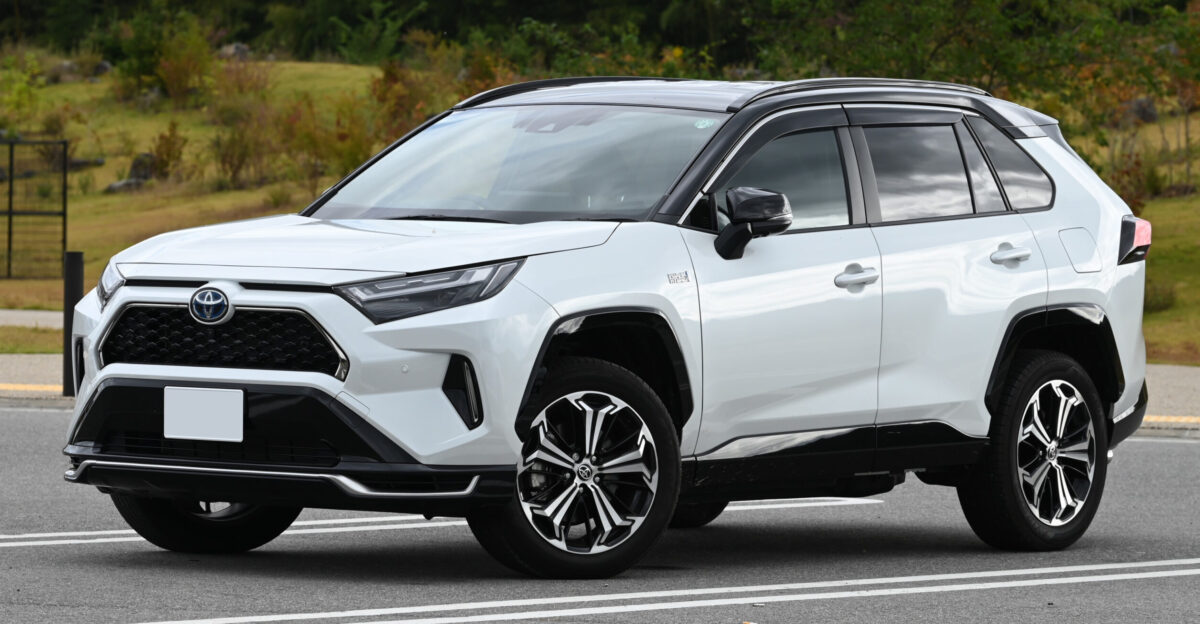
Starting at $31,900, the RAV4 Hybrid delivers 44 MPG combined. Beginning in 2026, Toyota eliminated gas-only versions entirely. All Wheel Drive models produce up to 236 horsepower. This move signals Toyota’s confidence in hybrids as superior technology. Betting America’s best-selling SUV on hybrids sends a clear message about where the market is heading.
8. Hyundai Tucson Hybrid
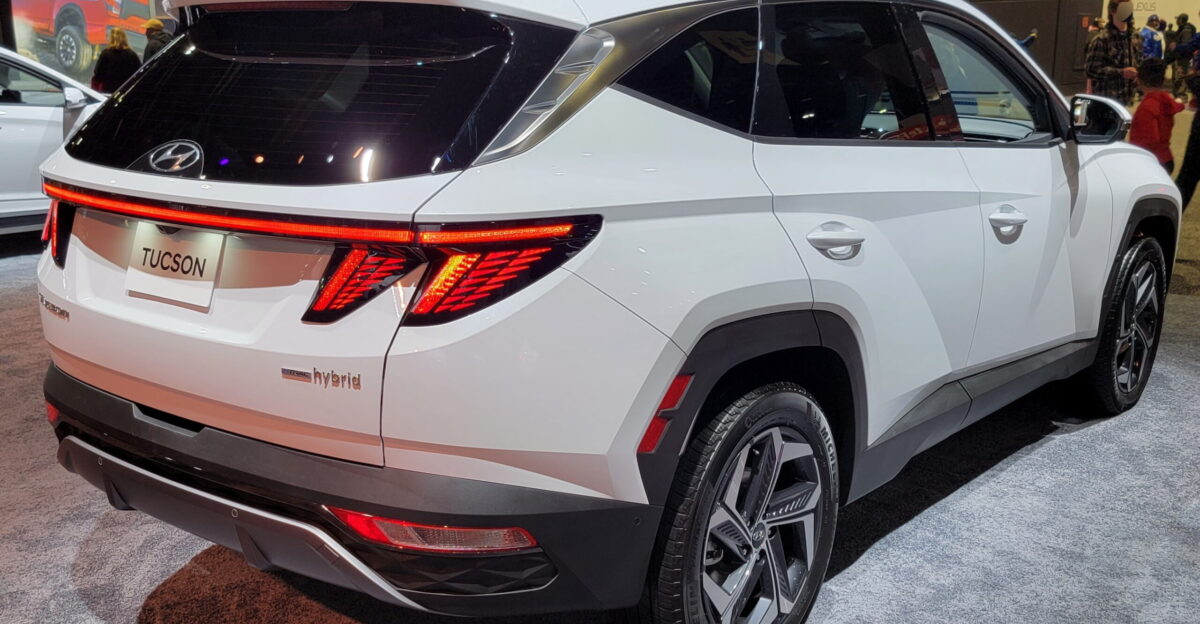
The Tucson Hybrid starts at $32,000 and $35,000, delivering a combined fuel economy of roughly 38 MPG. Buyers can also opt for a plug-in hybrid version with a 32-mile electric range. This flexibility suits mixed driving habits. Styling stands out from rivals. The lineup bridges traditional hybrids and limited EV use without sacrificing road trip capability.
9. Nissan Rogue e-Power
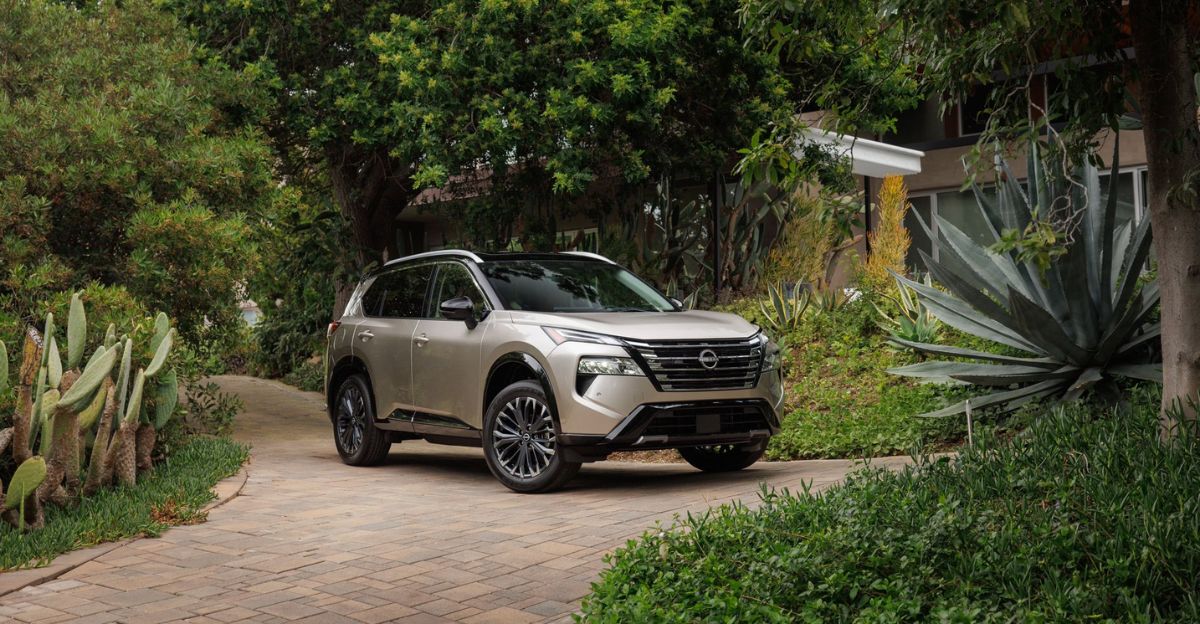
Arriving in early 2027, the Rogue e-Power delivers electric drive without requiring a plug. A 1.5-liter engine charges the battery but never powers the wheels. The electric motor produces 202 horsepower. Estimated efficiency reaches 53 MPG. Drivers get EV-like smoothness with the security of gasoline range. This design redefines what a hybrid can feel like.
10. Mazda CX 5 Hybrid
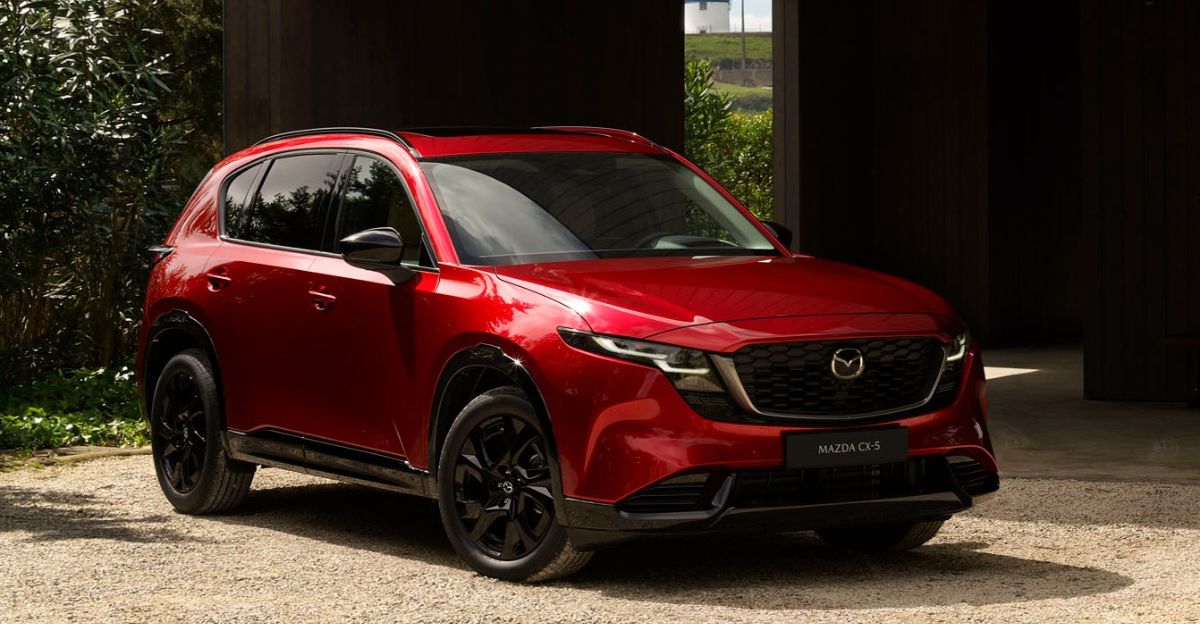
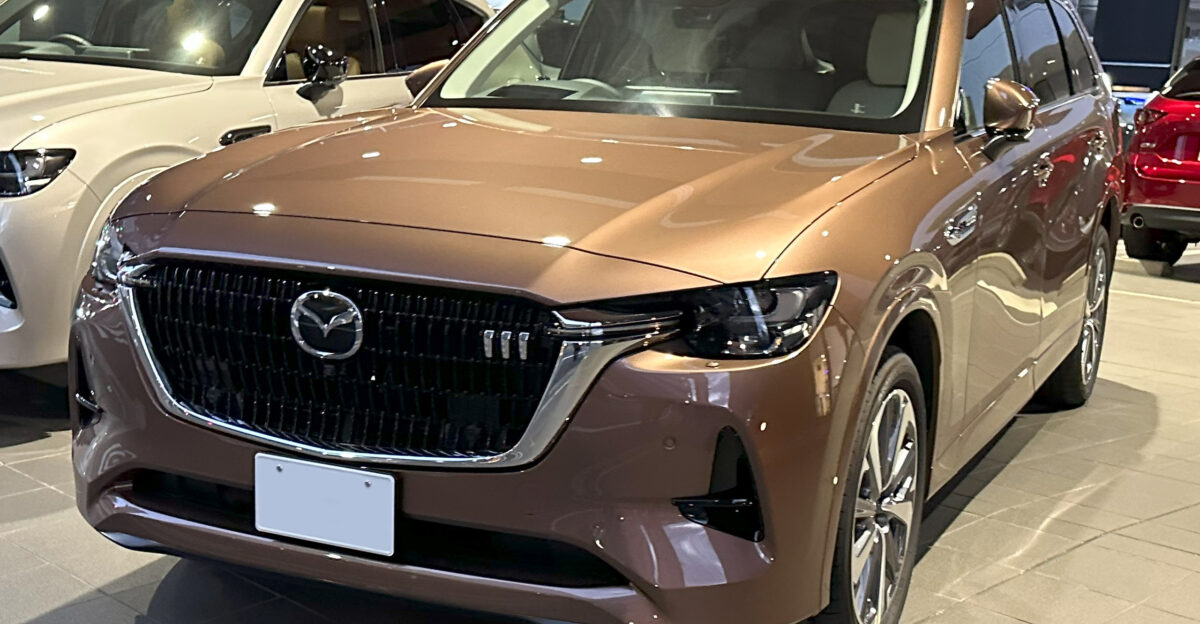
The Mazda CX-5 Hybrid is expected to arrive in late 2027, featuring SkyActiv Z lean burn technology. Estimated efficiency reaches 35 to 40 MPG. Power output approaches turbo performance levels. Pricing is expected between $38,000 and $42,000. Mazda targets driving engagement alongside efficiency. Buyers willing to wait get next generation hybrid engineering without sacrificing handling.
Why Ownership Costs Favor Hybrids
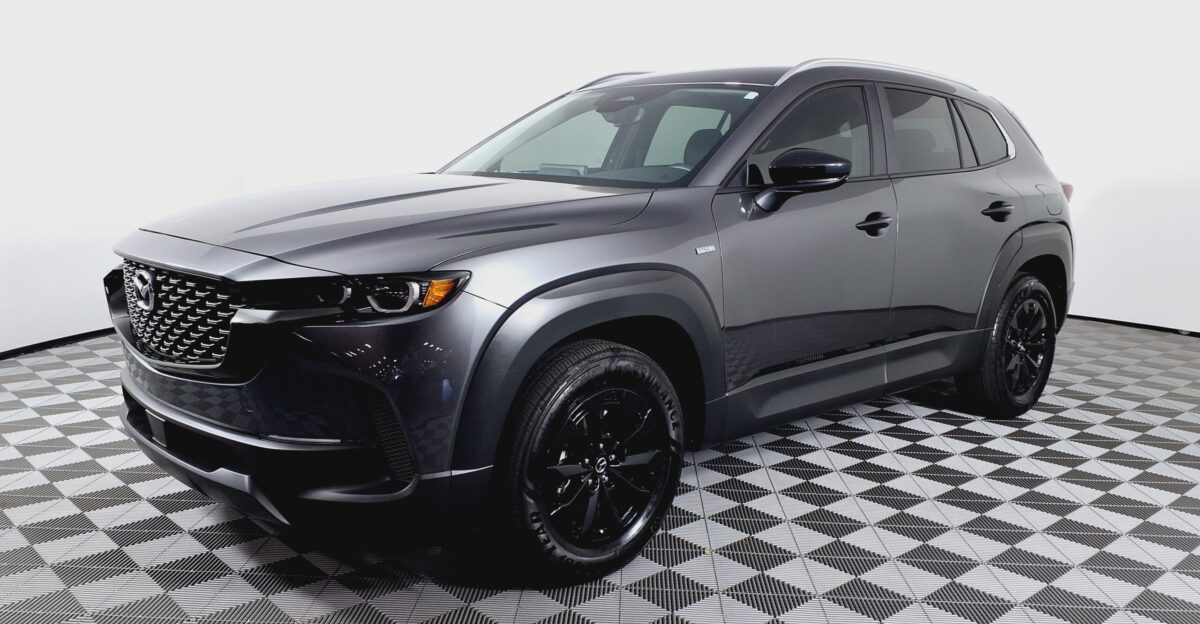
Five year ownership tells the full story. A Kia Niro Hybrid totals about $48,000 including fuel and insurance. A Tesla Model Y reaches roughly $59,500 when insurance and battery degradation risks are included. Hybrid owners save about $11,500 while avoiding charging constraints. Maintenance uses proven technology. Financially, hybrids win across every category.
The Infrastructure Problem Nobody Solved
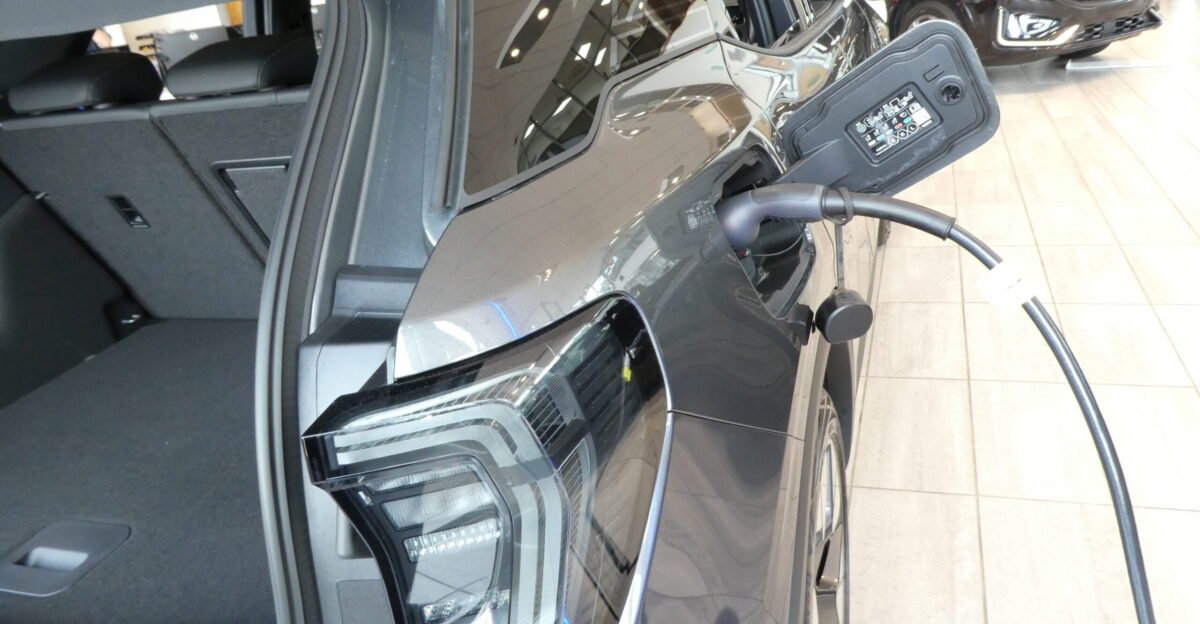
Charging infrastructure failed to scale nationwide. Rural areas remain underserved. Urban stations are congested. Cold weather cuts EV range by up to 40%. Road trips require planning around chargers. Hybrids avoid these limits entirely. Every gas station works instantly. This reality forced automakers to rethink EV production timelines and investment priorities fast.
What This Means For 2027 Buyers
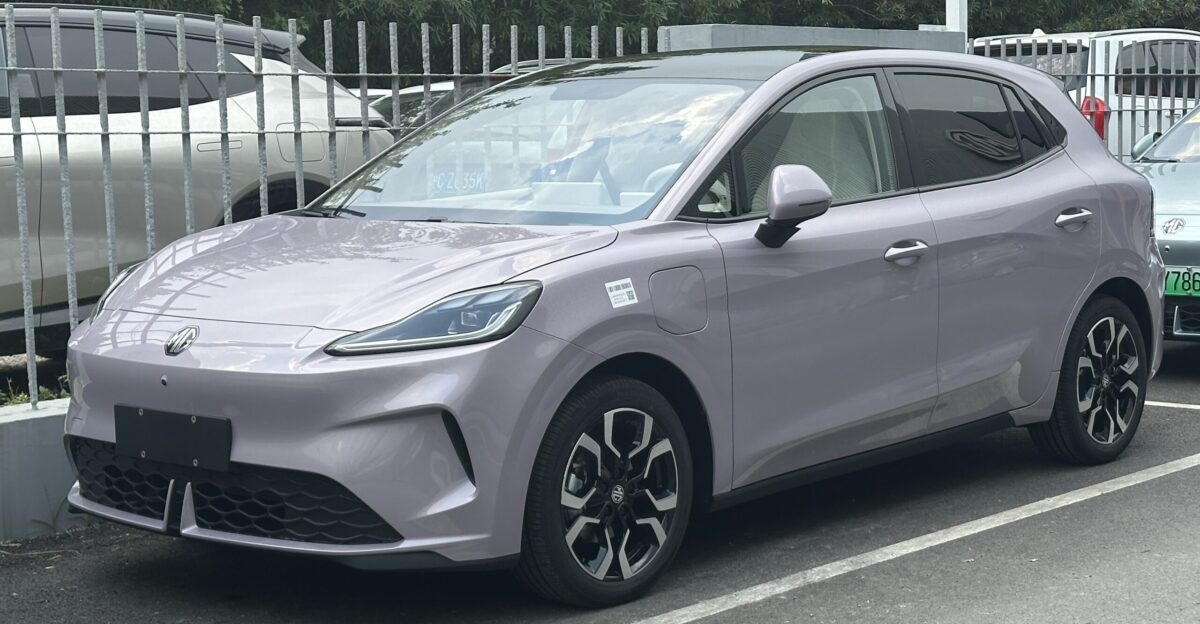
Hybrid buyers gain lower purchase prices, consistent efficiency, long range, and predictable ownership costs. Insurance runs cheaper than EVs. Resale values remain strong. Reliability records span decades. Tax incentives for EVs disappeared, while some state hybrid incentives remain. For shoppers prioritizing value and flexibility, hybrids clearly outperform EVs heading into 2027.
Why Hybrids Ultimately Won
EVs did not lose because technology failed. They lost because costs stayed high and infrastructure lagged. When tax credits expired, demand collapsed. When charging gaps persisted, confidence eroded. Automakers followed the data, not ideology. These 10 hybrids reflect that shift. By 2027, practicality won. Hybrids listened when the market spoke.
Sources:
“Ford Writes Down $19.5 Billion as It Pivots From Electric to Hybrids,” Fortune, December 15, 2025
“GM Takes $1.6 Billion Charge as EV Tax Credit Expires,” Reuters, October 14, 2025
“Hybrid Adoption to Rise as Electric Vehicle Momentum Slows,” Goldman Sachs Insights, September 10, 2025
“2026 Kia Niro Hybrid Review, Pricing, and Specs,” Car and Driver, May 21, 2025
“2026 Toyota Camry Review, Pricing, and Specs,” Car and Driver, April 30, 2025
“Rise of Hybrids Over Full EVs in 2025,” Motor Watt, October 22, 2025