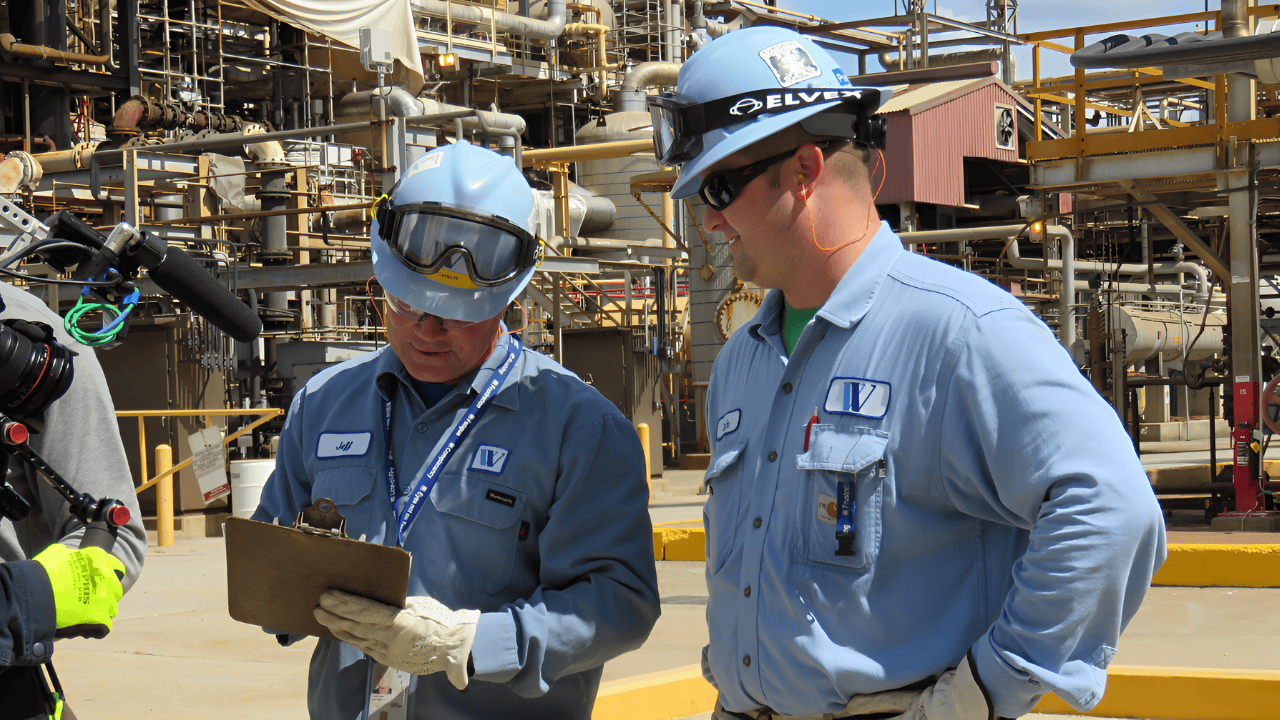
A $415 million charge hit in a single quarter as production lines across the South moved toward permanent shutdown. Facilities once expected to operate for decades were marked for closure by December, erasing billions of pounds of annual output and displacing hundreds of workers.
The decision came fast and decisively. What appeared abrupt, however, reflects a deeper reckoning underway across the North American chemical industry—one shaped by global oversupply, weakened demand, and narrowing margins.
The $415 Million Question
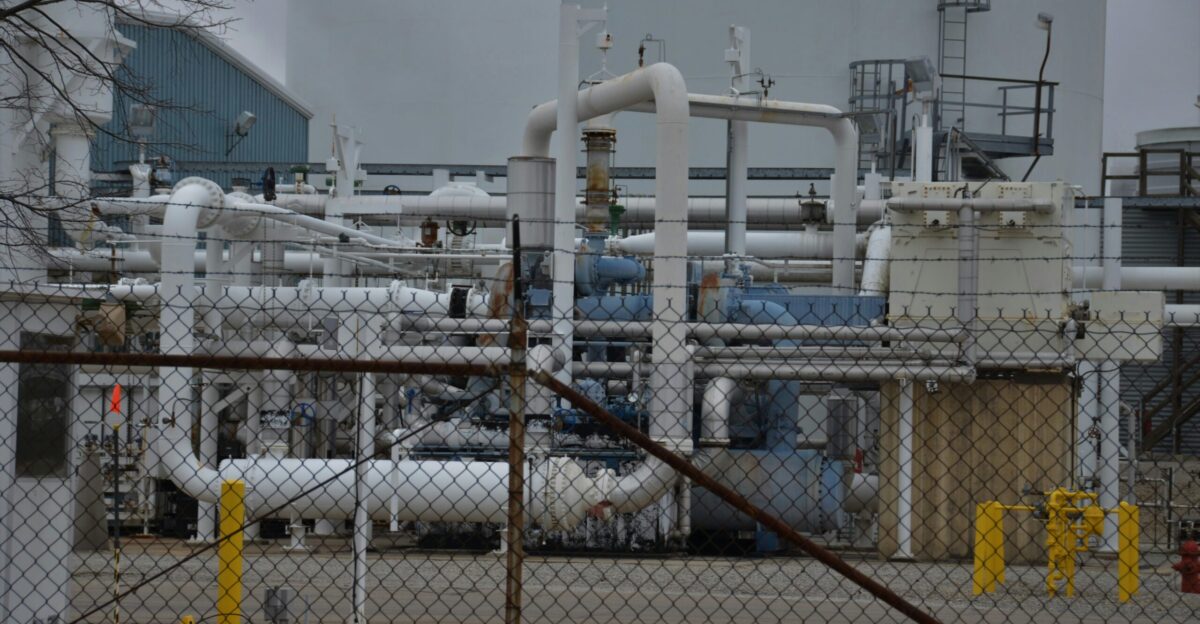
The scale of the charge made the industry’s problems impossible to ignore. Westlake disclosed a $415 million pre-tax hit tied to permanent plant closures, all expected to be recognized in the fourth quarter of 2025.
The charge includes $357 million in non-cash asset write-downs, $25 million in severance costs, and $33 million in shutdown expenses. Concentrating that impact into one quarter underscores how sharply conditions have deteriorated—and how little tolerance remains for underperforming assets.
Chemicals Under Siege
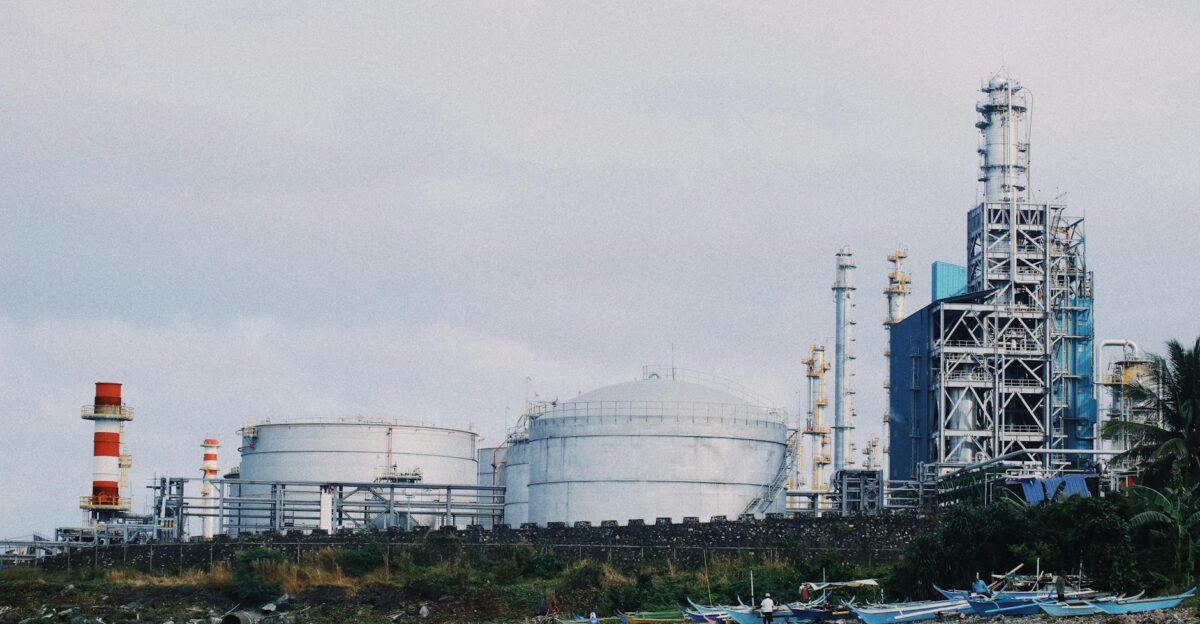
For years, North American chemical producers benefited from cheap natural gas, skilled labor, and proximity to customers. That edge has eroded. State-backed producers in China and the Middle East have expanded capacity aggressively, flooding global markets with commodity chemicals.
At the same time, demand for plastics, construction inputs, and automotive materials cooled after the post-pandemic rebound. Together, these forces have reset pricing power, turning cyclical softness into a more persistent structural challenge.
Tightening the Vise
Credit markets have taken notice. Fitch Ratings maintains a deteriorating outlook for the chemical sector, citing persistent overcapacity and trade friction. Utilization rates that once approached 90% have fallen closer to 70–75% in mature markets.
Fixed costs now weigh on shrinking volumes, leaving older, higher-cost plants exposed. For many producers, the choice has narrowed to absorbing losses—or taking a painful, upfront exit.
The Shutdown Announcement

On December 15, 2025, Westlake confirmed the permanent closure of three units within its North American Chlorovinyls business and one styrene manufacturing plant by year-end, eliminating about 295 jobs.
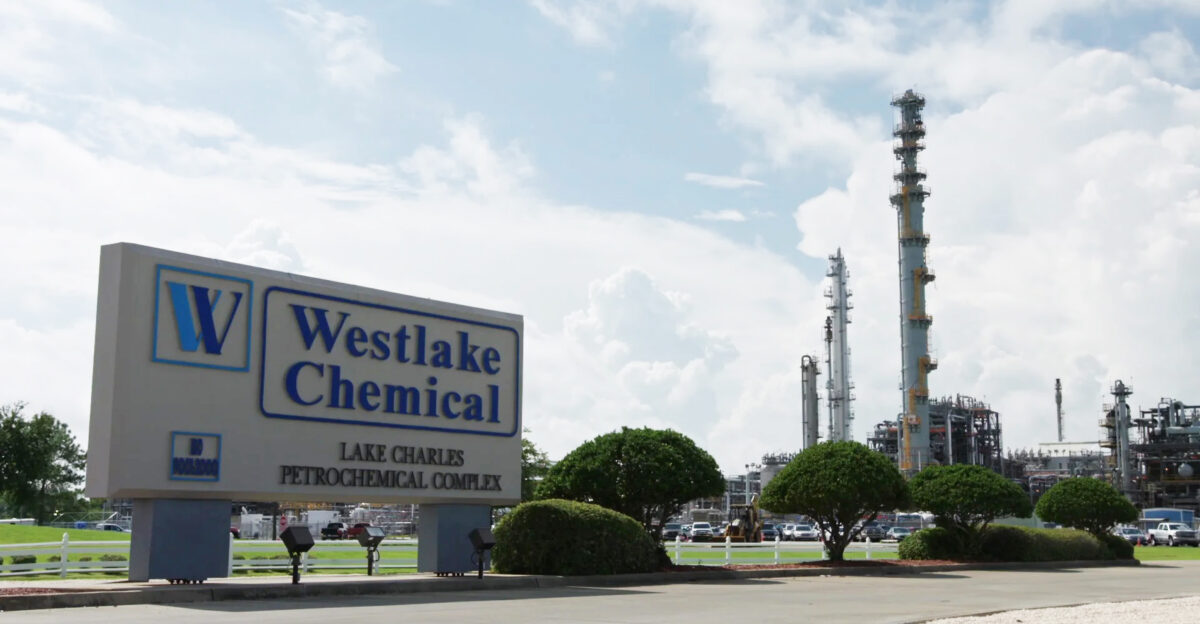
These include a PVC plant in Aberdeen, Mississippi; a vinyl chloride monomer plant in Lake Charles, Louisiana; a diaphragm chlor-alkali unit at the same Lake Charles complex; and a nearby styrene plant. Together, the shutdowns eliminate about 295 jobs and remove an estimated 4.2 billion pounds of annual production capacity from the market.
Mississippi’s Loss
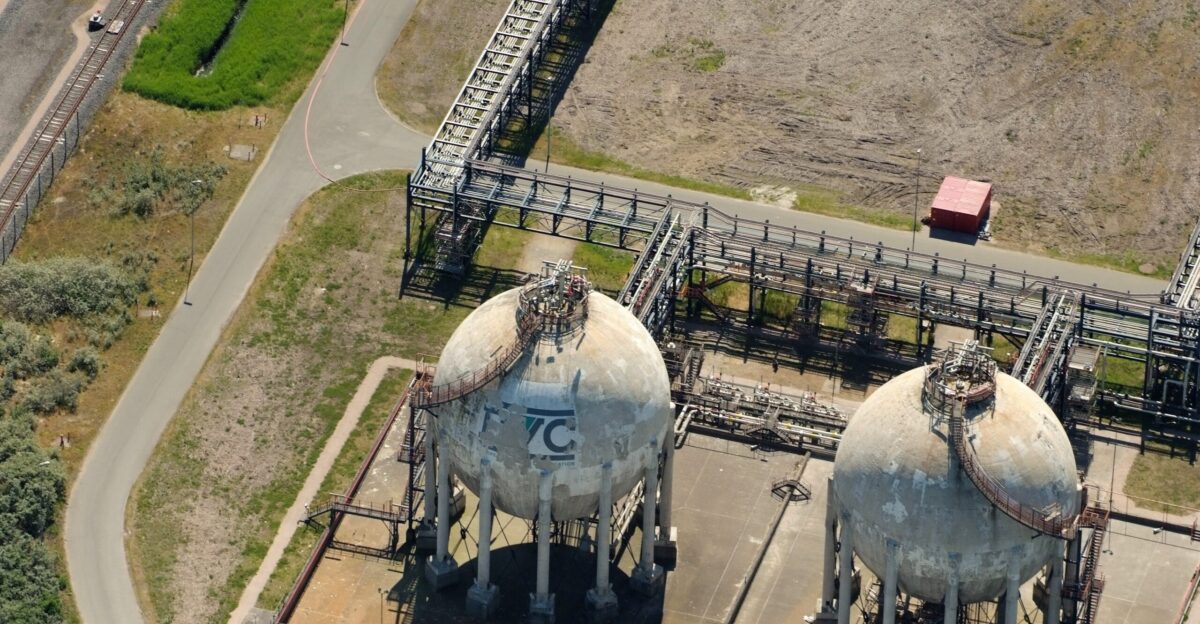
The Aberdeen, Mississippi closure delivers a sharp blow to a rural community with limited industrial employers. The PVC facility will displace approximately 99 workers and produced about 1 billion pounds of suspension PVC resin annually.
Beyond wages, the plant contributed to local tax revenues supporting schools, infrastructure, and public services. For a town already facing population decline, the loss extends beyond the plant gates, reshaping economic stability and long-term community prospects.
Louisiana’s Chemical Corridor Under Pressure

Lake Charles absorbs the largest share of the shutdowns. Three facilities—the VCM plant, chlor-alkali unit, and styrene operation—are all going offline at the same complex. Combined, they account for roughly 3.2 billion pounds of annual output.
The VCM unit alone produced about 910 million pounds per year. Approximately 196 workers will be displaced, compounding pressures from consolidation, environmental scrutiny, and recurring storm risk in the region.
Competitors Watch and Wait
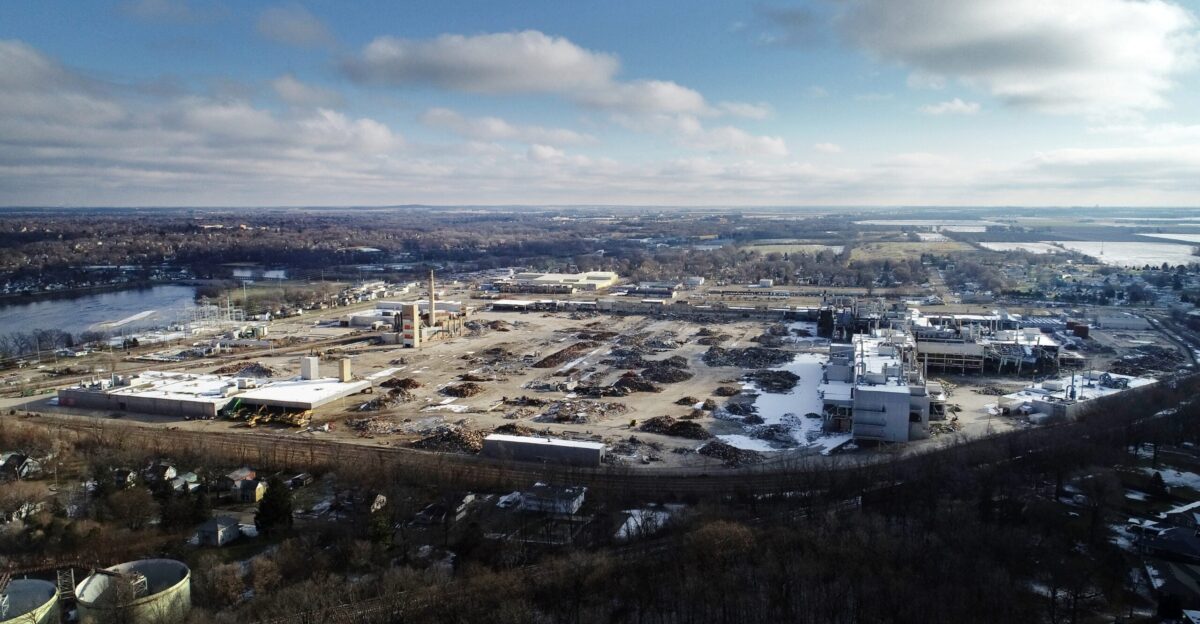
Westlake’s move reverberates across the industry. Competitors such as LyondellBasell, Huntsman, and Celanese have restructured in recent years, but few have executed closures of this scale in a single quarter.
By acting decisively, Westlake accelerates capacity rationalization and increases pressure on competitors to reassess marginal assets. Trade publications and financial analysts report that consolidation is intensifying as companies weigh whether maintaining excess capacity remains viable.
The Capacity Math
The closures materially reshape Westlake’s footprint. Global suspension PVC capacity falls from approximately 6.52 billion pounds to roughly 5.52 billion pounds annually, while North American PVC capacity declines from around 5.9 to 4.9 billion pounds.
VCM capacity drops by approximately 910 million pounds. In total, 4.2 billion pounds of output disappear. Despite this reduction, industry analysts estimate global chemical markets remain significantly oversupplied, with some segments experiencing 15–20% excess capacity, varying by product.
The Supply Chain Ripple
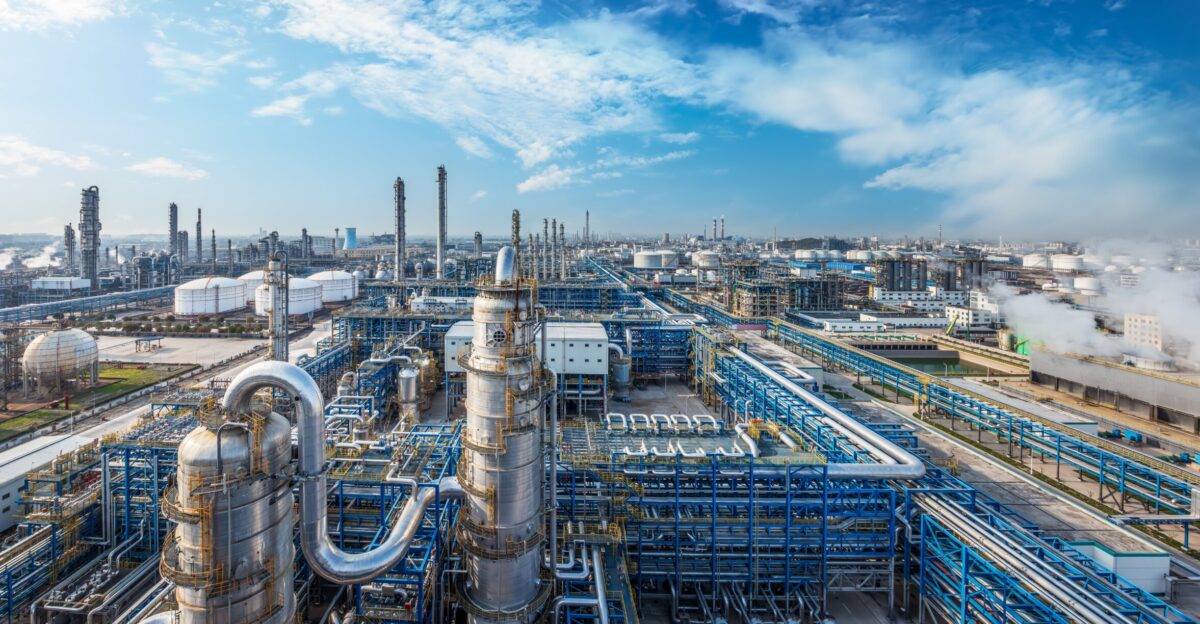
Westlake will continue supplying customers from its remaining seven North American chlorovinyl facilities, but overall supply tightens. Downstream manufacturers—pipe makers, packaging producers, insulation suppliers—depend on consistent flows of PVC, VCM, and styrene.
Reduced capacity can mean longer lead times or higher prices. Those pressures often move beyond factories, affecting construction firms, automotive suppliers, and infrastructure projects that absorb the cost impacts across the broader economy.
Worker Uncertainty and Community Concern
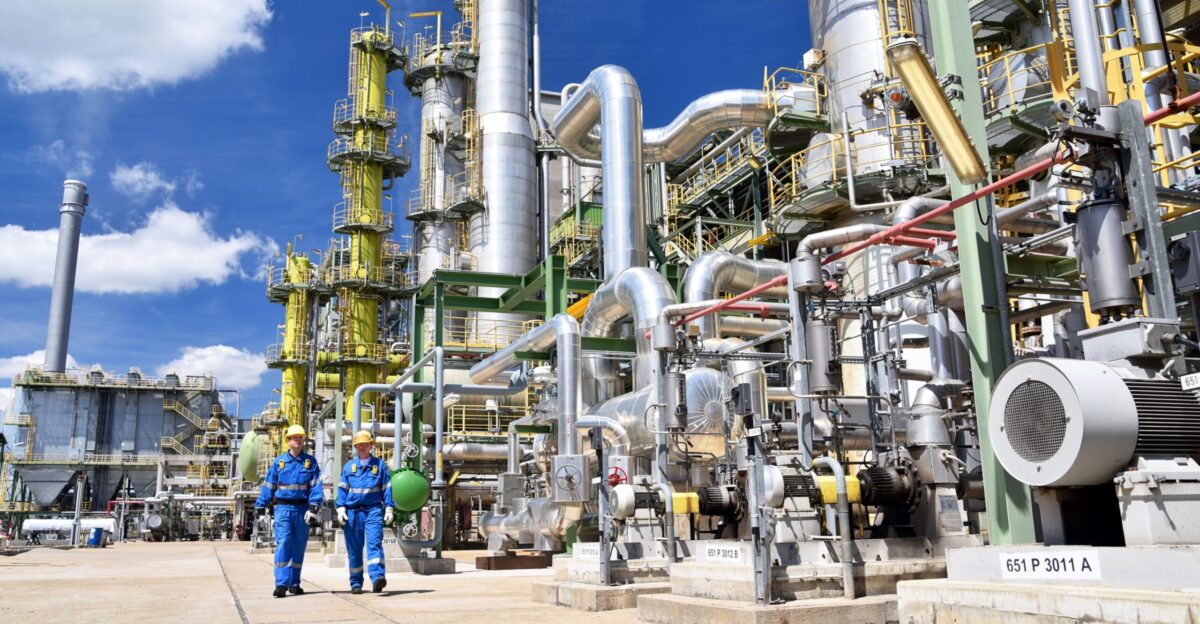
The company has allocated $25 million for severance and separation costs, yet uncertainty remains high. Many affected workers have decades of tenure and specialized skills tied to local facilities. Details around retraining, relocation, or long-term support remain limited.
Local officials in Mississippi and Louisiana have raised concerns about the speed of the shutdowns. Workforce agencies are mobilizing, but job absorption in rural areas and crowded industrial corridors is far from assured.
Leadership’s Rationale

Westlake CEO Jean-Marc Gilson described the closures as unavoidable, citing “persistent, challenging market conditions.”
He stated the company made the difficult decision to cease operations at three chlorovinyl units and its styrene plant as part of its Performance & Essential Materials profitability improvement plan.
Management’s message is clear: in a market defined by oversupply and global competition, long-term viability requires sacrificing capacity—even at facilities with long operating histories.
The Profitability Pivot
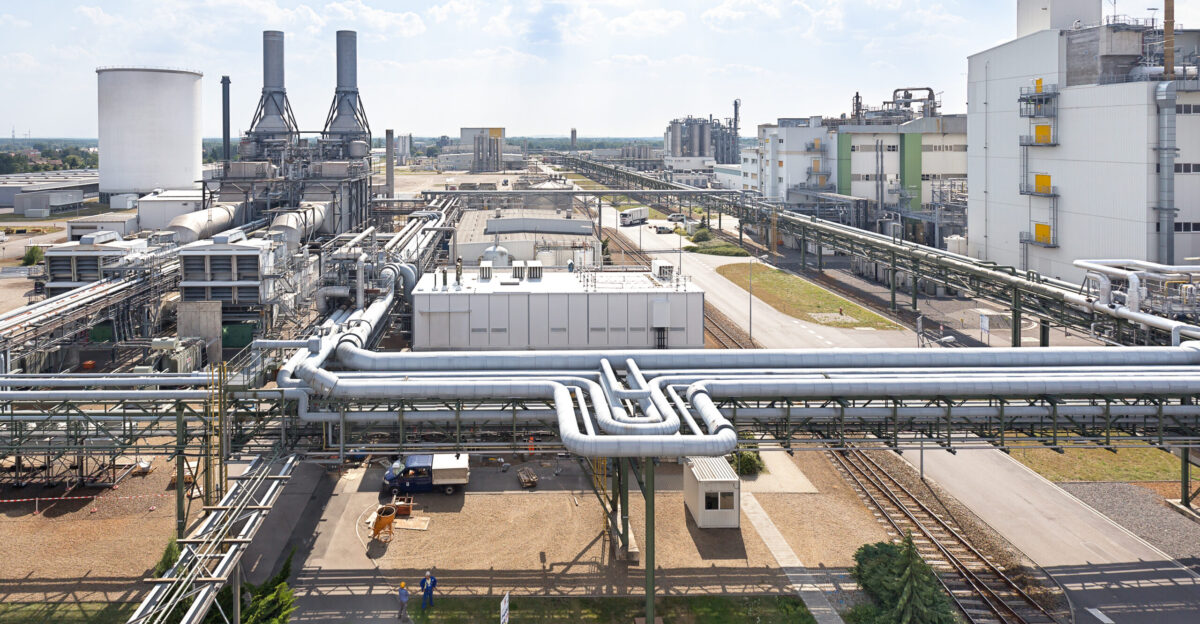
The restructuring reflects a strategic shift away from low-margin commodity chemicals. Westlake is increasingly focusing on higher-value materials where differentiation and pricing power are stronger.
This mirrors a broader industry trend as North American producers struggle to compete on cost alone against subsidized global rivals.
By consolidating production into fewer, more efficient facilities, the company aims to stabilize margins—accepting immediate disruption in exchange for a leaner footprint.
Market Skepticism
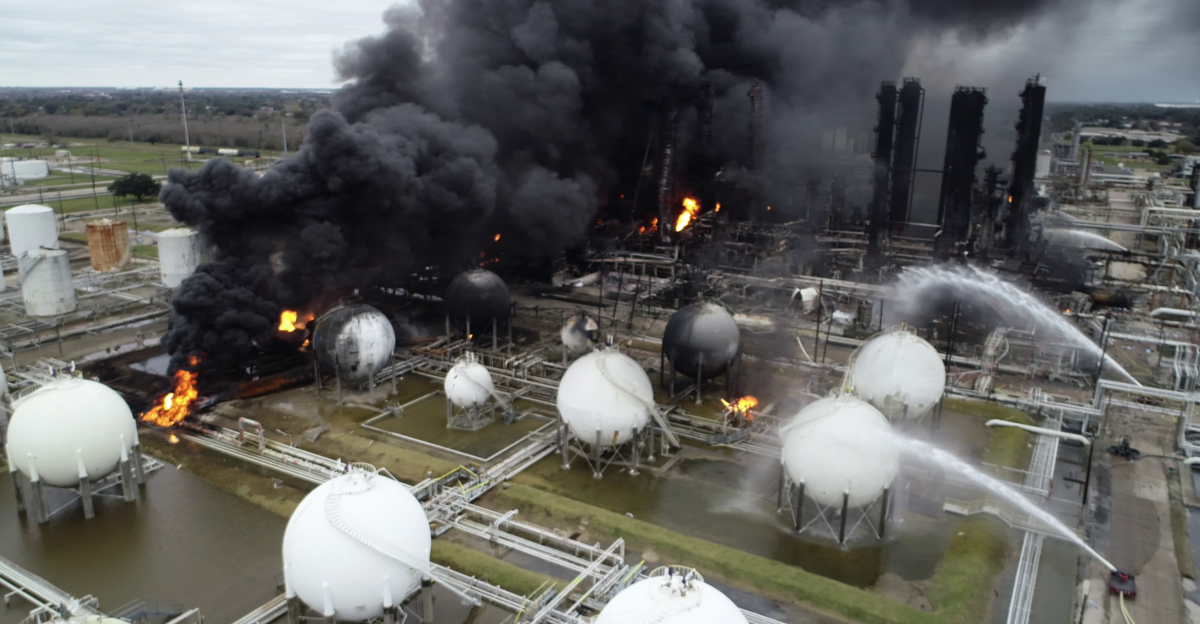
Analysts remain cautious. Westlake’s filings note results could differ due to closure costs, labor negotiations, and market uncertainty. Fitch’s deteriorating sector outlook suggests even aggressive restructuring may not restore historical profitability if global supply remains excessive.
Some observers question whether remaining facilities can meet customer demand without triggering price spikes that dampen consumption. The actions may be necessary—but whether they are sufficient remains unresolved.
A Defining Moment for the South
Westlake’s $415 million charge and four-plant shutdown mark a regional inflection point. Chemical facilities anchor supply chains, tax bases, and skilled labor pools across the South. Losing multiple units at once heightens fears of cumulative erosion as other producers reassess their footprints.
Whether this moment proves to be a stabilizing reset or the early stage of a longer contraction will shape Southern manufacturing—and its communities—for years to come.
Sources:
“Westlake to Rationalize Certain North American Chlorovinyl and Styrene Assets.” Westlake Corporation (Business Wire), December 14, 2025.
“Fitch Ratings Maintains Deteriorating Outlook for Global Chemicals on Overcapacity and Trade Risks.” Fitch Ratings Global Chemicals Outlook 2026, December 2025.
“The State of the Chemicals Industry: Time for Bold Action and Innovation.” McKinsey & Company, December 2024.
“Global Chemical Industry Trends.” Deloitte 2025 Chemical Industry Outlook, November 2025.