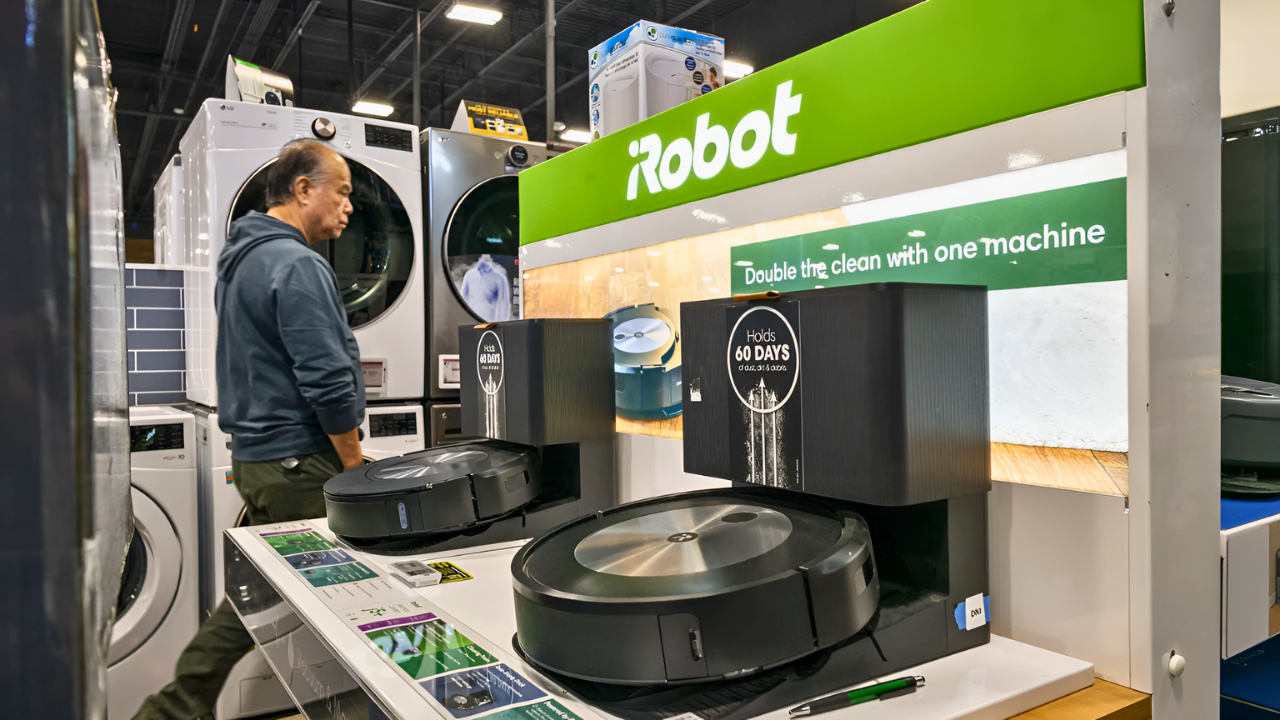
It’s December 15, 2025. At the U.S. Bankruptcy Court, a single document transforms the future of an American tech icon. iRobot, the MIT-founded pioneer behind Roomba, files for Chapter 11. Investors watch the Nasdaq: shares dropped approximately 10.8% on December 13, then plummeted 73% in the 24 hours following the bankruptcy announcement.
Once a $3.56 billion darling, the company’s value now teeters at $140 million. What went so catastrophically wrong for the vacuum giant in less than four years?
Escalating Losses
iRobot’s struggles grew as U.S. tariffs on Vietnam-made devices added $23 million to costs in 2025 alone. Job cuts and price slashes failed to stop the slide. Meanwhile, Chinese competitors undercut prices and innovated faster, eroding iRobot’s market share.
Consecutive annual losses reflected mounting pressure from trade wars, supply chain shocks, and intense global competition. The Roomba pioneer was cornered financially, with every move constrained by tariffs and rivals’ scale.
Robotics Pioneer
Founded in 1990 by MIT AI Lab members, iRobot moved from military robots to homes with Roomba’s 2002 debut. The company created the consumer robot vacuum market, making “Roomba” a household name. For decades, iRobot led the niche, shaping smart home cleaning.
Yet, late adoption of LiDAR and other innovations slowed its momentum. What once seemed like an unshakable lead began eroding under new rivals and shifting global dynamics.
Mounting Headwinds
Most Roombas sold in the U.S. were built in Vietnam, leaving iRobot exposed to escalating 46% import duties. These tariffs, part of a broader U.S. trade push since 2018, added tens of millions to costs. Chinese rivals, unaffected by these duties, produced cheaper alternatives, forcing iRobot to cut prices while still bleeding money.
Even strategic layoffs could not offset the financial pressure. The company’s supply chain became a battleground in a global trade war.
Bankruptcy Filing
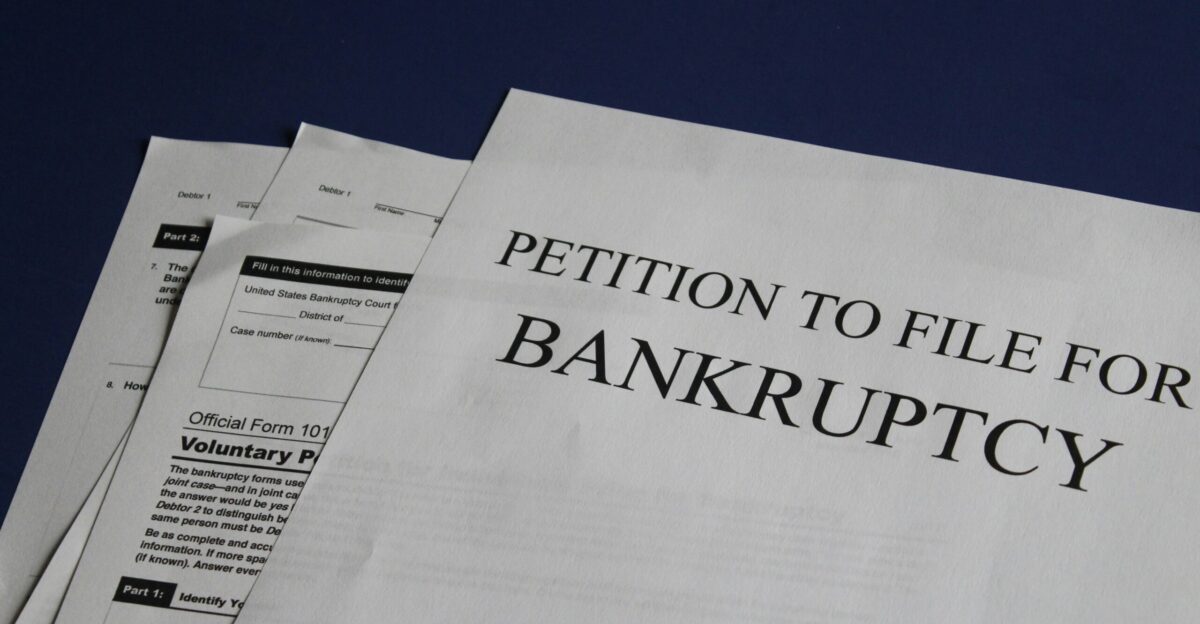
On December 15, 2025, iRobot filed prepackaged Chapter 11 bankruptcy in U.S. court. A blocked $1.7 billion Amazon acquisition in 2024 left the company without a lifeline. The deal, originally announced at $1.7 billion ($61 per share, all cash) in August 2022, was terminated on January 29, 2024, after regulatory scrutiny by the European Commission raised antitrust concerns.
Under bankruptcy, a secured lender, Shenzhen-based Picea Robotics, assumed full control. The acquisition marks the transition from a public American pioneer to private Chinese ownership. For the first time, iRobot’s destiny rests entirely outside U.S. hands.
U.S. Operations Hit
Bedford-based employees now face an uncertain future as restructuring unfolds. Research, development, and service teams remain operational, but questions linger about long-term stability. Supply chains linked to Vietnam are still under tariff scrutiny.
While production continues, the shift in ownership and focus signals potential changes for American innovation hubs, leaving thousands of U.S. jobs hanging in the balance.
Customer Assurances
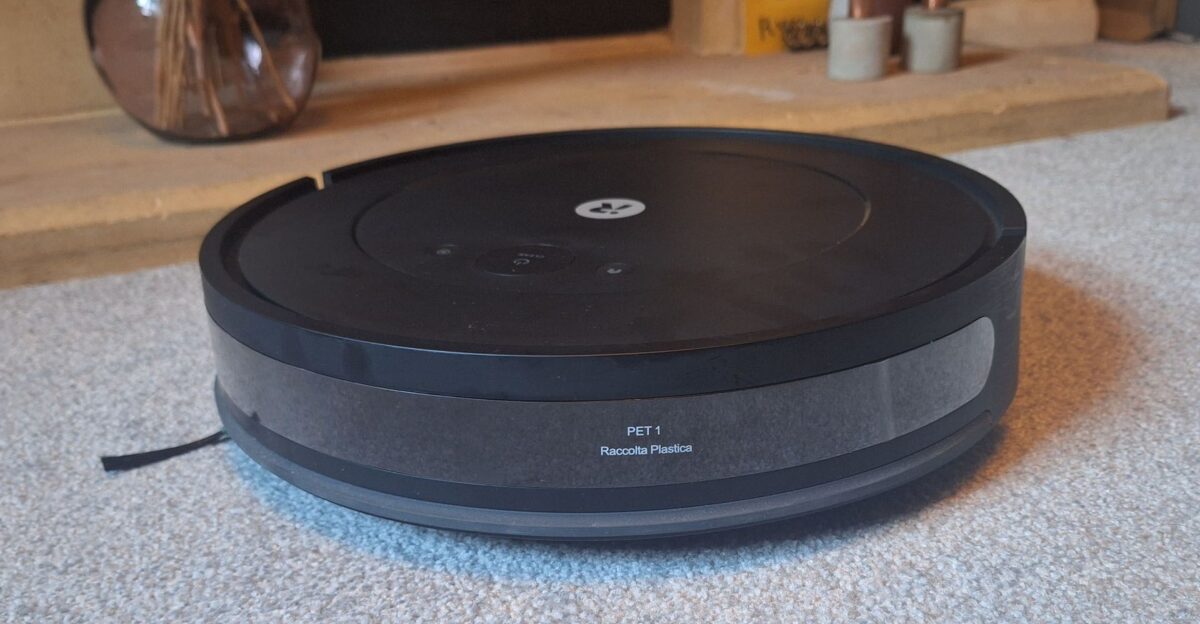
iRobot assures customers that Roomba devices, apps, and warranties remain functional. Production of 2026 models is ongoing, and debt restructuring is intended to stabilize the brand.
However, privacy concerns rise with connected devices under new Chinese ownership. Users can continue cleaning without disruption, but their data now flows through a global network, prompting questions about security in smart homes.
Chinese Rivals Surge
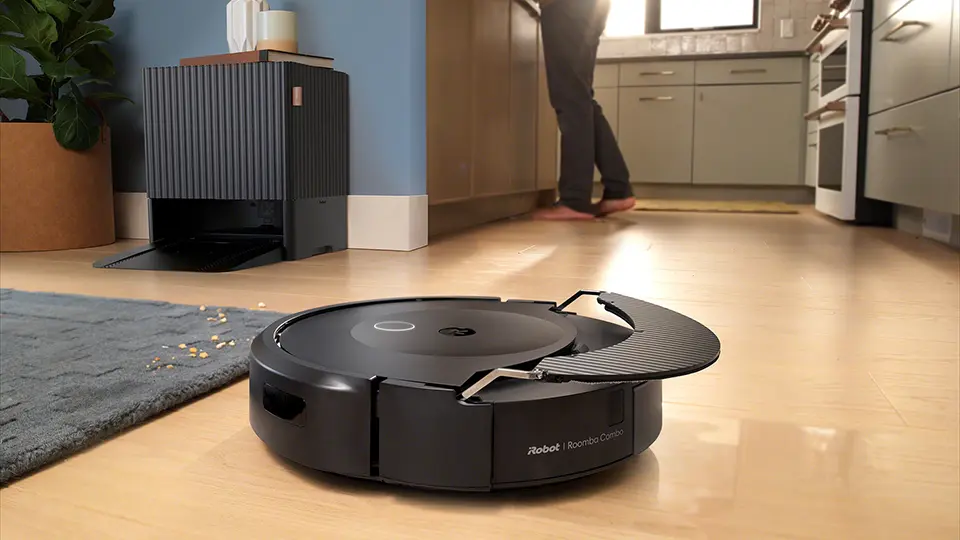
Picea Robotics, the new owner, employs 7,000 people and has manufactured over 20 million units globally. Lower prices, faster innovation, and advanced features like LiDAR helped Chinese competitors capture market share.
Ironically, Picea had previously manufactured for iRobot, gaining insider knowledge. U.S. tariffs unintentionally boosted these rivals, highlighting how global trade policies can reshape competitive landscapes. iRobot now competes in a market dominated by the very firms it once relied on.
Tariff Cost Breakdown
Court filings cite U.S. tariffs on Vietnam-made devices at 46%, inflating iRobot’s annual costs by $23 million—about 16% of its post-collapse market cap. These duties compounded financial stress alongside lost acquisition opportunities and competitive pressures.
The trade war redefined supply chain strategies, forcing iRobot to make tough decisions on pricing, production, and layoffs. The burden of tariffs accelerated its decline, turning a global innovator into a vulnerable target.
Valuation Freefall

iRobot’s valuation plummeted 96% from its 2021 pandemic peak. Once a market leader, the company lost ground to agile competitors leveraging scale and speed.
Even American brands like Shark and Bissell have limited presence, highlighting the shift in global robotics power. This collapse underscores how pandemic success and historical innovation alone can’t shield a company from trade, competition, and regulatory shocks.
Privacy Alarms
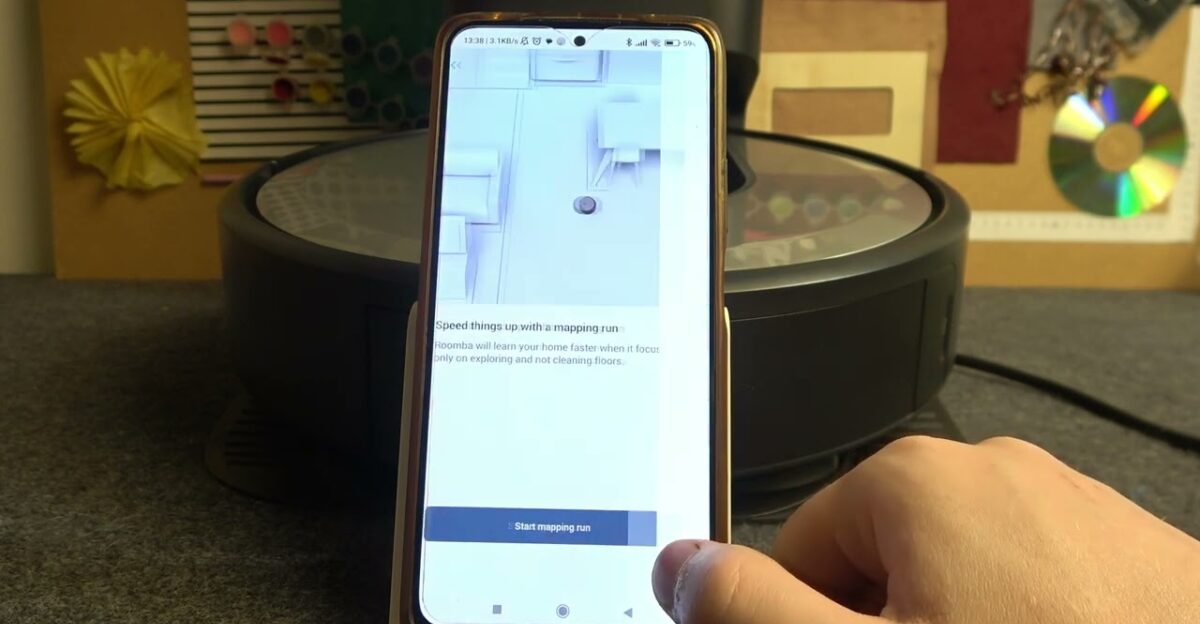
With Picea taking full control, Roomba mapping and operational data now reside under Chinese management. Experts stress no misconduct is known, but the move raises questions for millions of U.S. households about data privacy and security.
The shift reflects a broader debate: how does foreign ownership of American innovation affect consumer trust in smart devices?
Stakeholder Strain

Employees wrestle with restructuring, altered priorities, and potential shifts in R&D focus. Creditors are paid, but local job security is uncertain.
The ownership flip from a U.S. public company to a Chinese private firm challenges morale and trust. While operations continue, the cultural and strategic shift underscores the human cost of bankruptcy and foreign acquisition, as American innovators watch their company change hands.
Ownership Shift
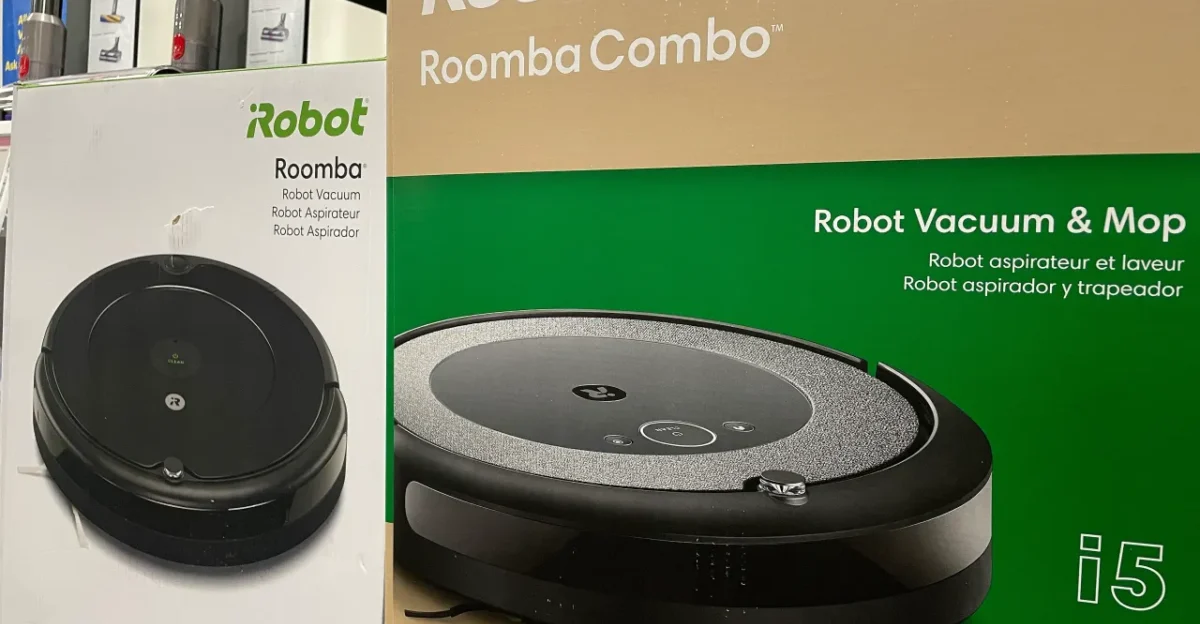
Picea Robotics, iRobot’s former lender and manufacturer, gains full ownership via bankruptcy. Public trading ends, and Roomba is now Chinese-owned.
Initial leadership remains, but strategy pivots are imminent. The acquisition marks a historic moment: an American robotics pioneer created in 1990, once synonymous with smart home innovation, is now controlled from Shenzhen, shifting the balance of tech leadership globally.
Continuity Push
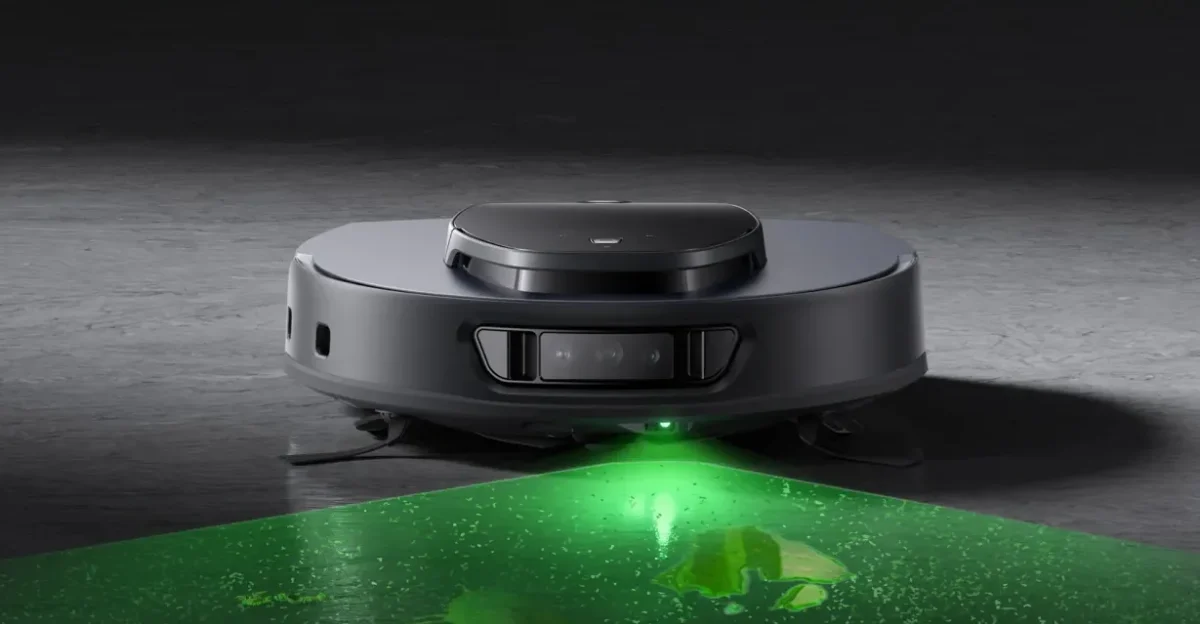
iRobot vows to maintain operations: assembly lines run, product development advances, and next-gen Roombas are set for 2026. Debt-free restructuring funds innovation to compete with rivals using LiDAR.
Picea leverages global scale to stabilize and revitalize the brand. Whether execution matches these ambitions remains uncertain, but the effort signals an attempt to preserve the Roomba legacy under new ownership.
Future Unknown
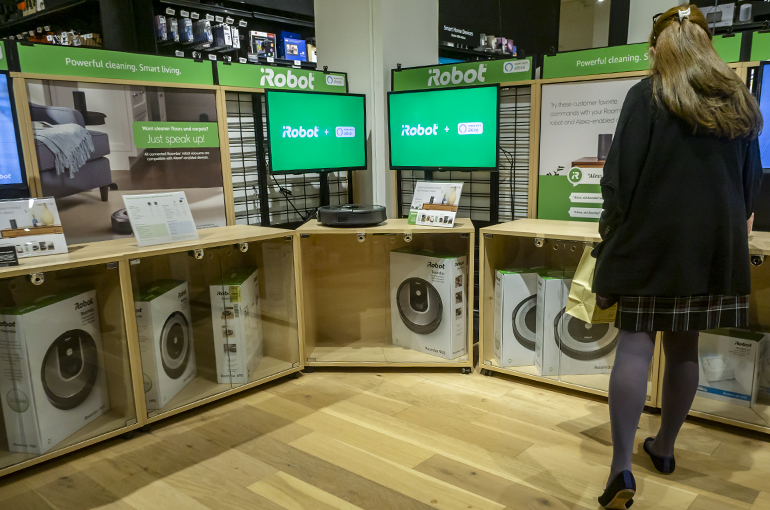
With Roomba now Chinese-owned, the U.S. faces questions on tariffs, innovation, and privacy. Picea’s global scale offers growth potential, yet the loss of American control stings. Jobs, research, and data security hang in the balance.
This transition raises a larger question: can American consumers continue trusting a pioneer that once symbolized U.S. tech leadership, now guided by foreign hands? The next chapter of Roomba remains uncertain.
Sources:
Quartz — “Roomba maker iRobot files for bankruptcy as tariffs drive up costs”
TechRadar — “‘This is good news for us’ – iRobot CEO on how the Picea takeover actually presents a business opportunity”
Silicon Republic — “Roomba maker iRobot goes bankrupt”
NPR — “Tariffs, competition put pressure on Roomba maker iRobot”