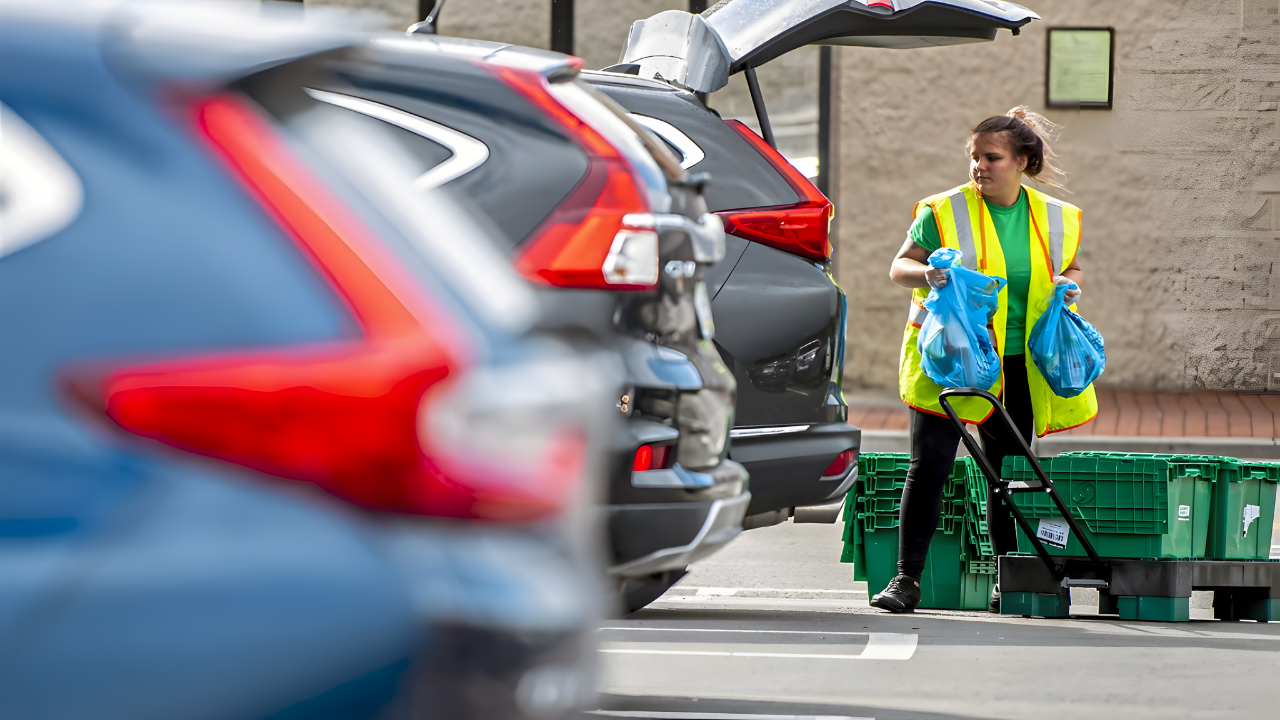
Delivery vans idle outside a cavernous grocery fulfillment warehouse as operations wind down inside. Within weeks, six of these East Coast pickup hubs will go dark—permanently—even as U.S. online grocery spending surges.
November alone logged $12.3 billion in sales, a 29% year-over-year jump. The contradiction is striking: demand is exploding, yet the infrastructure built to handle it is being dismantled in real time. What changed so fast that entire facilities are now being shut down?
Delivery Dominates
Speed has overtaken scale. Shoppers increasingly expect groceries delivered to their door in under 30 minutes, with full assortment and real-time availability. Partners like Instacart and DoorDash now handle much of that demand.
As reliance on pickup-only models falls to historic lows, centralized hubs struggle to compete with store-based fulfillment. The question isn’t whether delivery wins—but which infrastructure survives the shift.
E-Commerce Evolves
After the pandemic, grocery e-commerce exploded. Ahold Delhaize USA—parent of Giant Food and The GIANT Company—built dedicated fulfillment centers to handle curbside pickup and delivery at scale.
Automation promised efficiency and volume. But demand patterns changed quickly. Instead of predictable pickup waves, shoppers began toggling between multiple fulfillment options, undermining fixed, centralized networks.
The Model Tightens
Data from Brick Meets Click show a sharp rise in multi-method grocery shopping. Delivery continues to outpace pickup, while single-method reliance drops to one of the lowest levels on record. For grocers, store-based fulfillment offers speed, flexibility, and lower last-mile costs.
Mega-hubs, designed for steady volumes, now face volatile demand and geographic inefficiencies. The economics no longer pencil out the way they once did—especially in dense East Coast markets.
Six Hubs Go Dark
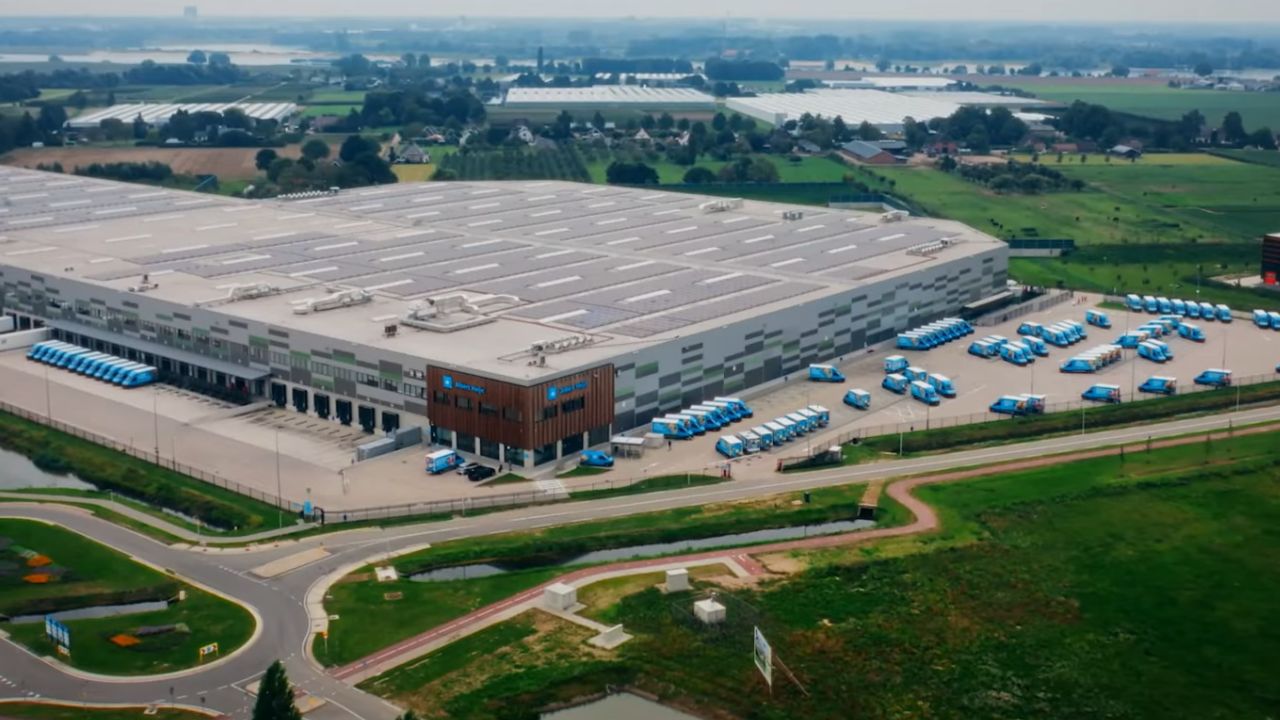
Ahold Delhaize USA will permanently shut six e-commerce fulfillment centers in Q1 2026. The closures include one Giant Food hub in Manassas, Virginia, closing February 10, and five Pennsylvania sites operated by The GIANT Company—Philadelphia (February 13), Willow Grove, Coopersburg, North Coventry, and Lancaster by late April.
Together, these facilities represented a significant share of the company’s pickup-heavy infrastructure across the East Coast.
Virginia Fallout
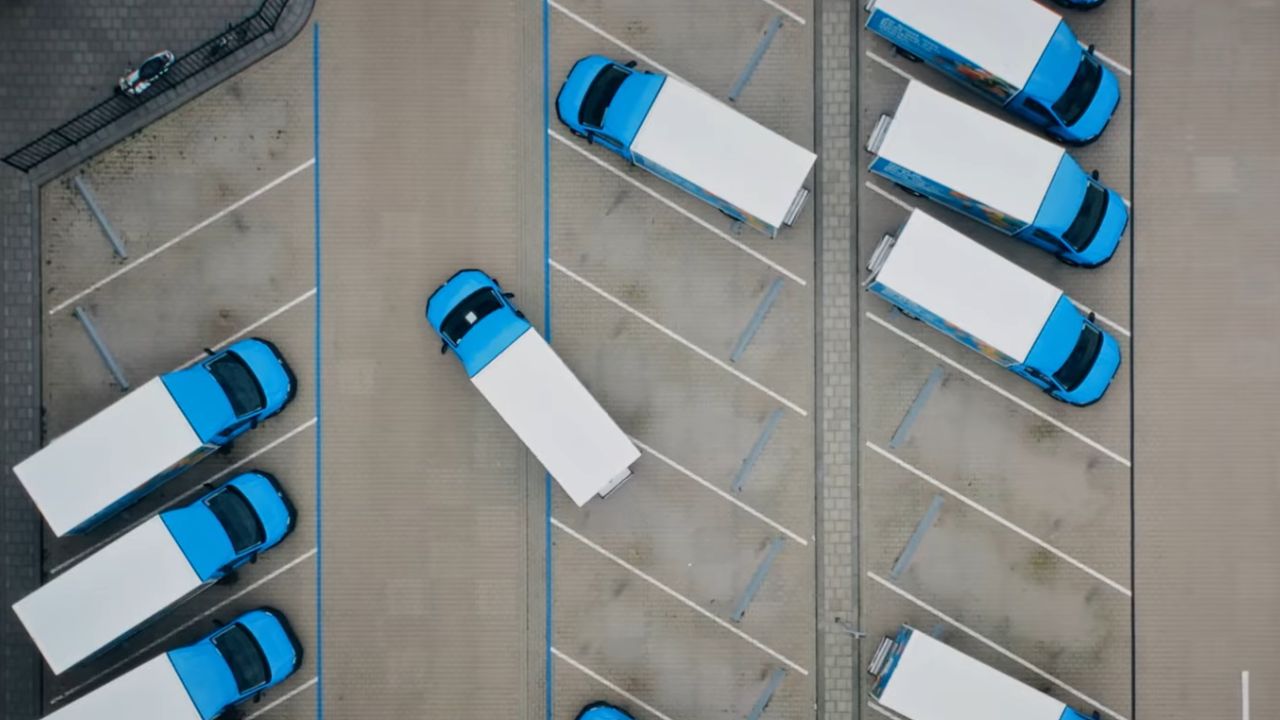
The Manassas, Virginia facility served as a major online order hub for Giant Food. WARN filings show 90 employees will be laid off effective February 10, 2026. The site supported both curbside pickup and delivery across densely populated markets.
With its closure, fulfillment shifts back into stores, narrowing pickup access while increasing reliance on delivery partners. For local shoppers, convenience doesn’t disappear—but the method changes almost overnight.
Pennsylvania Disruptions
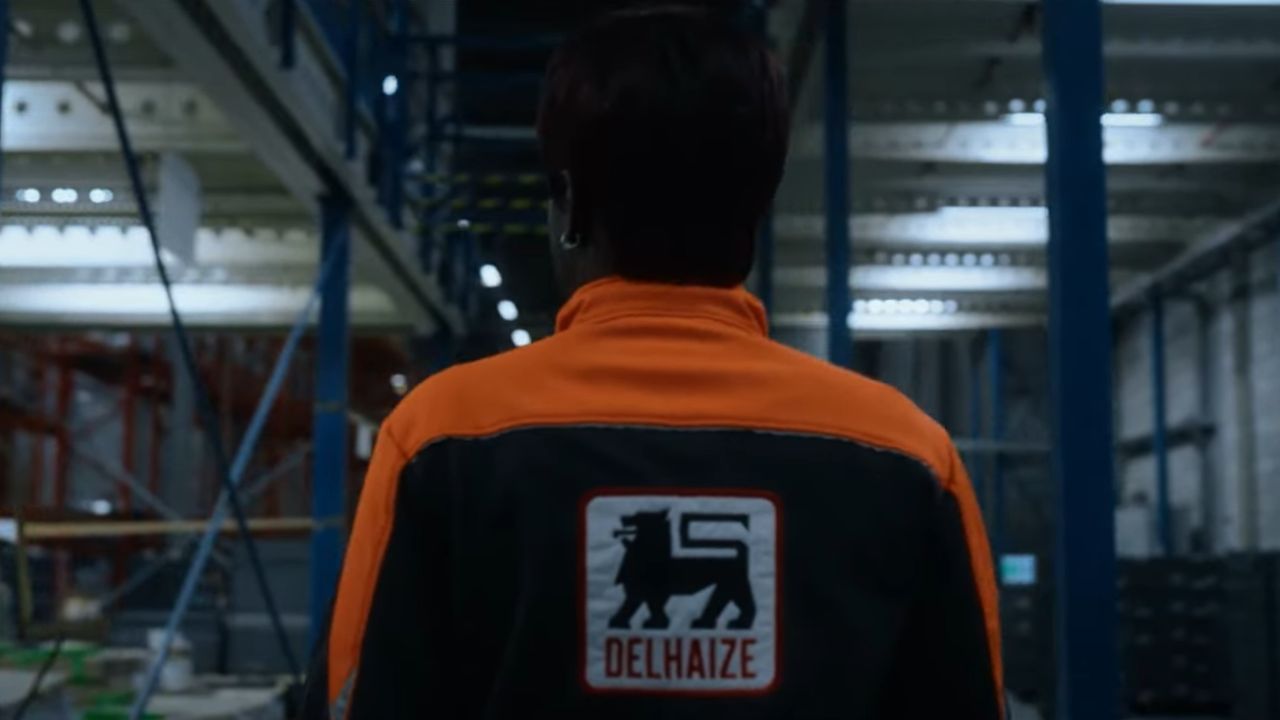
Five Pennsylvania closures ripple through multiple communities. Philadelphia’s facility alone will displace 128 workers when it shuts February 13. Lancaster accounts for 81 employees, with additional staff affected in Willow Grove, Coopersburg, and North Coventry.
These hubs relied heavily on automated picking systems to handle high pickup volume. As operations wind down, workers face relocations or job losses—adding human cost to an industry-wide strategic pivot.
Rivals Retreat Too

This isn’t isolated. Kroger has closed three Ocado-powered customer fulfillment centers in Wisconsin, Maryland, and Florida, plus six spoke sites, and paid Ocado $350 million to unwind the partnership.
Albertsons has also cut stores and jobs. Across the sector, centralized automation is giving way to store-first delivery networks.
A Market Paradox
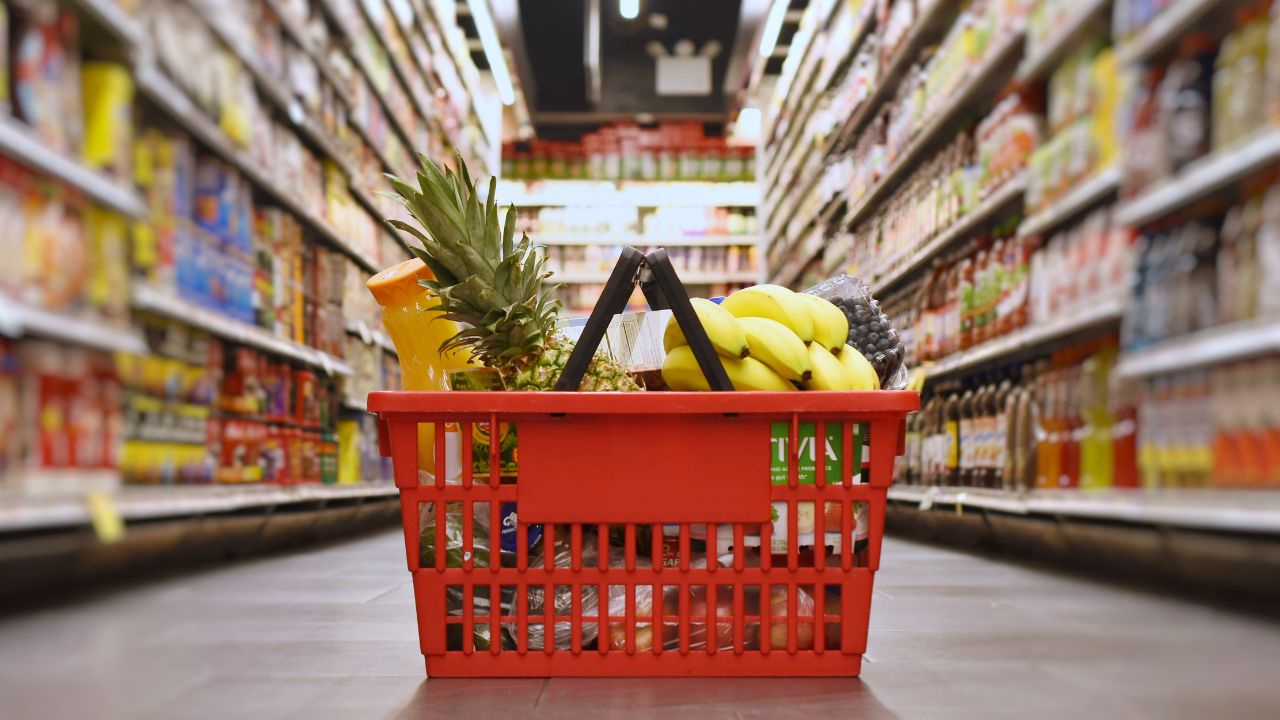
Online grocery demand is booming, not shrinking. November 2025 marked one of the strongest monthly performances of the year, yet Ahold Delhaize recorded roughly $50 million in impairments tied to these closures—about $35 million in Pennsylvania and $15 million in Virginia.
The takeaway is stark: growth alone doesn’t justify infrastructure. Flexibility now matters more than raw capacity as delivery windows compress and expectations rise.
Grocery Pickup Is Dead
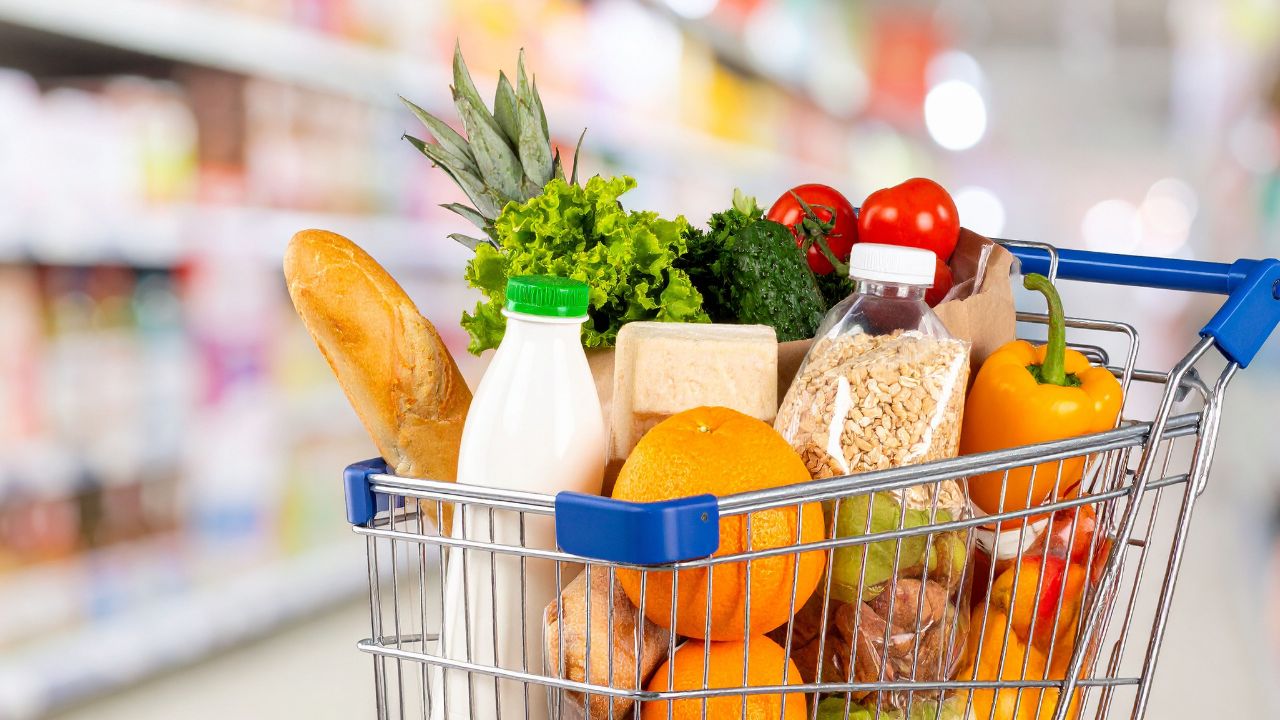
When industry analysts say “grocery pickup is dead,” they’re referring specifically to centralized fulfillment hubs—the massive, standalone warehouses built during the pandemic boom to aggregate online orders for curbside collection.
This mega-hub model is indeed being dismantled. But pickup as a fulfillment method is not disappearing; it’s evolving. Pickup is migrating back into stores as in-store pickup and curbside collection, where store staff pick items directly from store shelves.
Automation Isn’t the Villain
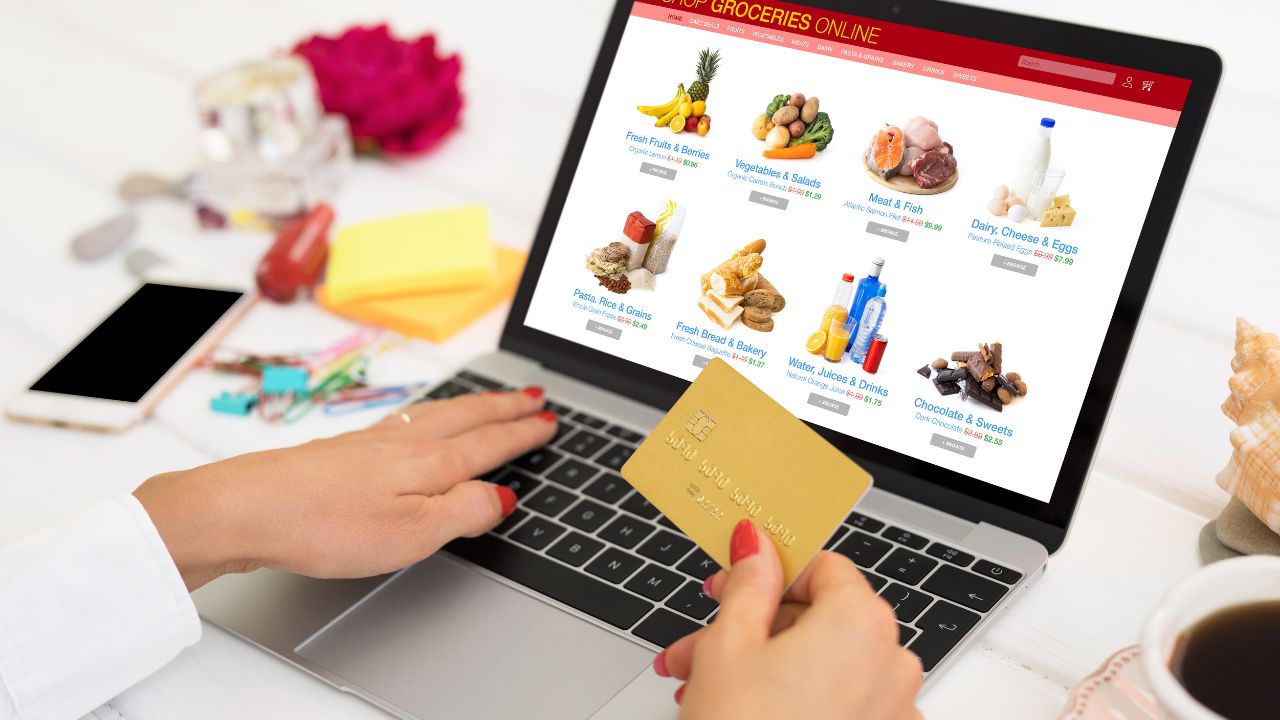
According to eMarketer research, 66.4% of click-and-collect buyers will use in-store pickup by 2026. The centralized mega-hub infrastructure is the casualty; the pickup service itself is thriving in new forms.
Philadelphia’s Southwest fulfillment center illustrates the shift. Opened in 2021, it used 70 AutoStore robots and handled up to 15,000 orders per week. Despite that scale, it will close by February 13, 2026.
The failure wasn’t the technology—it was the model. Automation is now moving into stores and micro-fulfillment setups rather than massive, centralized pickup hubs.
Workers Feel the Whiplash
WARN notices provide 60–90 days of runway, but uncertainty remains high. Employees describe frustration as once-promoted growth strategies reverse course.
Local officials in places like Upper Moreland Township, home to the Willow Grove facility, have raised concerns about job losses. What was framed as long-term expansion now looks like a rapid correction—leaving workers to absorb the impact first.
Strategy Without Shake-Ups
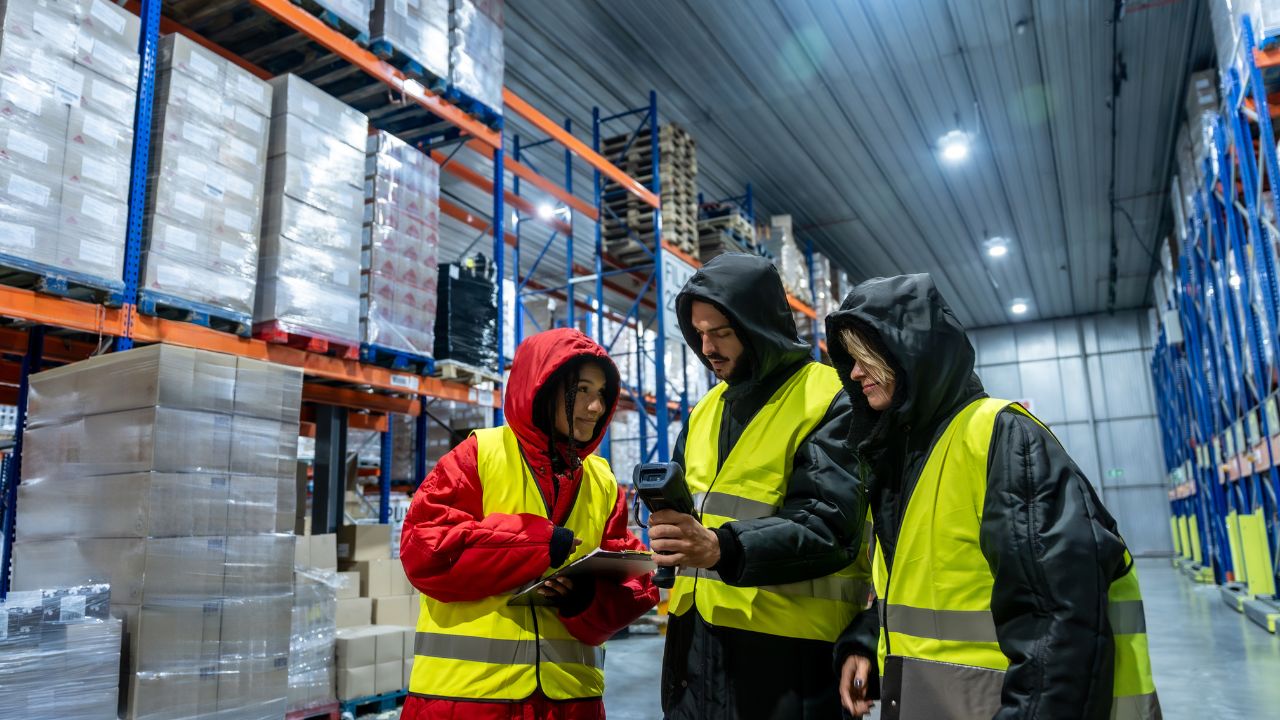
Ahold Delhaize leadership has not announced executive changes tied to the closures. Instead, executives cite “evolving customer shopping patterns” as justification for the pivot.
The company is doubling down on store-based fulfillment and third-party delivery partnerships. The retreat from centralized hubs appears deliberate, not reactive—suggesting this is a strategic reset rather than a temporary pause.
Stores Take Over
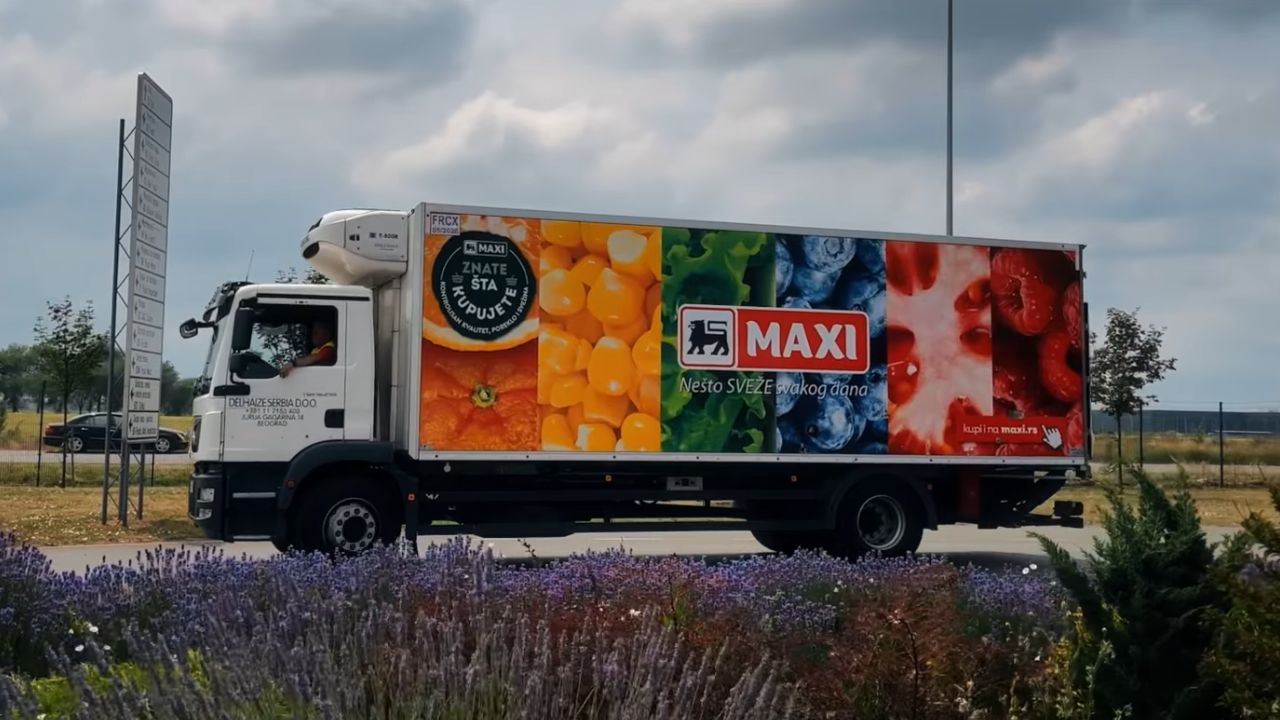
The company’s new approach centers on in-store picking supported by Instacart and DoorDash, enabling 30-minute delivery in many markets.
While e-commerce hubs close, online ordering continues—just fulfilled locally. At the same time, Ahold Delhaize is investing $860 million in a massive new distribution center in Burlington, North Carolina, slated to open in 2029 and support regional supply, not pickup.
Industry analysts argue centralized grocery hubs only work with stable, predictable volume—conditions grocery rarely offers. Same-day delivery, demand spikes, and thin margins favor flexibility over efficiency.
Pickup Isn’t Dead—The Model Is
Kroger’s costly Ocado unwind reinforces that skepticism. Many now see mega-hubs as an overcorrection from the pandemic era rather than a sustainable long-term solution.
Centralized pickup hubs are fading, but pickup itself survives inside stores. As online grocery sales climb, grocers are betting that flexible, localized fulfillment can scale profitably.
Ahold Delhaize’s East Coast closures mark its largest fulfillment pullback in recent history—even as it commits billions elsewhere. The future won’t belong to the biggest warehouse, but to the fastest network shoppers are willing to use.
Sources:
“U.S. eGrocery Sales Surge 29% YOY to $12.3 Billion in November 2025.” Brick Meets Click, sponsored by Mercatus, December 8, 2025.
“Giant Food and The Giant Company to Shutter Centralized E-Commerce Fulfillment Centers.” Grocery Dive, December 17, 2025.
“Ocado to Receive $350 Million Payment After Kroger Culls Robotic Warehouse Network.” Reuters, December 5, 2025.
“Ahold Delhaize USA Gets Ready to Close 6 Facilities.” Supermarket News, December 17, 2025.