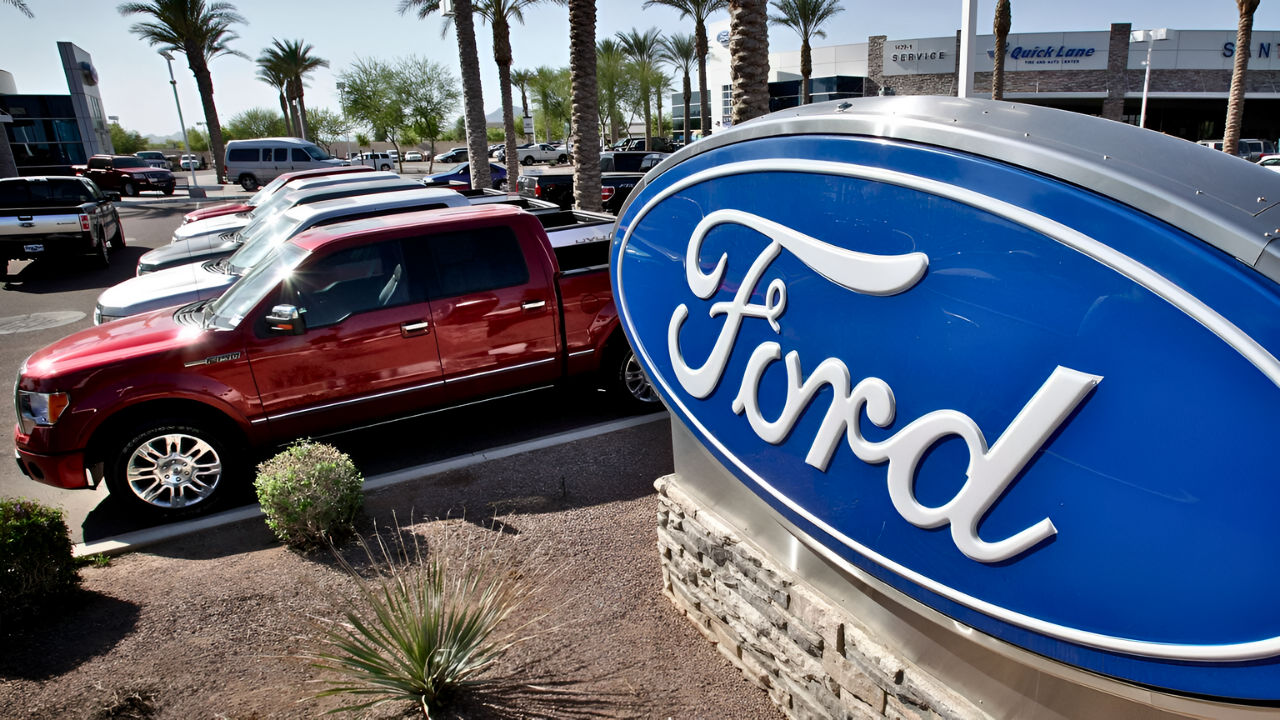
Ford Motor Company announced a recall of 272,645 electric and hybrid vehicles on December 18, 2025, due to a critical defect that prevents vehicles from fully engaging Park mode. T
he issue creates a dangerous rollaway risk, particularly on inclined surfaces. Federal safety regulators classified the problem as violating standards for theft protection and rollaway prevention.
Three Popular Models Impacted by Defect
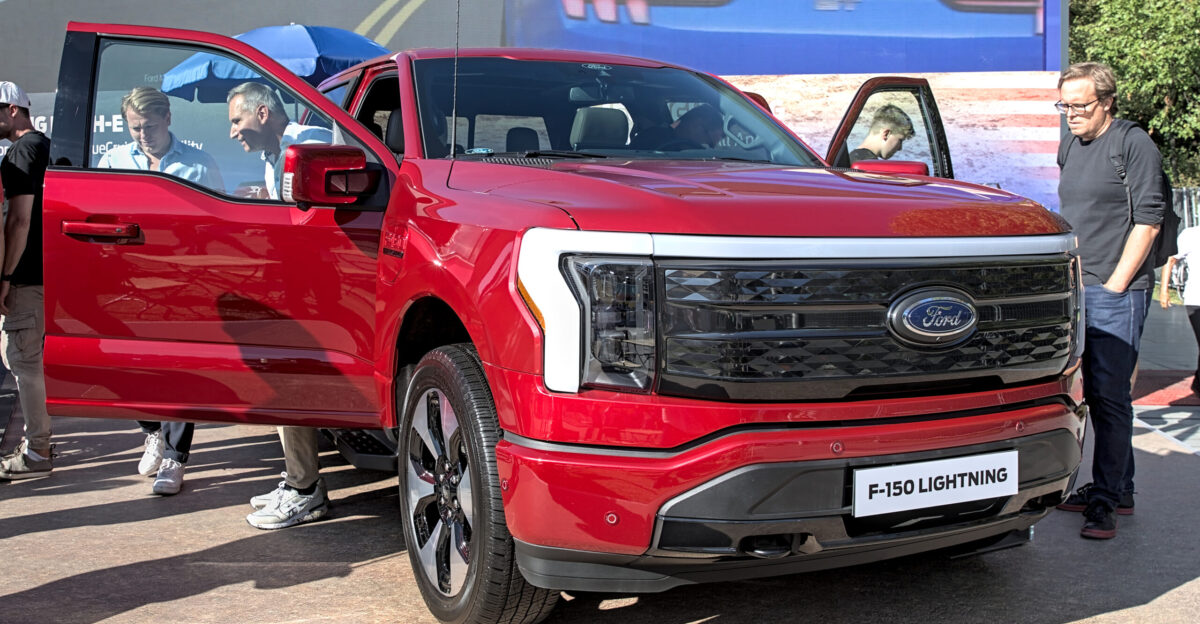
The recall affects Ford’s key electrification lineup: 104,113 F-150 Lightning electric trucks from 2022-2026 model years, 88,064 Mustang Mach-E electric SUVs from 2024-2026, and 80,468 Maverick hybrid pickups from 2025-2026.
These vehicles represent Ford’s strategic push into electric and hybrid markets, making the recall particularly significant for the company’s transition plans.
Integrated Park Module at Center of Problem
The defect stems from Ford’s Integrated Park Module, where binding occurs between the parking pawl and slider components.
This binding prevents the slider from returning to its fully engaged park position. The issue arises from manufacturing variations creating excessive friction between components, even though individual parts meet specifications.
Warning Signs Drivers Should Recognize

Affected vehicles display specific warning indicators when the defect occurs. Drivers will notice no illuminated “P” indicator on the dashboard, accompanied by a wrench warning light and shift system fault message.
The vehicle’s diagnostic system triggers trouble code P07E4-00, which should automatically activate the electronic parking brake as a backup safety measure.
Real-World Incident Highlights Serious Risks
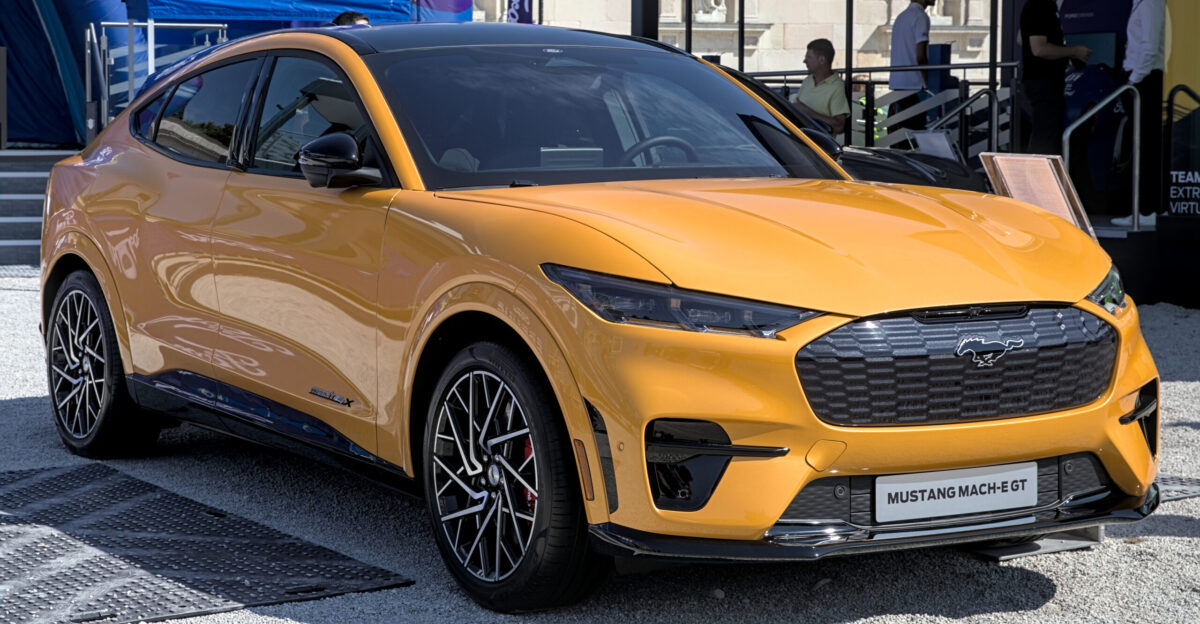
At least one documented rollaway incident demonstrates the defect’s dangers. Mustang Mach-E owner Ryan Taylor reported his 2024 vehicle began rolling away after he exited, despite Park and the parking brake being engaged.
“I had to jump back in and hit the brake to stop it inches away from my Audi,” Taylor stated, noting the wheels were actively turning.
Ford Reports 42 Warranty Claims Filed

Ford documented 42 warranty claims related to the park module defect before announcing the recall: 22 from Mustang Mach-E vehicles, 16 from F-150 Lightning trucks, and four from Maverick models.
The company maintains no crashes or injuries have been directly attributed to this specific issue as of December 2025, though safety advocates express concern about unreported incidents.
Software Update Solution Coming February 2026
Ford plans to address the defect through a software update rather than hardware replacement. The update will target the vehicle’s Secondary Onboard Diagnostic Module, enabling it to detect and unbind the park slider when engagement issues occur.
The remedy represents a modern approach using software to compensate for mechanical tolerance problems.
Over-the-Air Updates Offer Convenient Fix

Eligible vehicles will receive the software update over-the-air, eliminating the need for most owners to visit dealerships. For vehicles without active connectivity, Ford dealers will install the update at no charge.
The company will mail interim notification letters to affected owners on February 2, 2026, with the final remedy available later that month.
Part of Historic Recall Crisis for Ford
This recall marks Ford’s 145th safety action in 2025, contributing to an unprecedented year that shattered industry records.
The automaker has issued 152 total recalls in 2025—nearly double the previous record of 77 set by General Motors in 2014. Ford’s recall volume far exceeds competitors, with Honda issuing just 53 recalls this year.
Quality Problems Span Entire Vehicle Lineup
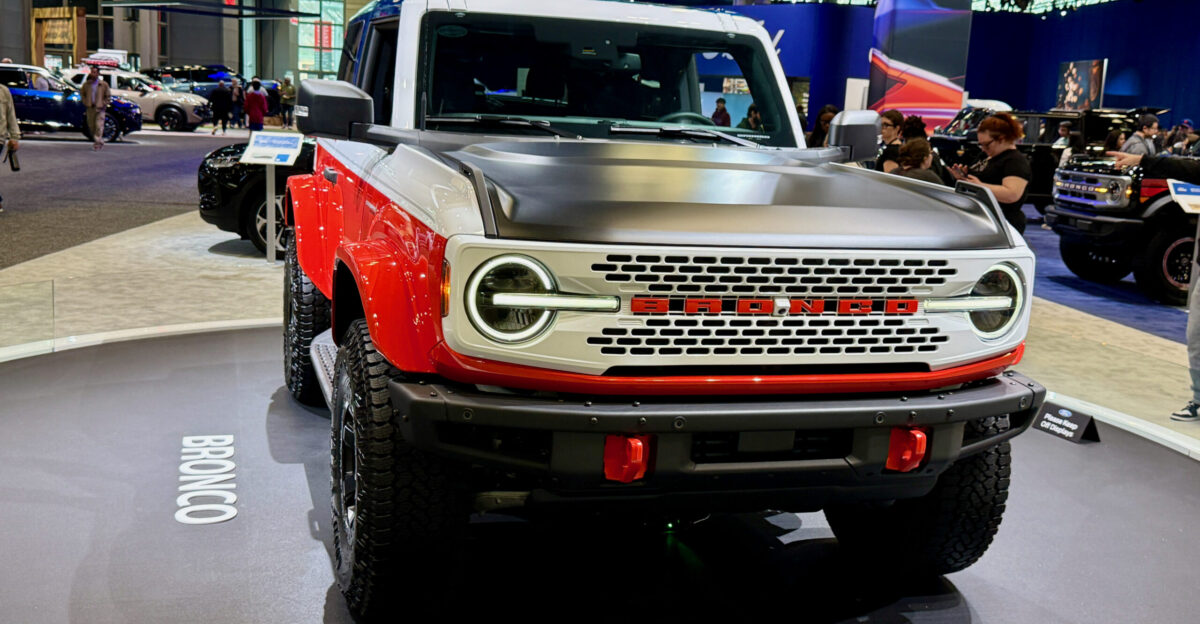
Ford’s 2025 recalls encompass diverse issues across its portfolio. Major actions included 1.9 million vehicles for rearview camera defects, 700,000 vehicles for fuel injector failures, and numerous recalls affecting the F-150, Bronco, and Expedition models.
The breadth suggests systemic quality control deficiencies rather than isolated problems.
Financial Burden Reaches Billions of Dollars

Warranty costs have surged from approximately 2.8% of Ford’s revenue in 2021 to 4.0% in 2025, representing hundreds of millions in additional annual expenses.
Specific 2025 recall charges include $570 million for fuel injectors and $900 million for F-150 Lightning issues. The company also paid a $165 million civil penalty for delayed rearview camera recalls.
Electric Vehicle Division Loses $1.3 Billion

Ford’s Model e electric vehicle division posted a $1.3 billion operating loss in the second quarter of 2025, partially attributable to quality issues and recall costs.
These losses occur while Ford invests heavily in electrification, creating capital allocation tensions. Mounting warranty expenses directly compete with necessary EV development funding during the industry’s critical transition period.
Stock Performance Reflects Investor Concerns

Ford’s stock declined approximately 10% year-to-date through September 2025, underperforming the broader market and automotive sector peers. Shares traded around $13.31-13.47 in December 2025, with analysts maintaining mostly “Hold” ratings.
Only two of 13 analysts recommend buying Ford stock, reflecting concerns about sustained quality problems and profitability pressure.
Competitors Demonstrate Superior Quality Control
Ford’s recall volume dramatically exceeds competitors operating at similar scale. Honda issued 53 recalls in 2025, General Motors issued 27, and Tesla issued just four in the first five months.
Japanese manufacturers Toyota, Honda, and Mazda demonstrate that low recall rates remain achievable despite increasing vehicle complexity and electronic content.
Company Attributes Surge to Enhanced Scrutiny
Ford maintains its recall increase reflects an “intensive strategy to quickly find and fix hardware and software issues.” The company has more than doubled its safety and technical expert team over two years and significantly increased testing to failure.
Ford also operates under a NHTSA consent order requiring review of all recalls from the past three years.
Quality Improvements Not Yet Showing Results

Despite hiring 300 quality specialists, adopting Toyota manufacturing practices, and implementing rigorous testing protocols, Ford’s recall rates continue rising.
The company reported improved initial quality scores in 2025, but these metrics measure defects in the first 90 days of ownership rather than longer-term reliability issues that generate recalls.
Brand Reputation Takes Significant Hit
Ford’s historical brand strength centered on durability and reliability, particularly the F-150’s four-decade run as America’s best-selling vehicle. The 2025 recall crisis directly contradicts this brand promise, especially with F-150 variants leading recall frequency at 26 separate actions.
Rebuilding consumer confidence will require sustained periods of defect-free performance across multiple model years.
Electric Vehicle Strategy Faces Credibility Gap
The concentration of recalls in Ford’s electric and hybrid lineup—F-150 Lightning, Mustang Mach-E, and Maverick Hybrid—damages the company’s electrification credibility.
These models represent core EV strategy elements: electrifying iconic vehicles and offering affordable hybrid options. Quality issues in precisely these products undermine confidence in Ford’s ability to compete against Tesla, Rivian, and traditional manufacturers.
Regulatory Oversight Intensifying Under NHTSA

The National Highway Traffic Safety Administration’s consent order signals heightened scrutiny of Ford’s recall processes.
Regulators are requiring comprehensive reviews to ensure all affected vehicles are identified and remediated. Future defect investigations may face accelerated timelines and expanded scopes, potentially resulting in additional civil penalties if delays or incomplete recalls are discovered.
Path Forward Requires Sustained Quality Focus
Ford faces a critical period requiring translation of quality initiatives into measurably reduced defect rates. The lag between implementation and results tests stakeholder patience, with consumers and investors awaiting evidence that improvements extend beyond rhetoric.
Until consecutive model years demonstrate substantially lower recall rates, quality concerns will continue overshadowing operational achievements and constraining Ford’s competitive position in the rapidly evolving automotive landscape.
Sources:
“Ford Recalls 272,000 Vehicles Because They Might Not Stay in Park.” Road & Track, December 23, 2025.
“Ford recalls nearly 273,000 vehicles over rollaway risk.” CBS News, December 18, 2025.
“Ford shatters decade-old recall record with 152 safety alerts issued year alone across multiple models.” Fox Business, December 24, 2025.
“Ford Recalls Over 272,000 Vehicles Because Park Isn’t What You Think.” Carscoops, December 21, 2025.
“I Had to Jump Back In to Stop It: Mustang Mach-E Owner Says His 2024 Model Rolled On Its Own While in Park.” Torque News, December 25, 2025.